Many gardeners believe that a shaded garden cannot be colorful or exciting. That belief is completely wrong. Hundreds of stunning flowers thrive in low-light conditions and produce breathtaking blooms all season long.
Shade-loving flowers are some of the most elegant and interesting plants in the entire plant kingdom. From delicate woodland natives to bold tropical perennials, the variety available is truly astonishing. You will never run out of beautiful options for a shaded garden space.
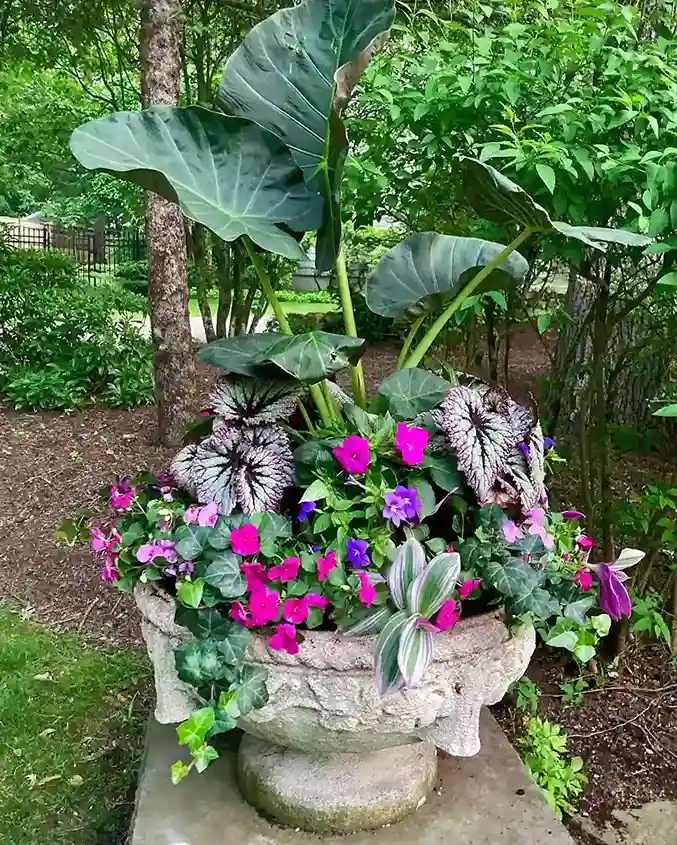
source: @petalsbranches
This guide covers 50 of the very best shade-loving flowers in full detail. You will learn their care needs, ideal growing conditions, and how to use them in your garden design. Whether your shade is light, partial, or deep, there is a perfect flower for every situation here.
Quick Overview: All 50 Shade-Loving Flowers at a Glance
Before diving into each flower in detail, use this master table to quickly scan all 50 shade-loving flowers. It gives you the most important information at a glance — type, shade tolerance, bloom season, and height. Use it to shortlist your favorites before reading the full profiles below.
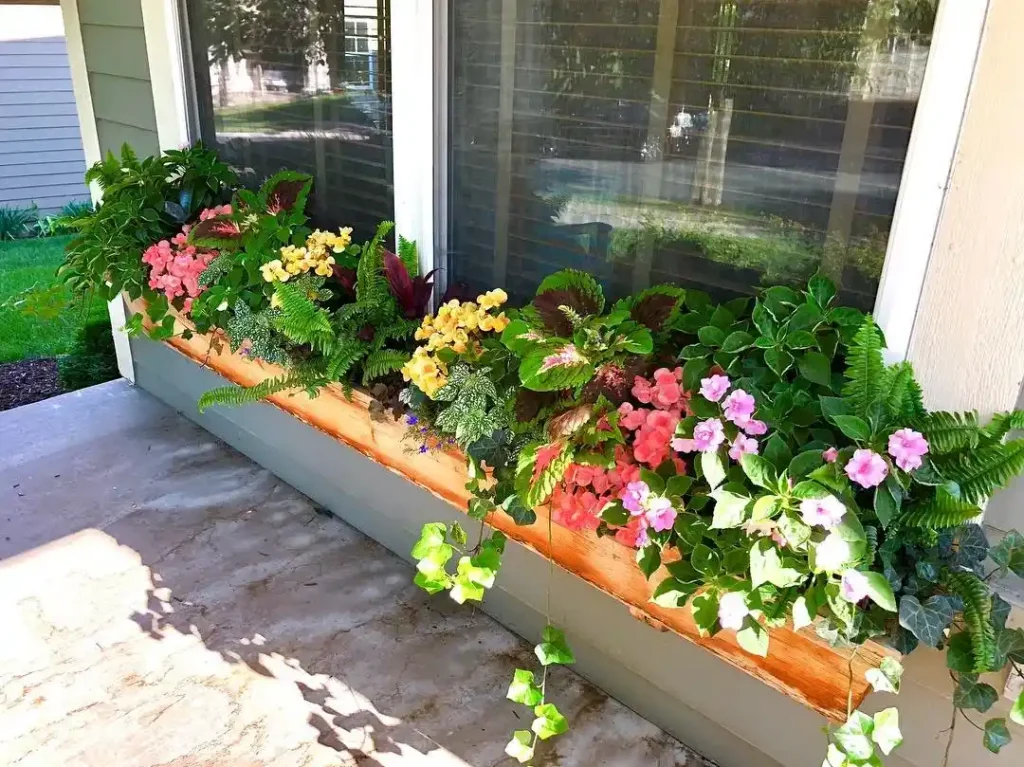
source: @divine_containers
Pay close attention to the shade tolerance column. Some flowers prefer dappled or partial shade while others thrive in deep, dense shade. Matching the right flower to your exact light conditions is the single most important step to success in any shaded garden.
| # | Flower Name | Type | Shade Level | Bloom Season | Height |
| 1 | Impatiens | Annual | Full Shade | Summer–Frost | 15–45cm |
| 2 | Begonia | Annual/Perennial | Part–Full Shade | Summer–Frost | 20–60cm |
| 3 | Bleeding Heart | Perennial | Part–Full Shade | Spring | 30–90cm |
| 4 | Hosta (Flowers) | Perennial | Part–Full Shade | Summer | 30–90cm |
| 5 | Foxglove | Biennial/Perennial | Part Shade | Late Spring–Summer | 60–180cm |
| 6 | Astilbe | Perennial | Part–Full Shade | Summer | 30–120cm |
| 7 | Lungwort | Perennial | Part–Full Shade | Early Spring | 20–40cm |
| 8 | Japanese Anemone | Perennial | Part Shade | Late Summer–Autumn | 60–120cm |
| 9 | Columbine | Perennial | Part Shade | Spring–Early Summer | 30–90cm |
| 10 | Coral Bells | Perennial | Part Shade | Summer | 30–75cm |
| 11 | Primrose | Perennial | Part Shade | Spring | 15–30cm |
| 12 | Hellebore | Perennial | Part–Full Shade | Winter–Spring | 30–60cm |
| 13 | Sweet Woodruff | Perennial | Part–Full Shade | Spring | 15–30cm |
| 14 | Lily of the Valley | Perennial | Part–Full Shade | Spring | 15–30cm |
| 15 | Virginia Bluebells | Perennial | Part Shade | Spring | 30–60cm |
| 16 | Trillium | Perennial | Full Shade | Spring | 20–45cm |
| 17 | Wild Ginger | Perennial | Full Shade | Spring | 10–20cm |
| 18 | Jack-in-the-Pulpit | Perennial | Full Shade | Spring | 30–60cm |
| 19 | Solomon’s Seal | Perennial | Part–Full Shade | Spring | 30–90cm |
| 20 | Toadflax | Perennial | Part Shade | Summer | 30–60cm |
| 21 | Fuchsia | Annual/Perennial | Part Shade | Summer–Autumn | 30–90cm |
| 22 | Caladium | Tropical Perennial | Part–Full Shade | Foliage | 30–60cm |
| 23 | Torenia | Annual | Part Shade | Summer–Autumn | 20–30cm |
| 24 | Browallia | Annual | Part Shade | Summer–Autumn | 20–45cm |
| 25 | Lobelia (trailing) | Annual | Part Shade | Summer–Autumn | 10–20cm |
| 26 | Nicotiana | Annual | Part Shade | Summer–Frost | 30–90cm |
| 27 | Mimulus | Annual/Perennial | Part Shade | Summer | 15–30cm |
| 28 | Abutilon | Perennial Shrub | Part Shade | Spring–Autumn | 60–150cm |
| 29 | Clivia | Perennial | Full Shade | Late Winter–Spring | 45–60cm |
| 30 | Cyclamen | Perennial | Part–Full Shade | Autumn–Spring | 10–20cm |
| 31 | Bletilla (Hardy Orchid) | Perennial | Part Shade | Spring–Summer | 30–60cm |
| 32 | Tiarella | Perennial | Part–Full Shade | Spring–Summer | 20–40cm |
| 33 | Epimedium | Perennial | Part–Full Shade | Spring | 20–40cm |
| 34 | Brunnera | Perennial | Part–Full Shade | Spring | 30–45cm |
| 35 | Meconopsis (Blue Poppy) | Perennial | Part Shade | Summer | 45–120cm |
| 36 | Aquilegia (Columbine) | Perennial | Part Shade | Spring | 30–90cm |
| 37 | Digitalis (Foxglove) | Biennial | Part Shade | Summer | 60–150cm |
| 38 | Lamprocapnos | Perennial | Part Shade | Spring | 45–90cm |
| 39 | Mertensia | Perennial | Part Shade | Spring | 30–60cm |
| 40 | Dicentra | Perennial | Part–Full Shade | Spring–Summer | 30–45cm |
| 41 | Pulmonaria | Perennial | Part–Full Shade | Early Spring | 20–40cm |
| 42 | Erythronium (Dog’s Tooth Violet) | Perennial Bulb | Part Shade | Spring | 15–30cm |
| 43 | Anemone nemorosa (Wood Anemone) | Perennial | Part–Full Shade | Spring | 10–20cm |
| 44 | Hepatica | Perennial | Part–Full Shade | Early Spring | 10–15cm |
| 45 | Oxalis (Wood Sorrel) | Perennial | Part Shade | Spring–Autumn | 10–30cm |
| 46 | Viola (Violet) | Perennial | Part Shade | Spring & Autumn | 10–20cm |
| 47 | Myosotis (Forget-me-not) | Biennial | Part Shade | Spring | 15–30cm |
| 48 | Symphytum (Comfrey) | Perennial | Part–Full Shade | Spring–Summer | 45–90cm |
| 49 | Geranium (Hardy Cranesbill) | Perennial | Part Shade | Spring–Summer | 20–60cm |
| 50 | Kirengeshoma | Perennial | Part–Full Shade | Late Summer | 60–120cm |
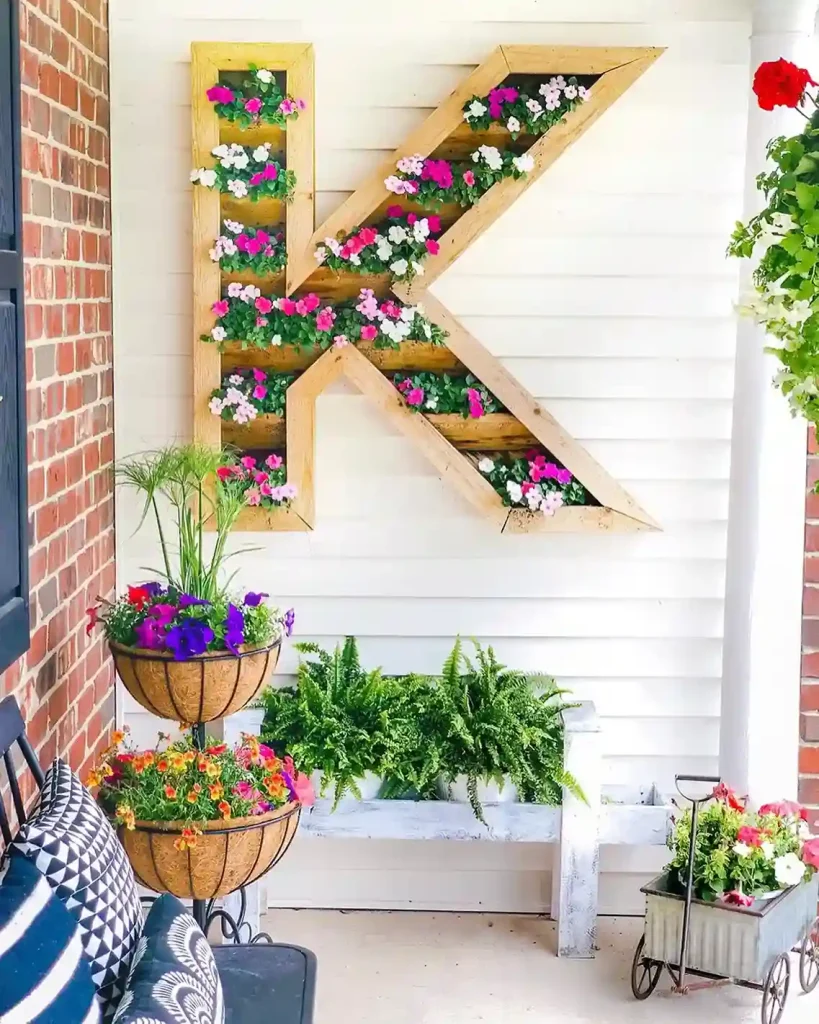
1. Impatiens (Impatiens walleriana)
Impatiens are the undisputed kings of the full-shade flower garden. They produce masses of cheerful blooms in virtually every color imaginable all summer long. No other annual flower matches their ability to deliver such vibrant color in deep, dense shade conditions.
source: @ellerydesigns
They grow best in moist, well-drained soil with regular watering and monthly feeding. Pinch out the growing tips when young to encourage bushy, floriferous plants. Use them in container gardening or as a bright carpet beneath trees where most other flowering plants simply refuse to grow.
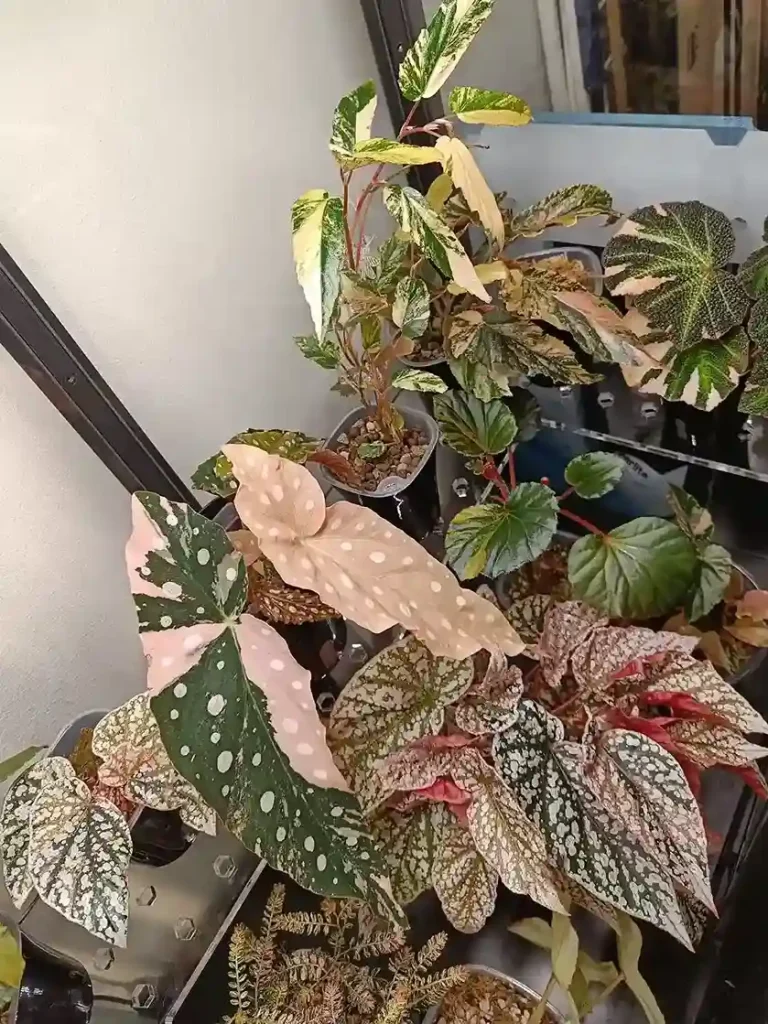
2. Begonia (Begonia semperflorens & tuberous)
Begonias are incredibly versatile shade flowers that perform reliably in difficult garden spots. Wax begonias bloom continuously from planting until the first hard frost of autumn. Tuberous begonias produce enormous, rose-like flowers in dazzling shades of red, pink, orange, yellow, and white.
source: @variegated_plantaddict
They prefer rich, moist soil and consistently good drainage around their roots. Water regularly but never allow the soil to become waterlogged or the roots will rot. They are superb in hanging baskets, window boxes, and potted plant displays on shaded patios and decks throughout the summer.
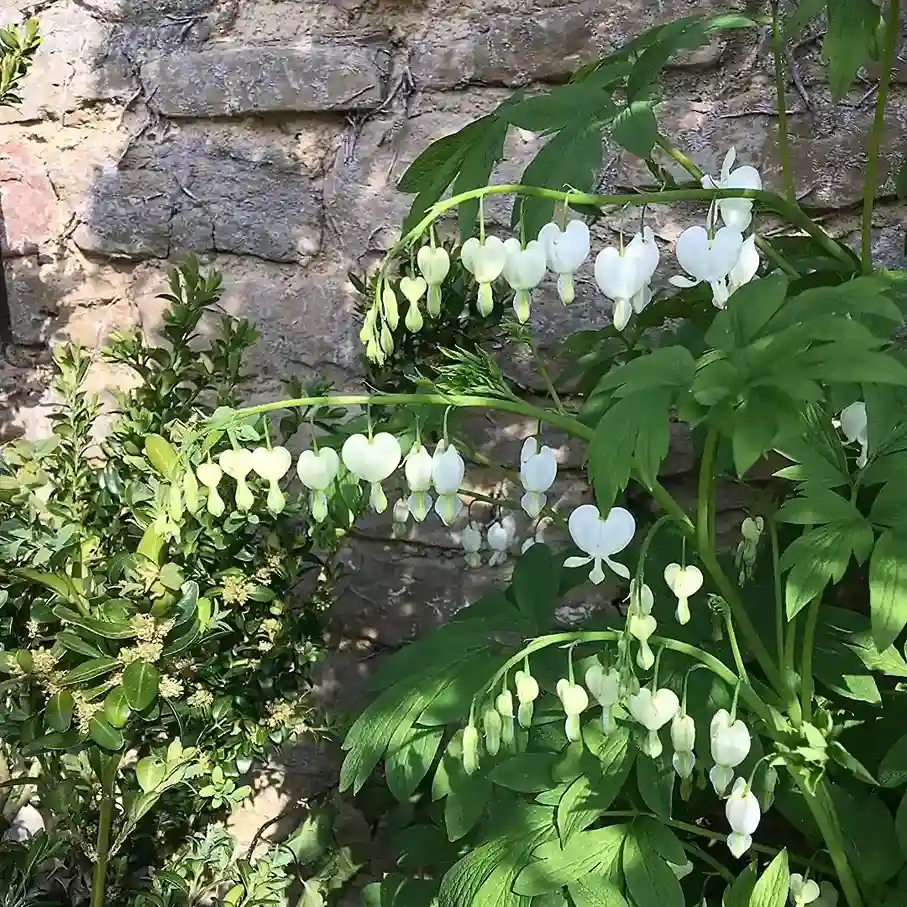
3. Bleeding Heart (Lamprocapnos spectabilis)
Bleeding Heart is one of the most romantically beautiful flowers for the shade garden. Its arching stems carry rows of perfectly heart-shaped flowers in deep rose-pink and white. It creates a delicate, almost fairytale-like display that stops visitors in their tracks every single spring.
source: @theplantedterrace
It thrives in cool, moist, humus-rich soil in partial to full shade. After blooming in spring, the foliage dies back naturally in summer heat, leaving a gap. Fill this space with summer annuals or hostas to maintain interest. It pairs beautifully in a cottage garden style border under a canopy of trees.
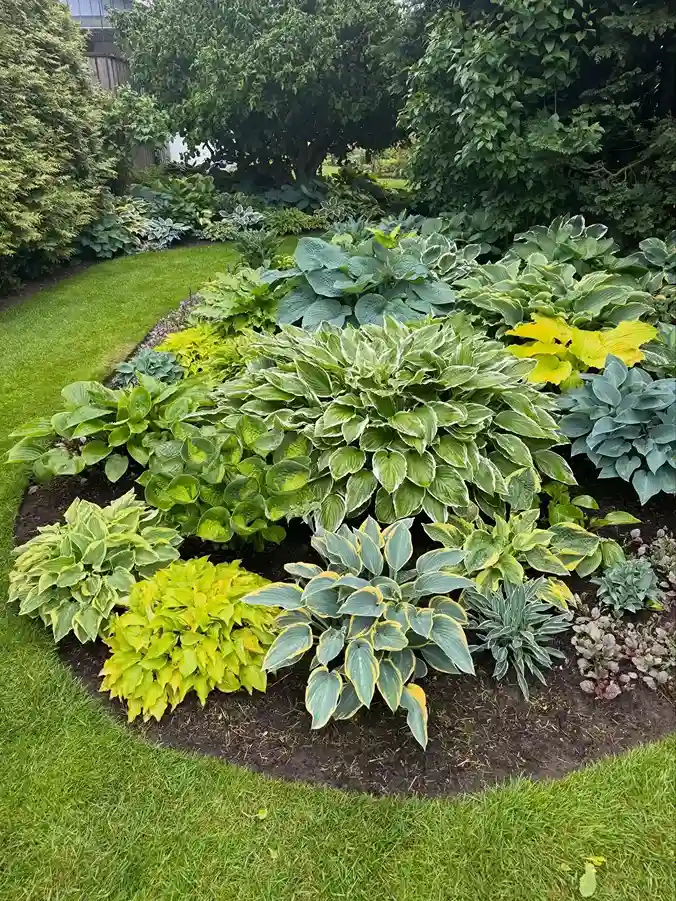
4. Hosta Flowers (Hosta species)
While hostas are primarily grown for their spectacular foliage, their flowers deserve much more attention than they usually receive. Tall spikes of tubular purple or white flowers rise elegantly above the leaf mounds in midsummer. Some varieties, especially the fragrant types, fill the evening air with a beautiful, lily-like scent.
source: @holhage
The flowers attract hummingbirds and bees, making hostas doubly valuable in the shade garden. Deadhead spent flower stems to keep the plant looking tidy after blooming. Combine different hosta varieties with other shade perennials to create a richly layered planting that looks spectacular from spring through to autumn.
5. Foxglove (Digitalis purpurea)
Foxglove is a majestic biennial that brings dramatic vertical structure to the shade garden. Its tall spires are packed with tubular flowers in purple, pink, cream, and white, often spotted beautifully inside. It creates an instant cottage garden atmosphere and seeds itself freely to return year after year.
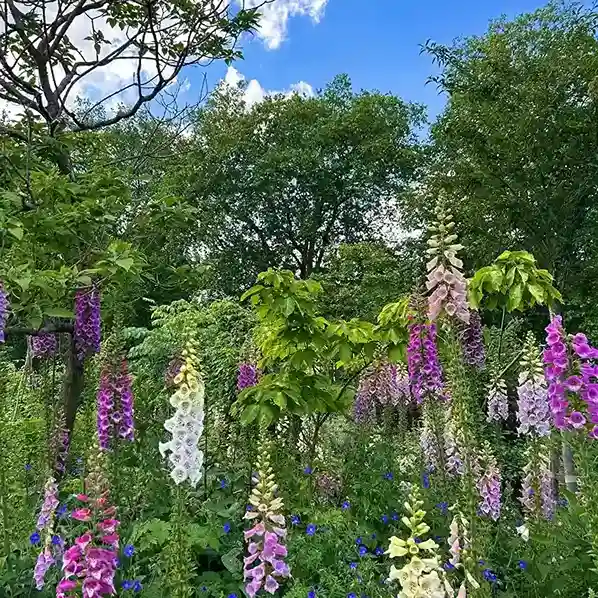
source: @the_little_end_cottage
Plant foxgloves in drifts for the most natural, striking effect in woodland and shaded borders. They are excellent for attracting bumblebees, which are among the only insects large enough to crawl deep inside the tubular flowers. All parts of the plant are toxic, so handle with care and wear gloves when working near them.
6. Astilbe (Astilbe species)
Astilbe is one of the most reliable and spectacular flowering perennials for moist, shaded garden conditions. Its feathery, plume-like flower spikes come in rich shades of red, pink, lilac, and white. The flowers last for weeks and the dried seed heads continue to look attractive well into winter.
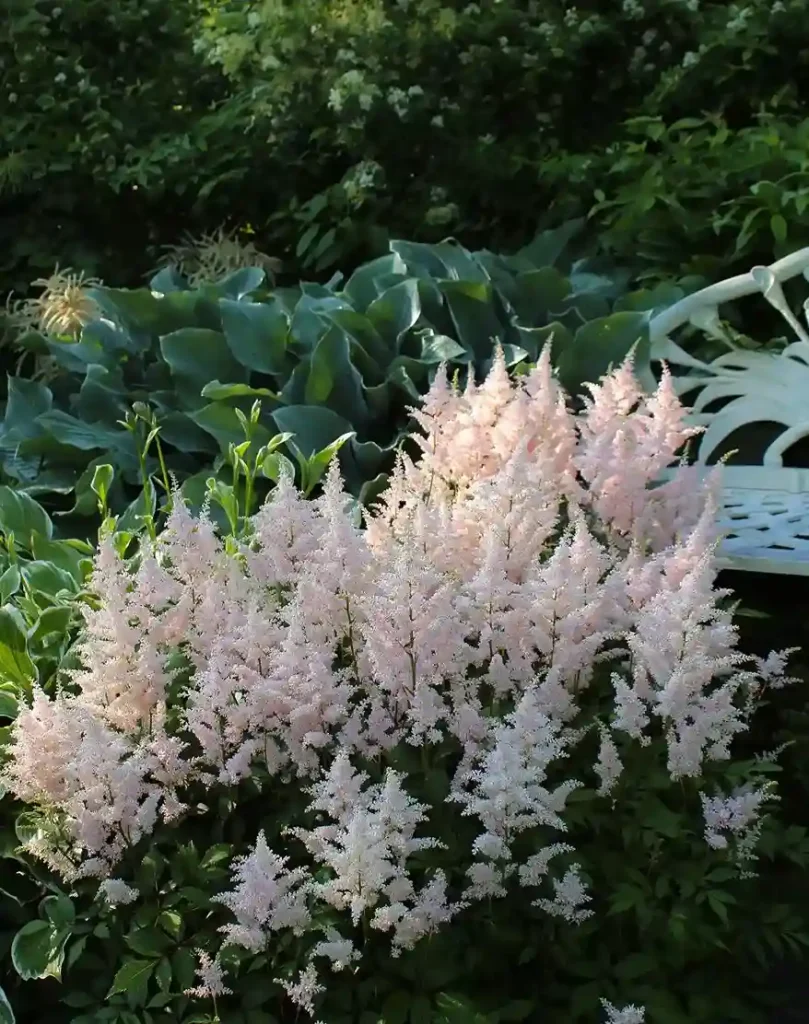
source: @my_woodlandwonders
Astilbe absolutely needs consistently moist soil to perform well — it will not tolerate drought at all. Plant it near a pond, stream, or in a bog garden for best results. It is a perfect companion for ferns, hostas, and other shade plants in a lush, moisture-loving shaded border that looks amazing all summer long.
7. Lungwort (Pulmonaria officinalis)
Lungwort is one of the earliest and most welcome flowers to appear in the spring shade garden. Its small, tubular flowers open pink and gradually change to blue as they age, creating a beautiful two-tone effect on each plant. The silver-spotted leaves also provide excellent ground-covering interest after the flowers have faded.
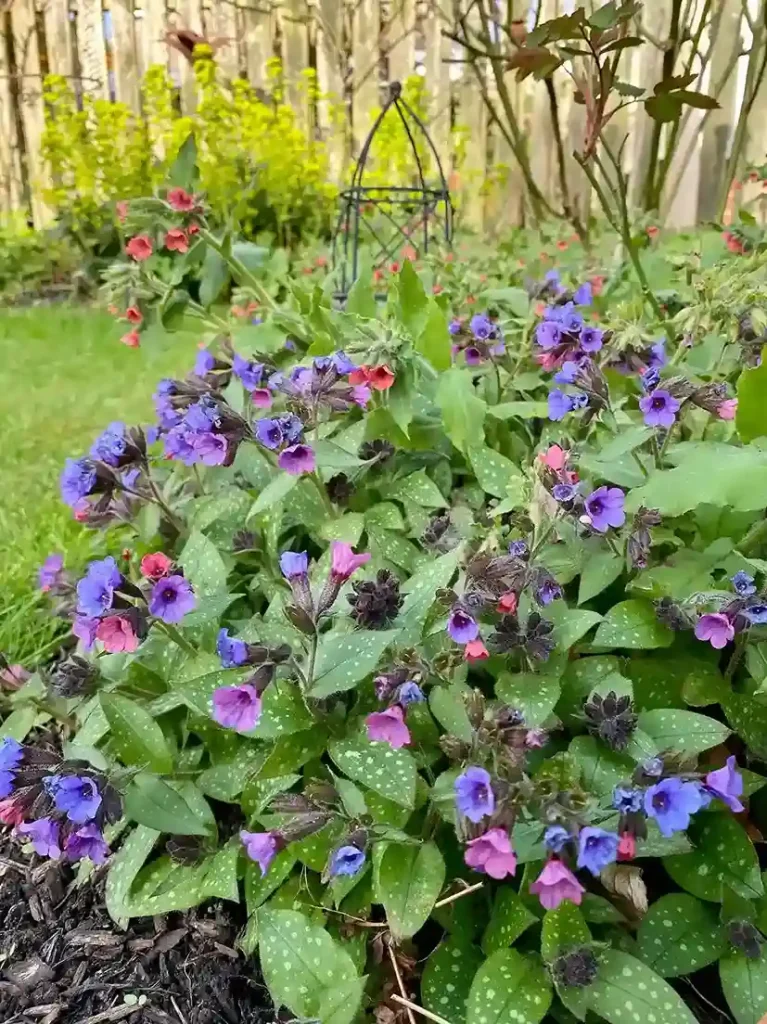
source: @alecs_garden
It grows in partial to full shade and is extremely low maintenance once established in the garden. It is one of the best early-season nectar sources for bumblebee queens emerging from winter hibernation. Plant it at the front of a shade garden border where its early flowers can be easily appreciated from a path or patio.
8. Japanese Anemone (Anemone hupehensis)
Japanese Anemone is a graceful, late-season perennial that carries the shade garden beautifully through summer into autumn. Its slender, wiry stems hold large, cup-shaped flowers of soft pink or pure white high above the attractive, dark green foliage. It brings a sense of movement and airiness to shaded borders that few other plants can match.
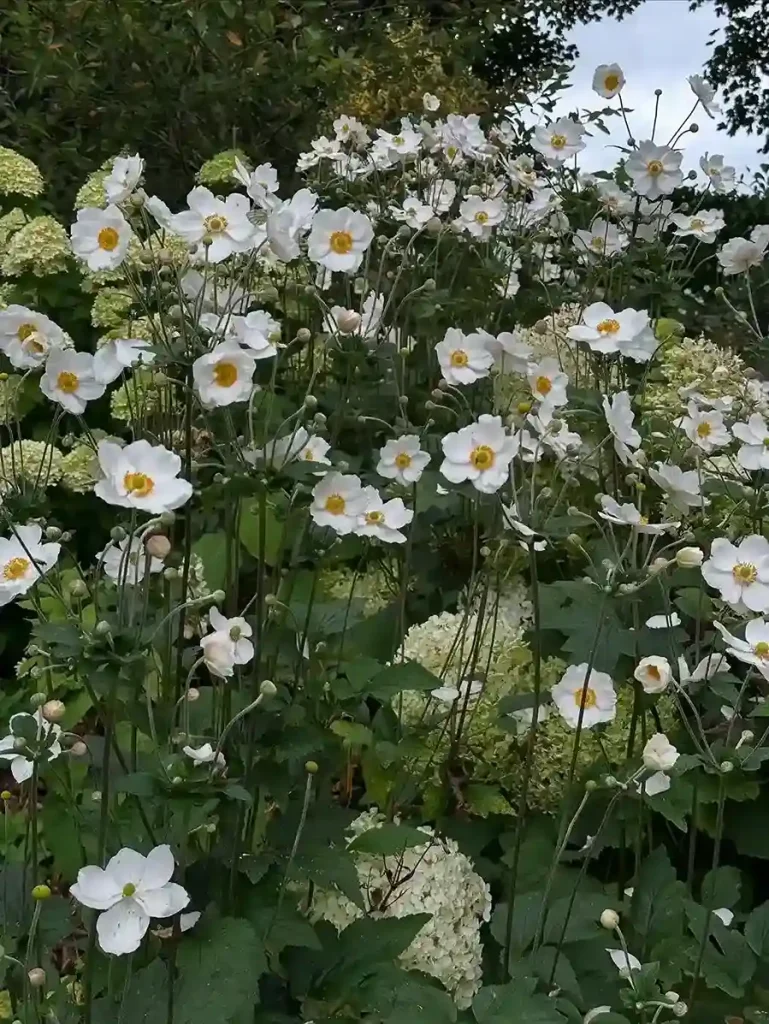
source: @the_insomniac_gardener
It spreads gradually by underground runners and forms attractive, weed-suppressing colonies over time. Plant it in drifts of at least five plants for the most impactful display. It works exceptionally well in woodland garden settings and shaded mixed borders where it bridges the gap between summer and autumn beautifully.
9. Columbine (Aquilegia vulgaris)
Columbine is a charming and elegant perennial wildflower that thrives in partial shade and woodland garden settings. Its nodding, bonnet-shaped flowers come in an extraordinary range of colors including blue, purple, pink, red, yellow, and white. Many varieties feature beautiful bicolor combinations and distinctive long curved spurs.
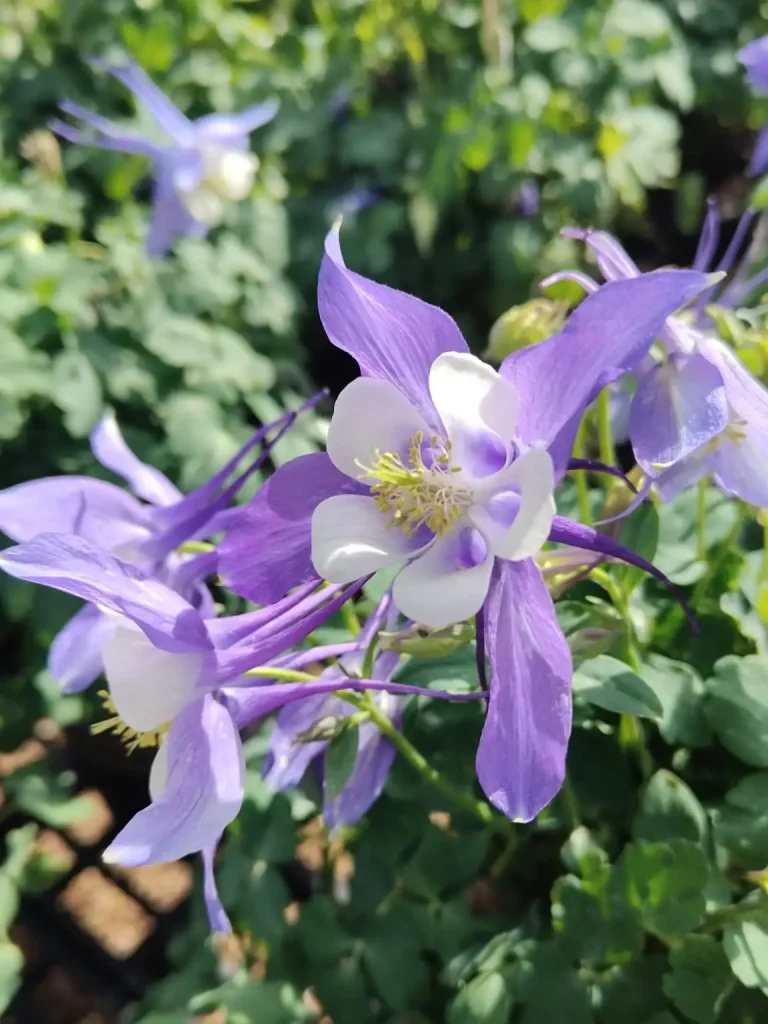
source: @creeksidenashville
It self-seeds prolifically and creates new color combinations each year through natural cross-pollination. Plant it in drifts beneath deciduous trees for the most natural woodland effect. It is an excellent choice for a whimsical garden where its delicate, dancing flowers add a magical, fairytale quality throughout the late spring and early summer season.
10. Coral Bells (Heuchera species)
Coral Bells are outstanding four-season perennials grown equally for their colorful foliage and their airy summer flowers. The leaves come in an incredible range of colors from lime green and gold through to deep burgundy, almost-black, and silver. Slender stems carry tiny, bell-shaped flowers in red, pink, or white above the foliage in summer.
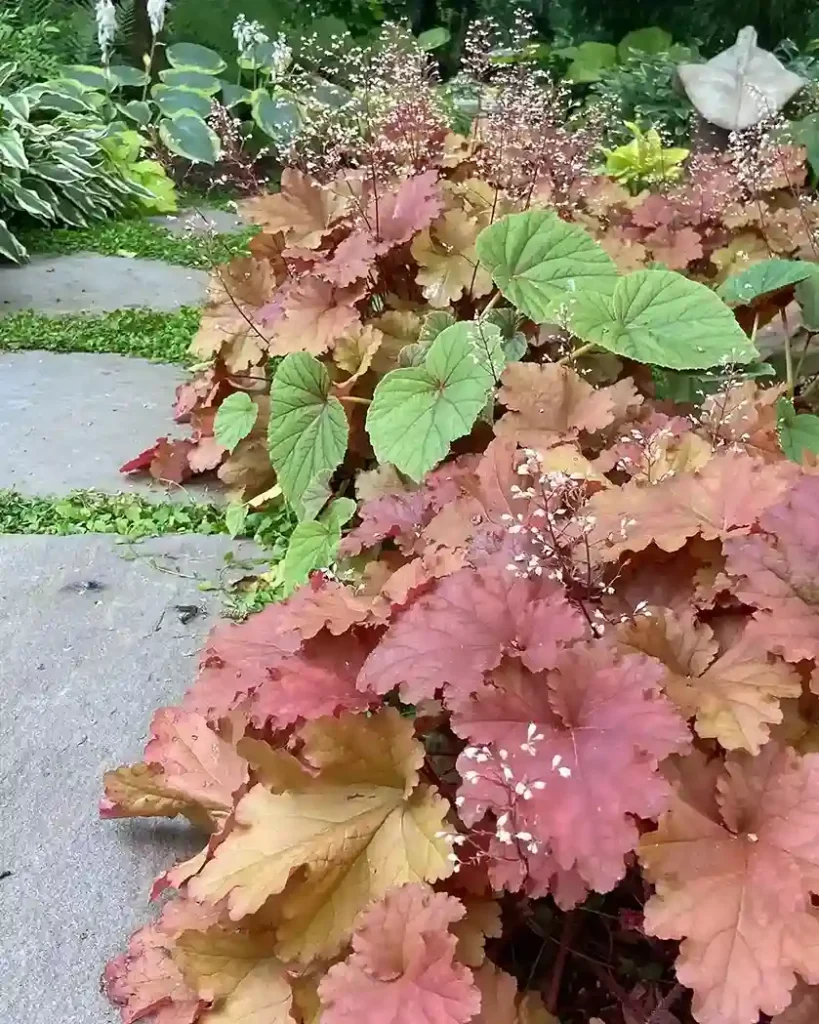
source: @rosemama20
They grow in partial shade and prefer well-drained, humus-rich soil with regular moisture. Use them as edging plants along shaded paths or as ground cover beneath large shrubs. They work beautifully alongside hostas, ferns, and shade shrubs to create a richly colored and textured layered planting in any shaded garden area.
11. Primrose (Primula vulgaris)
Primroses are among the most cheerful and welcome flowers of early spring in any shade garden. Their bright, clear colors of yellow, red, pink, purple, and white shine brilliantly against the dark soil of early spring. They are native woodland plants that have been beloved by gardeners for hundreds of years.
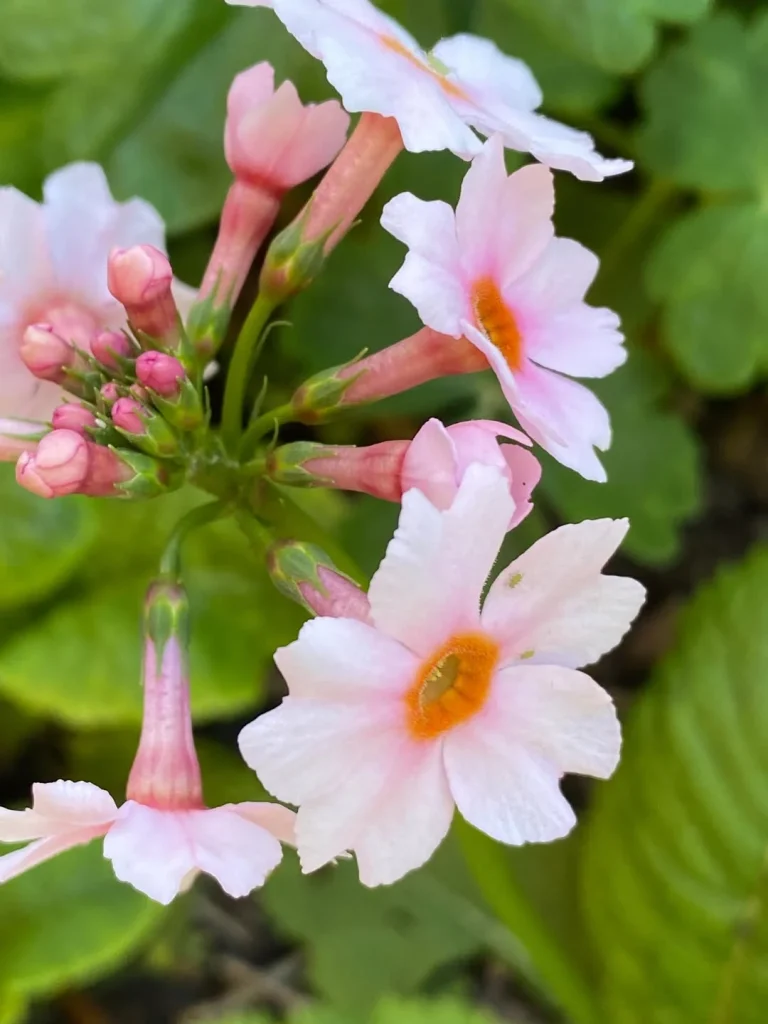
source: @issy12_isabellas_garden
They prefer cool, moist conditions and partial shade, especially during the heat of summer. In very cold climates they act as short-lived perennials, but in mild areas they naturalize beautifully under trees. Plant them in generous drifts along shaded paths for a classic cottage garden effect that looks wonderful from late winter right through to late spring.
12. Hellebore (Helleborus orientalis)
Hellebores are extraordinary shade perennials that bloom during the bleakest months of winter and early spring when almost nothing else dares to flower. Their large, nodding, bowl-shaped flowers come in gorgeous shades of white, cream, pink, plum, burgundy, and near-black. Some varieties feature beautiful spotted or picotee patterns inside each flower.
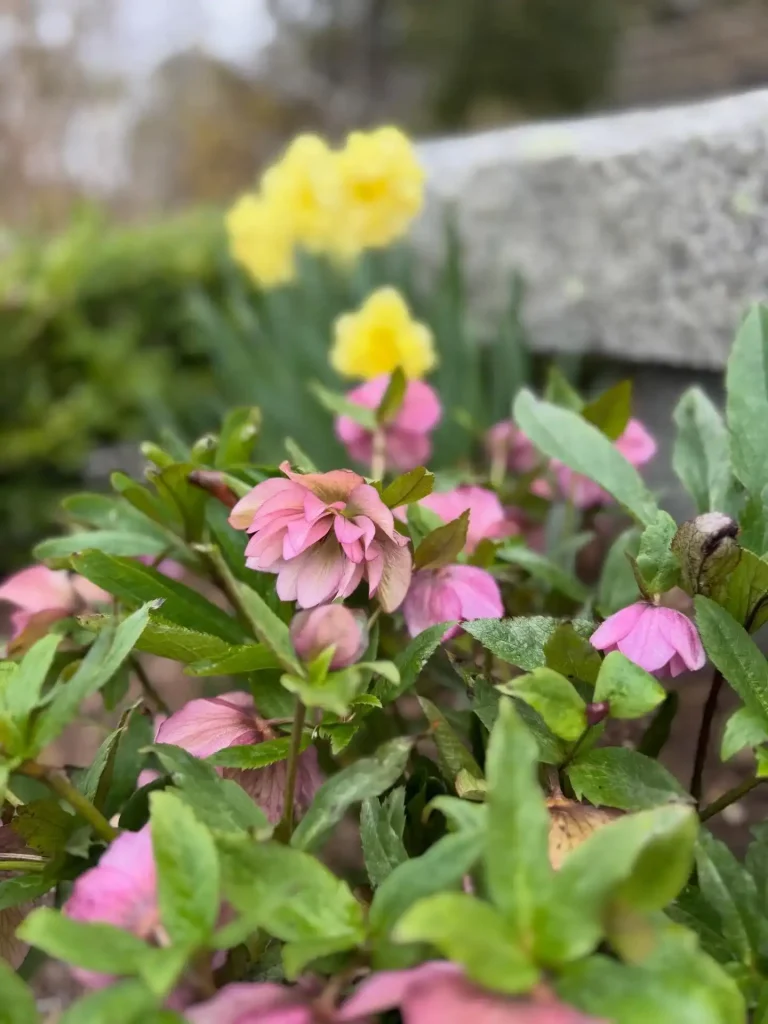
source: @nantucket.dahlias
They are extremely tough, long-lived plants that thrive in dry shade once fully established. Plant them beneath deciduous trees where their winter flowers can be enjoyed in the thin winter light. They are excellent companions for snowdrops, early bulbs, and perennials that require low maintenance in a year-round, low-effort shaded garden planting scheme.
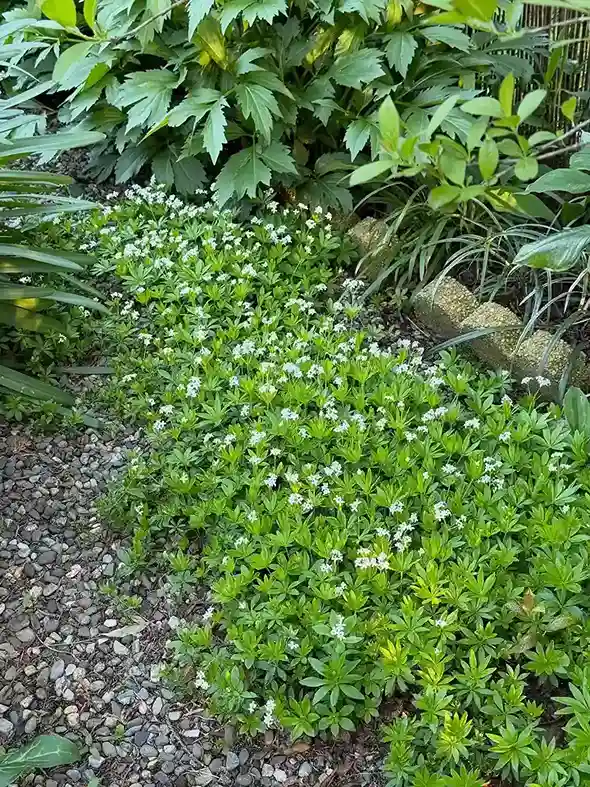
13. Sweet Woodruff (Galium odoratum)
Sweet Woodruff is a delightful, spreading ground-cover plant that produces masses of tiny white star-shaped flowers in spring. The whorled leaves have a pleasant, fresh scent of newly mown hay that intensifies when dried. It spreads gently to form a beautiful, weed-suppressing carpet beneath trees and large shrubs.
source: @reptans61
It grows in partial to full shade in moist, humus-rich soil and is completely trouble-free once established. Use it beneath flowering trees, along shaded paths, or as a living mulch around other shade-loving perennials. It is one of the best ground-cover plants for deep shade where grass and most other ground covers simply fail to establish and thrive.
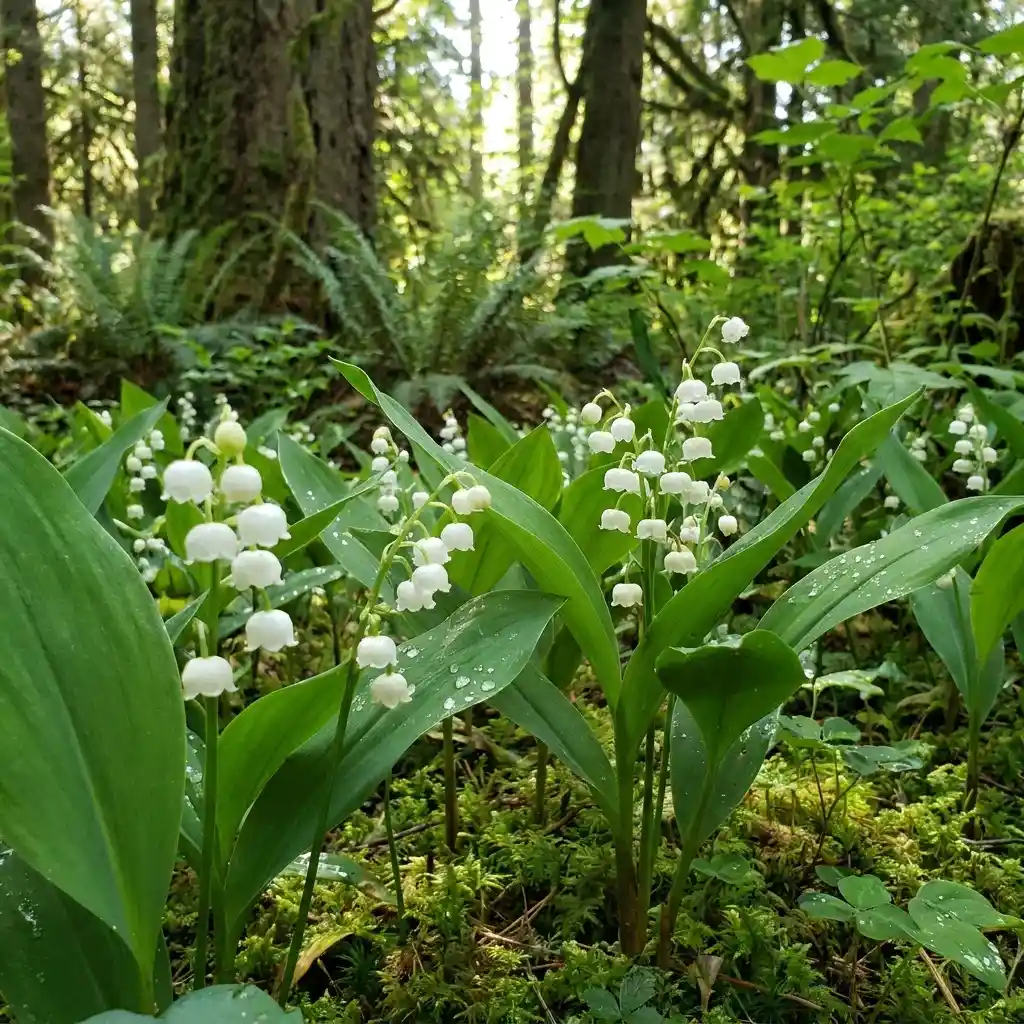
14. Lily of the Valley (Convallaria majalis)
Lily of the Valley is one of the most beloved and fragrant spring flowers in the entire plant world. Its tiny, perfectly formed white bell-shaped flowers hang in neat rows along arching stems in late spring. The scent is sweet, fresh, and utterly intoxicating — one of the most instantly recognizable fragrances in all of horticulture.
source: @bloomprogarden
It spreads by underground rhizomes to form dense, weed-suppressing colonies over time. Plant it in partial to full shade beneath trees or along a north-facing fence line. It is a perfect choice for a vintage garden or a cottage garden setting where its old-fashioned charm fits in beautifully among other classic, timeless plants.
15. Virginia Bluebells (Mertensia virginica)
Virginia Bluebells are exquisite native wildflowers that produce clusters of sky-blue, trumpet-shaped flowers in mid-spring. The flowers open from pink buds, creating a beautiful two-tone effect on each plant as the buds slowly open. They naturalize easily and create breathtaking blue drifts in woodland and shaded garden settings.
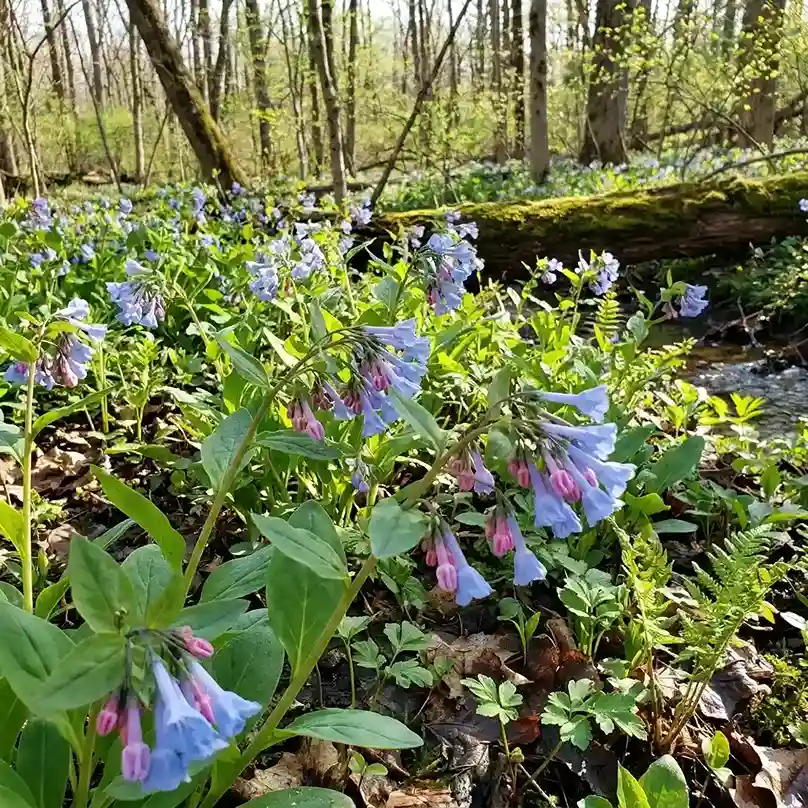
They are spring ephemerals — the foliage dies back completely after flowering and the plant disappears underground until the following spring. Plant them with hostas, ferns, or other late-emerging perennials to fill the gaps they leave. They are ideal for a woodland garden or a naturalistic shade border that celebrates the beauty of seasonal change throughout the garden year.
16. Trillium (Trillium species)
Trillium is one of the most iconic and treasured wildflowers of the North American woodland garden. Everything about it comes in threes — three leaves, three sepals, and three petals — giving it a perfectly balanced, architectural beauty. The flowers are simple yet stunning in white, red, pink, and yellow depending on the species.
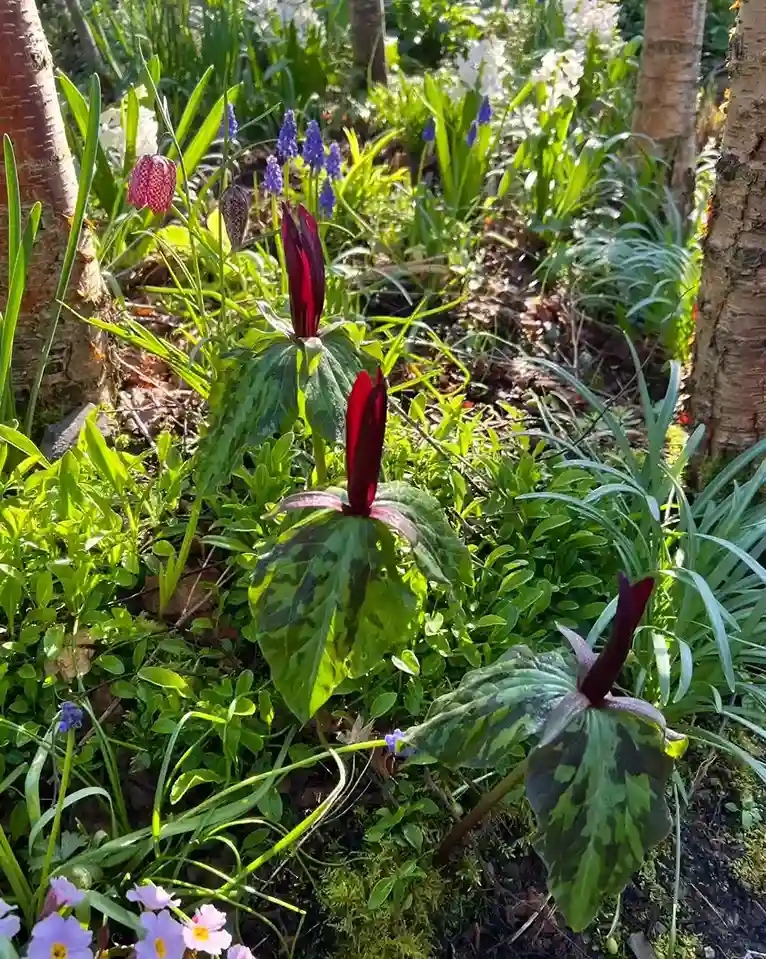
It is slow to establish but extremely long-lived once settled in the right conditions. It needs deep, rich, moist, acidic soil in full shade to thrive. Never dig trillium from the wild as it is protected in many regions. Grow it in a stumpery garden or woodland garden setting where it can naturalize slowly and peacefully into beautiful, undisturbed colonies over many years.
17. Wild Ginger (Asarum canadense)
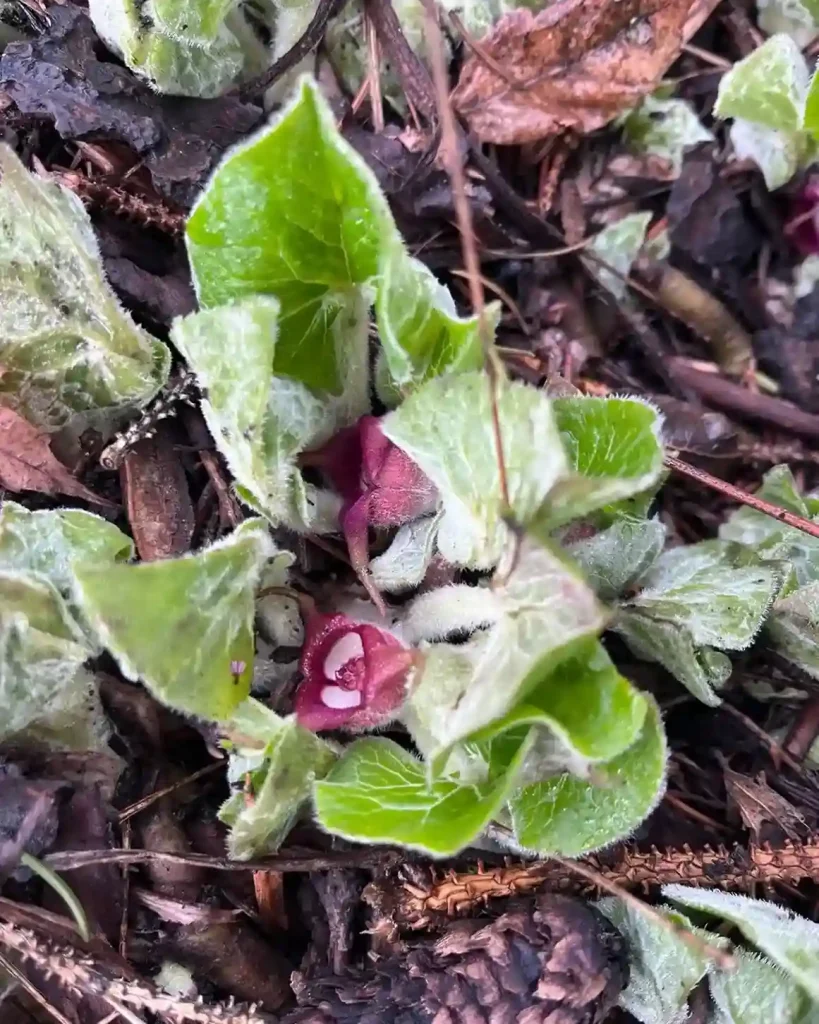
Wild Ginger is a superb native ground cover plant for deep shade garden situations. Its large, heart-shaped, glossy leaves form a dense, weed-suppressing carpet that looks attractive all season long. In spring it produces small, curious, brownish-purple flowers that hide beneath the leaves — easy to miss but charming when you look closely.
source: @downtoearthdigs
It grows slowly but eventually creates excellent coverage even in the deepest, driest shade beneath mature trees. The leaves have a mild ginger scent when crushed between the fingers. It is a wonderful low-maintenance addition to any woodland garden or naturalistic shade garden where it creates a seamless, natural carpet of rich green foliage.
18. Jack-in-the-Pulpit (Arisaema triphyllum)
Jack-in-the-Pulpit is one of the most fascinating and unusual wildflowers for the shade garden. Its extraordinary flower structure consists of a hood-like spathe striped in green and purple surrounding a central spadix. In autumn it produces a dramatic cluster of bright red berries that glow like tiny jewels in the shaded garden.
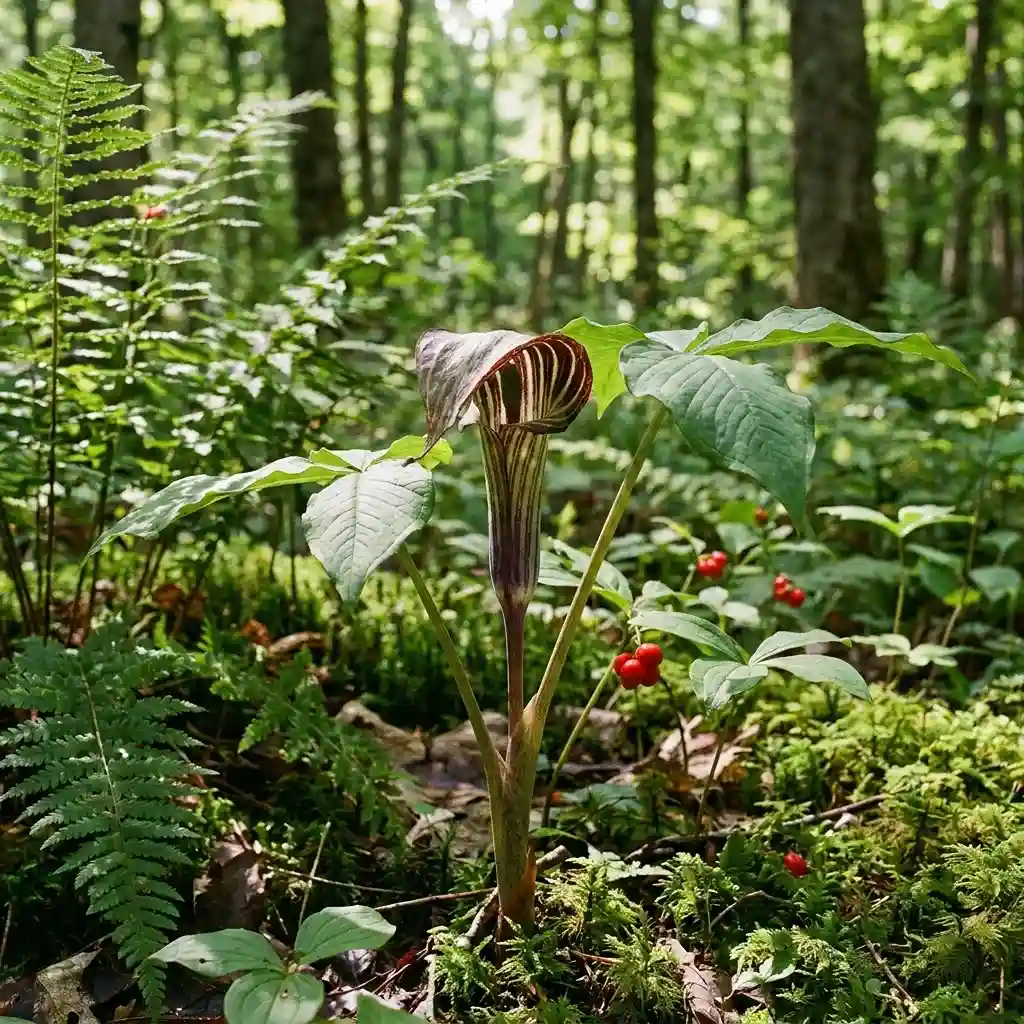
It needs moist, rich, acidic soil in full shade to grow at its best. It is a slow-growing plant that rewards patience with increasing displays of beauty each year. Plant it in a stumpery garden or woodland border alongside ferns, trilliums, and other shade-loving natives for an authentic, naturalistic woodland garden atmosphere.
19. Solomon’s Seal (Polygonatum multiflorum)
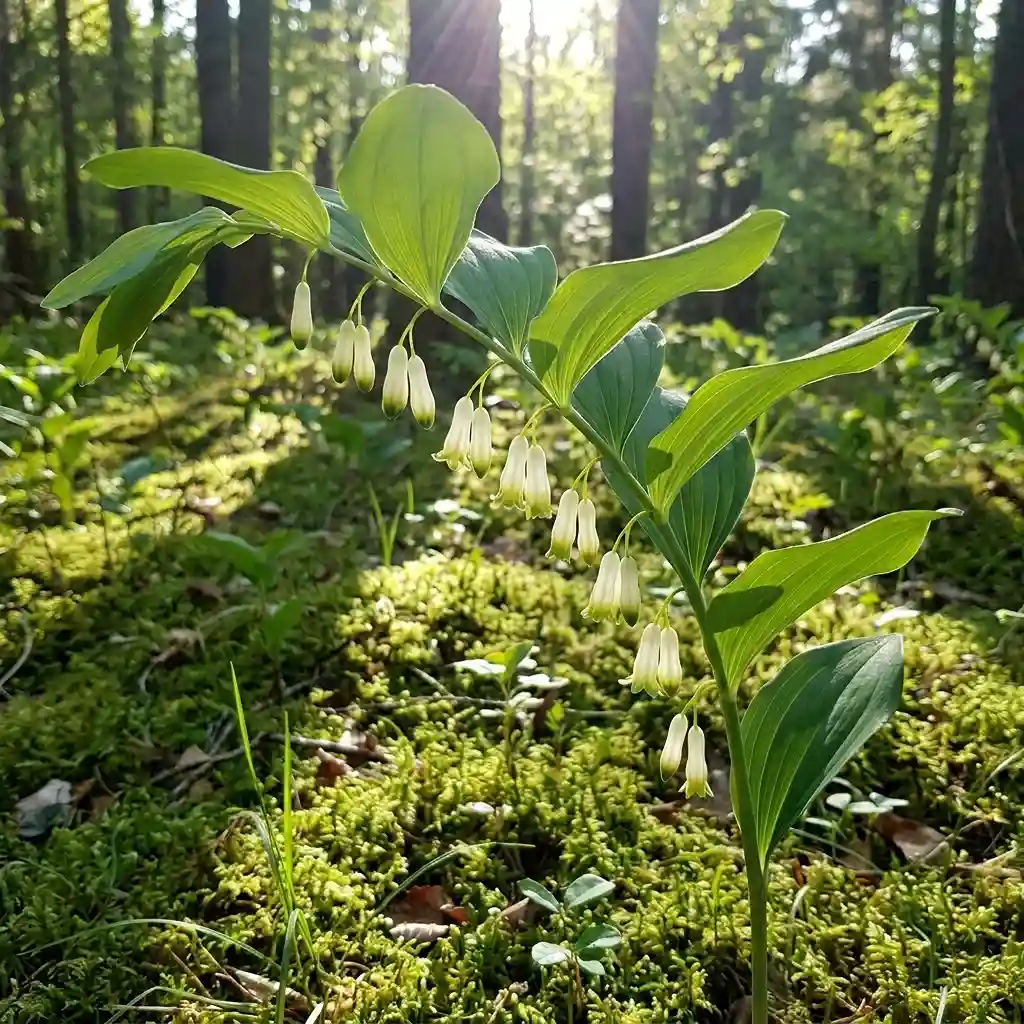
Solomon’s Seal is an elegant and graceful perennial that brings a wonderful architectural quality to the shade garden. Its arching stems carry pairs of white, bell-shaped flowers hanging neatly beneath the alternating leaves in late spring. The broad, blue-green leaves are attractive throughout the entire growing season.
source: @emilycarter
It spreads slowly by underground rhizomes to form beautiful, weed-suppressing colonies in time. Plant it in partial to full shade in moist, humus-rich soil for the best results. It is one of the finest plants for creating a sense of flow and movement in a shade garden border, especially when planted in generous sweeping drifts along a path or beneath a canopy of trees.
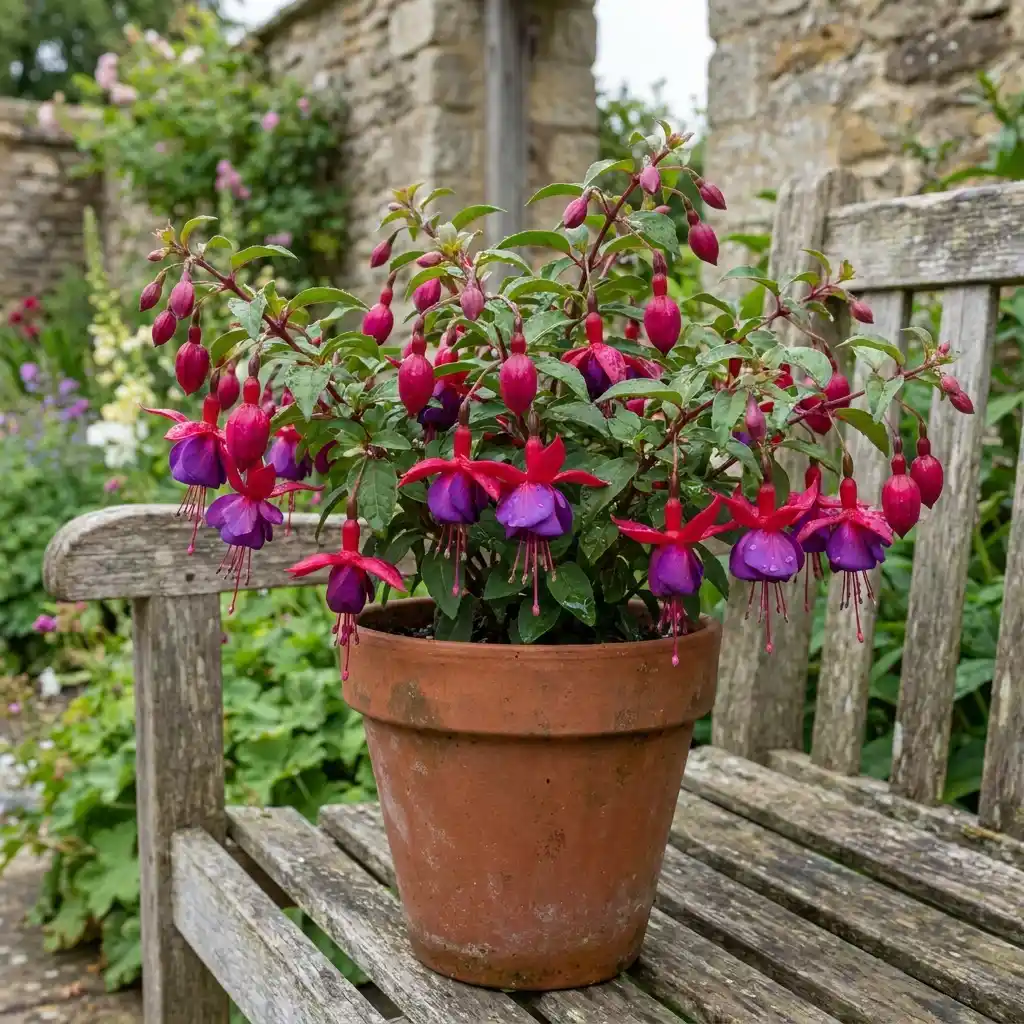
20. Fuchsia (Fuchsia hybrida)
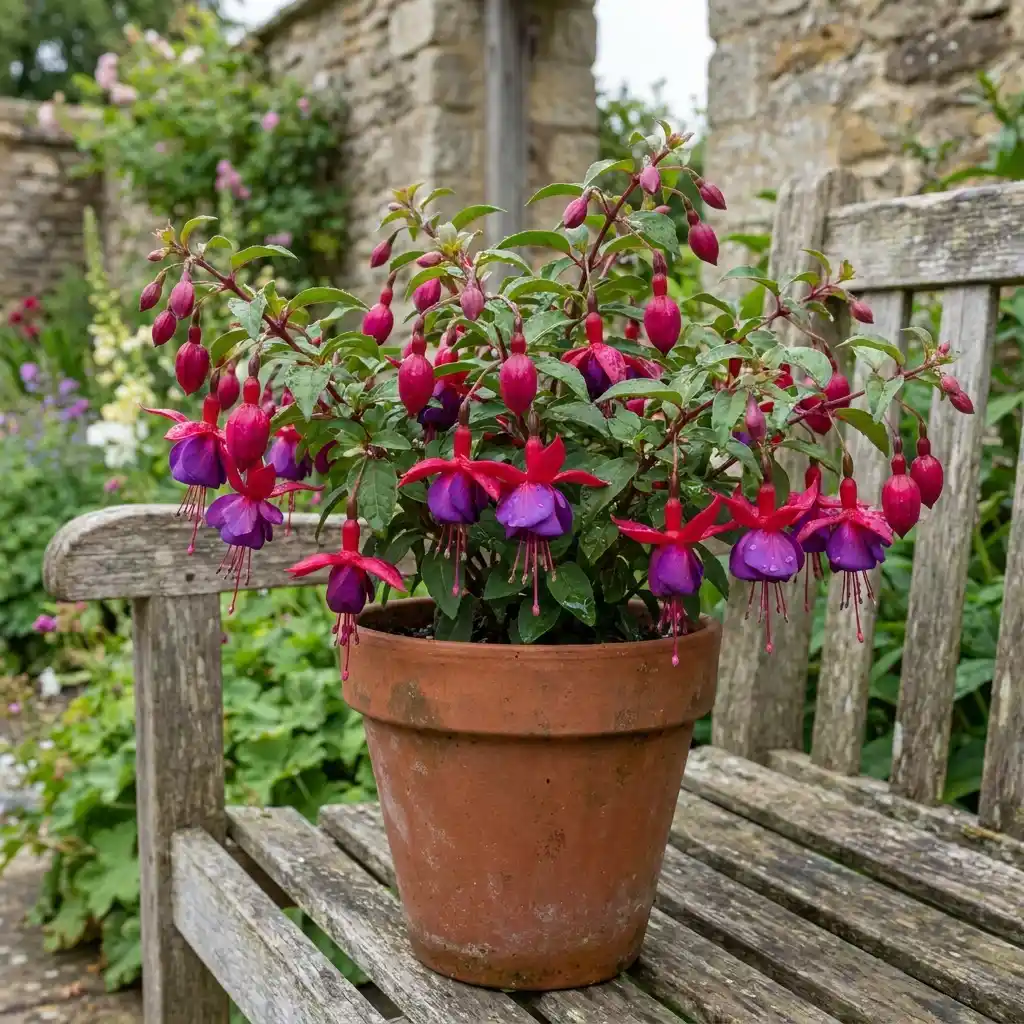
Fuchsias are extraordinarily beautiful flowering plants that thrive in cool, partial shade and produce a non-stop display of exotic, pendulous blooms all summer long. Their flowers are truly spectacular — consisting of a tube, sepals, and a skirt-like corolla in contrasting colors of red, pink, purple, and white. Few summer flowers match their dramatic elegance and visual impact.
source: @emilycarter
Trailing fuchsias are unsurpassed for hanging baskets and containers in shaded positions on patios and balconies. Upright bush varieties work well in borders and as specimen container plants. Feed weekly with a high-potash liquid fertilizer to maintain the best possible flowering performance. They also attract hummingbirds and are excellent container gardening flowers for a shaded outdoor space.
21. Caladium (Caladium bicolor)
Caladiums are spectacular tropical plants grown for their incredibly colorful, almost translucent leaves that glow like stained glass in the shade garden. While technically grown for foliage rather than flowers, they bring more color to deep shade than almost any flowering plant. The leaves come in stunning combinations of white, pink, red, and green.
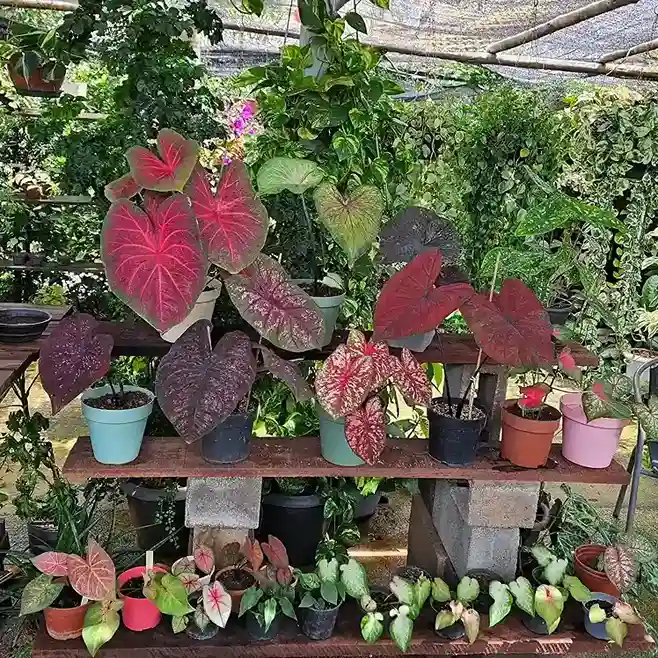
source: @jardimdaneya
They grow from tubers and are treated as annuals in most climates outside the tropics. Plant them in rich, moist soil in partial to full shade after all frost risk has passed. They are outstanding in container gardening displays and mixed shade borders where their vivid leaf colors create a tropical, exotic atmosphere throughout the entire summer season.
22. Torenia — Wishbone Flower (Torenia fournieri)
Torenia is a charming shade-loving annual that produces a continuous display of small, pansy-like flowers all summer long. The flowers are typically bicolored in shades of purple, pink, and white with a distinctive yellow throat. It is sometimes called the Wishbone Flower because of the distinctive shape of its stamens inside each bloom.
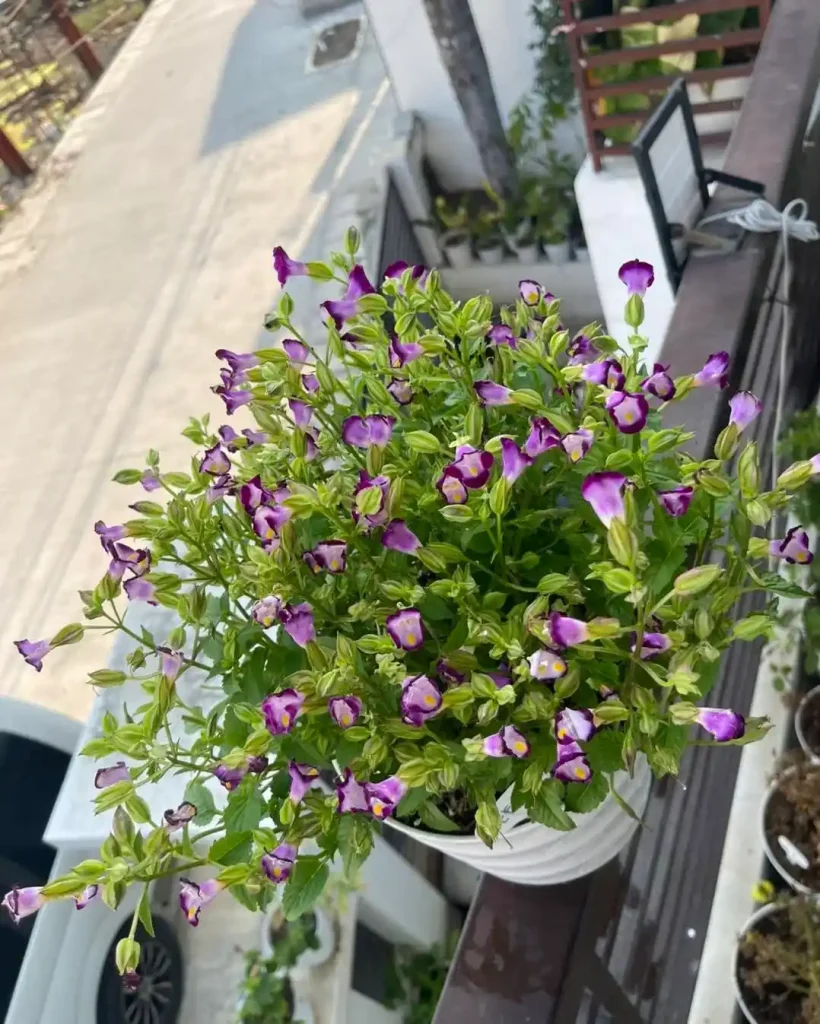
source: @plantstopotsmnl
It grows in partial shade in moist, well-drained, fertile soil with regular watering. It is a superb choice for filling shaded containers, window boxes, and border edges with continuous color. Use it in small garden spaces where you need reliable, long-lasting color without much maintenance effort throughout the summer season.
23. Browallia (Browallia speciosa)
Browallia is a beautiful but underused shade-tolerant annual that produces masses of star-shaped blue, violet, or white flowers all summer long. The flowers have a fresh, clean simplicity that looks very effective both in containers and in shaded garden borders. It is one of the best true-blue flowering annuals for shaded garden positions.
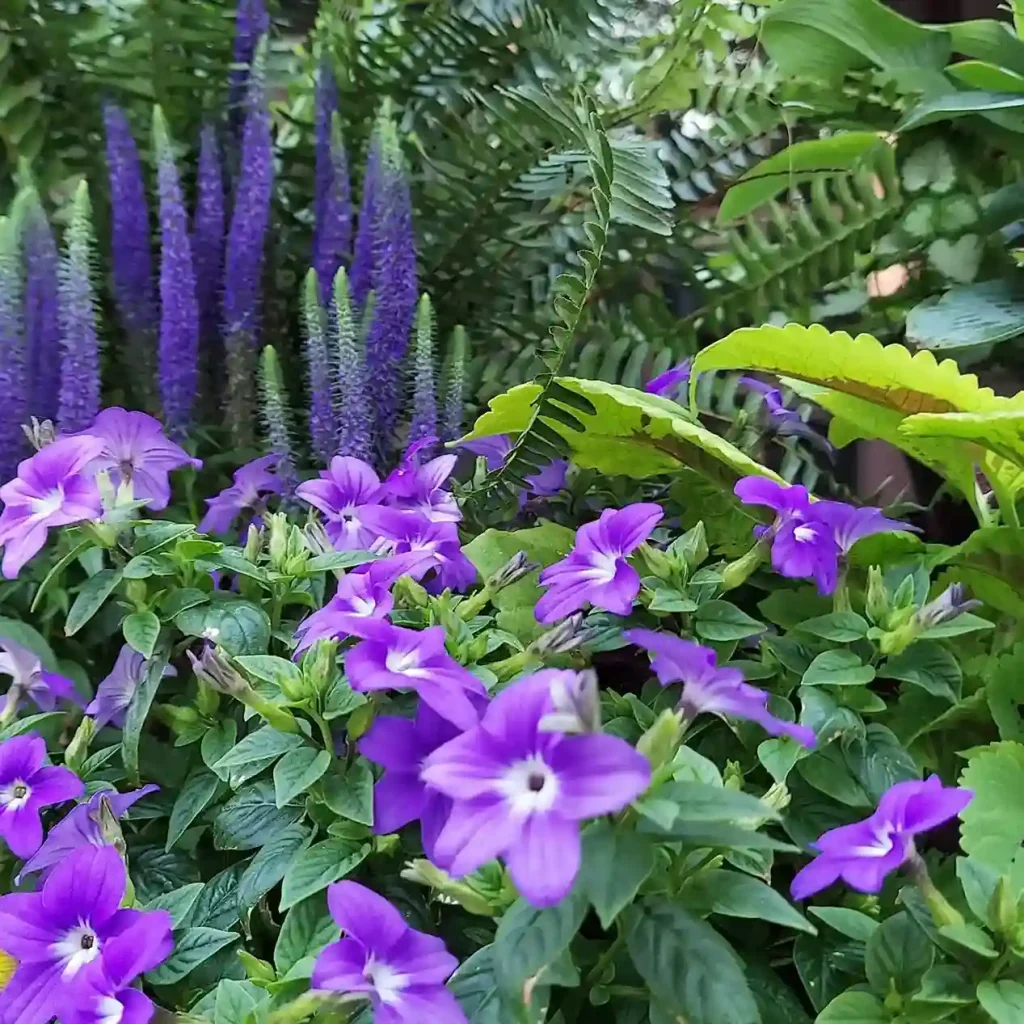
source: @mariedobish
It grows in partial shade in rich, moist, well-drained soil with regular watering and monthly feeding. Pinch back young plants to encourage a bushy, well-branched habit with more flowers. It pairs beautifully with white impatiens and silvery caladiums in a cool-toned shade container arrangement or border planting scheme.
24. Trailing Lobelia (Lobelia erinus)
Trailing Lobelia is a classic bedding and container plant that produces masses of tiny jewel-like flowers in intense shades of blue, violet, pink, and white. It grows happily in partial shade and performs remarkably well in hanging baskets, window boxes, and the edges of mixed containers. The electric blue varieties are especially stunning and hard to find in any other flower.
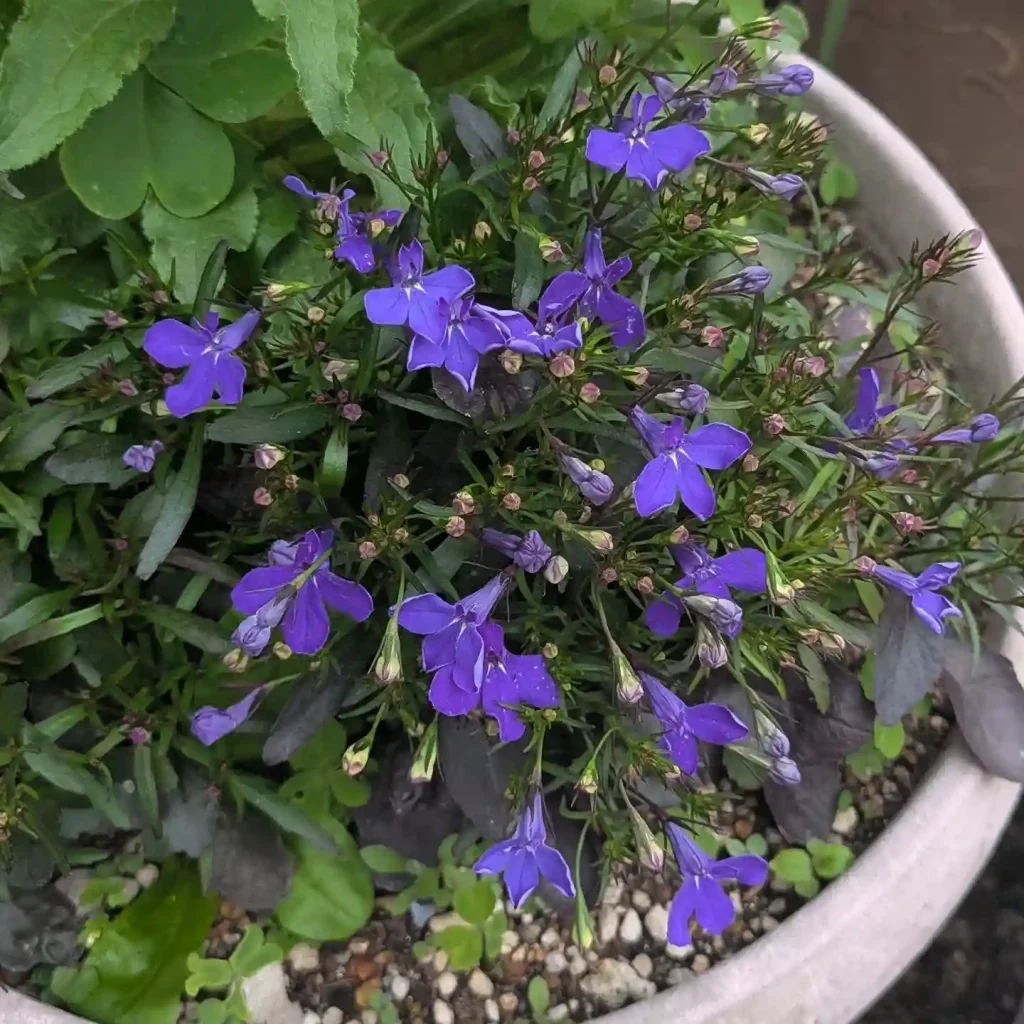
source: @songbenzhen82
It prefers cool, moist conditions and may pause flowering during the hottest part of summer. Cut it back by one-third in midsummer and it will regenerate and bloom again beautifully in autumn. Combine it with container gardening flowers like begonias and fuchsias for a spectacular, long-season shaded display in any outdoor space.
25. Nicotiana — Flowering Tobacco (Nicotiana alata)
Nicotiana is a tall, elegant annual that produces star-shaped flowers in white, pink, red, and lime green throughout summer. The white varieties in particular release an extraordinary sweet fragrance in the evening that can fill an entire garden with scent. It tolerates partial shade better than many other tall summer annuals.
source: @emilycarter
It grows easily from seed sown indoors in spring and transplants well into borders or large containers. Plant white varieties near a patio or seating area where the evening fragrance can be best enjoyed. It works beautifully in a cottage garden or vintage garden setting where its tall, graceful presence adds old-fashioned charm and character.
26. Mimulus — Monkey Flower (Mimulus guttatus)
Mimulus is a delightful and cheerful flowering plant that thrives in moist, shaded conditions along streams and pond edges. Its bright, snapdragon-like flowers come in rich shades of yellow, orange, red, and pink, usually spotted or blotched with contrasting colors. The bold markings on the throat resemble a grinning monkey face, giving it the common name Monkey Flower.
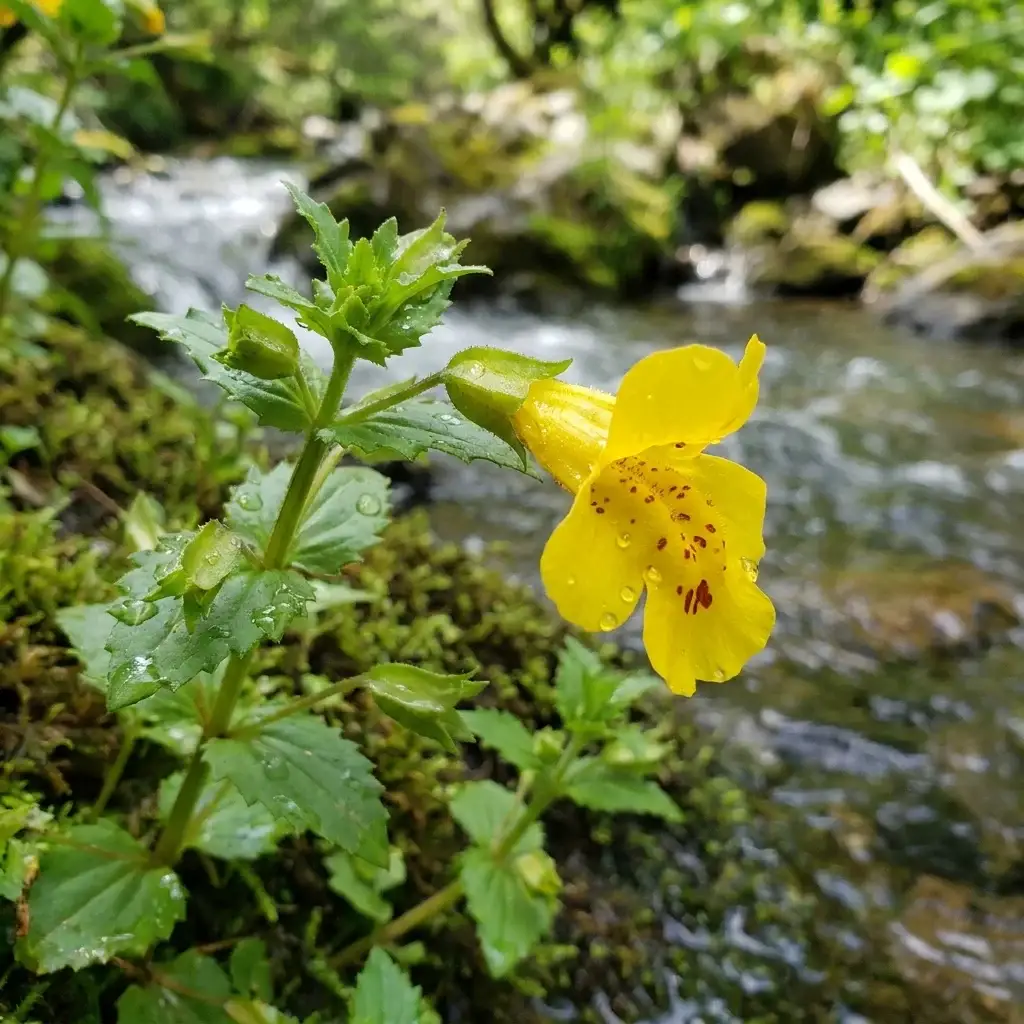
source: @emilycarter
It grows in partial shade in constantly moist or even boggy soil and is a perfect waterside plant. Use it along the edges of garden ponds, streams, and bog gardens for a naturalistic, relaxed effect. It self-seeds freely in the right conditions and will spread to create a beautiful, informal colony of color along a shaded, moist garden boundary or water feature edge.
27. Clivia (Clivia miniata)
Clivia is a stunning shade-loving perennial that produces bold umbels of orange, red, or yellow trumpet-shaped flowers in late winter and spring. It is one of the very few flowering plants that actually thrives and blooms reliably in deep, dense shade. The strap-like, evergreen leaves are attractive throughout the year even when the plant is not in flower.
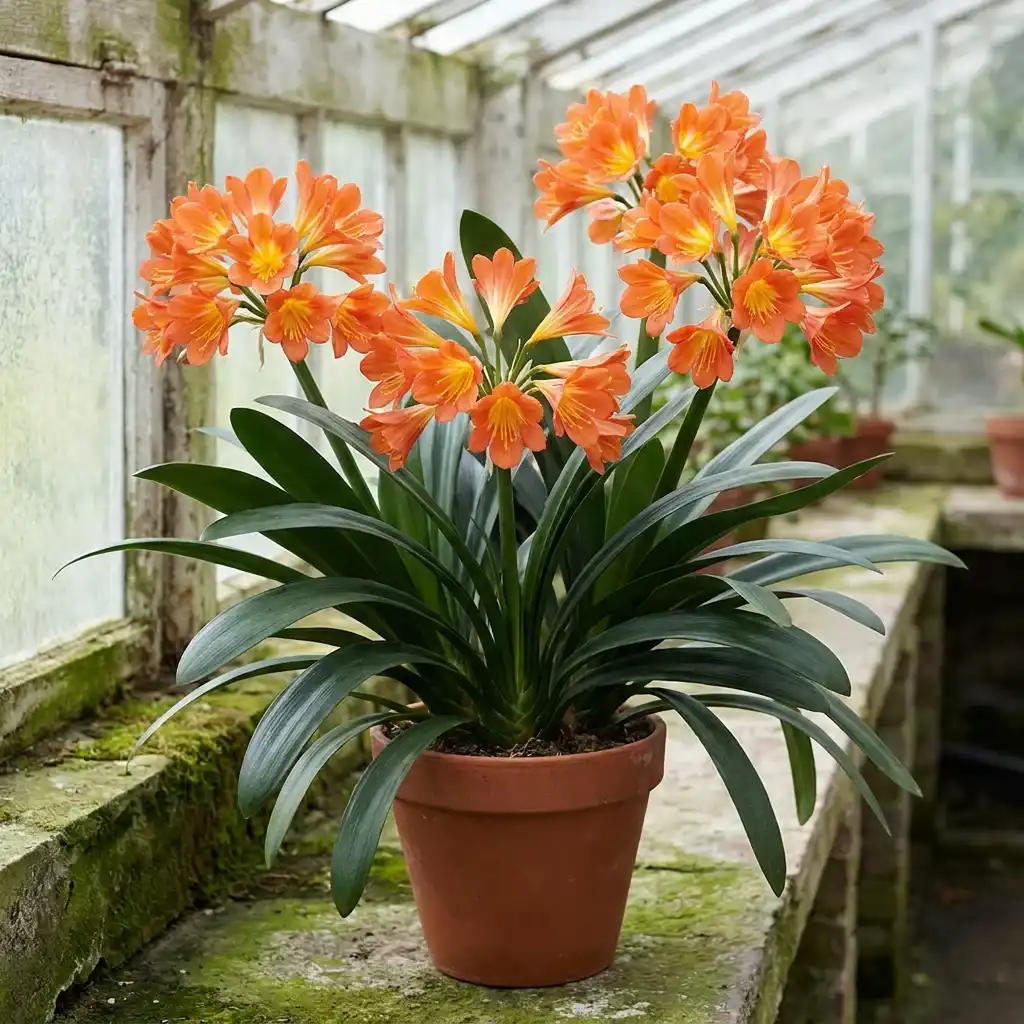
source: @emilycarter
It prefers well-drained soil and is quite drought tolerant once established in a shaded position. In cold climates it must be grown as a houseplant or in a heated greenhouse during winter. It is one of the finest air-purifying houseplants and works equally beautifully in a sheltered, frost-free outdoor shade garden in mild climates throughout the year.
28. Cyclamen (Cyclamen hederifolium)
Hardy Cyclamen is one of the most magical and underused autumn and winter flowering perennials for shaded gardens. Its delicate, swept-back flowers in shades of pink, rose, and white appear from late summer through autumn, often before the beautiful silver-marbled leaves emerge. It creates a remarkable display during the quietest season of the garden year.
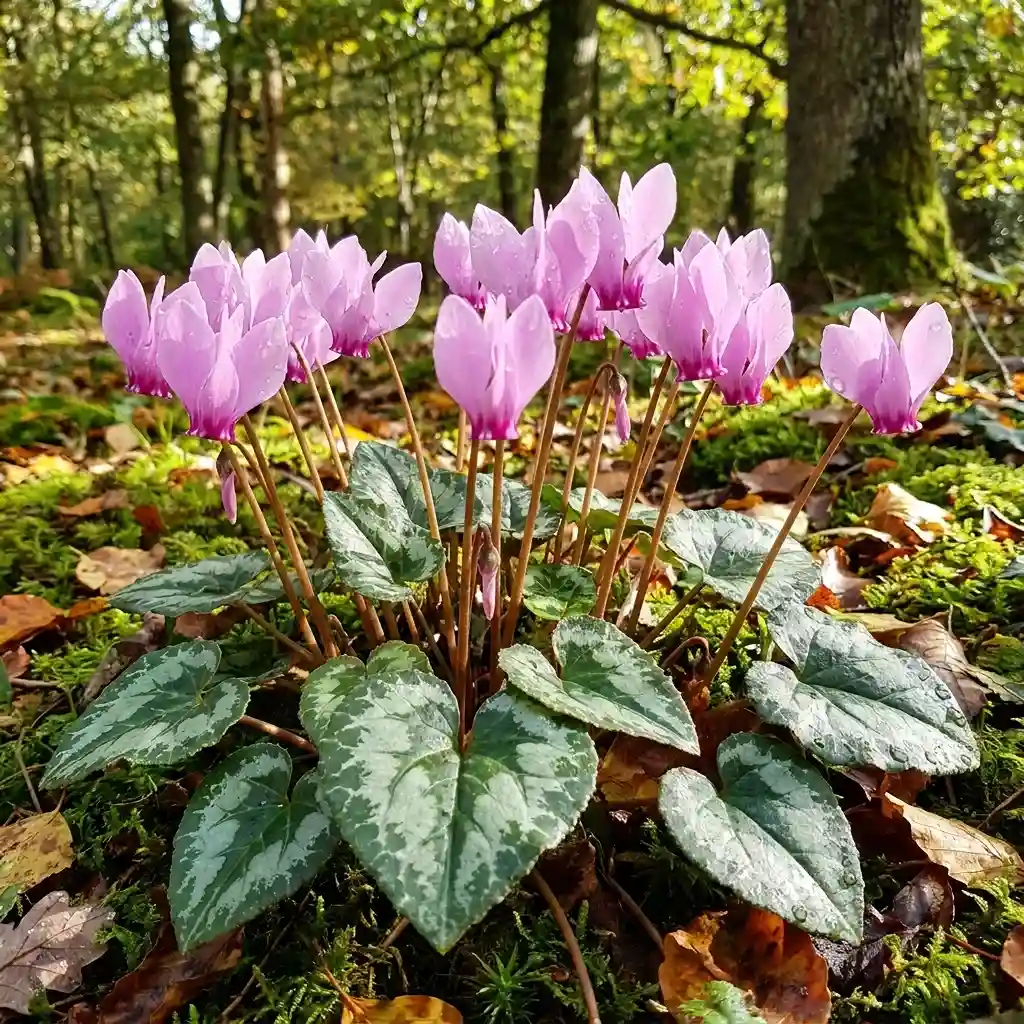
source: @emilycarter
It grows from tubers and naturalizes beautifully beneath deciduous trees and large shrubs in dry shade. Once established it spreads self-seeded seedlings to create large, informal colonies. It is one of the few plants that genuinely thrives in the dry, root-filled shade beneath large trees where almost nothing else will grow or flower reliably.
29. Hardy Orchid (Bletilla striata)
Bletilla striata, the Hardy Orchid, is a surprisingly easy and reliable orchid for sheltered garden positions in partial shade. Its elegant, purple-pink orchid flowers appear on arching stems above pleated, lance-shaped leaves in late spring. It brings genuine orchid beauty to the garden without the fuss and complexity of tropical orchid care.
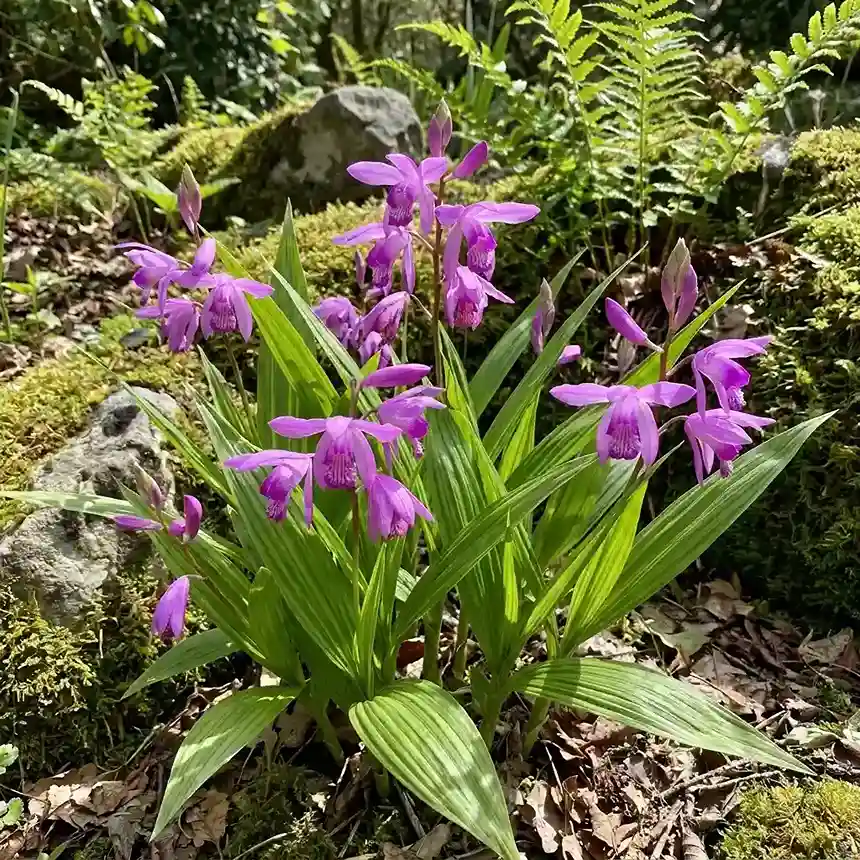
source: @emilycarter
It grows from pseudobulbs and needs well-drained, humus-rich soil in a sheltered, partially shaded position. Mulch the planting area heavily in autumn to protect the bulbs from hard frost in colder climates. It is a truly special plant for a whimsical garden or a refined woodland border where its exotic flower form creates an element of delightful surprise.
30. Tiarella — Foam Flower (Tiarella cordifolia)
Tiarella, commonly known as Foam Flower, is a beautiful North American native perennial that produces frothy spikes of tiny white or pale pink flowers in late spring. The flowers rise above a carpet of attractive, maple-like leaves that often show beautiful dark markings or bronze tints in the centre. The overall effect is delicate and utterly charming.
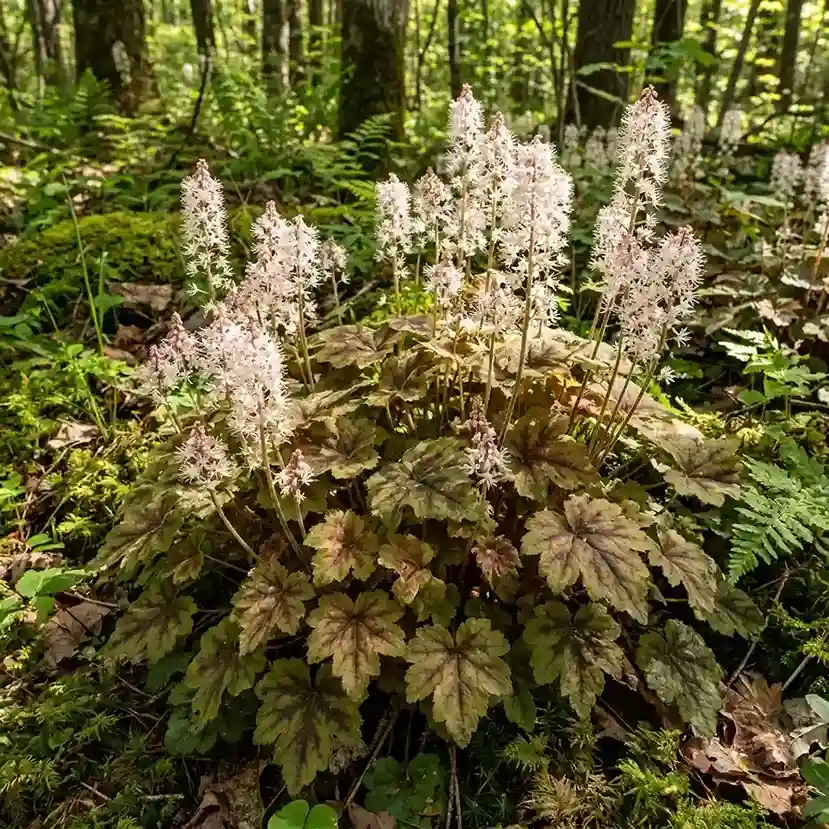
source: @emilycarter
It spreads gently by stolons to create a dense, attractive ground-cover layer in partial to full shade. It is an excellent companion for hostas, heucheras, and ferns in a layered shade border. Combine it with shade perennials to build a complete, low-maintenance planting scheme that provides interest from early spring all the way through to the first frosts of autumn.
31. Epimedium — Fairy Wings (Epimedium species)
Epimedium is one of the toughest and most versatile ground-cover plants for difficult dry shade garden situations. Its delicate, spurred flowers in yellow, white, pink, purple, and orange appear in spring above attractive, heart-shaped leaves. The leaves are semi-evergreen and often develop beautiful red and bronze tints in autumn and winter.
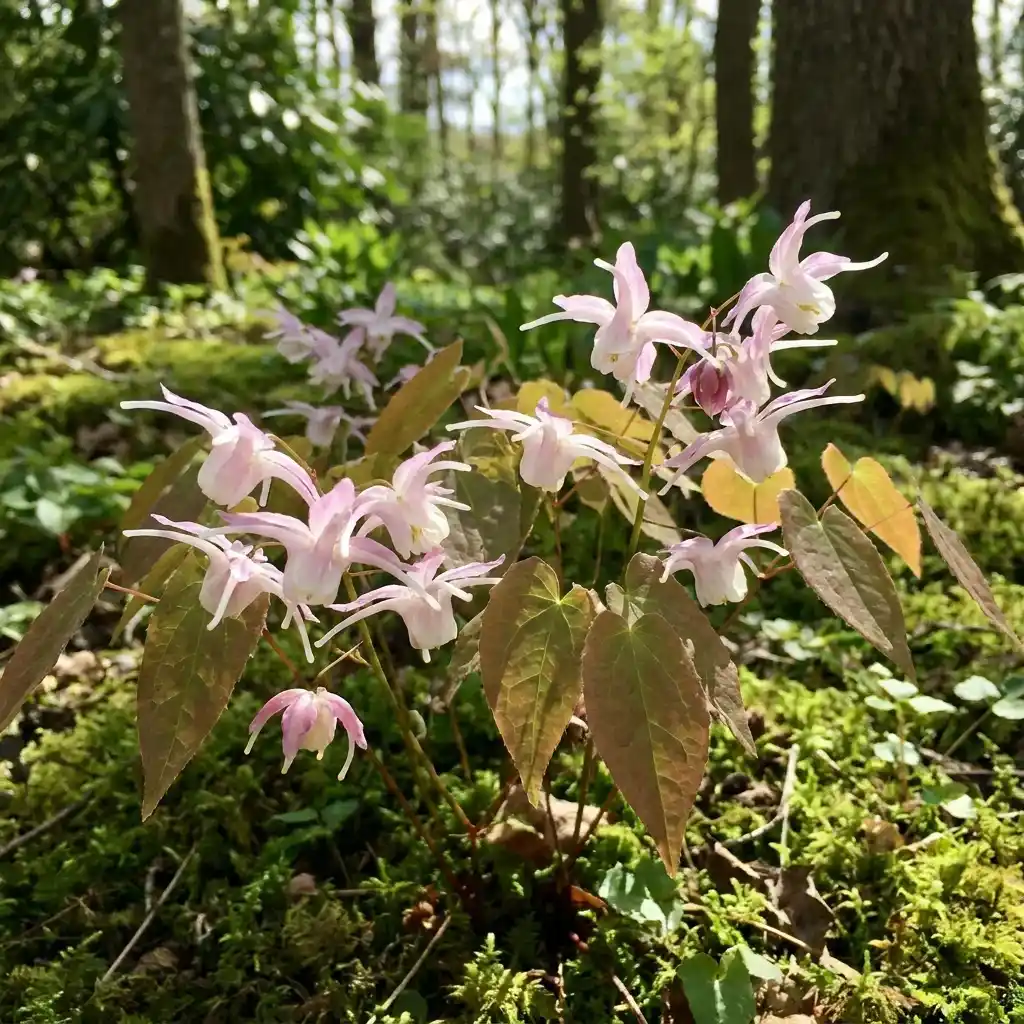
Once established, it tolerates drought, deep shade, and competition from tree roots better than almost any other flowering perennial. Cut back the old foliage in late winter before new growth and flowers emerge in spring. It is the perfect plant for the challenging dry, rooty shade beneath established trees where very little else will survive, let alone flower and thrive.
32. Brunnera (Brunnera macrophylla)
Brunnera macrophylla, sometimes called Siberian Bugloss, is a beautiful spring-flowering perennial with forget-me-not-blue flowers above large, heart-shaped leaves. The silver-variegated varieties like ‘Jack Frost’ are especially prized for their spectacular reflective foliage that lights up shaded garden areas all season long. It is one of the finest foliage plants for partial to full shade.
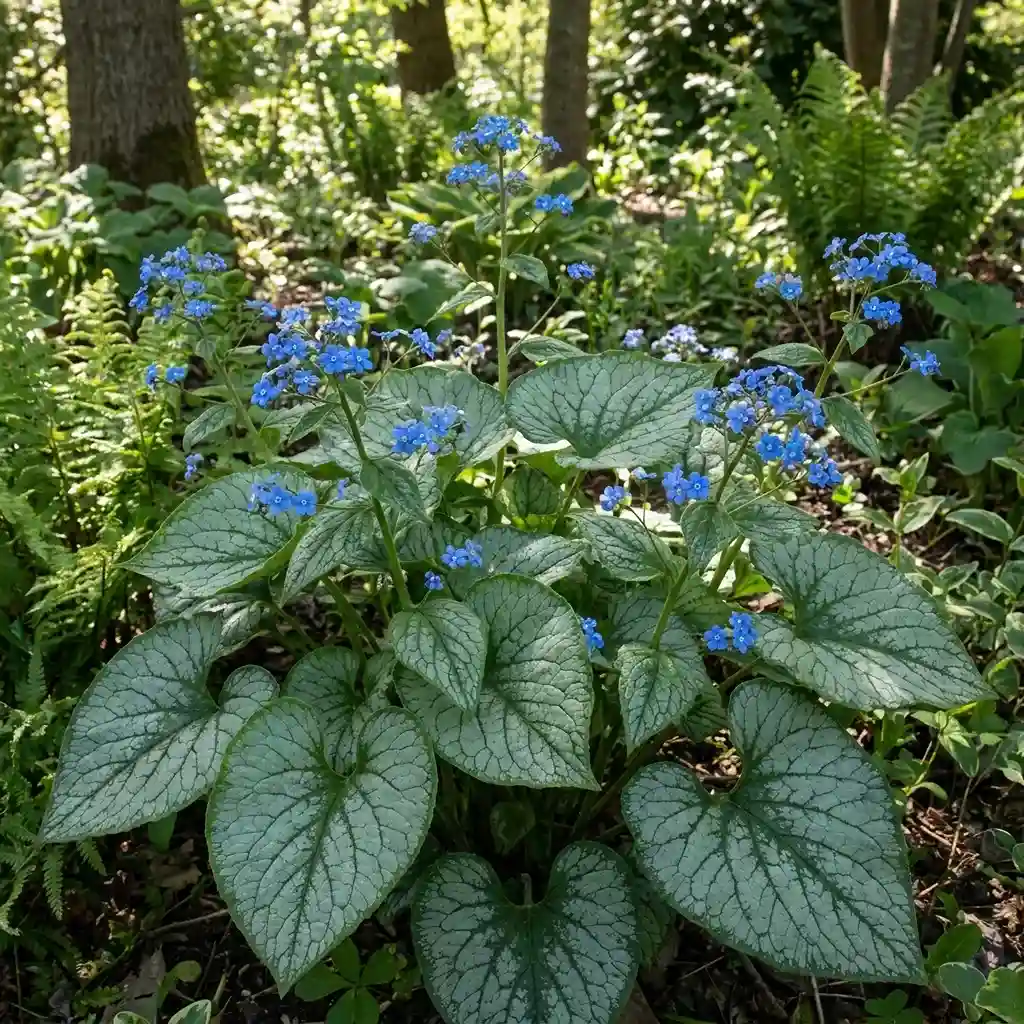
It grows in moist, humus-rich soil in partial to full shade and is generally trouble-free. The striking silver-variegated foliage provides season-long interest long after the spring flowers have finished. Combine it with hostas, ferns, and shade plants for a beautifully coordinated, long-season shaded border that looks sophisticated and well-planned throughout the entire growing season.
33. Himalayan Blue Poppy (Meconopsis betonicifolia)
The Himalayan Blue Poppy is considered by many gardeners to be the most beautiful and desirable flower in the world. Its large, perfectly formed flowers in a clear, luminous sky-blue are truly breathtaking and unlike any other poppy color. Growing it successfully is one of the greatest challenges and greatest rewards in all of shade gardening.
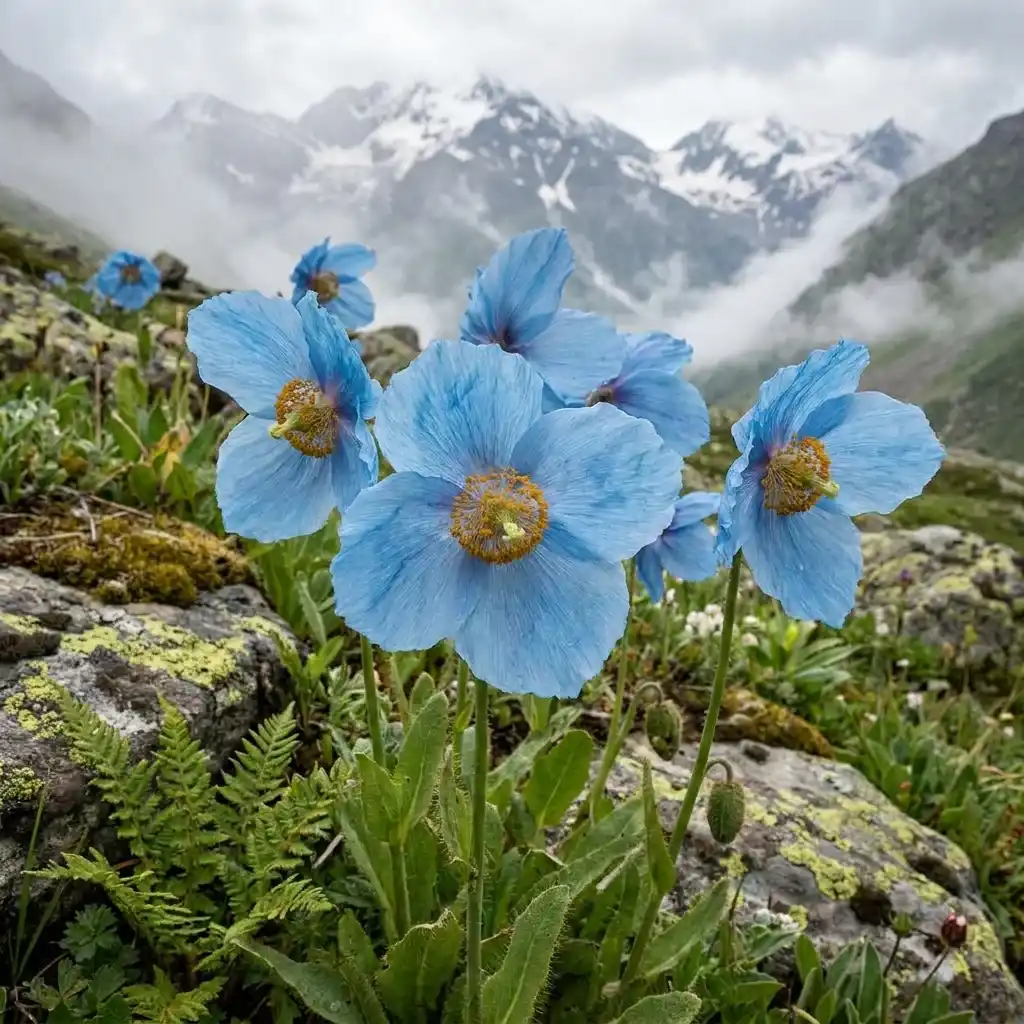
It needs cool, moist, acidic, humus-rich soil in partial shade and does not tolerate heat or drought at all. It is best suited to gardens in cool, moist climates with mild summers. The effort required to grow it well is enormous, but the spectacular result of a clump in full, glorious blue flower is an absolutely unforgettable garden experience that most passionate gardeners dream of achieving.
34. Erythronium — Dog’s Tooth Violet (Erythronium dens-canis)
Erythronium is a beautiful spring-flowering bulb that produces elegant, reflexed flowers in shades of pink, white, yellow, and purple above attractively mottled leaves. The flowers are delicate and graceful, resembling small cyclamen blooms with their swept-back petals. They naturalize beautifully in woodland and partial shade settings to create stunning seasonal displays.
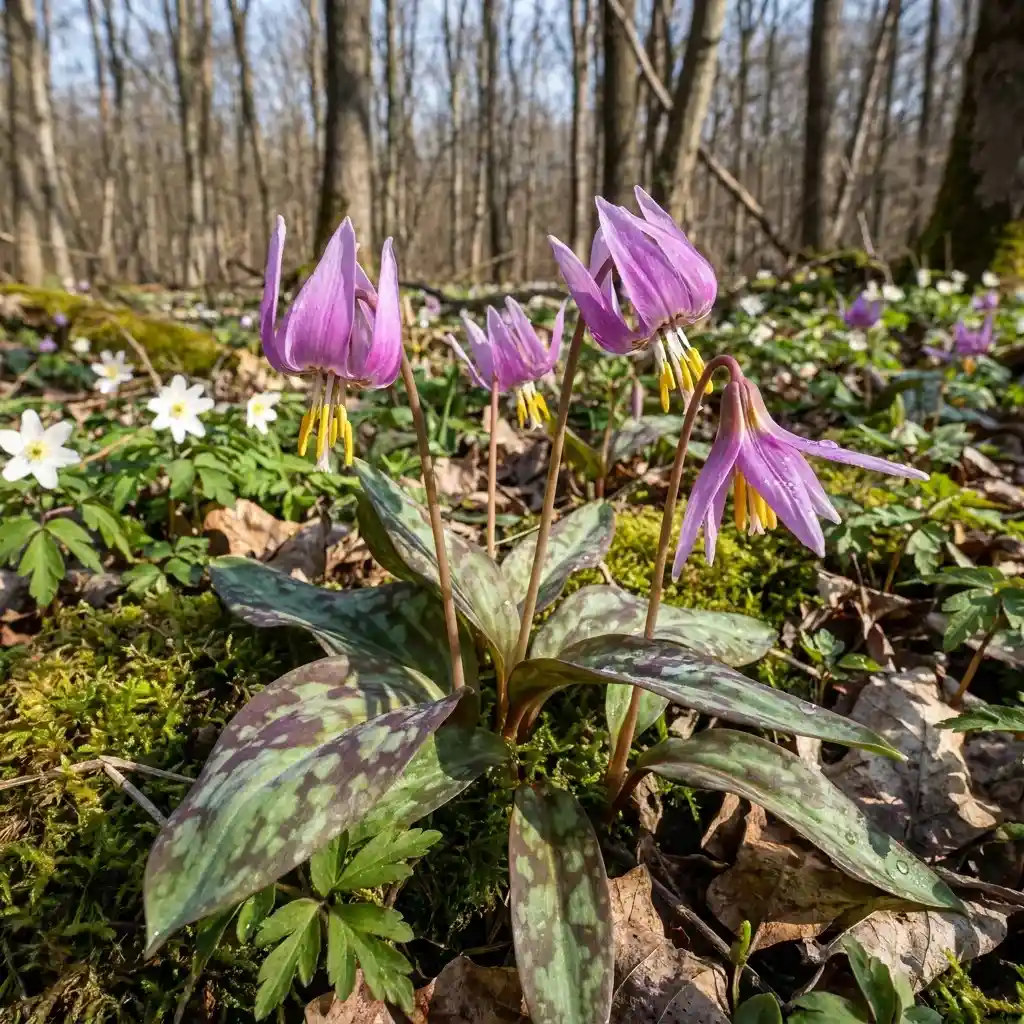
Plant the corms in autumn in moist, humus-rich, well-drained soil in partial shade beneath deciduous trees. Never allow the corms to dry out as they deteriorate quickly and lose viability. They are perfect for naturalizing beneath flowering trees or in a stumpery garden where they create breathtaking spring carpets of color in the most naturalistic possible way.
35. Wood Anemone (Anemone nemorosa)
Wood Anemone is a delicate and enchanting native woodland wildflower that carpets the forest floor with white or pale lilac flowers in early spring. Each flower has a simple, daisy-like beauty with a golden center that glows in the soft light filtering through bare branches. It is one of the most evocative of all spring woodland wildflowers.
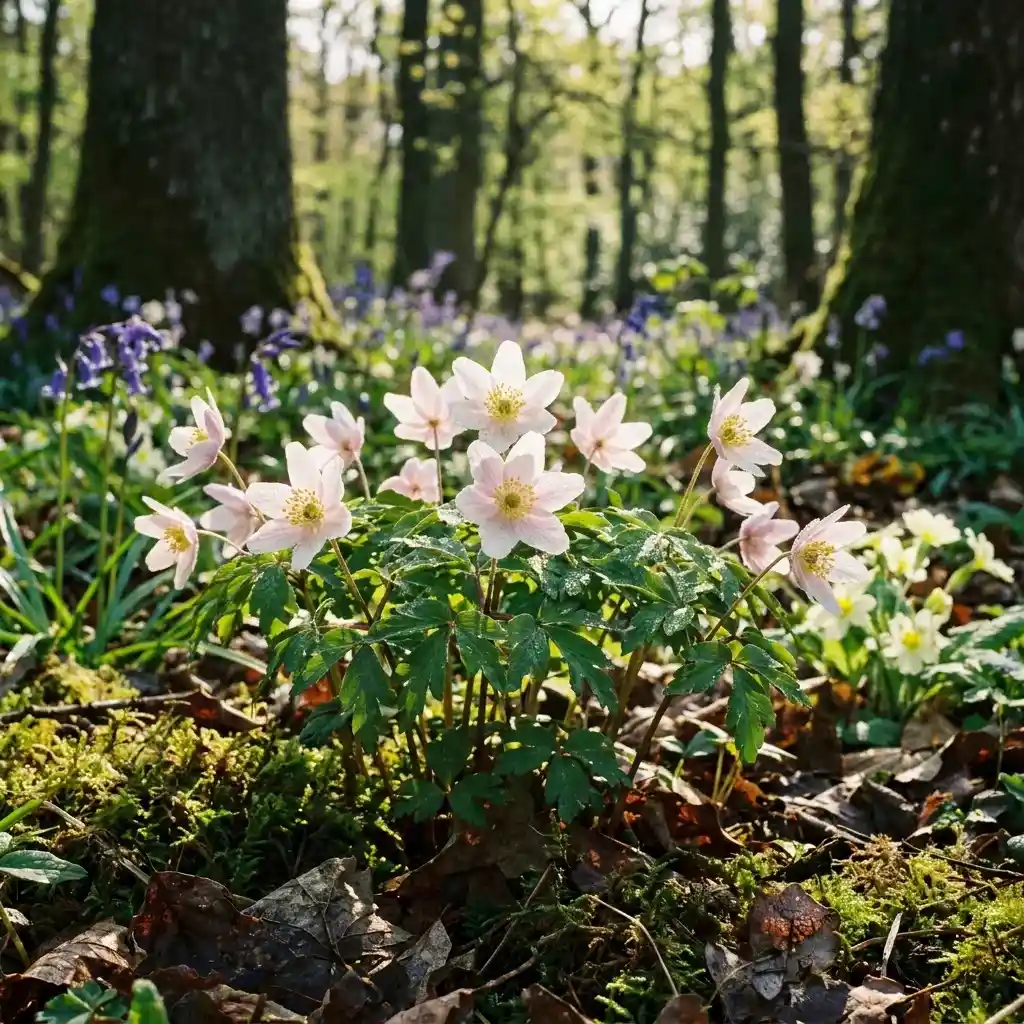
It spreads slowly by underground rhizomes to form beautiful, sweeping colonies beneath deciduous trees. Plant it in autumn in leaf-rich, moist, slightly acidic soil in full to partial shade. It is a spring ephemeral that dies back completely after flowering. It looks most magical when naturalized in large drifts in a woodland garden setting where it can spread freely over many years.
36. Hepatica (Hepatica nobilis)
Hepatica is one of the very first wildflowers to bloom in the spring shade garden, often appearing while snow still lingers on the ground around it. Its small, anemone-like flowers in blue, purple, pink, and white are exquisitely beautiful up close. The three-lobed evergreen leaves are attractive throughout the year and stay green even in winter.
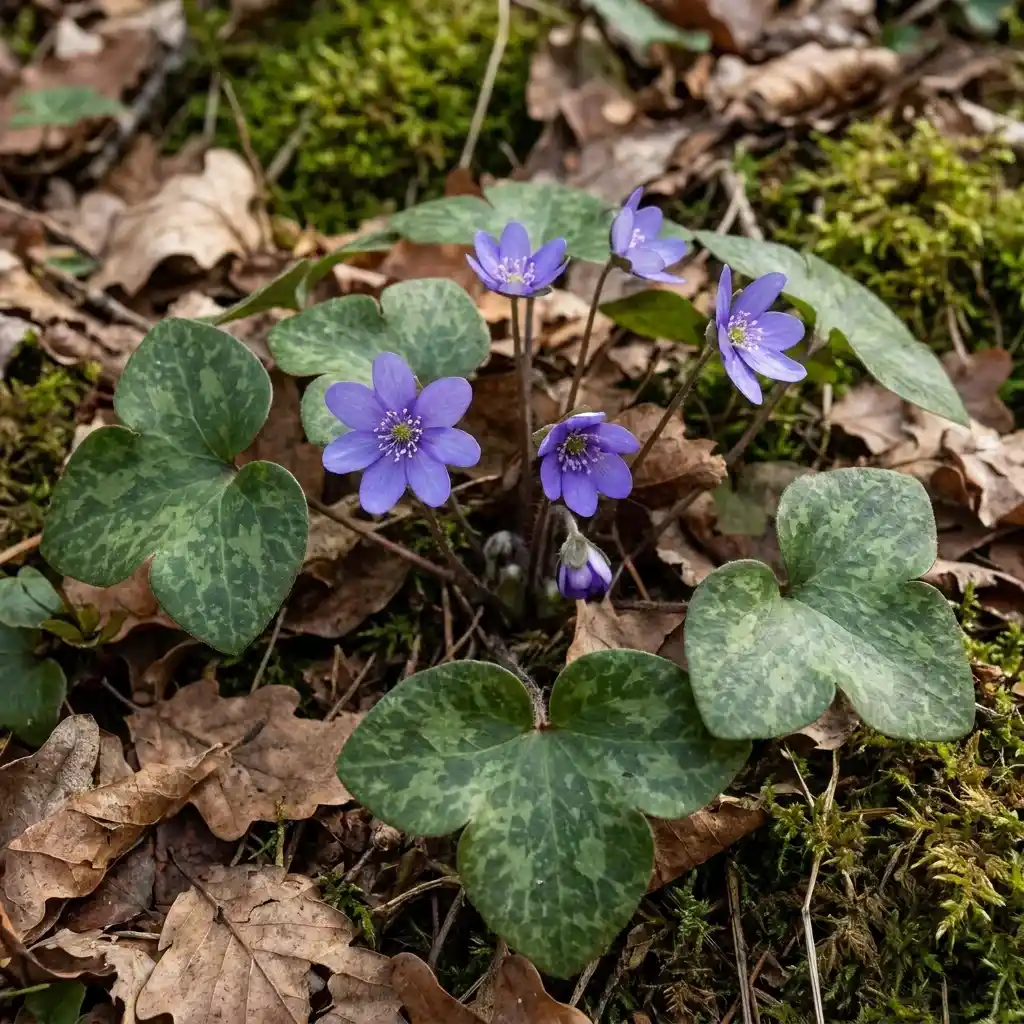
It needs well-drained, humus-rich, slightly alkaline soil in full to partial shade to thrive. It is slow-growing and resents disturbance once established, so plant it in a permanent position and leave it undisturbed. It is a collector’s plant of the highest order, with rare double-flowered forms in incredible colors commanding very high prices among specialist wildflower gardeners worldwide.
37. Viola — Violet (Viola odorata)
Sweet Violet is one of the most charming and fragrant little flowers of the spring shade garden. Its deep purple or white flowers are intensely, unforgettably sweet-scented and appear in late winter and early spring. It spreads gently by stolons and self-seeding to create relaxed, informal colonies beneath hedges and in shaded borders.
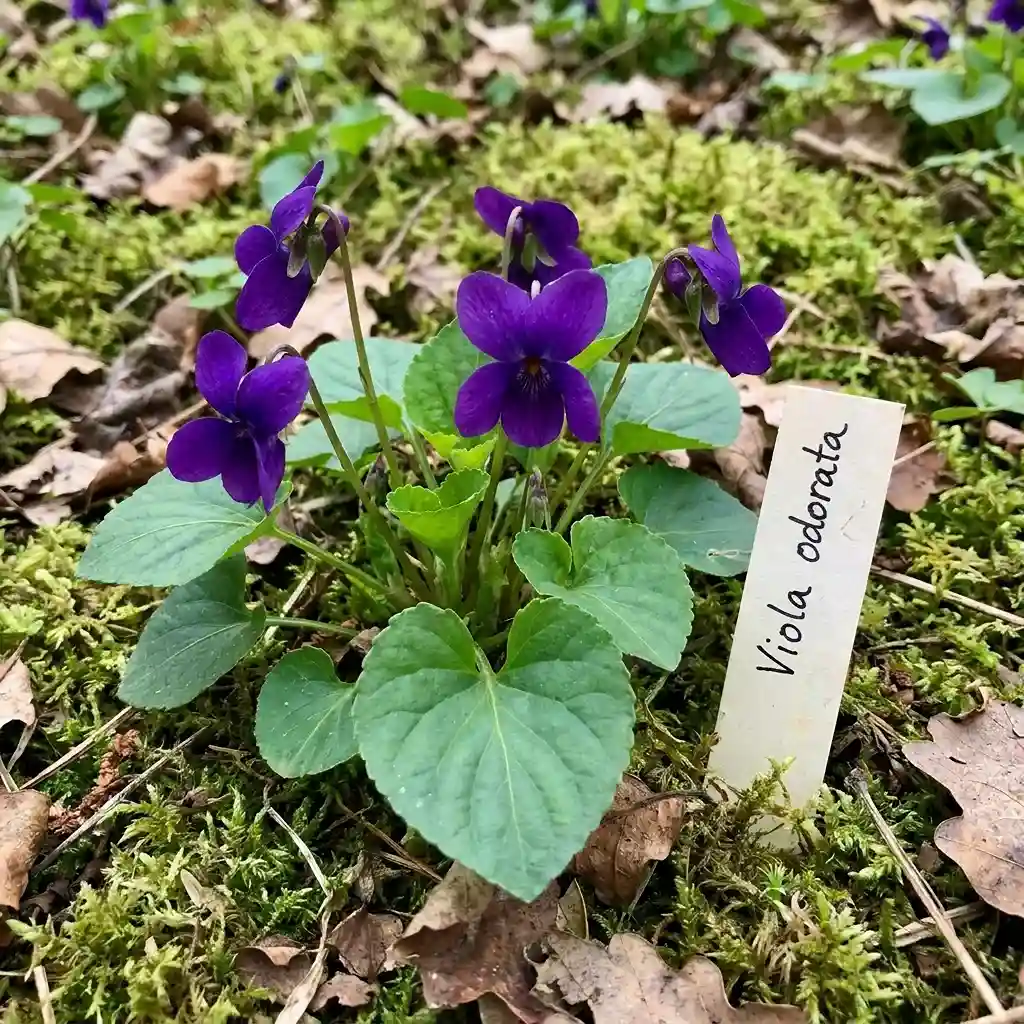
It grows in partial shade in moist, humus-rich soil and is completely cold-hardy. Use it as a ground cover beneath shrubs, along shaded paths, or at the edges of woodland areas. It looks beautiful in a vintage garden or rustic garden setting where its old-fashioned charm and sweet fragrance complement the overall nostalgic and romantic garden atmosphere perfectly.
38. Forget-Me-Not (Myosotis sylvatica)
Forget-Me-Not is one of the most beloved and romantic of all spring flowers, producing a sea of tiny, clear-blue flowers with yellow centers in mid-spring. It creates a magical, misty blue haze beneath trees and in shaded borders that is one of the most beautiful sights in the spring garden. It is the perfect companion for spring bulbs like tulips and daffodils.
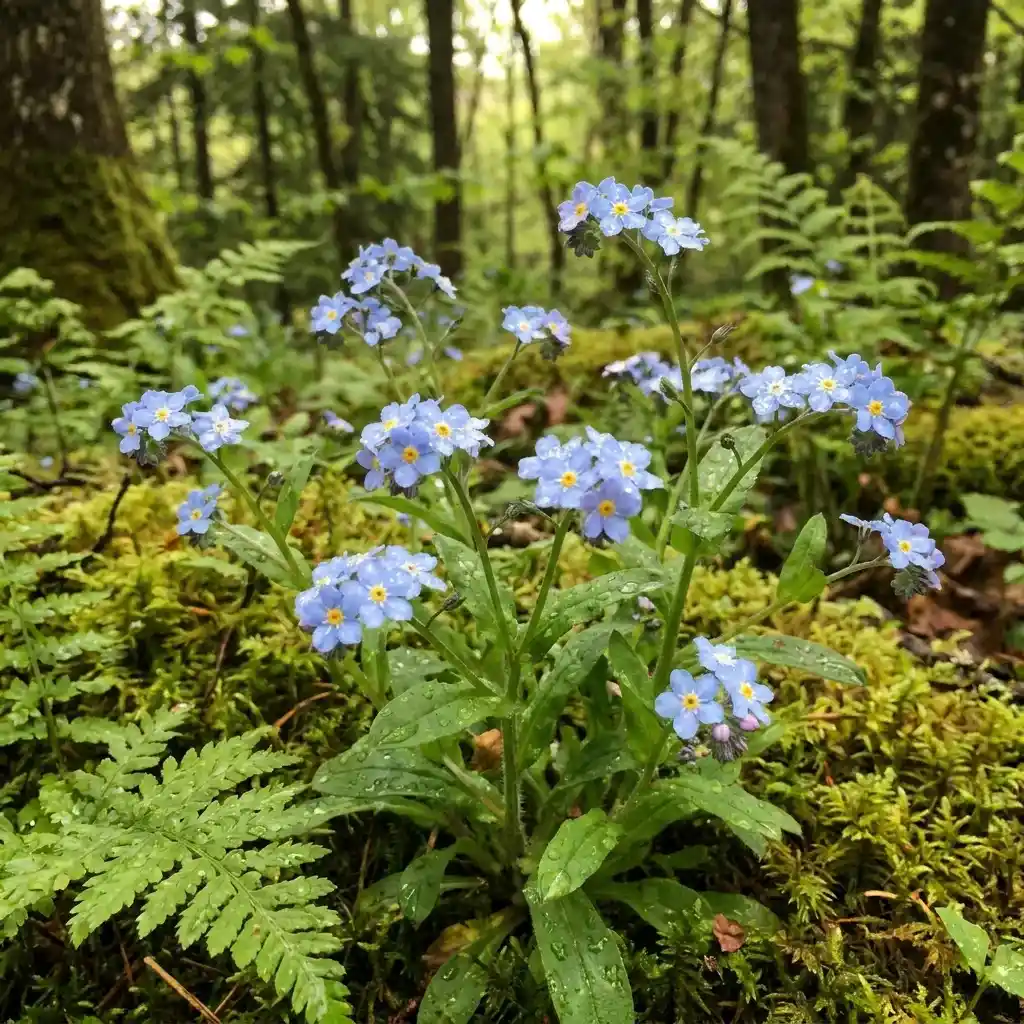
It is a biennial that self-seeds so prolifically that it effectively behaves like a perennial in the garden. Sow seed in late summer for flowers the following spring. It is lovely in a cottage garden style planting or beneath flowering trees where its soft blue color creates a beautiful, romantic underplanting that complements spring blossom overhead.
39. Hardy Cranesbill (Geranium species)
Hardy Geraniums, also called Cranesbills, are among the most versatile and valuable perennials for the shade garden. Many species thrive in partial shade and produce a generous display of cup-shaped flowers in shades of blue, violet, pink, magenta, and white over a very long season. The deeply cut, attractive foliage often turns beautiful shades of red and orange in autumn.
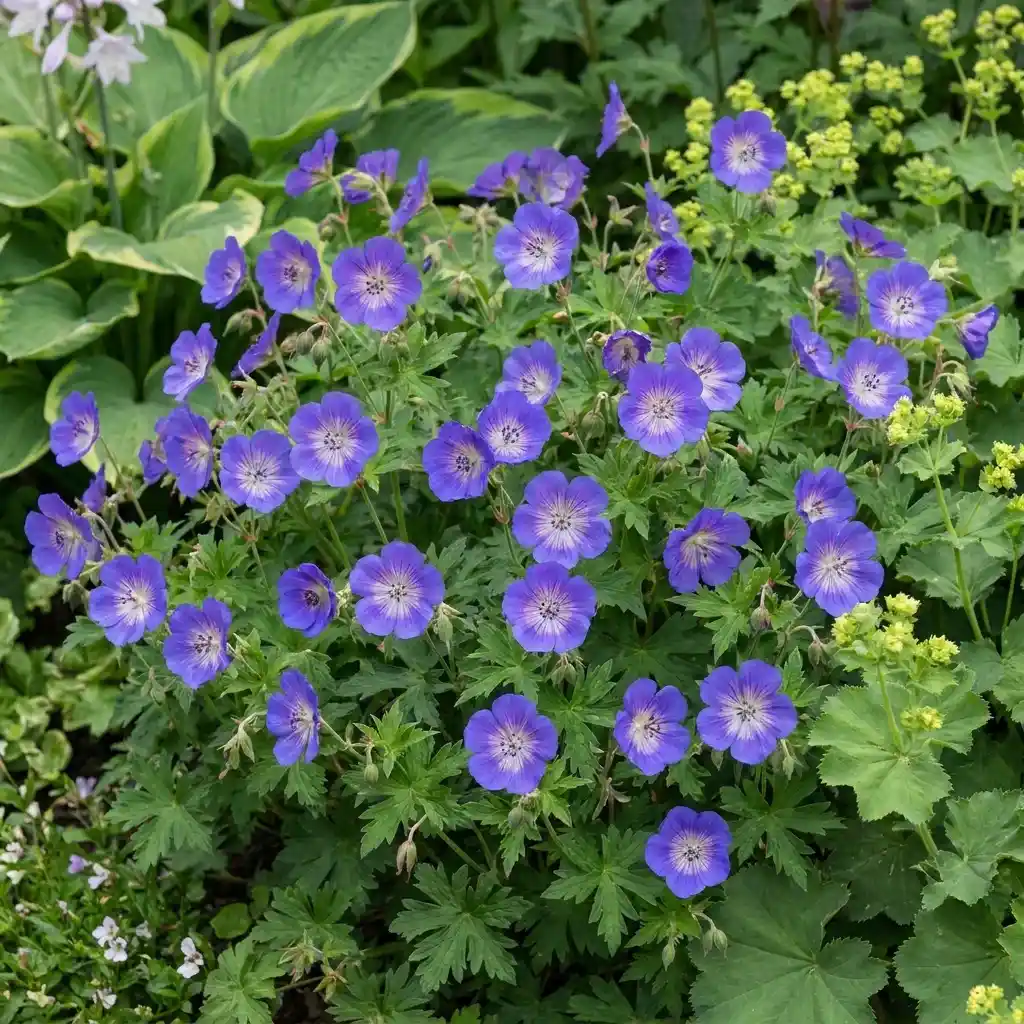
They are tough, adaptable plants that tolerate a wide range of soil types and conditions. Many species spread to form excellent ground-covering colonies beneath shrubs and trees. They work beautifully in flower beds in front of house in partially shaded areas or as low-maintenance infill plants in any mixed border where reliable color and ground coverage are both needed throughout the growing season.
40. Kirengeshoma (Kirengeshoma palmata)
Kirengeshoma is a magnificent and unusual perennial from Japan that brings elegant late-season beauty to the shade garden. Its large, maple-like leaves are deeply attractive throughout summer. In late summer and early autumn it produces waxy, pale yellow, shuttlecock-shaped flowers on dark, arching stems that are unlike any other garden plant in appearance.
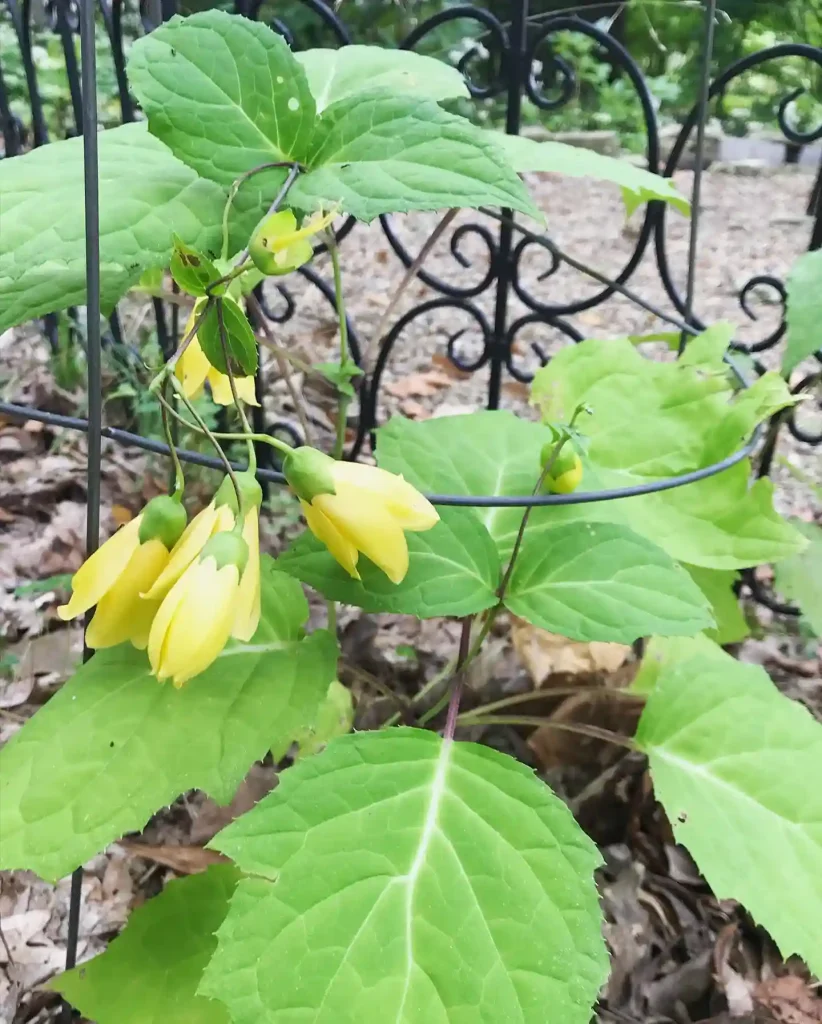
source: @juliewitmergardens
It prefers cool, moist, acidic, humus-rich soil in partial to full shade and does not tolerate drought. Plant it as a specimen plant or combine it with late-flowering shade perennials for a stunning end-of-season display. It is a truly special and distinctive plant that will generate admiring comments from every visitor who sees it flowering in the autumn shade garden.
41. Oxalis — Wood Sorrel (Oxalis acetosella)
Oxalis acetosella, the native Wood Sorrel, is a dainty and charming woodland wildflower that carpets shaded areas with clover-like leaves and delicate white flowers veined with pink in spring. It spreads gently to create a soft, fine-textured carpet beneath trees and along shaded path edges. The leaves have a pleasant lemony taste and close at night and in overcast weather.
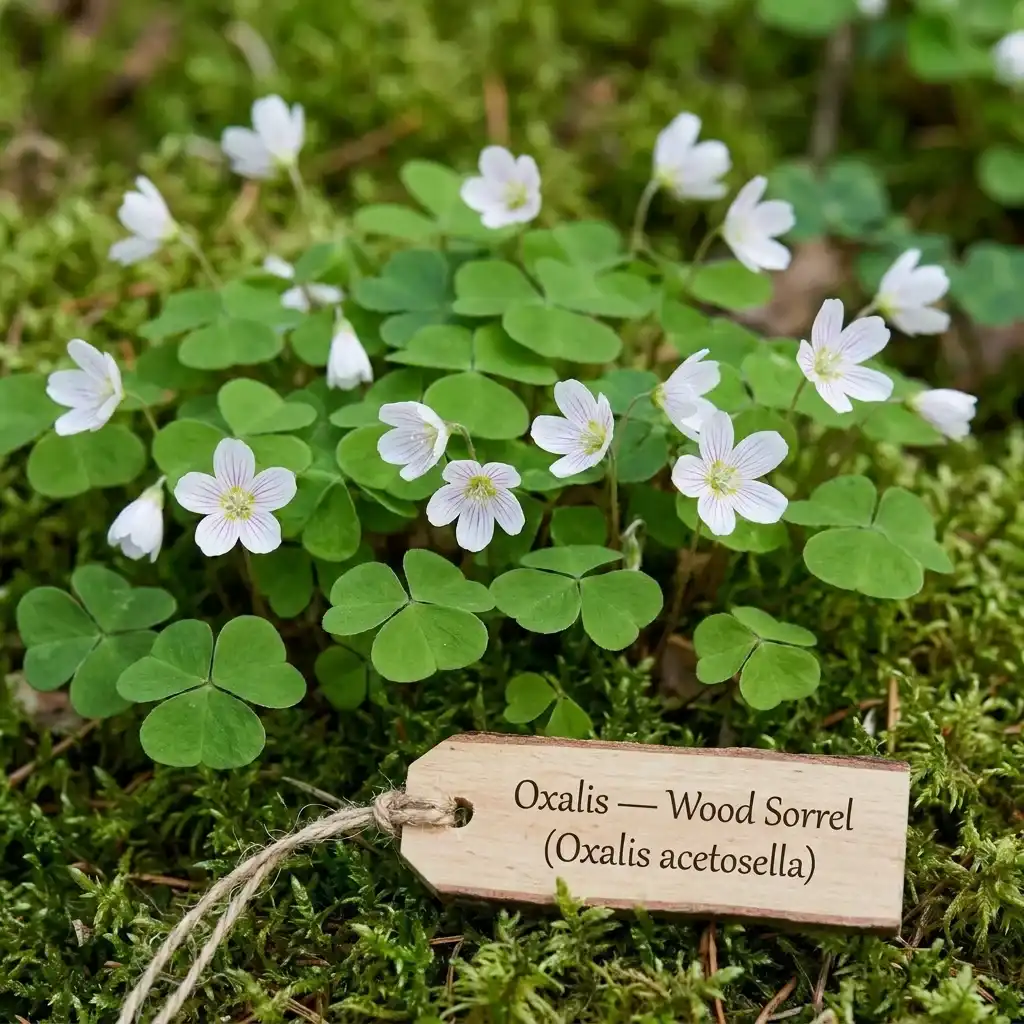
It grows in full to partial shade in moist, humus-rich, acidic soil and spreads reliably without becoming invasive. Use it as a delicate ground cover beneath specimen trees or in the quiet corners of a woodland garden. It is a subtle but beautiful addition that rewards those who look carefully at its perfectly formed, intricate little flowers up close in the soft light of a shaded spring garden.
42. Comfrey (Symphytum species)
Comfrey is a robust and highly useful perennial that produces generous clusters of tubular flowers in shades of blue, purple, pink, and white in spring and early summer. It tolerates partial to full shade in almost any soil condition and is extremely tough once established. It is also one of the most important plants in the garden for attracting and feeding bumblebees early in the season.
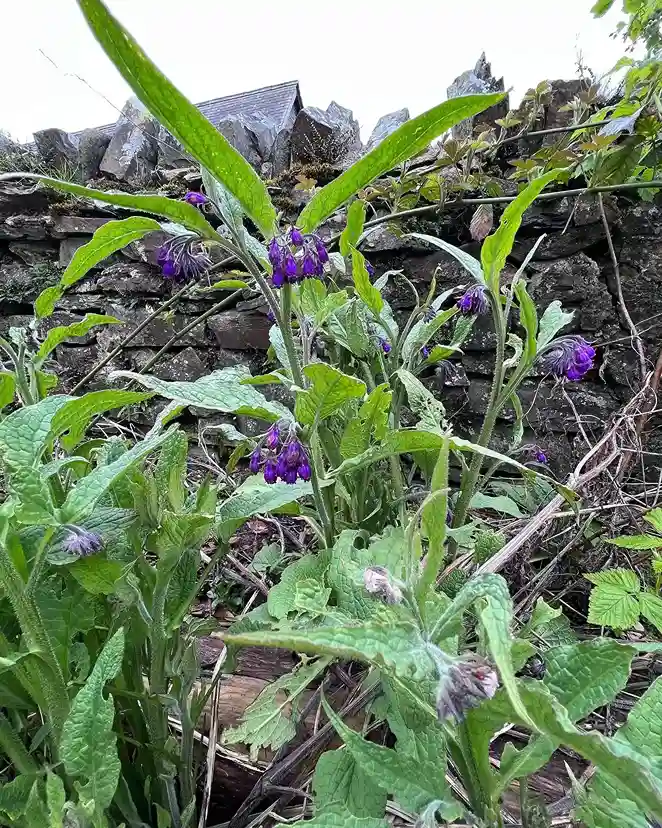
source: @stephaniehafferty
The large leaves make an excellent liquid fertilizer when steeped in water for several weeks. Use lower-growing ornamental varieties as ground cover in difficult shaded spots. It fits perfectly into a permaculture garden design or a wildlife feeding station planting scheme where its ecological value to pollinators and soil health is as important as its ornamental beauty.
43. Dicentra (Dicentra formosa)
Dicentra formosa, the Western Bleeding Heart, is a beautiful and reliable shade perennial that blooms over a much longer period than its more famous cousin Lamprocapnos spectabilis. It produces dangling, heart-shaped flowers in rose-pink or white above attractive, finely divided, ferny blue-green foliage. In cool summers it may flower almost continuously from spring to autumn.
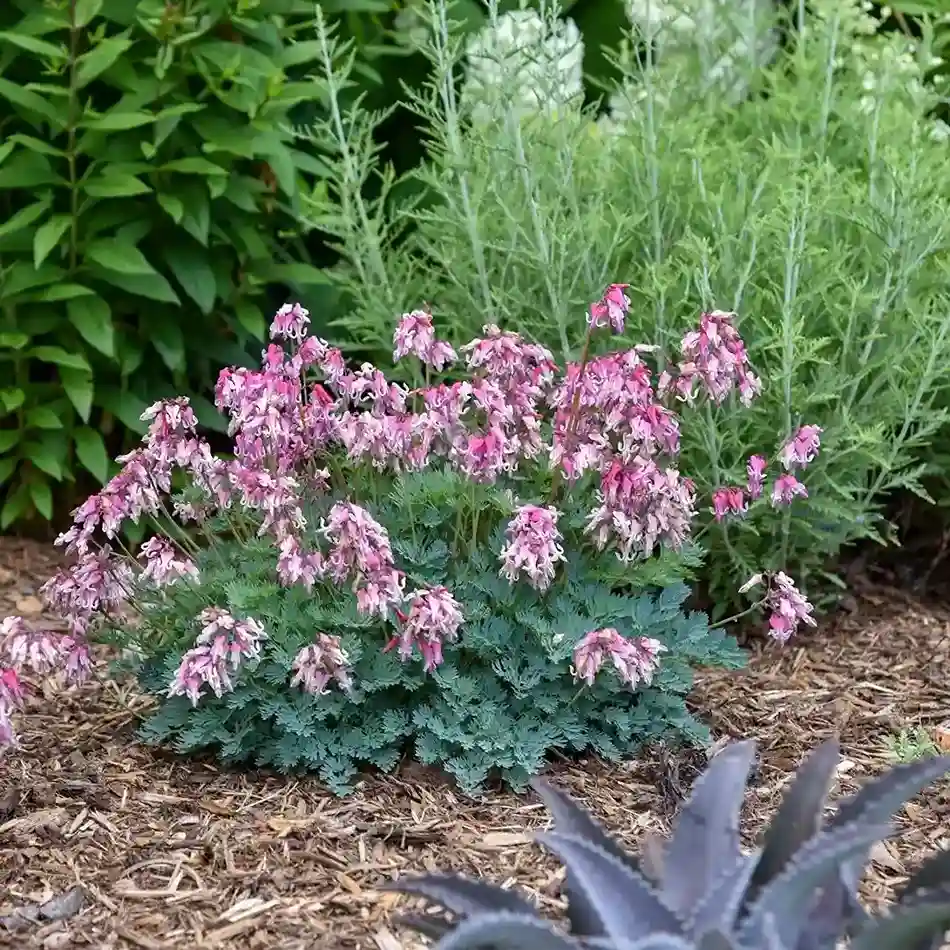
source: @provenwinners
It spreads by underground rhizomes to form attractive, weed-suppressing colonies in time. Unlike the common Bleeding Heart, it does not go fully dormant in summer and maintains its attractive foliage throughout the season. It is an excellent, long-season perennial for any shaded garden border and pairs beautifully with hostas, astilbes, and other shade plants in a rich, layered woodland-inspired planting.
44. Abutilon — Flowering Maple (Abutilon hybridum)
Abutilon, sometimes called Flowering Maple or Chinese Lantern, is a beautiful tender perennial shrub that produces pendant, lantern-shaped flowers in rich shades of red, orange, yellow, and pink over an extraordinarily long season. It tolerates partial shade very well and performs reliably in a sheltered, warm position. The maple-like leaves are attractive and often variegated with gold.
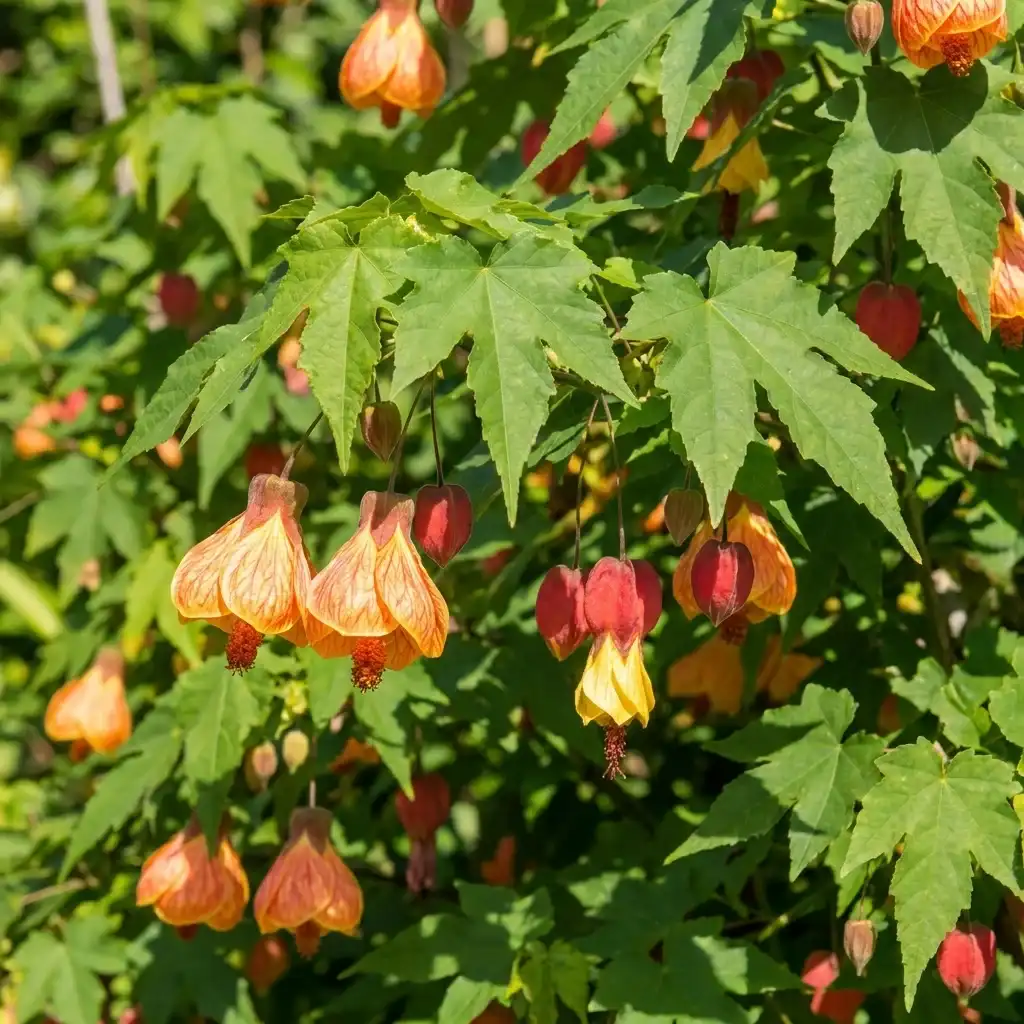
In frost-free climates it grows as a permanent garden shrub. In colder regions it works beautifully as a large container plant that can be moved indoors for winter. It is one of the most striking and unusual best outdoor plants for a sheltered, shaded patio or courtyard garden where its exotic, tropical-looking flowers create a truly memorable seasonal display from late spring through to autumn.
45. Pulmonaria — Lungwort (Pulmonaria saccharata)
Pulmonaria saccharata is the most ornamental of all the Lungworts, with beautifully silver-spotted leaves that look as if they have been splashed with paint by an enthusiastic artist. The funnel-shaped flowers open in a sequence of colors — starting pink and slowly changing to blue as they mature — so both colors are present on the plant at the same time.
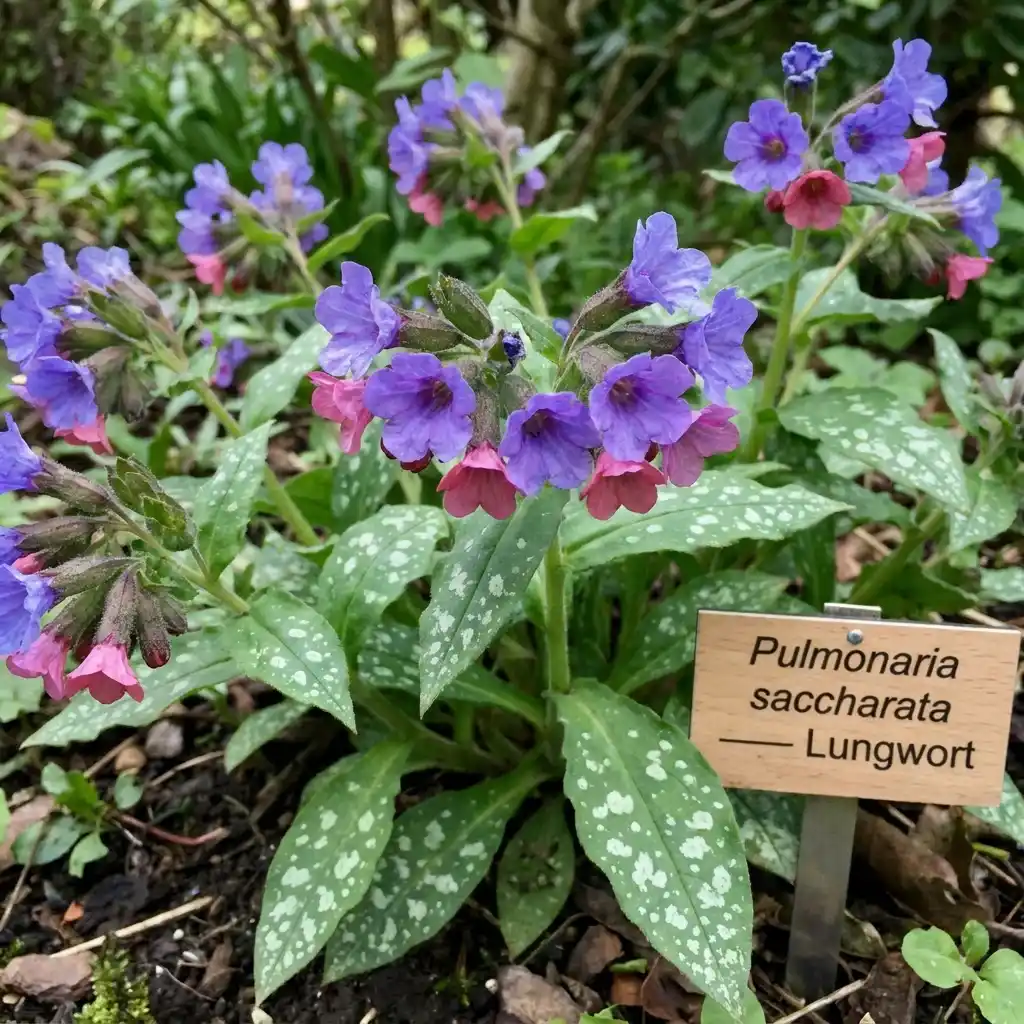
It grows in partial to full shade in moist, humus-rich soil and is one of the very earliest perennials to flower in spring. The spectacular spotted foliage continues to provide excellent visual interest throughout the entire summer season long after the flowers have finished. It is invaluable in a shade garden border for providing ground-level interest, texture, and color across all four seasons of the garden year.
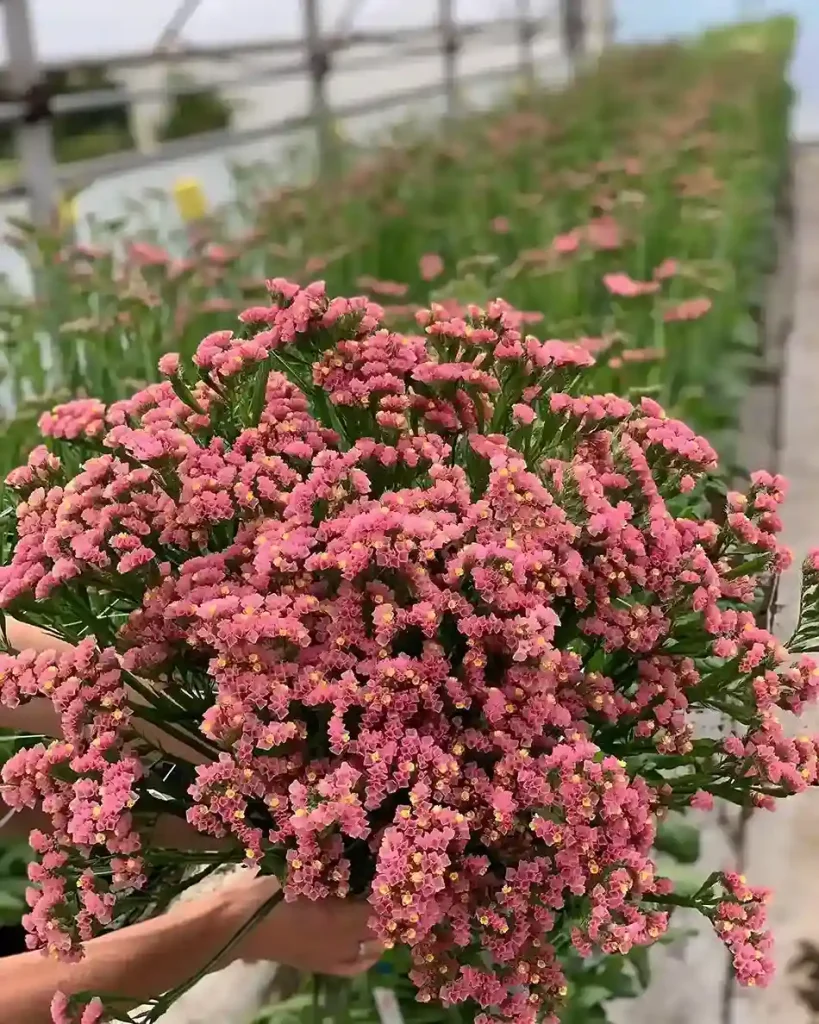
46. Coral Flower — Heucherella (Heucherella species)
Heucherella is a beautiful hybrid between Heuchera and Tiarella that combines the best qualities of both parent plants. It produces attractive, often ivy-shaped leaves in shades of green, gold, bronze, and red-veined, along with delicate foam-like flower spikes in spring and early summer. It is an outstanding four-season perennial for partial shade garden positions.
source: @britebloomsflowersnz
It grows in well-drained, humus-rich soil in partial shade and is very low maintenance once established. Use it as an edging plant, ground cover, or specimen in a shaded container. Combine it with heucheras, hostas, and shade shrubs to create a beautifully layered, richly textured shade border that provides interest through foliage and flower across multiple seasons in the garden.
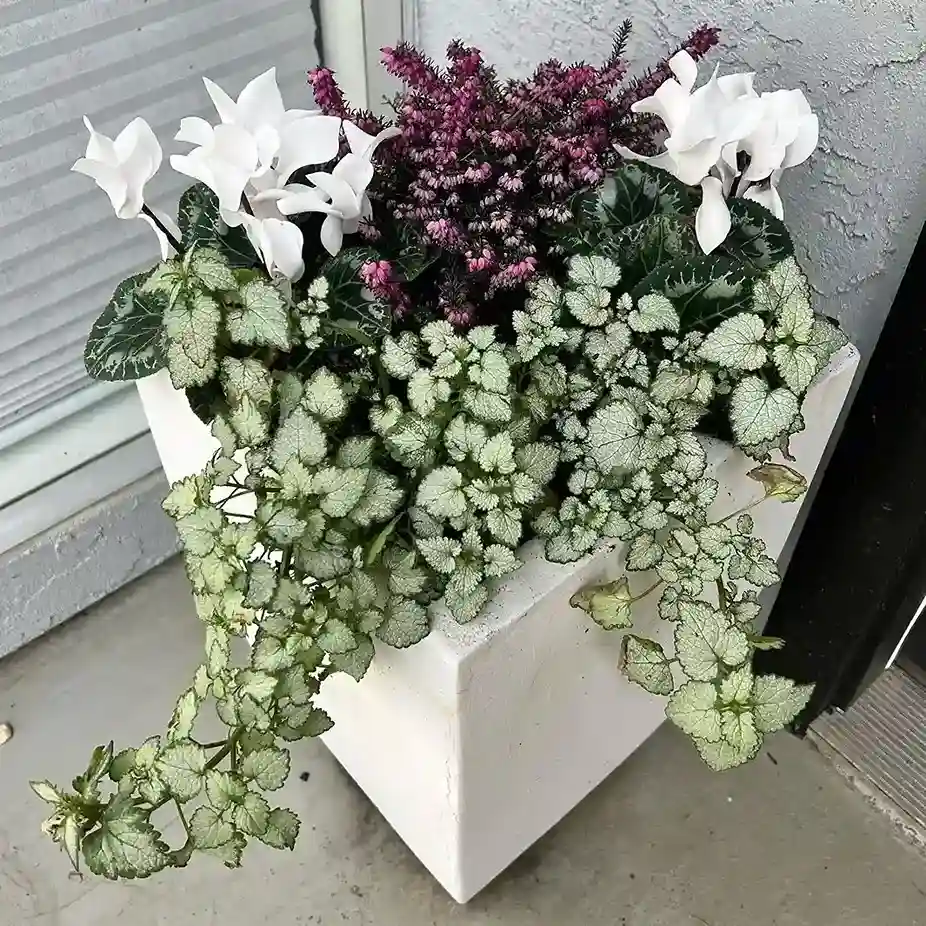
47. Lamium — Dead Nettle (Lamium maculatum)
Lamium maculatum is an incredibly useful and attractive ground-covering perennial for shaded garden positions. Its silver-striped leaves form a dense, weed-suppressing carpet that looks attractive all year round. In spring and early summer it produces spikes of hooded pink, purple, or white flowers that are a valuable early nectar source for bumblebees and other pollinators.
source: @digplantwaterrepeat
It spreads by surface runners and fills gaps quickly in shaded borders and beneath shrubs. Cut it back hard after flowering to regenerate fresh, attractive foliage for the rest of the season. Use it as a front of house landscape ground cover in shaded areas or along fence line landscaping where its spreading habit quickly and efficiently covers bare, difficult ground beneath established shrubs.
48. Ajuga — Bugle (Ajuga reptans)
Ajuga reptans is one of the most effective and attractive ground-cover perennials for partial to full shade. Its semi-evergreen rosettes of leaves come in plain green, bronze-purple, and multicolored forms. In spring it produces striking vertical spikes of vivid blue flowers that are exceptionally beautiful to bees and other early-season pollinators.
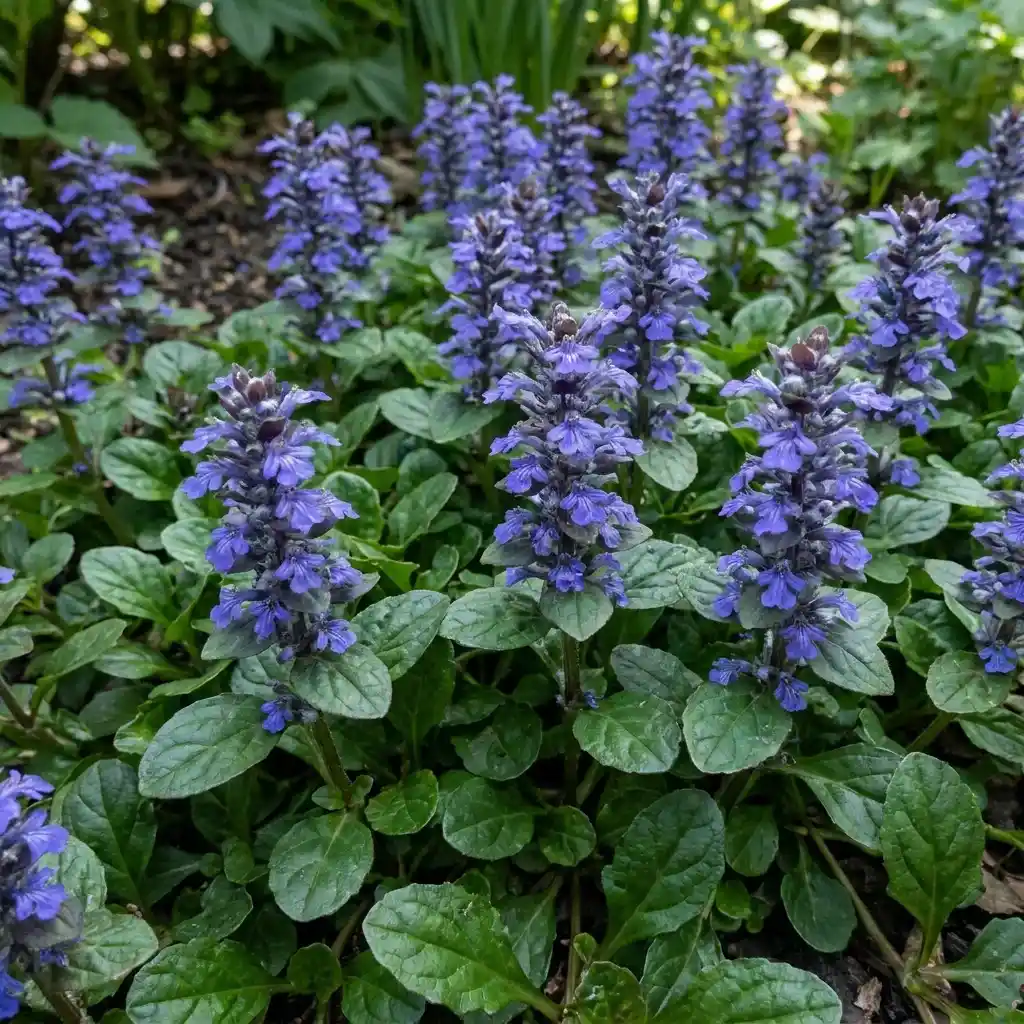
It spreads rapidly by surface stolons to carpet large areas very quickly and effectively. Use it beneath trees, along shaded path edges, or as a lawn alternative in deeply shaded areas where grass fails. It works well alongside cheap landscape edging ideas to create a defined, attractive, and low-maintenance shaded ground cover display that suppresses weeds reliably throughout the entire growing season.
49. Digitalis — Straw Foxglove (Digitalis lutea)
Digitalis lutea, the Straw or Yellow Foxglove, is a more refined and elegant alternative to the common purple foxglove for the shade garden. It produces slender spikes of small, creamy-yellow tubular flowers in early to midsummer with a delicate beauty that complements shaded borders perfectly. Unlike the common foxglove, it is a true perennial that returns reliably each year.
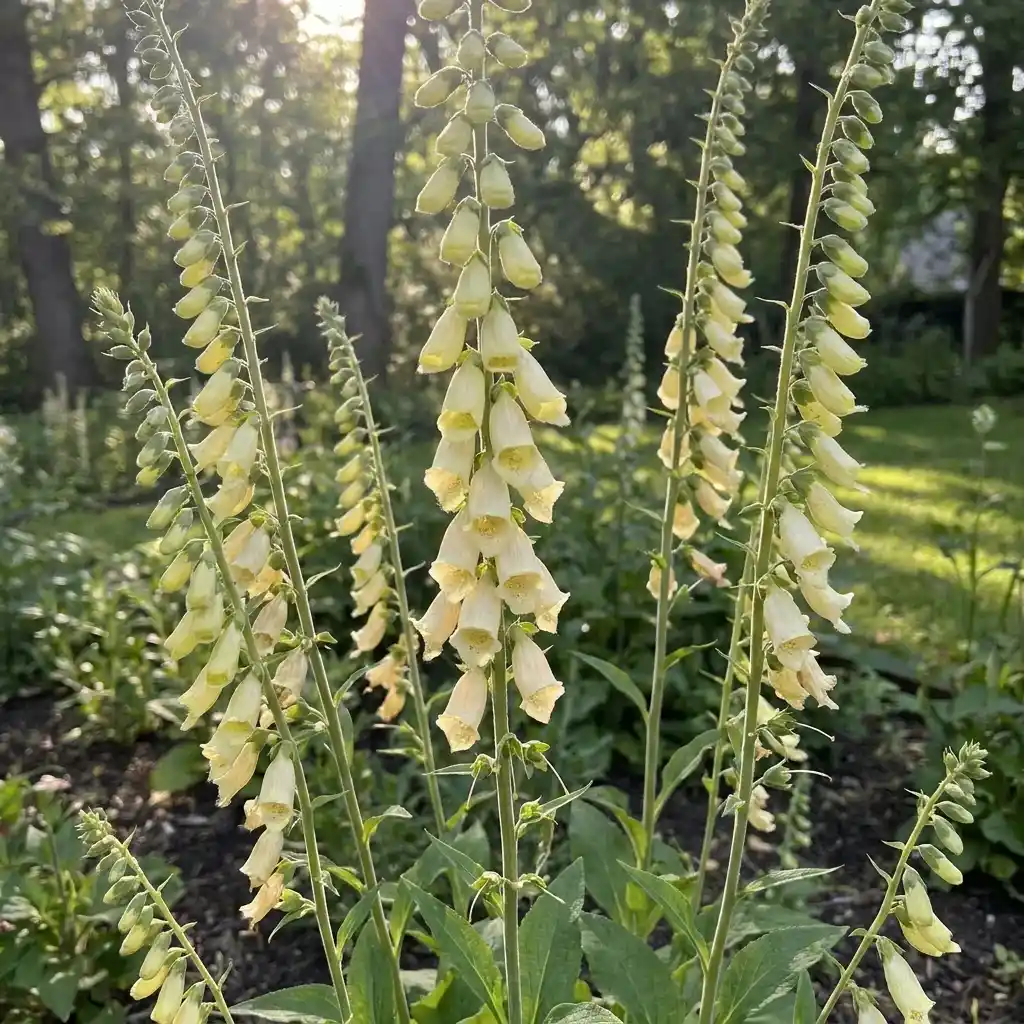
It grows in partial shade in well-drained soil and self-seeds gently to build up colonies over time. It pairs beautifully with blue-flowered perennials like Salvia and Veronica in lightly shaded borders. Use it in a perennial low-maintenance garden where its reliable return and self-seeding habit reduce the need for replanting or constant maintenance across the years.
50. Symphytum — Comfrey Blue (Symphytum caucasicum)
Symphytum caucasicum, the Caucasian Comfrey, is the most ornamental comfrey species for the shade garden. It produces beautiful, clear azure-blue tubular flowers that are significantly more striking in color than common comfrey varieties. The large, rough-textured leaves form bold, weed-suppressing mounds and the plant spreads steadily to fill difficult shaded areas quickly.
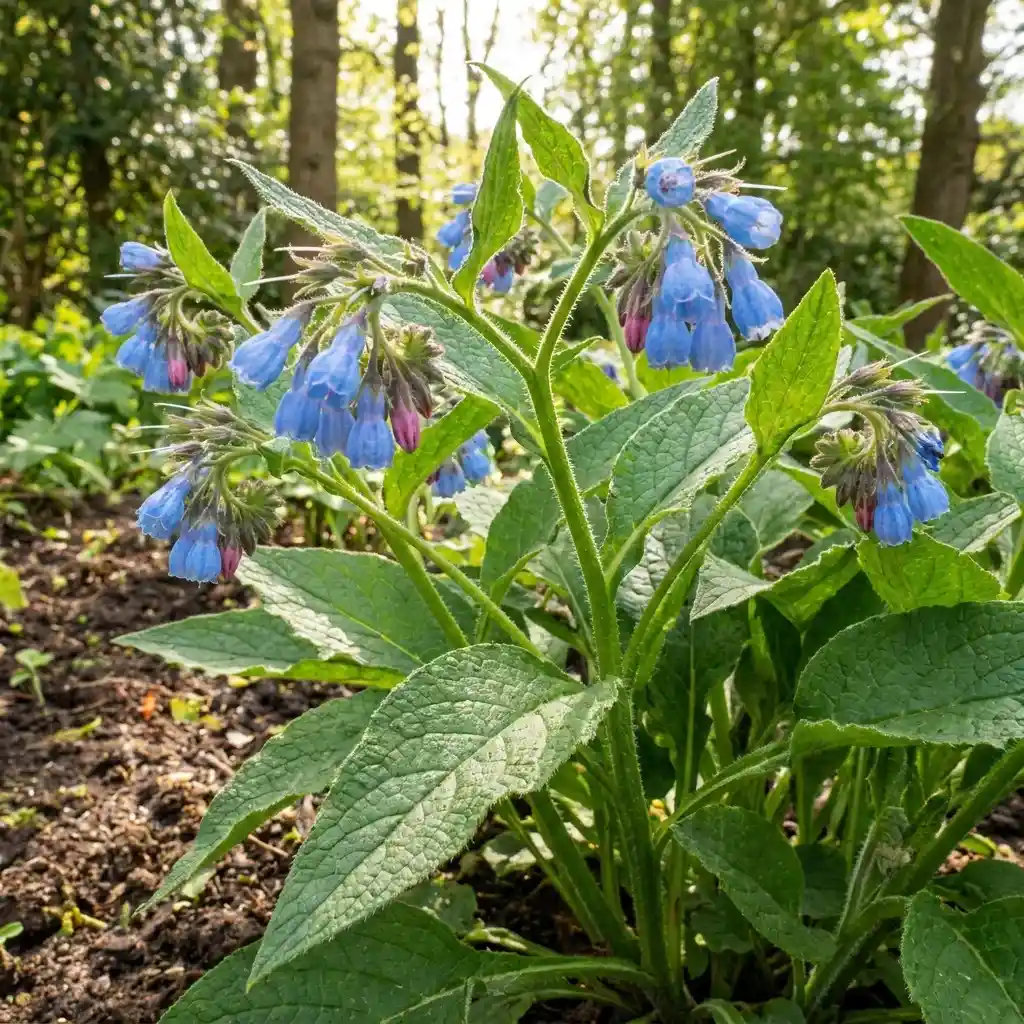
It grows in any moist soil in partial to full shade and is virtually indestructible once established. Cut it back to the ground after the first flush of flowers and it will regenerate and bloom again. It is an excellent plant for a rustic garden or hippie bohemian outdoor garden where its vigorous, naturalistic character and long-season blue flowers are genuinely appreciated and celebrated.
Shade Flowers by Shade Level: Quick Planning Guide
Not all shade is the same, and not all shade flowers tolerate the same light levels equally well. Some flowers need bright, dappled light while others genuinely thrive in the deepest, darkest shade beneath large established trees. Using this guide helps you place the right flower in exactly the right light condition in your garden.
Matching your flowers to your exact shade level is the most important step in planning a successful shade garden. Getting this right means healthy, floriferous plants. Getting it wrong means weak, leggy growth and very disappointing flowering performance year after year despite all your care and effort.
| Shade Level | Description | Best Flowers for This Condition |
| Light / Dappled Shade | Sunlight filtered through tree canopy | Foxglove, Columbine, Astilbe, Japanese Anemone, Hardy Geranium, Nicotiana, Fuchsia |
| Partial Shade | 2–4 hours direct sun daily | Begonia, Impatiens, Primrose, Bleeding Heart, Heuchera, Tiarella, Lobelia, Browallia |
| Full Shade | Less than 2 hours direct sun | Hellebore, Lily of the Valley, Trillium, Wild Ginger, Cyclamen, Clivia, Epimedium, Ajuga |
| Dry Shade | Full shade + dry soil (under trees) | Cyclamen, Epimedium, Wild Ginger, Lamium, Ajuga, Comfrey, Solomon’s Seal |
| Moist Shade | Full shade + reliably moist soil | Astilbe, Japanese Iris, Lotus, Virginia Bluebells, Jack-in-the-Pulpit, Mertensia |
Best Companion Planting Combinations for Shade Flowers
Combining shade flowers thoughtfully creates a garden that looks beautiful across all four seasons. The key is to layer plants with different heights, textures, bloom times, and foliage colors for maximum visual interest. Good companions also support each other ecologically by attracting beneficial insects and improving soil health.
Use a companion planting layout to map out your shade border before you plant. Planning on paper first saves a great deal of time, money, and disappointment. A well-planned shade flower combination looks effortless but is actually the result of careful thought about color, texture, season, and plant behavior.
| Anchor Plant | Best Companions | Combined Effect |
| Astilbe | Hostas, Ferns, Solomon’s Seal | Lush, tropical-looking moisture garden |
| Hellebore | Snowdrops, Cyclamen, Epimedium | Winter-spring interest under trees |
| Bleeding Heart | Ferns, Brunnera, Forget-me-not | Classic romantic spring woodland |
| Heuchera | Tiarella, Ajuga, Lamium | Colorful, year-round ground-cover tapestry |
| Japanese Anemone | Hostas, Hardy Geranium, Ferns | Elegant late-season shaded border |
| Foxglove | Columbine, Lungwort, Sweet Woodruff | Wild, naturalistic cottage woodland |
| Impatiens | Caladium, Begonia, Fuchsia | Bold, colorful tropical summer display |
| Trillium | Wood Anemone, Solomon’s Seal, Wild Ginger | Authentic native woodland garden |
Shade Flower Garden Design Ideas
A well-designed shade flower garden is one of the most serene and beautiful spaces you can create outdoors. Start with a structural backbone of shade shrubs and small trees, then layer in perennials, ground covers, and seasonal annuals for color. The result is a richly textured, multi-season garden that looks more beautiful and complex every single year.
Use rock landscaping ideas and landscaping with boulders to add structure and anchor planting groups. Explore woodland garden ideas and stumpery garden ideas for specific design styles that showcase shade flowers at their absolute spectacular best.
Essential Care Guide for Shade-Loving Flowers
Caring for shade flowers is generally straightforward, but there are a few key principles that make the biggest difference to success. Moisture management, soil improvement, and slug control are the three most important factors in any shade flower garden. Get these right and your flowers will thrive with very little additional effort.
Mulching is particularly important in a shade garden as it conserves moisture, suppresses weeds, and keeps the soil cool and friable. Apply a generous layer of organic mulch every spring before new growth begins. Browse mulch and rock landscaping ideas for creative and practical mulching solutions that look as good as they perform in a beautiful shaded garden setting.
| Care Task | When | Why It Matters |
| Improve soil with compost | Every autumn or spring | Feeds plants, improves moisture retention |
| Apply organic mulch | Early spring | Keeps roots cool and moist, suppresses weeds |
| Water deeply | Weekly in dry weather | Shade plants still need consistent moisture |
| Slug and snail control | Spring to autumn | Slugs are the #1 enemy of shade flowers |
| Divide overcrowded clumps | Every 3–5 years in spring | Keeps plants healthy and vigorous |
| Cut back dead foliage | Autumn or early spring | Reduces disease, tidies garden, feeds soil |
| Feed with slow-release fertilizer | Once in spring | Boosts growth, leaf size, and flower quality |
| Remove spent flowers | Throughout season | Extends blooming, improves plant appearance |
| Check for vine weevil | Spring and autumn | Attacks roots of many shade perennials |
| Plant new additions | Spring or autumn | Best establishment in cool, moist weather |
Best Shade Flowers for Small Gardens and Containers
A small garden or shaded courtyard can be transformed into a flower-filled paradise with the right plant choices. Many shade flowers grow beautifully in pots and containers, making them perfect for patios, balconies, and tiny outdoor spaces. The key is choosing compact varieties and using quality potting compost with good drainage.
Explore small garden ideas and container gardening guides for practical inspiration on making the most of limited space. Even in the tiniest shaded courtyard, a thoughtfully planted collection of shade flowers can create an extraordinarily beautiful and completely enclosing garden atmosphere.
Combining Shade Flowers with Privacy Planting
Shade flowers work most beautifully when combined with a backdrop of privacy plants, hedges, or fences that also create the shade conditions they need. A living wall of screening plants creates the perfect shaded microclimate for shade-loving flowers while simultaneously giving you the privacy you desire from neighboring properties and roads.
Use privacy plants or fast-growing privacy shrubs to create the structure and enclosure your shade flowers need. Combine with backyard privacy ideas for a complete design approach that delivers both beautiful shade flowers and effective, attractive garden privacy simultaneously.
Frequently Asked Questions About Shade-Loving Flowers
Q1: What is the best shade flower for a complete beginner?
Impatiens are the best shade flower for absolute beginners. They are almost impossible to fail with, widely available, inexpensive, and produce vibrant color in even the deepest shade from planting right through to the first autumn frost. Buy plug plants or established pots in late spring and simply water regularly for outstanding results.
Q2: Can I grow shade flowers in dry soil under large trees?
Yes, but you need to choose the right plants for this challenging condition. Epimedium, Cyclamen hederifolium, Wild Ginger, Ajuga, and Lamium are among the best plants for dry shade under trees. Improve the soil with compost before planting and mulch heavily to conserve whatever moisture is available in the root zone.
Q3: Do shade flowers need any fertilizer?
Most shade-loving perennials benefit from a single application of slow-release balanced fertilizer in early spring. Annuals like impatiens and begonias need more regular liquid feeding every two weeks for the best flowering performance. Always follow the manufacturer’s recommendations and never overfeed as this produces excess leafy growth at the expense of flowers.
Q4: How do I stop slugs from destroying my shade flowers?
Slugs are the single biggest threat to shade flowers, especially in moist conditions. Use a combination of methods for the best control: organic slug pellets, copper tape around containers, beer traps sunk into the soil, and regular evening patrols with a torch to collect and dispose of slugs manually. Encouraging natural predators like hedgehogs, frogs, and ground beetles also helps significantly.
Q5: Which shade flowers bloom in winter?
Hellebores are the best winter-blooming shade flowers, producing beautiful nodding blooms from midwinter through early spring. Cyclamen hederifolium blooms in autumn and Cyclamen coum blooms in late winter. Lungwort also starts flowering very early in late winter. These three together provide near-continuous flowering interest throughout the darkest and coldest months of the garden year.
Conclusion
Shade gardens have an undeserved reputation for being dull and difficult. As these 50 magnificent shade-loving flowers clearly demonstrate, nothing could be further from the truth. From the ethereal beauty of Himalayan Blue Poppies to the cheerful reliability of impatiens, the range of color, form, and texture available for shaded conditions is truly extraordinary.
The secret to a successful shade flower garden is understanding your specific conditions — the type of shade, the soil moisture level, and the climate. Once you match the right flowers to the right conditions, the garden practically takes care of itself. Nature does the heavy work and you simply enjoy the beautiful, evolving results across all four seasons of the year.
Start with five or six of the easiest species from this list and let your confidence and collection grow naturally over time. Divide and multiply your plants each spring to fill more of the garden with color. A shaded garden planted with the right flowers is not a compromise — it is one of the most peaceful, beautiful, and rewarding garden experiences that any gardener can have.