Hostas are among the most popular shade-loving perennials in the world. They are tough, beautiful, and incredibly easy to grow. From small patios to large woodland gardens, hostas fit everywhere.
Their stunning foliage comes in shades of green, blue, gold, and white. Some varieties grow as small as a teacup while others spread over five feet wide. There is truly a hosta for every garden space.
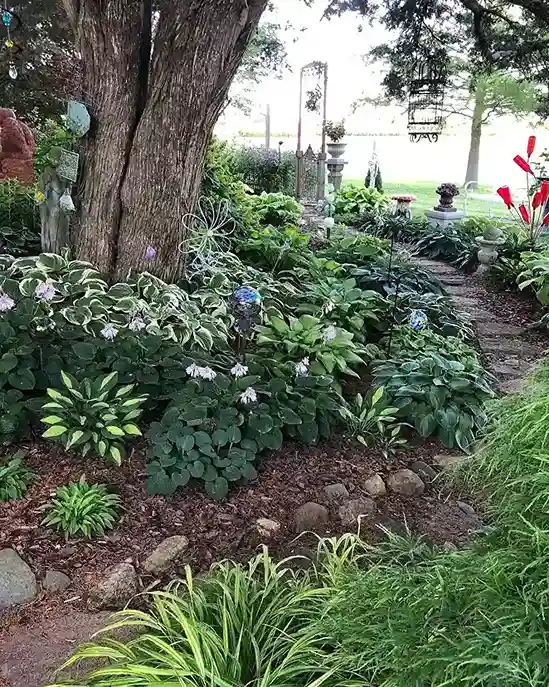
source: @constancesgardens
This complete guide covers planting, care, design, pest control, and much more. Whether you are a beginner or a seasoned gardener, you will find practical tips here. Let us help you build a thriving hosta garden from scratch.
What Are Hosta Plants?
Hostas are hardy perennial plants prized for their large, decorative leaves. They belong to the Asparagaceae family and are native to Asia. Most varieties grow in clumps and return reliably every spring. See ideas for the rose garden, best for spring and summer.
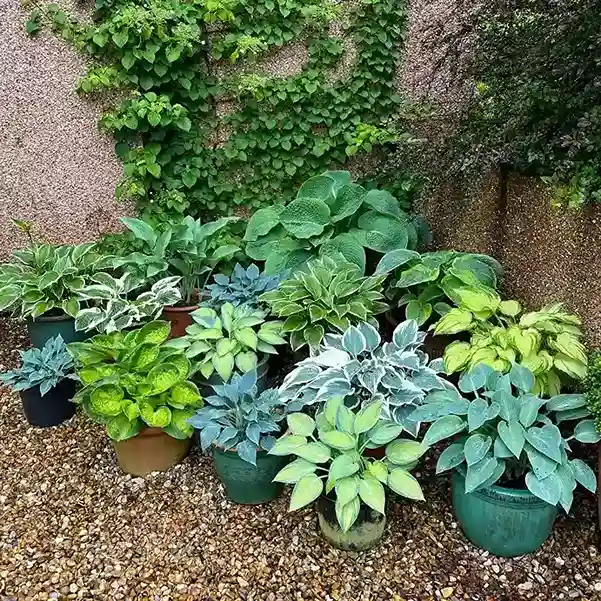
source: @gardenerscottageedinburg
The leaves are the main attraction — bold, textured, and available in many colors. Some varieties also produce tall spikes of purple or white flowers in summer. These blooms attract bees and hummingbirds to your garden.
Here is a quick reference table of hosta features:
- Family — Details: Asparagaceae
- Origin — Details: Japan, Korea, China
- Type — Details: Hardy Perennial
- Leaf Colors — Details: Green, Blue, Gold, Variegated
- Flower Colors — Details: White, Purple, Lavender
- Bloom Time — Details: Mid to Late Summer
- Growth Habit — Details: Clump-forming
- Lifespan — Details: 20 plus years with care
Why Choose Hostas for Your Garden?
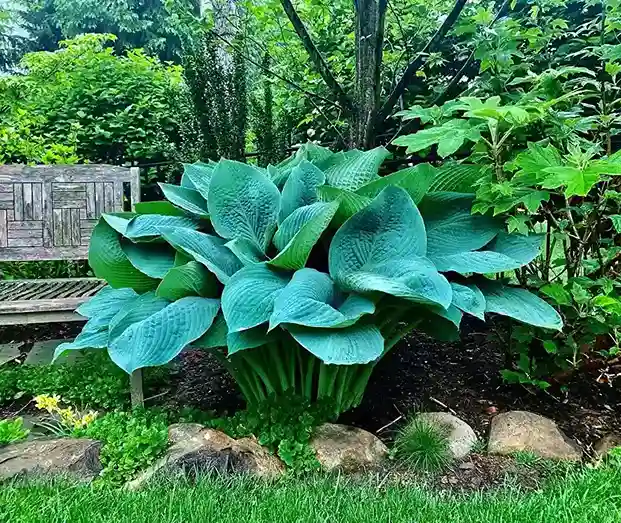
Hostas are one of the most reliable plants you can grow. They ask for very little care once established. That makes them a top choice for busy homeowners and beginners alike.
source: @quiltergardener
They also solve the shade problem beautifully. Most plants struggle without full sun, but hostas actually prefer low light. Check out inspiring woodland garden ideas to see how hostas transform shaded spaces.
Best Hosta Varieties for Every Garden Size
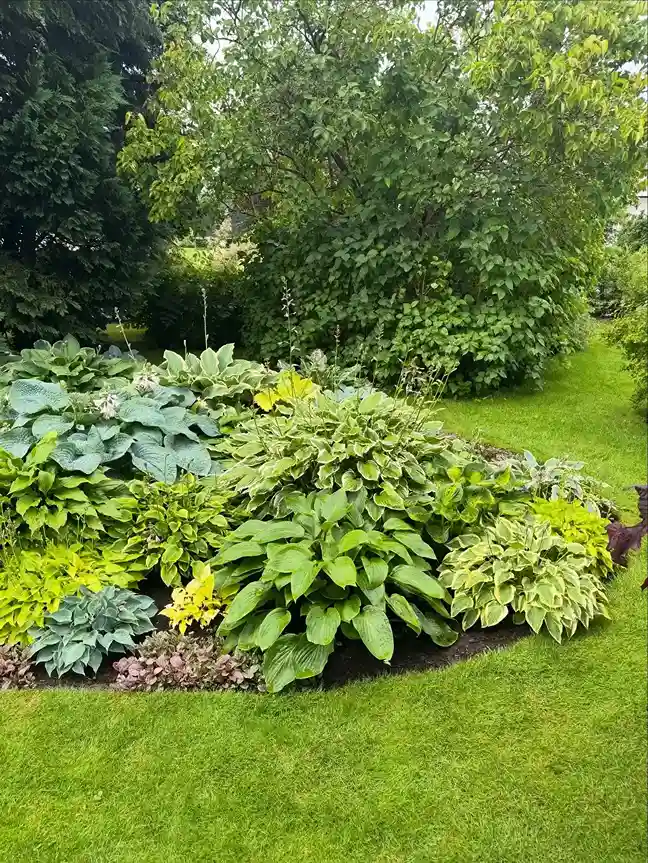
With over three thousand registered hosta varieties, choosing the right one can feel overwhelming. Knowing which size and color suits your space makes the decision much easier. Here are the best varieties grouped by garden size.
source: @holhage
Giant hostas make bold focal points in large borders. Mini hostas are perfect for containers, rock gardens, and small patios. Mid-size varieties work well almost everywhere and are the most forgiving to grow. See ideas on rock landscaping for the best gardening.
Here is a table of recommended varieties:
- Small or Container: Blue Mouse Ears — Blue-Green — 10 to 12 inches
- Small or Container: Tiny Tears — Dark Green — 8 to 10 inches
- Medium Border: Halcyon — Blue-Grey — 24 to 30 inches
- Medium Border: Patriot — Green and White — 24 to 28 inches
- Large Border: Sum and Substance — Golden Yellow — 48 to 60 inches
- Large Border: Empress Wu — Dark Green — 60 to 72 inches
- Woodland or Shade: Frances Williams — Green and Gold — 36 to 42 inches
- Woodland or Shade: June — Blue and Gold — 18 to 24 inches
Best Soil and Light Conditions for Hostas
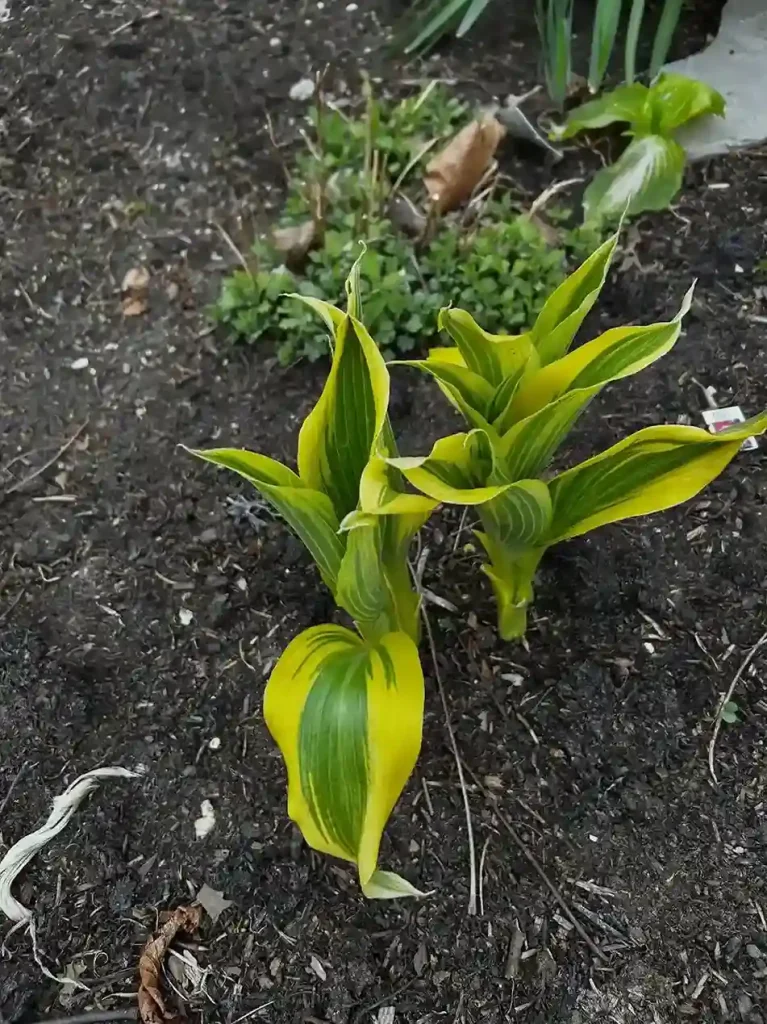
Hostas grow best in rich, moist, and well-drained soil. Heavy clay or sandy soil should be improved with compost before planting. Good soil is the single most important factor for healthy hostas.
source: @gardenfromscratch
Most hostas thrive in partial to full shade. Morning sun is fine, but harsh afternoon sun burns leaves badly. A north or east-facing garden bed is usually the perfect location.
Step-by-Step Hosta Planting Guide
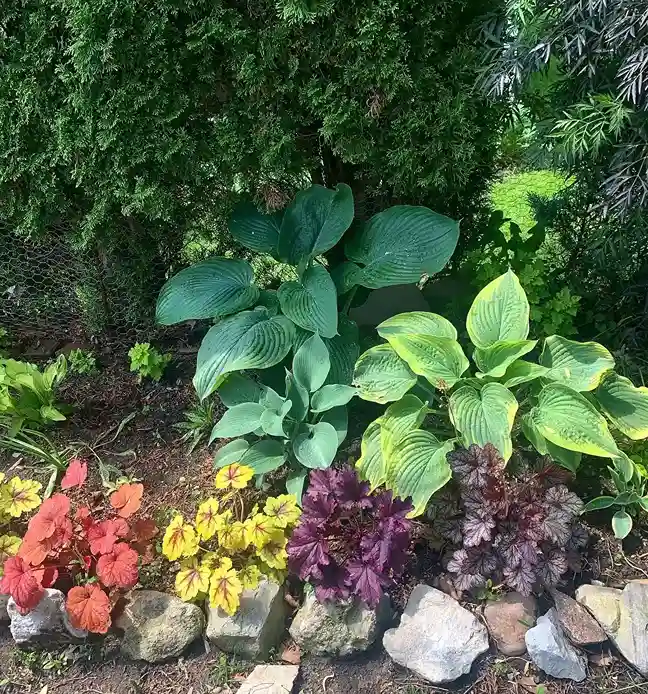
Planting hostas correctly gives them the best start in life. The right timing, depth, and spacing make a huge difference to their first season. Follow these simple steps and your hostas will thrive.
source: @gardenfromscratch
Spring planting is ideal when the soil has warmed up after winter. You can also plant in early autumn before the ground freezes. Avoid planting in the heat of summer as it stresses new plants.
Here is the step-by-step guide:
Step 1 — Choose the right spot — Partial to full shade is best
Step 2 — Prepare the soil — Mix in compost 6 inches deep
Step 3 — Dig the planting hole — Twice as wide as the root ball
Step 4 — Set plant depth — Crown level with soil surface
Step 5 — Backfill and firm — Gently press soil around roots
Step 6 — Water thoroughly — Soak the root zone fully
Step 7 — Apply mulch — 2 to 3 inch layer around plant
Step 8 — Monitor for slugs — Check leaves in the first weeks
Watering and Feeding Your Hosta Plants
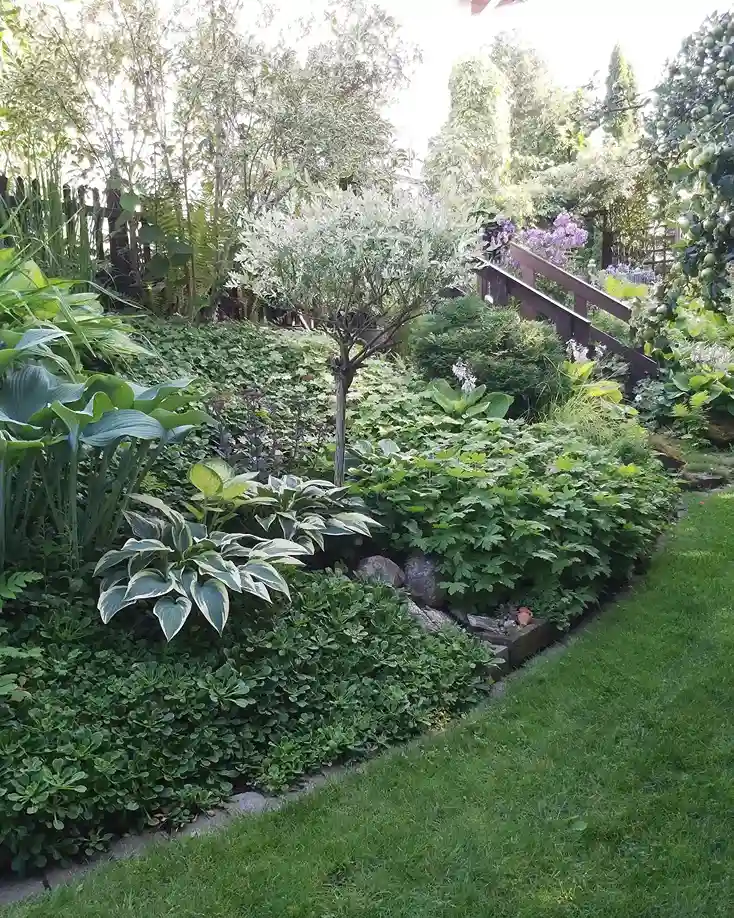
Hostas need consistent moisture to grow their best. Water deeply once or twice a week during dry spells. Always water at the base of the plant and avoid wetting the foliage.
source: @sofiehills_tradgard
Feed hostas in spring with a slow-release balanced fertilizer. This boosts leaf size, color, and overall vigor. Avoid feeding after mid-summer as it can make plants vulnerable to frost damage.
Mulching Your Hosta Garden the Right Way
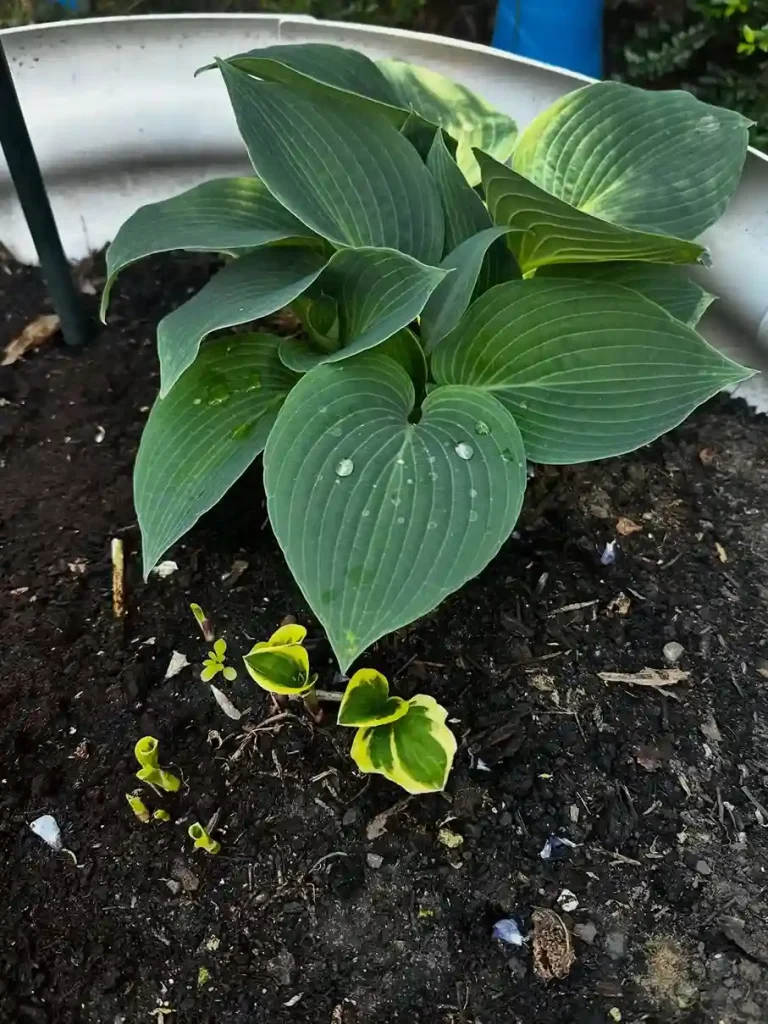
Mulching is one of the best things you can do for your hosta bed. It keeps moisture in the soil and regulates temperature through the seasons. It also suppresses weeds very effectively.
source: @lifestyle.marinka
Apply 2 to 3 inches of organic mulch around each plant every spring. Keep the mulch a few inches away from the crown to prevent rot. Explore mulch and rock landscaping ideas for creative coverage options.
Here is a mulch type reference:
- Shredded bark — Best for general hosta beds — apply 2 to 3 inches
- Wood chips — Best for woodland-style gardens — apply 3 to 4 inches
- Leaf mold — Best for enriching poor soil — apply 2 to 3 inches
- Pine needles — Best for acid-loving varieties — apply 2 to 3 inches
- Gravel or Pebbles — Best for container and rock gardens — apply 1 to 2 inches
- Compost — Best for feeding and moisture retention — apply 1 to 2 inches
Hosta Garden Design Ideas That Look Amazing
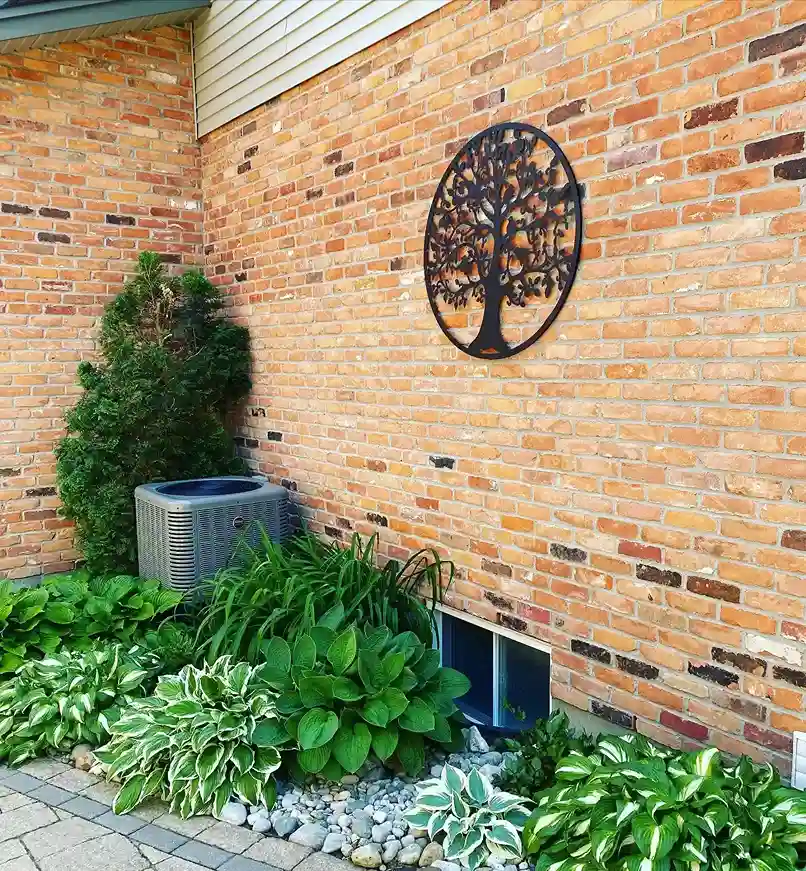
Hostas are incredibly versatile design plants. You can mix giant blue varieties with small gold ones for striking contrast. Layering different sizes creates a lush, natural look in any shaded garden.
source: @100things2do.ca
For a dramatic effect, combine hostas with landscaping with boulders or try them in a stumpery garden for a true woodland atmosphere that feels magical.
Using Hostas as Border and Edging Plants
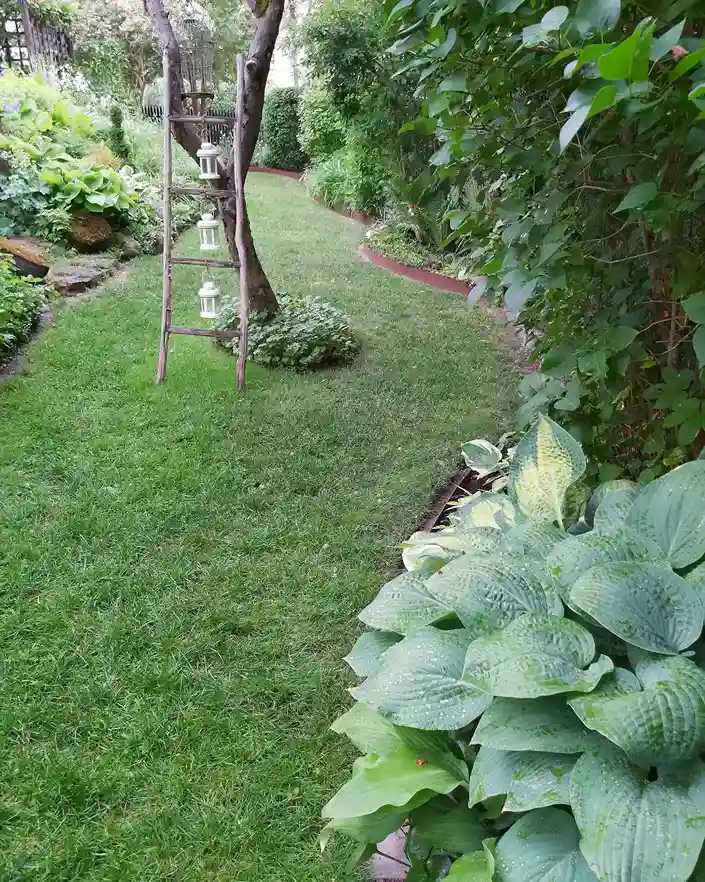
Hostas create stunning, low-maintenance borders along paths, driveways, and garden beds. Their wide leaves form a solid, weed-suppressing edge that looks neat all season long. They require almost no trimming or shaping.
source: @sofiehills_tradgard
Combine them with cheap landscape edging ideas for a polished finish without breaking the bank. Even simple edging transforms a hosta border into something that looks professionally designed.
Growing Hostas in Containers and Pots
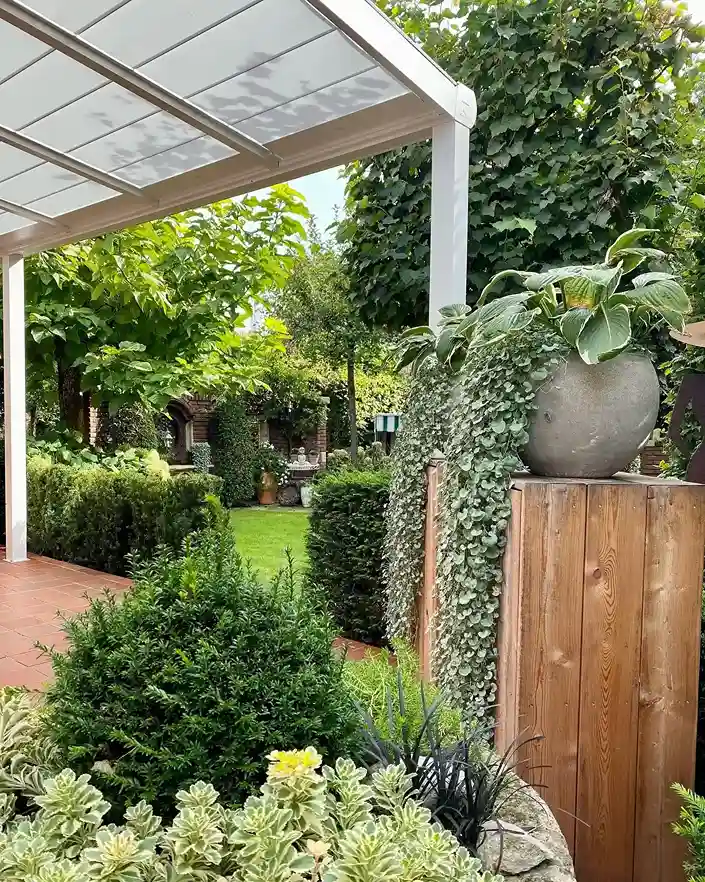
Hostas grow surprisingly well in pots and containers. Use a large container with excellent drainage holes at the bottom. Fill with a premium potting mix enriched with compost for best results.
source: @landhausfee.ling
Container hostas need more frequent watering than those in the ground. Check the soil every day during hot weather and water whenever it feels dry. In winter, move pots to a sheltered spot to protect the roots from freezing.
Hostas in Rock and Stone Gardens
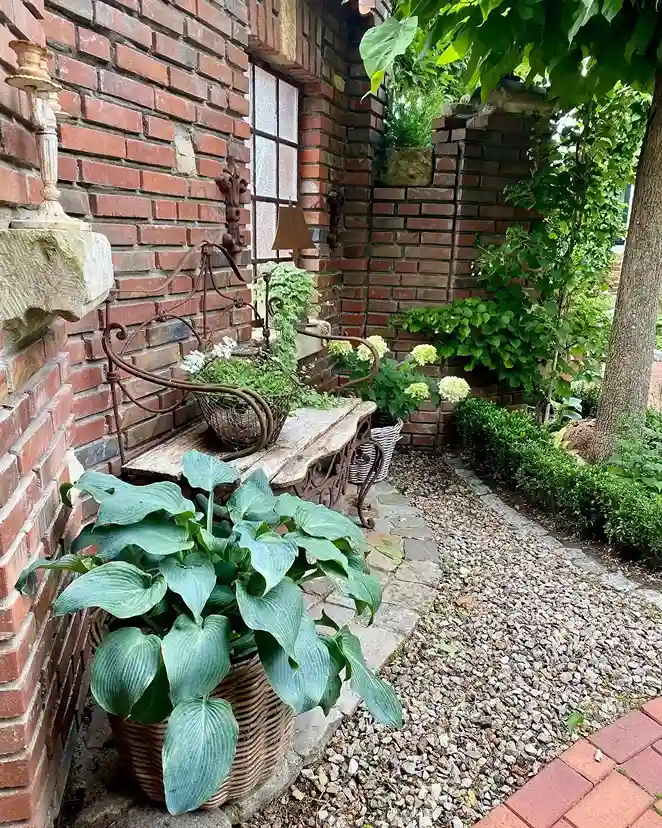
The soft, leafy texture of hostas looks stunning against hard rock and stone surfaces. This contrast creates a classic, timeless garden style. It also works in both formal and informal garden designs.
source: @landhausfee.ling
Try planting hostas alongside rock landscaping ideas or use them to soften large landscaping boulders. The result is a naturally beautiful, low-maintenance planting scheme.
Best Companion Plants to Grow with Hostas
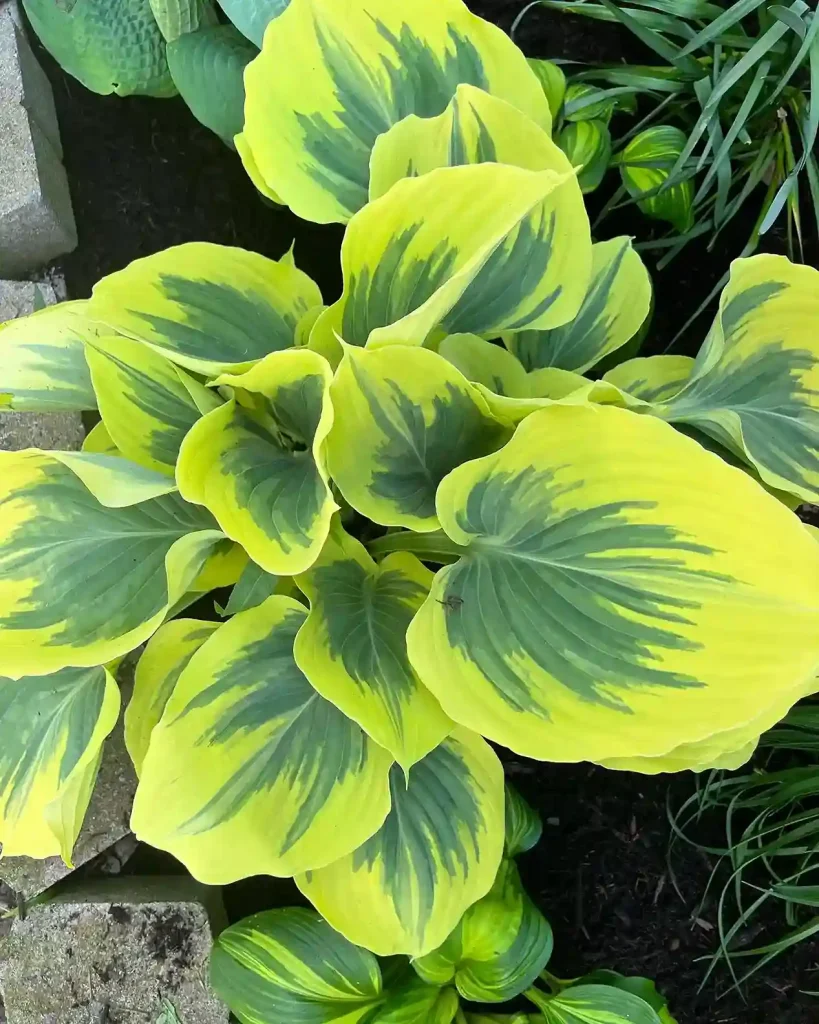
Choosing the right companion plants takes your hosta garden to the next level. Good companions fill gaps, add contrasting textures, and extend the season of interest. They also help deter pests naturally.
source: @yankeebeef
Ferns are the classic hosta companion because they love the same conditions. Astilbes add beautiful feathery flowers in summer. Pair hostas near dwarf birch trees for a stunning woodland-inspired combination.
Here is a companion plant table:
- Lady Fern — Feathery texture contrasts bold hosta leaves — Full to Partial Shade
- Astilbe — Adds vertical pink or white flowers — Partial Shade
- Heuchera — Colorful foliage complements hosta blues — Partial Shade
- Bleeding Heart — Early spring color before hostas emerge — Full to Partial Shade
- Lungwort — Spotted leaves add winter interest — Full Shade
- Tiarella — Delicate flowers and textured leaves — Partial Shade
- Japanese Forest Grass — Cascading form softens hosta clumps — Partial Shade
- Epimedium — Ground cover under hostas in dry shade — Full to Partial Shade
Creating a Beautiful Hosta Shade Garden
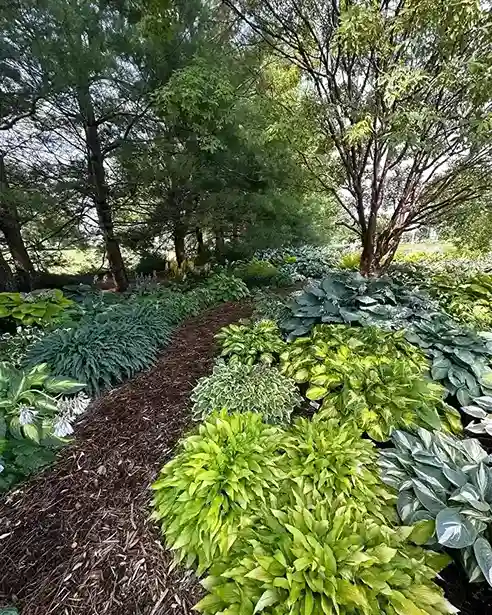
A dedicated hosta shade garden is one of the most peaceful and rewarding spaces you can create. Use a mix of leaf colors, sizes, and textures to build visual depth and interest. Add winding paths for easy access without damaging the plants.
source: @gardendesignma
Surround your shade garden with privacy plants or fast-growing hedges to create an enclosed sanctuary. A shaded private retreat feels like your own secret garden all summer long.
Common Pests and Diseases in Hosta Gardens
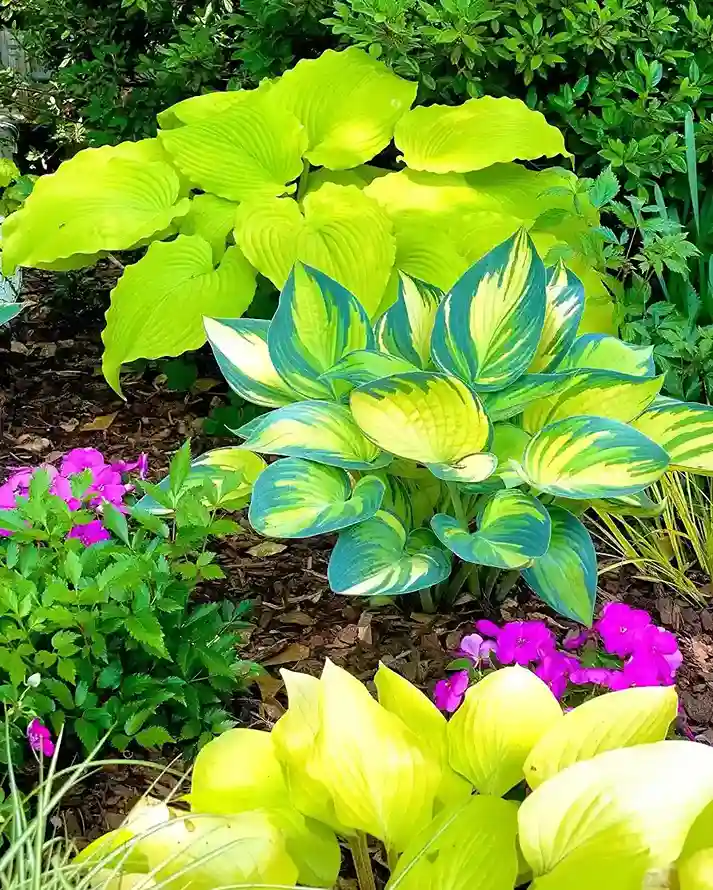
Slugs and snails are the number one enemy of hostas. They chew irregular holes in the leaves overnight and are hard to catch in the act. Use organic slug pellets, copper tape, or beer traps to protect your plants effectively.
source: @silvertexasguy
Deer are also a major problem in rural and suburban gardens. They can devour an entire hosta clump overnight. Consider planting privacy trees along the fence or installing physical barriers to keep deer out.
Here is a pest and disease table:
- Slugs and Snails — Ragged holes in leaves — Beer traps, copper tape, pellets
- Deer — Entire leaves eaten overnight — Fencing, repellent sprays
- Vine Weevil — Notched leaf edges, wilting — Nematodes, vine weevil killer
- Foliar Nematode — Brown streaks between leaf veins — Remove affected leaves, improve airflow
- Crown Rot — Slimy, collapsing plant base — Improve drainage, reduce watering
- Anthracnose — Large irregular brown spots — Remove leaves, avoid overhead watering
- Rabbit Damage — Young shoots eaten at ground level — Wire mesh guards around plants
- Hosta Virus X — Mosaic pattern, distorted leaves — Remove and destroy infected plants
Seasonal Hosta Care Calendar
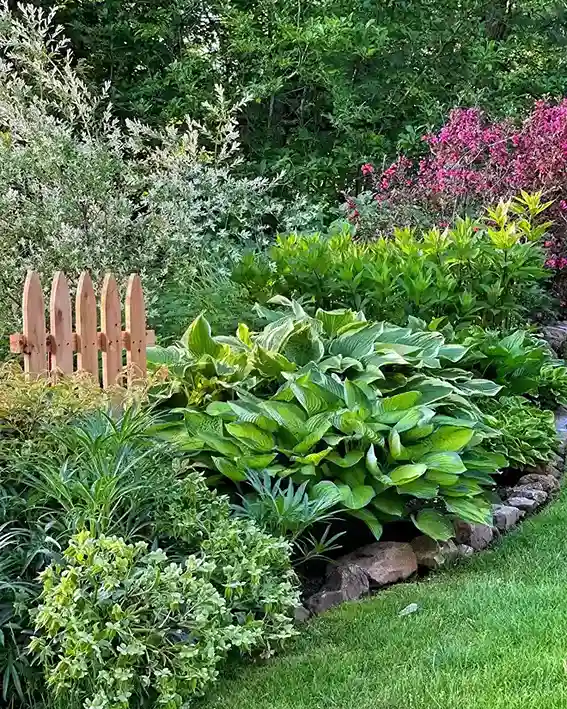
Hostas need different care in each season to look their very best. Following a simple seasonal routine keeps them healthy, strong, and beautiful all year round. It also helps prevent problems before they start.
source: @bricksnbloom
Spring is the most important season for hostas. This is when you feed, mulch, and watch for slugs. Autumn is the time to tidy up and protect roots for the coming winter ahead.
Here is the seasonal calendar:
- Spring — Remove dead foliage, apply compost, feed with fertilizer, watch for slugs
- Early Summer — Water deeply during dry spells, deadhead spent flowers, check for pests
- Late Summer — Reduce feeding, enjoy blooms, note which varieties to divide next year
- Autumn — Cut back after first frost, apply thick mulch layer, divide large clumps
- Winter — Leave mulch in place, protect containers, plan new additions for spring
How and When to Divide Hosta Clumps
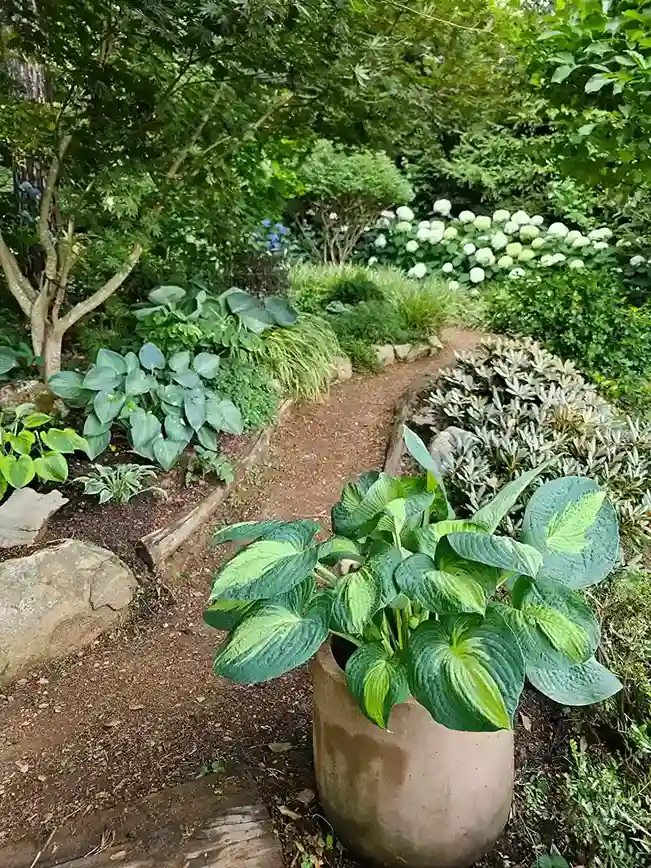
Hostas spread slowly but steadily over the years. Large clumps eventually need dividing to stay healthy and vigorous. Division is also the easiest and cheapest way to multiply your collection.
source: @omniaetnihilbeautiful
The best time to divide hostas is in early spring when new shoots are just emerging from the ground. Use a sharp spade to cut straight through the clump cleanly. Replant divisions immediately and water them very thoroughly to help them settle.
Using Hostas Near Fences for Privacy and Beauty
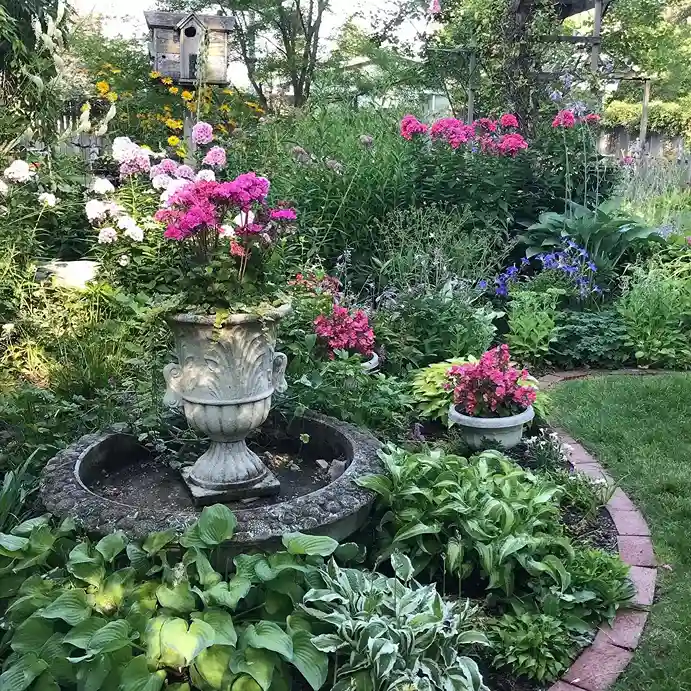
Hostas are excellent plants for softening hard fence lines in the garden. Their wide, leafy canopy hides plain panels and adds a lush green backdrop. They work beautifully with wood, metal, vinyl, and even chain-link fences.
source: @oaktreecottage17
Plant hostas along a backyard fence for instant leafy softness. Or use them as a natural yard divider to separate different zones within your garden beautifully and affordably.
Eco-Friendly and Sustainable Hosta Gardening
Hostas are an excellent choice for sustainable gardens. They need very few chemical inputs once properly established. Their dense canopy naturally suppresses weeds and reduces the need for regular herbicide use.
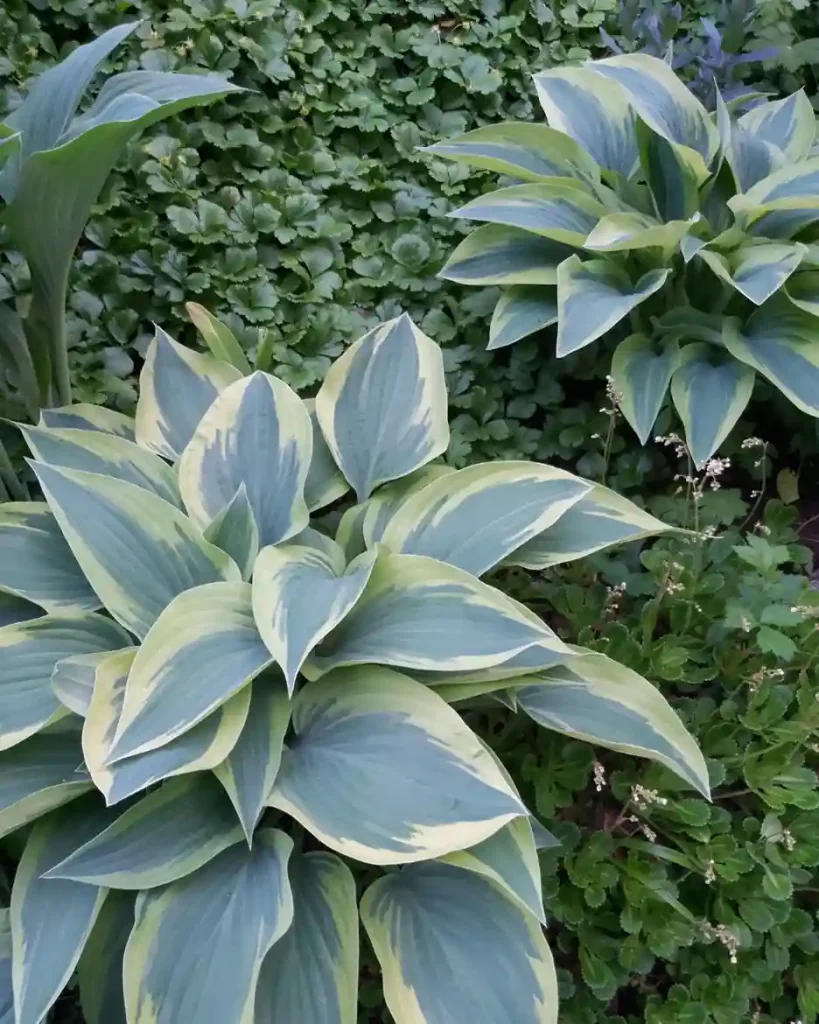
They work well in companion planting layouts to reduce pest pressure naturally. Incorporating hostas into a permaculture garden design creates a low-effort, high-reward planting system.
Hostas in Whimsical, Vintage, and Rustic Gardens
Hostas have a timeless quality that suits almost any garden theme. Their bold, architectural leaves add structure without feeling rigid or formal. They adapt beautifully to playful, nostalgic, and natural garden styles.
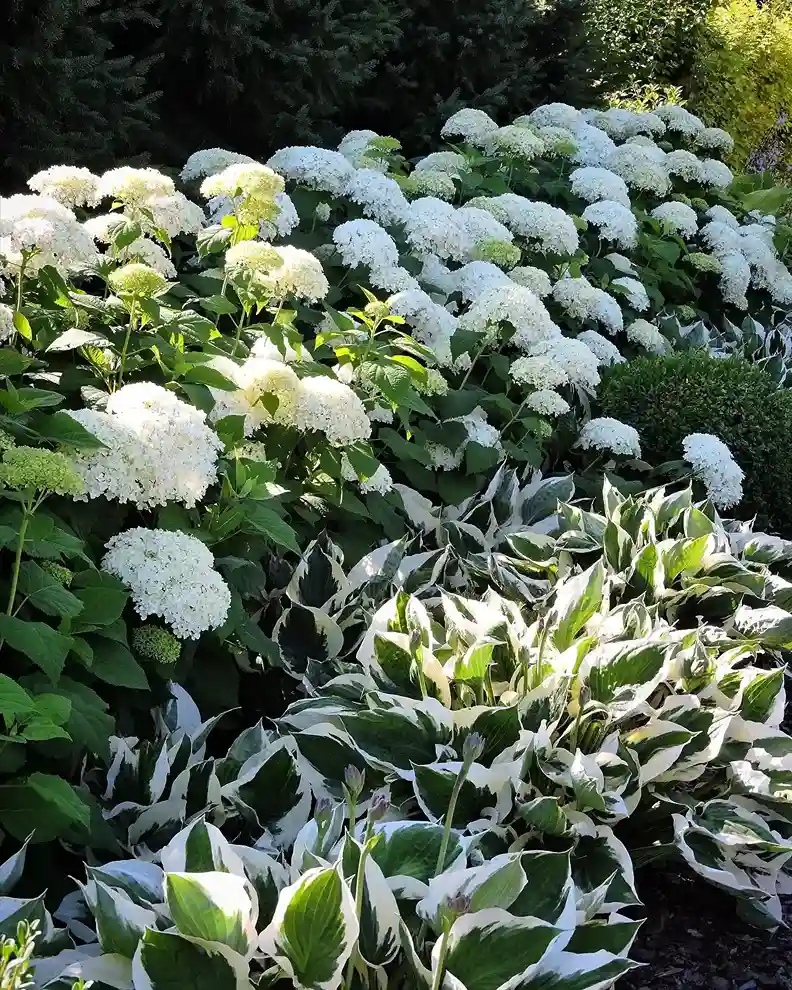
source: @garden_by_marta
They look magical in a whimsical garden or perfectly at home in a vintage garden. For a cozy feel, try them in rustic garden ideas alongside reclaimed materials and natural stone.
Hostas in Potager, Food Forest, and Edible Gardens
Hostas are surprisingly useful in productive garden settings. Their large leaves create shade that helps moisture-loving edibles like lettuce and herbs thrive beneath them. They also define beds and pathways beautifully in any potager garden design.
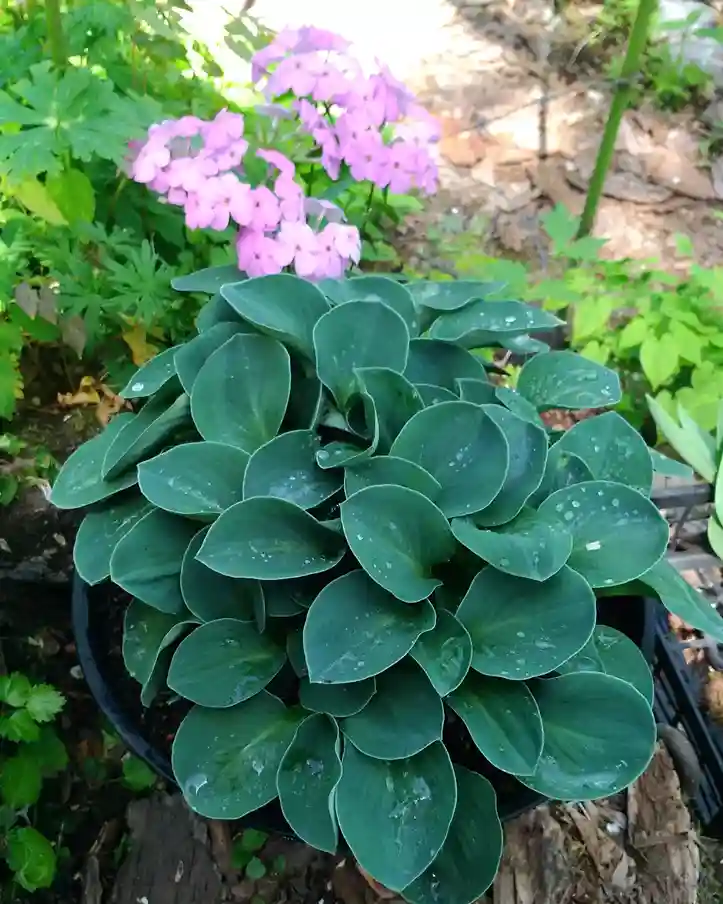
source: @hostagarden_66
They fit naturally into the understory layer of a mini food forest. They can grow happily beneath fruit trees in a backyard orchard, filling space with beauty where grass would struggle.
Creative DIY Ideas for Your Hosta Garden
You do not need a big budget to create a stunning hosta garden. Repurposed containers, old tires, and reclaimed wood all make excellent hosta planters. Creative DIY touches add character and personality to any garden space.
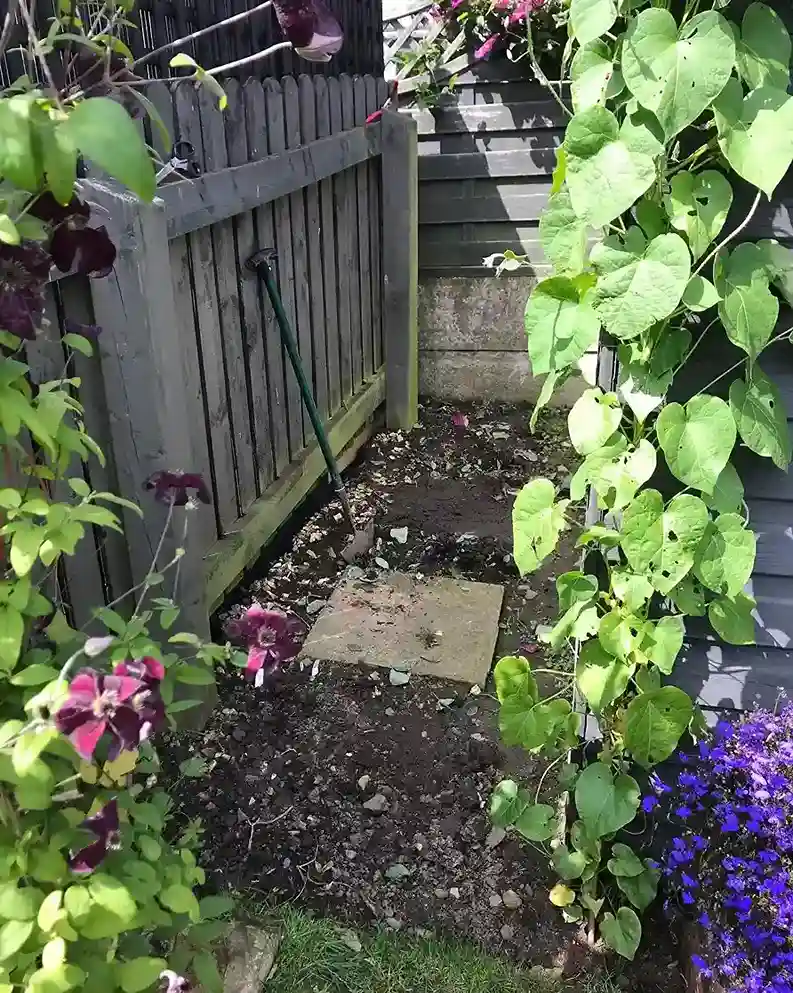
source: @my_little_plot
Get inspired by junk garden ideas to upcycle everyday objects into unique hosta displays. You can also browse DIY old tires ideas for bold, colorful container solutions that cost almost nothing to create.
Hosta Quick Care Reference Guide
This handy reference gives you all the key hosta care information at a glance. It covers everything from sun needs to common problems.
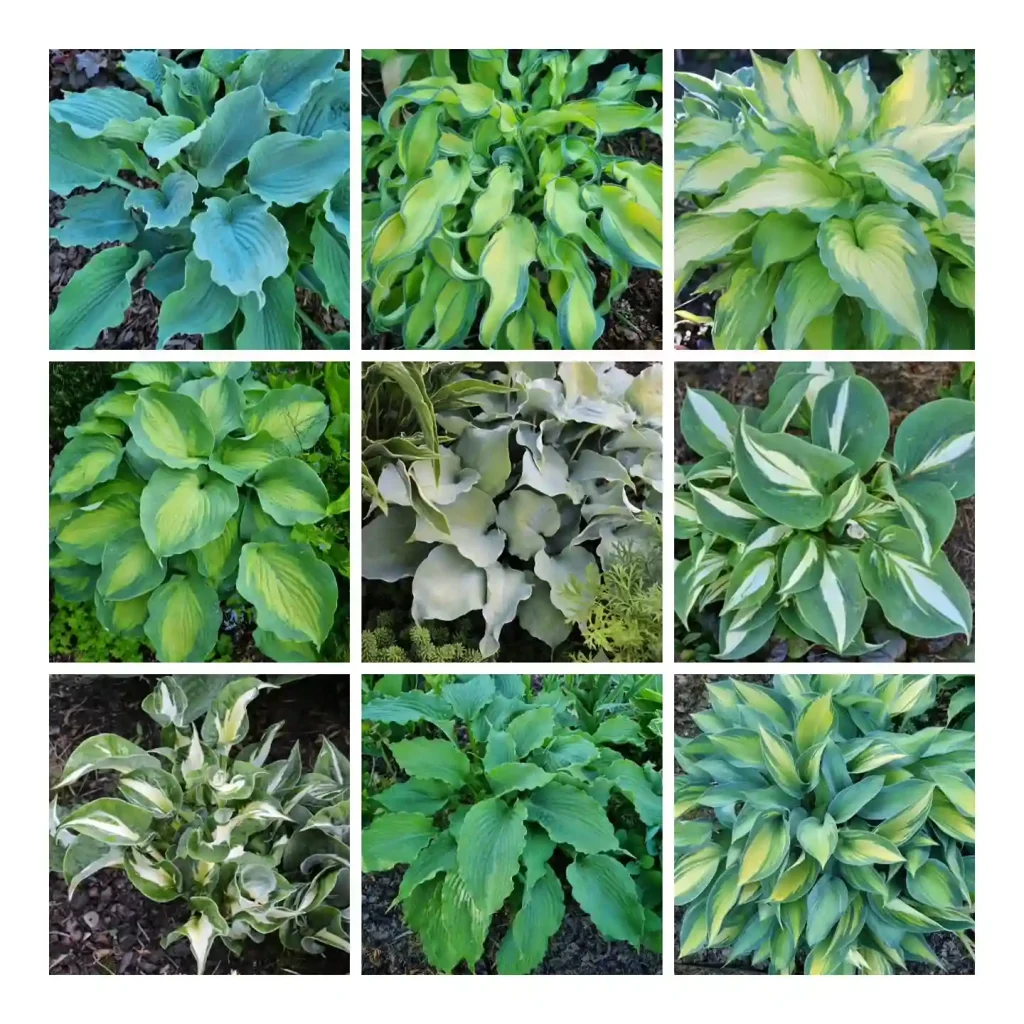
source: @lehvienlomassa
The most important things to remember are: shade, moisture, and slug control. Get these three right and your hostas will reward you with stunning foliage for decades. Everything else is just fine-tuning.
Here is the quick care table:
- Sunlight — Partial to Full Shade — Morning sun is acceptable for some varieties
- Watering — 1 to 2 times per week — Water at the base, never on the leaves
- Soil — Moist, well-drained, rich — Add compost before planting
- Fertilizing — Once in spring — Use balanced slow-release formula
- Mulching — Every spring — 2 to 3 inch organic layer
- Dividing — Every 3 to 5 years — Best done in early spring
- Slug Control — Year-round vigilance — Use beer traps or organic pellets
- Winter Care — Cut back after frost — Mulch heavily to protect roots
- Container Care — Check daily in summer — Water more often than in-ground plants
- Propagation — Division only — Do not grow from cuttings
Frequently Asked Questions About Hosta Gardens
Q1: How fast do hostas grow each year?
Hostas are moderate growers that add size each season. Most reach their full mature spread in about four to eight years. Giant varieties like ‘Empress Wu’ grow noticeably faster than miniature types.
Q2: Can hostas grow in full sun without any shade?
Most hostas do not tolerate full afternoon sun and will scorch badly. Some gold-leaf varieties handle a little more sun than others. Morning sun is generally fine, but always provide shade during the hottest part of the day.
Q3: Do hostas come back every single year?
Yes, hostas are fully hardy perennials in most climates. They die back completely in winter and then re-emerge reliably every spring. With good care they can live and return for twenty years or more.
Q4: Are hostas safe for pets and children?
Hostas are toxic to dogs and cats if ingested and can cause vomiting and diarrhea. They are not considered dangerous to humans. Keep pets away from hosta beds or choose pet-safe alternatives for households with curious animals.
Conclusion
Hosta gardens are one of the most rewarding projects any gardener can take on. They are tough, beautiful, and incredibly versatile plants that solve the most common gardening challenge — deep shade. Once planted well, they ask for very little in return.
Whether you are designing a woodland retreat, a container patio display, or a sweeping shaded border, hostas deliver consistently stunning results every single year. Their range of colors, sizes, and textures means there is truly a perfect hosta for every style and every space.
Start with just a few plants in a shaded corner and let your collection grow naturally over time. Share divisions with neighbors, try new varieties each season, and enjoy the process. Your hosta garden will become the most talked-about and admired spot in your entire outdoor space. Keep visiting Bloomptogarden for very informative articles on gardening.