Small vegetable gardens prove that productive food growing doesn’t require vast acreage or expansive yards to yield abundant fresh harvests throughout growing seasons. Creative planning, vertical techniques, intensive planting methods, and smart crop selections transform compact spaces into surprisingly productive gardens feeding families with homegrown organic produce.
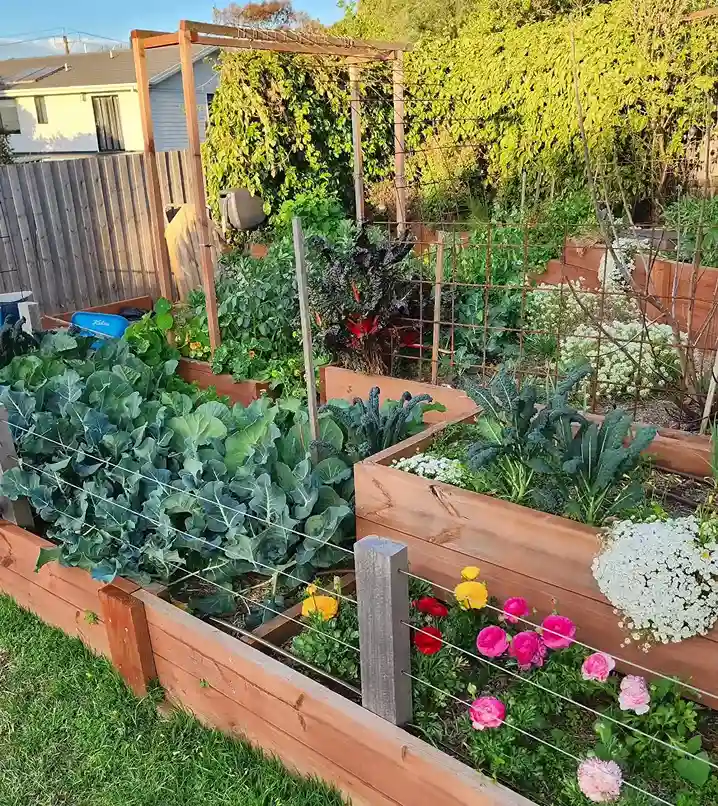
Source: @ashs.backyardgarden
Whether you garden on balconies, small patios, tiny backyards, or urban lots, strategic approaches maximize every square foot of growing space available. These efficient methods allow anyone to enjoy fresh vegetables regardless of property size or traditional garden space limitations that once restricted food production.
1. Square Foot Gardening Method
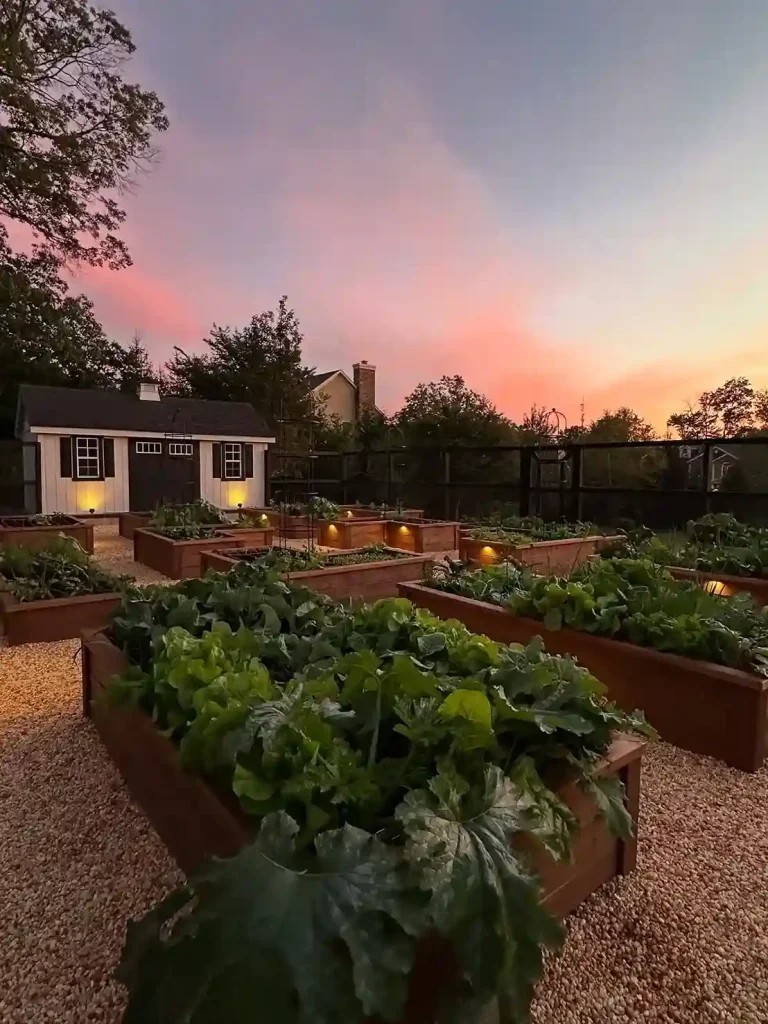
Square foot gardening divides growing areas into one-foot squares, each planted with different crops according to spacing requirements. This intensive method maximizes space while simplifying planning, planting, and maintenance throughout growing seasons for beginner and experienced gardeners alike.
Raised beds measuring 4×4 feet divide into sixteen one-foot squares. Plant one tomato per square, four lettuce plants, nine beets, or sixteen radishes depending on mature plant sizes. This organized approach prevents overplanting while ensuring proper spacing for healthy growth and adequate air circulation.
Source: @reshgala
This efficient technique works beautifully within small garden ideas maximizing production in limited areas. The method reduces weeds, conserves water, and provides structure making vegetable gardening accessible for beginners learning proper spacing and plant requirements through simple grid systems.
| Vegetable | Plants Per Square | Days to Harvest | Best Season |
|---|---|---|---|
| Tomatoes | 1 | 60-85 | Summer |
| Lettuce | 4 | 45-60 | Spring/Fall |
| Carrots | 16 | 60-75 | Spring/Fall |
| Radishes | 16 | 25-30 | Spring/Fall |
| Bush Beans | 9 | 50-60 | Summer |
| Peppers | 1 | 60-90 | Summer |
2. Vertical Growing Techniques
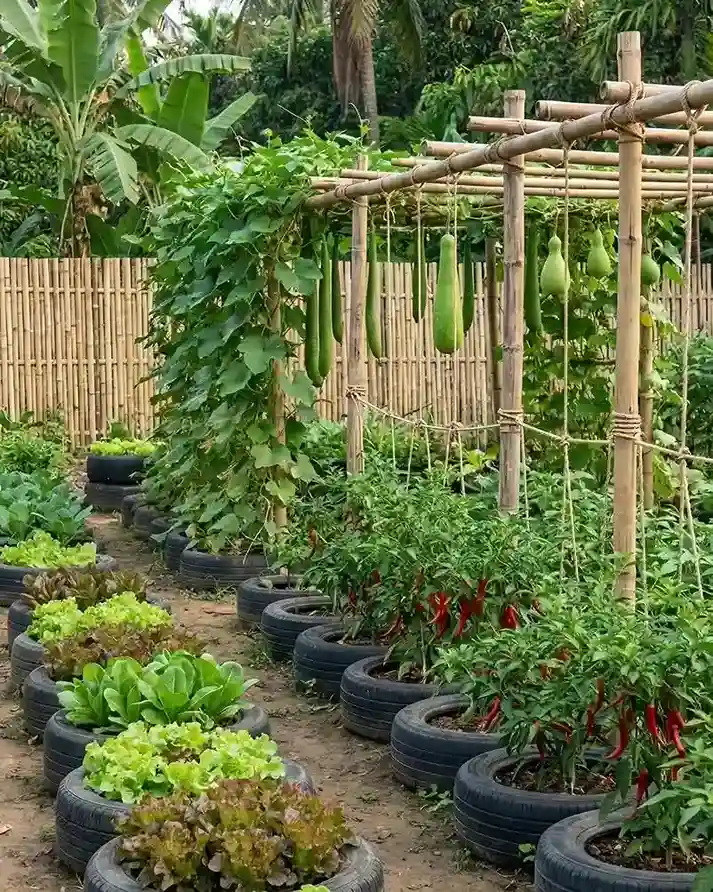
Vertical gardening maximizes limited space by training plants upward on trellises, stakes, cages, and supports rather than allowing sprawling ground growth. Cucumbers, beans, peas, tomatoes, and squash grow vertically saving significant ground space while improving air circulation reducing disease pressure dramatically.
Install sturdy supports before planting, ensuring adequate strength supporting mature plant weights throughout heavy production periods. Use materials including bamboo poles, wire cages, wooden trellises, or string systems creating vertical frameworks. Train vining plants upward as they grow, gently securing stems to supports.
Source: @ww_love_gardening
Vertical techniques connect perfectly with vertical gardening guide principles creating productive displays in tight spaces. This approach improves harvesting ease, reduces pest problems, and keeps fruits clean off ground surfaces where moisture and soil contact cause rot and disease issues.
| Crop | Support Type | Height Needed | Spacing |
|---|---|---|---|
| Tomatoes | Cages or stakes | 5-6 feet | 2-3 feet apart |
| Cucumbers | Trellis or netting | 6 feet | 1-2 feet apart |
| Pole Beans | Poles or string | 6-8 feet | 4-6 inches apart |
| Peas | Netting or twine | 4-6 feet | 2-3 inches apart |
| Squash | Sturdy trellis | 6-8 feet | 2-3 feet apart |
3. Container Vegetable Gardening
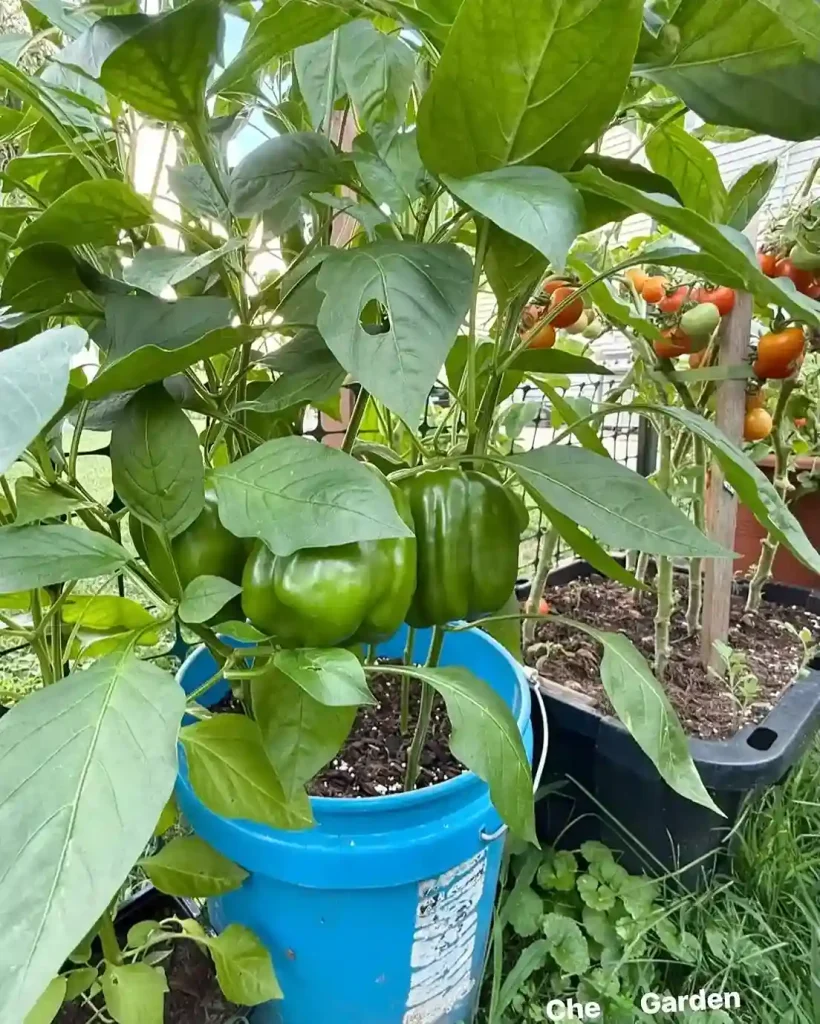
Containers allow vegetable growing on patios, balconies, and areas with poor soil or limited ground space available. Tomatoes, peppers, lettuce, herbs, and dwarf varieties thrive in pots with proper care, adequate drainage, and regular watering throughout active growing seasons.
Choose containers at least 12 inches deep for most vegetables with drainage holes preventing waterlogged soil. Use quality potting mix specifically formulated for containers rather than garden soil which compacts destroying necessary aeration. Water daily during hot weather and fertilize weekly supporting heavy nutrient demands.
Source: @julingobenza
This flexible approach suits container gardening guide principles allowing productive gardens anywhere sunlight reaches adequately. Containers offer mobility, moving plants following sun or providing afternoon shade in extreme heat protecting tender crops from scorching damage.
| Vegetable | Container Size | Sun Requirements | Special Notes |
|---|---|---|---|
| Tomatoes | 5 gallons minimum | Full sun (6+ hours) | Choose bush varieties |
| Peppers | 3-5 gallons | Full sun | Compact types best |
| Lettuce | 6-8 inches deep | Part sun acceptable | Succession plant |
| Herbs | 8-12 inches | Full to part sun | Most herbs thrive |
| Carrots | 12 inches deep | Full sun | Short varieties easier |
4. Succession Planting Strategy
Succession planting extends harvest periods by sowing new crops every two weeks rather than planting everything simultaneously. This strategy provides continuous fresh harvests of lettuce, radishes, beans, and carrots throughout seasons rather than overwhelming gluts all maturing simultaneously.
Plant small quantities repeatedly allowing previous plantings to mature before next sowings. Mark calendar with planting dates ensuring consistent schedules. This approach works especially well for quick-maturing crops like lettuce, radishes, and bush beans providing steady supplies throughout growing seasons.
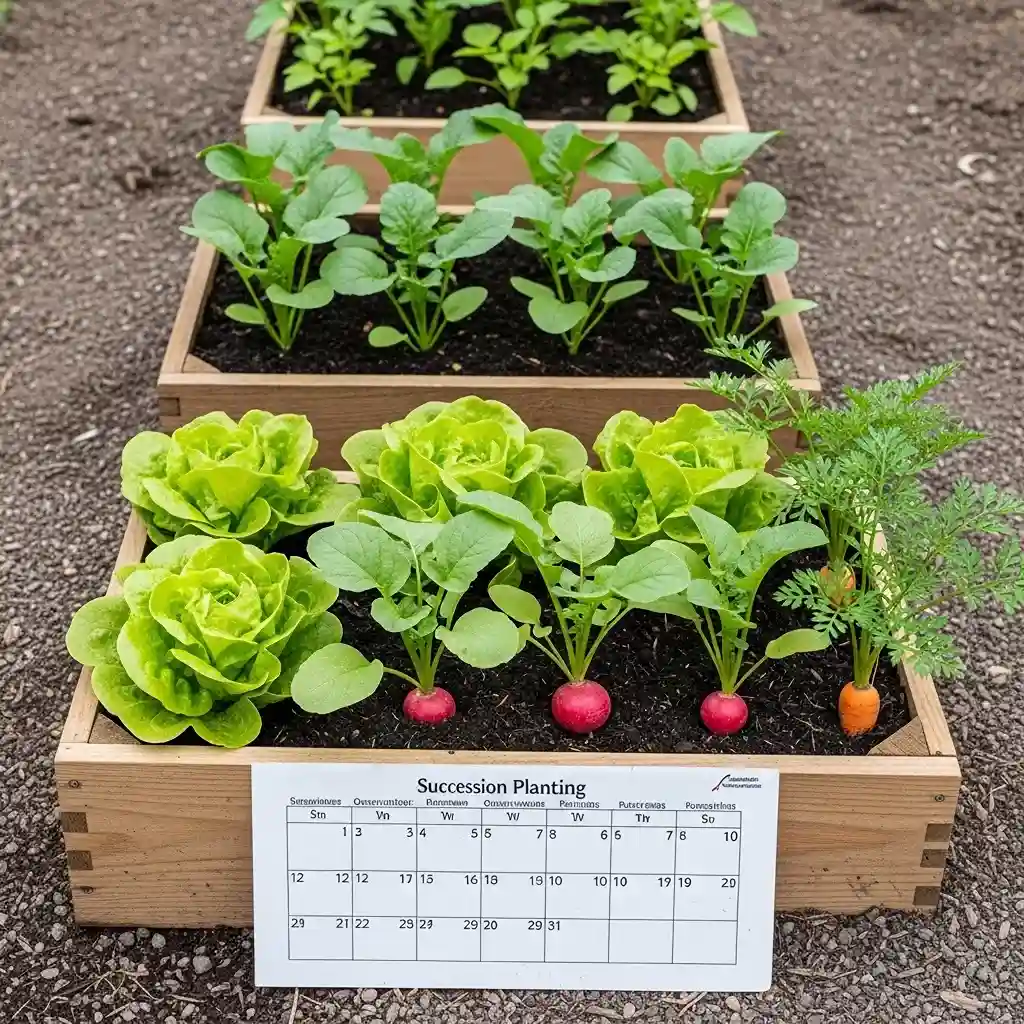
Succession planting suits tiny backyard ideas keeping small gardens continuously productive without requiring extensive space. The method maximizes output while preventing waste from excessive simultaneous harvests that overwhelm kitchens and preservation capabilities during peak production periods.
| Crop | Days to Maturity | Succession Interval | Season |
|---|---|---|---|
| Lettuce | 45-60 | Every 2 weeks | Spring/Fall |
| Radishes | 25-30 | Every 10 days | Spring/Fall |
| Bush Beans | 50-60 | Every 3 weeks | Summer |
| Carrots | 60-75 | Every 3 weeks | Spring/Fall |
| Spinach | 40-50 | Every 2 weeks | Spring/Fall |
5. Intercropping Companion Plants
Intercropping grows multiple crops together in same spaces, combining fast-maturing plants with slower varieties maximizing ground coverage and productivity. Plant quick radishes between slow tomatoes, harvesting radishes before tomatoes need full space for mature growth and heavy fruit production.
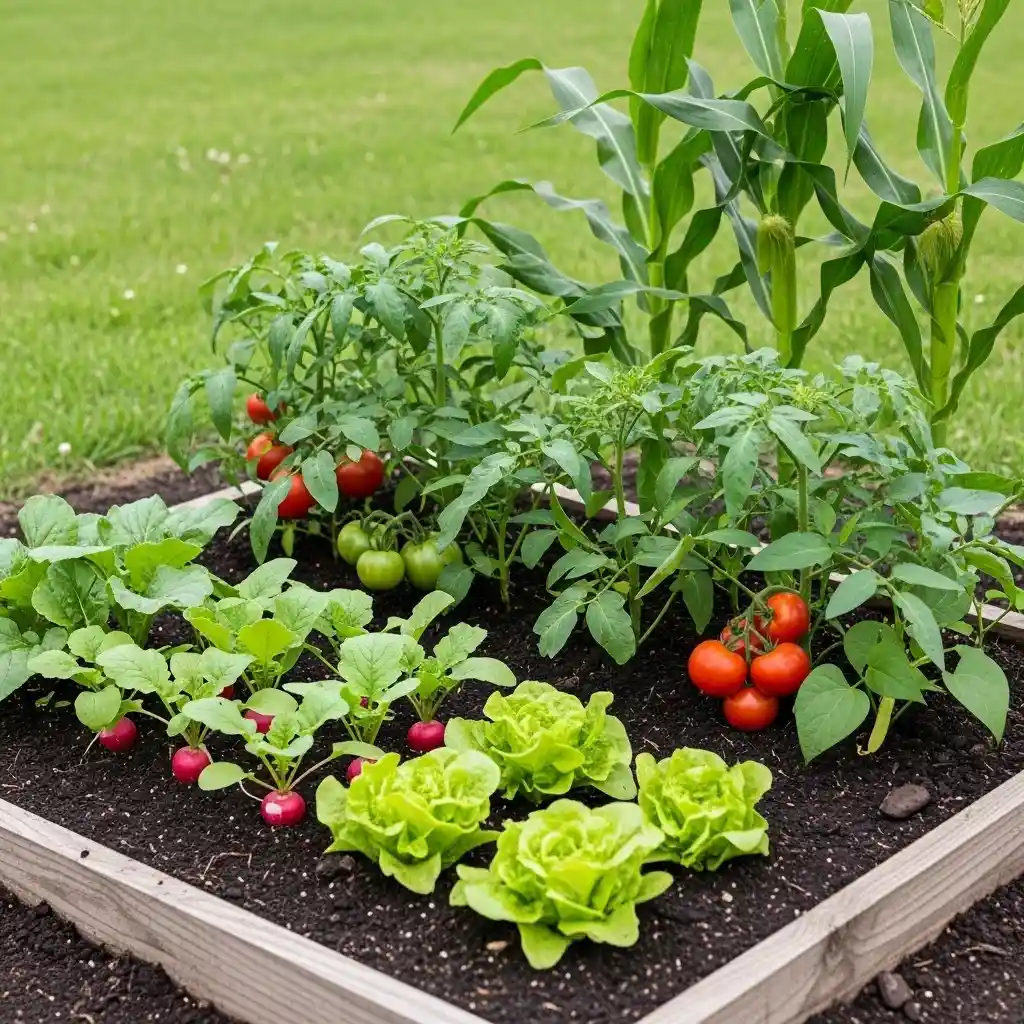
Combine shallow-rooted lettuce with deep-rooted carrots utilizing different soil depths. Plant tall corn with sprawling squash and climbing beans creating traditional “Three Sisters” combinations supporting each other. These partnerships maximize space while providing mutual benefits through companion planting principles.
This efficient technique aligns with garden herb pairing guide concepts creating beneficial plant combinations. Intercropping reduces weeds, conserves moisture, and increases diversity attracting beneficial insects while deterring pests through varied plantings confusing pest location efforts.
| Combination | Benefits | Timing |
|---|---|---|
| Lettuce + Tomatoes | Different maturity rates | Plant lettuce first |
| Radishes + Carrots | Mark slow carrot rows | Sow together |
| Corn + Beans + Squash | Mutual support | Plant corn first |
| Basil + Tomatoes | Pest deterrent | Plant simultaneously |
| Marigolds + Vegetables | Pest control | Border plantings |
6. Raised Bed Advantages
Raised beds improve drainage, warm faster in spring, reduce bending, and allow complete soil control creating ideal growing conditions. These elevated planters suit small gardens by defining spaces clearly while intensive planting methods maximize productivity within confined bed dimensions.
Build beds 4 feet wide allowing easy reach from both sides without stepping on soil. Use untreated lumber, stone, or composite materials constructing permanent frames. Fill with quality soil mix combining compost, peat moss, and vermiculite creating excellent drainage and nutrition supporting vigorous plant growth.
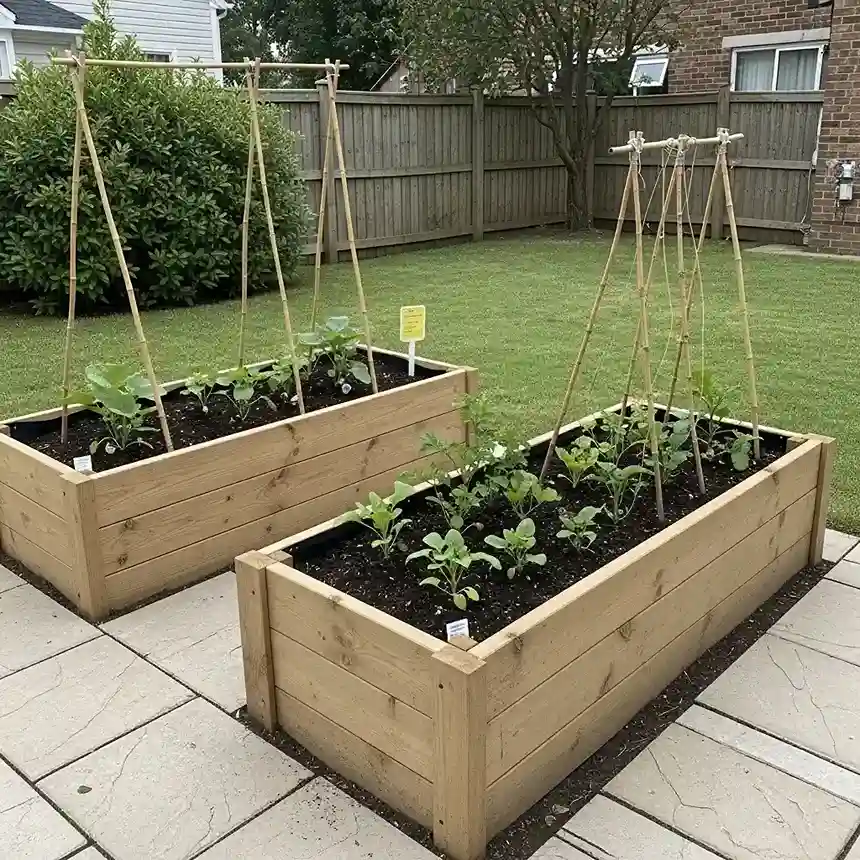
Raised beds work wonderfully within cheap landscaping ideas using affordable materials like reclaimed wood or concrete blocks. The improved drainage, earlier planting dates, and better soil conditions justify initial construction efforts through increased productivity and extended growing seasons.
| Bed Size | Materials Needed | Approximate Cost | Soil Volume |
|---|---|---|---|
| 4×4 feet | Four 4-foot boards | $30-60 | 16 cubic feet |
| 4×8 feet | Two 8-foot boards | $50-100 | 32 cubic feet |
| 4×12 feet | Four 12-foot boards | $75-150 | 48 cubic feet |
7. Intensive Spacing Methods
Intensive spacing places plants closer than traditional recommendations, maximizing yields while reducing weeds through dense canopy coverage. Leaves touching at maturity create living mulch shading soil, retaining moisture, and preventing weed germination through light exclusion.
Follow square foot gardening spacing guidelines or reduce traditional spacing by one-third. Ensure adequate nutrition through regular fertilization supporting increased plant densities. Provide excellent air circulation preventing disease problems from crowding by avoiding excessive proximity creating humidity pockets.
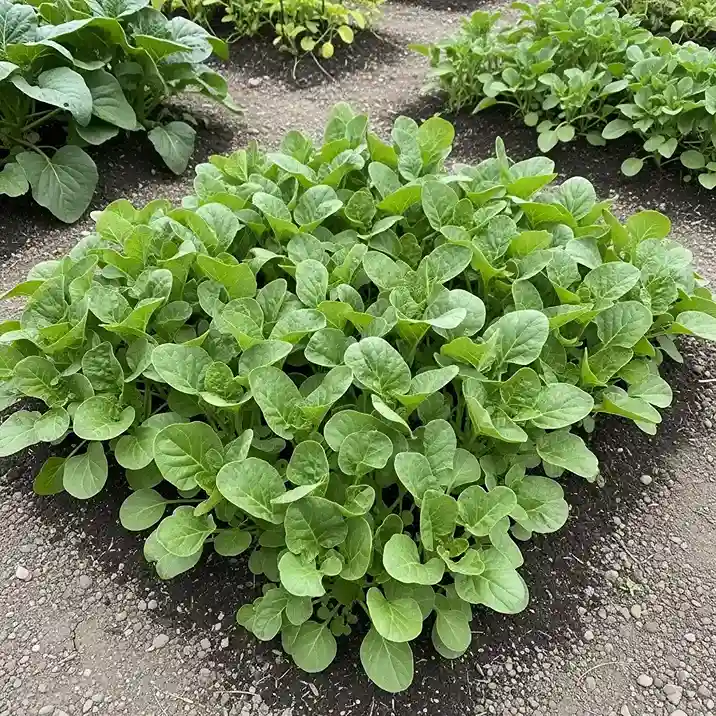
This productive approach maximizes harvests from limited spaces without requiring additional ground area. Monitor plants carefully, adjusting spacing if disease or pest issues develop indicating overcrowding problems requiring modification for healthier plant growth and better production.
| Vegetable | Traditional Spacing | Intensive Spacing | Space Saved |
|---|---|---|---|
| Lettuce | 12 inches | 6 inches | 75% |
| Carrots | 3 inches | 2 inches | 33% |
| Beets | 4 inches | 3 inches | 25% |
| Bush Beans | 6 inches | 4 inches | 33% |
8. Dwarf Variety Selections
Dwarf and compact vegetable varieties breed specifically for small spaces provide full-sized harvests on smaller plants. Bush tomatoes, compact cucumbers, mini bell peppers, and dwarf kale deliver excellent production without sprawling growth habits overwhelming limited garden areas.
Choose varieties labeled “bush,” “patio,” “compact,” or “dwarf” ensuring appropriate sizes. These specialized cultivars perform well in containers and small beds while maintaining flavor and productivity matching standard-sized counterparts. Seed catalogs clearly indicate compact varieties.
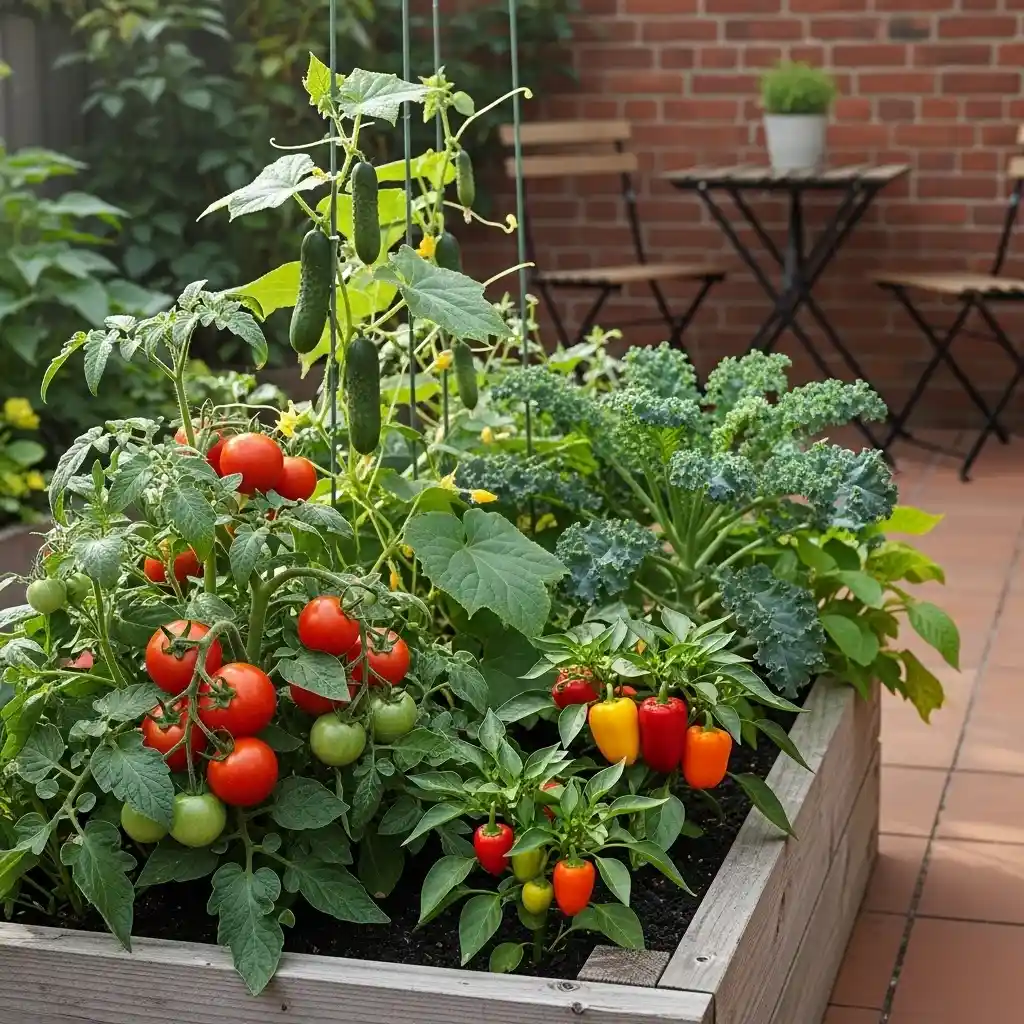
Dwarf selections work perfectly within container gardening flowers concepts extending container principles to edible crops. These space-efficient plants allow diverse vegetable gardens in minimal areas providing variety and continuous harvests throughout growing seasons.
| Vegetable Type | Compact Varieties | Mature Height | Container Size |
|---|---|---|---|
| Tomatoes | ‘Patio,’ ‘Tiny Tim’ | 12-24 inches | 5 gallons |
| Cucumbers | ‘Bush Pickle,’ ‘Spacemaster’ | 24 inches | 3-5 gallons |
| Peppers | ‘Lunchbox,’ ‘Mohawk’ | 18-24 inches | 3-5 gallons |
| Squash | ‘Bush Baby,’ ‘Eight Ball’ | 2-3 feet | 5 gallons |
9. Fast-Growing Vegetables
Quick-maturing vegetables provide harvests in 30-60 days allowing multiple crops per season from same spaces. Radishes, lettuce, spinach, arugula, and bush beans produce rapidly enabling succession plantings maintaining continuous production throughout growing seasons without long waiting periods.
Plant fast crops between slow vegetables, harvesting quick producers before larger plants need full space. This strategy keeps gardens productive continuously rather than lying fallow between major crop plantings. Fill gaps immediately after harvesting any crop with new fast-growing seedlings.
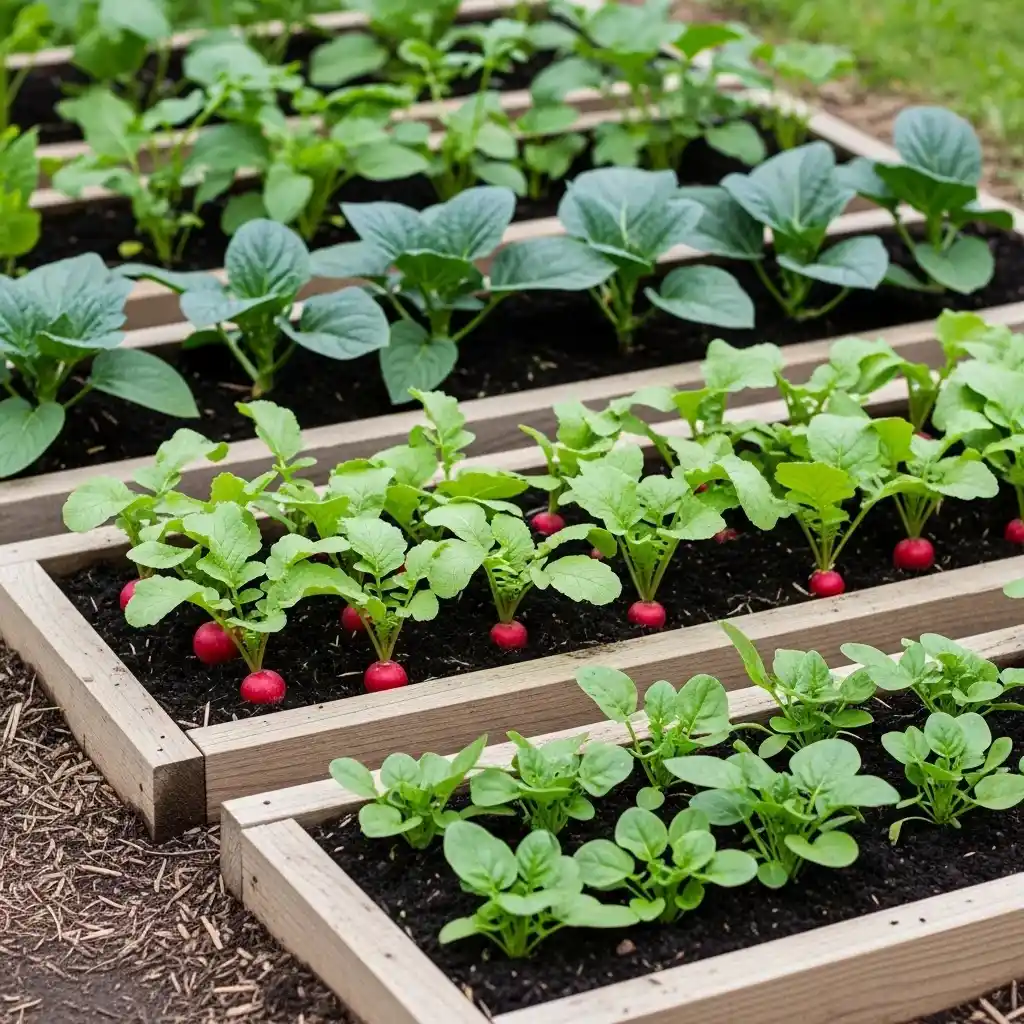
Quick producers allow experimenting with new varieties without long-term commitments. Failed plantings replace quickly without wasting entire seasons. This flexibility suits beginners building confidence through rapid results and experienced gardeners maximizing productivity through efficient space utilization.
| Vegetable | Days to Harvest | Multiple Crops/Season | Best Season |
|---|---|---|---|
| Radishes | 25-30 | 4-5 | Spring/Fall |
| Lettuce | 45-60 | 3-4 | Spring/Fall |
| Arugula | 40 | 3-4 | Spring/Fall |
| Spinach | 40-50 | 2-3 | Spring/Fall |
| Bush Beans | 50-60 | 2-3 | Summer |
10. Season Extension Techniques
Season extension methods prolong growing periods beyond normal frost dates using row covers, cold frames, and cloches protecting plants from cold. These simple devices trap heat creating microclimates allowing earlier spring planting and later fall harvests significantly increasing annual production.
Install row covers over crops when frost threatens, removing during warm days allowing pollinator access. Build simple cold frames from old windows and scrap lumber creating mini-greenhouses. Use plastic milk jugs as individual plant cloches protecting seedlings from cold.
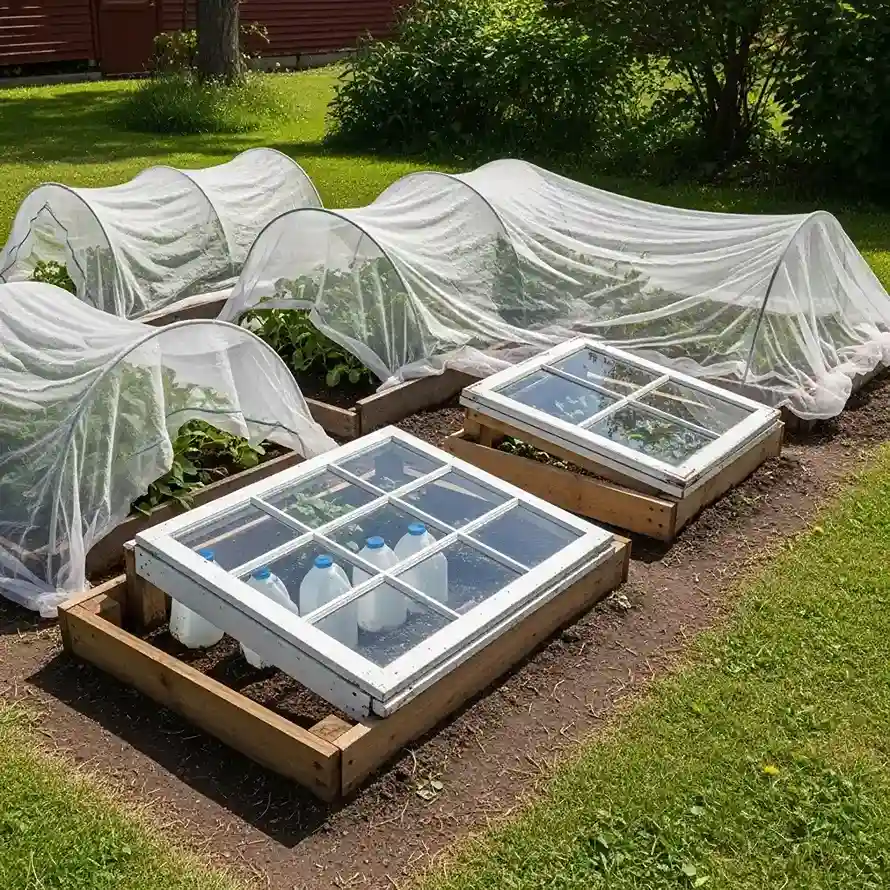
These techniques connect with sloped backyard ideas on a budget utilizing inexpensive materials extending seasons. Season extension adds weeks to both ends of growing seasons dramatically increasing total harvest yields from limited garden spaces.
| Method | Temperature Protection | Cost | Best Uses |
|---|---|---|---|
| Row Covers | 2-8°F protection | $10-30 | Lettuce, greens |
| Cold Frames | 10-20°F protection | $20-100 | Early/late crops |
| Wall O’ Water | 15-20°F protection | $3-5 each | Tomatoes, peppers |
| Plastic Tunnels | 5-10°F protection | $50-200 | Season extension |
11. Salad Garden Combinations
Dedicated salad gardens grow lettuce, spinach, arugula, radishes, and herbs together in small spaces providing fresh salad ingredients daily. Plant these quick-maturing crops intensively, harvesting outer leaves continuously while centers continue producing new growth.
Combine red and green lettuce varieties with arugula and spinach creating colorful mixes. Add radishes for crunch and herbs like basil and cilantro for flavor. This approach provides complete salad makings from minimal space requiring just 3×3 feet producing generous harvests.
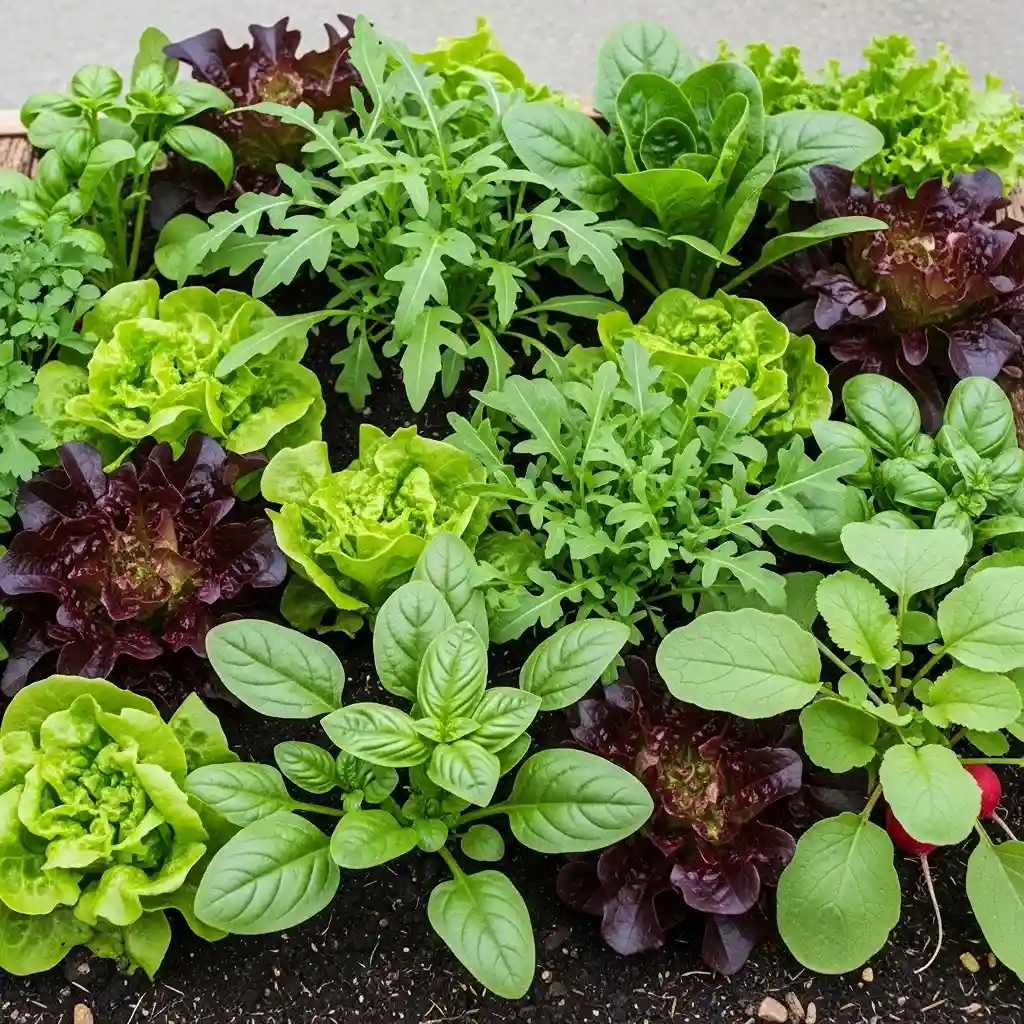
Salad gardens suit front yard landscaping incorporating edibles into ornamental designs. The varied textures and colors create attractive displays while providing functional food production proving gardens serve multiple purposes beautifully and practically.
| Salad Component | Days to Harvest | Square Feet Needed | Succession Plant |
|---|---|---|---|
| Lettuce Mix | 45-60 | 4 | Every 2 weeks |
| Spinach | 40-50 | 2 | Every 2 weeks |
| Arugula | 40 | 1 | Every 2 weeks |
| Radishes | 25-30 | 1 | Every 10 days |
| Herbs | Continuous | 1-2 | Plant once |
12. Herb Container Gardens
Herbs thrive in containers providing fresh culinary ingredients requiring minimal space while offering attractive foliage and flowers. Basil, parsley, cilantro, thyme, and rosemary grow successfully in pots positioned near kitchen doors for convenient harvesting during meal preparation.
Plant herbs in individual containers or combine compatible herbs sharing similar water requirements. Mediterranean herbs like rosemary and thyme prefer drier conditions while basil and cilantro need consistent moisture. Use quality potting mix with excellent drainage preventing root rot.
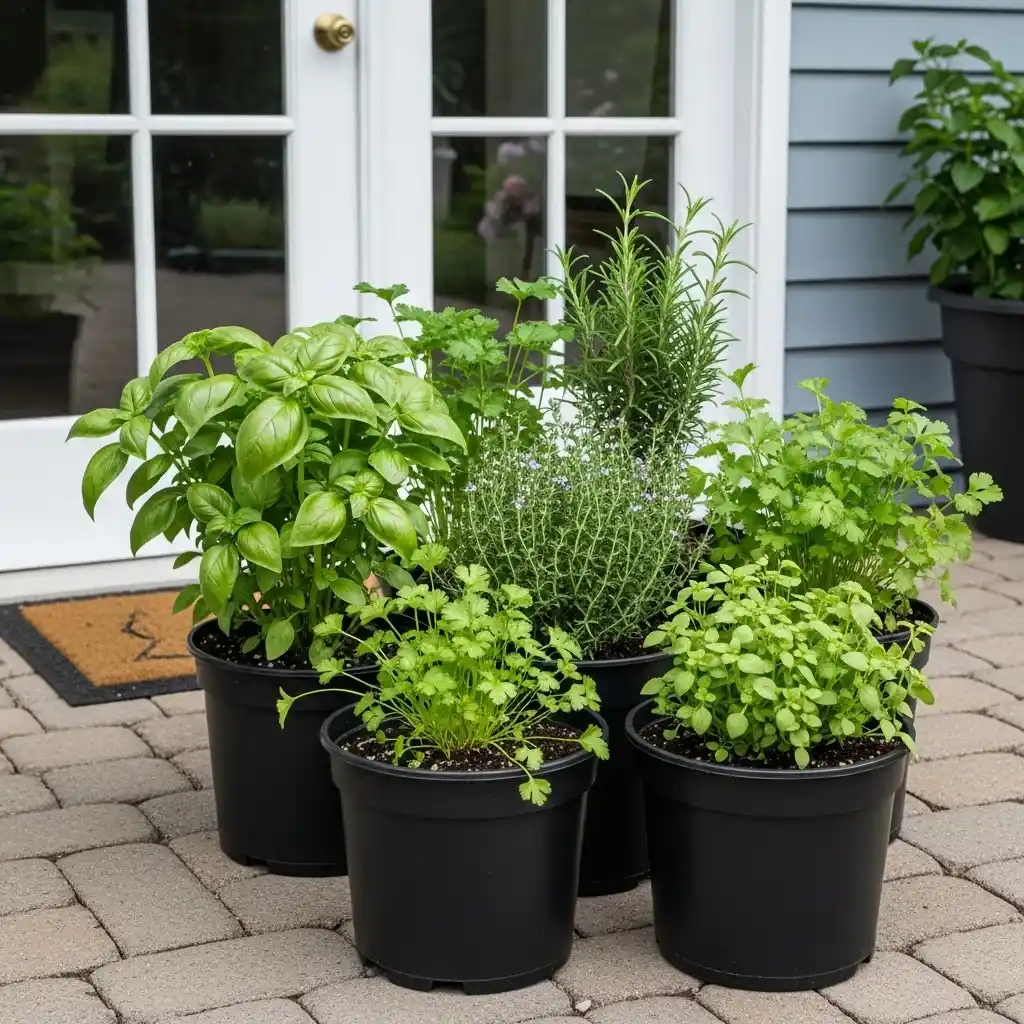
This approach aligns perfectly with cottage garden ideas creating functional beauty. Harvest herbs regularly encouraging bushier growth and preventing flowering that reduces foliage production and flavor quality throughout active growing periods.
| Herb | Container Size | Light Needs | Water Needs |
|---|---|---|---|
| Basil | 8-10 inches | Full sun | Consistent moisture |
| Parsley | 8-10 inches | Part sun | Moderate water |
| Cilantro | 8 inches | Part sun | Consistent moisture |
| Rosemary | 12 inches | Full sun | Dry between watering |
| Thyme | 6-8 inches | Full sun | Dry between watering |
13. Tomato Growing Essentials
Tomatoes rank as most popular home garden vegetables providing abundant harvests from single plants when grown properly with adequate support, nutrition, and water. Choose determinate bush varieties for containers and small spaces or indeterminate vining types for vertical growing on sturdy supports.
Plant tomatoes deeply burying stems up to first true leaves encouraging additional root development along buried stems. Provide consistent moisture preventing blossom end rot and cracking. Fertilize regularly supporting heavy feeding requirements during fruit production.
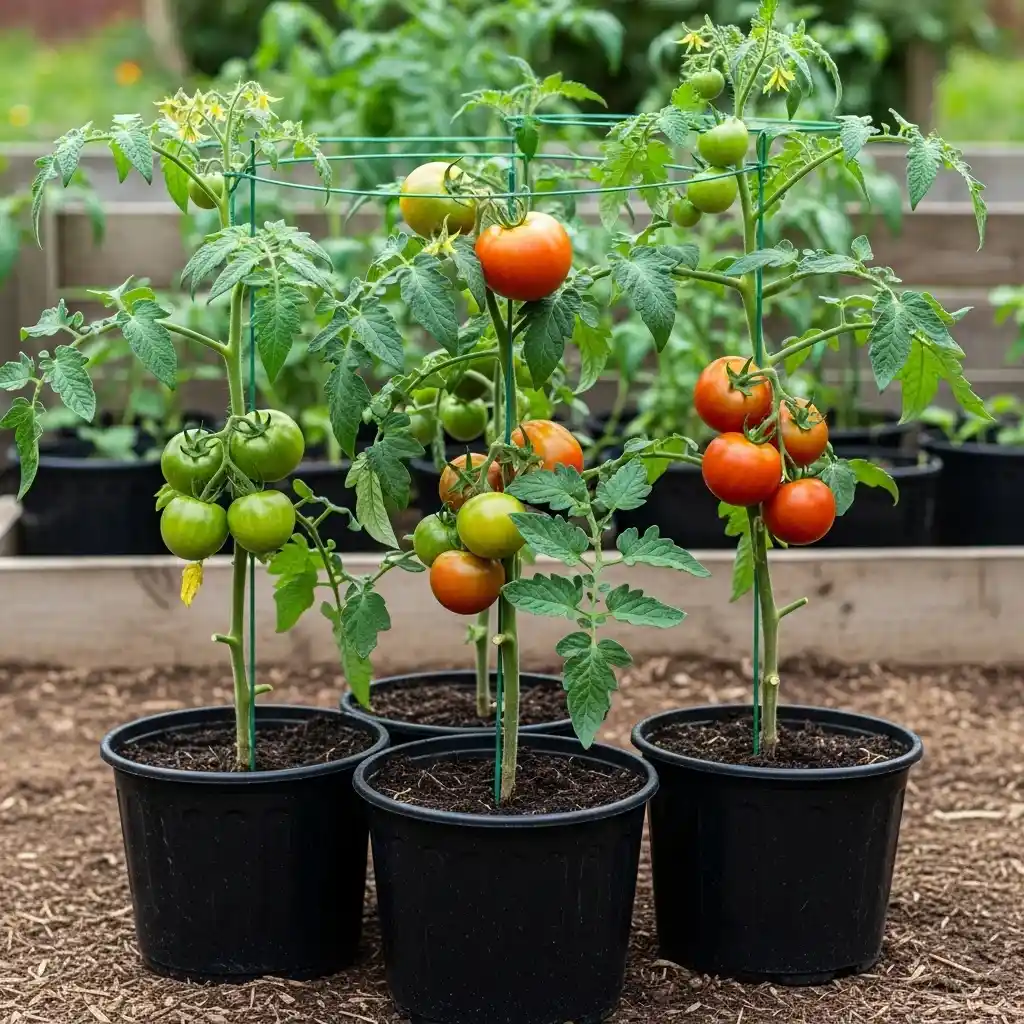
Tomato success requires proper support preventing sprawling growth and keeping fruits off ground where rot develops. This essential crop connects with best outdoor plants selections providing maximum return on garden space investments.
| Tomato Type | Growth Habit | Space Needed | Best Uses |
|---|---|---|---|
| Determinate | Bush, 3-4 feet | 2-3 feet spacing | Containers, small gardens |
| Indeterminate | Vining, 6+ feet | 2-3 feet spacing | Vertical growing, cages |
| Cherry | Variable | 2 feet spacing | Containers, abundant harvest |
| Patio | Compact, 2 feet | 1-2 feet spacing | Containers, small spaces |
14. Pepper Productivity Tips
Peppers produce abundantly in warm weather requiring full sun, consistent moisture, and regular feeding throughout growing seasons. Both sweet bell peppers and hot chilies thrive in containers and small gardens providing continuous harvests from compact plants producing prolifically.
Start peppers indoors 8-10 weeks before last frost or purchase transplants planting after soil warms thoroughly. Cold soil stunts growth delaying production significantly. Space 18-24 inches apart allowing adequate air circulation and light penetration.
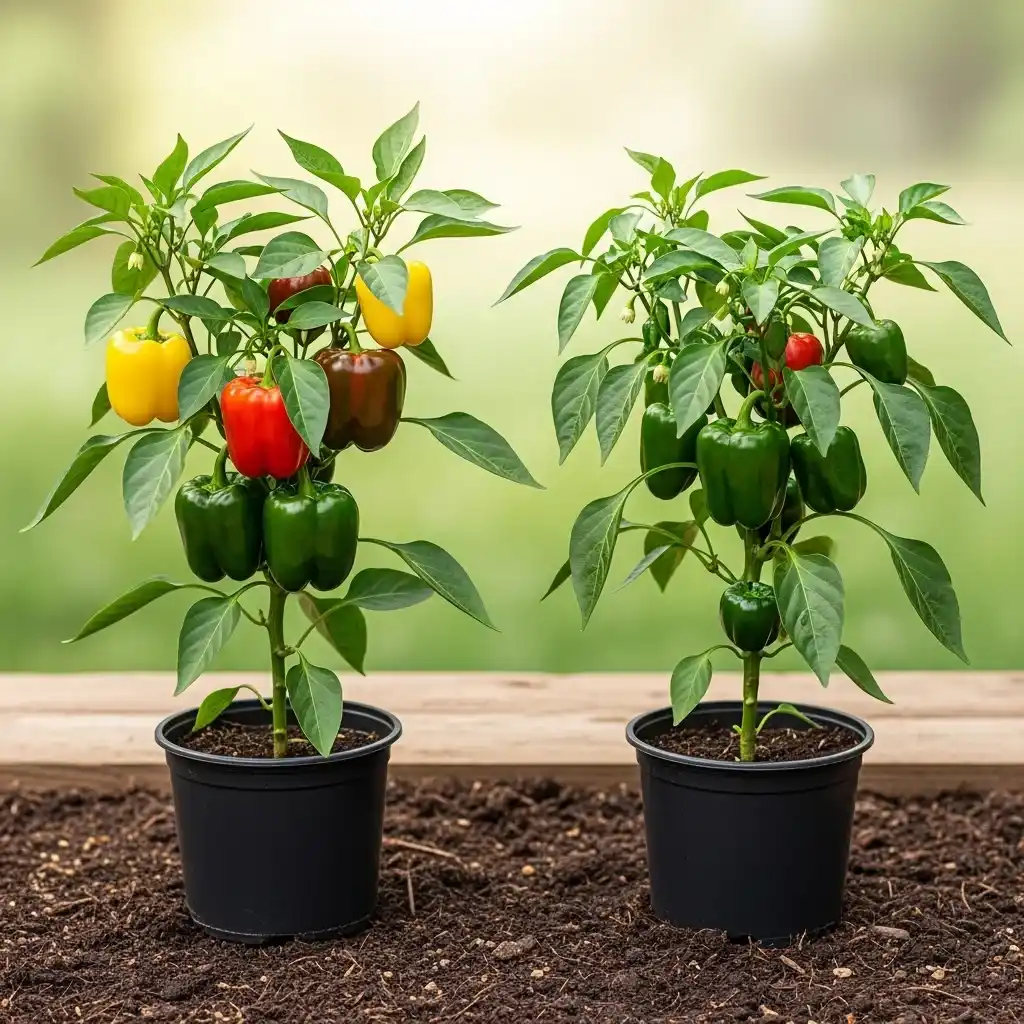
Support heavy-fruiting plants preventing branches breaking under weight loads. Harvest regularly encouraging continued production throughout seasons. This reliable crop suits small gardens providing excellent returns from minimal space requirements and relatively simple care needs.
| Pepper Type | Days to Maturity | Plant Size | Heat Level |
|---|---|---|---|
| Bell Peppers | 60-90 | 18-24 inches | Sweet, no heat |
| Jalapeño | 70-80 | 24-36 inches | Medium heat |
| Banana Peppers | 65-75 | 18-24 inches | Mild heat |
| Thai Chilies | 80-90 | 12-18 inches | Very hot |
15. Leafy Green Production
Leafy greens including lettuce, spinach, kale, and Swiss chard provide nutrient-dense harvests from minimal space with quick maturity periods. These cool-season crops thrive in spring and fall producing abundantly before heat causes bolting and bitter flavors developing.
Plant leafy greens in partial shade during summer preventing premature bolting from excessive heat and sunlight. Harvest outer leaves continuously allowing centers producing new growth extending harvests over weeks rather than cutting entire plants at once.
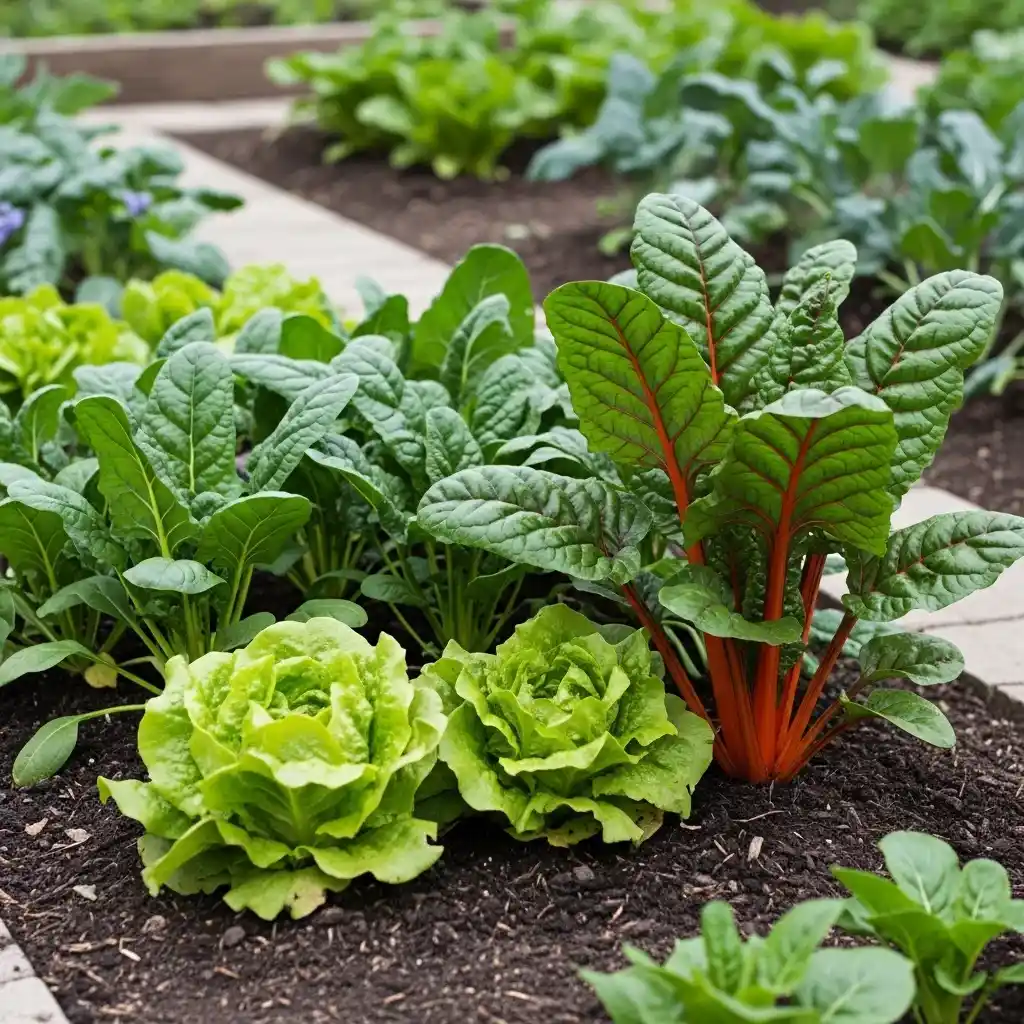
Leafy greens suit shade plants combinations utilizing shaded areas productively. These essential vegetables provide fresh salads and cooking greens requiring minimal space while delivering maximum nutritional value from home gardens throughout cool seasons.
| Leafy Green | Days to Harvest | Cold Tolerance | Best Season |
|---|---|---|---|
| Lettuce | 45-60 | Frost tolerant | Spring/Fall |
| Spinach | 40-50 | Very cold hardy | Spring/Fall |
| Kale | 50-65 | Frost improves flavor | Fall/Winter |
| Swiss Chard | 50-60 | Moderate cold tolerance | Spring/Summer/Fall |
16. Bean Growing Methods
Beans provide excellent protein-rich harvests from minimal space with bush varieties suiting small gardens and pole beans growing vertically on supports. These nitrogen-fixing legumes actually improve soil while producing abundant crops throughout warm summer months with minimal fertilization requirements.
Bush beans mature quickly in 50-60 days requiring no support, producing concentrated harvests over 2-3 weeks. Pole beans produce continuously throughout seasons when harvested regularly but require sturdy 6-foot supports handling mature vine weights during heavy production periods.
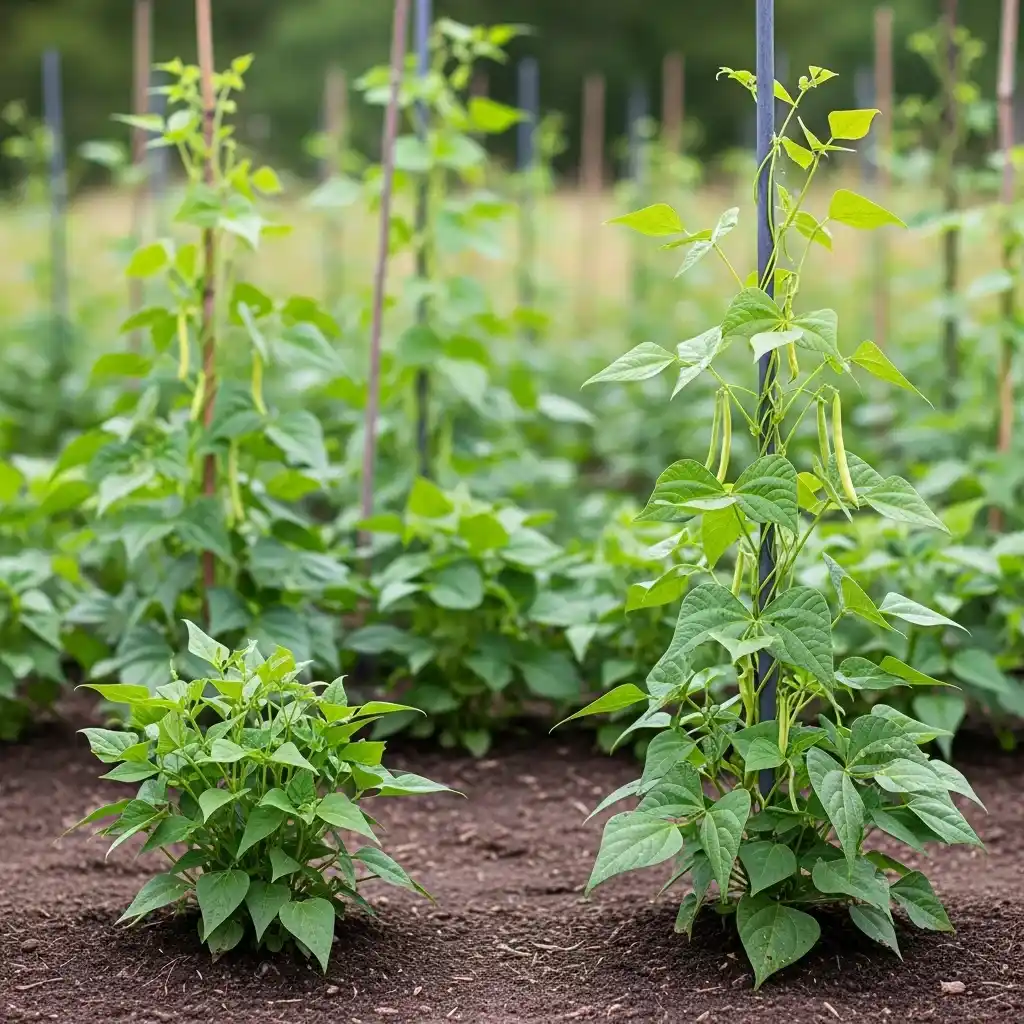
Plant beans directly in garden after frost danger passes and soil warms adequately. Cold soil causes seed rot before germination occurs. This reliable crop suits beginning gardeners providing quick results and abundant harvests from small spaces with simple care.
| Bean Type | Growth Habit | Days to Harvest | Yield Period |
|---|---|---|---|
| Bush Beans | Compact, 18 inches | 50-60 | 2-3 weeks |
| Pole Beans | Vining, 6-8 feet | 60-70 | 6-8 weeks |
| Lima Beans | Bush or pole | 65-80 | Variable |
17. Root Vegetable Success
Root vegetables including carrots, beets, radishes, and turnips grow well in small gardens providing nutrient-dense harvests stored for winter use. These crops prefer loose, well-drained soil free from rocks and clumps preventing misshapen roots from developing during underground growth.
Sow seeds directly in garden as most root crops dislike transplanting. Thin seedlings to proper spacing preventing overcrowding that creates small, misshapen roots. Keep soil consistently moist encouraging steady growth and preventing tough, woody textures.
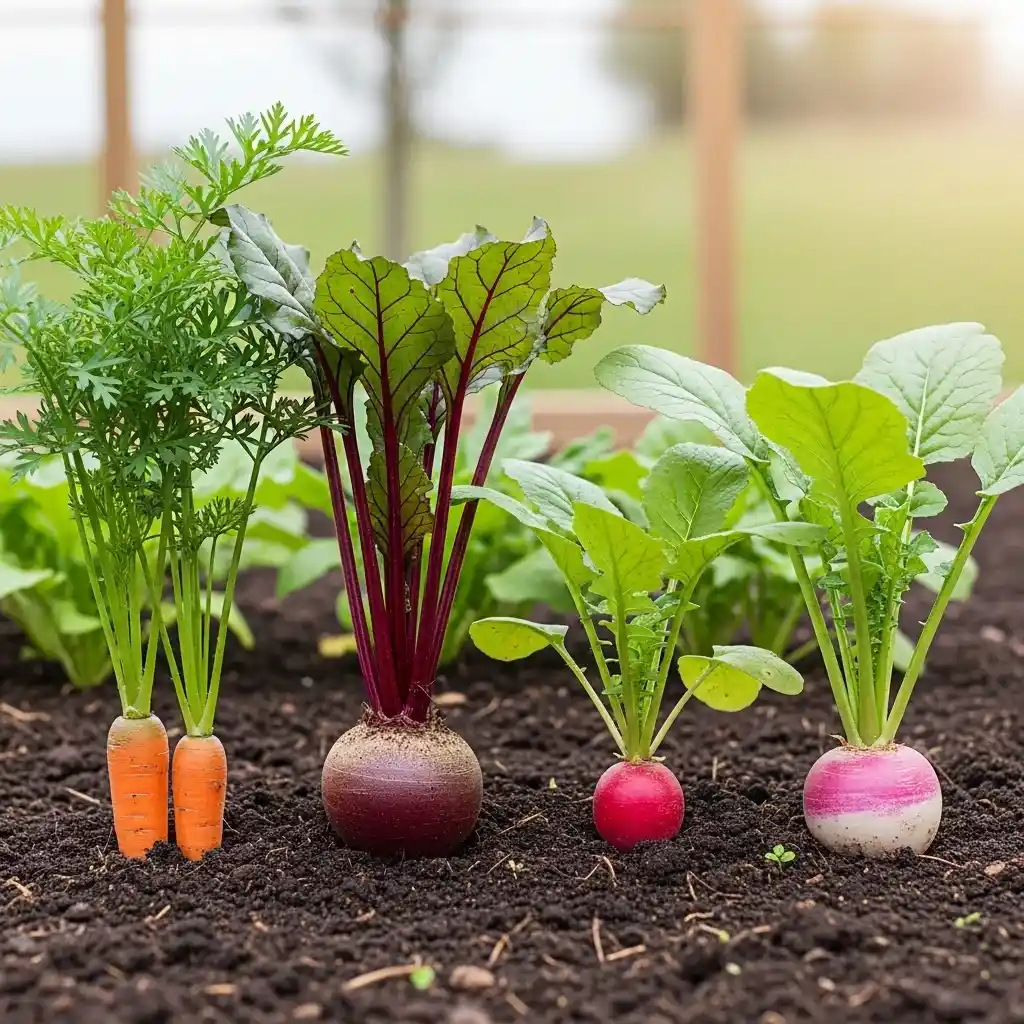
Root crops suit backyard landscaping ideas utilizing spaces between ornamental plantings productively. These efficient vegetables maximize below-ground growing space while foliage occupies minimal above-ground area perfect for intensive small garden plantings.
| Root Vegetable | Days to Harvest | Spacing | Storage Life |
|---|---|---|---|
| Carrots | 60-75 | 2-3 inches | 2-3 months |
| Beets | 50-70 | 3-4 inches | 1-3 months |
| Radishes | 25-30 | 1-2 inches | 1-2 weeks |
| Turnips | 45-60 | 4-6 inches | 2-4 months |
18. Cucumber Vertical Training
Cucumbers grow vigorously producing abundant harvests when trained vertically on trellises, fences, or cages saving significant ground space. Vertical growing improves air circulation reducing disease problems while keeping fruits clean and straight rather than curved from ground contact.
Choose bush varieties for containers or vining types for vertical growing. Provide sturdy supports handling mature vine weights and heavy fruit loads. Keep soil consistently moist preventing bitter flavors from developing during fruit formation.
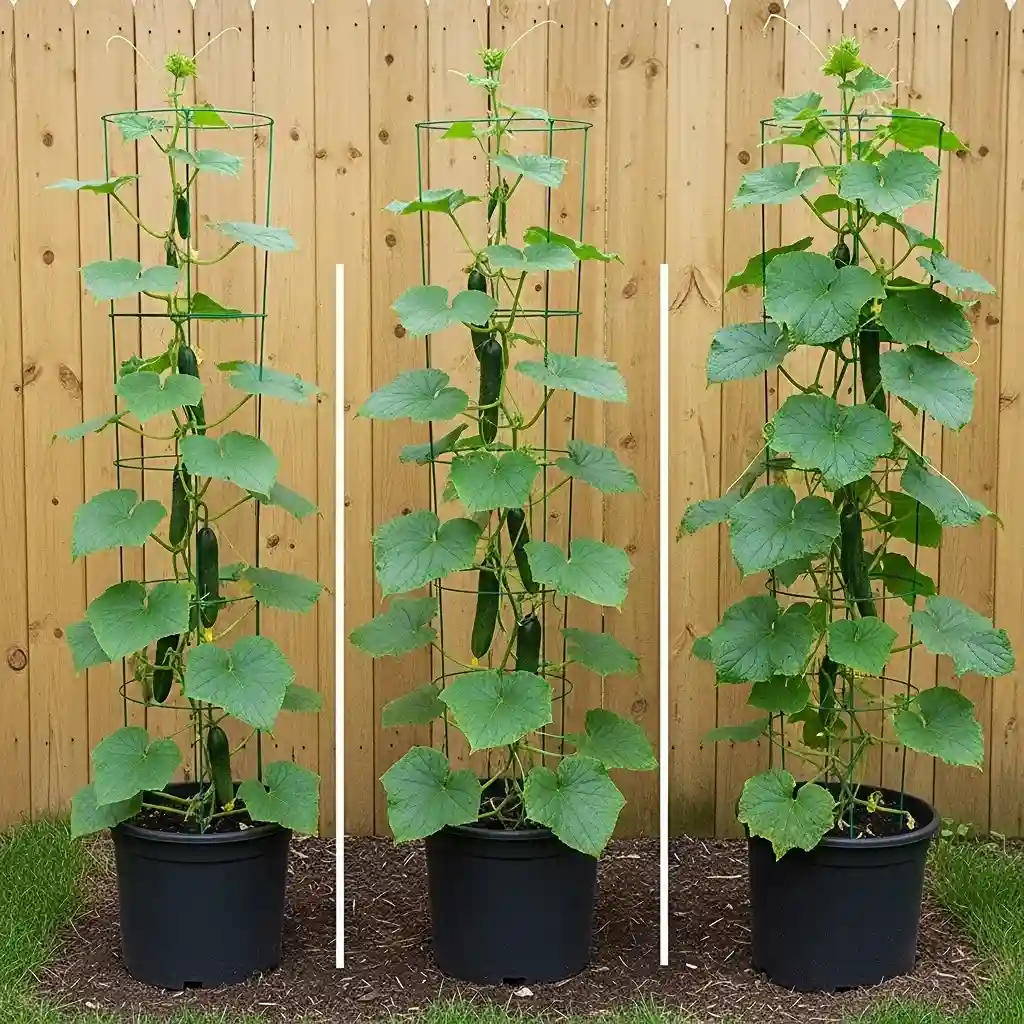
Harvest cucumbers regularly when young and tender encouraging continued production throughout seasons. This productive crop suits horizontal fence vertical growing creating productive screens providing privacy and food simultaneously serving dual purposes.
| Cucumber Type | Growth Habit | Days to Harvest | Best Uses |
|---|---|---|---|
| Slicing | Vining, 6+ feet | 55-65 | Fresh eating |
| Pickling | Bush or vine | 50-60 | Preserving |
| Burpless | Vining | 60-70 | Fresh eating |
19. Squash Space Management
Summer squash provides prolific harvests from single plants requiring strategic placement in small gardens due to spreading growth habits. Choose bush varieties like ‘Eight Ball’ zucchini occupying less space than sprawling traditional types while producing abundant crops throughout warm seasons.
Plant squash on garden edges allowing vines spreading outward without shading other crops. Harvest frequently when fruits reach 6-8 inches preventing oversized specimens that reduce continued production. Regular picking encourages plants producing more fruits continuously.
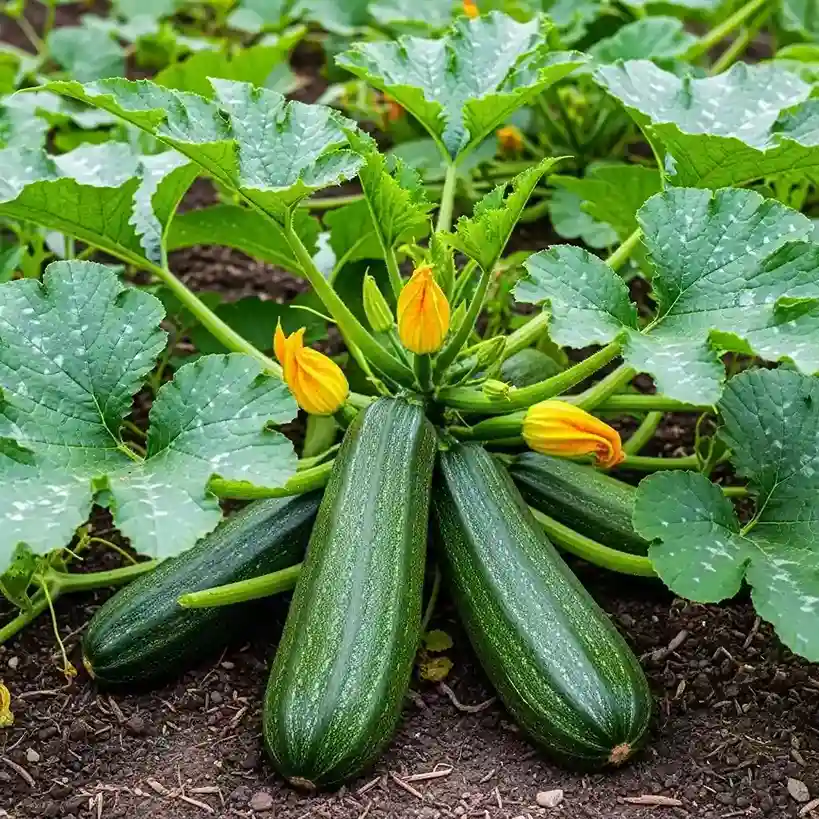
Winter squash requires more space and time than summer varieties but stores for months providing food security. This productive crop justifies space allocation through heavy yields and long storage capabilities extending harvest benefits well beyond growing seasons.
| Squash Type | Space Needed | Days to Harvest | Storage |
|---|---|---|---|
| Zucchini | 3 feet (bush) | 45-55 | 1 week fresh |
| Yellow Squash | 3 feet (bush) | 50-60 | 1 week fresh |
| Butternut | 6-8 feet (vine) | 85-100 | 3-6 months |
| Acorn | 6-8 feet (vine) | 80-100 | 2-3 months |
20. Pea Growing Techniques
Peas thrive in cool weather providing early spring and fall harvests before heat arrives. These nitrogen-fixing legumes improve soil while producing sweet tender pods on compact plants or climbing vines requiring support depending on variety selected.
Plant peas in early spring as soon as soil becomes workable. They tolerate frost and cold soil better than most vegetables. Provide trellises for climbing varieties while bush types need minimal support. Keep soil consistently moist during pod development.
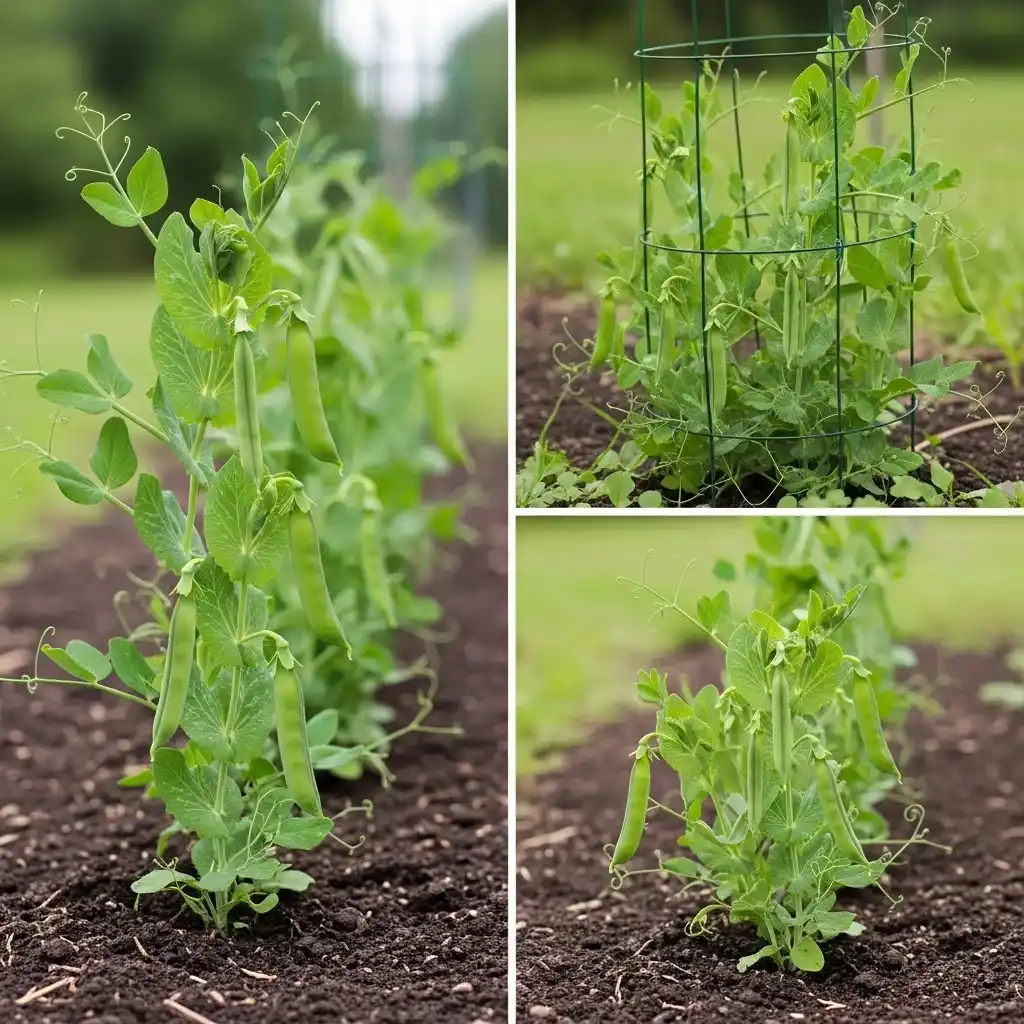
Harvest peas regularly when pods fill but before they become tough and starchy. This cool-season crop extends vegetable production into shoulder seasons when heat-loving crops struggle providing fresh produce during transitional spring and fall periods.
| Pea Type | Growth Habit | Days to Harvest | Best Season |
|---|---|---|---|
| Sugar Snap | Climbing, 6 feet | 60-70 | Spring/Fall |
| Snow Peas | Climbing, 6 feet | 55-65 | Spring/Fall |
| Shelling Peas | Bush or climbing | 60-70 | Spring/Fall |
21. Onion and Garlic Growing
Onions and garlic provide essential kitchen staples growing successfully in small gardens without occupying excessive space. These alliums grow vertically with minimal foliage taking little room while bulbs develop underground throughout long growing seasons from spring planting to summer harvest.
Plant onion sets or transplants in early spring spacing 4-6 inches apart in full sun. Plant garlic cloves in fall for next summer harvest. Both crops require consistent moisture during bulb development but prefer drying soil as harvest approaches.
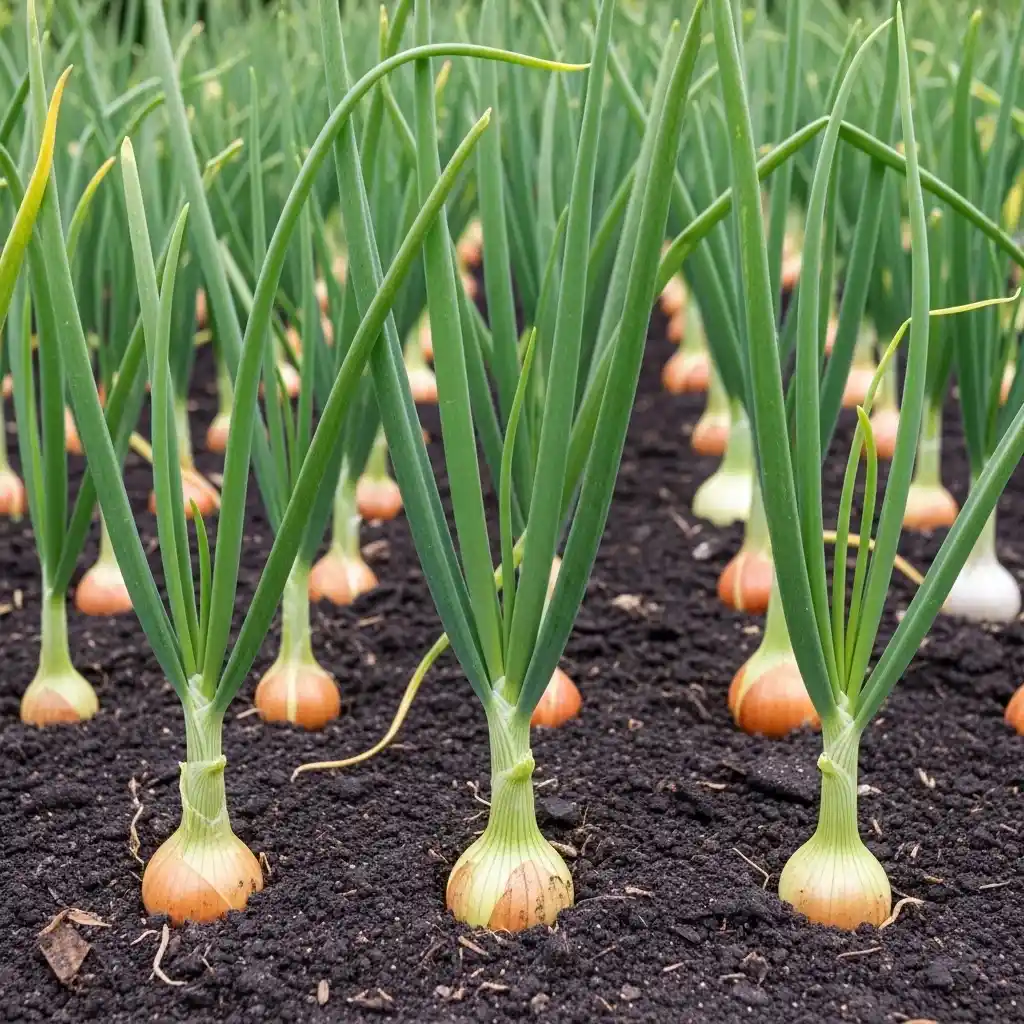
These storage crops provide food security keeping for months after harvest extending garden benefits well beyond growing seasons. Braiding and hanging onions and garlic creates attractive functional storage while saving precious pantry space in compact homes.
| Allium | Planting Time | Harvest Time | Storage Life |
|---|---|---|---|
| Onions | Early spring | Mid-summer | 2-6 months |
| Garlic | Fall | Next summer | 6-8 months |
| Shallots | Spring or fall | Summer | 2-4 months |
22. Maintenance and Pest Control
Regular maintenance keeps small vegetable gardens productive and healthy throughout growing seasons. Water consistently, fertilize regularly, remove weeds promptly, and monitor for pest and disease problems addressing issues immediately before they escalate.
Use organic pest control methods including hand-picking insects, applying insecticidal soaps, and encouraging beneficial insects through diverse plantings. Rotate crops annually preventing soil-borne disease buildup and nutrient depletion from repeated plantings of same crop families.
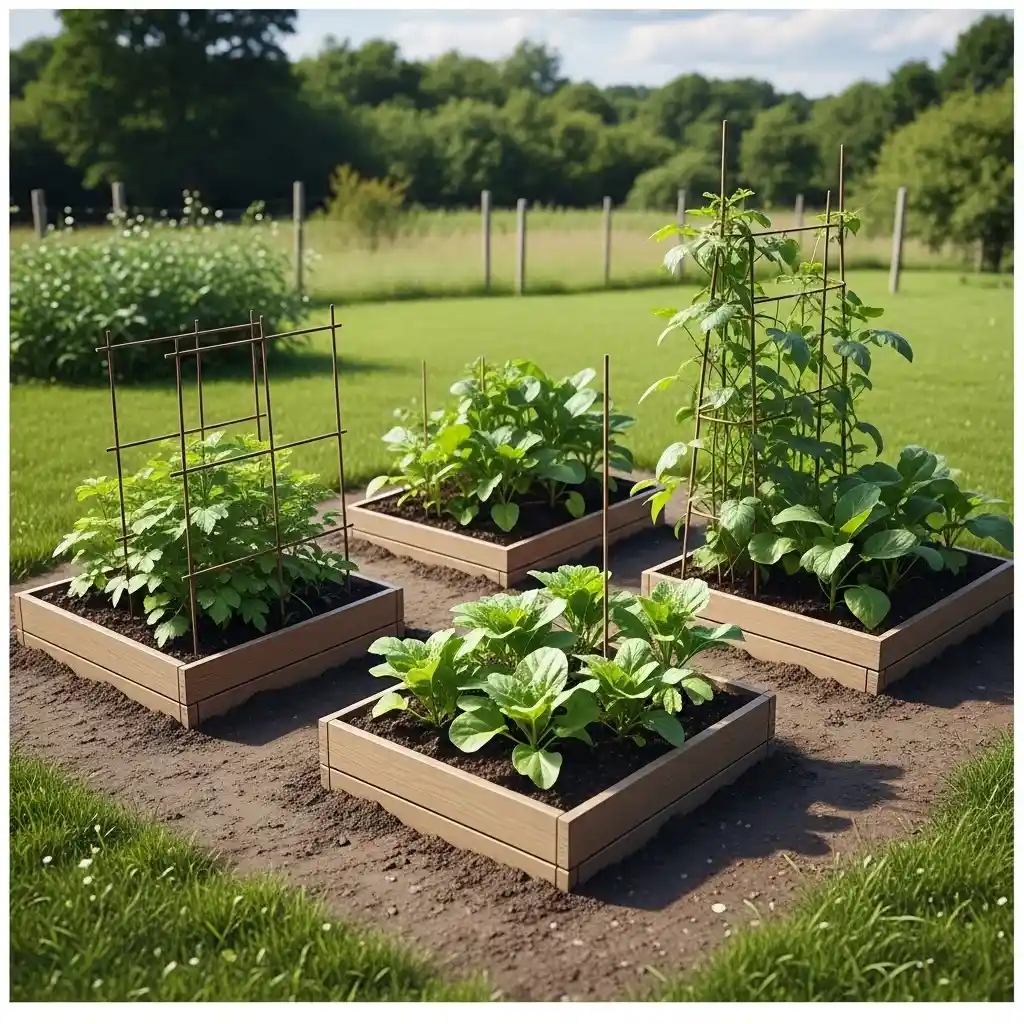
Mulch gardens retaining moisture, suppressing weeds, and regulating soil temperatures. These preventive practices minimize problems while maximizing productivity from limited garden spaces. Connect with get rid of ants in your yard solutions if ant problems develop.
| Maintenance Task | Frequency | Purpose | Season |
|---|---|---|---|
| Watering | Daily in hot weather | Consistent moisture | Growing season |
| Weeding | Weekly | Reduce competition | Growing season |
| Fertilizing | Every 2-4 weeks | Provide nutrients | Growing season |
| Pest Monitoring | 2-3 times weekly | Early detection | Growing season |
Frequently Asked Questions
How much space do I need for a vegetable garden?
A 4×4 foot raised bed provides sufficient space for salad gardens, herbs, or several tomato and pepper plants producing meaningful harvests. Even smaller spaces using containers on balconies or patios grow fresh vegetables successfully with proper care and plant selection.
What vegetables grow fastest in small gardens?
Radishes mature in 25-30 days, lettuce in 45-60 days, and bush beans in 50-60 days providing quick harvests. These fast-growing crops allow succession planting and multiple harvests per season from limited spaces maximizing productivity throughout growing periods.
Do small vegetable gardens need full sun?
Most vegetables require 6-8 hours direct sunlight daily for optimal production though leafy greens tolerate partial shade successfully. Assess your site’s sun exposure carefully, selecting appropriate crops matching available light conditions for best results and productive harvests.
How do I start a small vegetable garden on a budget?
Begin with seeds rather than transplants, build raised beds from reclaimed materials, make compost from kitchen scraps, and start small expanding gradually as skills develop. These economical approaches connect with cheap landscaping ideas principles creating productive gardens affordably.
Conclusion
Small vegetable gardens prove that limited space doesn’t limit food production potential when creative techniques maximize every square foot available. Vertical growing, intensive planting, succession sowing, and compact varieties transform tiny areas into surprisingly productive gardens feeding families with fresh organic produce throughout growing seasons.
Success comes from strategic planning, appropriate plant selections, consistent care, and patience as gardening skills develop through hands-on experience. Whether you garden in raised beds, containers, or small ground plots, these efficient methods demonstrate that anyone can grow fresh vegetables regardless of space limitations or property size constraints.