Dwarf Birch trees (Betula) are the perfect solution for gardeners who love the iconic peeling bark and delicate foliage of a classic Birch but lack the space for a 60-foot giant. In modern American landscaping—from the compact yards of New York and Chicago to the suburban gardens of Seattle-Tacoma—these pint-sized trees offer architectural elegance without the risk of invasive roots or overhead utility interference.
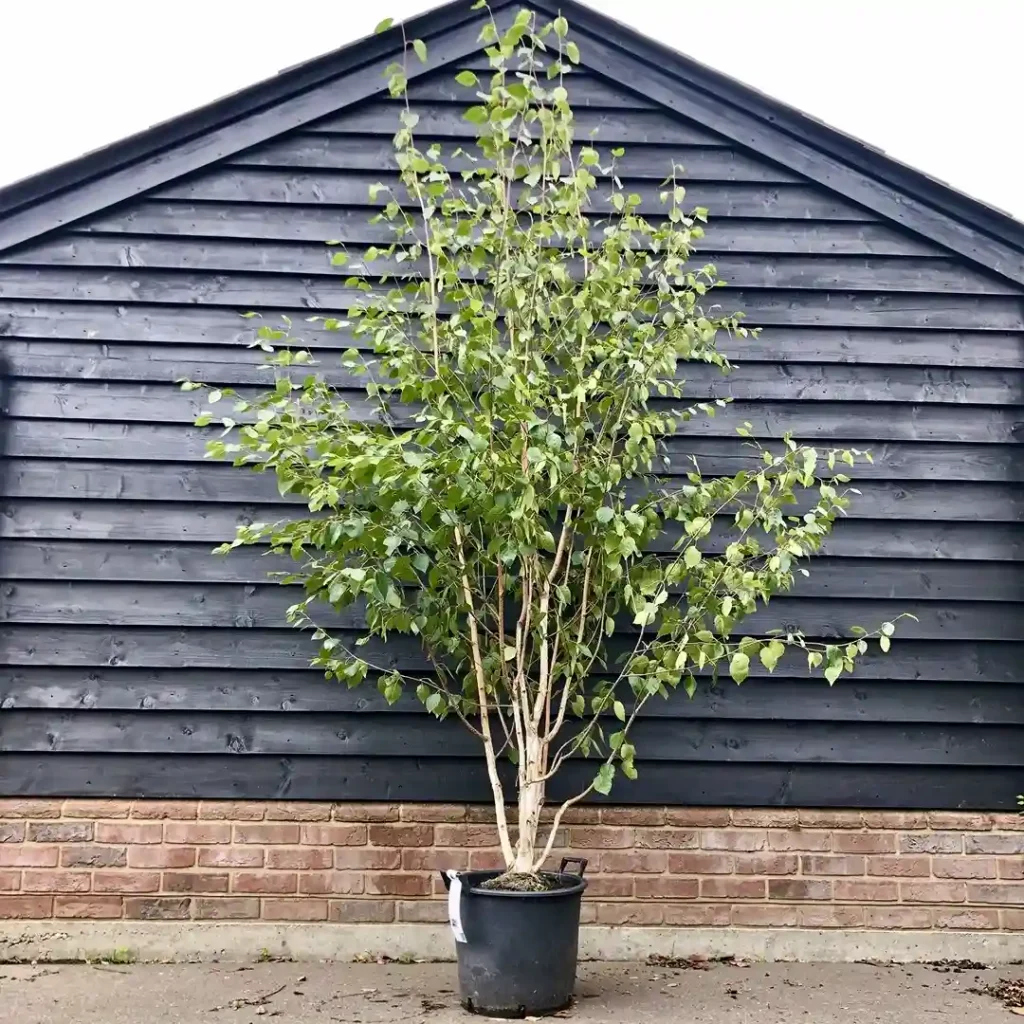
Source: @kingandcotrees
Whether you are looking for a low-growing shrub for a permaculture garden design or a weeping specimen to act as diy yard decor, dwarf birches are incredibly versatile. This guide explores 16 elite varieties, their care requirements, and how to integrate them into a professional landscape.
1. ‘Cesky Gold’ Dwarf Birch (Betula x plettkei)
The ‘Cesky Gold’ is a standout variety known for its fan-shaped leaves that emerge in stunning shades of yellow, red, and orange in the spring. As the season progresses, the foliage matures to a bright chartreuse, providing a vibrant pop of color against a dark backyard fence.
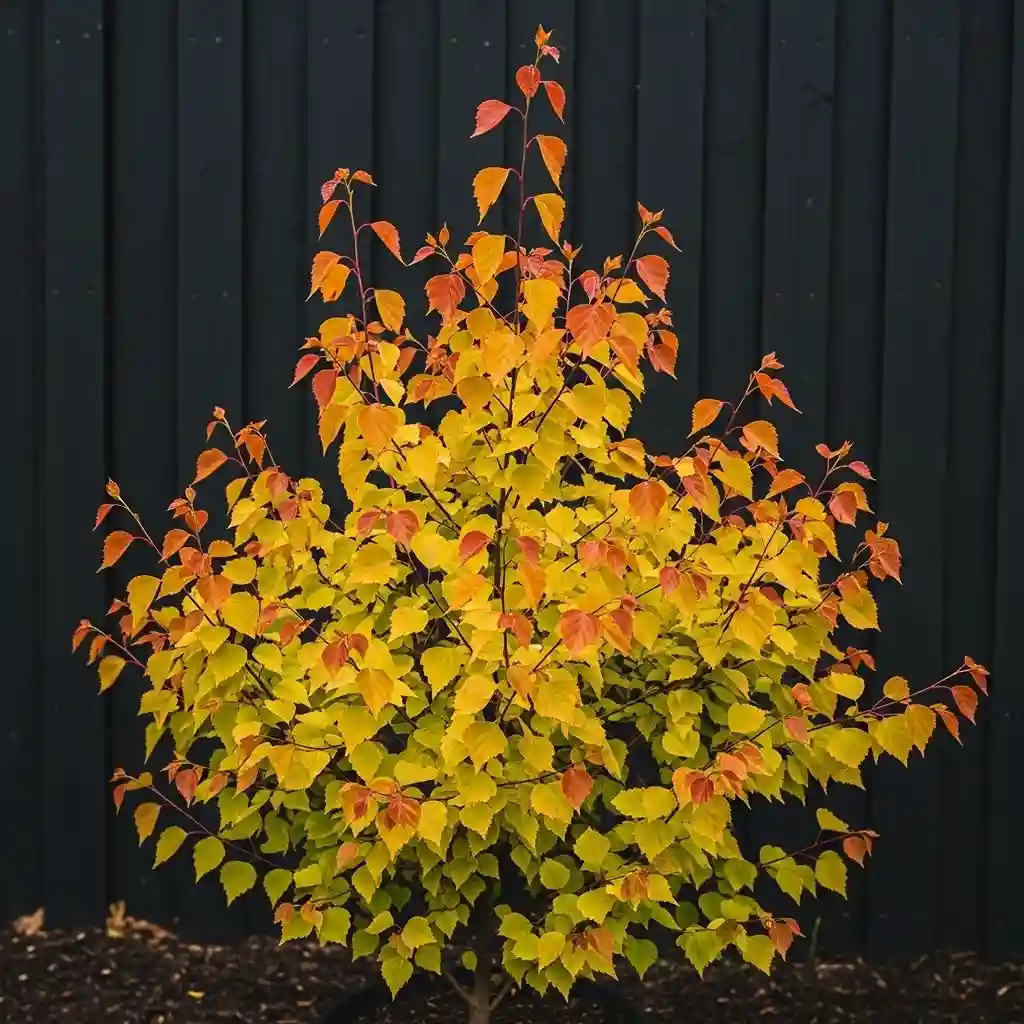
This variety is exceptionally cold-hardy, making it a favorite for gardeners in Denver and Chicago. It maintains a compact, shrub-like habit, rarely exceeding 4 feet in height, which makes it an excellent choice for side of house landscaping where low-maintenance groundcover is required.
2. ‘Youngii’ Weeping Birch (Betula pendula)
‘Youngii’ is the quintessential weeping dwarf birch, featuring branches that cascade all the way to the ground. Unlike its tall cousins, this variety is typically grafted onto a standard trunk, allowing it to stay at a manageable 10–12 feet, perfect for a vintage garden aesthetic.
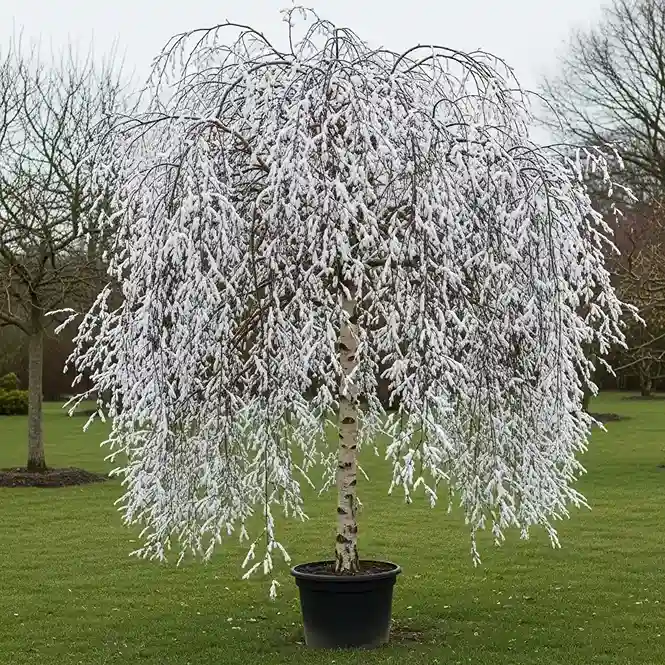
Because of its dramatic form, it serves as a brilliant focal point near a wildlife feeding station ideas or a front entryway. In the winter, its white bark and weeping silhouette provide a hauntingly beautiful architectural element that looks stunning when lit from below.
3. ‘Trost’s Dwarf’ Birch (Betula pendula)
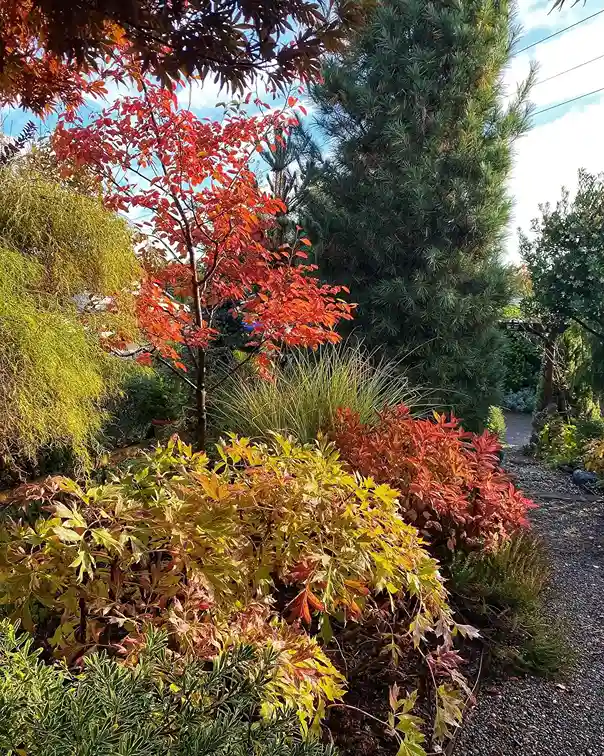
‘Trost’s Dwarf’ is a unique cultivar that looks more like a delicate Japanese Maple than a traditional Birch. It features deeply dissected, lace-like green leaves that turn a brilliant golden yellow in the autumn, making it a top pick for permaculture garden design.
Source: @phillipoliver
It grows slowly into a rounded mound, reaching about 4–5 feet in height. This slow growth makes it a “Budget-Friendly” long-term investment, as it won’t outgrow its space or require professional pruning for years. It thrives in the cooler, moist climates of Seattle-Tacoma and the Northeast.
4. Bog Birch (Betula pumila)
Native to North America, the Bog Birch is a tough, multi-stemmed shrub that excels in wet soils where other trees might fail. If your yard has drainage issues similar to those discussed in steep hill landscaping, the Bog Birch is a natural problem-solver.
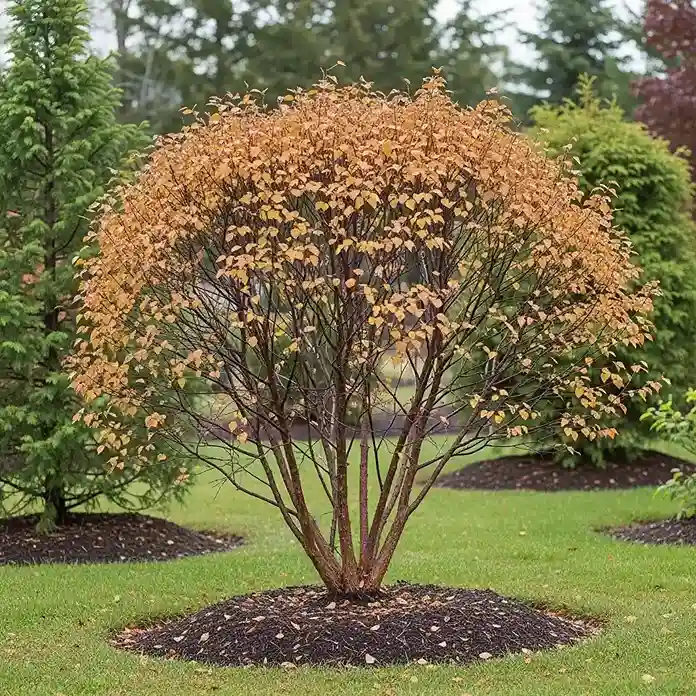
It typically matures at 5–10 feet and features coppery-brown bark that provides a rustic garden ideas feel. While it doesn’t have the white bark of other varieties, its resilience in swampy conditions makes it a functional star for ecological restoration or rain gardens.
5. ‘Golden Cloud’ Dwarf Birch
‘Golden Cloud’ is prized for its luminous, bright yellow foliage that holds its color throughout the summer without scorching. This variety is particularly effective when used to brighten up a shady corner or as part of a yard divider ideas layout.
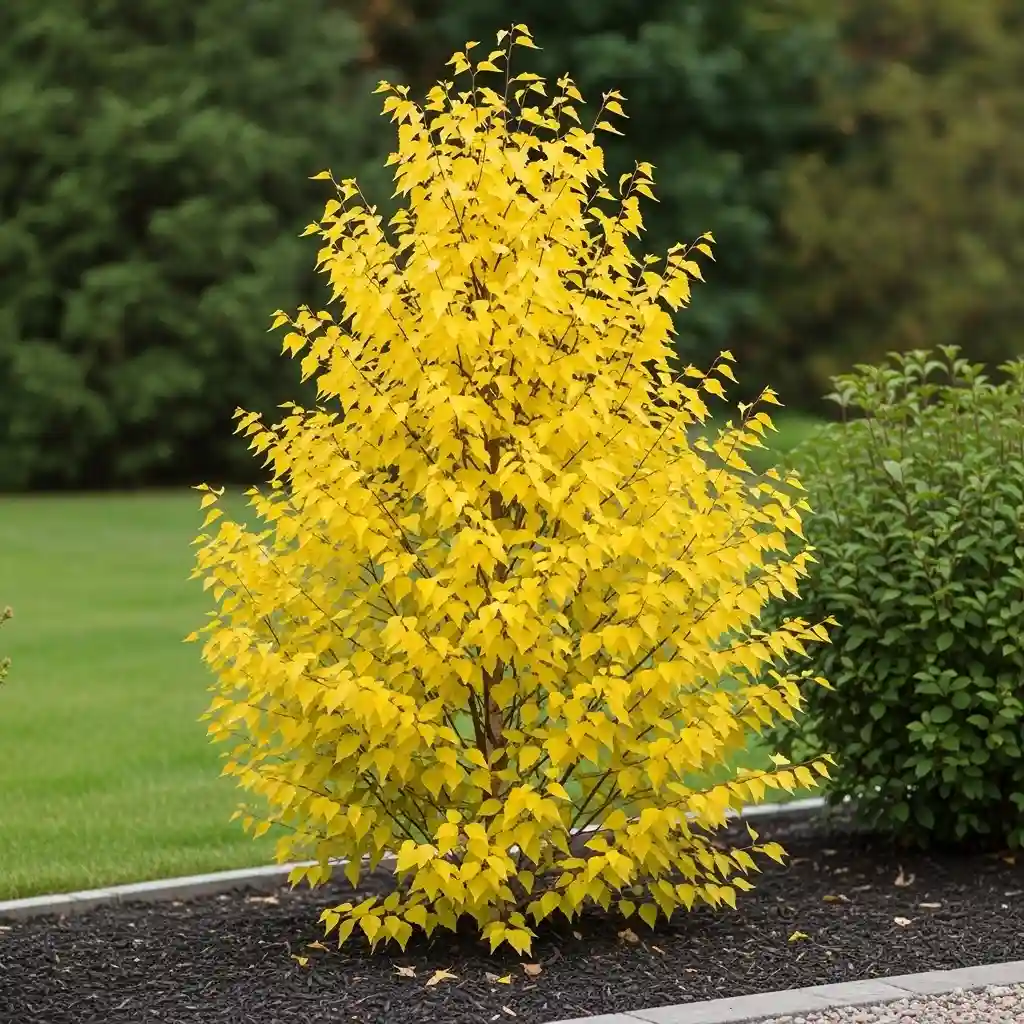
It grows in a neat, upright-oval shape, reaching about 6–8 feet. Its compact size makes it safe to plant near a gravel driveway guide or a stone walkway, as its roots are far less aggressive than full-sized birch species.
6. ‘Summer Cascade’ River Birch (Betula nigra)
River Birches are known for their extreme heat tolerance, making them the best choice for Phoenix or Los Angeles. The ‘Summer Cascade’ variety is a dwarf weeping form that brings the iconic peeling, salmon-colored bark to small spaces.
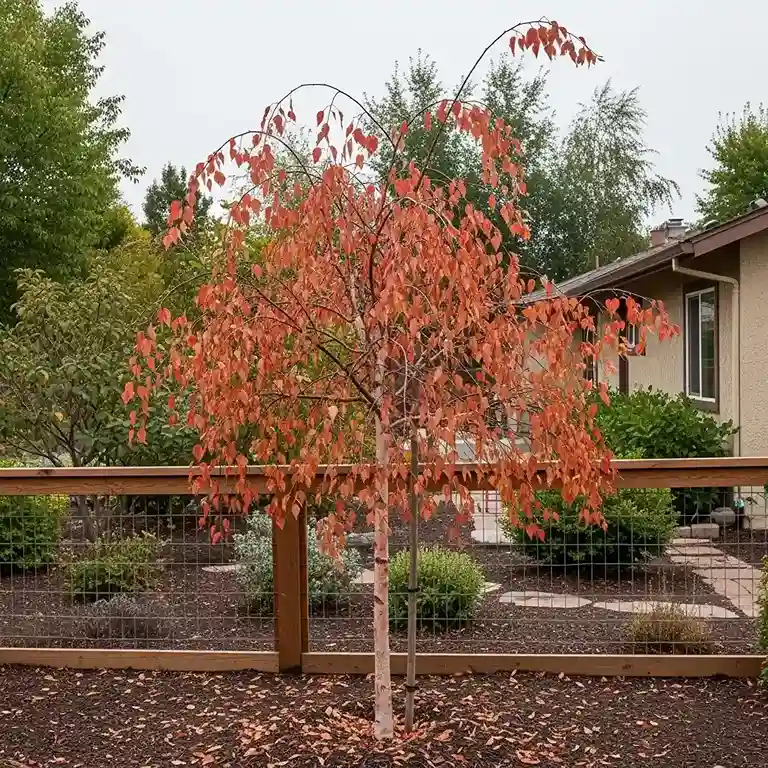
It features a graceful, pendulous habit that can be trained to various heights. This tree is an excellent addition to side yard landscaping ideas where a touch of elegance is needed to soften the transition between a house and a wood and wire fence.
7. ‘Little King’ Fox Valley River Birch
‘Little King’ is a dense, multi-stemmed dwarf tree that matures into a compact, rounded shape about 10 feet tall. It is famous for its highly ornamental, exfoliating bark that peels away to reveal layers of cream, tan, and cinnamon.
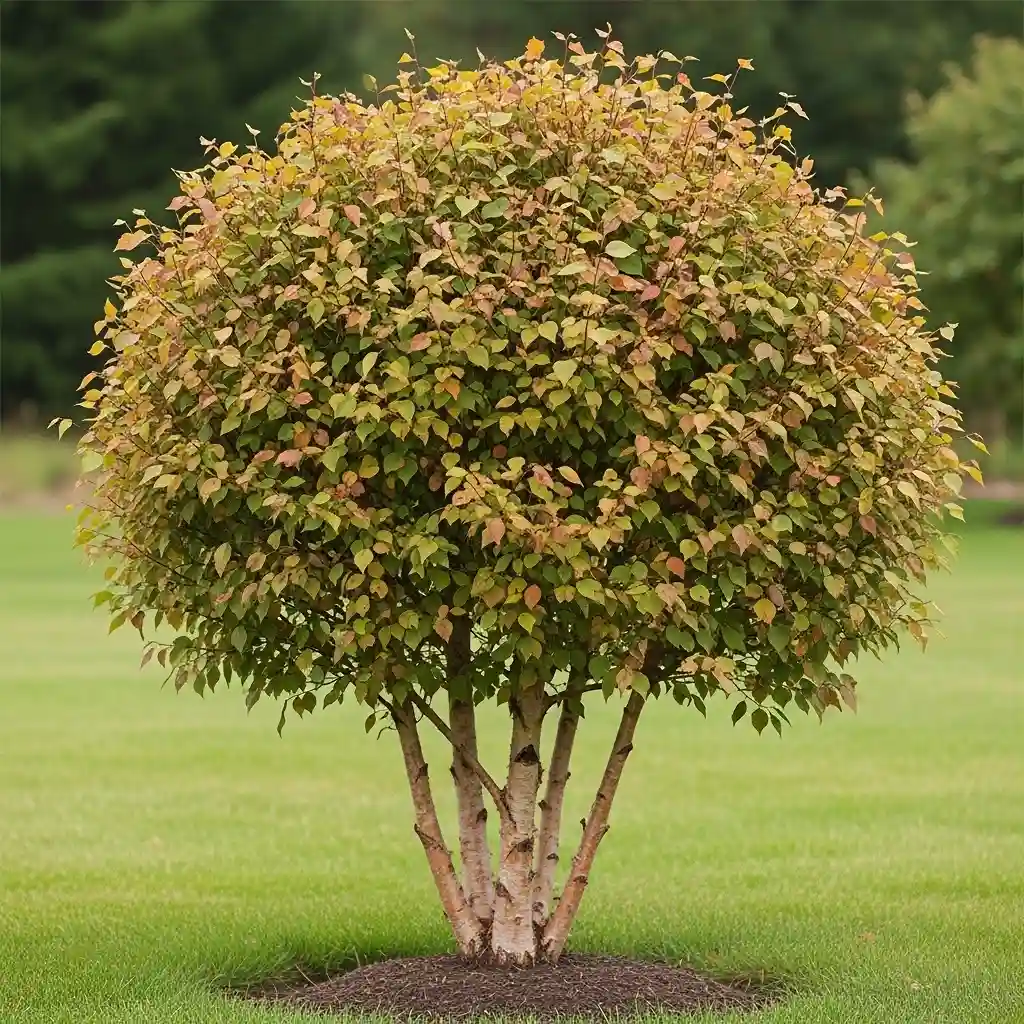
This variety is incredibly tough and handles both drought and flood better than most birches. It looks exceptional when planted in groups of three to create a natural screen, providing excellent backyard privacy ideas without the need for a tall, solid wall.
8. Nana Dwarf Birch (Betula nana)
Known as the Arctic Birch, this is one of the smallest birch species in existence. It is a prostrate, spreading shrub that rarely grows taller than 2–3 feet, making it the perfect candidate for cinder block garden ideas or rock gardens.
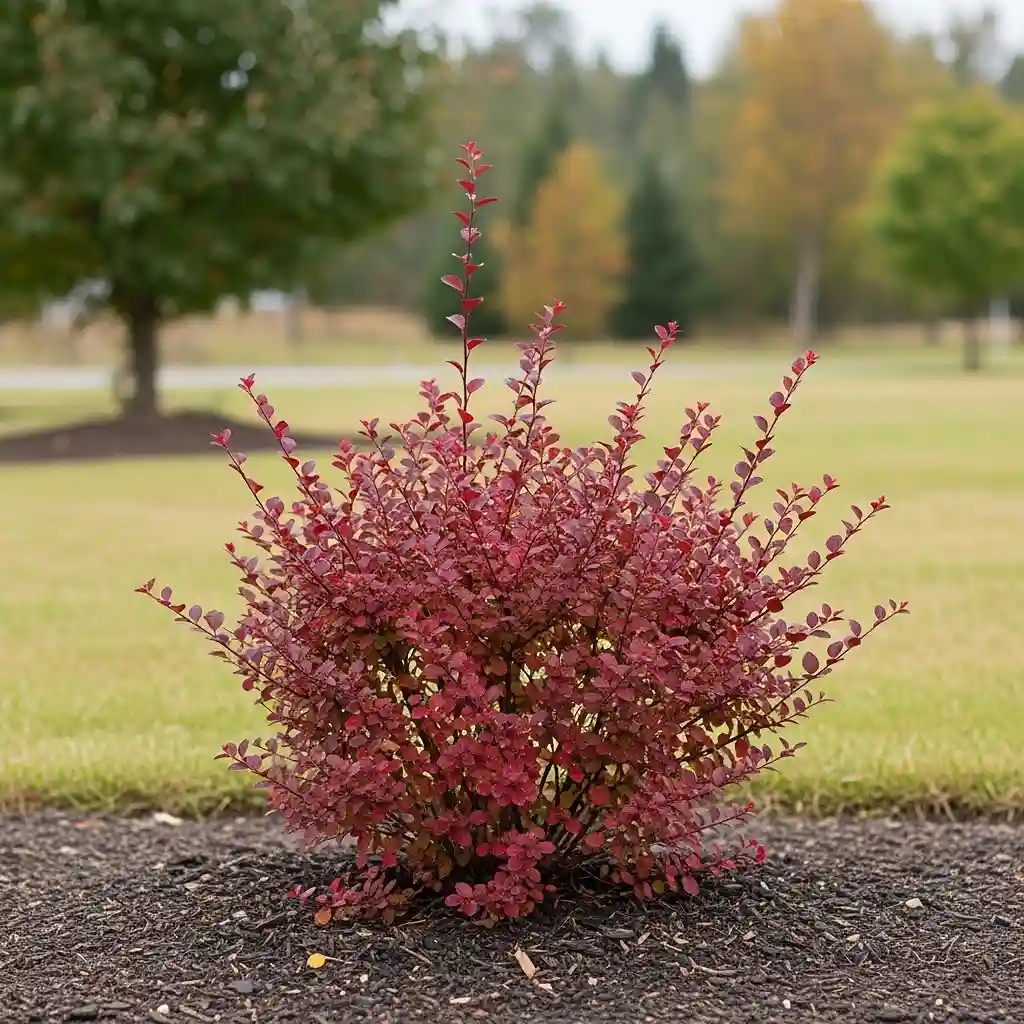
Its tiny, coin-shaped leaves turn a stunning deep red in the fall. Because it is native to tundra regions, it is the most cold-tolerant tree on this list, thriving in the harshest winter conditions of Denver or Northern Chicago.
9. ‘Magical Globe’ Dwarf Birch
The ‘Magical Globe’ is a true designer tree. It features a perfectly round, dense lollipop-shaped canopy that is grafted onto a straight stem. This formal look is ideal for modern landscapes or as a pair flanking a driveway ideas entrance.
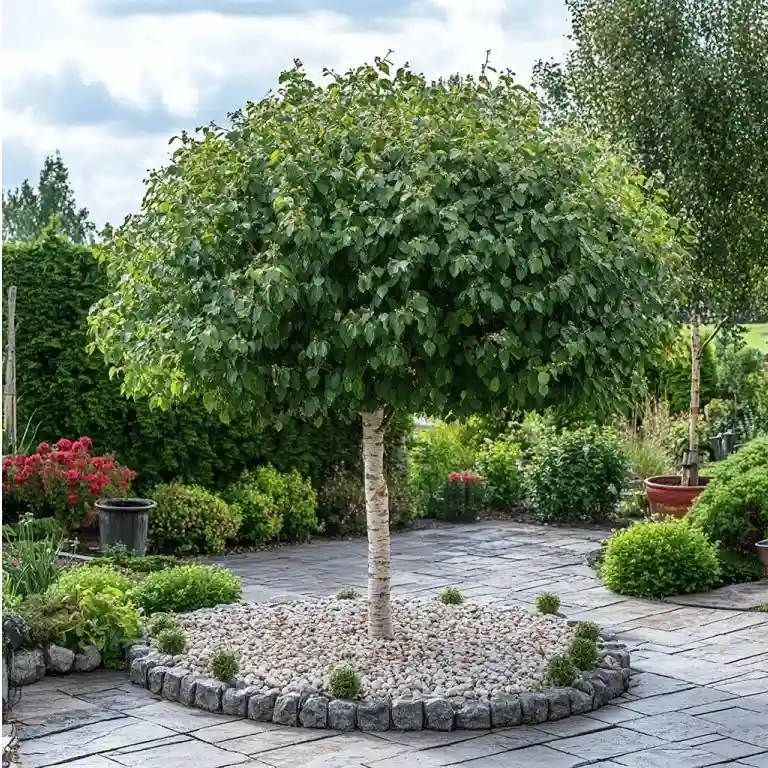
Source: @rasadnikmihalek
It typically stays at the height it was grafted (usually 4–6 feet), making it a “Budget-Friendly” choice for those who want a high-end look without the maintenance of frequent shearing. It provides a clean, professional aesthetic that complements green house interior and exterior ideas.
10. ‘White Spire’ Senior Birch
While technically on the larger side of “dwarf” (reaching 15–20 feet), ‘White Spire’ is valued for its narrow, columnar habit. It provides the classic, stark-white birch bark that everyone loves but with a footprint small enough for urban New York lots.
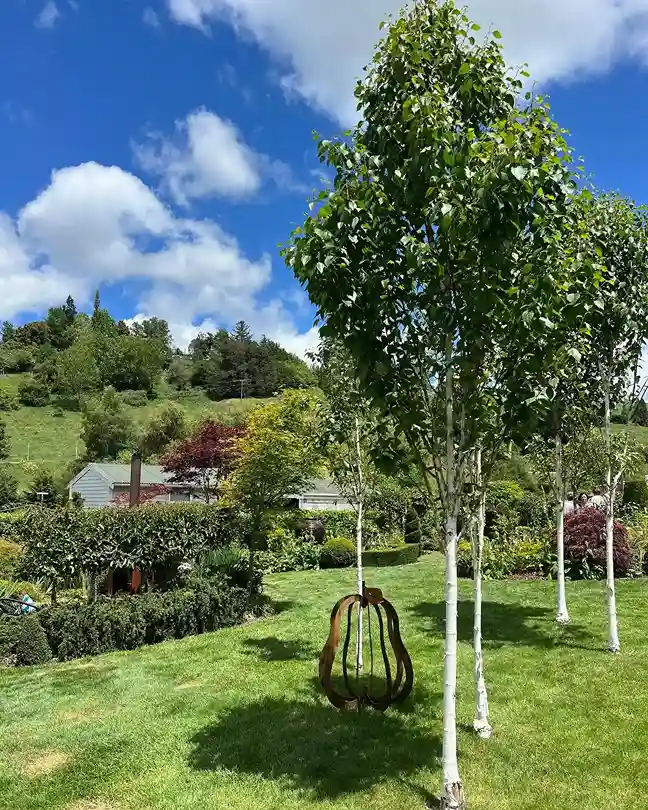
Source: @lyndahallinan
Its vertical growth makes it perfect for planting along a chain link fence to add height and beauty without taking up the whole yard. It is also highly resistant to the Bronze Birch Borer, a pest that often plagues larger birch species.
11. Himalayan Birch ‘Doorenbos’ (Betula utilis)
This variety is world-renowned for having the whitest bark of any birch tree. While the species can get large, several dwarf cultivars stay under 20 feet. It creates a striking, ghost-like appearance in the winter garden.
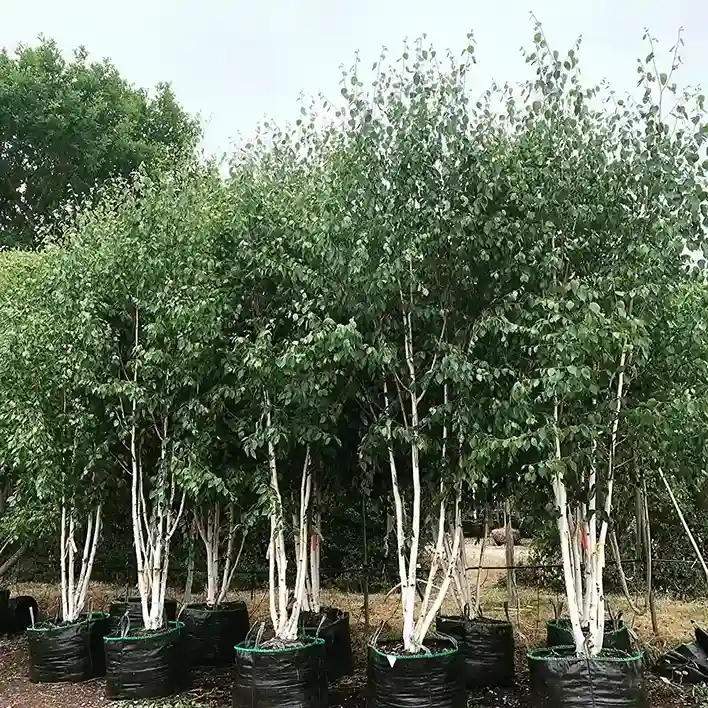
Because of its intense white bark, it looks best when paired with dark evergreens or against a dark backyard fence. It adds a layer of sophistication to a mediterranean garden or a contemporary courtyard.
12. ‘Royal Frost’ Birch
‘Royal Frost’ combines the best of both worlds: bright white peeling bark and deep burgundy-purple foliage. While it can reach 25 feet, it grows upright and narrow, making it suitable for front yard focal points in Seattle or New York.
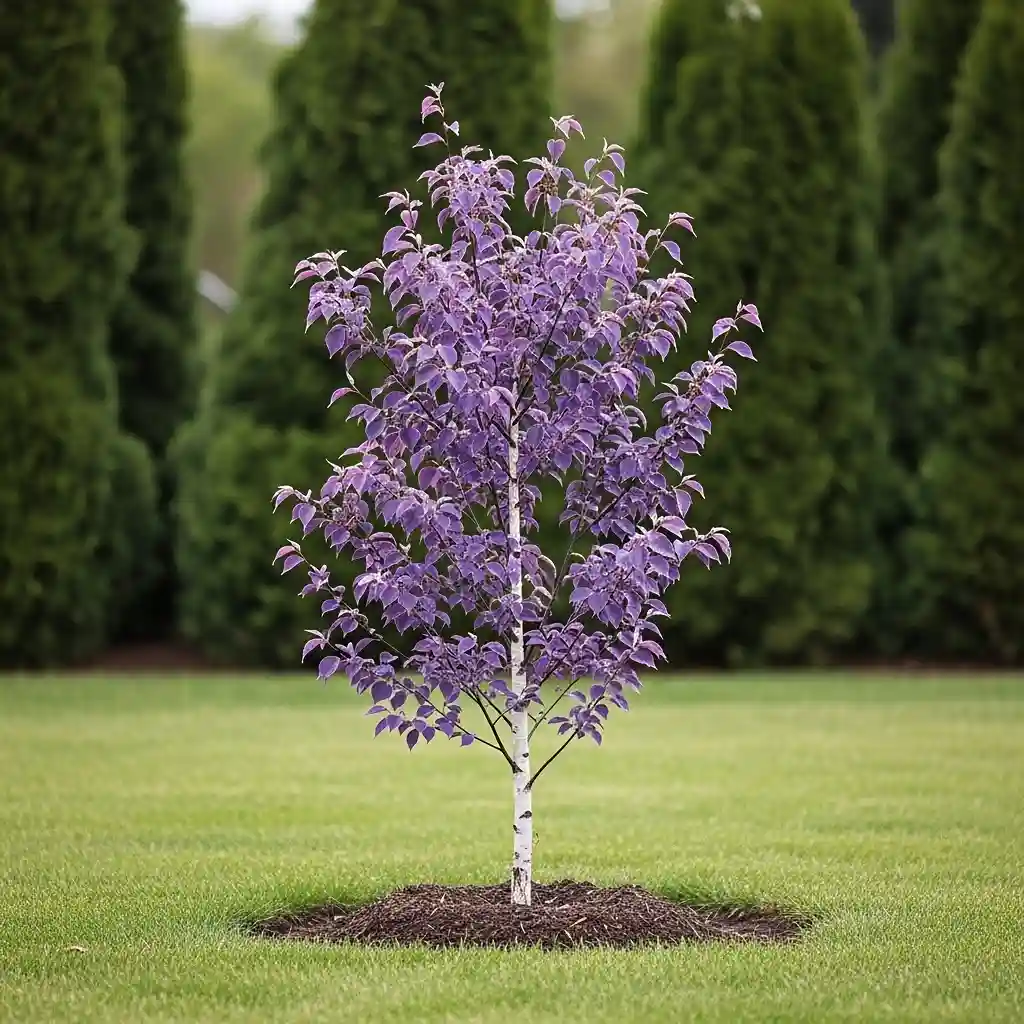
The color contrast is spectacular and makes it a “must-have” for those who want their landscape to stand out. Its foliage eventually turns a fiery red-orange in the fall, providing a long season of interest before the white bark takes center stage for the winter.
13. ‘Glowstick’ Dwarf Birch
‘Glowstick’ is a newer variety that features an upright, narrow habit with vibrant yellow-green foliage. It is a tough, adaptable plant that thrives in a variety of soil types, provided it has consistent moisture.
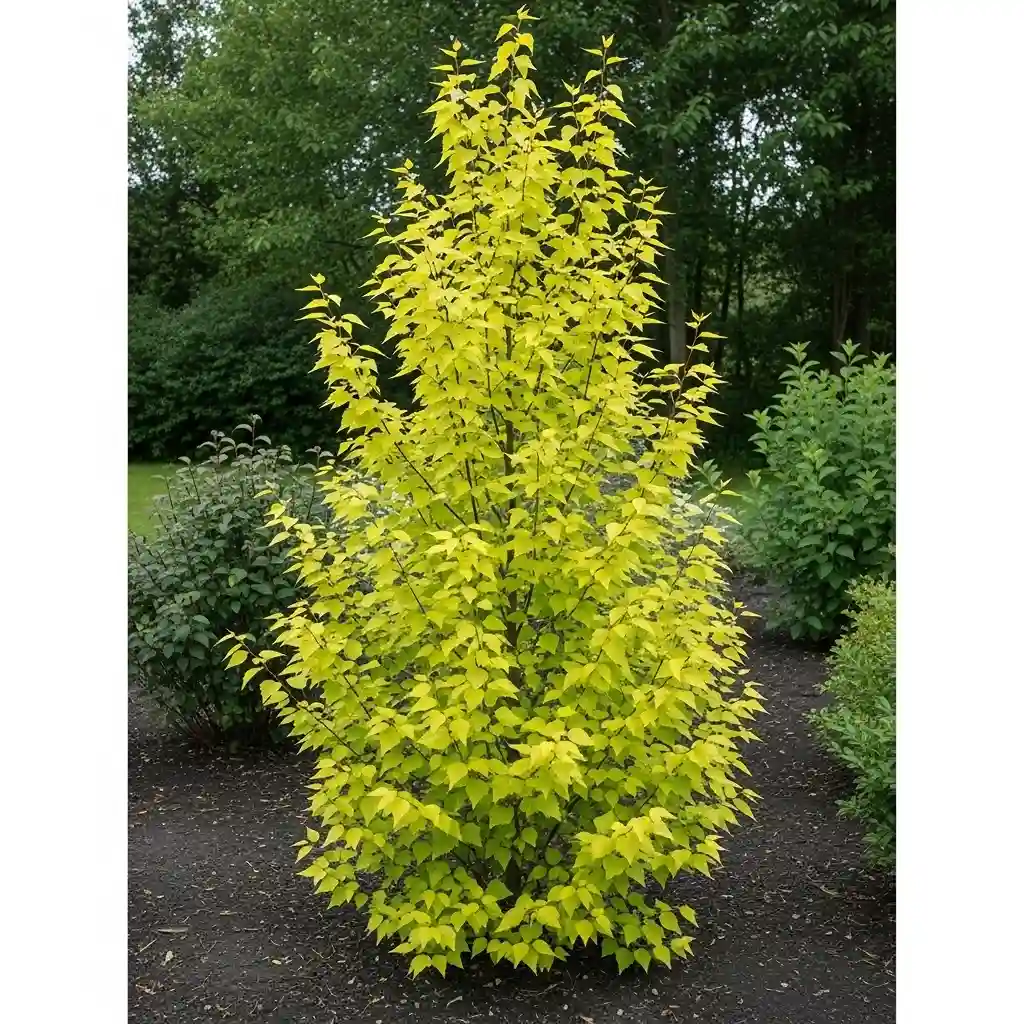
It matures at about 6–10 feet, making it a great option for a yard divider ideas. Its bright leaves act like a “glowstick” in the garden, reflecting light and making the space feel larger and more open.
14. ‘Dura Heat’ River Birch
‘Dura Heat’ is a more compact and heat-resistant version of the common River Birch. It is specifically bred to thrive in the hot, humid summers of the American South and West, making it a top pick for Phoenix and Los Angeles.
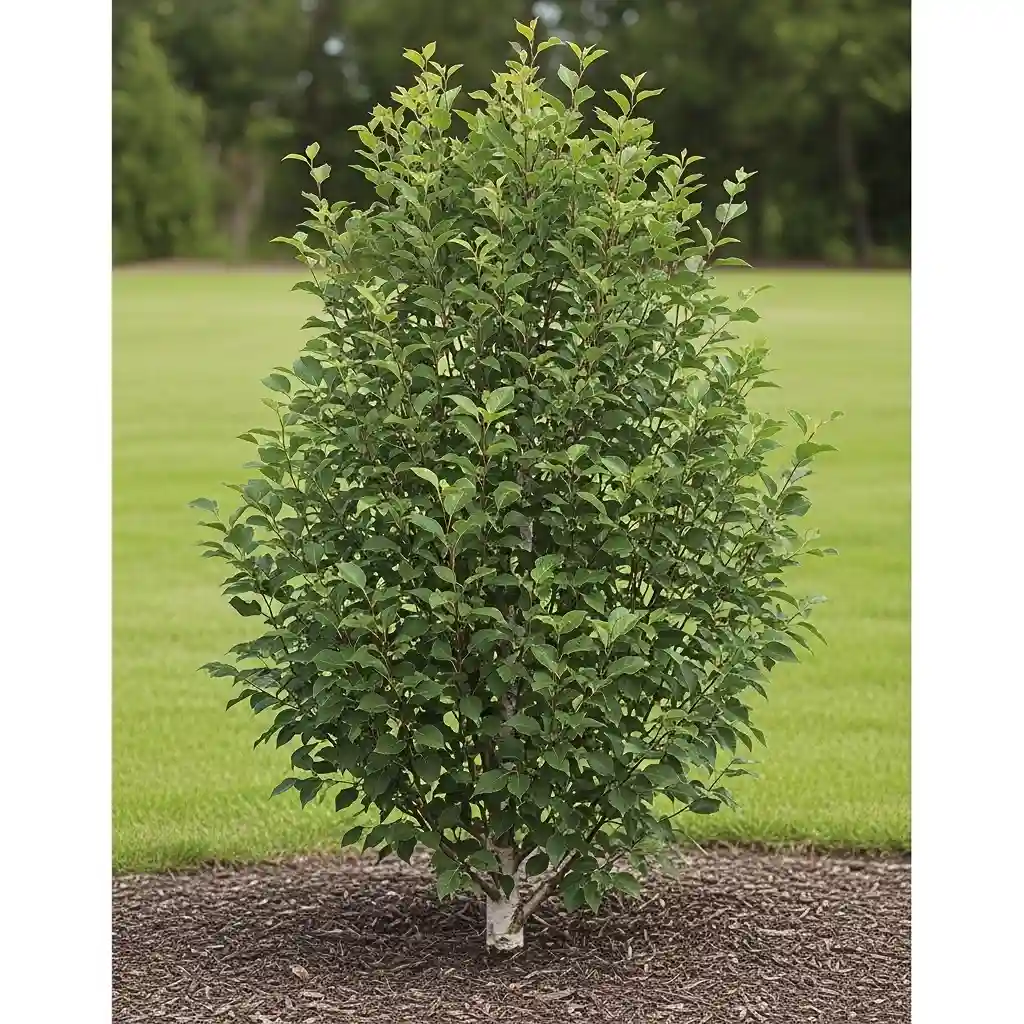
It features dense, glossy green foliage that stays healthy even in high heat. Its exfoliating bark provides a beautiful rustic garden ideas texture that looks great year-round, even when the tree is dormant.
15. ‘Shiloh Splash’ River Birch
This is a rare, variegated dwarf birch. Its leaves are edged in a clean, creamy white, giving the whole tree a frosted appearance from a distance. It is a slow grower, usually reaching 8–10 feet over ten years.
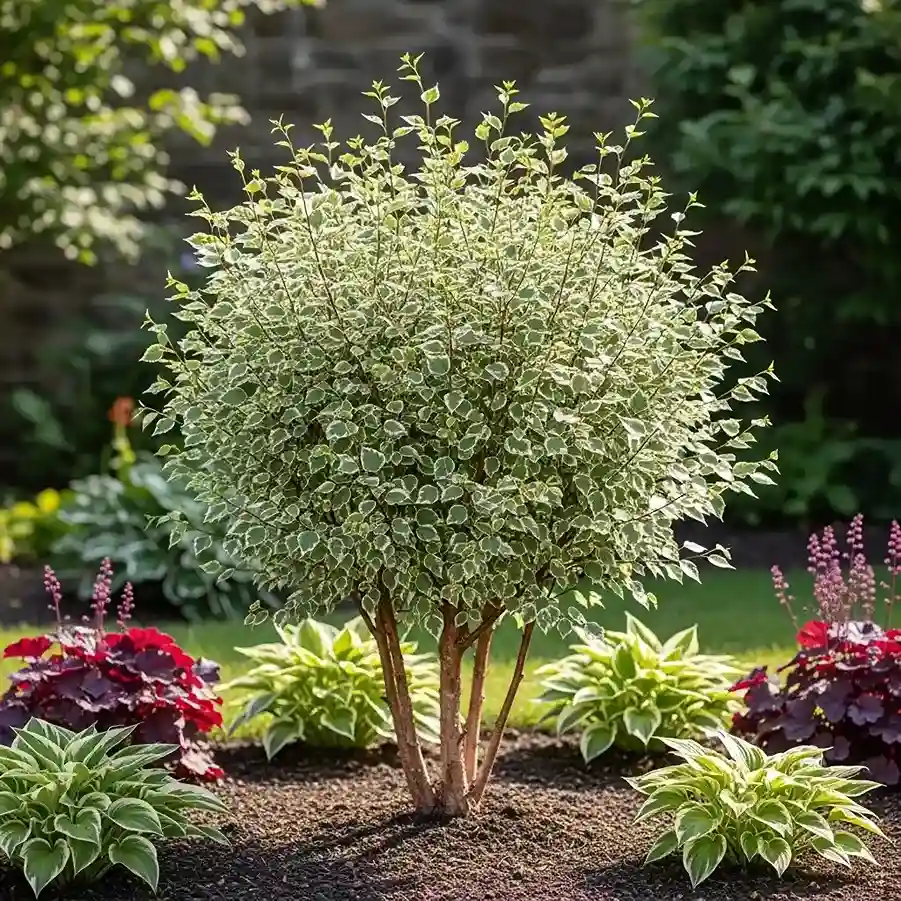
‘Shiloh Splash’ is an excellent specimen for small patios or near air purifying house plants in a sunroom transition area. Its unique color makes it a high-value plant for collectors and design enthusiasts.
16. ‘Fastigiata’ Silver Birch
The ‘Fastigiata’ variety is a narrow, “exclamation point” tree. It grows straight up with branches that hug the trunk, providing a classic birch look in a very tight space.
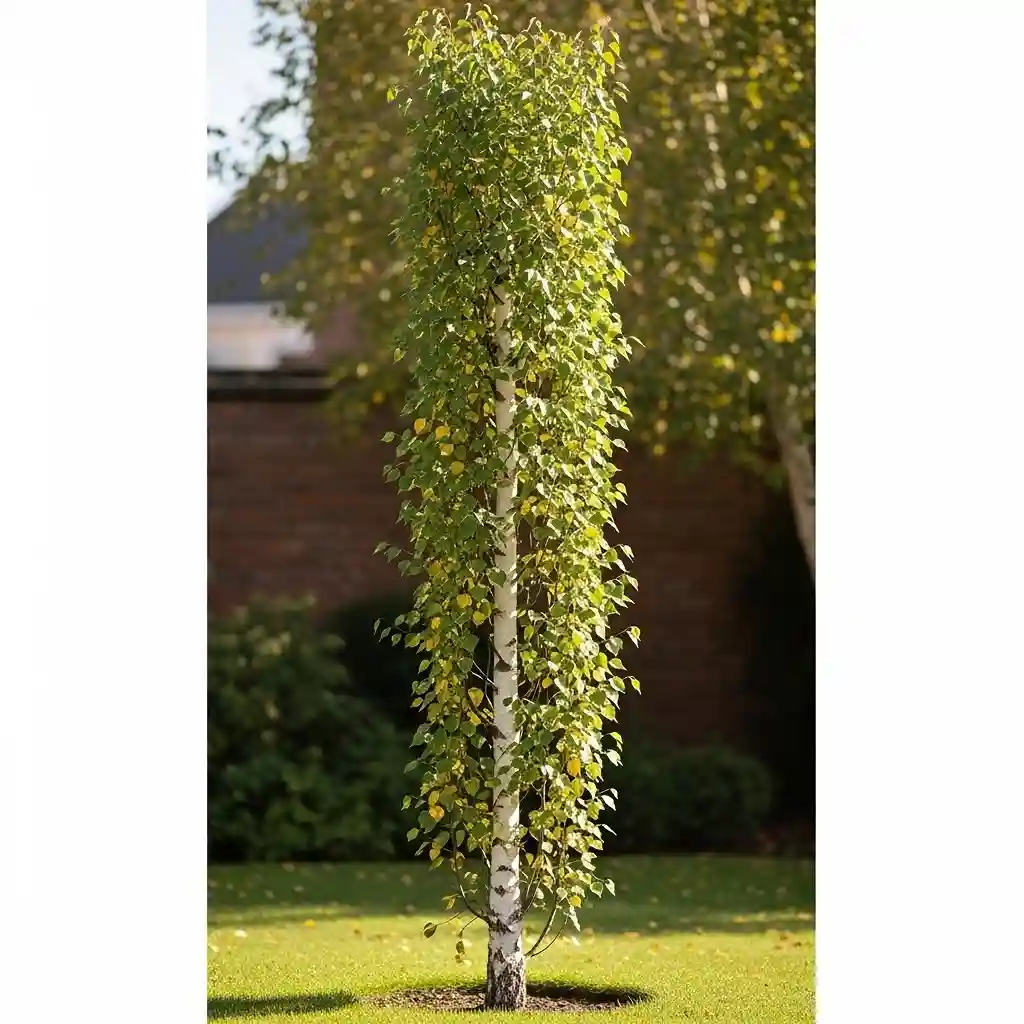
It is particularly useful for framing a view or as a vertical element in side yard landscaping ideas. Its silver-white bark and vertical lines provide a sense of order and height in even the smallest urban gardens.
Technical Data: Dwarf Birch Growth Requirements
To ensure your dwarf birch thrives, it is essential to match the variety to your regional climate and soil conditions.
| Variety | Max Height | Sunlight | Best Climate |
| Cesky Gold | 4 ft | Full Sun / Part Shade | Chicago, Denver |
| Youngii | 12 ft | Full Sun | Seattle, New York |
| Little King | 10 ft | Full Sun | Phoenix, Los Angeles |
| Nana Birch | 3 ft | Full Sun | Denver, Chicago |
Professional Design Strategies for Dwarf Birches
1. The Power of Contrast
Dwarf birches, especially those with white bark, look best when placed against a dark background. Use a dark-stained wood and wire fence or deep green evergreens like Junipers to make the bark “pop.” This is a professional design trick used in high-end New York and San Francisco gardens.
2. Moisture Management
Birches are “water lovers.” They have shallow root systems that can dry out quickly. Always apply a 2-3 inch layer of mulch around the base (but not touching the trunk) to retain moisture. If your garden is on a slope, use steep hill landscaping techniques like “berms” to capture and hold water near the roots.
3. Integrated Microclimates
Because dwarf birches stay small, they can be used to create microclimates for smaller plants. Plant moisture-loving herbs or delicate flowers under the canopy of a ‘Youngii’ weeping birch. This is a core principle of how to create mini food forest systems, where every plant supports another.
Frequently Asked Questions
Do dwarf birches have invasive roots?
No, dwarf birches have much smaller and less aggressive root systems than their full-sized counterparts. However, you should still avoid planting them directly on top of utility lines. Planting them at least 5–8 feet away from a gravel driveway guide or foundation is generally safe.
How do I protect my birch from the Bronze Birch Borer?
The best defense is a good offense: keep your tree healthy. Borers attack stressed trees. Ensure your birch gets plenty of water, especially during Phoenix or Denver heatwaves. Choosing resistant varieties like ‘Little King’ or ‘White Spire’ is also a smart “Budget-Friendly” preventative measure.
Can I grow a dwarf birch in a container?
Yes! Varieties like ‘Cesky Gold’ and ‘Nana’ are perfect for large pots. This is a great solution for side yard landscaping ideas where the ground might be too hard or paved. Just ensure the pot has excellent drainage—if your tree looks stressed, check the moisture, much like the precision needed in how to revive an orchid.
Conclusion
Incorporating one of these 16 dwarf birch varieties into your yard is a brilliant way to add texture, color, and architectural interest. By selecting a tree that fits your American hardiness zone—whether it’s the cold of Chicago or the heat of Los Angeles—you ensure a resilient and beautiful landscape for years to come.
A dwarf birch is more than just a plant; it is a living piece of diy yard decor that brings a touch of wild elegance to even the smallest urban spaces. For more inspiration on building a sustainable, beautiful garden, explore our guides on permaculture garden design and mediterranean garden layouts.