House plants have evolved from simple decorative accents to essential wellness tools that improve our daily lives in measurable ways. Research shows that living with house plants reduces anxiety, improves concentration, and creates healthier indoor environments by filtering airborne pollutants and increasing humidity levels.
In our technology-filled homes, these green companions provide crucial connections to the natural world, reminding us of seasonal rhythms and growth cycles that ground us in something larger than digital screens.
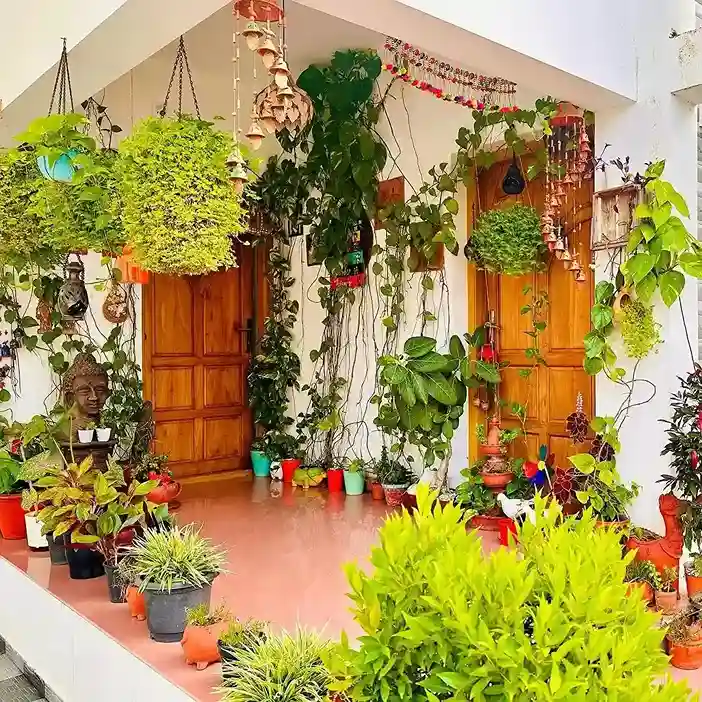
Source: @swatikaushik_84
Creating an indoor plant collection doesn’t require a green thumb or extensive botanical knowledge—it simply requires matching the right plants to your specific conditions and lifestyle. While trending landscaping ideas focus on outdoor transformations, house plants revolutionize interior spaces with similar dramatic impact.
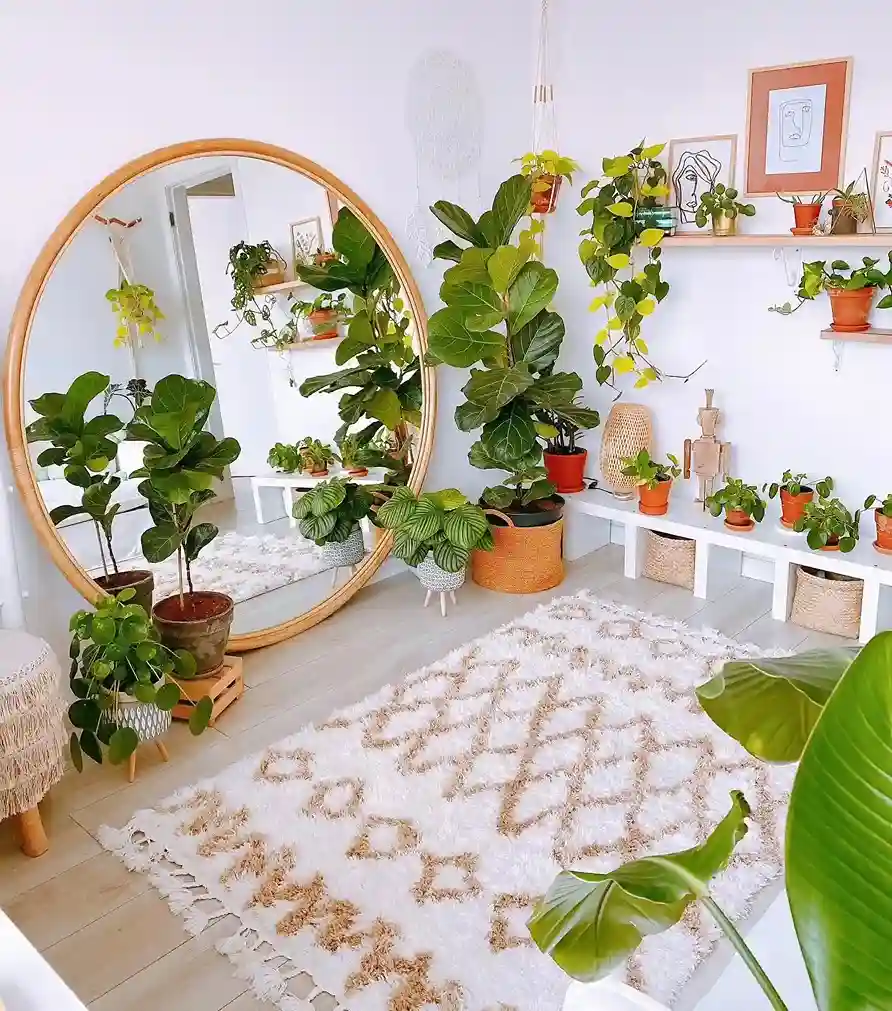
Source: @iconjanehome
Whether you’re seeking low-maintenance greenery for a busy schedule or showstopping specimens to anchor your décor, understanding plant needs and selecting appropriate varieties ensures success. This guide presents diverse house plants organized by care level and growing requirements to help you build a thriving indoor garden.
1. Golden Pothos for Beginner Success
Golden pothos ranks among the most forgiving house plants, tolerating neglect, low light, and irregular watering while producing lush, trailing vines. Its heart-shaped leaves feature attractive yellow variegation that brightens dim corners, offices, or bathrooms. This fast-growing vine can cascade 10 feet from shelves or climb moss poles indoors.
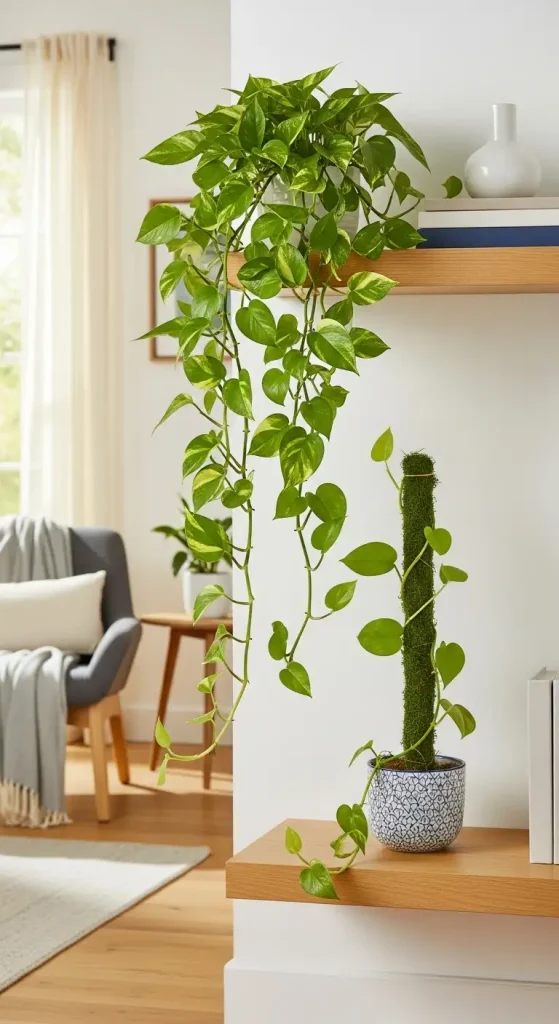
Place in low to bright indirect light, noting that brighter conditions intensify variegation while lower light produces more solid green leaves. Water every 7-10 days when top soil feels dry, reducing frequency in winter when growth slows. Pothos propagates effortlessly in water, allowing you to create unlimited plants from single stems.
2. Chinese Evergreen for Colorful Shade
Chinese evergreens deliver vibrant foliage patterns in combinations of pink, red, silver, and green while tolerating low-light conditions that challenge most colorful plants. These compact beauties grow 1-3 feet tall, making them perfect for desks, tables, or floor displays. Their tolerance of neglect and dim spaces makes them ideal for offices or basement rooms.
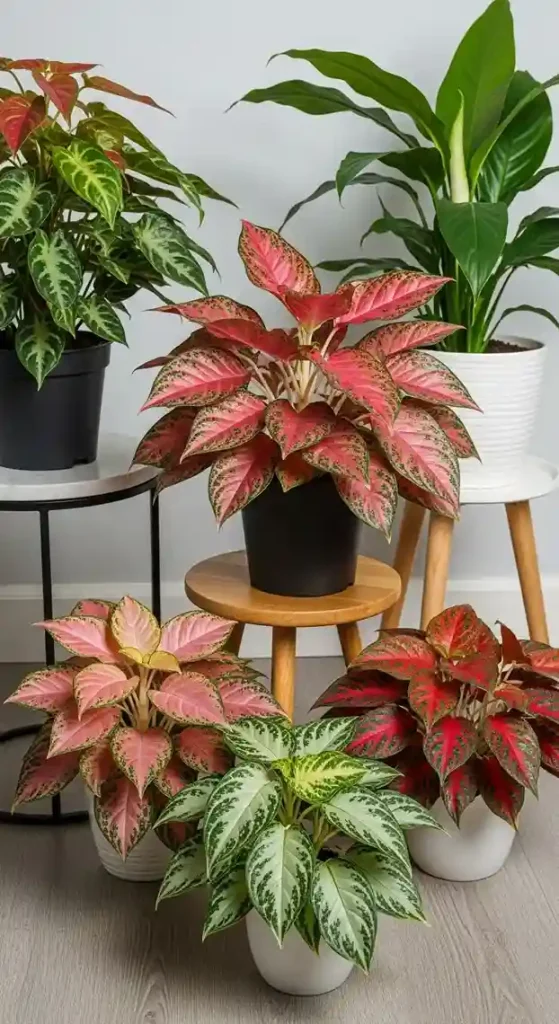
Keep soil slightly moist by watering when the top inch dries, reducing frequency during cooler months. Chinese evergreens prefer warm temperatures above 60°F and appreciate occasional misting in dry environments. They grow slowly and rarely need repotting, thriving when slightly rootbound in containers just larger than root balls.
3. Boston Fern for Humidity-Loving Elegance
Boston ferns create soft, romantic atmospheres with graceful, arching fronds covered in delicate leaflets. These classic house plants thrive in high-humidity environments like bathrooms or kitchens where other plants struggle. They grow 2-3 feet wide in hanging baskets, adding Victorian charm and air-purifying benefits to humid spaces.
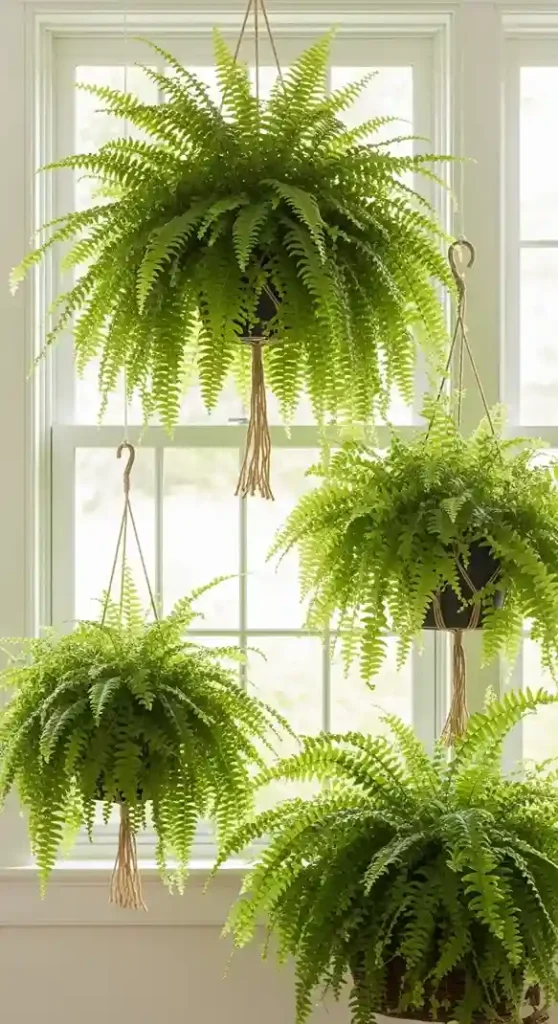
Maintain consistently moist soil without waterlogging roots, watering more frequently during active growth in spring and summer. Provide bright, indirect light and mist daily or use pebble trays to increase humidity around plants. Trim brown fronds at the base and refresh plants by cutting back heavily in early spring for renewed growth.
4. Jade Plant for Heirloom Beauty
Jade plants develop into miniature trees with thick, succulent leaves and substantial trunks that become family heirlooms passed through generations. These slow-growing succulents can live decades with minimal care, developing character and gnarled beauty similar to bonsai specimens. They grow 2-4 feet tall, requiring infrequent attention while rewarding patience with longevity.
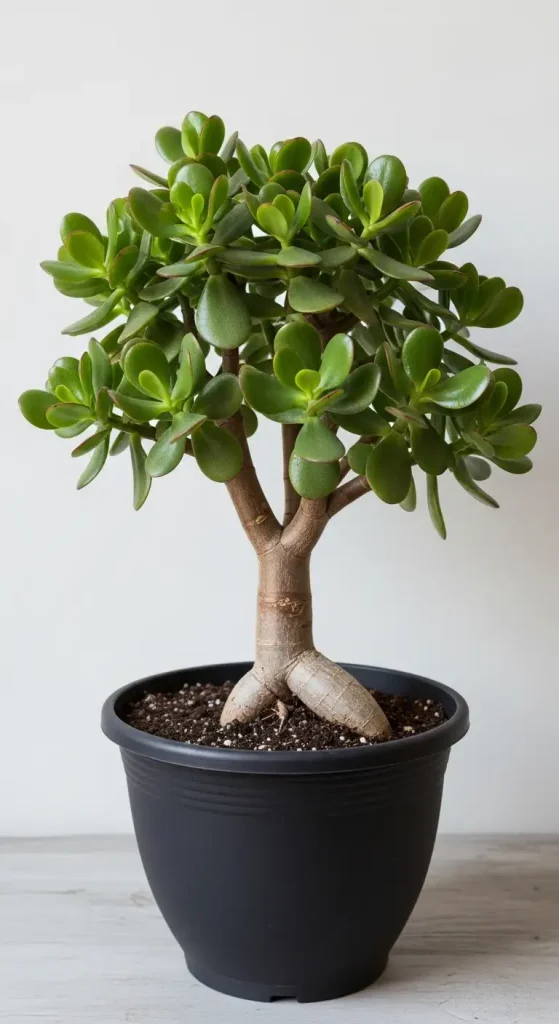
Provide bright light including some direct morning sun for compact growth and potential red leaf margins. Water thoroughly only when soil dries completely, often just once or twice monthly. Jade plants prefer cool nighttime temperatures and benefit from summer outdoor vacations that strengthen growth and encourage potential flowering.
5. Cast Iron Plant for Extreme Conditions
Cast iron plants earn their name through legendary tolerance of deep shade, temperature extremes, neglect, and poor air quality. These indestructible house plants produce dark green, lance-shaped leaves reaching 2-3 feet tall even in challenging locations where most plants fail. They’re perfect for dim hallways, drafty entryways, or forgotten corners needing greenery.
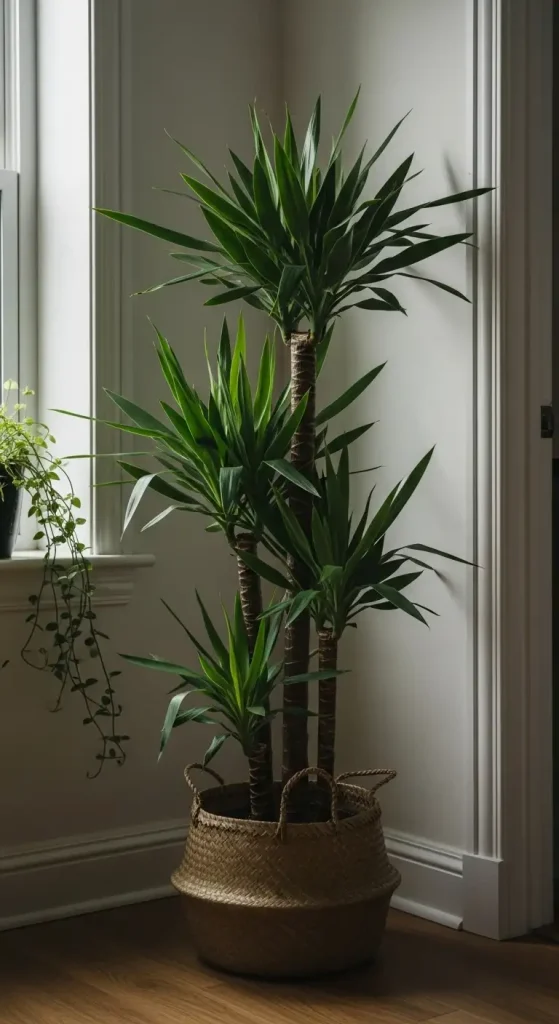
Water when soil becomes significantly dry, tolerating both occasional drought and overwatering without major complaints. Cast iron plants grow in almost any light level from deep shade to bright indirect, though growth remains slow regardless. They need minimal fertilizing and infrequent repotting, maintaining attractive appearance with virtually no intervention required.
6. Parlor Palm for Compact Tropical Feel
Parlor palms bring tropical elegance to small spaces with delicate, feathery fronds on compact forms growing just 3-4 feet tall. These Victorian favorites tolerate low light better than most palms while adapting to average indoor humidity and temperatures. They add graceful, airy texture to tabletops or floor displays without overwhelming limited square footage.
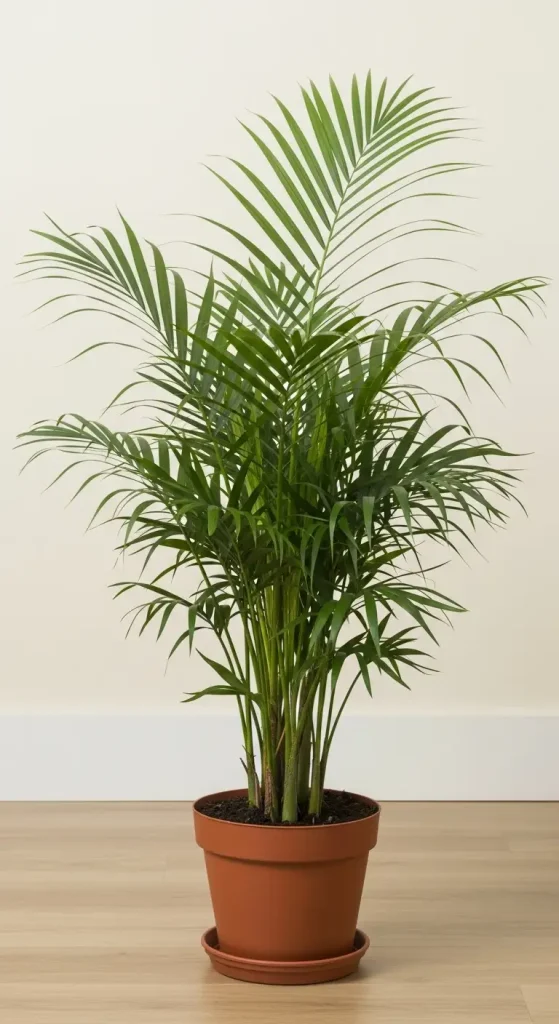
Water when soil surface feels dry, maintaining slight moisture without soggy conditions that cause root rot. Parlor palms adapt to fluorescent office lighting and prefer temperatures between 65-80°F. They rarely need repotting and actually prefer slightly crowded conditions, thriving when rootbound in containers just accommodating root systems.
7. Calathea for Living Art
Calatheas display nature’s artistry through intricately patterned leaves featuring stripes, spots, or painterly designs in purple, pink, cream, and green combinations. These tropical beauties exhibit nyctinasty—folding leaves upward at night and reopening mornings—creating fascinating daily movement. They grow 1-2 feet tall, demanding higher care but rewarding attention with unmatched foliage beauty.
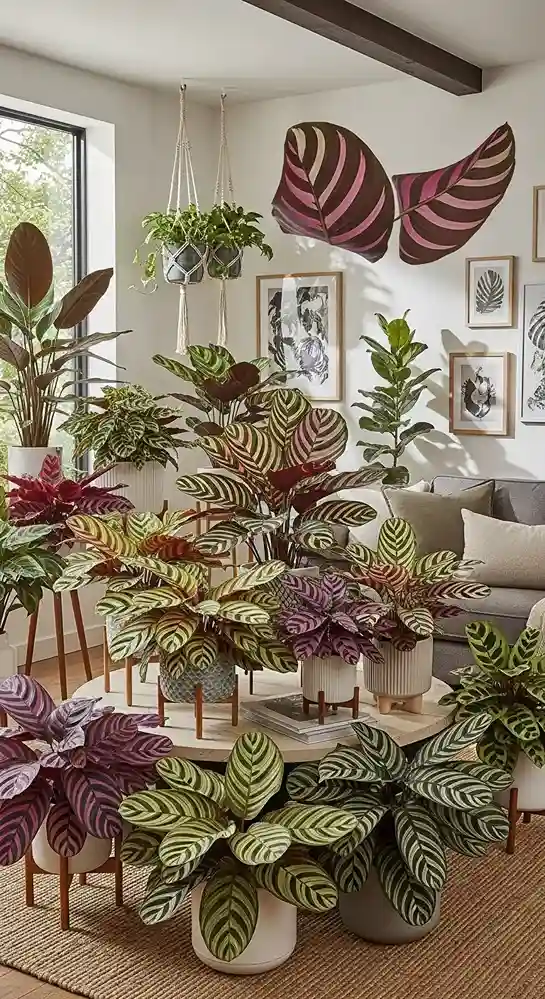
Provide medium, indirect light as bright conditions fade patterns while low light stunts growth and reduces variegation. Keep soil consistently moist using filtered or rainwater to prevent brown leaf edges from mineral buildup. Calatheas require high humidity from misting, humidifiers, or pebble trays, making them challenging but worthwhile for dedicated plant enthusiasts.
8. Areca Palm for Air-Purifying Height
Areca palms produce graceful, arching fronds with feathery leaflets that sway gently in air currents, adding movement and tropical atmosphere. These air-purifying palms grow 6-7 feet indoors, filling vertical space while removing toxins and releasing moisture that naturally humidifies dry indoor air. They’re less temperamental than many palm species, adapting to typical home conditions.
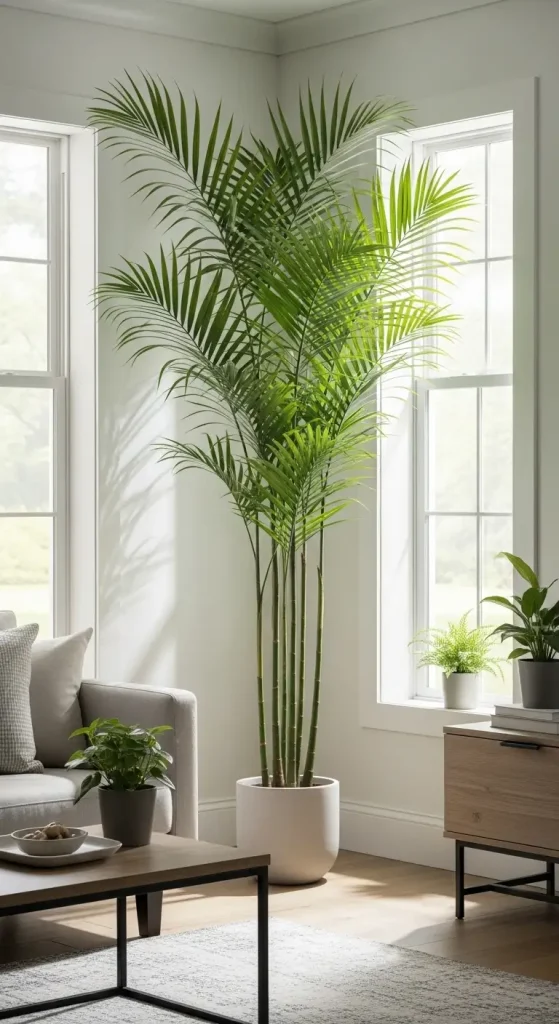
Water when the top inch of soil dries, maintaining slight moisture throughout the growing season and reducing frequency in winter. Areca palms appreciate humidity and benefit from occasional misting or humidity trays beneath pots. Fertilize monthly spring through summer with palm-specific fertilizer, and watch for spider mites in excessively dry conditions.
9. Peperomia Varieties for Compact Collections
Peperomias encompass hundreds of species with wildly diverse appearances from watermelon-patterned to rippled, succulent-like textures in various colors. These compact house plants grow just 6-12 inches tall, fitting windowsills, desks, or small shelves perfectly. Their miniature size and vast variety make collecting different species irresistibly addictive for enthusiasts.
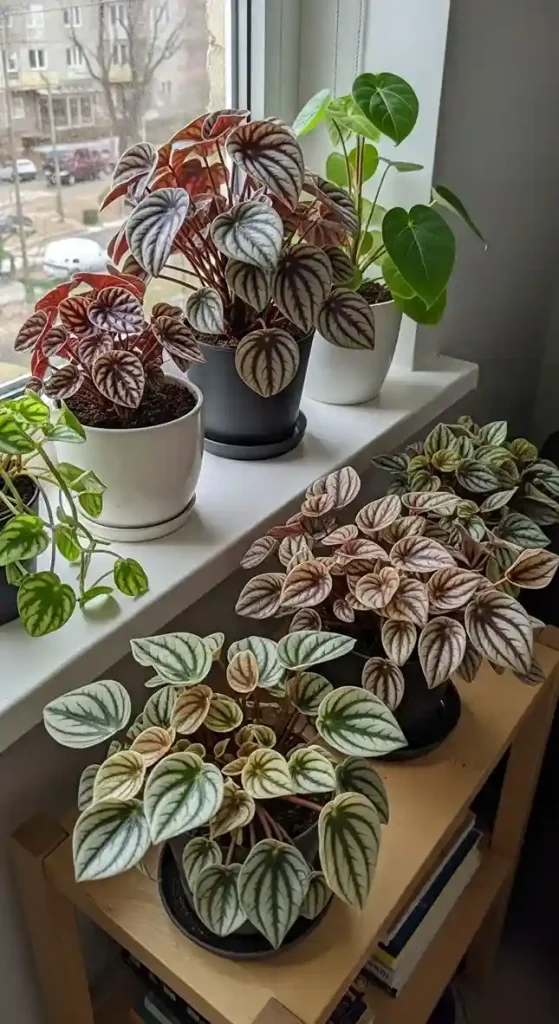
Water moderately, allowing soil to dry between waterings as fleshy stems and leaves store moisture efficiently. Peperomias tolerate low to bright indirect light, adapting to various exposures while maintaining compact growth. They prefer warmer temperatures above 60°F and rarely need fertilizing or repotting, thriving with minimal intervention in slightly crowded pots.
10. String of Pearls for Sculptural Interest
String of pearls produces trailing stems adorned with spherical, bead-like leaves creating unique, architectural cascades from hanging baskets or shelf edges. This unusual succulent grows several feet long, offering conversation-starting beauty in bright locations. Its distinctive appearance and easy care make it highly sought after among collectors and design enthusiasts.
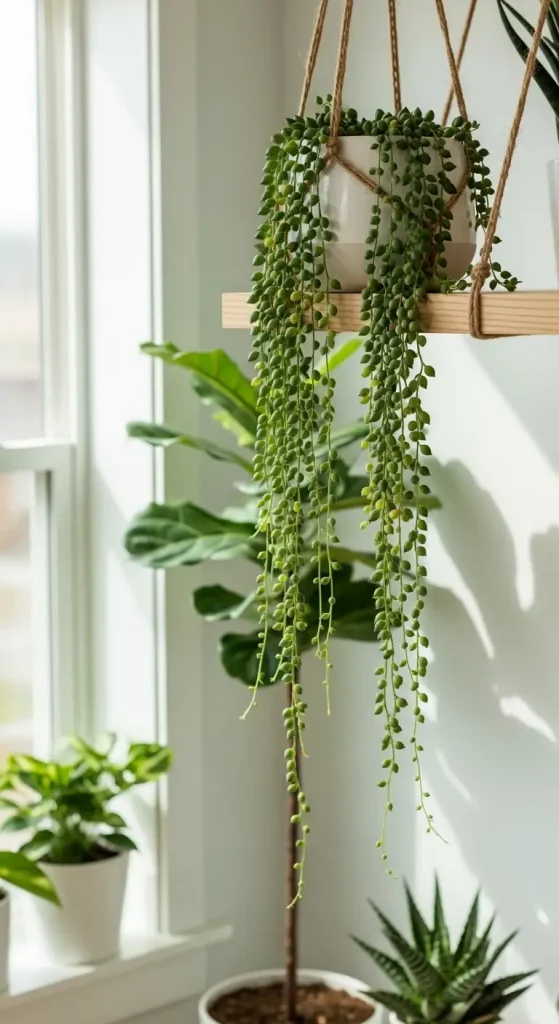
Provide bright, indirect to direct light for tight, compact bead formation along stems. Water sparingly when beads begin wrinkling slightly, indicating the plant needs moisture. Use fast-draining succulent soil and containers with drainage holes to prevent root rot. String of pearls propagates easily from stem cuttings for expanding your collection or sharing.
11. African Violet for Year-Round Blooms
African violets produce velvety leaves and cheerful flowers in purple, pink, white, red, or bi-colored combinations almost continuously with proper care. These compact house plants grow just 6-8 inches wide, fitting windowsills and small spaces perfectly. They bloom reliably year-round without seasonal dormancy, providing consistent color when other plants rest.
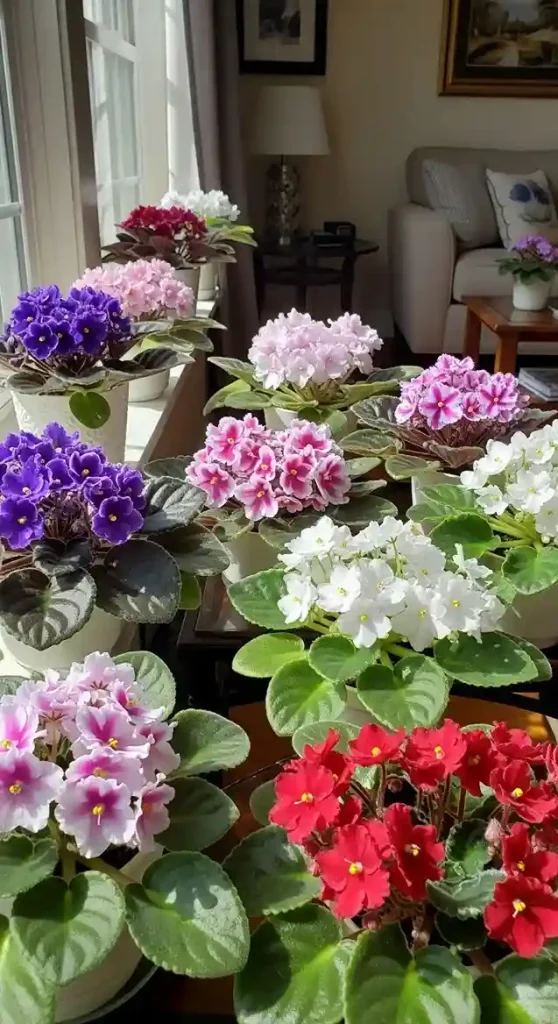
Provide bright, indirect light from east or north windows and water from below by setting pots in water-filled saucers to avoid spotting leaves. African violets prefer consistent temperatures around 70°F and moderate humidity. Use specialized African violet fertilizer and potting mix formulated for their specific needs, removing spent flowers regularly to encourage continuous blooming.
12. Hoya Varieties for Fragrant Flowers
Hoyas produce thick, waxy leaves on vining stems that eventually bloom with clusters of star-shaped, often fragrant flowers. These low-maintenance house plants tolerate neglect and bloom more prolifically when rootbound and slightly stressed. Varieties range from compact to trailing, with foliage spanning solid green to variegated or even rope-like textures.
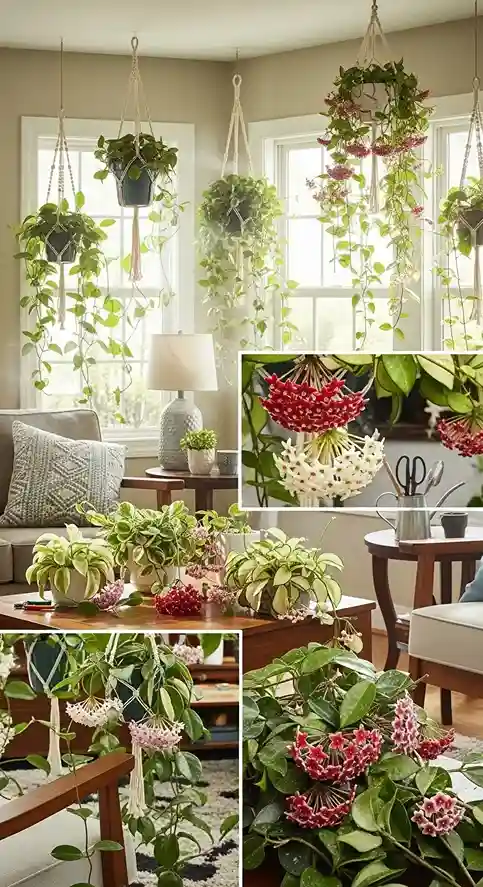
Water when soil dries substantially, as hoyas prefer drying between waterings and tolerate drought better than overwatering. Provide bright, indirect light for best flowering potential and avoid moving plants once flower buds form. Hoyas grow slowly but reward patience with long-lived beauty and increasingly spectacular blooms as plants mature over years.
13. Aloe Vera for Practical Beauty
Aloe vera combines ornamental appeal with practical benefits, producing thick, succulent leaves containing soothing gel for minor burns and skin irritations. This useful house plant grows 1-2 feet tall in bright light, producing offsets that separate easily for propagation. Its medicinal properties and minimal care requirements make it both attractive and functional.
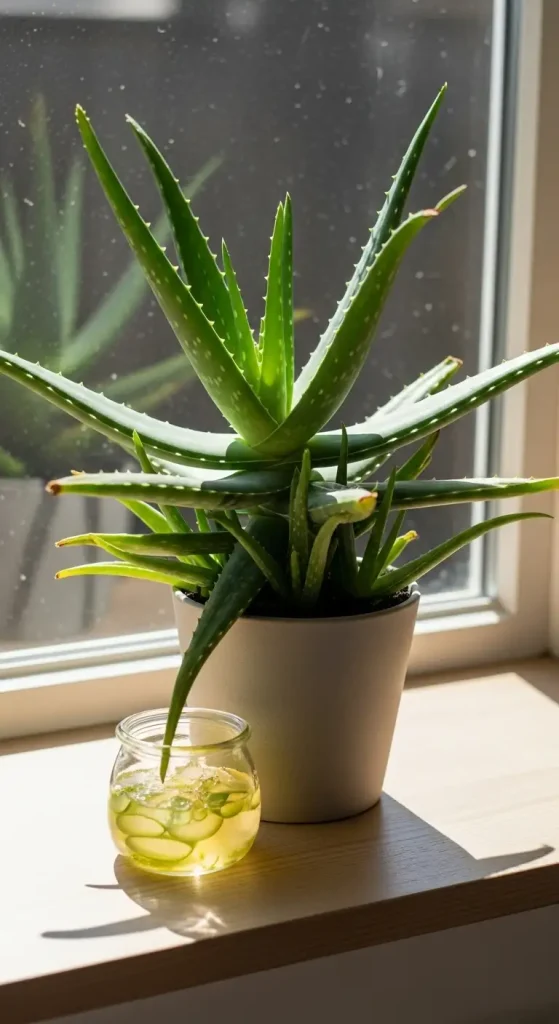
Grow in bright, indirect to direct light using well-draining cactus or succulent soil mixtures. Water deeply but infrequently, allowing soil to dry completely between waterings to prevent root rot. Aloe tolerates neglect far better than excessive attention and rarely needs fertilizing. Harvest gel from outer leaves as needed for medicinal use.
14. Orchid for Exotic Elegance
Phalaenopsis orchids produce elegant, long-lasting flower spikes in white, pink, purple, yellow, or multicolored patterns that bloom for months. These epiphytic house plants grow in bark medium rather than soil, requiring different care than typical plants. Despite their exotic reputation, they’re relatively straightforward with proper understanding of their unique needs.
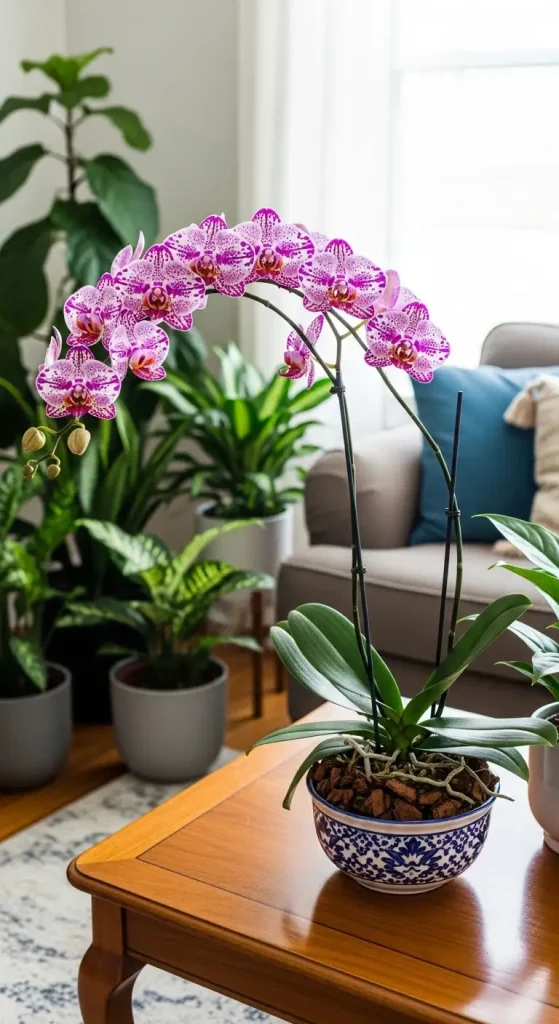
Provide bright, indirect light and water weekly by soaking roots in water for 10-15 minutes, then draining completely to prevent rot. Orchids prefer humidity and good air circulation around roots. After flowers fade, cut spikes above visible nodes to encourage reblooming. Fertilize monthly with diluted orchid-specific fertilizer during active growth for best flowering.
15. Rubber Tree for Bold Statements
Rubber trees feature large, glossy, oval leaves in burgundy, dark green, or variegated patterns on substantial trunks. These bold house plants grow 6-10 feet indoors, creating dramatic vertical presence in bright rooms with high ceilings. Their architectural form and low-maintenance nature suit modern interiors perfectly when given adequate space.
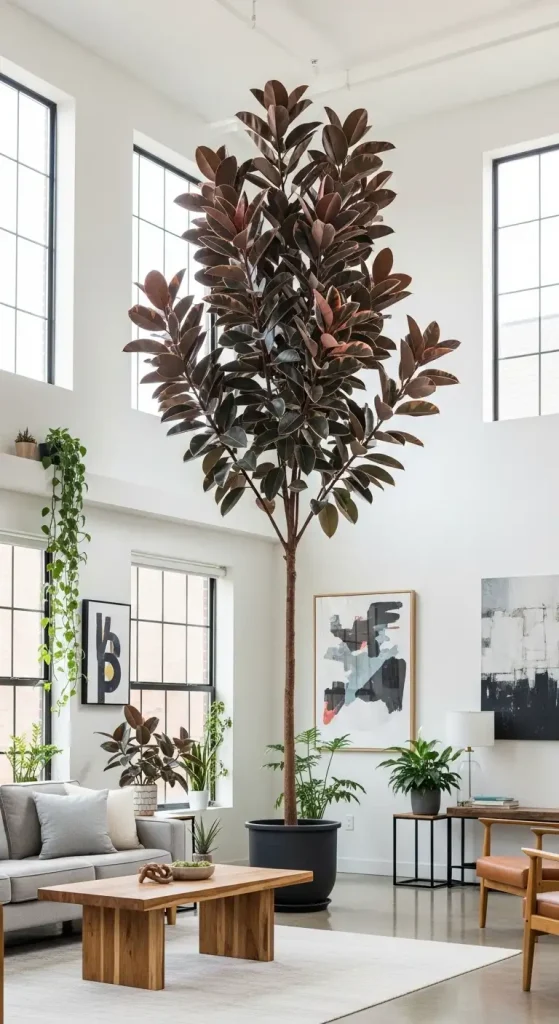
Place near bright windows with filtered light, protecting from direct sun that burns leaves. Water thoroughly when the top 2 inches of soil dry completely, allowing excess to drain freely. Wipe leaves monthly with damp cloths to maintain glossy appearance and remove dust that blocks photosynthesis. Prune to control size and encourage branching for fuller forms.
16. Nerve Plant for Colorful Ground Cover
Nerve plants display intricate vein patterns in white, pink, or red against green leaves, creating striking contrast on compact plants. These low-growing house plants reach just 6-12 inches tall, perfect for terrariums, dish gardens, or decorative containers. They add bold color and pattern to small spaces without requiring extensive square footage.
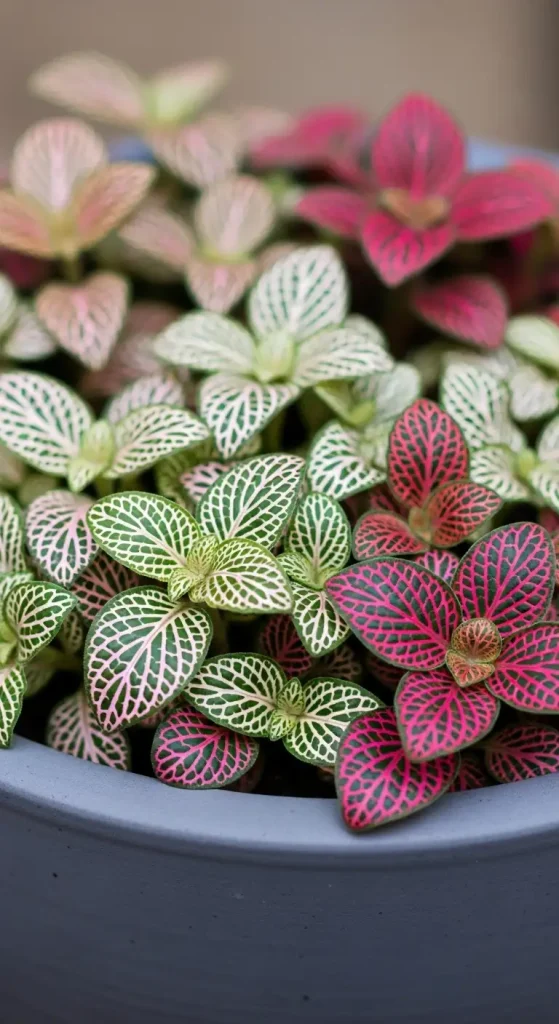
Keep soil consistently moist as nerve plants wilt dramatically when too dry but recover quickly after watering. Provide medium to bright indirect light and high humidity from misting or pebble trays. They prefer warm temperatures and actually benefit from occasional trimming that encourages bushier, fuller growth. Nerve plants propagate easily from stem cuttings in water or soil.
17. Anthurium for Continuous Color
Anthuriums produce glossy, heart-shaped spathes in red, pink, white, coral, or burgundy above attractive foliage, blooming almost continuously with proper care. These tropical house plants grow 1-2 feet tall, adding exotic color to bright rooms year-round. Their long-lasting spathes provide months of display, making them excellent value for decorative impact.
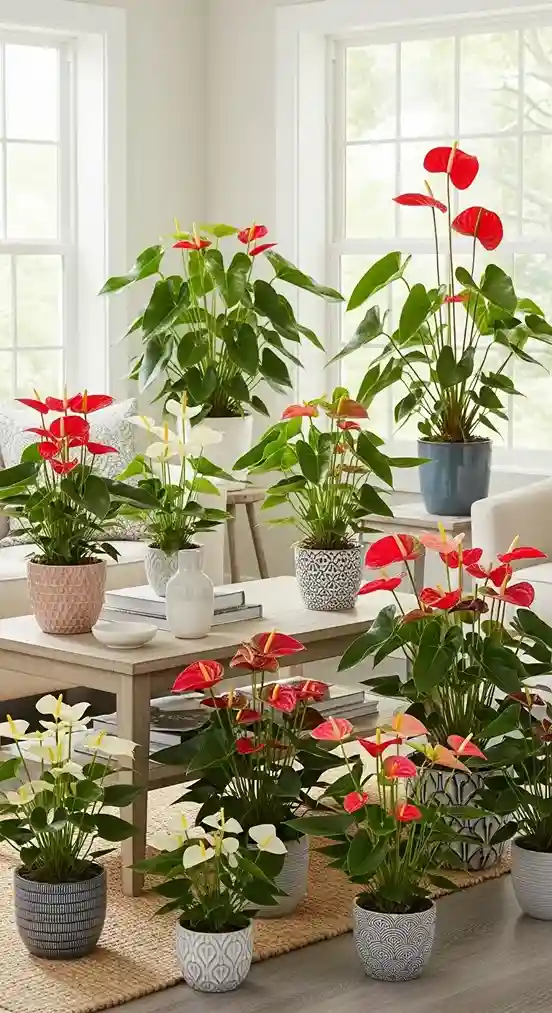
Provide bright, indirect light and maintain consistently moist but never soggy soil throughout the year. Anthuriums need high humidity from regular misting or humidity trays for optimal growth and flowering. Fertilize monthly with diluted liquid fertilizer during active growth, and remove spent blooms at the base to encourage new flower production.
18. English Ivy for Trailing Versatility
English ivy produces cascading or climbing vines with classic lobed leaves in solid green or variegated white-and-green patterns. This versatile house plant grows in hanging baskets, trails from shelves, or climbs supports with aerial roots. It tolerates cooler temperatures better than most tropical house plants, thriving in unheated rooms or breezy entryways.
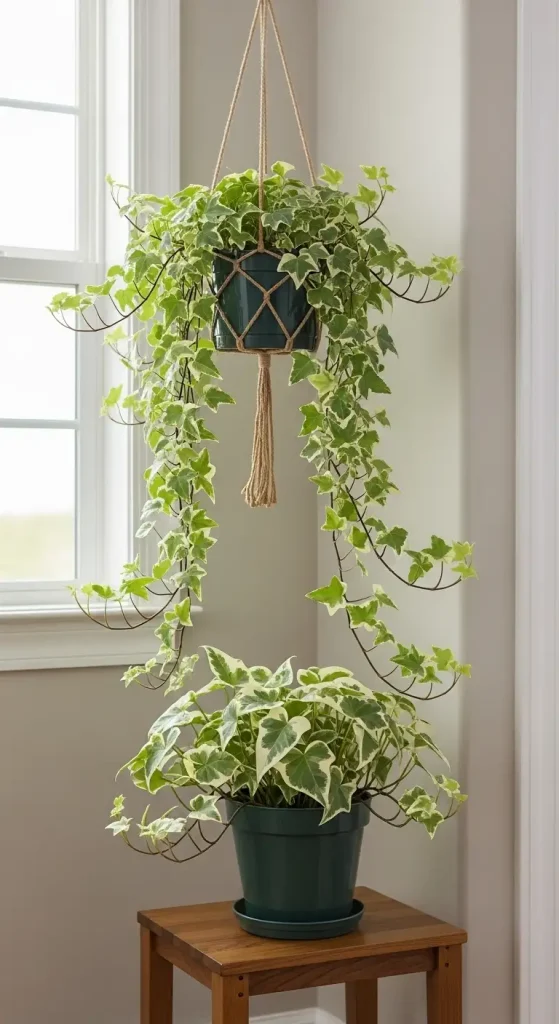
Grow in bright to moderate indirect light, watering when the soil surface dries completely. English ivy prefers cooler temperatures between 50-70°F and appreciates good air circulation that prevents pest problems. Trim regularly to control growth, encourage bushiness, and prevent legginess. Watch for spider mites in warm, dry conditions and increase humidity if infestations develop.
19. Prayer Plant for Evening Movement
Prayer plants fold their beautifully patterned leaves upward each evening, creating fascinating daily movement that delights observers. These compact house plants feature oval leaves with intricate patterns in combinations of green, purple, pink, and cream. They grow 6-12 inches tall, spreading slowly to form attractive mounds perfect for containers or terrariums.
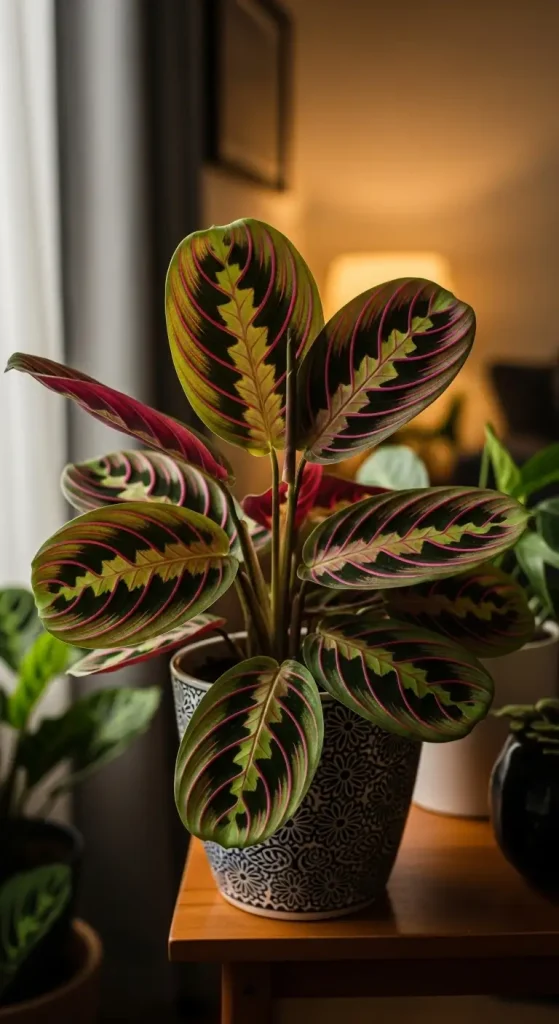
Provide medium, indirect light as bright conditions fade delicate leaf patterns while deep shade reduces variegation. Keep soil consistently moist using filtered water to prevent brown leaf edges from mineral sensitivity. Prayer plants require high humidity and warm temperatures, thriving in bathrooms or near humidifiers where moisture levels remain consistently elevated throughout the year.
20. Croton for Rainbow Foliage
Crotons display some of the most colorful foliage in the plant kingdom, with leaves featuring combinations of yellow, orange, red, purple, and green in swirls, spots, or veins. These bold house plants grow 2-4 feet indoors, creating tropical focal points in bright rooms. Their intense colors rival any flower for visual impact and remain vibrant year-round.
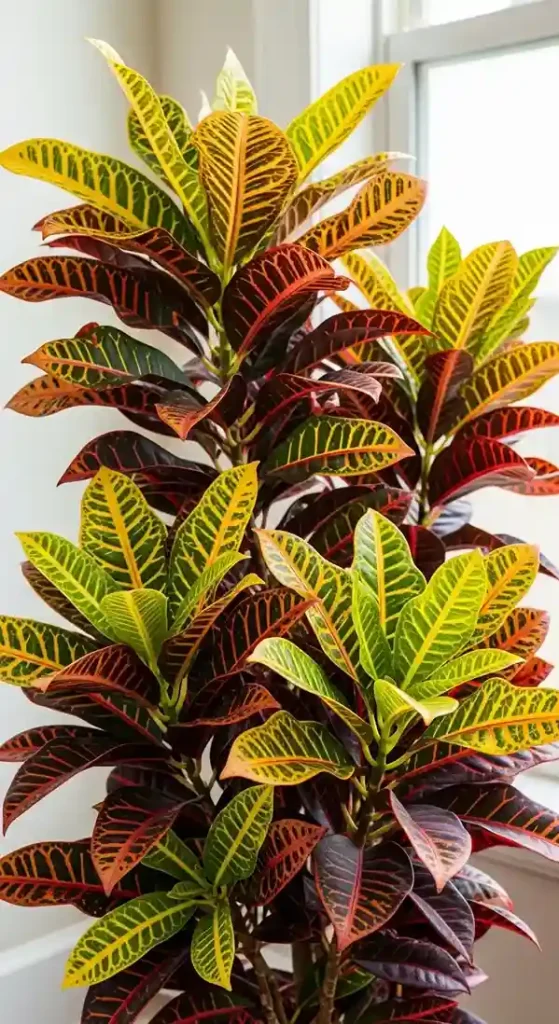
Provide very bright, indirect light for maximum color intensity—insufficient light causes fading and leaf drop. Water when the top inch of soil dries and maintain warm temperatures above 60°F consistently. Crotons appreciate high humidity and benefit from regular misting or pebble trays. They’re somewhat demanding but reward proper care with unmatched foliage color.
21. Dieffenbachia for Tropical Screening
Dieffenbachias produce large, variegated leaves with cream, white, or yellow patterns against green backgrounds. These upright house plants grow 3-5 feet tall, creating privacy screens or tropical focal points in bright rooms. Their bold foliage and substantial size make impressive statements while tolerating average indoor conditions reasonably well.
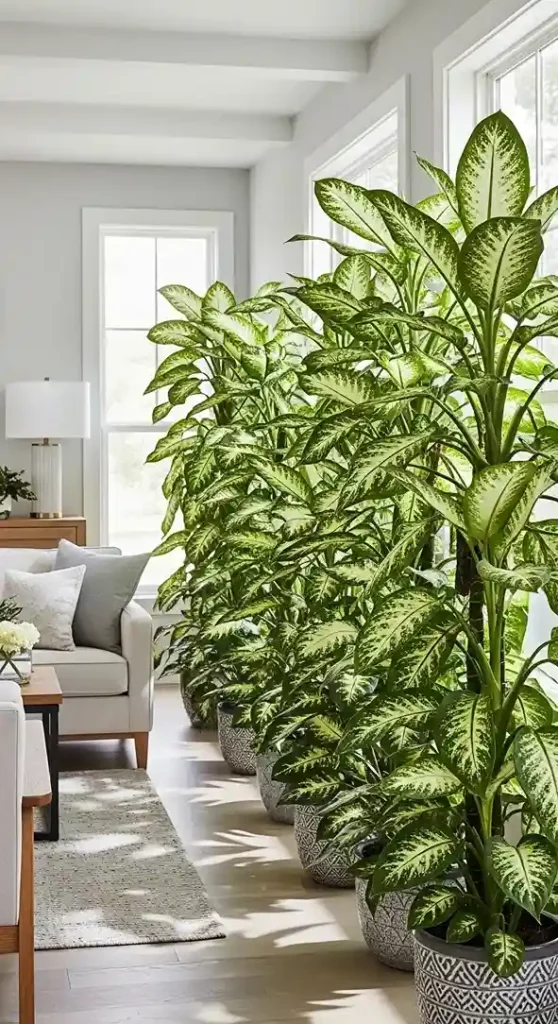
Water when the top 2 inches of soil dry, maintaining consistent moisture during active growth in spring and summer. Dieffenbachias prefer bright, indirect light and warm temperatures with moderate humidity. Wipe large leaves regularly to remove dust and maintain their glossy, variegated appearance. Note that all plant parts are toxic if ingested, so keep away from pets and children.
22. Schefflera for Easy-Care Height
Scheffleras, commonly called umbrella plants, produce glossy compound leaves arranged like umbrella spokes on upright stems. These adaptable house plants tolerate various light conditions and grow 4-6 feet indoors, providing vertical interest without excessive width. Their tolerance of neglect and ability to adapt makes them excellent for beginners or busy households.
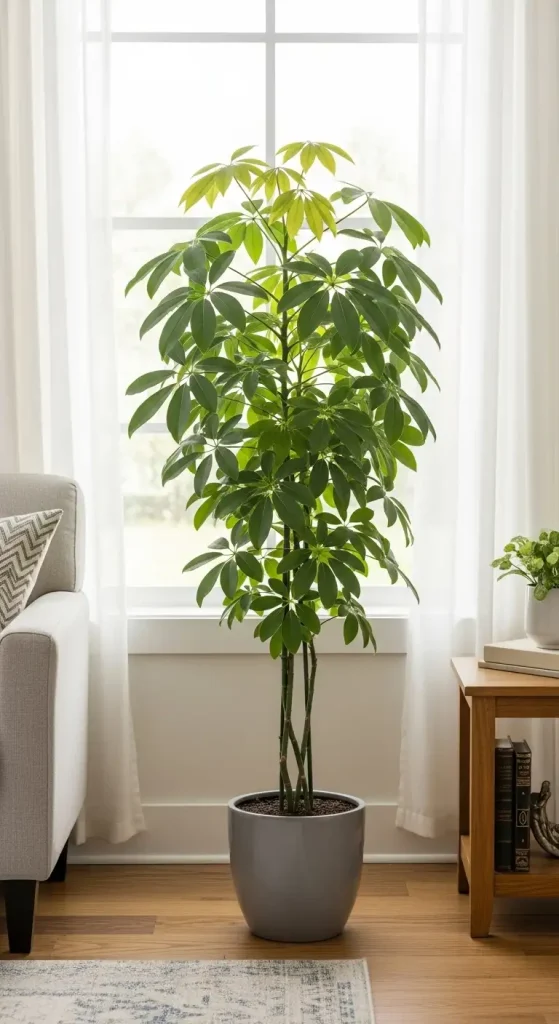
Provide bright, indirect light for best growth, though scheffleras tolerate lower light by growing more slowly. Water when the top 2-3 inches of soil dry completely, reducing frequency in lower light or winter. They adapt to average household humidity and temperature ranges. Prune regularly to control size and encourage bushier, fuller growth rather than tall, leggy forms.
23. Succulents for Minimalist Care
Succulent varieties including echeveria, haworthia, and sempervivum store water in fleshy leaves, tolerating extended dry periods between waterings. These compact house plants feature diverse colors, forms, and textures perfect for sunny windowsills or grouped dish gardens. They grow slowly and require minimal intervention while providing architectural interest and sculptural beauty.
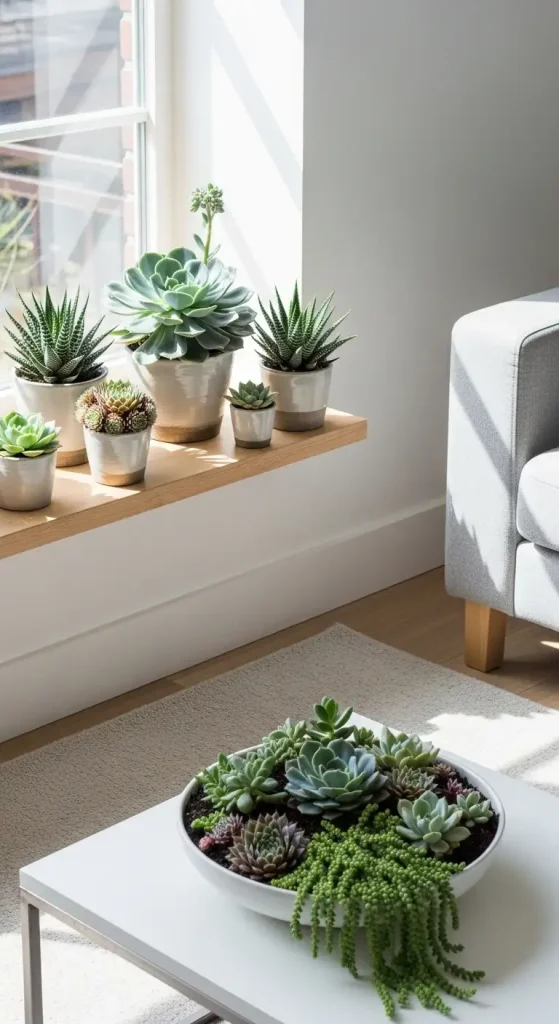
Provide bright, direct light for compact growth and vibrant colors that fade in insufficient light. Water deeply but infrequently, only when soil completely dries—often just once or twice monthly. Use fast-draining cactus soil and containers with drainage holes. Succulents need minimal fertilizing and thrive on benign neglect, making them ideal for forgetful or busy plant owners.
24. Arrowhead Vine for Changing Forms
Arrowhead vines produce arrow-shaped leaves that change form as plants mature, transitioning from compact clumps to climbing vines. Available in green, pink, white, or variegated combinations, these adaptable house plants grow in water or soil. They tolerate low light while providing attractive foliage that evolves over time as plants develop.
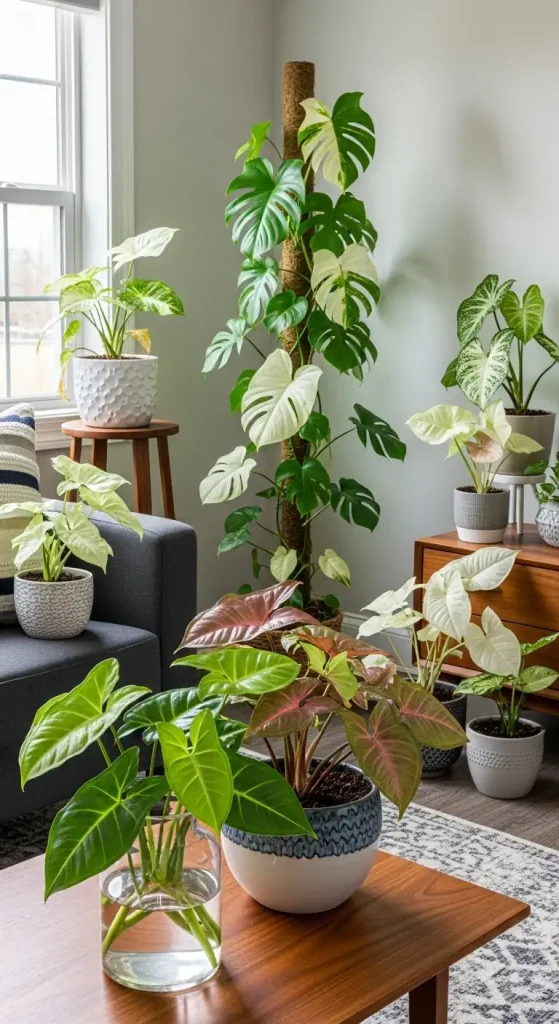
Water when the top inch of soil dries, maintaining consistent moisture without waterlogging roots. Arrowhead vines adapt to low or medium indirect light, though variegated varieties need brighter conditions to maintain patterns. Provide climbing support for mature plants or trim regularly to maintain compact, bushy forms. They propagate easily in water from stem cuttings.
25. Tradescantia for Vibrant Trailing Color
Tradescantias produce colorful, trailing stems with leaves in purple, pink, green, silver, or variegated combinations that cascade beautifully from hanging baskets. These fast-growing house plants tolerate various conditions while providing abundant color and fullness. They grow quickly, filling containers within months and trailing several feet from elevated positions.
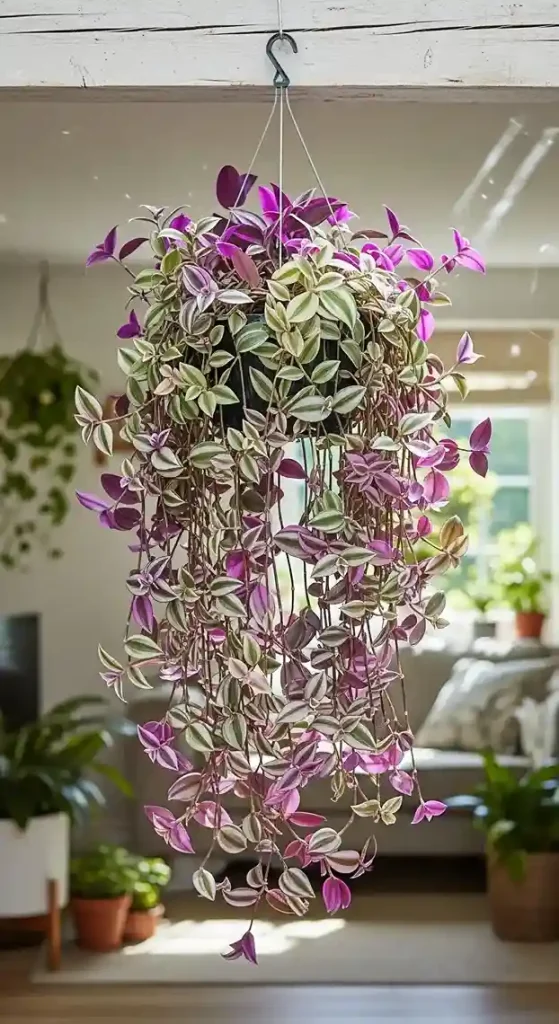
Provide bright, indirect light for most intense coloration—insufficient light causes fading and legginess. Water when the top inch of soil dries, maintaining consistent moisture during active growth. Tradescantias appreciate moderate humidity and prefer temperatures above 50°F. Trim regularly to encourage bushiness and prevent excessive legginess, propagating cuttings easily in water or soil.
26. Begonia for Diverse Beauty
Begonias encompass hundreds of species with wildly diverse appearances from rex begonias with patterned leaves to angel wing varieties with spotted foliage and hanging flowers. These house plants range from 6 inches to 3 feet tall, offering options for every space and preference. Their variety makes collecting different species endlessly fascinating for enthusiasts.
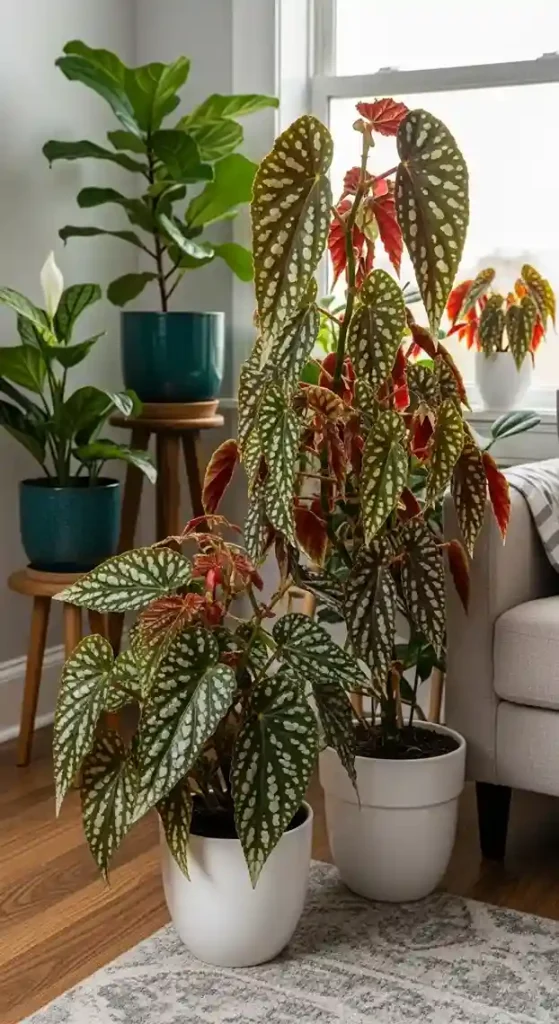
Provide bright, indirect light and keep soil slightly moist without waterlogging, as begonias suffer from both drought and overwatering. They prefer moderate to high humidity and warm temperatures above 60°F. Different begonia types have varying care needs, so research specific requirements for your variety. Most propagate easily from leaf or stem cuttings for expanding collections.
Frequently Asked Questions
How do I choose house plants for low-light rooms?
Snake plants, pothos, Chinese evergreens, and cast iron plants thrive in low-light conditions where most plants struggle. These species adapted to forest understory habitats tolerate limited natural light while maintaining attractive appearance. ZZ plants, philodendrons, and peace lilies also perform well in dim spaces, though growth slows compared to brighter locations.
What house plants are safe for pets?
Spider plants, Boston ferns, parlor palms, and areca palms are completely non-toxic to cats and dogs. Peperomias, prayer plants, and African violets also pose no toxicity risk for curious pets. Always research specific plants before bringing them home if pets might nibble, as many common house plants contain compounds causing mild to severe reactions if ingested.
How often should I fertilize house plants?
Signs of over-fertilization include brown leaf tips, white crust on soil surface, and stunted growth despite adequate care. Under-fertilized plants show pale leaves, slow growth, and reduced flowering. Flush soil occasionally by running water through pots to remove accumulated salts from fertilizers. Different plant types have varying nutritional needs, so adjust feeding schedules accordingly based on species requirements and growth rates.
Conclusion
House plants offer accessible pathways to incorporating nature into our daily lives regardless of outdoor space limitations or gardening experience. From beginner-friendly pothos and snake plants to showstopping orchids and calatheas, the twenty-six species featured here demonstrate the remarkable diversity available for indoor cultivation. Each plant brings unique characteristics—whether air-purifying abilities, striking foliage patterns, fragrant flowers, or architectural forms—that contribute to healthier, more beautiful living environments while providing the satisfaction of nurturing living things.
Building a thriving house plant collection starts with honest assessment of your space’s conditions and the time you can realistically dedicate to plant care. Begin with one or two species matching your environment and commitment level, then expand gradually as you gain confidence and understanding. Just as thoughtful backyard landscaping ideas transform outdoor spaces, strategic house plant selections revolutionize interiors with similar dramatic impact. House plants reward even modest efforts with growth, beauty, and the countless benefits of living alongside nature within our homes. Start your indoor garden journey today and discover how these remarkable plants enhance both your space and your quality of life.