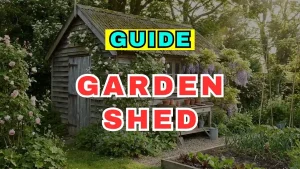
A potager garden is the most beautiful and productive fusion of edible and ornamental planting available to any gardener, combining vegetables, herbs, flowers, and fruit in a deliberately designed, visually stunning kitchen garden that is as pleasing to the eye as it is productive.
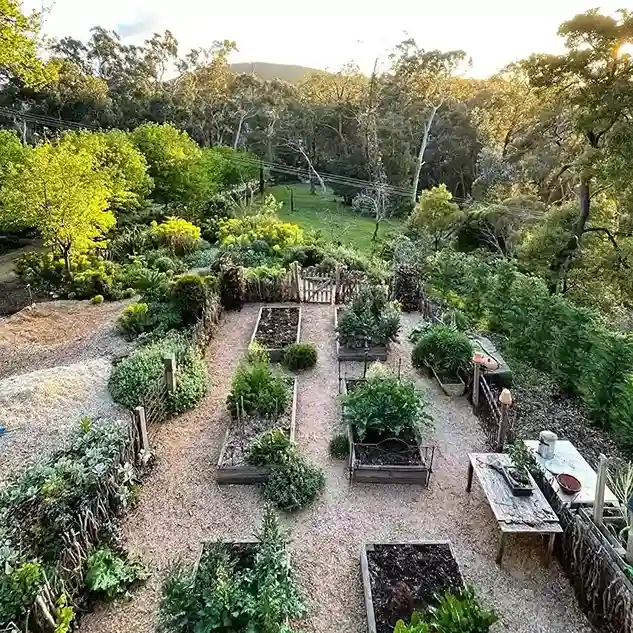
Source: @kellogggarden
Whether you are planning a formal French-inspired potager or a relaxed cottage-style kitchen garden, these 20 inspiring potager garden ideas will help you design, plant, and maintain a genuinely beautiful and abundantly productive outdoor space using our small vegetable gardens guide.
1. What Is a Potager Garden?
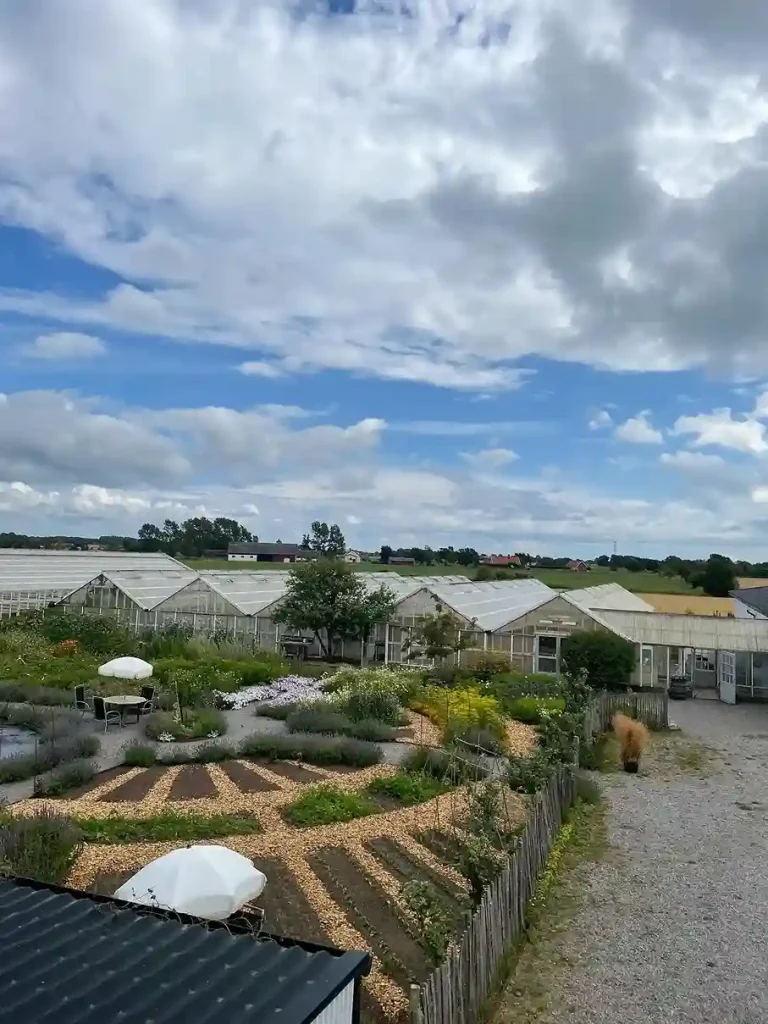
A potager garden — from the French word for kitchen garden — is a decorative productive garden that treats vegetables, herbs, and fruits as ornamental plants worthy of beautiful, intentional design, arranged in geometric beds with defined pathways and structural plantings that create a garden of extraordinary visual order and seasonal abundance.
Source: @huletradgard
Unlike a purely functional vegetable plot, a potager embraces the inherent beauty of edible plants — the sculptural form of artichokes, the brilliant colour of rainbow chard, the fragrant silvery mounds of lavender — treating every plant as both a productive and ornamental contribution to the overall garden design.
For more productive garden design inspiration, our backyard landscaping ideas guide covers kitchen garden layout and design beautifully.
| Feature | Details |
|---|---|
| Origin | France — from “jardin potager” meaning kitchen garden |
| Key Principle | Beauty and productivity in perfect harmony |
| Typical Layout | Geometric beds with defined paths between them |
| Core Plants | Vegetables, herbs, edible flowers, fruit |
| Garden Size | Any — from a 6×6 foot corner to a large formal garden |
| Difficulty Level | Beginner to intermediate |
2. Planning Your Potager Garden Layout
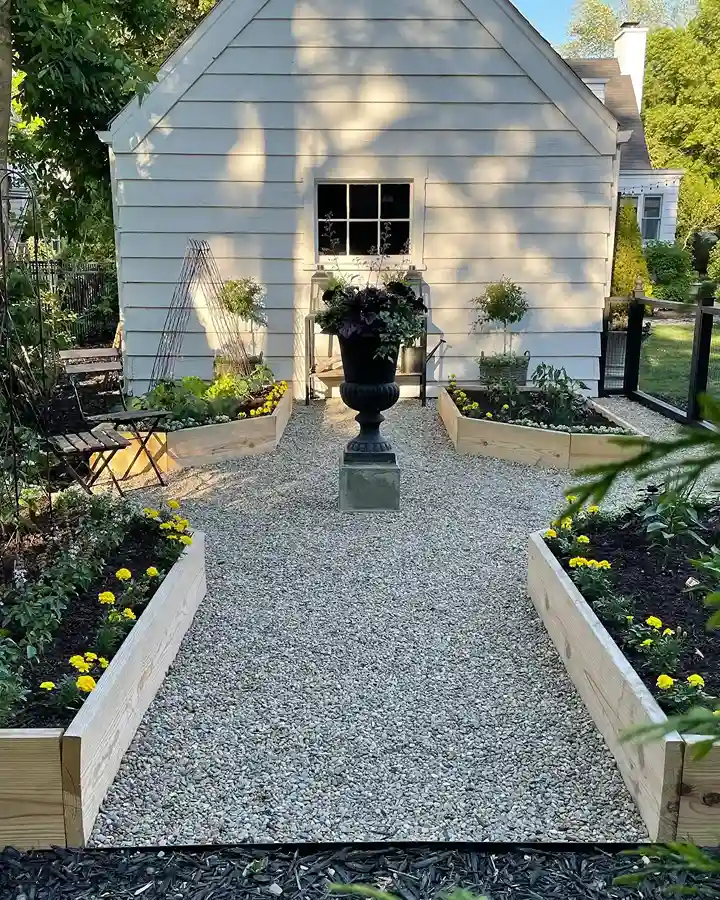
A successful potager garden layout begins with careful planning on paper before a single seed is sown or a single plant is placed, considering sun exposure, pathway access, bed dimensions, structural focal points, and the visual balance of the overall design from every angle throughout the garden space.
Source: @sixtyfifthavenue
The most classic potager layout divides the growing space into four equal square or rectangular beds separated by cross-shaped pathways meeting at a central focal point — a sundial, a standard rose, a decorative pot, or a fruit tree trained as a standard — that anchors the entire design visually.
For more formal garden layout and design planning ideas, our trending landscaping ideas guide covers structured kitchen garden design in current, beautifully detailed context.
| Feature | Details |
|---|---|
| Classic Layout | 4 equal beds with cross paths and central focal point |
| Bed Width | Maximum 4 feet — reach centre without stepping on soil |
| Path Width | Minimum 24 inches for comfortable wheelbarrow access |
| Central Feature | Standard rose, sundial, topiary, or specimen pot |
| Sun Requirements | Minimum 6 hours direct sunlight for productive crops |
| Orientation | Beds running north to south for even sun distribution |
3. Choosing a Potager Garden Style
Potager gardens range from the rigidly formal — with clipped box edging, symmetrical plantings, and perfectly aligned geometric beds — to the delightfully relaxed cottage style where productive plants spill freely over path edges and self-seeding annuals fill every available space with spontaneous, joyful abundance.
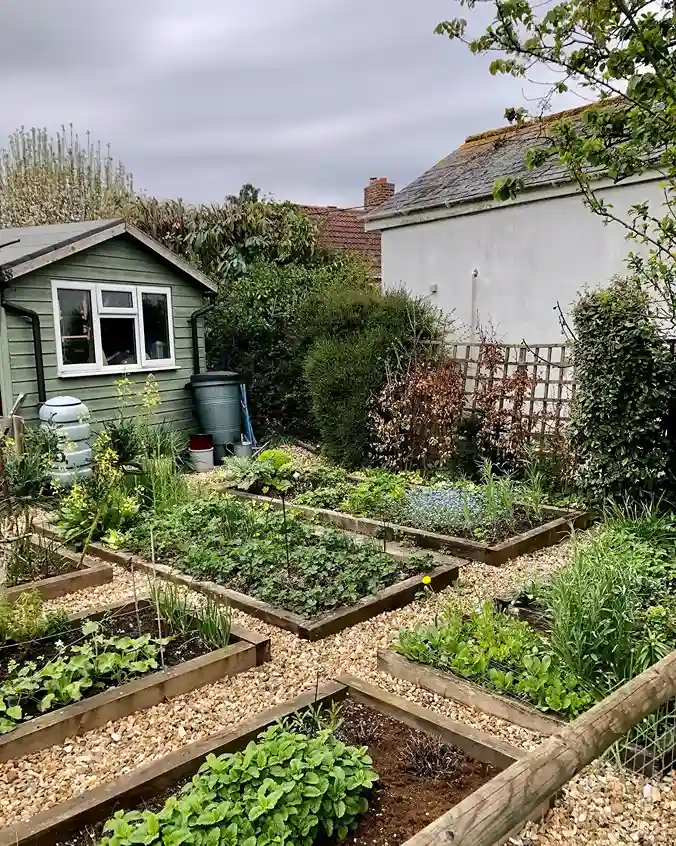
Source: @the_dorset_potager
Choosing a potager style that suits your home’s architectural character, your personal aesthetic preference, and your available time for maintenance ensures that your kitchen garden remains a pleasure rather than a burden throughout every growing season.
For more cottage and informal garden design inspiration, our cottage garden ideas guide covers relaxed productive garden styling in beautifully romantic, practical detail.
| Style | Key Features |
|---|---|
| Classic French | Clipped box edging, symmetrical beds, central feature |
| Cottage Potager | Informal planting, self-seeding flowers, relaxed paths |
| Modern Minimalist | Clean lines, raised beds, limited colour palette |
| Rustic Potager | Reclaimed timber, natural paths, wildflower companions |
| Bohemian Potager | Eclectic containers, colourful planting, creative structures |
| Small Urban | Vertical growing, container beds, compact design |
4. Potager Garden Edging
Edging is one of the most defining and visually impactful design elements of any potager garden, the neat, crisp boundary between bed and path creating the sense of intentional design and beautiful order that distinguishes a potager from an ordinary vegetable plot, regardless of how productive or how colourful the planting within the beds may be.
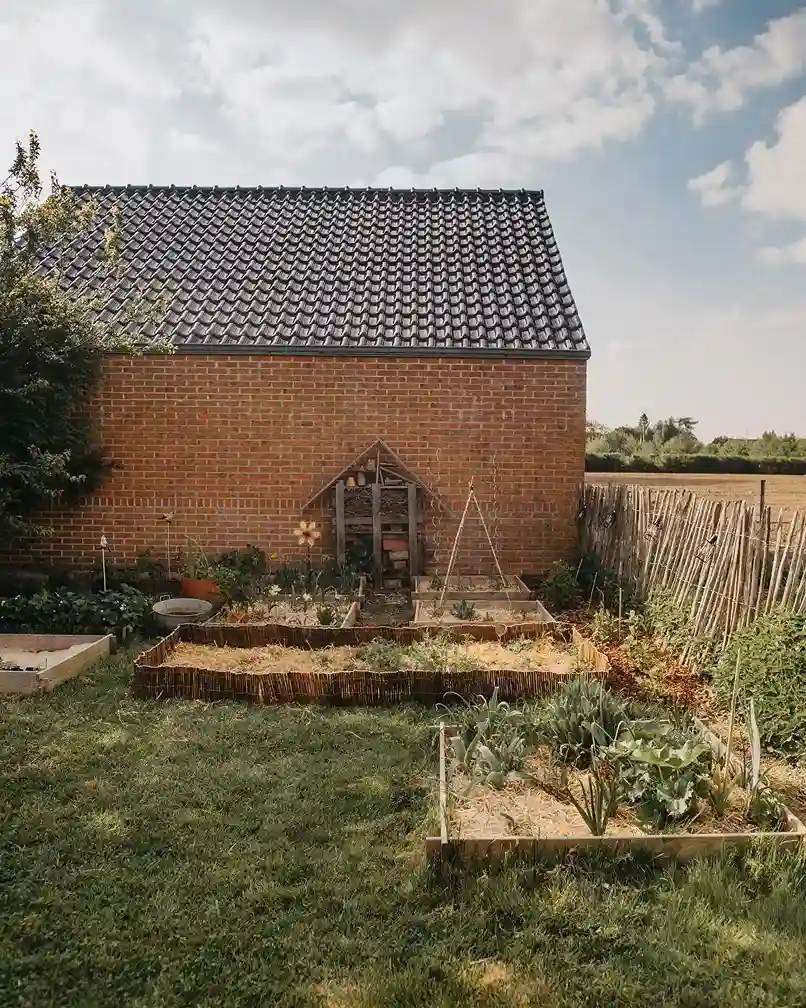
Source: @0paline
Low box (Buxus) hedging is the most classically beautiful and authentically French potager edging, but lavender, thyme, chives, strawberries, and alpine strawberries all create equally beautiful and far more productive edging options that contribute food and fragrance alongside their structural garden value.
For more garden edging and border definition ideas, our walkway ideas for outdoor spaces guide covers potager path and bed edging in creative, practical detail.
| Best Edging Plants | Details |
|---|---|
| Box (Buxus) | Classic formal edging — evergreen, clips precisely |
| Lavender | Fragrant, attractive, drought-tolerant |
| Chives | Productive, pretty purple flowers, easy to grow |
| Alpine Strawberry | Productive, attractive white flowers, self-seeding |
| Thyme | Aromatic, low-growing, partially evergreen |
| Dwarf Marigolds | Colourful, pest-deterring, easy annual |
5. Structural Plants in a Potager Garden
Structural plants provide the permanent, year-round architectural backbone of a potager garden that holds the design together even in winter when the seasonal crops have been cleared, creating a framework of form, height, and texture that makes the garden visually coherent and attractive in every month of the year.
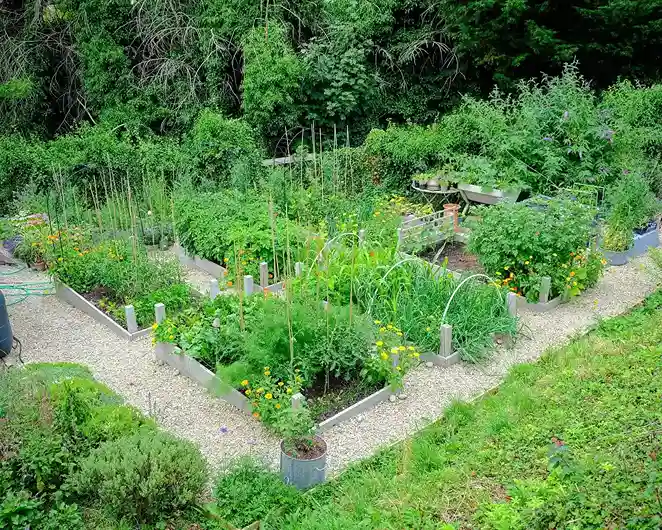
Source: @thegardeningkin
Globe artichokes, standard gooseberries, trained fruit trees, rosemary topiary, and climbing plants on obelisks and arches all contribute outstanding structural elements to a potager garden that elevate it from a productive plot into a genuinely designed garden room of real architectural character.
For more structural plant and specimen planting ideas, our best shrubs for front of house guide covers structural evergreen and architectural plants in excellent, practical detail.
| Best Structural Plants | Details |
|---|---|
| Globe Artichoke | Dramatic silvery architectural plant — edible flower |
| Standard Gooseberry | Trained tree form — productive and beautiful |
| Espalier Fruit Tree | Flat against wall — space-efficient and ornamental |
| Rosemary Topiary | Clipped architectural form — aromatic and evergreen |
| Climbing Bean on Obelisk | Height, productivity, and decorative structure |
| Standard Rose | Classic potager focal point — fragrant and beautiful |
6. Companion Planting in a Potager Garden
Companion planting is the philosophical and practical heart of potager gardening, using the deliberate combination of vegetables, herbs, and flowers that benefit each other through pest deterrence, pollinator attraction, nitrogen fixation, and physical support to create a beautifully diverse, naturally self-managing productive garden ecosystem.
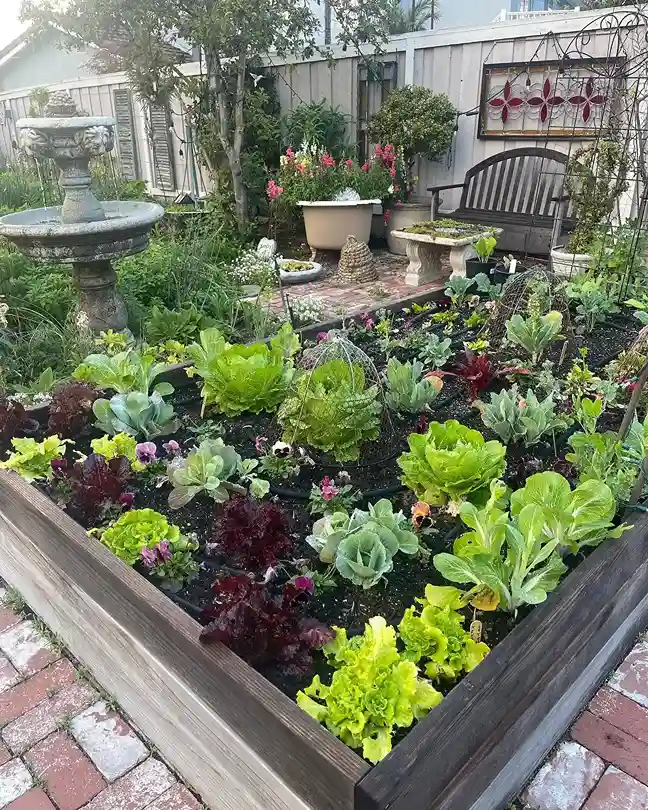
Source: @rootedinthyme
Marigolds planted throughout the potager deter aphids and nematodes while attracting hoverflies; nasturtiums act as sacrificial aphid trap crops; and borage attracts pollinators that improve fruit set on beans, tomatoes, and cucumbers throughout the entire growing season.
For the best companion planting combinations for productive potager gardens, our garden herb pairing guide covers companion planting strategies in wonderful, practical detail.
| Best Companions | Partnership Benefit |
|---|---|
| Tomato + Basil | Pest repellence and flavour enhancement |
| Carrot + Chives | Mutual pest deterrence |
| Beans + Nasturtiums | Aphid trap crop and pollinator attraction |
| Brassicas + Marigolds | Aphid and nematode deterrence |
| Cucumber + Dill | Pest deterrence and beneficial insect attraction |
| Strawberry + Borage | Pollinator attraction and flavour improvement |
7. Vegetables for a Potager Garden
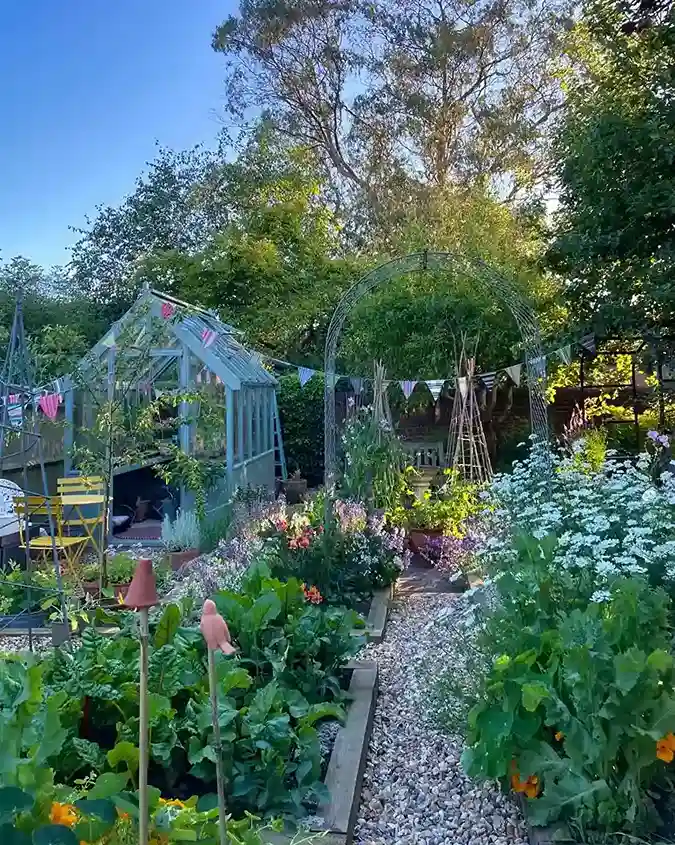
The most beautiful potager gardens select vegetables not only for their productivity and flavour but for their outstanding ornamental qualities — the architectural drama of globe artichokes, the vivid rainbow of Swiss chard stems, the elegant nodding heads of climbing beans, and the jewel-like clusters of cherry tomatoes all contributing as much visually as they do culinarily.
Source: @emmasflowergarden
Choosing a mix of tall architectural crops, mid-height bushy producers, and low ground-covering edibles creates the layered, visually rich planting that gives a potager its characteristic abundance and beauty from ground level to the top of its tallest obelisk-trained climbers.
For more productive vegetable growing and kitchen garden design ideas, our food forest guide covers vegetable selection and productive garden design in expert, inspiring detail.
| Best Potager Vegetables | Ornamental Quality |
|---|---|
| Rainbow Swiss Chard | Brilliant red, yellow, and orange stems |
| Globe Artichoke | Dramatic silvery architectural form |
| Purple Sprouting Broccoli | Rich purple-green colour, attractive flower heads |
| Climbing French Beans | Elegant on obelisks — purple and yellow varieties |
| Cherry Tomatoes | Jewel-like clusters — red, yellow, orange |
| Curly Kale | Deeply textured, rich blue-green foliage |
8. Herbs in a Potager Garden
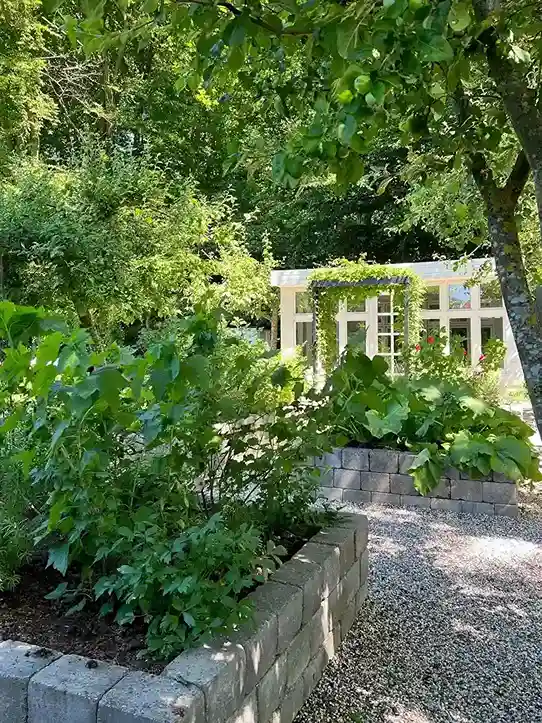
Herbs are essential and irreplaceable components of any authentic potager garden, contributing fragrance, ornamental beauty, culinary productivity, and companion planting benefits simultaneously while occupying relatively little space and requiring less maintenance than most other kitchen garden crops throughout the growing season.
Source: @bettinaholst
A dedicated herb section within the potager — ideally positioned near the kitchen door for easy harvesting — planted with rosemary, thyme, sage, chives, parsley, mint, and basil creates a beautifully fragrant, year-round productive corner of exceptional sensory richness and culinary value.
For comprehensive herb growing, pairing, and combination strategies, our garden herb pairing guide is an invaluable and wonderfully detailed resource — and is not repeated elsewhere in this article.
| Best Potager Herbs | Key Benefit |
|---|---|
| Rosemary | Structural, aromatic, pest-deterring, evergreen |
| Lavender | Fragrant, pollinator-attracting, drought-tolerant |
| Sage | Ornamental silver-purple leaves, culinary value |
| Chives | Purple flowers, pest-deterring, prolific |
| Mint | Aromatic, vigorous — grow in sunken container |
| Basil | Fragrant, pest-repelling, companion to tomatoes |
9. Edible Flowers in a Potager Garden
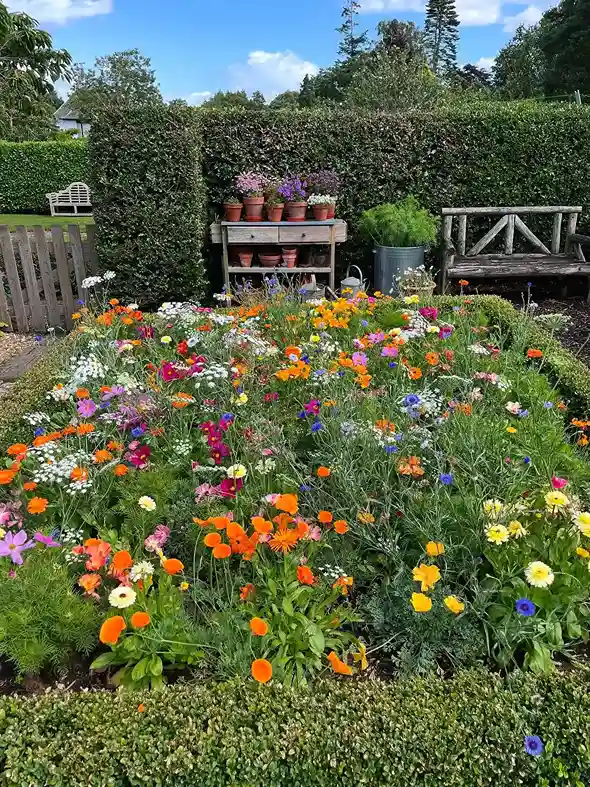
Edible flowers transform a potager garden from a purely productive space into something genuinely extraordinary, their brilliant colours, delicate forms, and pollinator-attracting qualities elevating the visual beauty of every bed while simultaneously contributing petals and blooms that garnish salads, desserts, and drinks with a unique, distinctive elegance.
Source: @gardenerscottageedinburg
Nasturtiums, borage, calendula, violas, and cornflowers are the most rewarding edible flowers for potager planting, all self-seeding freely throughout the garden to create an increasingly rich and spontaneous floral tapestry that requires minimal ongoing effort to sustain year after year.
For more colourful edible and ornamental flower combinations, our container gardening flowers guide covers edible flower growing and display in colourful, creative detail.
| Best Edible Flowers | Culinary Use |
|---|---|
| Nasturtium | Salads, garnish — peppery flavour |
| Borage | Cocktails, salads — cucumber flavour |
| Calendula | Salads, rice, soups — saffron substitute |
| Viola/Pansy | Cake decoration, salads, crystallised |
| Cornflower | Salad garnish, tea — mild flavour |
| Courgette Flower | Stuffed, battered, fried — outstanding |
10. Fruit in a Potager Garden
Incorporating fruit trees, soft fruit bushes, and climbing fruit into a potager garden design adds exceptional structural interest, outstanding seasonal beauty, and significant productive yield to the kitchen garden while creating long-term permanent planting that anchors the design and improves in beauty and productivity with every passing growing year.
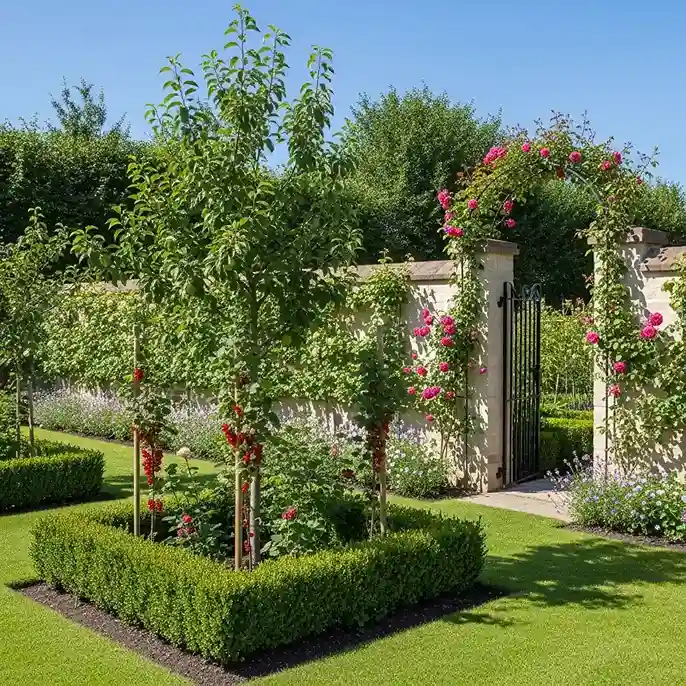
Standard gooseberries and redcurrants trained as decorative lollipop forms at potager bed corners, an espalier apple along a sunny boundary wall, and climbing roses trained over the entrance arch all contribute both fruit harvests and outstanding ornamental value to the potager design.
For fruit tree cultivation and productive orchard design, our food forest guide covers fruit integration in kitchen and potager gardens in expert, comprehensive detail — used only here in this article.
| Best Potager Fruits | Ornamental Quality |
|---|---|
| Standard Gooseberry | Lollipop form — productive and decorative |
| Espalier Apple | Flat-trained — beautiful wall feature |
| Strawberries | Ground cover — white flowers and red fruit |
| Climbing Rose | Arches and structures — fragrant and beautiful |
| Alpine Strawberry | Path edging — delicate flowers, tiny red fruit |
| Fan-trained Cherry | Wall feature — spectacular spring blossom |
11. Potager Garden Paths
Potager garden paths are as much a design feature as a practical necessity, their material, width, and pattern significantly affecting the aesthetic character and seasonal usability of the entire kitchen garden throughout every weather condition and every time of year from the first spring sowings to the last autumn harvests.
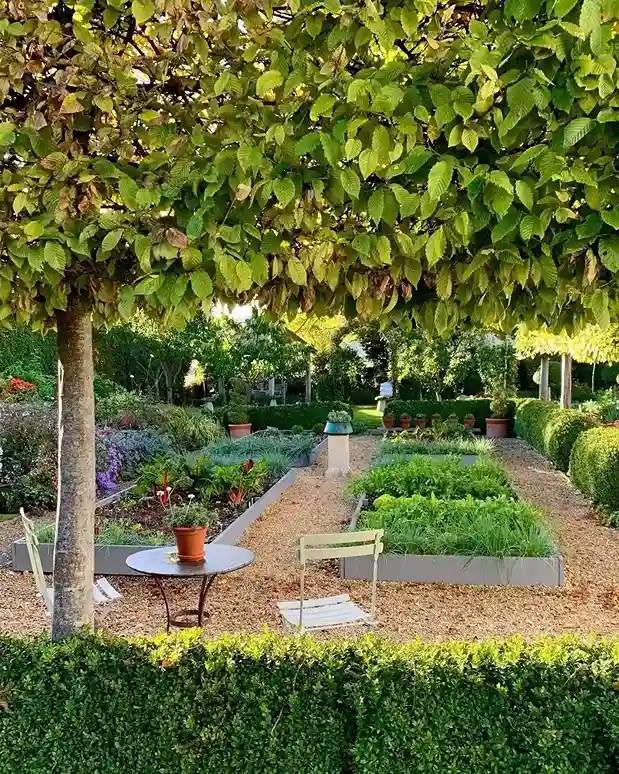
Source: @capegarden
Gravel, reclaimed brick, bark chippings, reclaimed timber boards, and flat stone slabs all create beautiful potager paths of different characters, with brick and stone being the most formal and durable while bark chippings and gravel offer the most affordable and easily installed alternatives for budget-conscious potager gardeners.
For more garden pathway material and design ideas, our cheap landscaping ideas guide covers affordable path construction and garden surface options in practical, money-saving detail.
| Best Path Materials | Character |
|---|---|
| Reclaimed Brick | Classic, durable, formal — excellent in all weathers |
| Gravel | Affordable, free-draining, informal or formal |
| Bark Chippings | Natural, soft underfoot, informal cottage character |
| Reclaimed Stone Flags | Rustic, characterful, long-lasting |
| Timber Boards | Rustic, warm, informal — replace periodically |
| Mown Grass | Softest option — requires regular mowing |
12. Vertical Growing in a Potager Garden
Vertical growing structures — obelisks, arches, tripods, trellises, and trained wall fruit — are essential components of a well-designed potager garden, adding dramatic height variation, utilising the full three-dimensional growing space, and creating the architectural focal points that give a potager its characteristic sense of purposeful, abundant garden theatre.
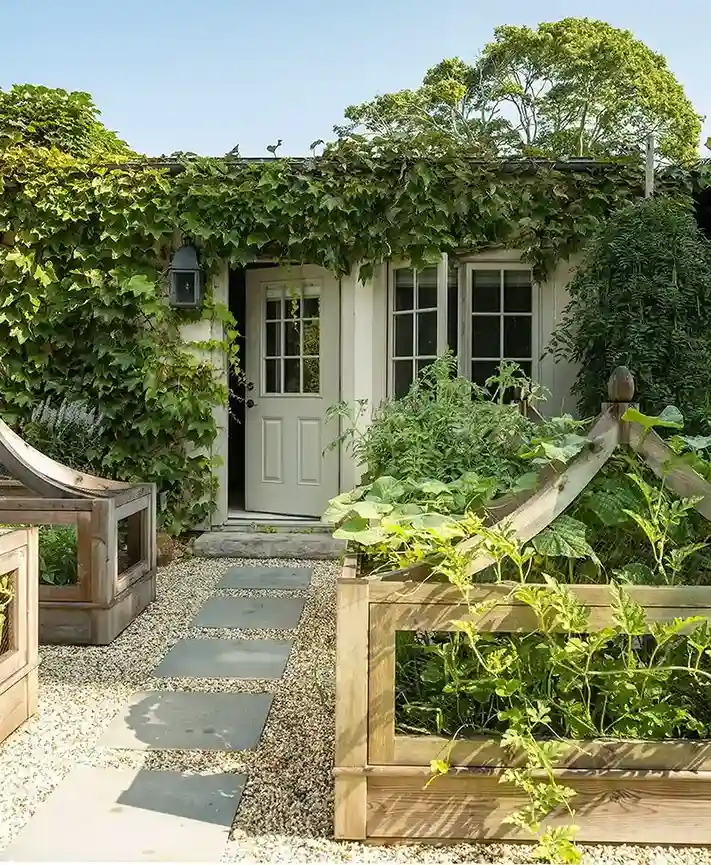
Source: @cmwharf
A central obelisk clothed in climbing beans or sweet peas at the heart of each potager bed creates an immediate, commanding vertical accent that draws the eye upward, makes the garden feel larger and more generous, and produces an outstanding productive or ornamental crop from a minimal ground footprint.
For more vertical garden structure and climbing plant ideas, our vertical gardening guide covers obelisk, trellis, and arch construction and planting in comprehensive, creative detail.
| Best Vertical Structures | Best Climbing Plants |
|---|---|
| Central Obelisk | Climbing beans, sweet peas, climbing roses |
| Arch or Tunnel | Runner beans, cucumbers, squash |
| Trellis on Wall | Espalier fruit, tomatoes, climbing courgette |
| Wigwam Tripod | French beans, peas, morning glory |
| Pergola | Grape vine, kiwi, fragrant climbers |
| Wire on Fence | Espalier pear, apple, fan-trained plum |
13. Potager Garden in a Small Space
A potager garden designed for a small outdoor space uses every vertical surface, container, and corner creatively to create a genuinely productive and beautifully designed kitchen garden in a fraction of the space that a traditional vegetable plot would require, proving that excellent potager design is limited by imagination rather than space.
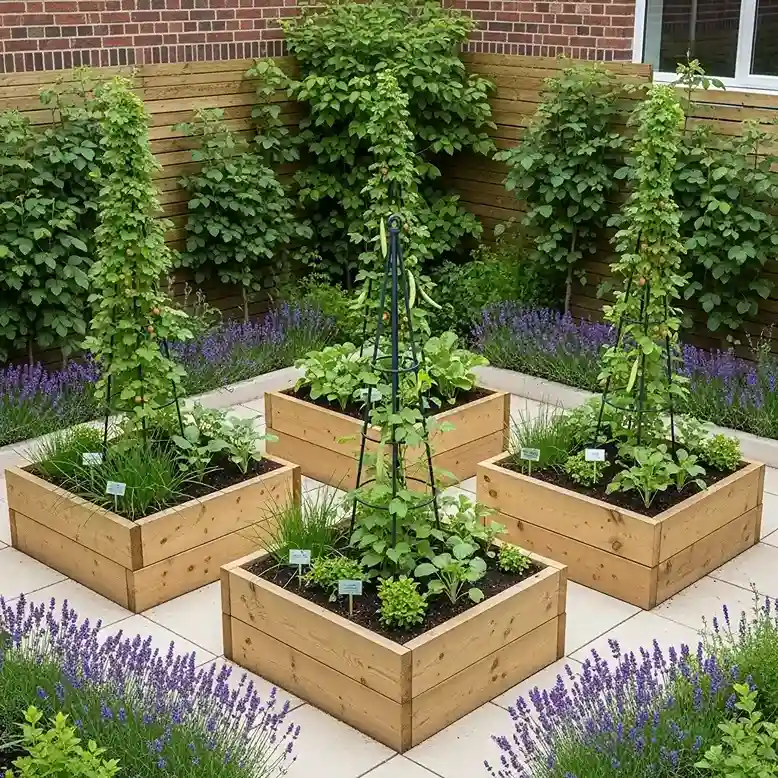
Three or four raised timber beds arranged symmetrically on a small patio, edged with lavender and chives and planted with a mix of compact vegetables, climbing beans on a central obelisk, and a standard gooseberry at each corner creates a complete, beautiful potager in just 100 square feet.
For more small-space productive garden design inspiration, our small garden ideas guide covers compact kitchen and potager garden design in excellent, creative, space-smart detail.
| Feature | Details |
|---|---|
| Minimum Space | 4×4 feet for a single productive potager bed |
| Best Layout | 4 small symmetrical beds with central path junction |
| Space-Saving Crops | Climbing beans, salads, compact tomatoes, herbs |
| Vertical Maximising | Central obelisk in each bed for height and crops |
| Container Integration | Pots and containers supplement in-ground beds |
| Best Edging | Chives or alpine strawberry — productive and compact |
14. Potager Garden Seasonal Planting
A well-planned potager garden provides something beautiful and productive to harvest in every season of the year, with careful succession planting, overwintering crops, and structural evergreen elements ensuring that the kitchen garden never looks bare, abandoned, or unproductive at any point throughout the full twelve months of the gardening calendar.
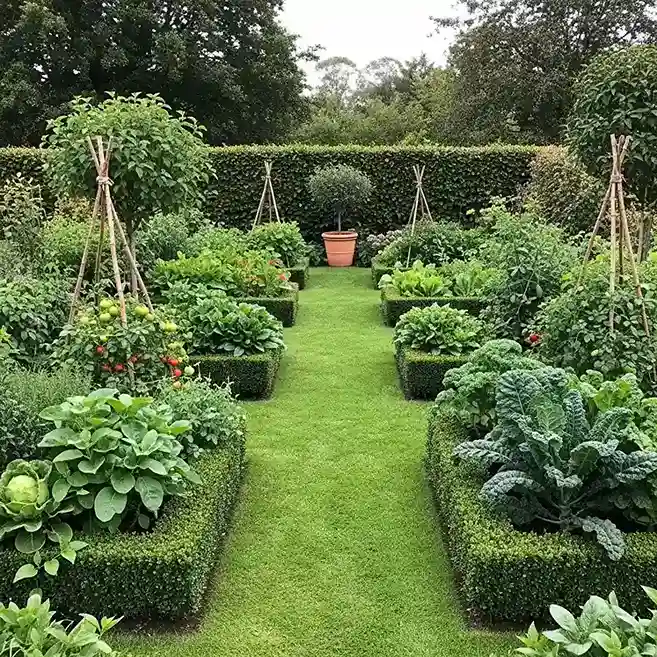
Spring follows winter greens with the first sown salads and peas; summer delivers the greatest abundance of tomatoes, beans, courgettes, and herbs; autumn brings squash, kale, and late root crops; and winter structure from evergreen herbs, overwintered brassicas, and permanent plantings maintains beauty and productivity year-round.
For more seasonal kitchen garden planning and successional planting strategies, our trending landscaping ideas guide covers year-round productive garden planning in current, beautifully detailed context — used only here.
| Season | Best Potager Plants |
|---|---|
| Spring | Peas, broad beans, salads, radishes, herbs |
| Early Summer | Tomatoes, courgettes, beans, basil, edible flowers |
| Late Summer | Squash, cucumbers, sweetcorn, climbing beans |
| Autumn | Kale, chard, root vegetables, late salads |
| Winter | Overwintered brassicas, parsnips, leeks, evergreen herbs |
| Year-round | Rosemary, thyme, chives, sage, bay, perennial herbs |
15. Potager Garden Soil Preparation
Outstanding soil fertility is the absolute foundation of a productive and beautiful potager garden, as the intensive, diverse, and continuously cropped nature of kitchen garden planting makes exceptional growing conditions an essential prerequisite for the vigorous, healthy, and abundantly productive plants that define a truly successful potager.
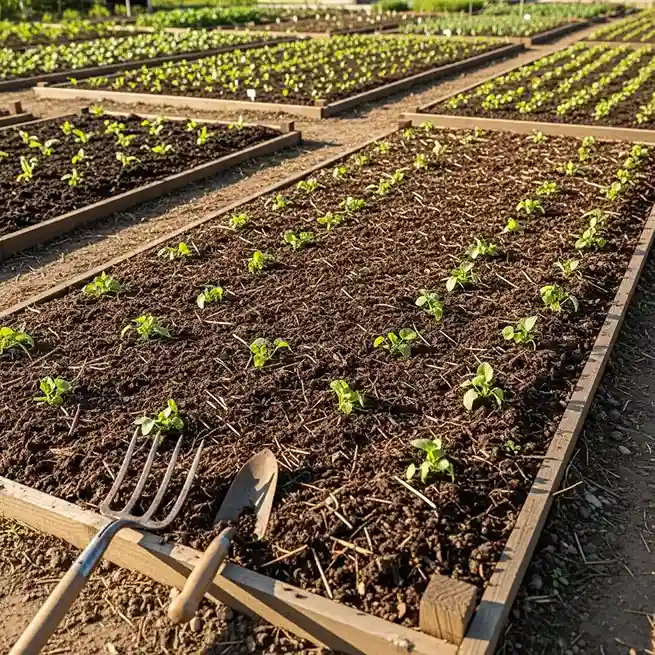
Deep cultivation, generous compost incorporation, pH testing, and an annual mulching programme with well-rotted organic matter create the rich, living soil ecosystem that supports the extraordinary productivity and plant health that the best potager gardens consistently deliver year after year.
For more soil improvement and productive garden fertility strategies, our food forest guide covers kitchen garden soil building in comprehensive, expert detail — this URL is not used elsewhere in this article.
| Soil Preparation Step | Details |
|---|---|
| pH Testing | Aim for 6.5–7.0 for most vegetables |
| Organic Matter | Incorporate generous compost or well-rotted manure |
| Cultivation Depth | Minimum 12 inches for most vegetable crops |
| Mulching | Annual 3-inch mulch suppresses weeds, feeds soil |
| Green Manures | Sow between crops to protect and feed bare soil |
| No-Dig Option | Layer compost on surface — let worms do the work |
16. Watering and Irrigation in a Potager Garden
A reliable, consistent watering system is essential to potager garden success, as the intensive planting density, high proportion of leafy and fruiting crops, and continuous productivity demands of a kitchen garden create water requirements that significantly exceed those of an equivalent area of ornamental garden planting throughout the growing season.
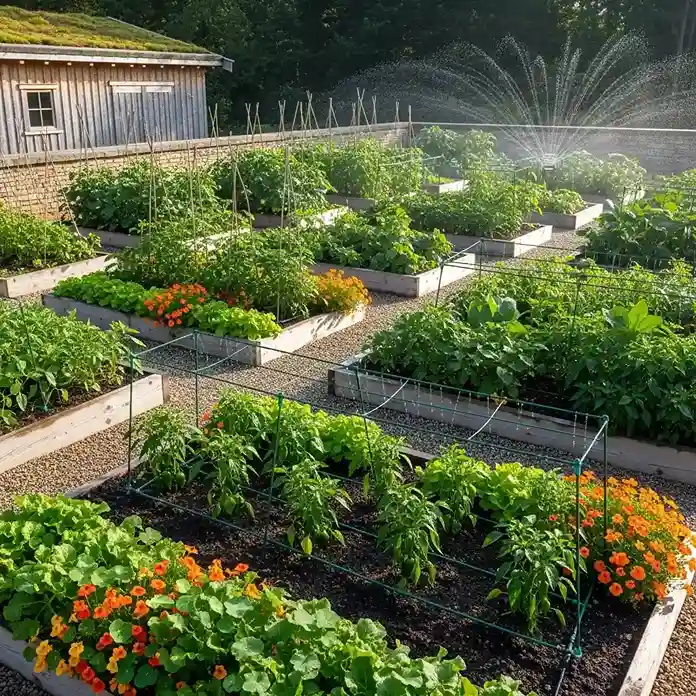
A drip irrigation system installed beneath the surface mulch delivers water directly to plant roots with minimal evaporation waste, while a simple collected rainwater system from shed or greenhouse guttering provides a sustainable, cost-free water source for the entire potager throughout the season.
For more water-wise garden management and irrigation ideas, our yard ideas for outdoor spaces guide covers garden irrigation planning and water management in practical, helpful detail.
| Watering Method | Details |
|---|---|
| Drip Irrigation | Most efficient — delivers direct to root zone |
| Rainwater Collection | Sustainable — from shed or greenhouse guttering |
| Soaker Hose | Budget alternative — lays along crop rows |
| Hand Watering | Best for seedlings — use fine rose attachment |
| Watering Frequency | Every 2–3 days in summer — deeply not lightly |
| Mulch Benefit | 3-inch mulch reduces watering frequency by 50% |
17. Potager Garden Pest Management
A well-designed potager garden manages pest pressure primarily through biodiversity — the rich mix of companion plants, edible flowers, and structural shrubs that characterises authentic potager planting naturally supports the predatory insect populations that control aphids, caterpillars, and other common kitchen garden pests without chemical intervention.
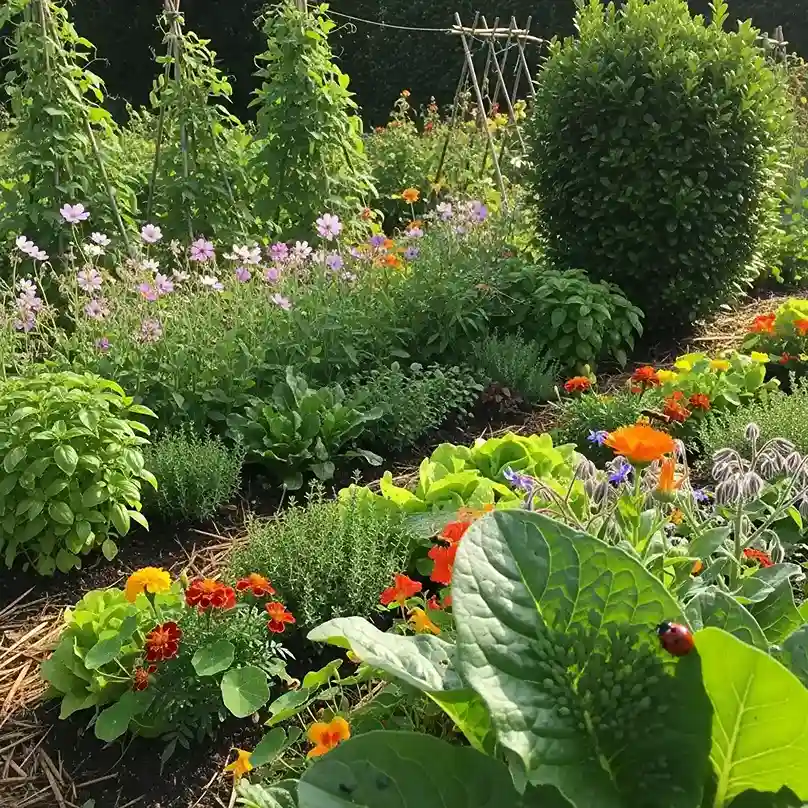
Physical barriers, companion planting trap crops, and regular inspection remain the most effective and sustainable pest management approaches in a potager garden, supplemented where necessary by targeted organic treatments that do not disrupt the beneficial insect populations that are the garden’s primary natural defence.
For natural pest control and garden protection strategies, our get rid of ants in your yard guide covers organic garden pest management in effective, practical detail.
| Common Pest | Best Natural Management |
|---|---|
| Aphids | Companion nasturtiums, encourage ladybirds |
| Caterpillars | Fine mesh netting over brassicas |
| Slugs | Copper tape, beer traps, night patrols |
| Carrot Fly | Fine mesh barrier, companion chives |
| Whitefly | Companion basil, yellow sticky traps |
| Vine Weevil | Biological nematode control in containers |
18. Potager Garden Focal Points and Decorative Features
A potager garden without a striking central focal point and thoughtfully placed decorative features lacks the sense of considered design and visual intention that distinguishes a true potager from an attractive but ordinary vegetable plot, however beautifully and productively its individual beds may be planted and maintained.
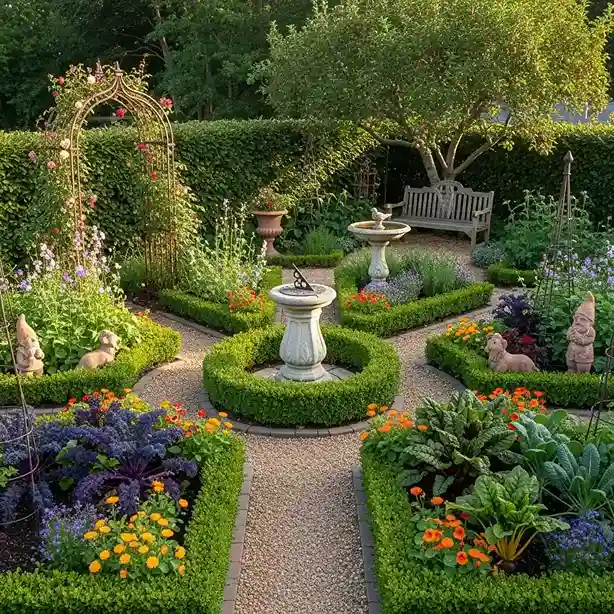
Antique terracotta rhubarb forcers, decorative cloches, painted timber obelisks, a beautiful stone trough planted with herbs, or a simple iron sundial at the path intersection all contribute decorative character and genuine visual delight to a potager garden that goes far beyond the merely functional.
For more garden feature and decorative accent ideas, our driftwood art ideas for garden guide covers creative garden art and focal point features in wonderful, inspiring detail.
| Best Focal Features | Position |
|---|---|
| Sundial or Birdbath | Central path intersection — classic potager focal point |
| Standard Rose | Corner of central bed — height and fragrance |
| Decorative Obelisk | Centre of each bed — vertical accent |
| Antique Terracotta | Path edges and bed corners — rustic character |
| Trained Fruit Tree | Backdrop or wall — permanent productive structure |
| Beautiful Bench | Corner position — seating and visual destination |
19. Potager Garden for Wildlife
A potager garden managed with biodiversity at its heart — companion flowers, no pesticides, a water source, log piles at edges, and a generous insect hotel — creates one of the richest and most wildlife-supportive garden habitats available, attracting the pollinators, predatory insects, and beneficial wildlife that ultimately guarantee the garden’s ongoing productivity and health.
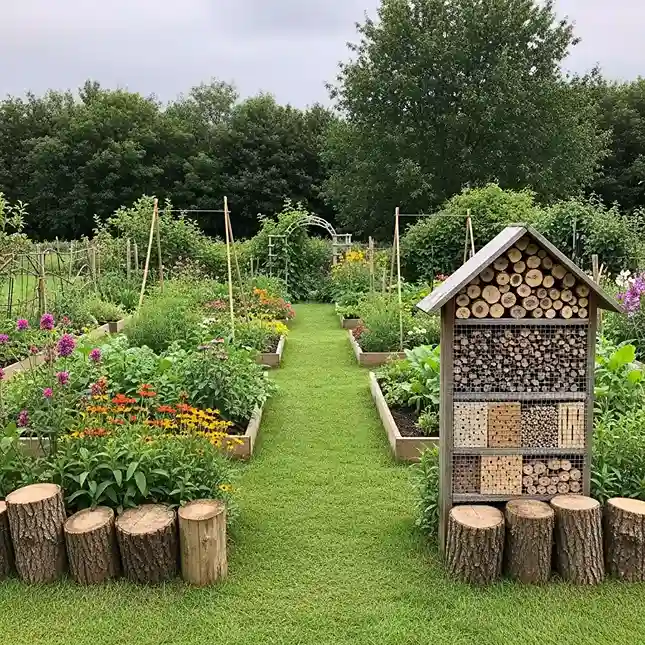
Allowing a small section of the potager to grow slightly wilder with self-seeding annuals, native wildflowers, and long grass patches creates essential habitat for the beetles, lacewings, and ground beetles that are among the kitchen garden’s most effective natural pest managers.
For wildlife-friendly garden habitat and planting ideas, our shade plants guide covers wildlife companion planting and habitat creation in comprehensive, caring detail.
| Wildlife Feature | Benefit to Potager |
|---|---|
| Insect Hotel | Habitat for lacewings, solitary bees, ladybirds |
| Wildflower Strip | Attracts pollinators — improves fruit and veg yield |
| Bird Bath | Attracts insect-eating birds — natural pest control |
| Log Pile | Ground beetles, hedgehogs — slug and pest control |
| Companion Flowers | Hoverflies, lacewings, bees throughout season |
| Water Feature | Frogs, toads — outstanding slug management |
20. Budget Potager Garden
Creating a strikingly beautiful and genuinely productive potager garden on a tight budget is entirely achievable through seed-growing rather than buying plants, sourcing reclaimed timber and salvaged materials for beds and structures, propagating perennial herbs by division, and applying the creative resourcefulness that is the very spirit of authentic potager gardening at its most inventive and rewarding.
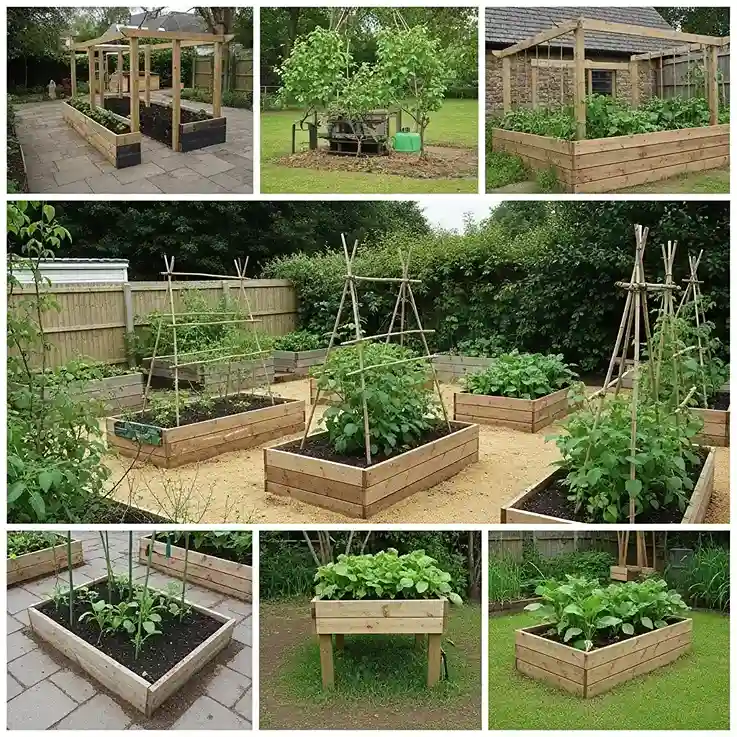
A complete, beautiful five-bed potager garden can be established for under $100 using reclaimed timber beds, seed-grown vegetables and flowers, divided perennial herbs, and salvaged terracotta pots as decorative focal points — proving that financial constraint and exceptional potager garden design are perfectly compatible companions.
For more budget garden transformation and affordable kitchen garden strategies, our pallet garden ideas guide covers budget potager bed construction and affordable kitchen garden creation in practical, inspiring detail.
| Budget Strategy | Details |
|---|---|
| Grow from Seed | 90% cheaper than buying plants — vast variety choice |
| Reclaimed Timber Beds | Free or very cheap — scaffold boards, sleepers |
| Divide Perennial Herbs | Propagate chives, mint, thyme from existing plants |
| Salvage Terracotta | Charity shops, online marketplaces — free or very cheap |
| Save Seeds | Collect from this season’s crops for next year |
| Pallet Structures | Free obelisks, beds, and compost bins from pallets |
Frequently Asked Questions (FAQs)
Q1: What is the difference between a potager garden and a vegetable garden?
A potager garden deliberately combines vegetables, herbs, edible flowers, and fruit in a beautifully designed, visually intentional layout that treats productive plants as ornamental features, whereas a conventional vegetable garden prioritises productivity over aesthetics. A potager is equally a garden room to be admired as it is a productive kitchen garden to be harvested throughout every season.
Q2: What size does a potager garden need to be?
A potager garden can be as small as a single 4×4 foot raised bed or as large as a formal walled garden of many acres — the potager principle of combining beauty with productivity scales to any available space. Our small garden ideas guide covers compact potager design for limited spaces in excellent, creative, space-saving detail for urban gardeners.
Q3: What are the best beginner plants for a potager garden?
Salad leaves, climbing beans, Swiss chard, cherry tomatoes, courgettes, nasturtiums, chives, and basil are the best beginner potager plants — all easy to grow, highly productive, and outstandingly ornamental. Our garden herb pairing guide covers the best herb and vegetable companion combinations for beginner potager gardeners in excellent, practical detail.
Q4: How do I keep my potager garden looking beautiful all year?
Maintain year-round potager beauty through a combination of evergreen structural herbs, overwintered brassicas, permanent fruit and rose plantings, and careful succession sowing that ensures something is always establishing, cropping, or in ornamental peak throughout every month of the year. For inspiration on year-round garden design, our cottage garden ideas guide covers four-season productive and ornamental garden planting beautifully.
Conclusion
A potager garden is the most beautiful, productive, and personally rewarding garden style available — a living, edible work of art that nourishes the body, delights the eye, and deepens your connection to the rhythms of seasonal growing with every harvest and every sowing.
Explore more kitchen garden and productive outdoor space inspiration through our guides on vertical gardening guide and container gardening flowers to begin creating your perfect potager garden today.