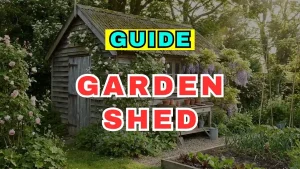
A garden shed is one of the most useful additions to any backyard. It gives you dedicated storage, a workspace, and a place to keep your tools safe and dry.
Whether you have a small patio or a large yard, a shed can be sized to fit perfectly. The right shed adds value, function, and even beauty to your outdoor space.
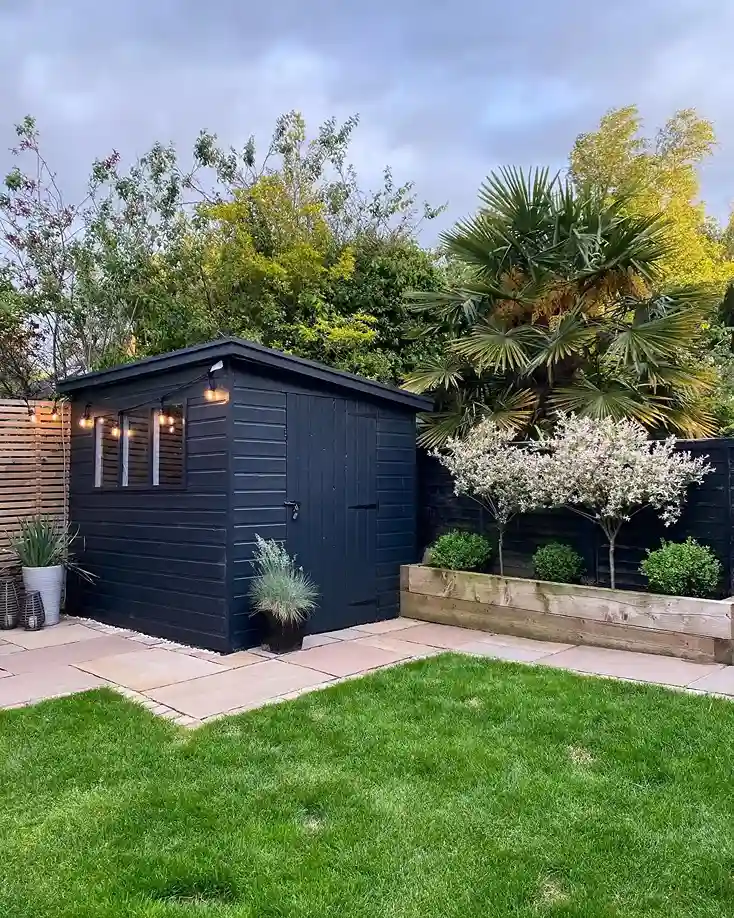
Credits: @mabelinthehouse
This complete guide covers everything from planning and building to organizing and decorating your garden shed. Let us help you create the perfect shed for your needs and budget.
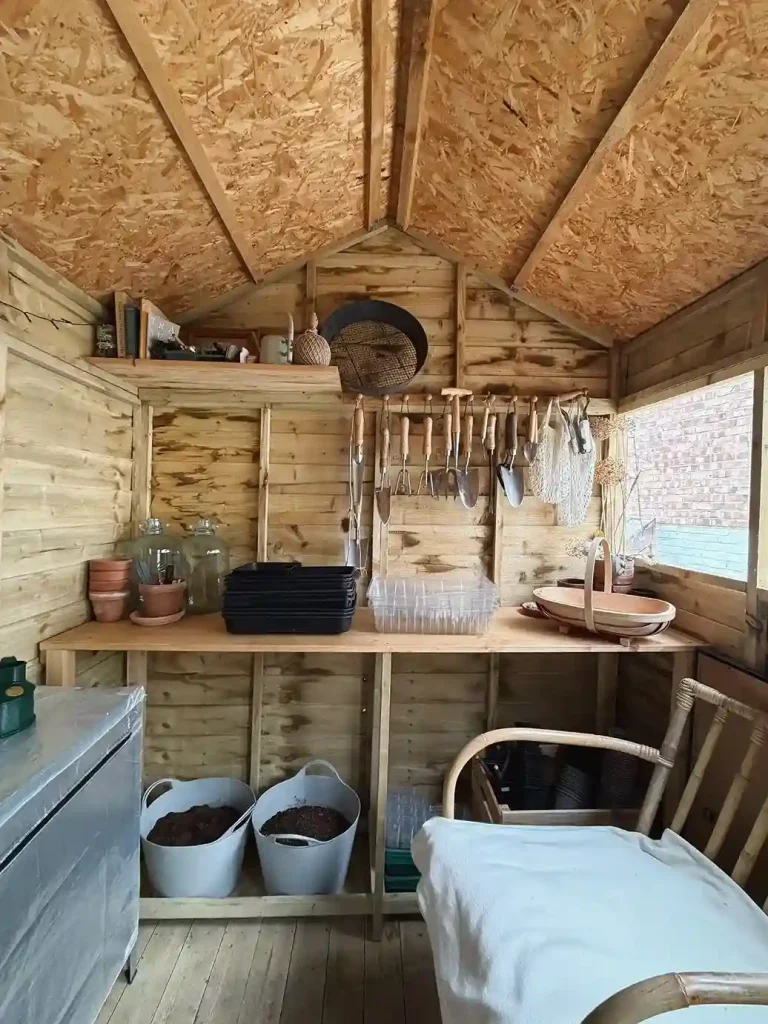
Credits: @grownurturenourish
1. What Is a Garden Shed?
A garden shed is a small outdoor structure used for storage and gardening work. It keeps tools, equipment, and supplies protected from the weather.
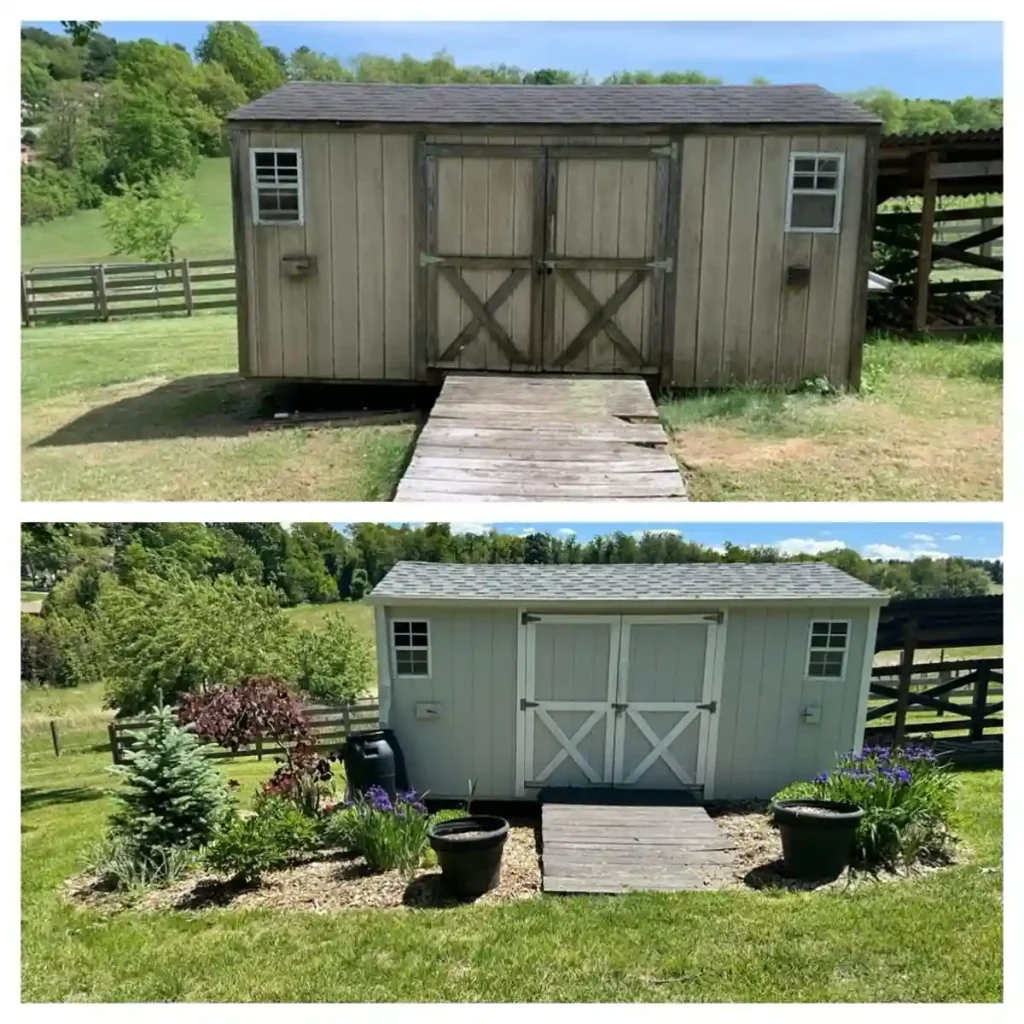
Credits: @thedirttherapist
Sheds come in many shapes, sizes, and materials. From simple wooden boxes to fully equipped mini-workshops, there is a style for every yard and budget. You’ll also love to learn about a survival garden and its benefits.
| Feature | Details |
|---|---|
| Primary Use | Tool and equipment storage |
| Common Sizes | 6×4 ft to 12×16 ft |
| Materials | Wood, metal, plastic, vinyl |
2. Why Every Garden Needs a Shed
A garden shed keeps your yard tidy and your tools organized. Without storage, equipment gets damaged by rain, rust, and UV exposure quickly.
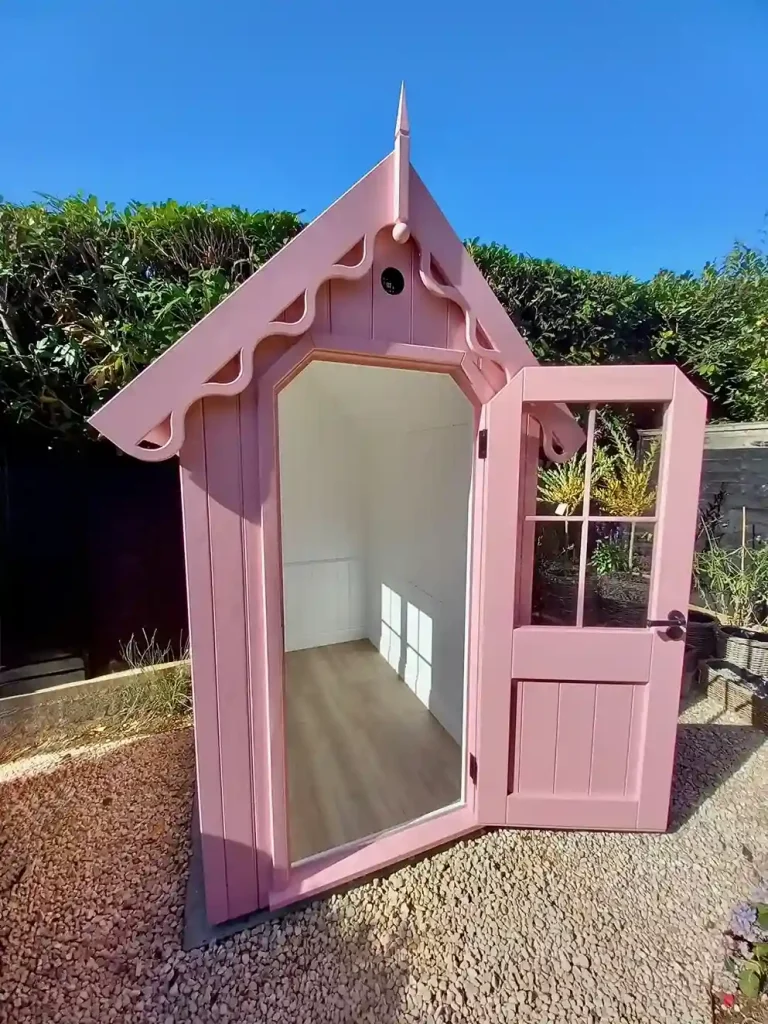
It also creates a dedicated workspace for potting, repairs, and projects. A shed gives every gardening activity its own proper place and purpose.
| Benefit | Impact |
|---|---|
| Tool protection | Extends lifespan of equipment |
| Yard organization | Eliminates clutter and mess |
| Dedicated workspace | Improves gardening efficiency |
3. Types of Garden Sheds
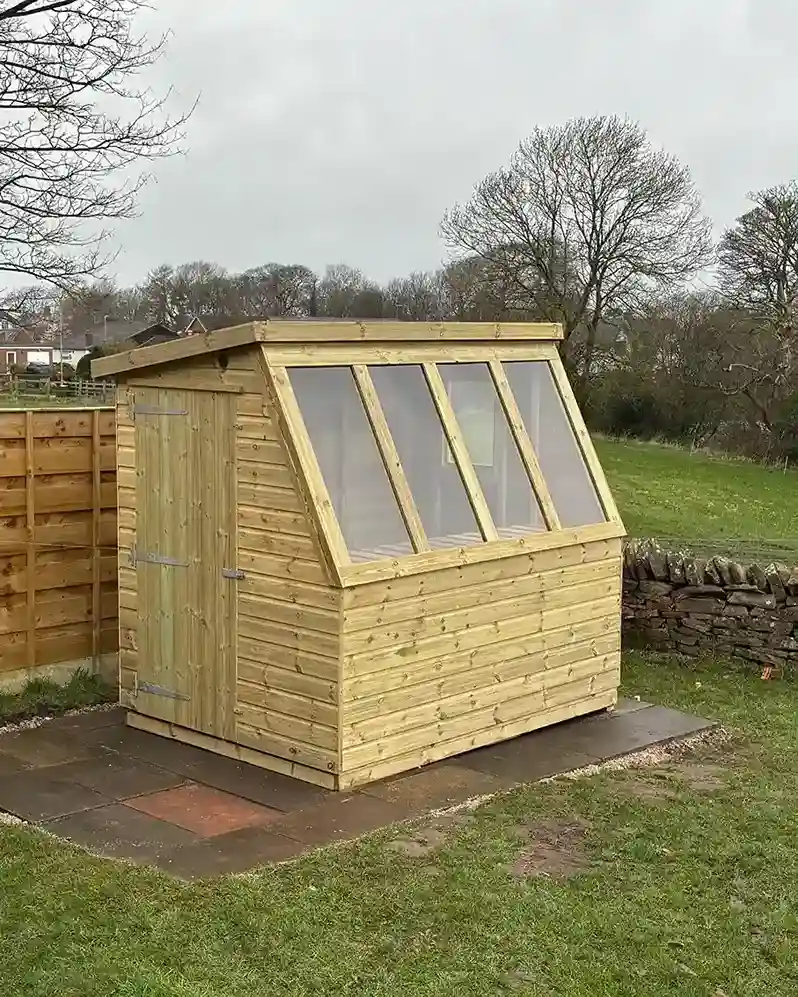
There are many shed styles to choose from based on your needs. Each type suits a different purpose, budget, and garden layout.
Credits: @northwestsheds
Common types include storage sheds, potting sheds, workshop sheds, and lean-to sheds. Knowing which type suits you helps narrow down the design choices quickly.
| Shed Type | Best For |
|---|---|
| Storage shed | Tools, lawn equipment, bikes |
| Potting shed | Seed starting, transplanting |
| Workshop shed | DIY projects, woodworking |
| Lean-to shed | Small spaces, wall attachment |
4. How to Plan Your Garden Shed
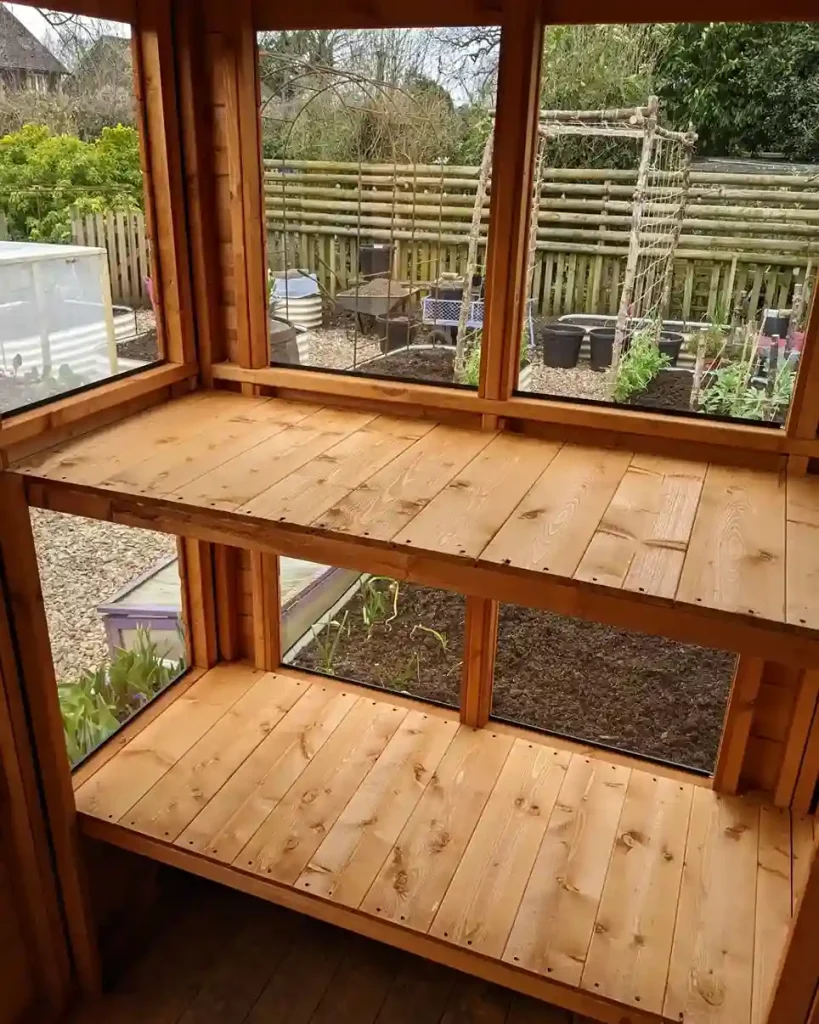
Good planning prevents costly mistakes later. Start by deciding what the shed will store and how much space you realistically need.
Credits: @chicksandveg
Measure your available yard space carefully before committing to a size. Always check local zoning laws and permit requirements before you begin construction.
| Planning Step | Action Required |
|---|---|
| Decide purpose | Storage, workspace, or both |
| Measure space | Confirm available footprint |
| Check permits | Contact local council or authority |
5. Best Location for a Garden Shed
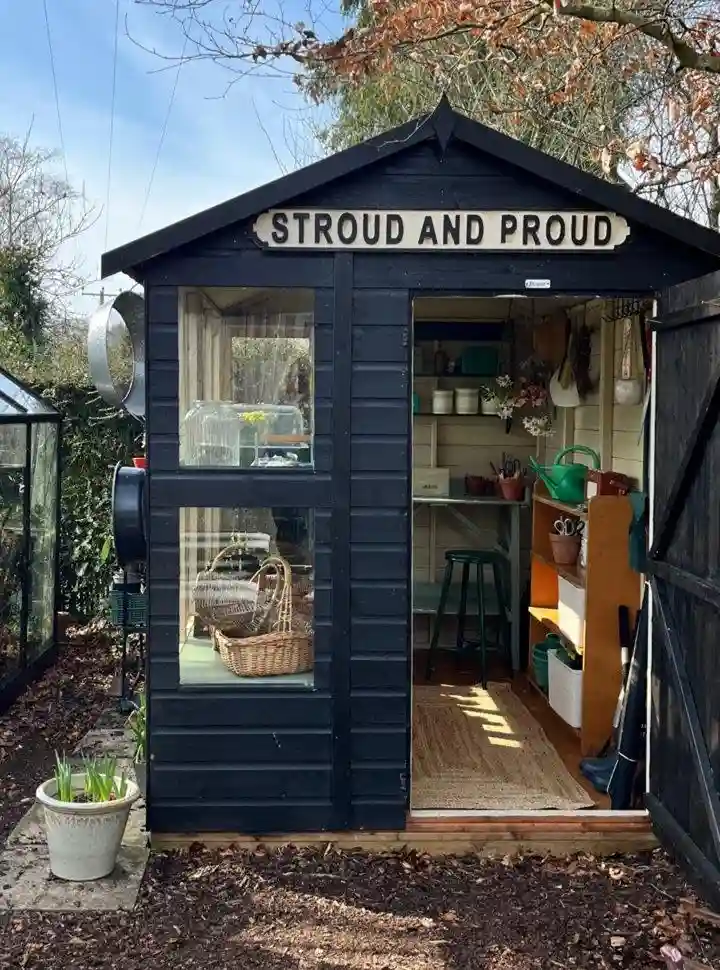
Choose a flat, well-drained area of your yard for the shed. Avoid low spots where water pools after heavy rain or snowmelt.
Credits: @andrewrwilcox
Place the shed close to the garden area it serves but away from property boundaries. Easy access and good drainage are the two most important location factors.
| Location Factor | Ideal Condition |
|---|---|
| Ground level | Flat and stable ground |
| Drainage | No pooling or flooding risk |
| Access | Easy to reach with tools and equipment |
6. Garden Shed Sizes — What’s Right for You?
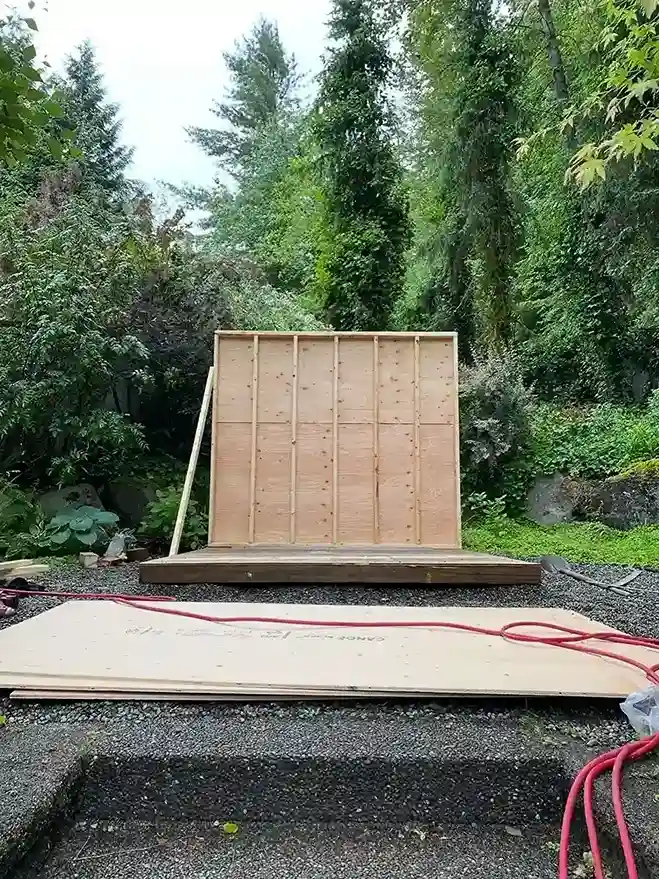
Shed size depends on what you plan to store and how you will use it. A small 6×4 ft shed suits basic tool storage for a compact garden.
Credits: @dinasdigs
Larger families or serious gardeners may need a 10×12 ft shed or bigger. Always size up slightly — most people wish they had gone bigger eventually.
| Shed Size | Best For |
|---|---|
| 6×4 ft | Basic tool storage, small garden |
| 8×6 ft | Medium garden, lawnmower + tools |
| 10×12 ft | Large gardens, workshop space |
7. Garden Shed Materials Compared
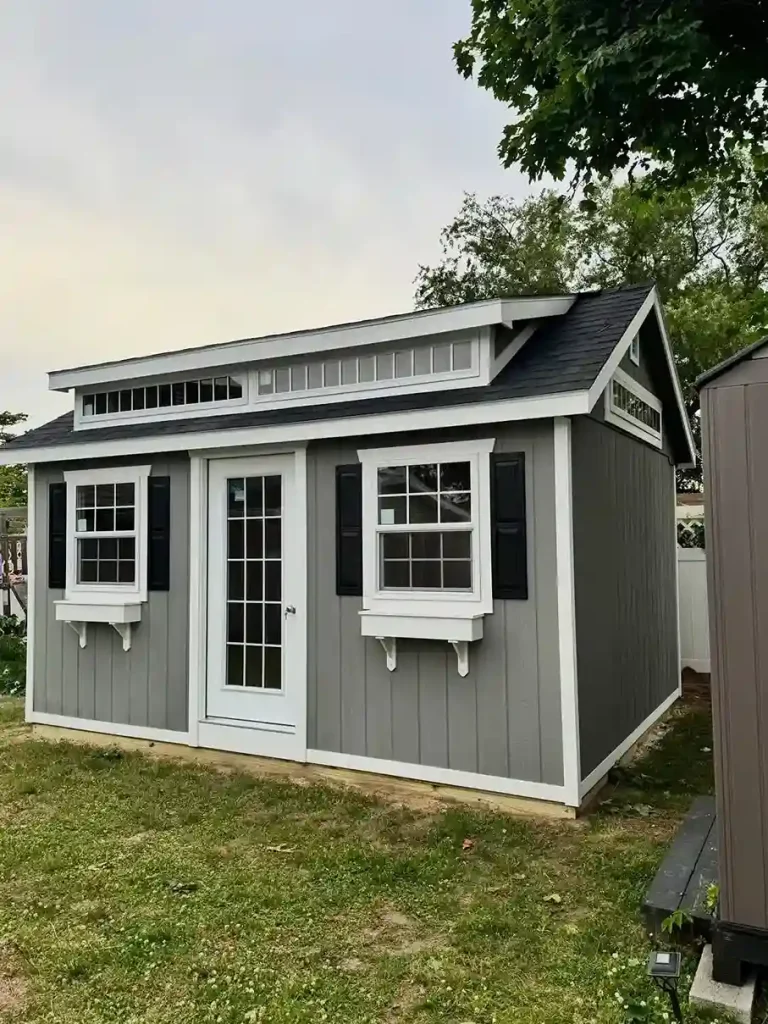
The material you choose affects durability, cost, maintenance, and appearance. Each option has clear advantages and trade-offs to consider.
Credits: @jerseyshoreshedbuilders
Wood is beautiful but needs regular maintenance. Metal is strong and low-maintenance but can rust. Plastic is affordable, lightweight, and rust-proof but less attractive.
| Material | Pros | Cons |
|---|---|---|
| Wood | Attractive, customizable | Needs painting, can rot |
| Metal | Strong, low maintenance | Can rust, gets hot inside |
| Plastic/Vinyl | Affordable, rust-proof | Less attractive, less durable |
8. Wooden Garden Sheds
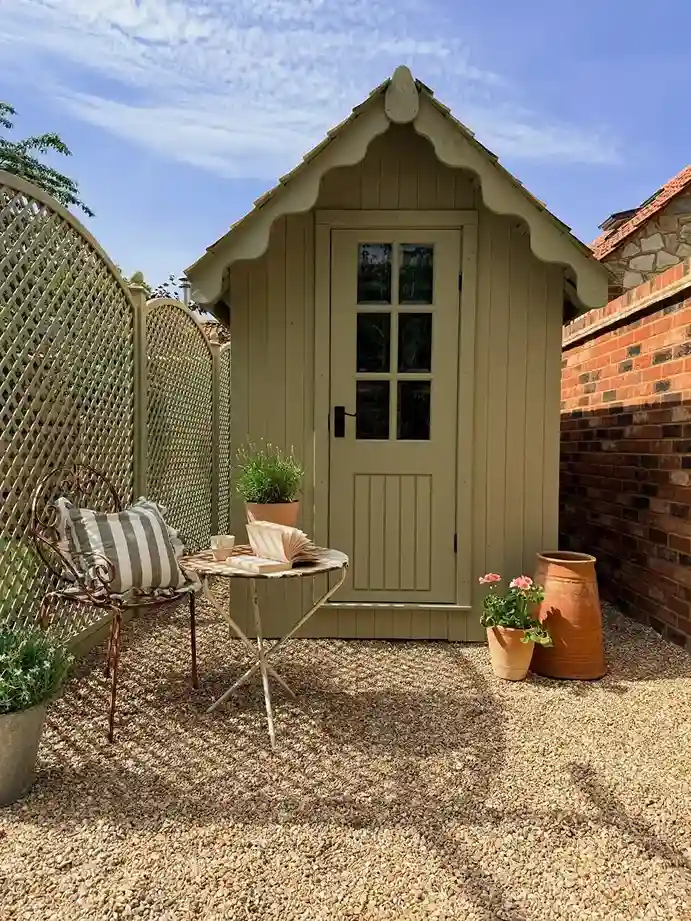
Wooden sheds are the most popular and visually appealing option. They blend naturally into garden settings and can be painted or stained any color.
Credits: @nestandcovintage
Pressure-treated timber resists rot and insect damage far better than untreated wood. Cedar and redwood are naturally rot-resistant and ideal for long-lasting sheds. Try painting fences instead of a simple wire fence for more beauty.
| Wood Type | Durability | Maintenance |
|---|---|---|
| Pressure-treated pine | High | Low — treat every 3–5 years |
| Cedar | Very high | Low — naturally rot-resistant |
| Standard pine | Medium | High — paint and treat regularly |
9. Metal Garden Sheds
Metal sheds are tough, secure, and very low maintenance. They resist fire, pests, and rot far better than wood alternatives.
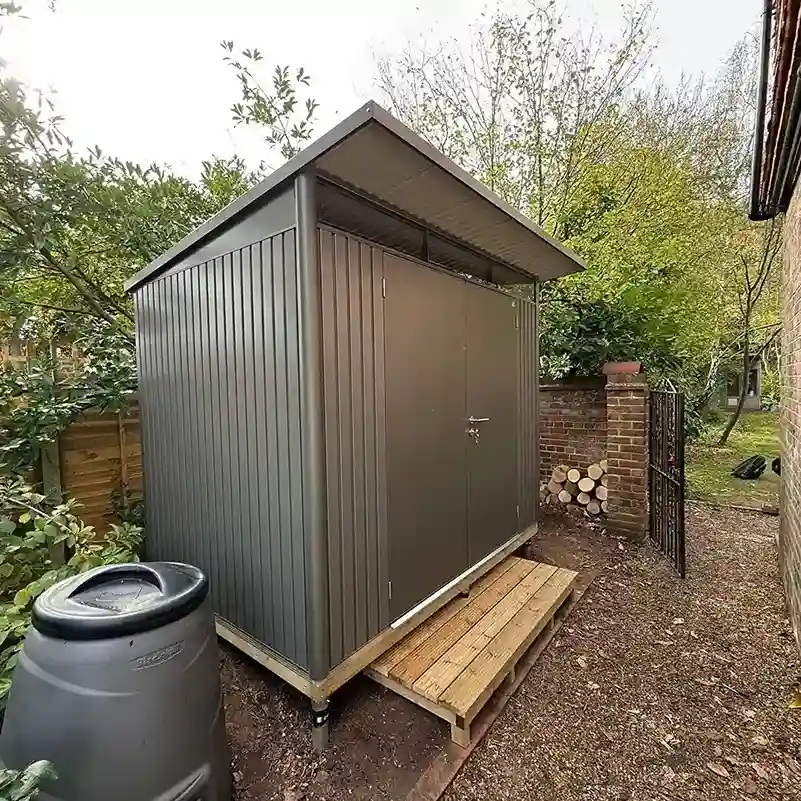
Galvanized steel is the most common metal shed material. Always anchor metal sheds firmly to a solid base to prevent shifting in strong winds.
Credits: @cousinsgb
| Feature | Metal Shed Details |
|---|---|
| Security | Strong and difficult to break into |
| Maintenance | Minimal — check for rust annually |
| Lifespan | 20–30 years with proper care |
10. Plastic and Vinyl Garden Sheds
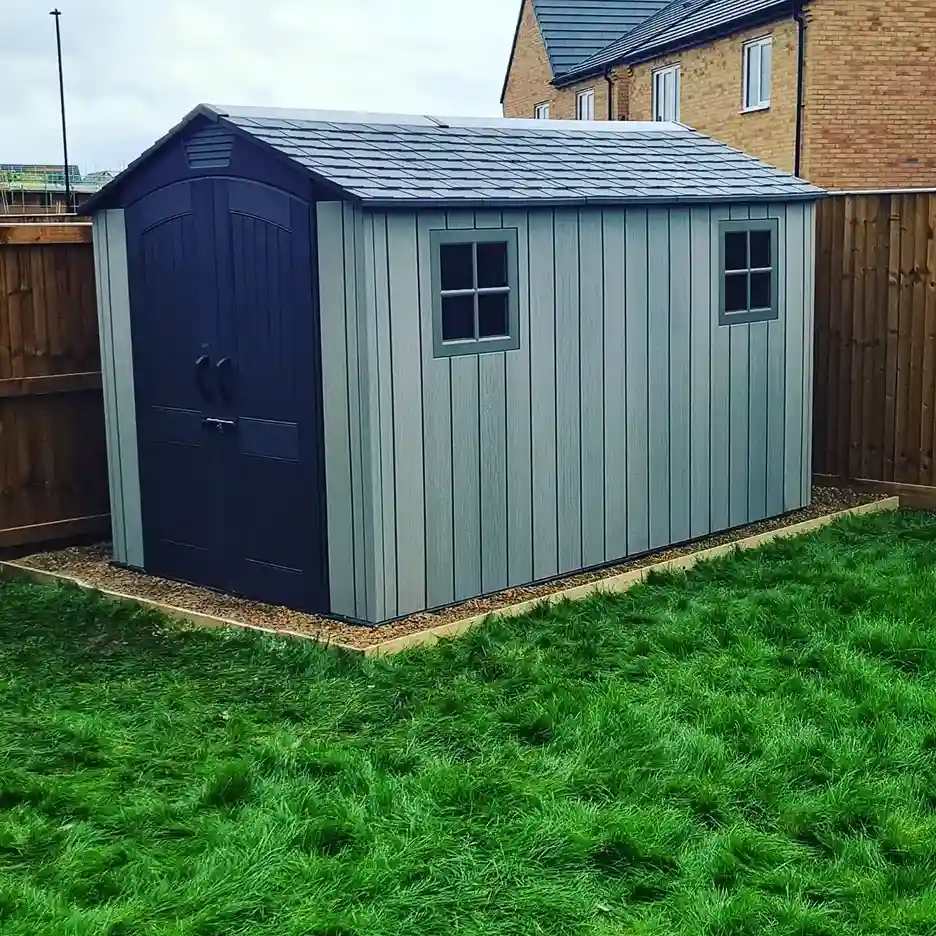
Plastic sheds are lightweight, affordable, and completely rust-proof. They require almost no maintenance beyond an occasional wash with soapy water.
Credits: @ricks_homeimprovements
They are not as strong or attractive as wood or metal sheds. However, for basic storage in a tight budget, they are a practical and popular choice.
| Feature | Plastic Shed Details |
|---|---|
| Cost | Lowest upfront cost |
| Maintenance | Almost zero required |
| Lifespan | 10–15 years typically |
11. Garden Shed Foundation Options
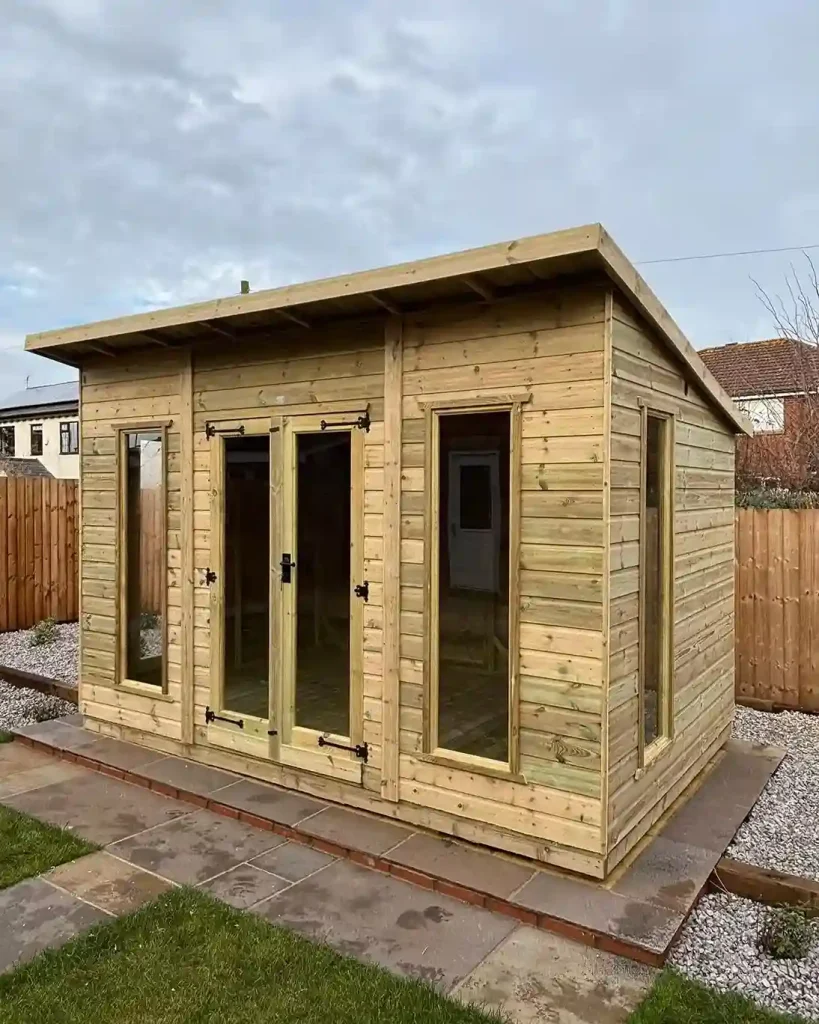
A solid foundation is essential for any garden shed. It prevents moisture from entering, stops the shed from shifting, and extends the structure’s life.
Credits: @northwestshed
Common foundation options include concrete slabs, paving slabs, gravel pads, and pressure-treated timber frames. The right choice depends on your shed size and budget.
| Foundation Type | Best For |
|---|---|
| Concrete slab | Large, permanent sheds |
| Paving slabs | Medium sheds, DIY-friendly |
| Gravel pad | Small sheds, excellent drainage |
12. How to Build a Garden Shed Step by Step
Building your own shed is a rewarding DIY project for a capable home handyman. It saves money and allows full customization of size and features.
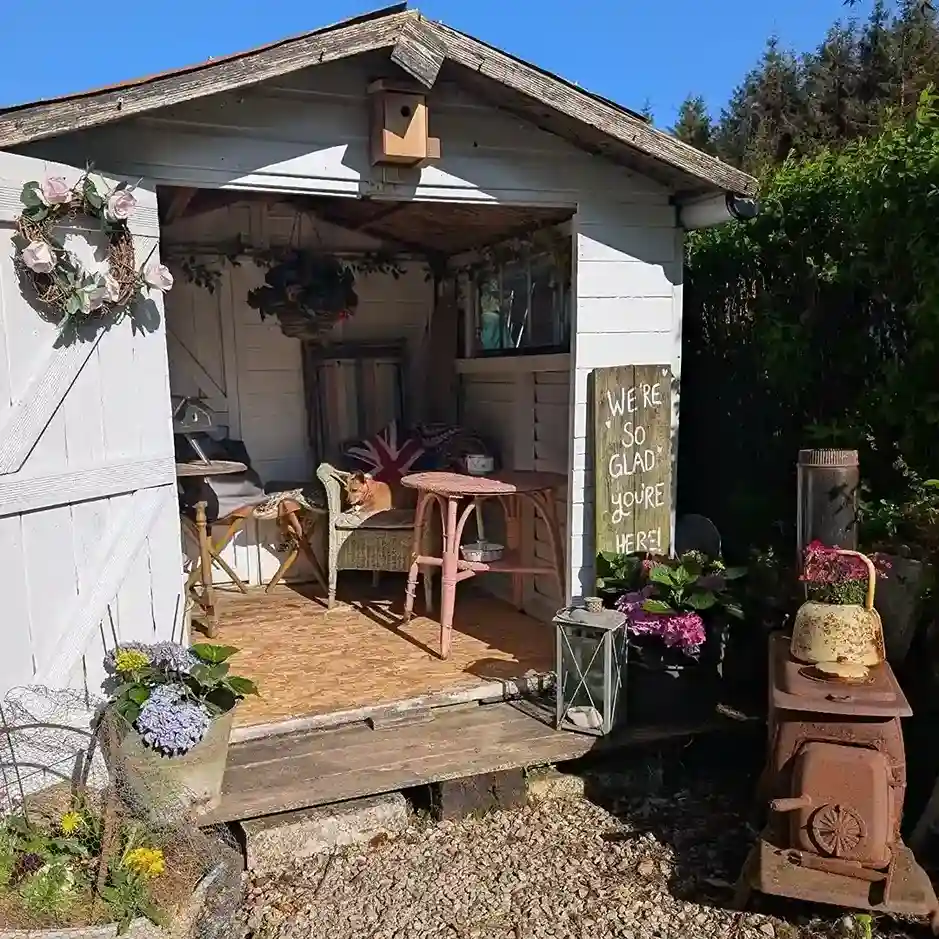
Start with the foundation, then frame the floor, walls, and roof in order. Always follow the manufacturer’s plans or a detailed building guide throughout.
Credits: @janeygirl_01
| Build Step | Description |
|---|---|
| 1. Foundation | Lay concrete, paving, or gravel base |
| 2. Floor frame | Build and fix timber floor frame |
| 3. Wall frames | Erect and brace wall panels |
| 4. Roof | Install rafters, sheathing, and felt |
13. Buying a Pre-Built Garden Shed
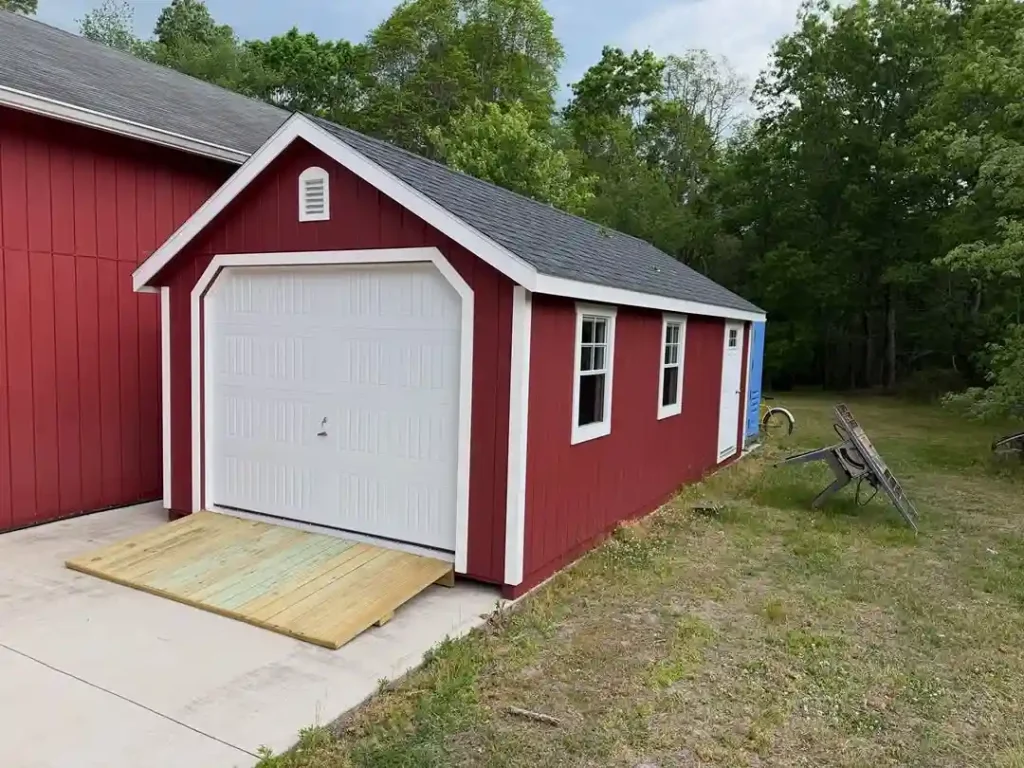
Pre-built or flat-pack sheds save significant time and effort. They come with all parts included and detailed assembly instructions.
Many garden centers and online retailers sell ready-to-assemble shed kits. Delivery and installation services are often available for an additional cost.
Credits: @jerseyshoreshedbuilders
| Purchase Option | Pros |
|---|---|
| Garden center | See it in person before buying |
| Online retailer | Wider selection, often cheaper |
| Custom builder | Fully tailored to your exact needs |
14. Garden Shed Roof Styles
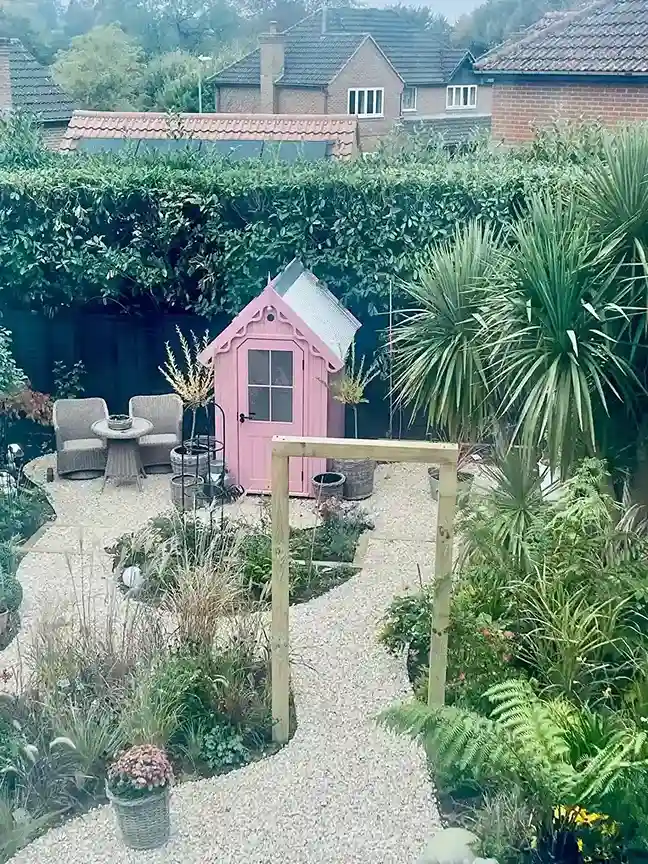
The roof style affects both function and appearance of your shed. Different roof styles suit different climates and aesthetic preferences.
Credits: @gardentrellisco
Apex roofs are the most common and drain rain well. Pent roofs are single-slope and suit lean-to or modern-style sheds perfectly.
| Roof Style | Best For |
|---|---|
| Apex (pitched) | Most climates, classic look |
| Pent (single slope) | Lean-to sheds, modern style |
| Gambrel (barn) | Maximum interior headroom |
15. Garden Shed Doors and Windows
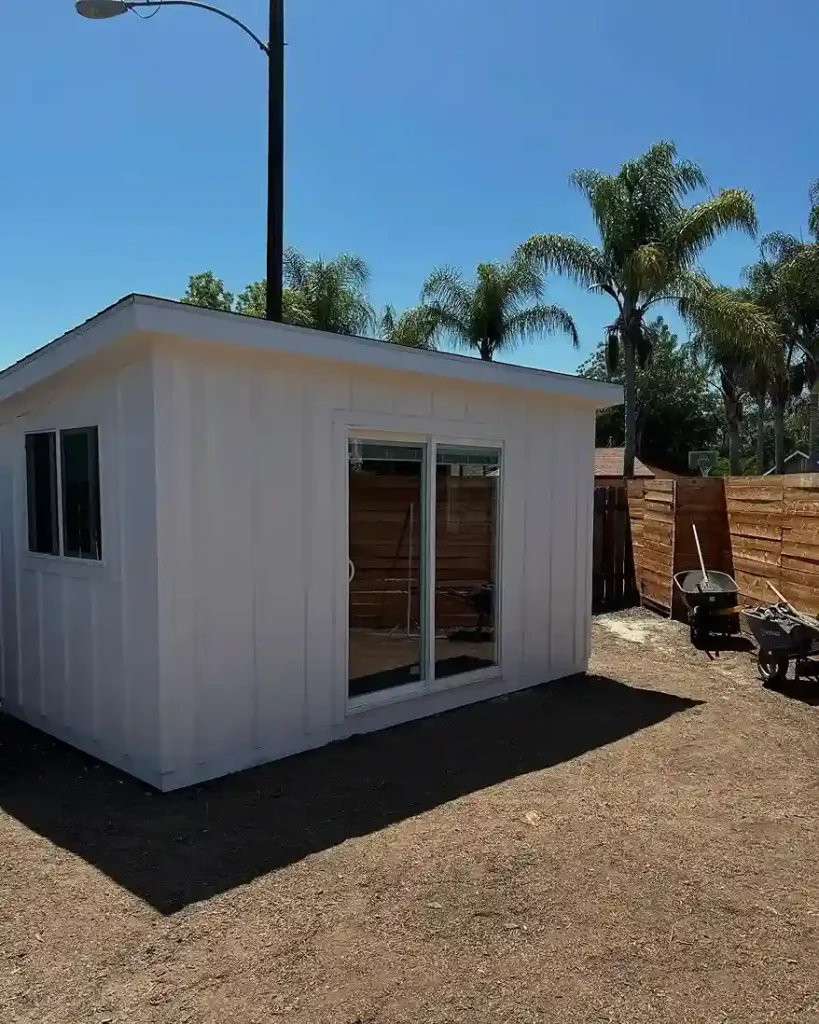
Good doors and windows improve access, ventilation, and light inside the shed. Double doors are ideal if you store large equipment like lawnmowers or wheelbarrows.
Credits: @805sheds
Windows provide natural light and airflow, making the shed more comfortable to work in. Frosted or tinted glass offers privacy while still letting light through.
| Feature | Recommendation |
|---|---|
| Door type | Double doors for large equipment |
| Window size | At least one window per shed |
| Security | Fit a padlock hasp to all doors |
16. Garden Shed Security
Protecting your tools and equipment is a top priority. A poorly secured shed is an easy target for opportunistic theft.
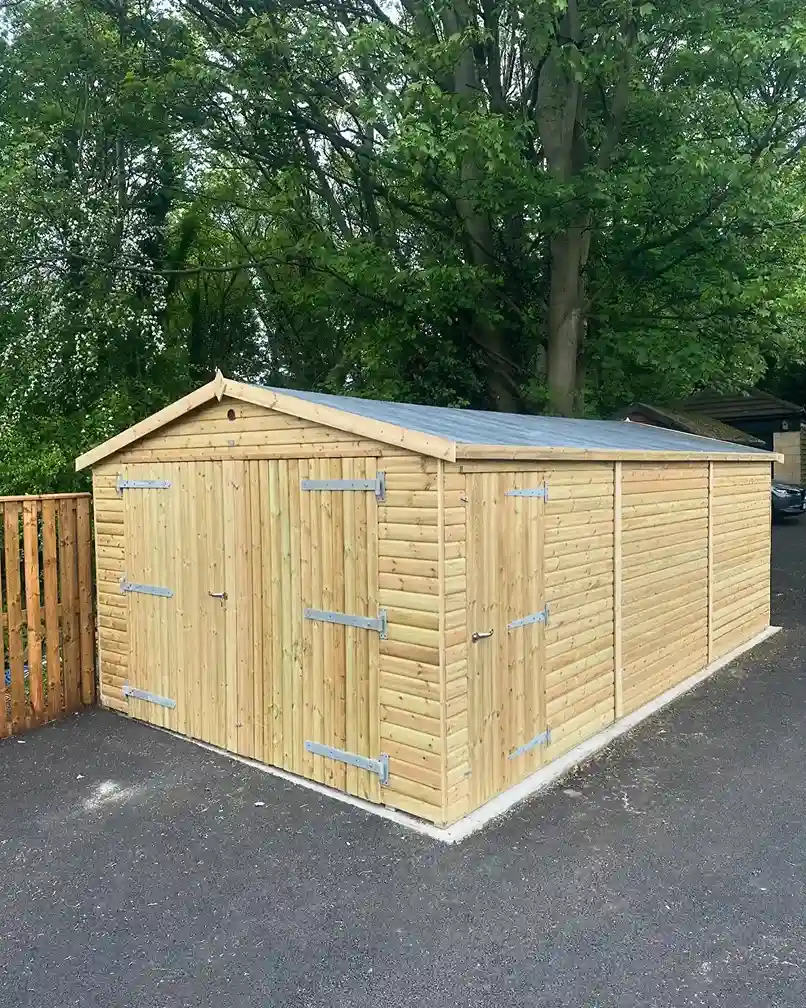
Install heavy-duty padlocks, security hinges, and a hasp bar on all doors. Motion-sensor lights and a shed alarm add extra layers of protection at night.
| Security Feature | Purpose |
|---|---|
| Heavy padlock | Prevents door forced entry |
| Security hinges | Stops hinge pin removal |
| Motion sensor light | Deters nighttime intruders |
17. Insulating a Garden Shed
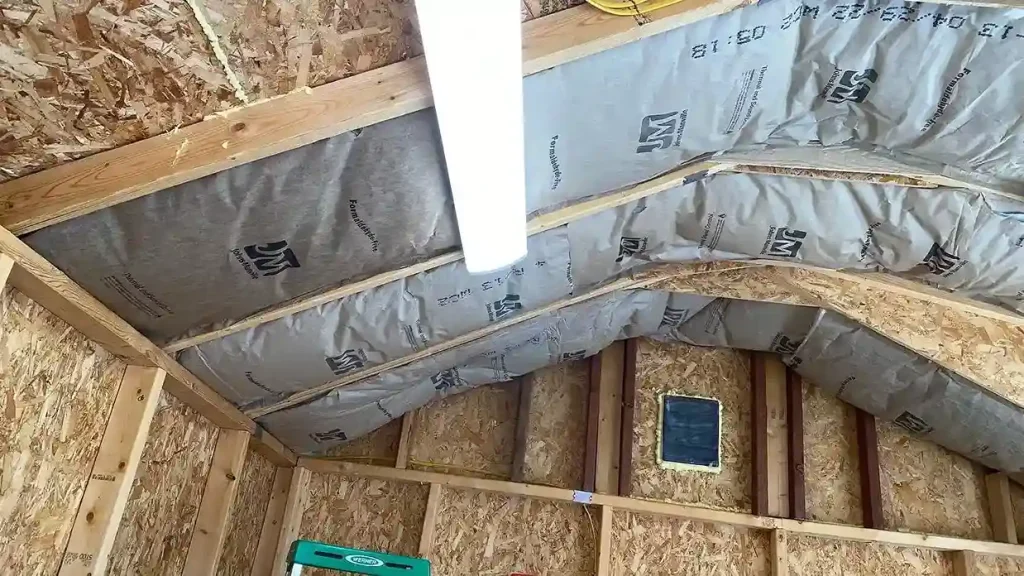
Insulation makes your shed usable year-round in all weather conditions. It keeps the interior cool in summer and warm in winter.
Credits: @mrstinaldiaz
Rigid foam board insulation is easy to cut and install between wall studs. Always insulate the roof as well — most heat is lost through the ceiling.
| Insulation Type | R-Value | Best For |
|---|---|---|
| Rigid foam board | R-3 to R-6 per inch | Walls and roof panels |
| Fiberglass batts | R-3 per inch | Stud wall cavities |
| Reflective foil | Low | Roof heat reflection in hot climates |
18. Heating and Cooling a Garden Shed
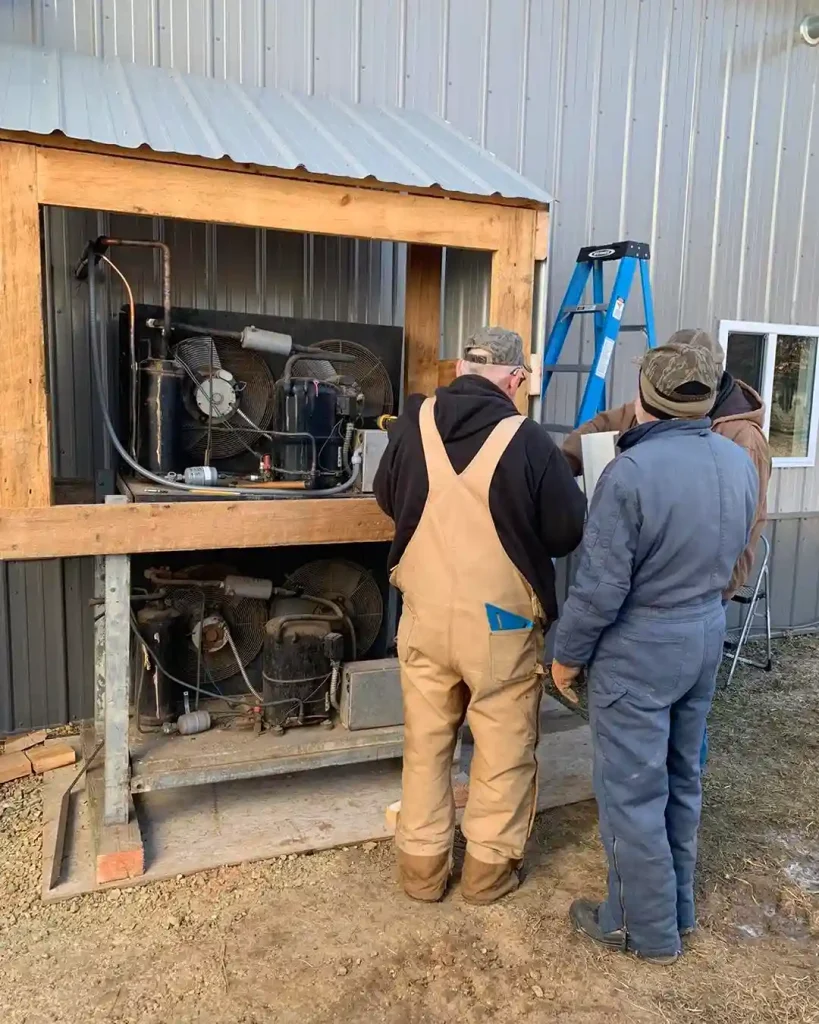
A heated or cooled shed becomes a true year-round workspace. Small electric heaters are the safest and most popular option for shed heating.
In hot climates, a small window fan or vent fan keeps the shed comfortable. Solar-powered ventilation systems are an eco-friendly and cost-effective solution.
Credits: @wanishsugarbush
| Climate Control Method | Cost Level | Best For |
|---|---|---|
| Electric fan heater | Low | Winter heating in small sheds |
| Window fan | Very low | Summer cooling and airflow |
| Solar vent fan | Low upfront | Eco-friendly passive cooling |
19. Lighting Your Garden Shed
Good lighting transforms a dark shed into a functional workspace. Plan your lighting before building or fitting out the interior.
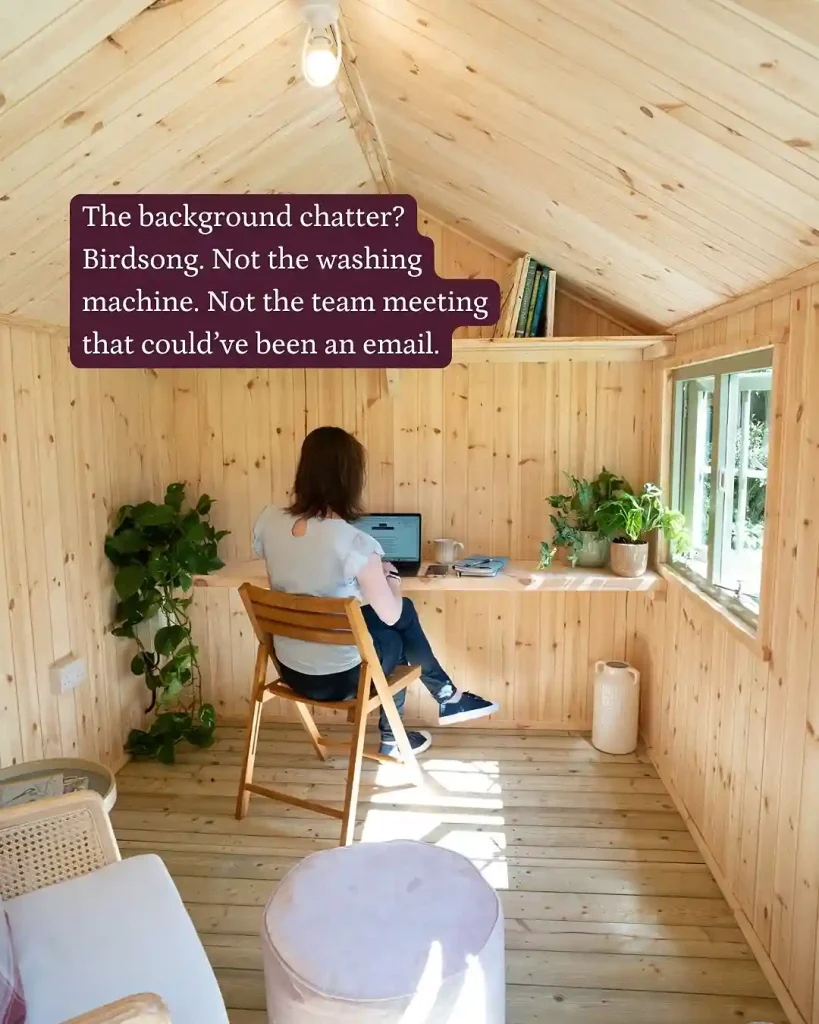
Credits: @forestgardenltd
Mains electricity is the most powerful option but requires a licensed electrician. Solar-powered LED lights are a simple, low-cost alternative with no wiring needed.
| Lighting Option | Cost | Installation |
|---|---|---|
| Mains wired lighting | Higher | Requires electrician |
| Solar LED lights | Low | Simple DIY installation |
| Battery-powered LED | Very low | Portable and flexible |
20. How to Organize a Garden Shed
A well-organized shed saves time and reduces frustration every single day. Group similar tools together and use wall space to its full potential.
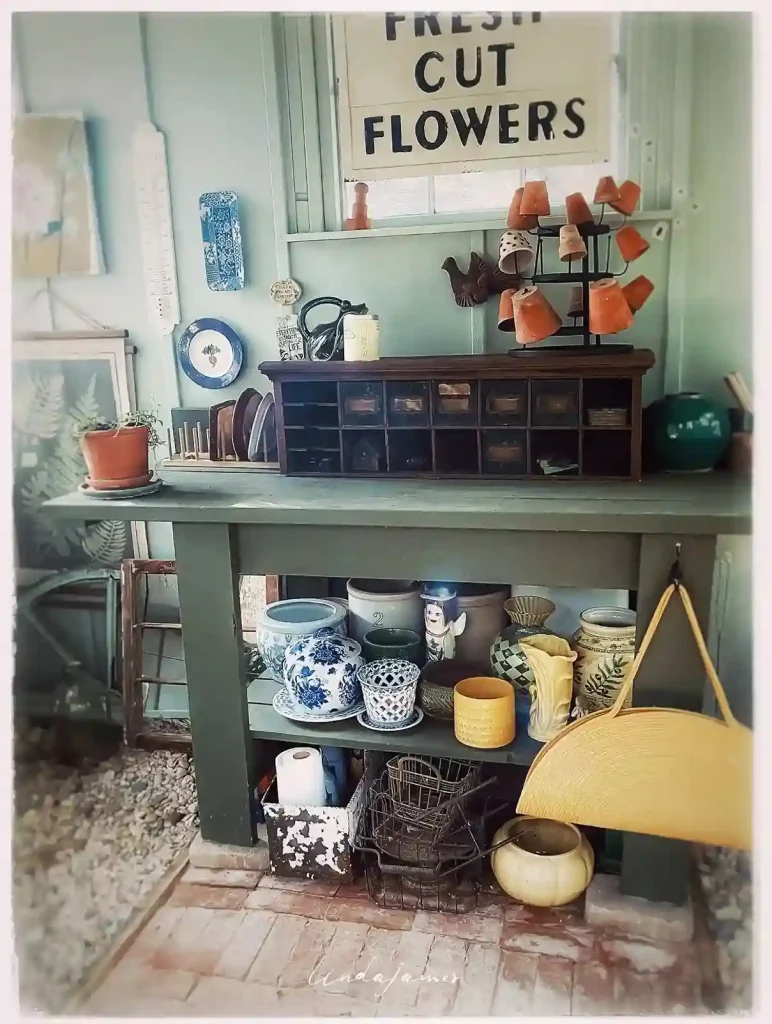
Credits: @lindajames83
Hang tools on pegboards or hooks to free up floor space. Store small items in labeled bins or jars at eye level for easy access.
| Organization Tool | Use |
|---|---|
| Pegboard | Hang hand tools, hoses, cords |
| Wall-mounted shelving | Store pots, chemicals, supplies |
| Labeled bins | Organise seeds, fixings, small parts |
21. Garden Shed Storage Ideas
Clever storage solutions maximize every inch of your shed space. Think vertically — walls and ceilings offer plenty of unused storage potential.
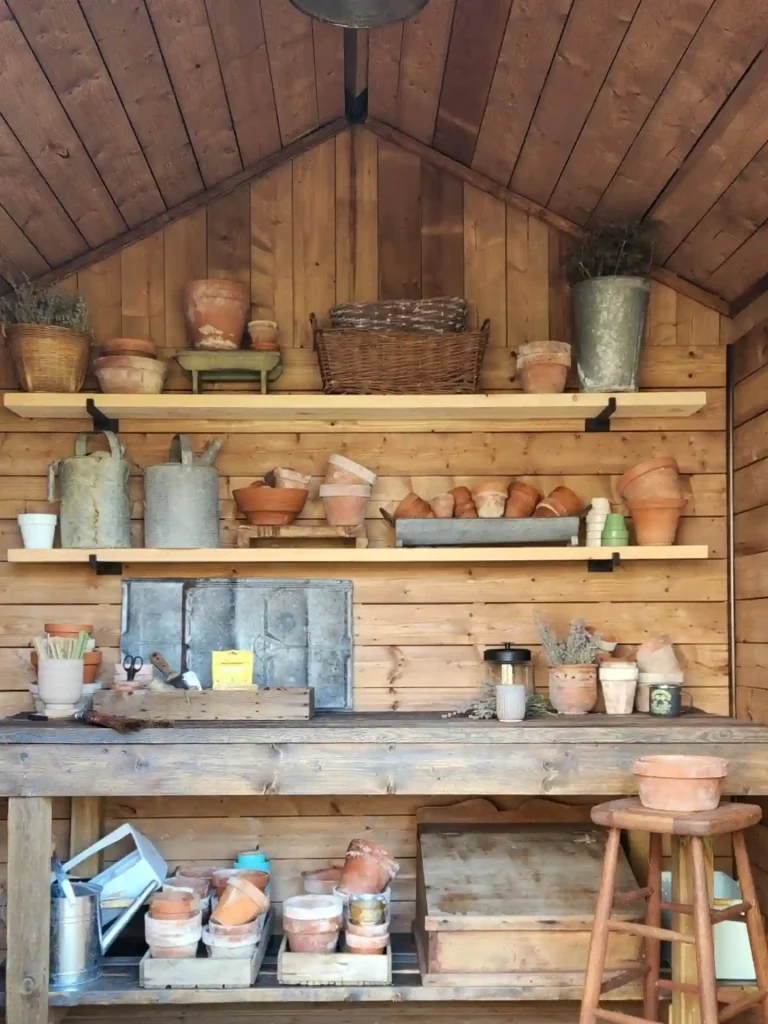
Credits: @houseonsquires
Magnetic strips hold metal tools and scissors neatly on the wall. Overhead loft shelving stores seasonal items that are only needed a few times per year.
| Storage Idea | Benefit |
|---|---|
| Ceiling loft shelf | Stores seasonal and bulky items |
| Magnetic tool strip | Keeps metal tools visible and accessible |
| Bike hooks (ceiling) | Frees up floor space completely |
22. Potting Shed Setup and Ideas
A potting shed is dedicated to seed starting, transplanting, and plant care. It needs a potting bench, good lighting, and easy access to water.
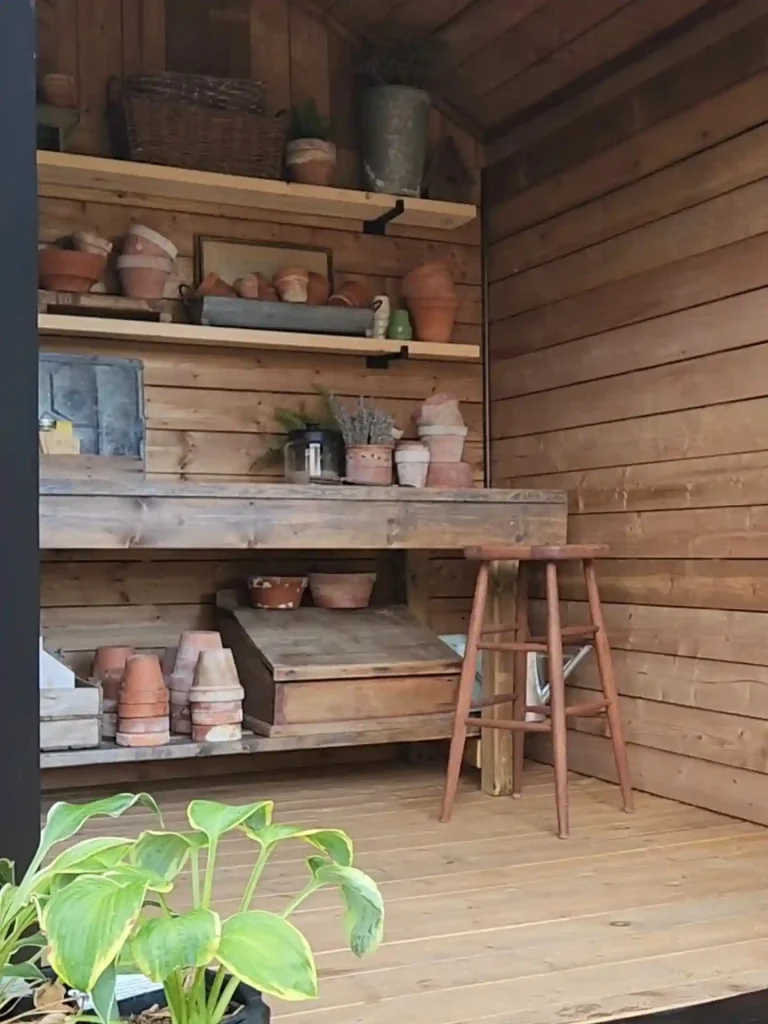
Credits: @microprosienna
Install a deep sink or outdoor tap connection inside the potting shed. Keep compost, potting mix, seeds, and small pots all within arm’s reach.
| Potting Shed Essential | Purpose |
|---|---|
| Potting bench | Working surface at comfortable height |
| Sink or water point | Easy watering and cleaning |
| Seed storage drawers | Keeps seeds dry, cool, and organized |
23. She Shed Ideas for Women
She sheds are personal retreats designed for relaxation, creativity, or hobbies. They are a growing trend that transforms a basic shed into a beautiful private space.
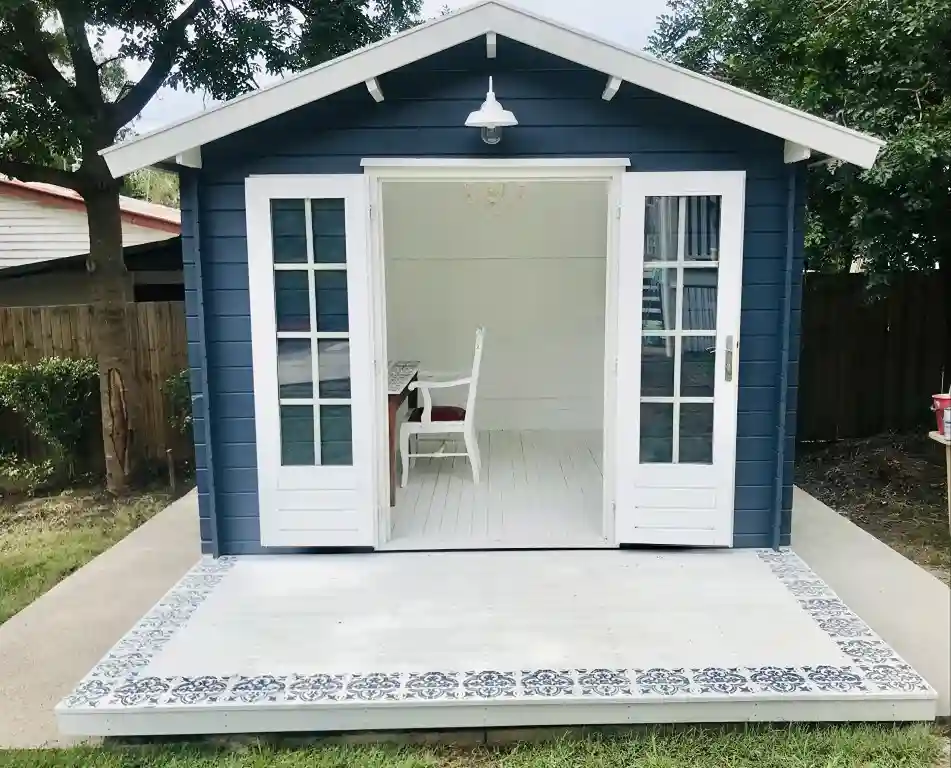
Credits: @sheshedcabins
Add comfortable seating, soft lighting, and personal décor to create a cozy retreat. A she shed can serve as a reading room, art studio, or yoga space.
| She Shed Feature | Idea |
|---|---|
| Seating | Armchair, daybed, or floor cushions |
| Lighting | Fairy lights, vintage lanterns |
| Décor | Floral prints, potted plants, rugs |
24. Man Cave Shed Ideas
A man cave shed gives men a personal space for hobbies, sports, or relaxation. It is completely separate from the home — a true escape space.
Fit it out with a workbench, mini fridge, TV, and comfortable seating. Add sports memorabilia, tool storage, and entertainment tech for the ultimate setup.
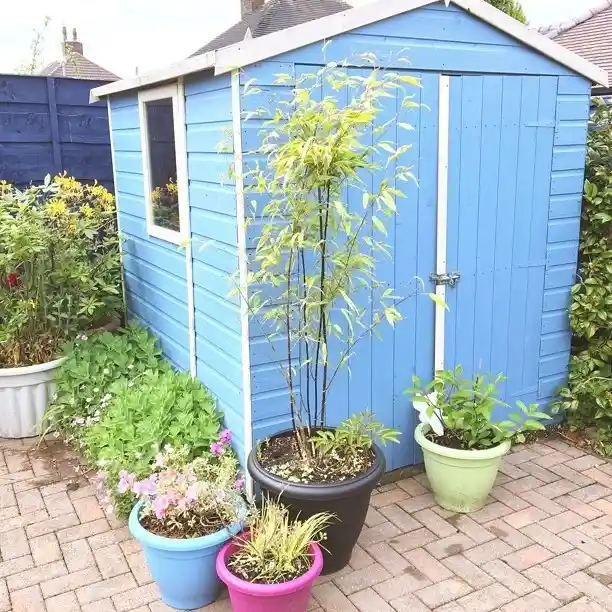
Credits: @meiflowermay
| Man Cave Feature | Idea |
|---|---|
| Workbench | DIY and hobby workspace |
| Mini fridge | Cold drinks always on hand |
| Entertainment | TV, sound system, gaming setup |
25. Garden Shed Workshop Setup
A workshop shed needs ample power outlets, strong lighting, and a sturdy workbench. Plan your layout around the tools you use most frequently.

Credits: @greenretreats
Mount power tools on walls or ceiling brackets to save bench space. Use a thick rubber mat on the floor to reduce fatigue during long work sessions.
| Workshop Essential | Recommendation |
|---|---|
| Workbench height | 34–36 inches for most adults |
| Power outlets | Minimum 4–6 outlets throughout |
| Lighting | Bright LED strip lights overhead |
26. Garden Shed Painting and Exterior Finishing
A freshly painted shed transforms your garden’s overall appearance. The right color ties the shed into the broader landscape beautifully.
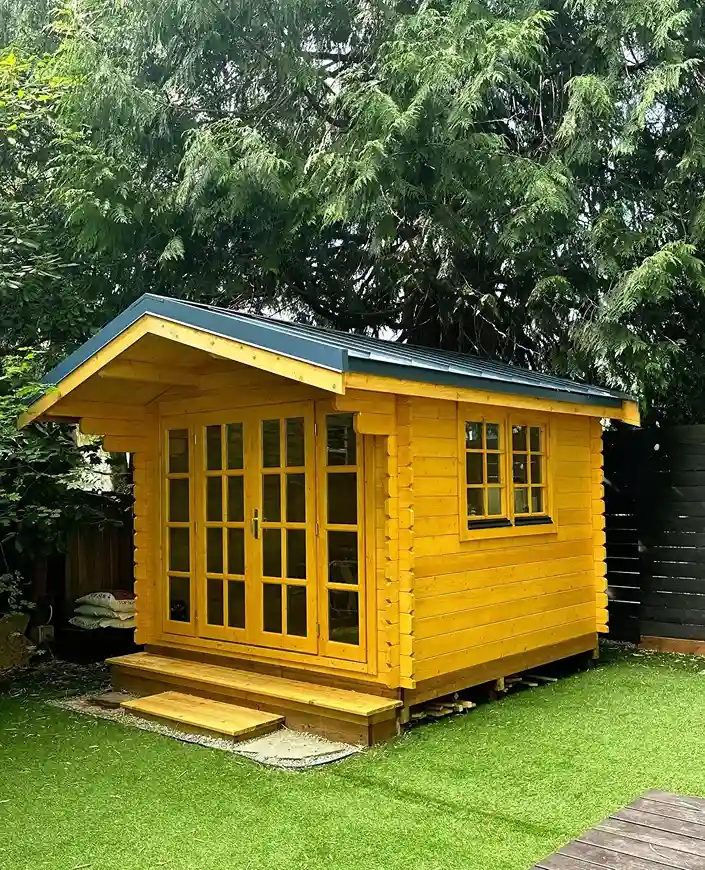
Credits: @solidbuildsheds
Use exterior wood paint or stain specifically formulated for outdoor timber. Repaint every 3 to 5 years to keep the wood protected and looking its best.
| Finish Type | Best For |
|---|---|
| Exterior gloss paint | Bold, solid color coverage |
| Semi-transparent stain | Shows wood grain, natural look |
| Solid color stain | Opaque color with wood protection |
27. Garden Shed Roof Maintenance
The roof is the most exposed and vulnerable part of any shed. Regular inspection prevents small problems from becoming expensive repairs.
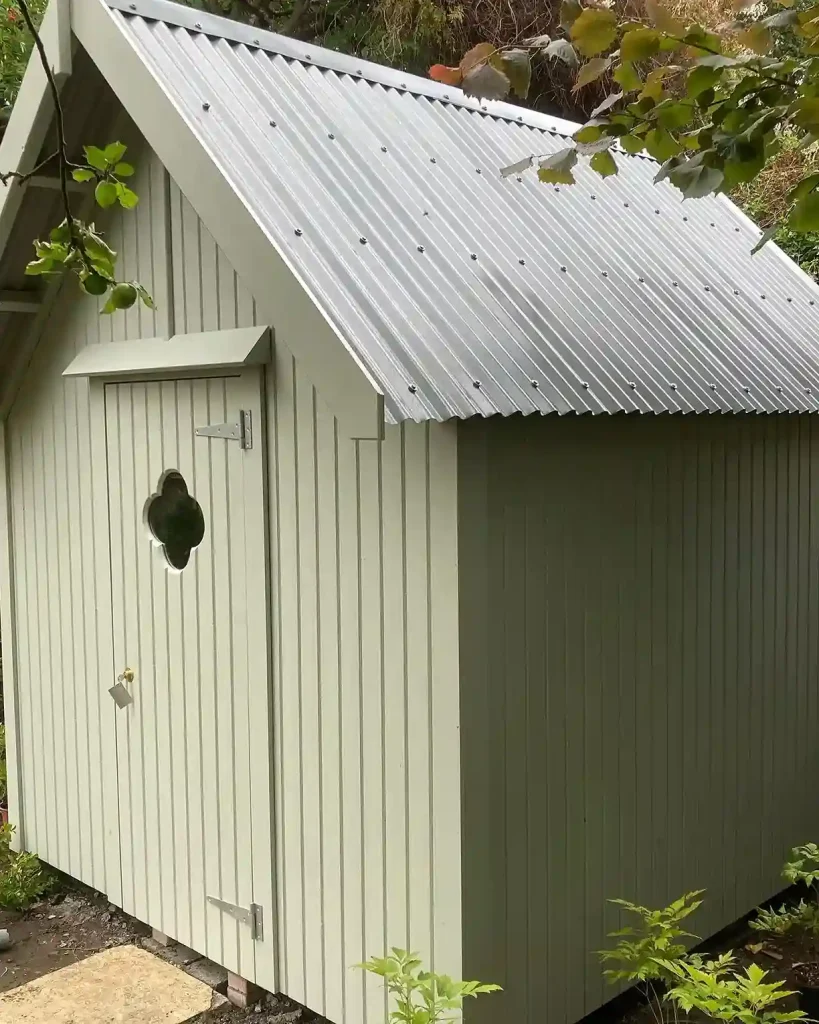
Credits: @willowgardenbuildings
Check the roof felt or covering for cracks, lifting, and water damage each spring. Replace damaged felt promptly to prevent water leaking into the shed structure.
| Maintenance Task | Frequency |
|---|---|
| Inspect roof felt | Annually every spring |
| Clear gutters and drains | Twice yearly minimum |
| Check for rot or rust | Annually, especially at seams |
28. Garden Shed Ventilation
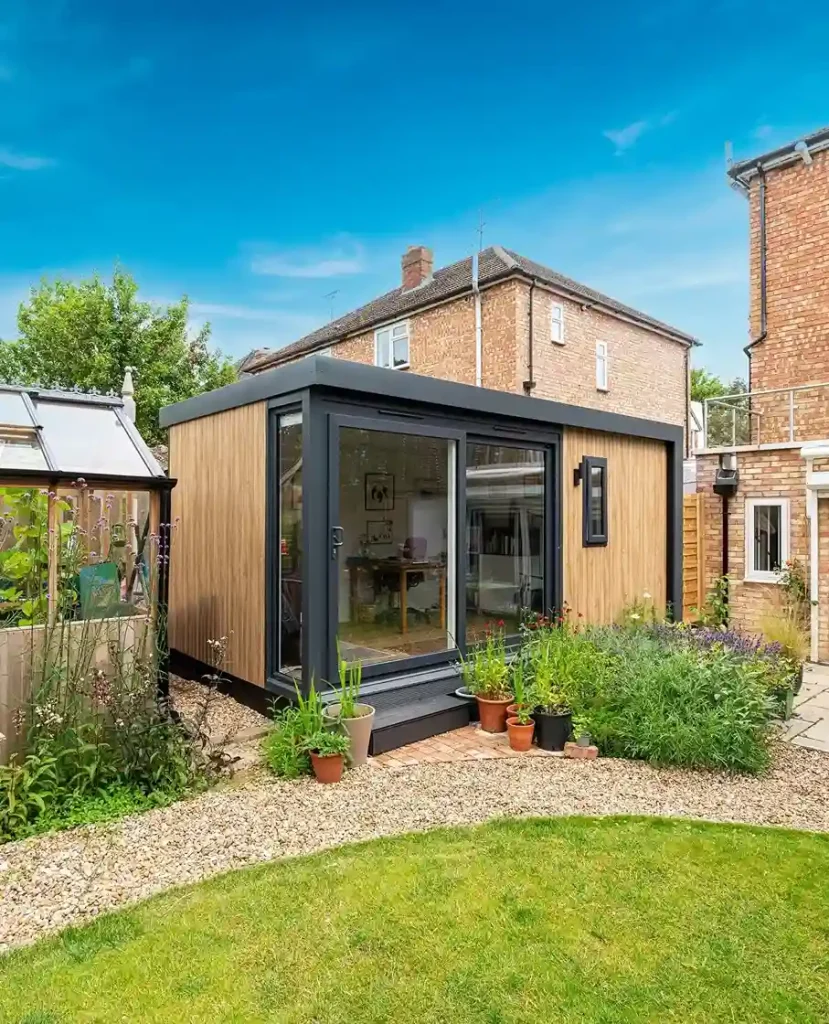
Poor ventilation leads to damp, mold, and tool rust inside your shed. Every shed needs at least basic airflow to stay healthy and dry.
Credits: @greenretreats
Fit roof vents, louvered wall vents, or a small window that opens. This allows moist air to escape and prevents condensation from building up on tools.
| Ventilation Option | Effectiveness |
|---|---|
| Louvered wall vent | Good passive airflow |
| Opening window | Excellent — adjustable airflow |
| Solar roof vent fan | Best — active, automatic ventilation |
29. Eco-Friendly Garden Shed Ideas
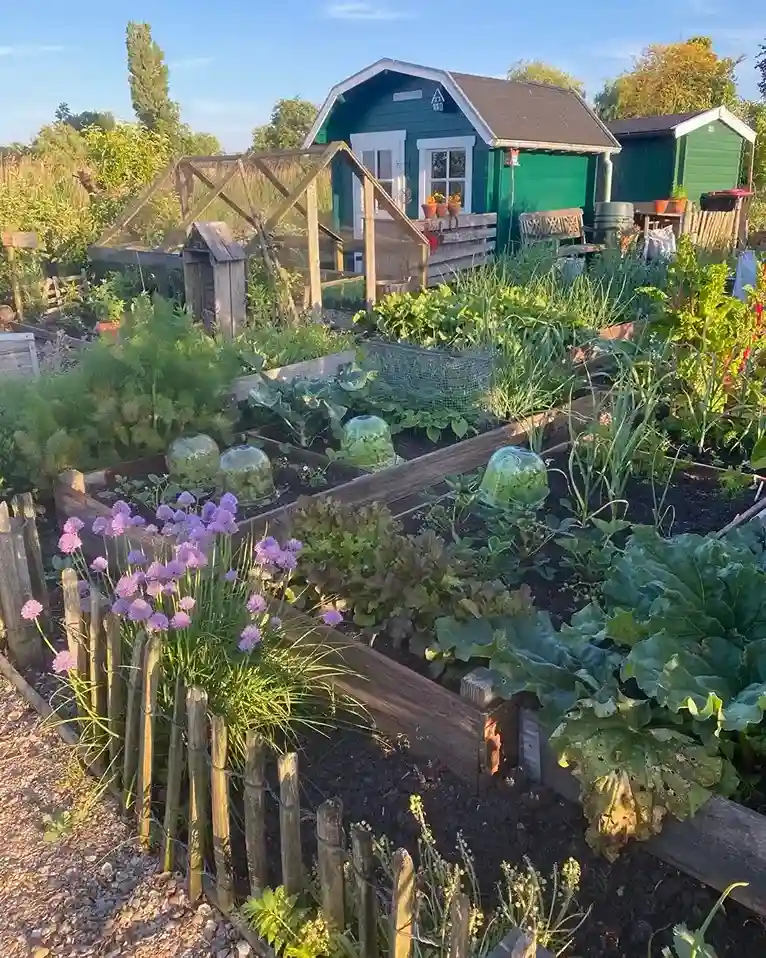
Building or upgrading a shed with sustainability in mind is easier than ever. Many eco-friendly options save money in the long run too.
Credits: @mels_kitchengarden
Install solar panels on the shed roof to power lights and tools. Collect rainwater from the shed roof for garden irrigation using a simple barrel system.
| Eco Feature | Benefit |
|---|---|
| Solar panel | Free electricity for lighting and tools |
| Green roof (sedum) | Insulates, looks beautiful, helps wildlife |
| Rainwater barrel | Free water supply for the garden |
30. Garden Shed Cost and Budget Guide
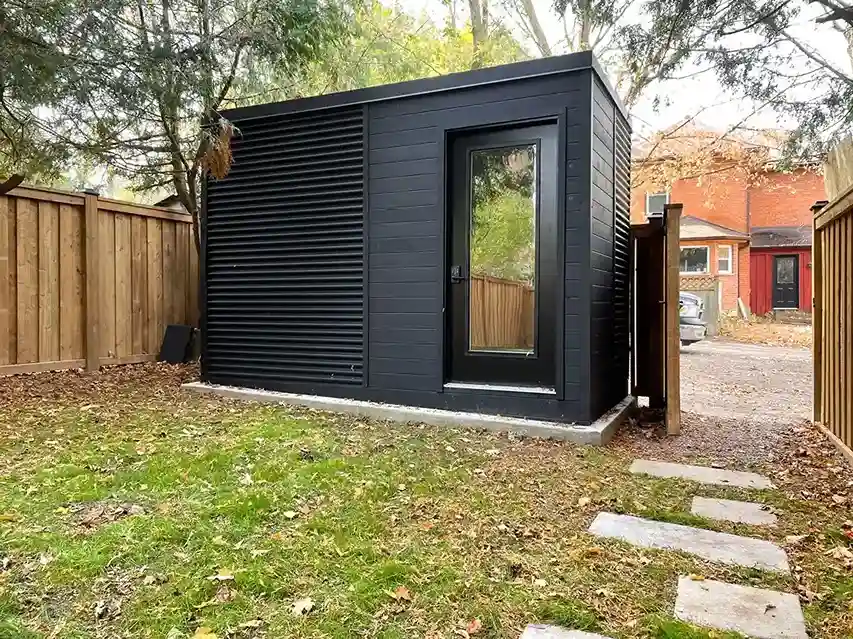
Shed costs vary enormously based on size, material, and whether you build or buy. A basic plastic shed can cost as little as $200 to $400.
Credits: @backyardescapestudio
A mid-range wooden shed typically costs $800 to $2,500 fully installed. Custom-built or workshop sheds can run from $3,000 to $10,000 or more.
| Shed Type | Approximate Cost |
|---|---|
| Small plastic shed | $200 – $500 |
| Mid-range wooden shed | $800 – $2,500 |
| Large custom wood shed | $3,000 – $10,000+ |
31. Garden Shed Permits and Regulations
Most regions require a building permit for structures above a certain size. Requirements vary by country, state, and local municipality.
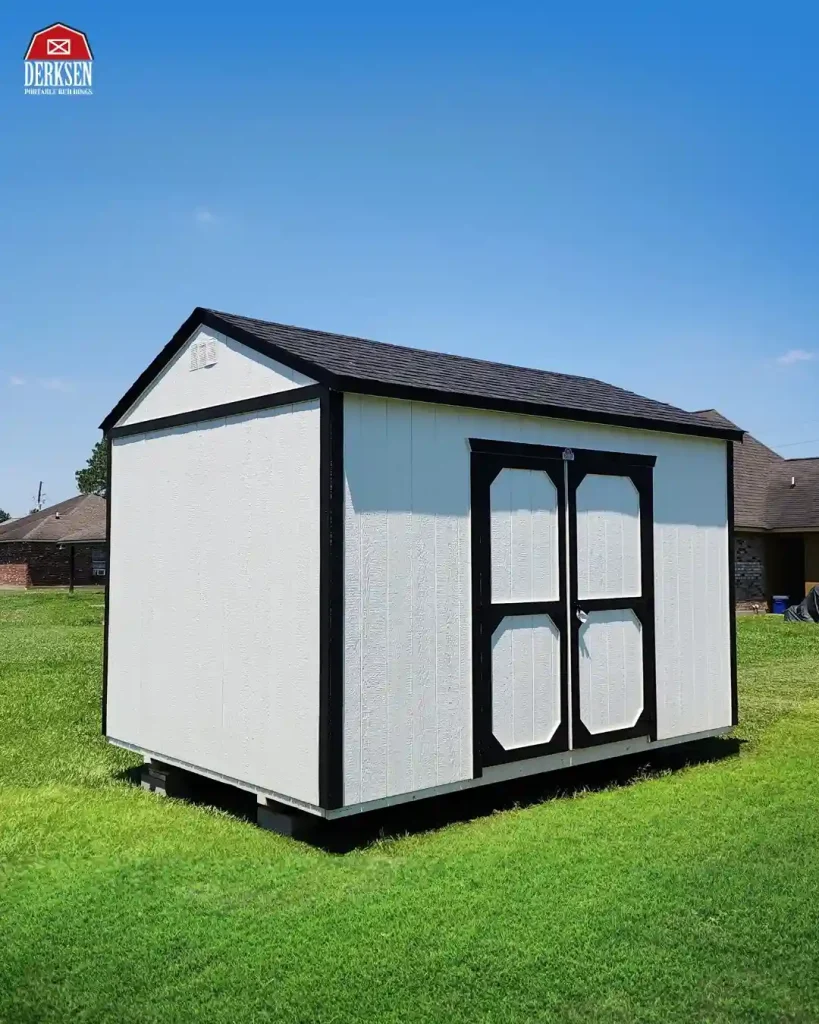
In many areas, sheds under 100 square feet do not need a permit. Always check with your local planning authority before you begin any construction work.
| Regulation | Typical Rule |
|---|---|
| Permit threshold | Often required over 100–120 sq ft |
| Setback distance | Usually 5–10 ft from boundary |
| Height limit | Typically 8–10 ft maximum |
32. Garden Shed Decoration and Curb Appeal
A beautiful shed enhances your garden’s overall design and feel. Small decorative touches make a huge visual difference with very little cost involved.
Add window boxes, climbing plants, or a painted door for instant charm. A simple gravel path leading to the shed ties it neatly into the garden layout.
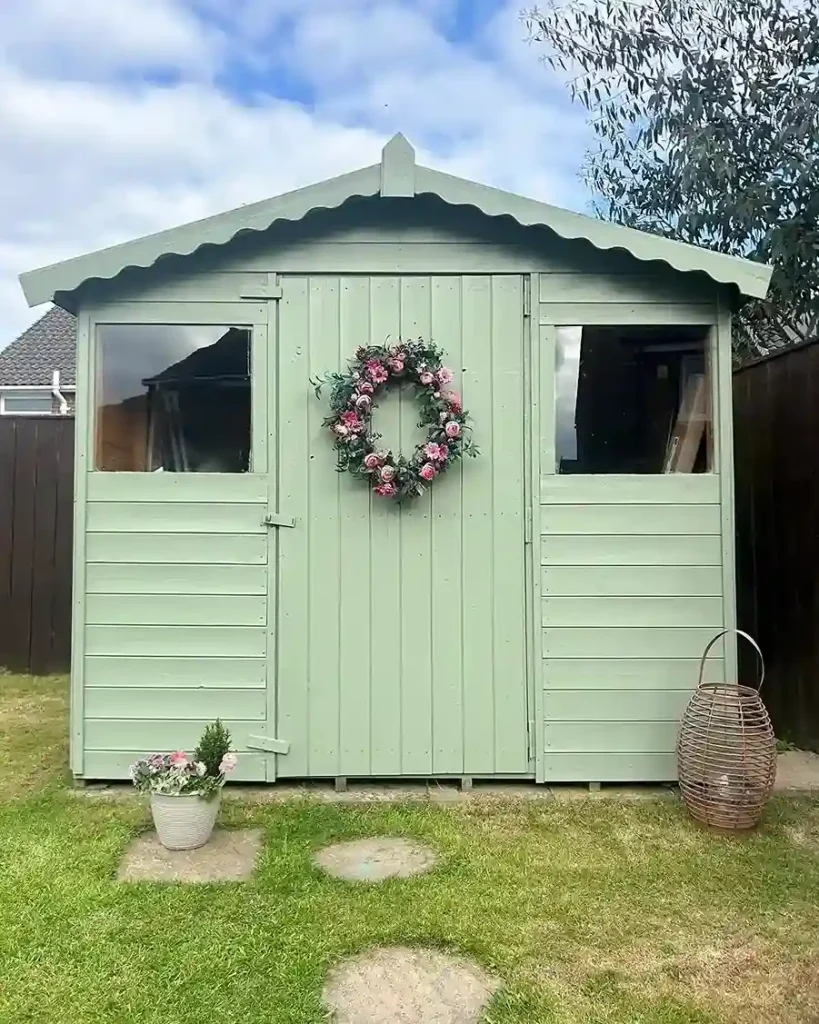
Credits: @theboltshouse
| Decorative Idea | Visual Impact |
|---|---|
| Window boxes with flowers | High — adds color and cottage charm |
| Climbing roses or ivy | High — softens hard structure beautifully |
| Painted statement door | Medium — adds personality and color |
33. Common Garden Shed Mistakes to Avoid
Many shed owners regret not planning better before they built or bought. Learning from common mistakes saves money, time, and frustration.
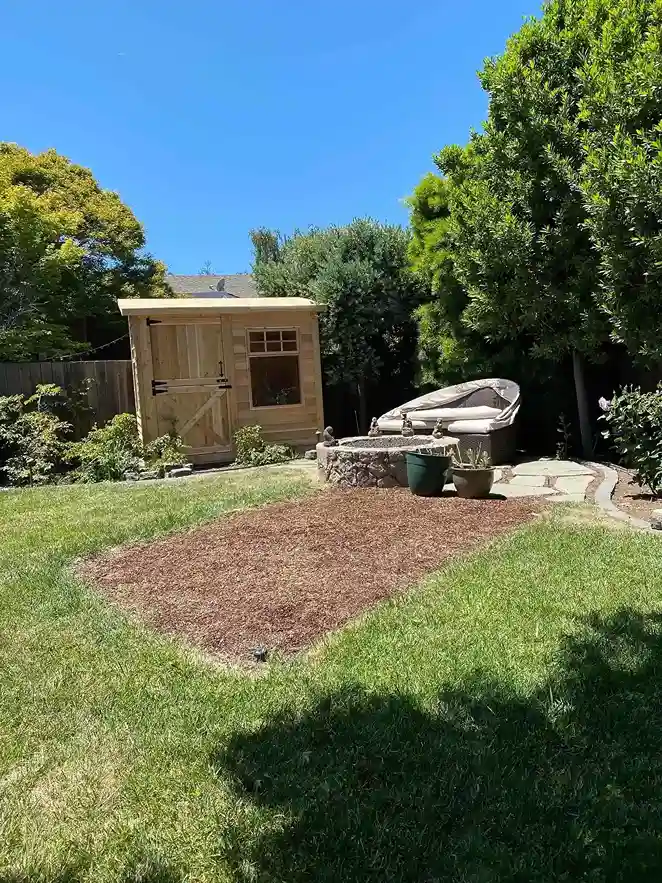
Credits: @cedarshed
The most common errors are buying too small, skipping the foundation, and ignoring ventilation. Addressing these three issues upfront makes a huge long-term difference.
| Common Mistake | How to Avoid |
|---|---|
| Buying too small | Always size up by at least one size |
| No proper foundation | Always lay a solid, level base first |
| Poor ventilation | Fit vents or a window from day one |
Frequently Asked Questions
Q: Do I need a permit to build a garden shed?
It depends on your location and shed size. Most areas require a permit for sheds over 100 square feet. Always check with your local planning authority before starting any shed construction project.
Q: What is the best material for a garden shed?
Wood is the most popular choice for its beauty and versatility. Pressure-treated timber or cedar offers the best combination of durability and appearance. Metal is best for maximum security and low maintenance needs.
Q: How long does a wooden shed last?
A well-maintained wooden shed lasts 20 to 30 years or more. Regular painting or staining every 3 to 5 years is the key to longevity. A solid foundation and good ventilation also dramatically extend the shed’s lifespan.
Q: How do I stop my shed from getting damp inside?
Install wall and roof vents to allow moist air to escape. Lay a damp-proof membrane under the floor base to block ground moisture. Store tools off the floor and use a dehumidifier in very wet climates.
Conclusion
A garden shed is one of the smartest investments you can make in your home and outdoor space. It protects your tools, expands your workspace, and adds lasting value to your property.
Take time to plan the right size, material, and location before you begin. A little preparation upfront saves a lot of time, money, and frustration further down the line.
Whether you want a simple storage box or a fully equipped workshop retreat, there is a perfect shed for every need and budget. Start planning your ideal garden shed today and transform the way you use your outdoor space forever.