Garden walls serve as the backbone of landscape design, providing structure, definition, and architectural interest that transforms ordinary yards into extraordinary outdoor environments. These vertical elements do far more than simply mark boundaries—they create microclimates, retain soil on slopes, provide seating opportunities, and establish the framework upon which entire garden designs build.
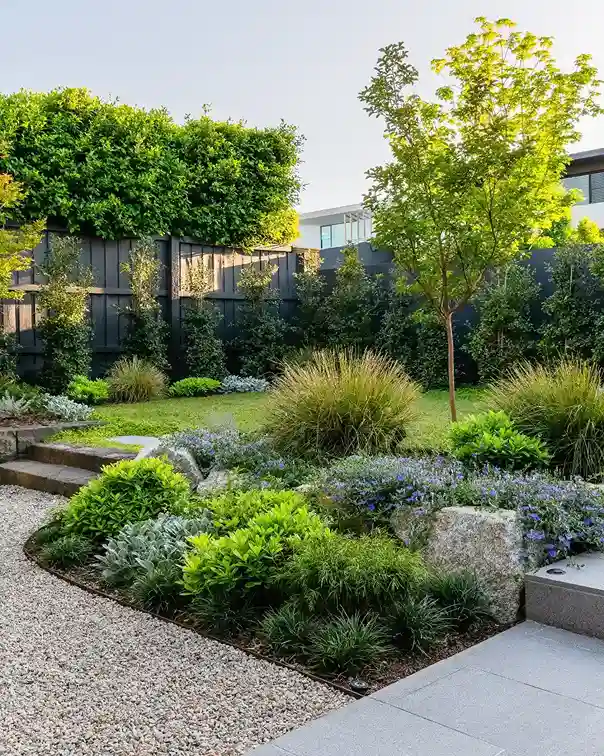
Source: @simonmccurdylandscapes
Whether you’re working with sprawling acreage or a compact urban plot, strategic wall placement adds depth, dimension, and character that elevates your landscape from basic to breathtaking.
The beauty of garden walls lies in their versatility and multifunctionality. A well-designed wall can serve as a privacy screen, windbreak, raised planter, water feature backdrop, or artistic focal point while simultaneously solving practical challenges like erosion control and grade changes.
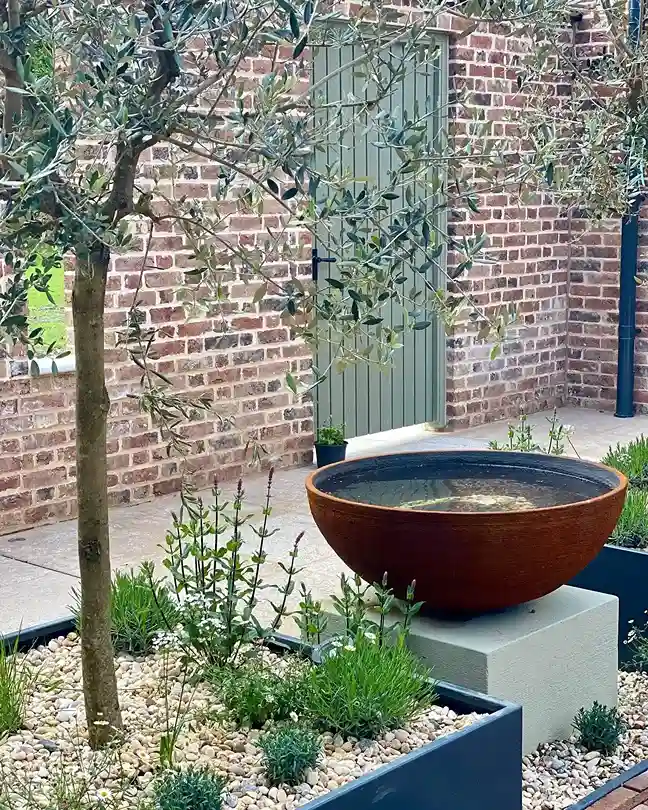
Source: @mia.witham
From rustic dry-stacked stone to sleek modern concrete, the material and design choices available allow you to create walls that perfectly complement your home’s architecture while reflecting your personal aesthetic preferences and meeting your landscape’s specific needs.
Natural Stone Dry-Stack Walls
Dry-stacked stone walls create timeless, organic boundaries that blend seamlessly with natural landscapes while requiring no mortar for construction. These gravity-dependent structures use carefully fitted stones whose weight and friction hold them together, creating rustic charm that improves with age as moss and lichens colonize surfaces naturally.
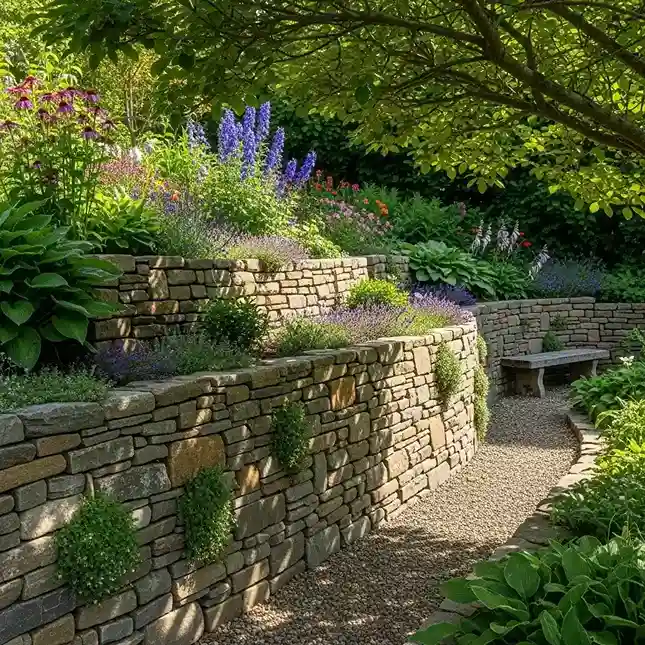
The irregular stone shapes and varying colors add texture and visual interest impossible to achieve with manufactured materials. Dry stacking allows for drainage and flexibility, making these walls ideal for retaining slopes without formal drainage systems. This traditional technique pairs beautifully with fence line landscaping approaches that emphasize natural materials and organic aesthetics.
Mortared Stone Garden Walls
Mortared stone walls offer permanence and structural integrity for taller installations or areas requiring substantial retaining capacity. The mortar bonding creates solid, weather-resistant barriers that withstand freeze-thaw cycles and extreme weather while maintaining precise heights and clean lines throughout decades of service.
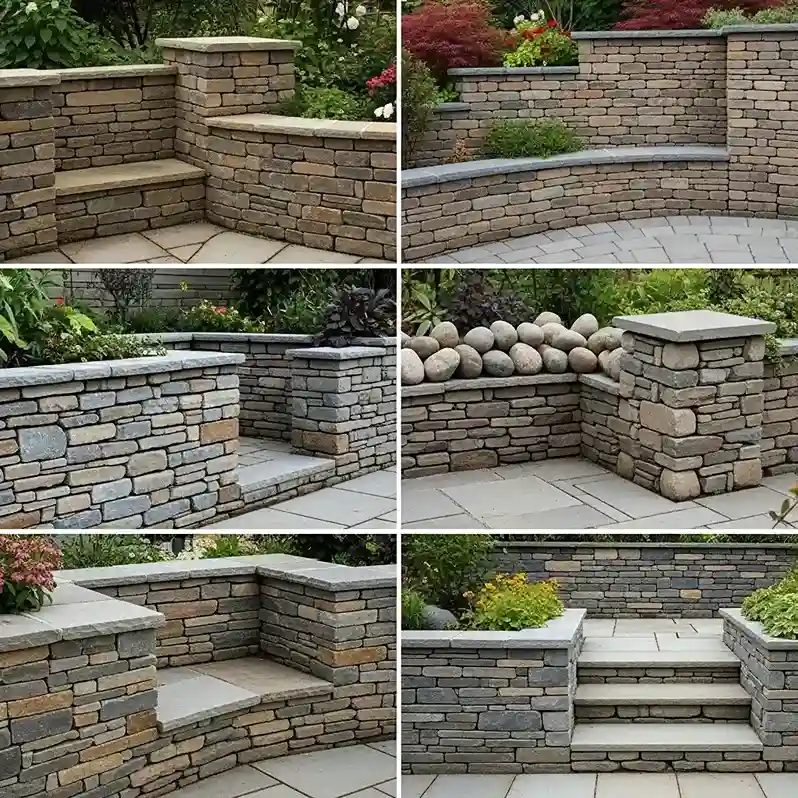
Choose fieldstone for rustic appeal, cut stone for formal aesthetics, or flagstone for horizontal ledged appearances depending on desired style. Mortared construction allows incorporation of decorative caps, integrated lighting, and architectural details impossible with dry-stacking. These substantial structures complement tree landscaping ideas by providing permanent backdrops for specimen plantings.
Brick Garden Wall Elegance
Traditional brick walls bring classic elegance and warm earth tones to gardens while offering countless laying patterns for visual variety. Running bond, Flemish bond, English bond, and basket weave patterns create different textures and aesthetics using identical materials, allowing customization without changing basic building components.
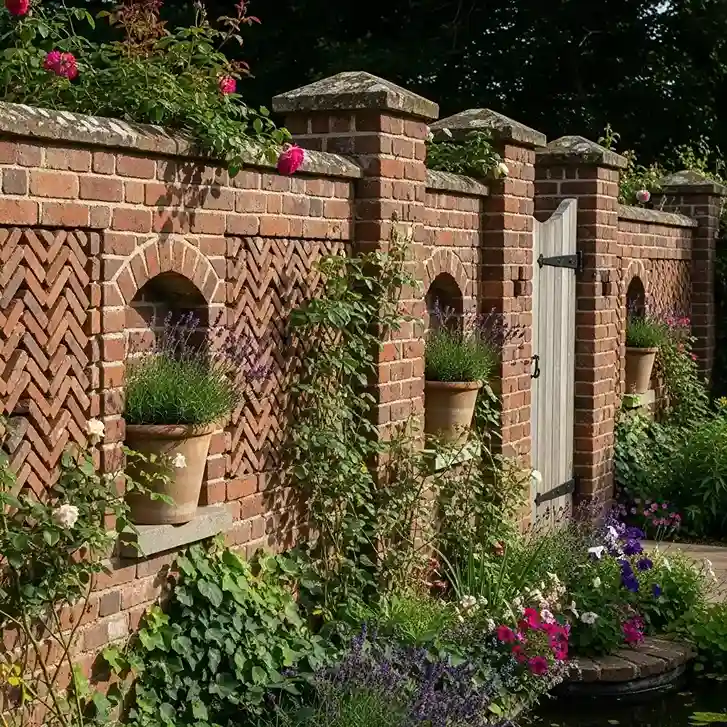
Brick walls accept climbing vines beautifully, their mortar joints providing natural footholds for tendrils and aerial roots. The material’s thermal mass moderates temperature swings, creating protected microclimates for tender plants. Red brick complements cottage gardens while painted brick suits contemporary landscapes, demonstrating this material’s remarkable versatility across design styles.
Concrete Block Modern Walls
Concrete masonry blocks create affordable, durable garden walls with clean modern lines perfect for contemporary landscapes. These uniform units install quickly, accept stucco or stone veneer finishes, and provide structural strength for tall retaining walls or substantial boundary barriers requiring long-term stability.
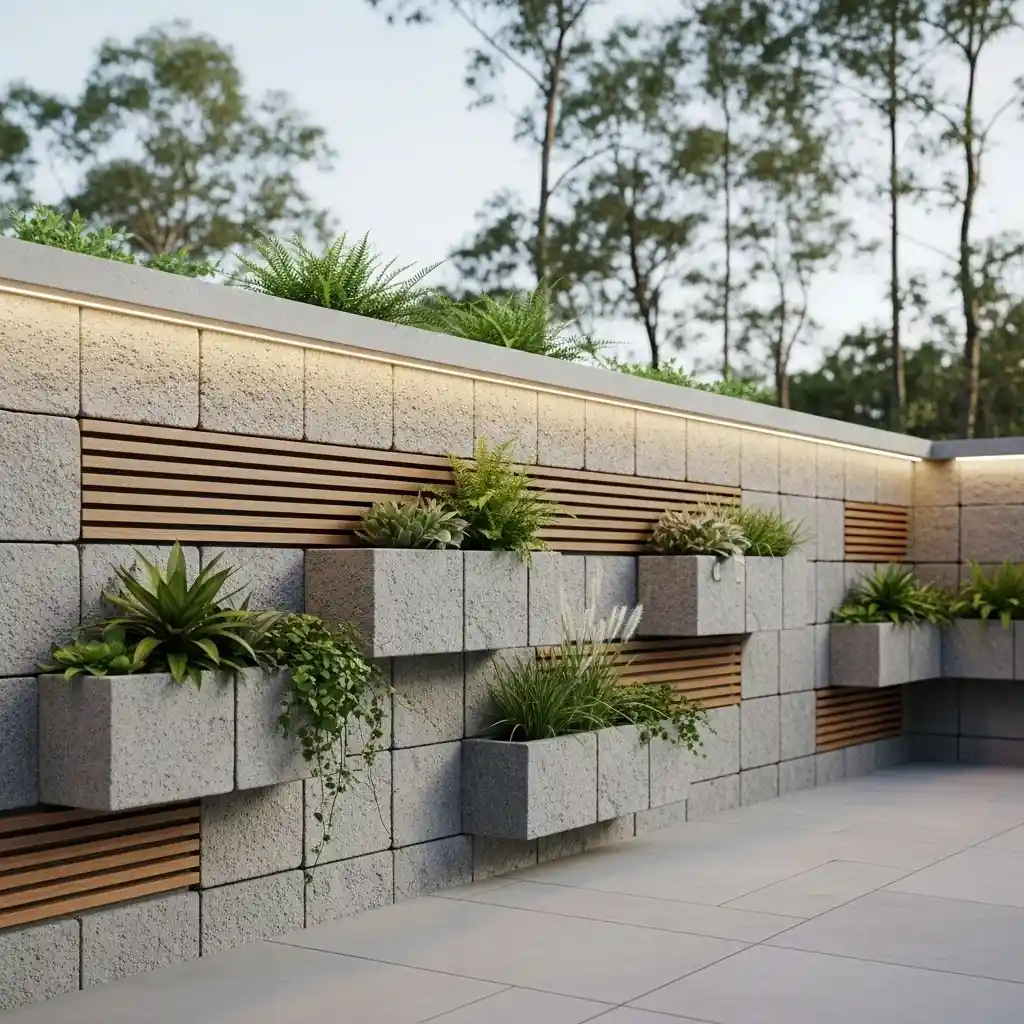
Standard gray blocks can be painted, textured, or left exposed for industrial aesthetics. Decorative concrete blocks featuring geometric patterns add visual interest while maintaining the material’s practical benefits. This economical approach works well within cheap landscaping ideas budgets while delivering professional results that last decades.
Gabion Wire and Stone Walls
Gabion walls consist of wire cages filled with stones, creating modern industrial-chic barriers with excellent drainage and impressive visual weight. These modular systems install relatively easily while providing structural retaining capacity, sound dampening, and unique textural elements that distinguish contemporary landscape designs dramatically.
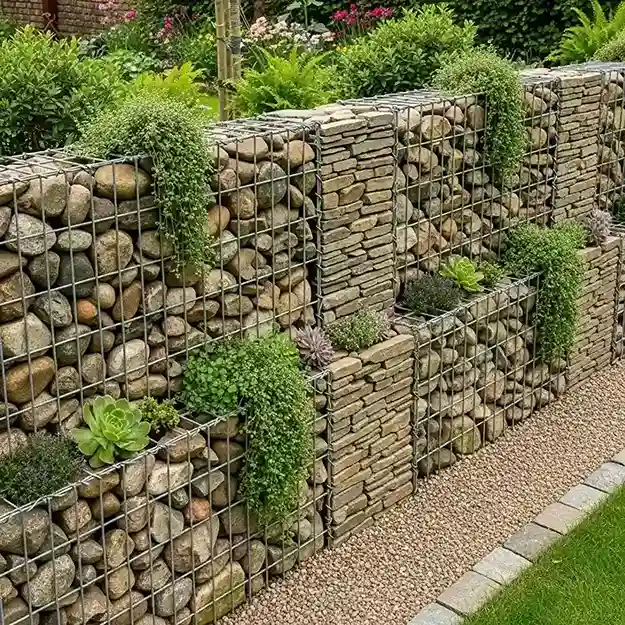
Fill gabion baskets with locally sourced stone for regional character or colored glass for artistic statements. The wire framework allows creative lighting integration and planted pockets for vertical gardens. Gabion construction works particularly well on slopes where drainage and erosion control prove critical alongside aesthetic considerations.
Living Green Wall Gardens
Vertical gardens transform solid walls into living tapestries of plants, creating stunning focal points while improving air quality and supporting pollinators. Modular planting systems attach to existing walls or freestanding structures, accommodating everything from succulents to herbs, flowers, and even small vegetables in vertical arrangements.
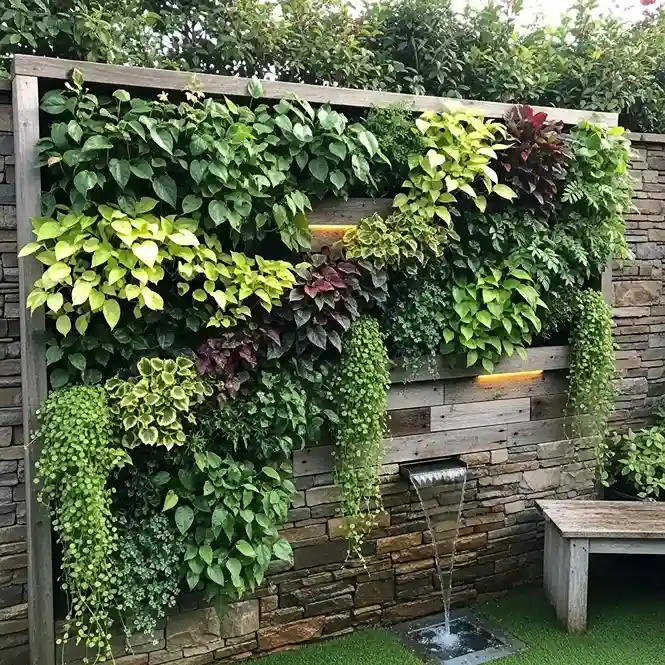
Install irrigation systems for easier maintenance of vertical plantings that dry faster than ground-level beds. This innovative approach combines garden herb pairing guide principles with vertical growing, creating productive walls that provide fresh ingredients while delivering exceptional visual impact in limited spaces.
Raised Bed Garden Walls
Garden walls designed as raised bed perimeters create productive growing spaces with improved drainage, soil quality, and accessibility. These elevated planters warm faster in spring, extend growing seasons, and reduce bending for easier maintenance, making gardening more enjoyable for people of all ages and abilities.
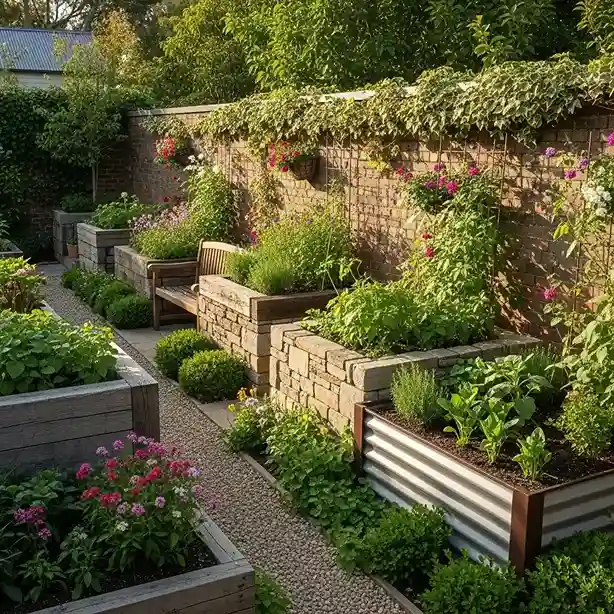
Build raised bed walls 18-24 inches high for comfortable working heights without stooping. The contained soil environments allow precise amendment and pH control impossible in native ground. This functional approach integrates beautifully with backyard landscaping ideas that prioritize edible gardening alongside ornamental plantings.
Timber Retaining Walls
Pressure-treated timber or naturally rot-resistant woods like cedar create warm, natural-looking retaining walls perfect for informal gardens and rustic landscapes. Horizontal timbers stacked and secured with rebar create terraced beds that manage slopes while adding architectural interest through their linear repetition.
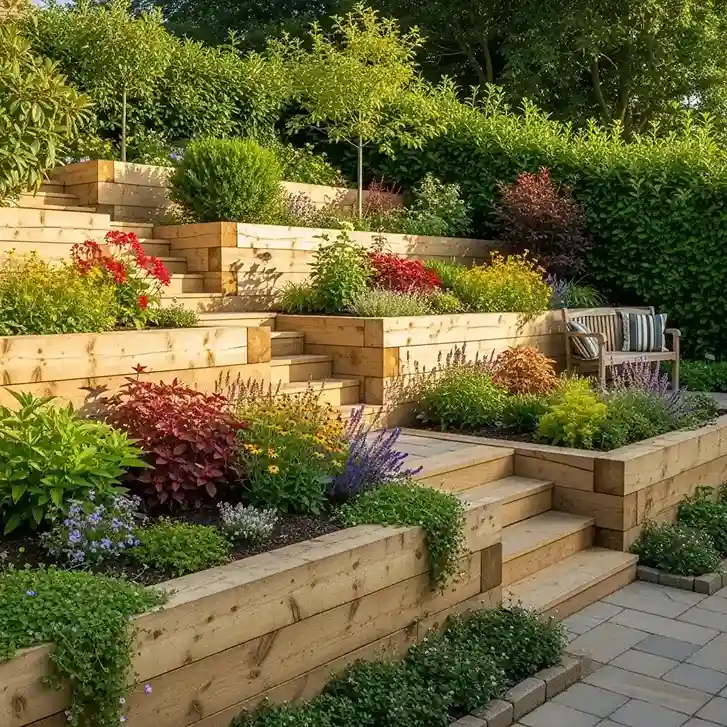
Timber walls suit woodland gardens and cottage-style landscapes where naturalistic materials enhance rather than compete with plantings. The wood’s organic texture complements foliage beautifully while providing backdrop structure. Though requiring eventual replacement unlike stone or concrete, timber offers affordability and DIY-friendly installation accessibility.
Poured Concrete Sleek Designs
Poured concrete walls create seamless, contemporary barriers with unlimited customization potential through integral colors, exposed aggregates, stamped patterns, or smooth-troweled finishes. These monolithic structures deliver maximum strength for challenging retaining situations while maintaining clean modern aesthetics perfect for minimalist landscapes.
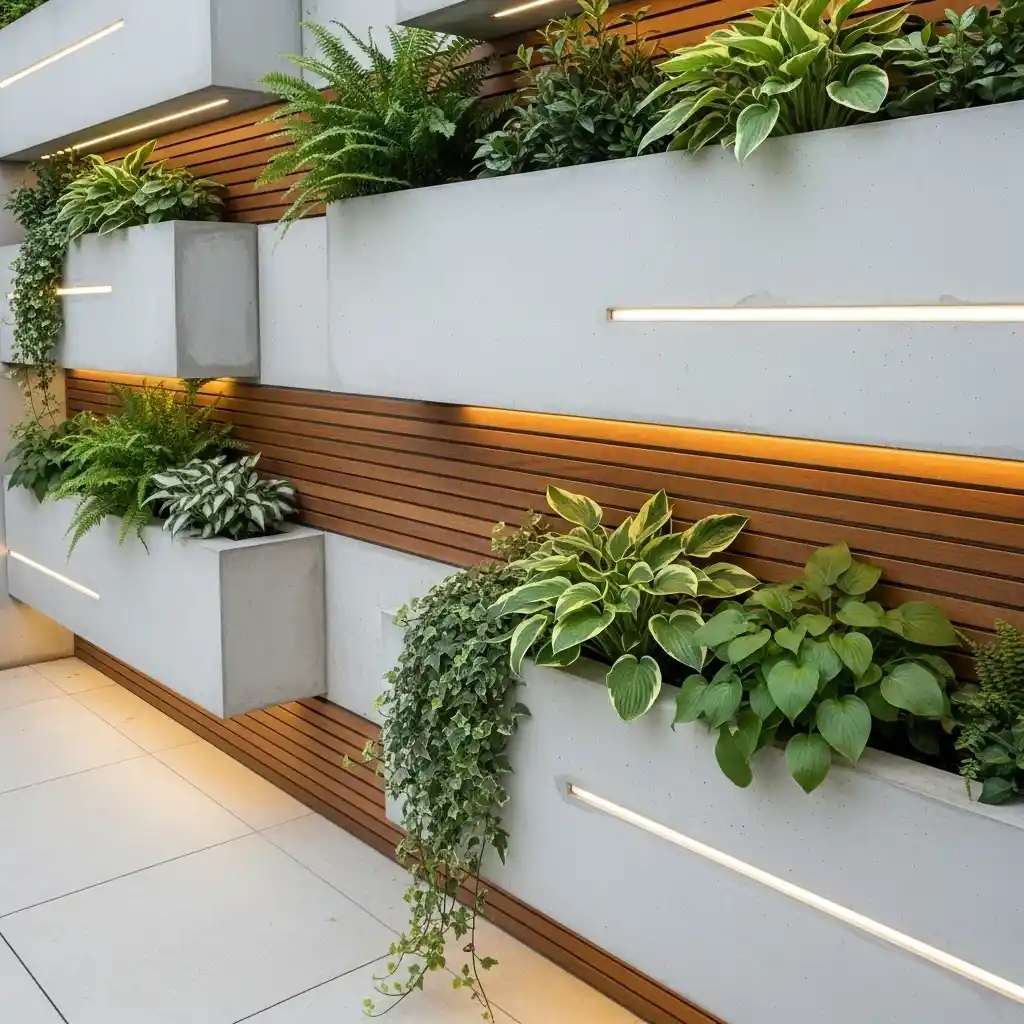
Form work allows creative curves, angles, and height variations impossible with modular materials. Embed lighting, water features, or decorative elements during pouring for integrated designs. Though requiring professional installation for best results, poured concrete delivers distinctive, permanent walls worth the investment for design-focused properties.
Natural Boulder Landscape Walls
Large boulders strategically positioned create dramatic naturalistic walls that appear ancient and permanent. These massive stones require heavy equipment for placement but deliver instant maturity and substantial visual impact that smaller materials cannot match regardless of installation skill or budget.
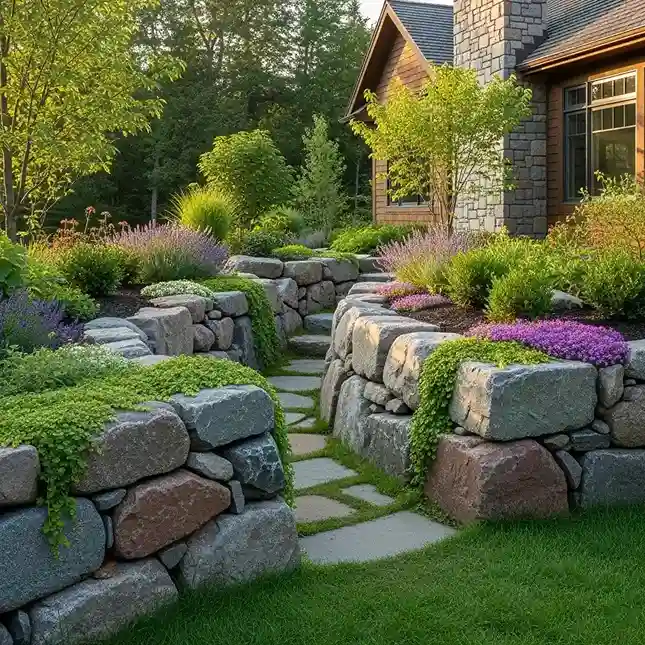
Boulder walls work beautifully in coastal backyard garden guide settings and xeriscapes where natural rock formations inspire landscape designs. The irregular shapes and weathered surfaces blend seamlessly with surrounding terrain while providing habitat for beneficial insects, lizards, and small wildlife.
Corten Steel Weathering Walls
Corten steel develops protective rust patinas that stabilize and protect underlying metal while creating distinctive warm orange-brown finishes. These weathering steel walls suit contemporary gardens with their industrial aesthetics and clean geometric lines that contrast beautifully against organic plantings and natural materials.
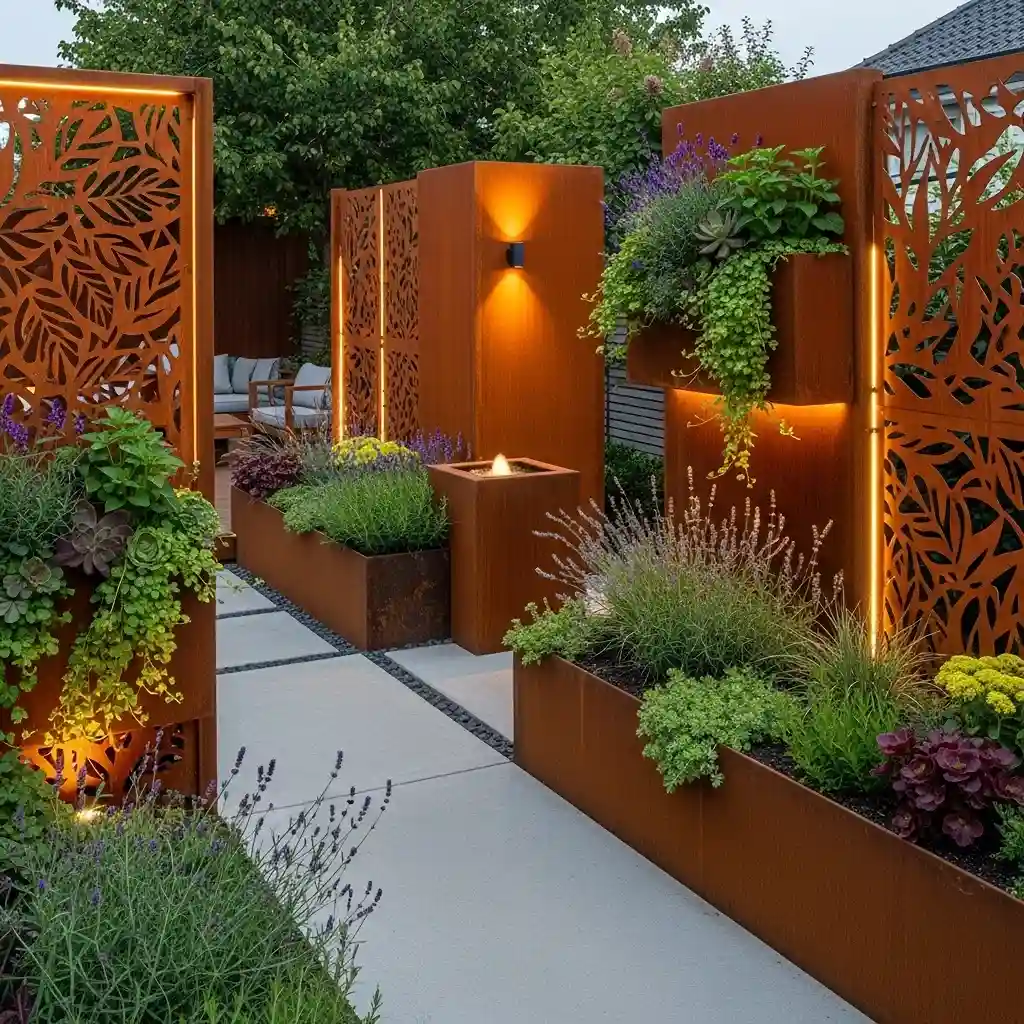
Corten panels can be left solid or laser-cut with decorative patterns that create shadow play and filtered views. The material’s strength allows tall, thin installations maximizing vertical impact without massive foundations. These walls become more beautiful with age, requiring zero maintenance while developing rich patinas.
Stacked Slate Ledgestone Walls
Ledgestone slate creates horizontal striations that emphasize length and ground walls visually. The naturally cleaving stone produces flat surfaces that stack efficiently while varied thicknesses create shadowlines adding depth and texture to otherwise flat vertical surfaces throughout the day.
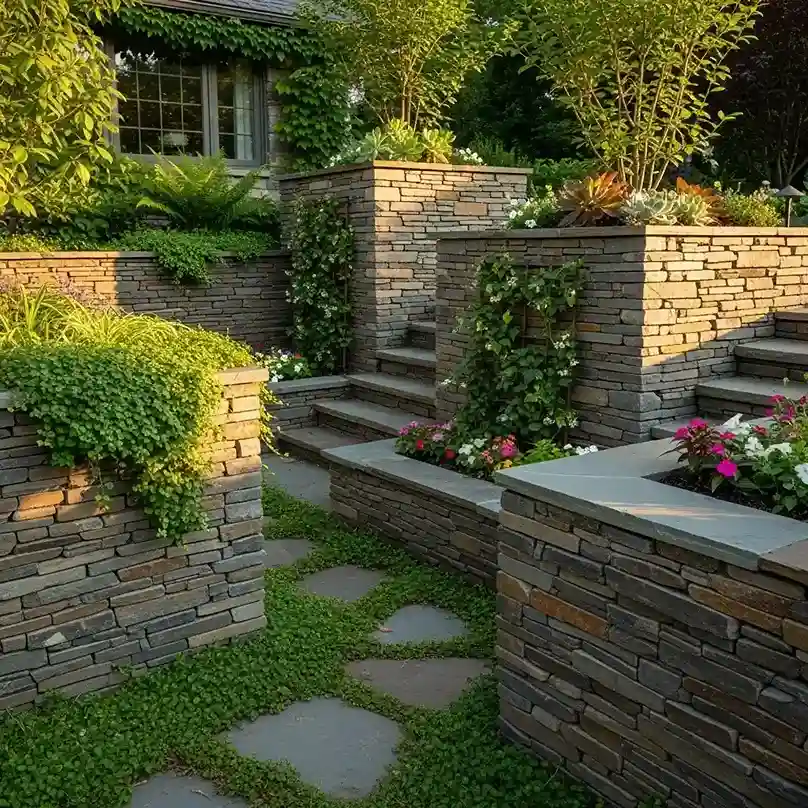
Available in grays, browns, golds, and even purple tones, slate offers color variety within natural palettes. The material’s density and weather resistance ensure longevity in all climates. Ledgestone styling works particularly well with white stone landscaping ideas creating pleasing color contrasts in monochromatic schemes.
Bamboo Screen Garden Walls
Bamboo panels create lightweight, tropical-inspired garden walls perfect for Asian-influenced landscapes and spaces requiring quick, affordable privacy solutions. These natural screens install easily while providing organic texture and warm earth tones that complement lush plantings and water features beautifully.
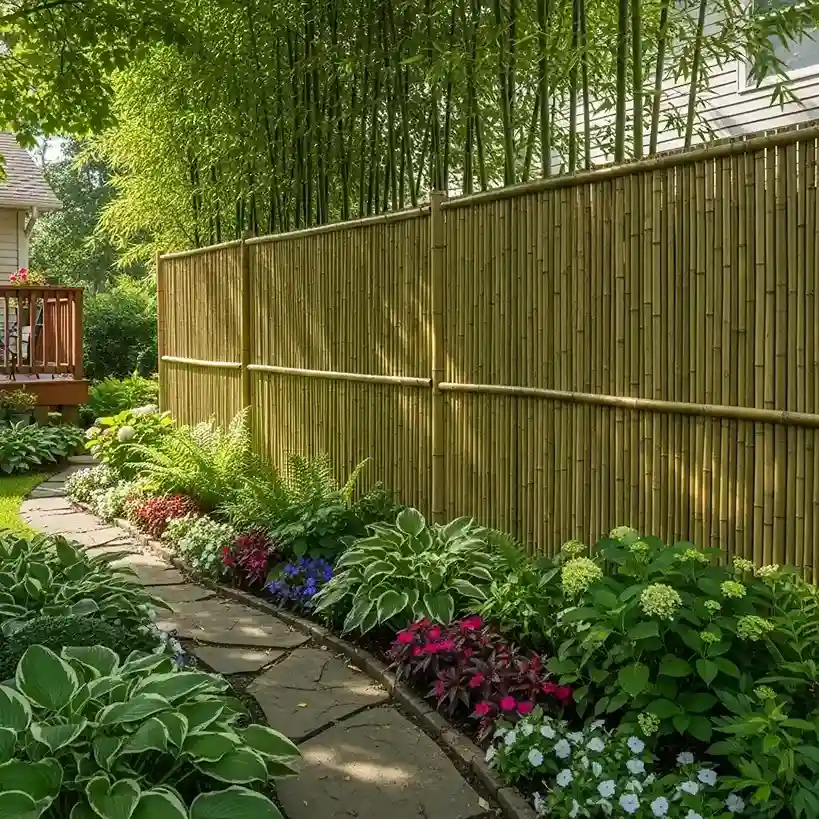
Roll bamboo fencing or individual bamboo poles lashed together create different aesthetic effects. Though less permanent than masonry, bamboo offers renewable sustainability and easy replacement when weathering occurs. This material works especially well in small garden ideas where lightweight materials prevent overwhelming compact spaces.
Painted Concrete Block Walls
Plain concrete blocks transformed with paint or murals become artistic garden features that showcase personality while providing functional barriers. Bright colors create Mediterranean vibes, while murals depicting landscapes, botanicals, or abstract designs turn utilitarian walls into outdoor art galleries.
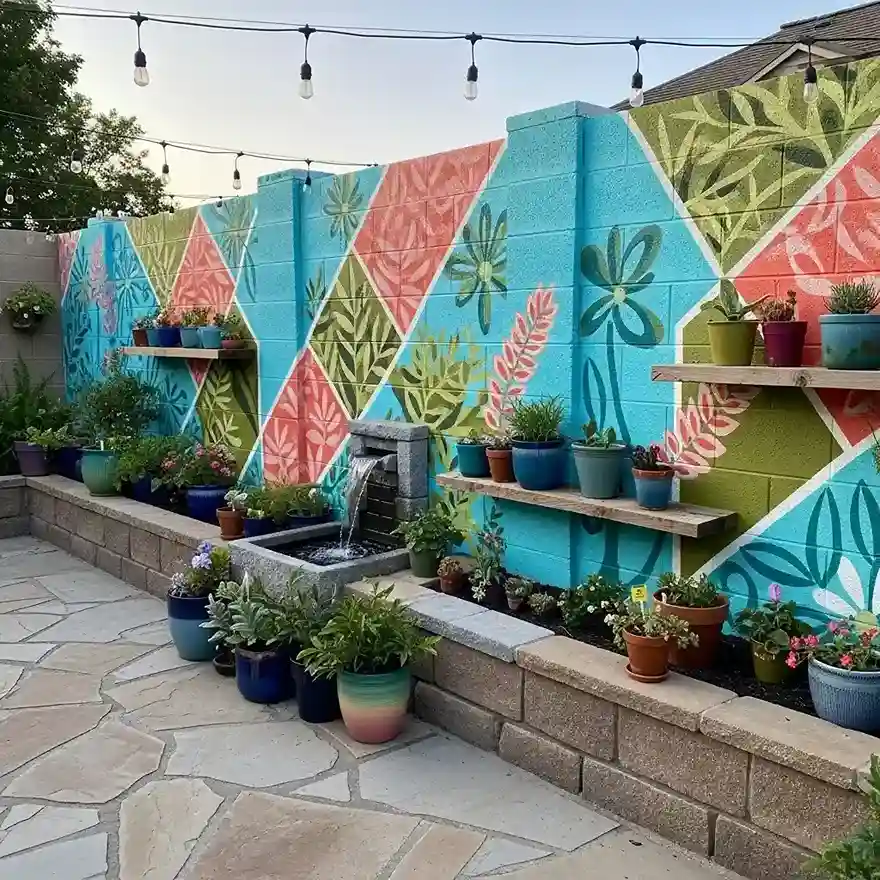
Prepare surfaces properly with masonry primer before painting with exterior-grade paints formulated for concrete. Consider hiring local artists to create custom murals transforming boring walls into neighborhood landmarks. This creative approach reflects trending landscaping ideas that emphasize personalization and artistic expression.
Fieldstone Garden Wall Character
Irregular fieldstone creates charming, cottage-style walls with authentic rural character impossible to achieve with uniform manufactured materials. The varied stone sizes, shapes, and colors create organic patterns that feel hand-crafted and timeless, adding instant age and history to new landscapes.
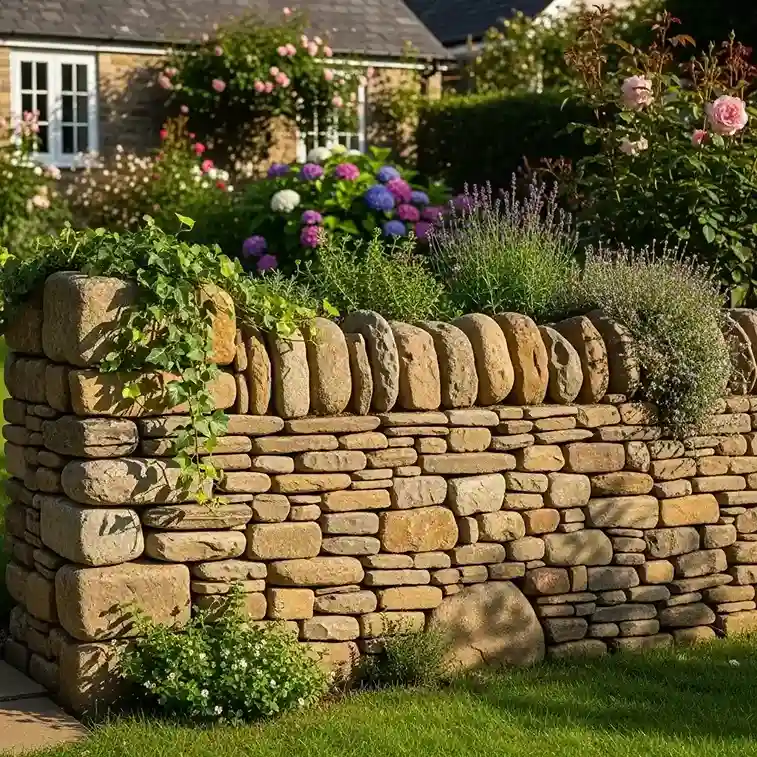
Fieldstone walls require skilled masons for proper stability but reward with distinctive appearances that improve over decades as moss colonizes. The rustic aesthetic complements informal plantings and naturalistic gardens where perfection takes backseat to authentic, weathered charm that connects landscapes to regional vernacular.
Terraced Garden Wall Systems
Multiple low walls creating terraced levels transform steep slopes into usable garden spaces with improved drainage and erosion control. Each terrace provides level planting areas while walls retain soil, creating opportunities for varied plantings at different elevations that maximize vertical growing space efficiently.
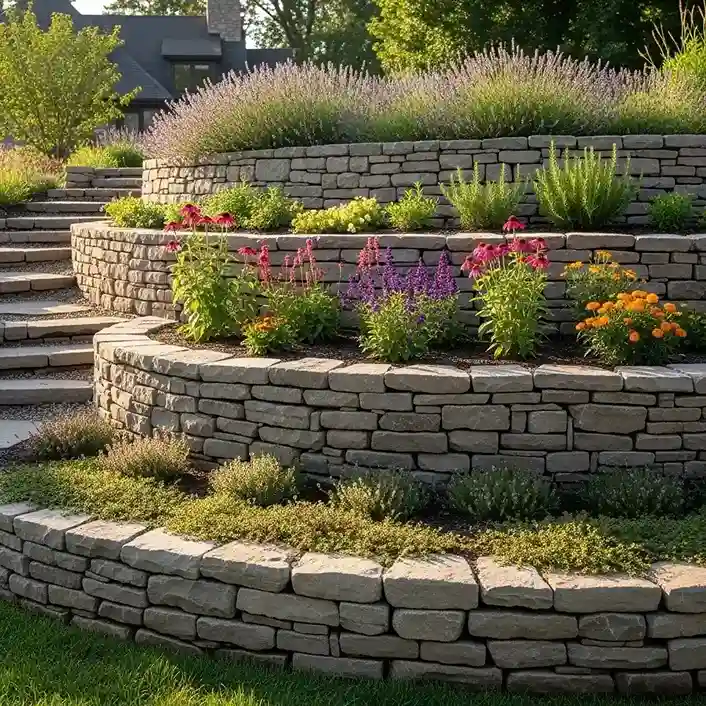
Design terraces with adequate depth—minimum 3-4 feet—for substantial planting beds between walls. Include stairs or pathways connecting levels for access. This practical approach solves challenging topography while creating dynamic multi-level gardens with greater visual interest than flat landscapes.
Stucco-Finished Adobe Walls
Stucco-covered walls bring Southwestern charm with smooth, monolithic surfaces in warm earth tones or vibrant colors. The seamless finish hides concrete block or brick substrates while creating cohesive appearances that complement Spanish, Mediterranean, and desert architectural styles perfectly.
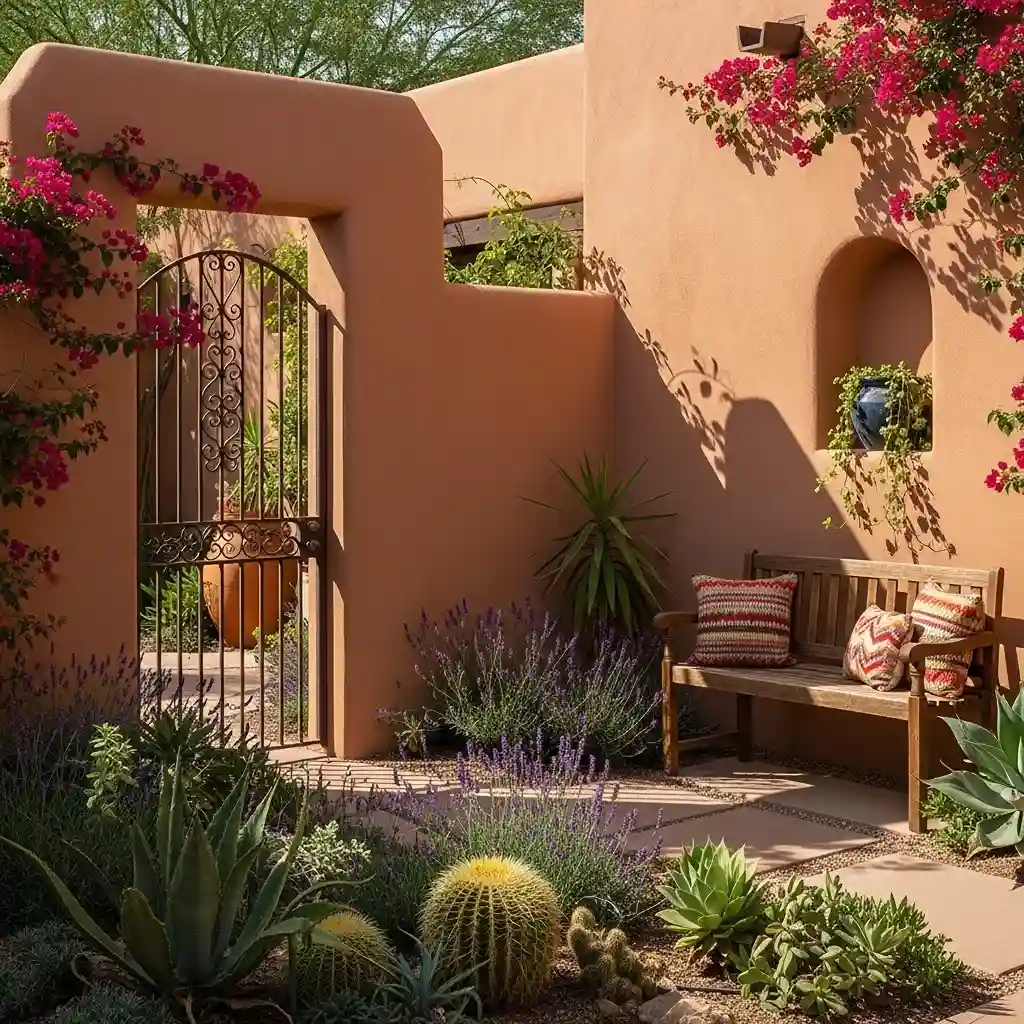
Stucco accepts pigments for integral color or paint for changeable palettes. The thick coating provides excellent insulation, creating protected microclimates for tender plants against walls. Rounded corners and irregular surfaces enhance authentic adobe aesthetics borrowed from traditional vernacular architecture of arid regions.
Glass Block Translucent Walls
Glass blocks create luminous walls that transmit light while maintaining privacy, perfect for courtyards and enclosed gardens requiring brightness without compromising seclusion. These translucent barriers glow beautifully when backlit, creating magical evening ambiance that solid walls cannot achieve.
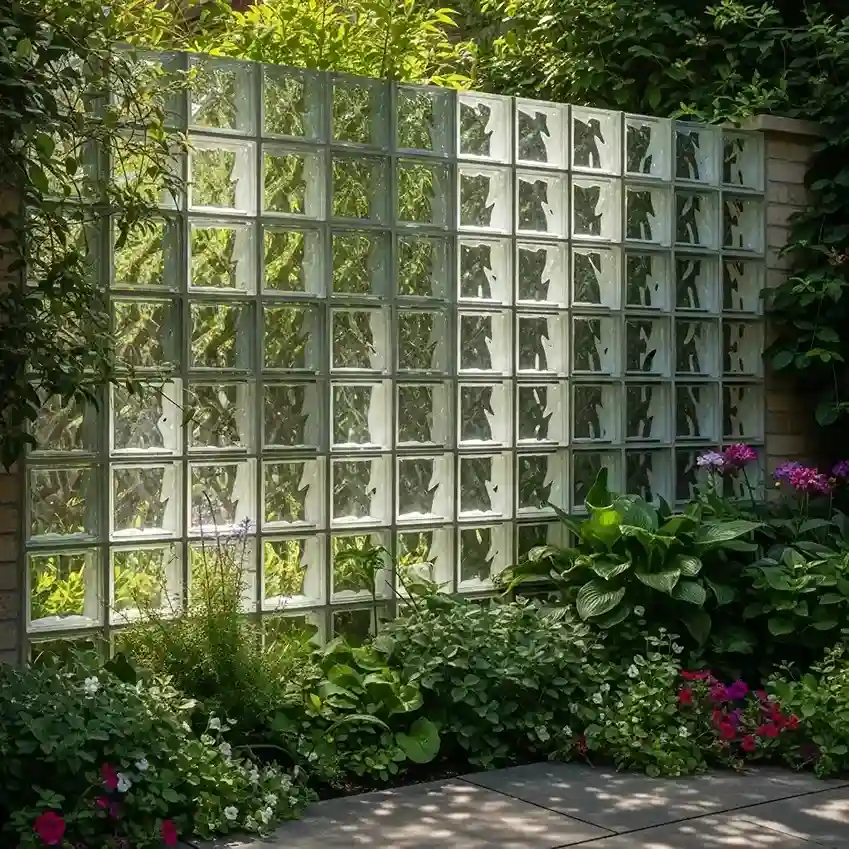
Modern glass blocks come in various patterns, colors, and sizes allowing customization. The material’s weather resistance and zero maintenance requirements justify premium costs. Glass block installation requires specialized skills but delivers unique results perfect for contemporary gardens emphasizing light, transparency, and modern materials.
Railroad Tie Rustic Walls
Recycled railroad ties create substantial rustic walls with historic character and extreme durability. These massive timbers handle heavy retaining duties while providing distinctive weathered appearance that manufactured materials cannot replicate authentically, adding instant age and patina to new landscapes.
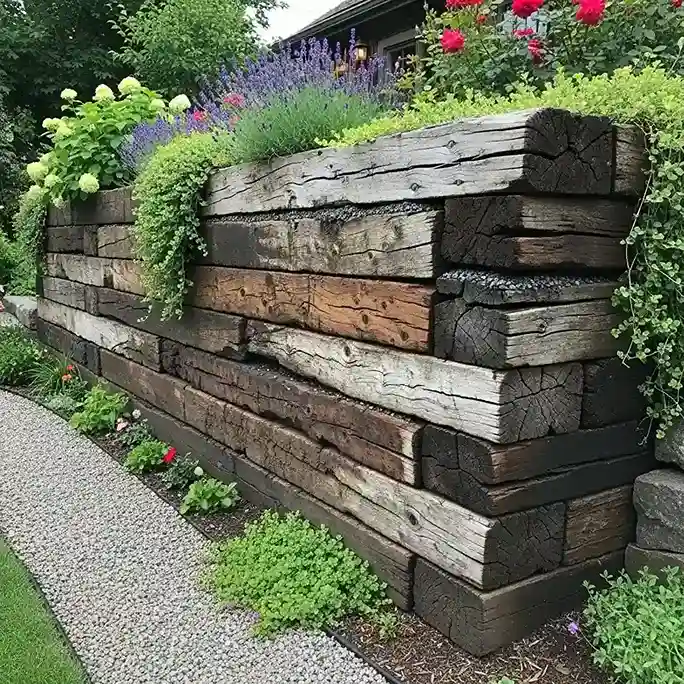
Stack railroad ties horizontally, securing with rebar or landscape spikes. Ensure ties are cleaned if previously creosote-treated. This heavy-duty option suits rural properties and gardens emphasizing reclaimed materials alongside sustainability principles that reduce waste through creative reuse.
Perforated Metal Screen Walls
Decorative perforated metal panels create semi-transparent screens that filter views while allowing airflow and creating interesting shadow patterns. Laser-cut designs ranging from geometric to nature-inspired motifs transform functional barriers into artistic statements that change throughout the day as light angles shift.
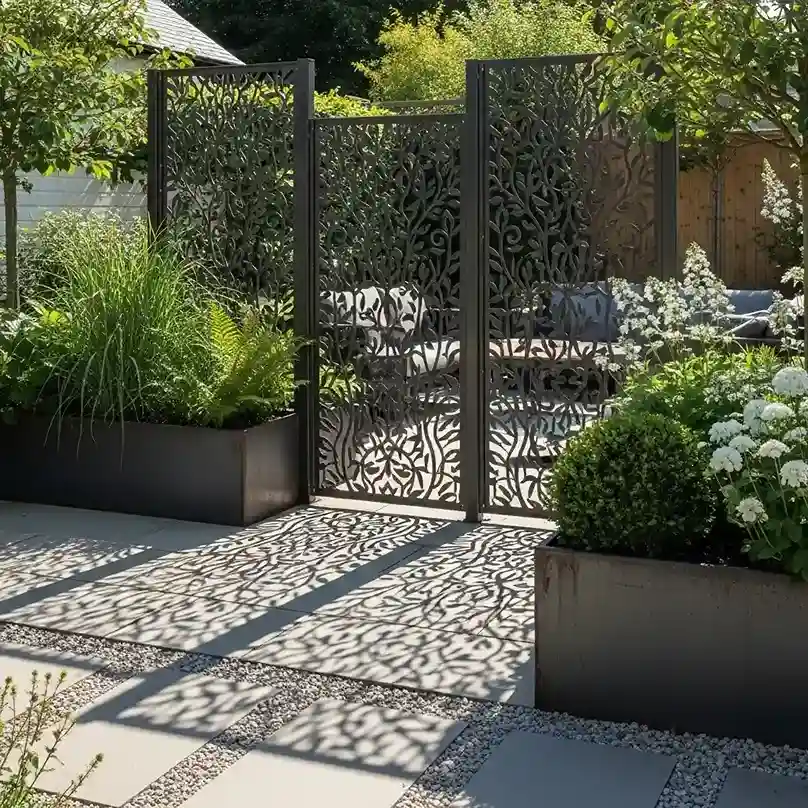
Corten, aluminum, or powder-coated steel options provide different aesthetics and weather resistance. These modern walls suit contemporary landscapes where artistic expression equals privacy needs. The panels work beautifully integrated with privacy fence ideas creating layered screening with varied materials.
Moss-Covered Garden Walls
Encouraging moss growth on shaded garden walls creates lush, verdant surfaces that evoke ancient ruins and secret gardens. North-facing stone or brick walls naturally accumulate moss over time, or speed the process using moss slurries applied to damp surfaces in suitable conditions.
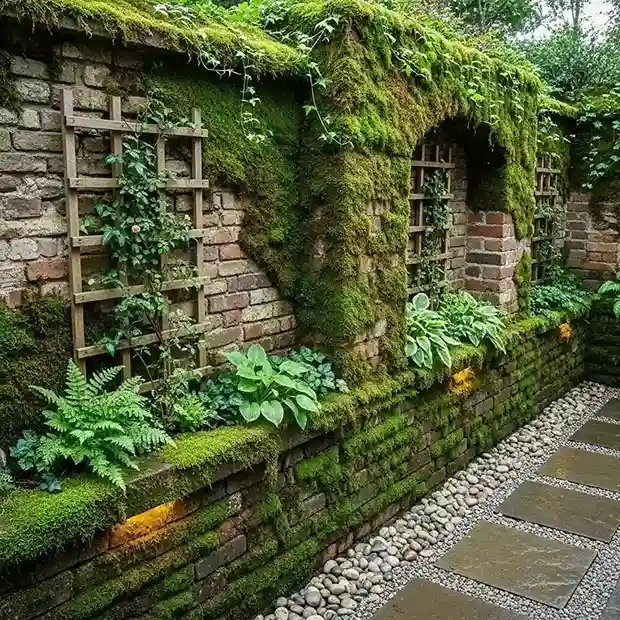
Moss thrives in shade with consistent moisture, transforming utilitarian walls into living tapestries of green. The soft texture contrasts beautifully with hard masonry while signaling established, mature gardens. This low-maintenance approach adds romantic character to cottage gardens and woodland settings where moisture and shade prevail.
Serpentine Curved Garden Walls
Curved walls create flowing, organic boundaries that guide movement and soften geometric landscape layouts. Serpentine designs require fewer structural supports than straight walls due to their arched strength, allowing taller, thinner constructions that maximize visual impact while minimizing material usage.
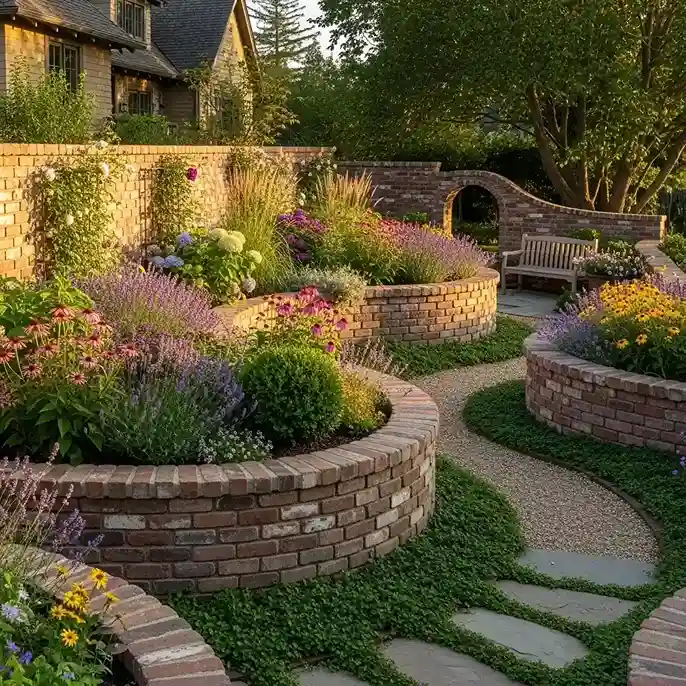
Curves add graceful movement and visual interest impossible with straight lines. They create protected alcoves perfect for seating or featured plantings while eliminating monotonous repetition. Serpentine walls demonstrate advanced design thinking that transforms functional barriers into sculptural landscape elements deserving focal point status.
Water Feature Wall Integration
Incorporating fountains, spillways, or sheet waterfalls into garden walls creates multi-sensory experiences that combine visual beauty with soothing sounds. Wall-mounted water features maximize impact while minimizing footprint, perfect for small gardens where space remains precious and every element must justify its existence.
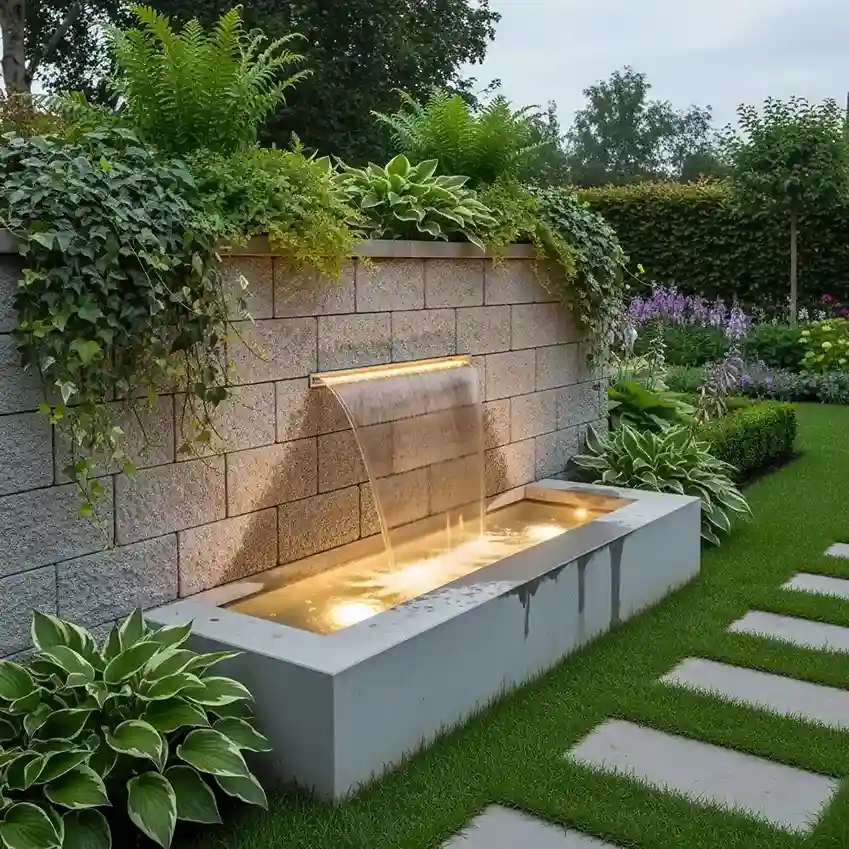
Integrate plumbing during wall construction for seamless appearances. Recirculating systems conserve water while providing continuous movement and sound. This luxurious enhancement connects to water plants guide principles, creating aquatic habitats within vertical structures that support specialized plant collections.
Planted Cap Garden Walls
Adding soil-filled caps atop garden walls allows planting trailing species that cascade over edges, softening hard masonry with organic growth. Sedums, creeping thyme, and other low-maintenance plants establish in shallow soil caps, creating living crowns that bloom seasonally and attract pollinators.
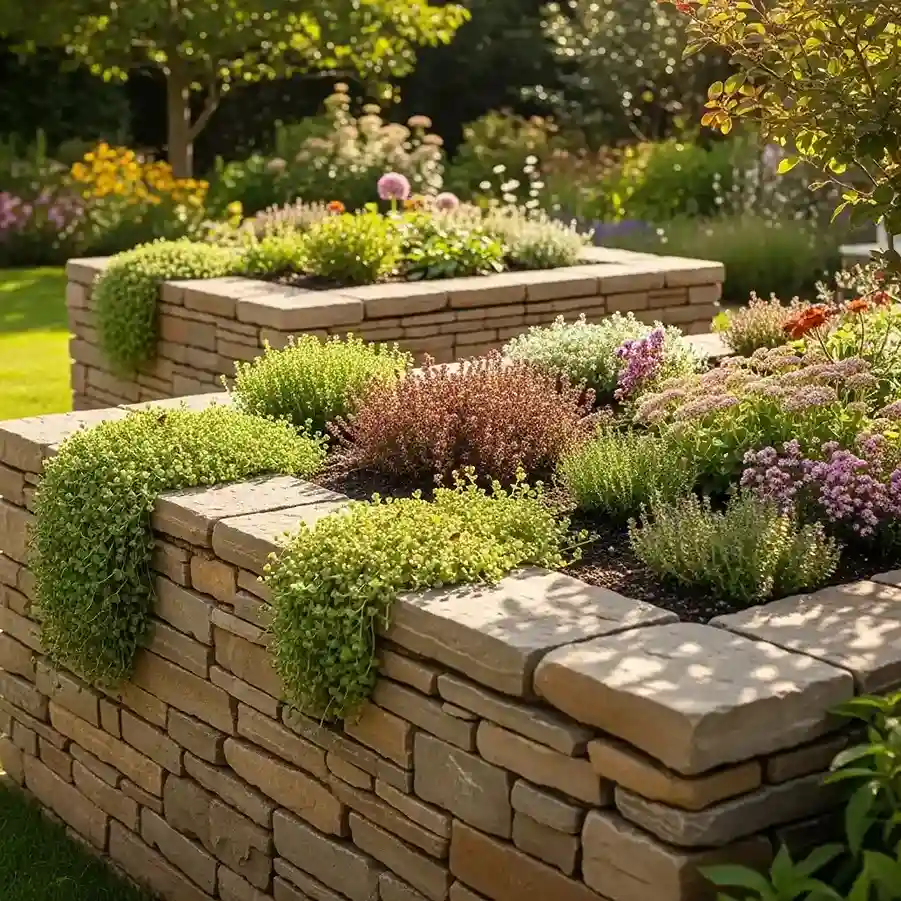
This innovative approach maximizes planting space in compact gardens while integrating walls into overall planting schemes rather than leaving them barren. The planted caps reduce stormwater runoff while creating habitat corridors, demonstrating how hardscape elements contribute to ecological goals.
Mixed Material Garden Walls
Combining materials—stone with brick, concrete with wood, metal with masonry—creates custom walls with unique character impossible using single materials. Mixed materials add texture, color, and pattern variations that prevent monotony while showcasing creativity and thoughtful design integration throughout landscapes.
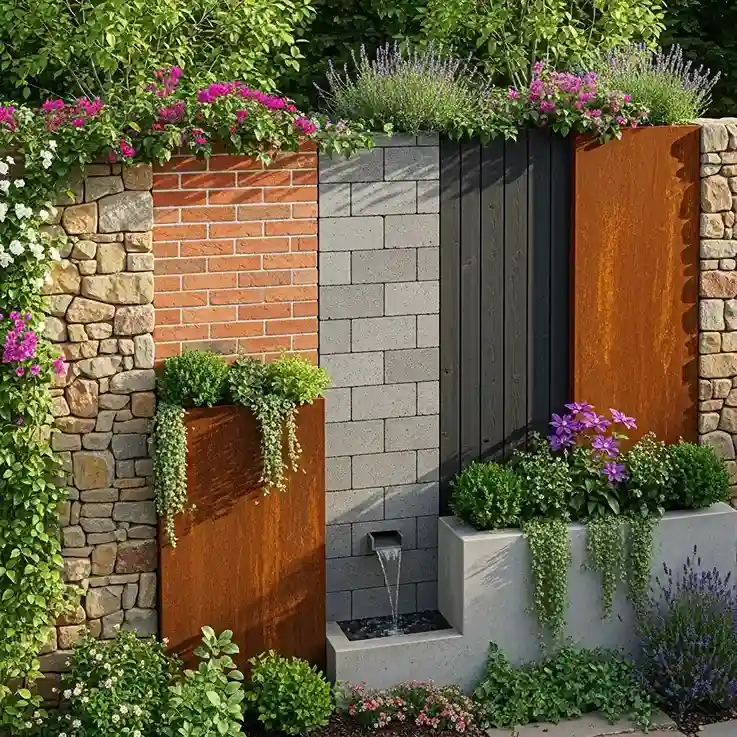
Ensure materials share compatible structural requirements and weather resistance. Successful combinations feel intentional rather than haphazard, with clear design logic governing material transitions. This artistic approach creates signature walls that distinguish properties while reflecting homeowner personality and sophisticated design sensibilities.
Recycled Material Eco-Walls
Garden walls constructed from reclaimed materials—broken concrete (urbanite), salvaged brick, recycled glass bottles—demonstrate environmental stewardship while creating distinctive barriers with authentic patinas. These sustainable constructions divert waste from landfills while celebrating imperfection and creative resourcefulness.
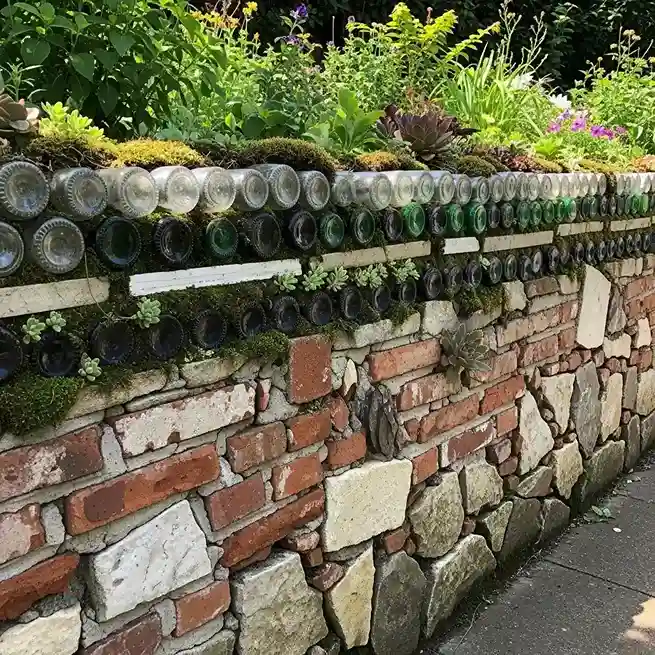
Urbanite walls use broken concrete chunks mortared together for rustic, free-form structures. Glass bottle walls create colorful, translucent sections when backlit. This eco-conscious approach aligns with broader sustainability movements emphasizing reduction, reuse, and creative problem-solving over consumption.
Espalier Wall Gardens
Training fruit trees flat against garden walls creates productive espaliers that maximize harvest in minimal space while transforming walls into living artwork. This ancient technique suits formal gardens where geometric tree patterns add architectural interest alongside delicious fruit production.
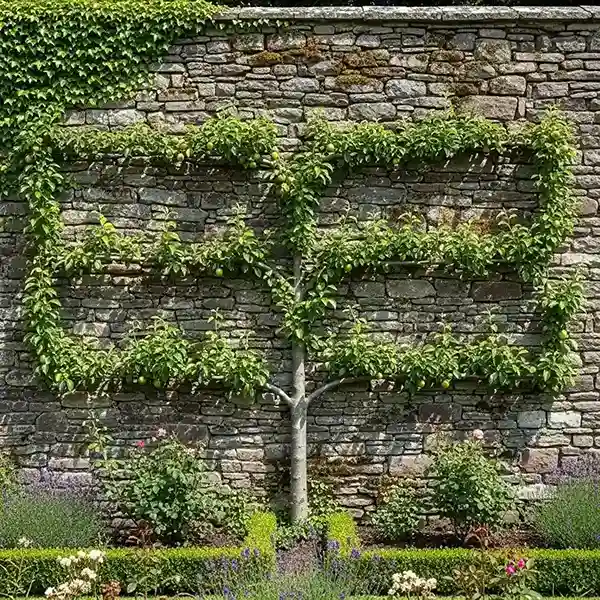
South or west-facing walls provide ideal microclimates for espalier fruit cultivation. The reflected heat accelerates ripening while walls provide structural support. This space-efficient method combines best outdoor plants selection with vertical growing techniques perfect for compact properties.
Limestone Block Walls
Limestone blocks create elegant, formal garden walls with light colors that brighten shaded areas while developing beautiful patinas over time. The sedimentary stone cuts easily into uniform blocks allowing precise construction while maintaining natural texture and character throughout individual units.
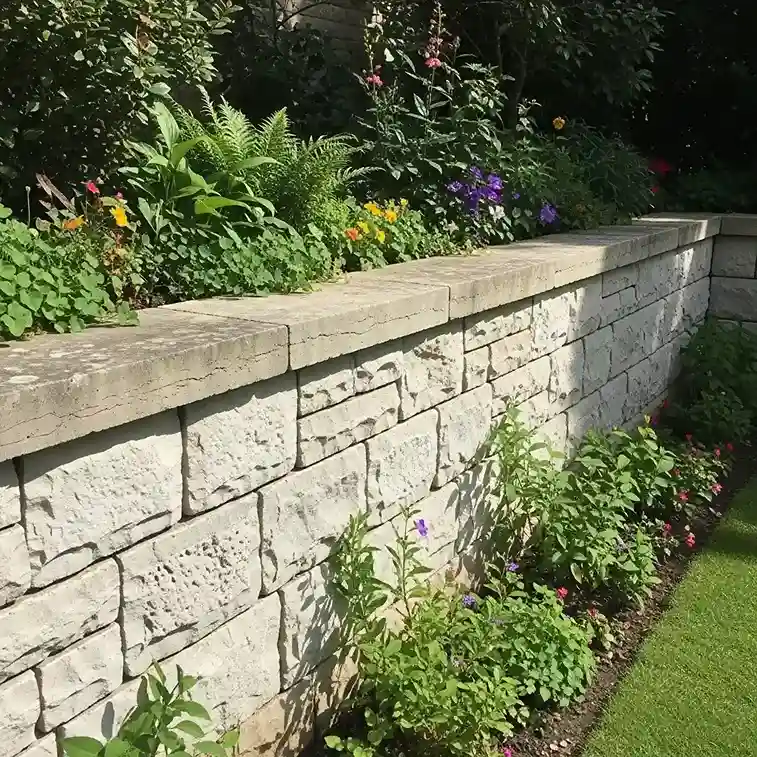
Limestone’s alkaline nature benefits lime-loving plants positioned nearby. The material’s porosity allows moisture penetration supporting moss and lichen colonization for aged appearances. Though softer than granite or basalt, limestone delivers centuries of service when properly maintained in appropriate climates.
Hedge-Topped Wall Combinations
Combining solid lower walls with planted hedges above creates layered boundaries offering varied textures and seasonal interest. The masonry base provides permanent structure while evergreen or flowering hedges soften appearances and increase total screening height without requiring excessively tall walls.
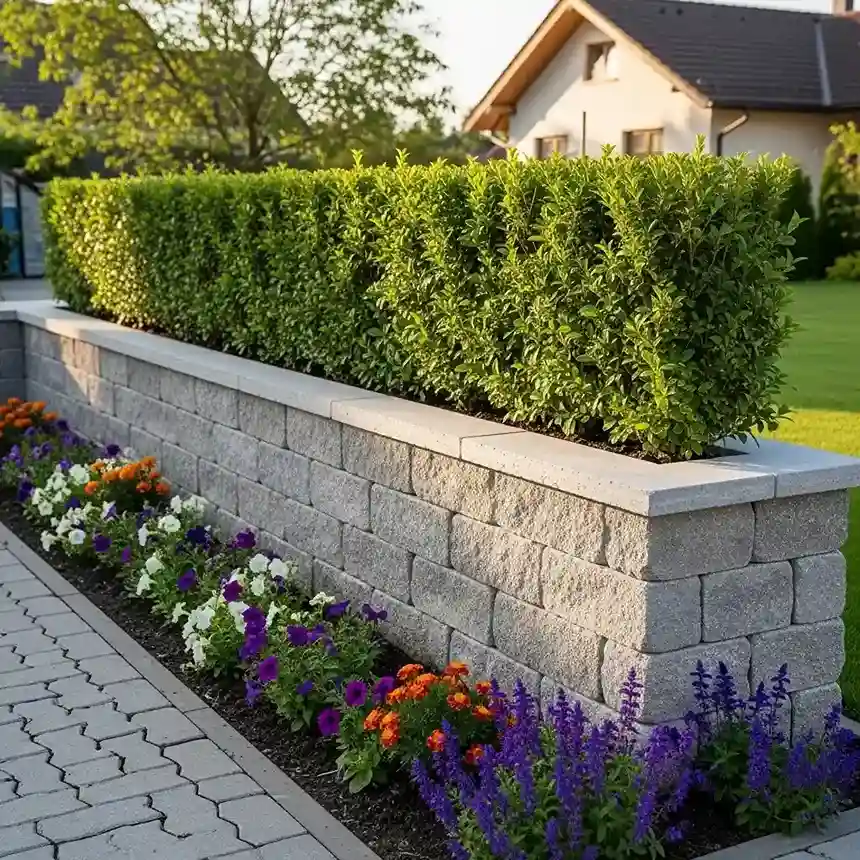
This hybrid approach balances the permanence of walls with the organic beauty of living plants. The wall protects hedge roots from mowing damage while providing windbreak protection. Coordination between wall heights and hedge species creates cohesive designs greater than their individual components.
Frequently Asked Questions
What is the best material for garden walls?
Natural stone offers unmatched durability and timeless beauty, though concrete blocks provide affordability and brick delivers classic elegance. Choose based on budget, desired aesthetics, structural requirements, and regional availability of materials for optimal results.
How high can garden walls be without permits?
Regulations vary by location, but walls exceeding 3-4 feet often require permits and engineering approval. Always check local building codes before construction to ensure compliance and avoid costly violations or required removal.
Do garden walls need foundations?
Most garden walls require proper foundations to prevent settling and structural failure. Foundation depth depends on wall height, soil conditions, and frost lines. Consult professionals for walls exceeding 2-3 feet or in areas with challenging soil conditions.
How do I prevent garden wall drainage issues?
Install weep holes, drainage pipes, or gravel backfill behind retaining walls to prevent water pressure buildup. Proper drainage prevents wall failure, extends longevity, and protects surrounding landscapes from moisture damage and erosion.
Conclusion
Garden walls transform outdoor spaces from simple yards into architectural landscapes with structure, definition, and timeless appeal. Whether you prioritize natural materials, modern aesthetics, sustainability, or functionality, the perfect wall solution exists for your property’s unique characteristics and needs.
Consider your landscape’s topography, existing architecture, budget constraints, and long-term maintenance preferences when selecting materials and designs. Start with clear functional goals—retaining slopes, creating privacy, defining spaces—then explore aesthetic options that achieve those objectives beautifully. Well-planned garden walls become permanent landscape features that increase property value while providing decades of beauty, structure, and practical benefits.