A garden walkway adds structure, beauty, and function to any outdoor space. It guides visitors through your yard and protects your lawn from heavy foot traffic.
The best part is that you do not need a big budget to create a stunning path. Many of the most beautiful garden walkways are made from affordable or even free materials.
source: @jclanscape
This guide covers 22 budget-friendly DIY garden walkway ideas. Whether your style is rustic, modern, or cottage charm, there is a perfect path idea here for you.
1. What Is a DIY Garden Walkway?
A DIY garden walkway is a path you build yourself using affordable materials. It connects different areas of your yard while adding visual appeal and practical function.
source: @stoneandrockaus
Walkways can be made from stepping stones, gravel, wood, bricks, or even recycled items. The key is choosing materials that suit your style, budget, and garden layout.
| Walkway Feature | Details |
|---|---|
| Primary Purpose | Guide foot traffic and define garden zones |
| Common Materials | Stone, gravel, wood, brick, mulch |
| Average DIY Cost | $50 – $500 depending on materials |
2. Why Add a Walkway to Your Garden?
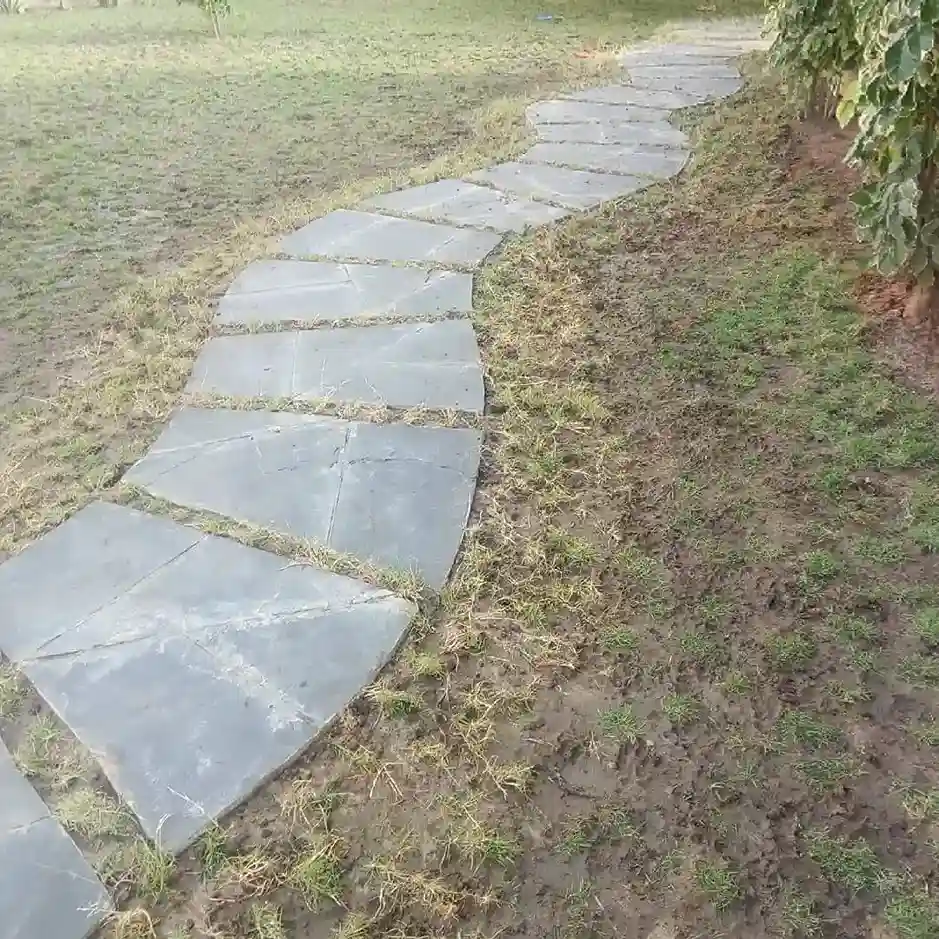
A well-placed walkway keeps mud off your shoes and grass off your path. It also adds structure and a sense of design to even the simplest garden space.
source: @basso.kinunda
Walkways protect delicate plant roots from compaction caused by foot traffic. They also make your garden look intentional, polished, and well cared for every season. Read our detailed guide on garden shed and its impact.
| Benefit | Impact |
|---|---|
| Reduces mud and mess | Keeps feet clean in wet weather |
| Protects plant roots | Prevents soil compaction |
| Adds curb appeal | Makes garden look designed and tidy |
3. Planning Your Garden Walkway on a Budget
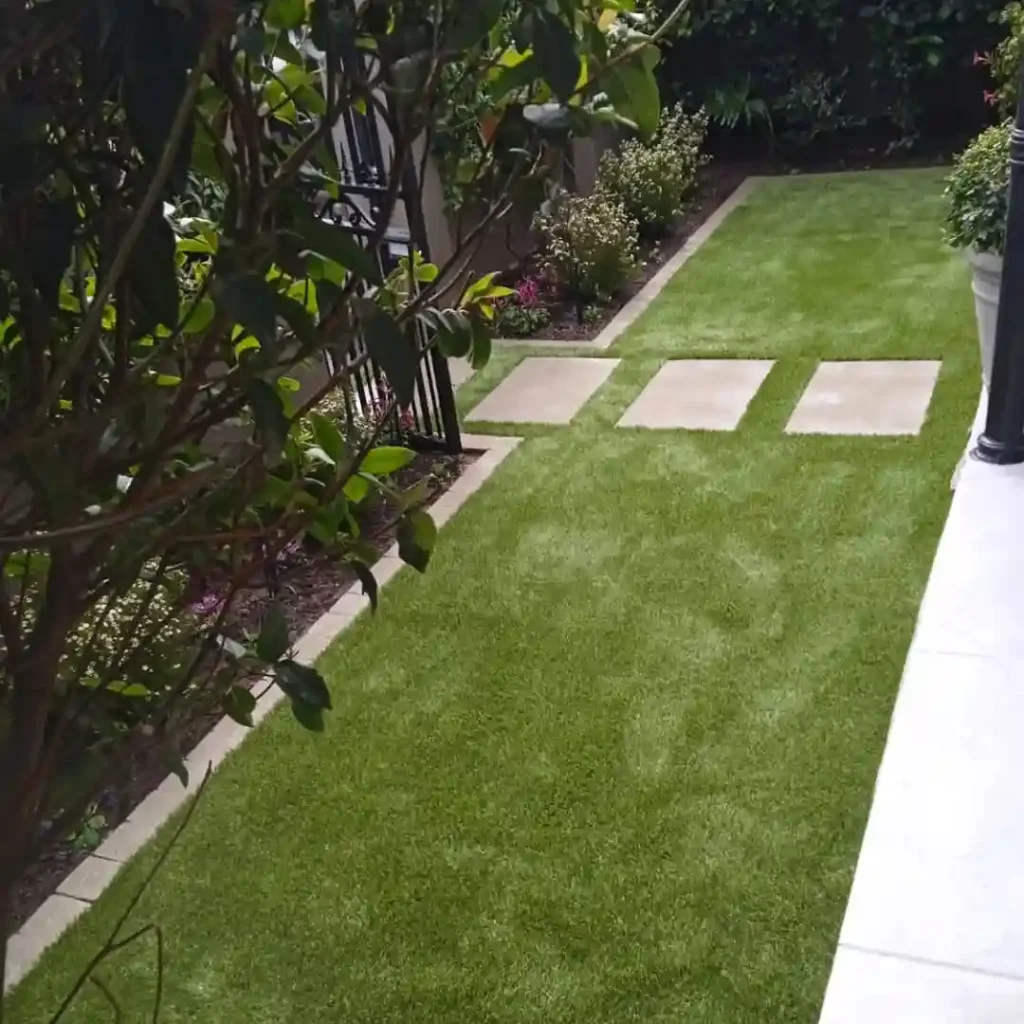
Before buying any materials, sketch your desired path on paper first. Measure the length and width carefully so you buy exactly the right amount of material.
source: @easigrasssa
A standard garden walkway is 18 to 24 inches wide for one person. Increase to 36 inches or more if two people need to walk side by side comfortably.
| Planning Step | Details |
|---|---|
| Measure the path | Length x width in feet or meters |
| Choose materials | Based on budget and garden style |
| Mark the route | Use string lines or garden hose to outline |
4. Stepping Stone Walkway
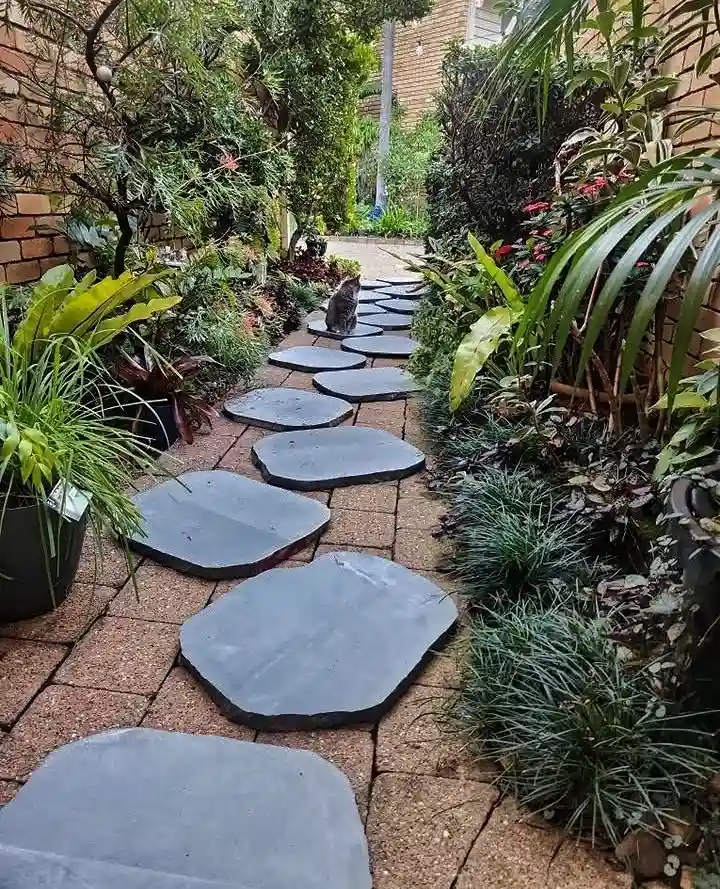
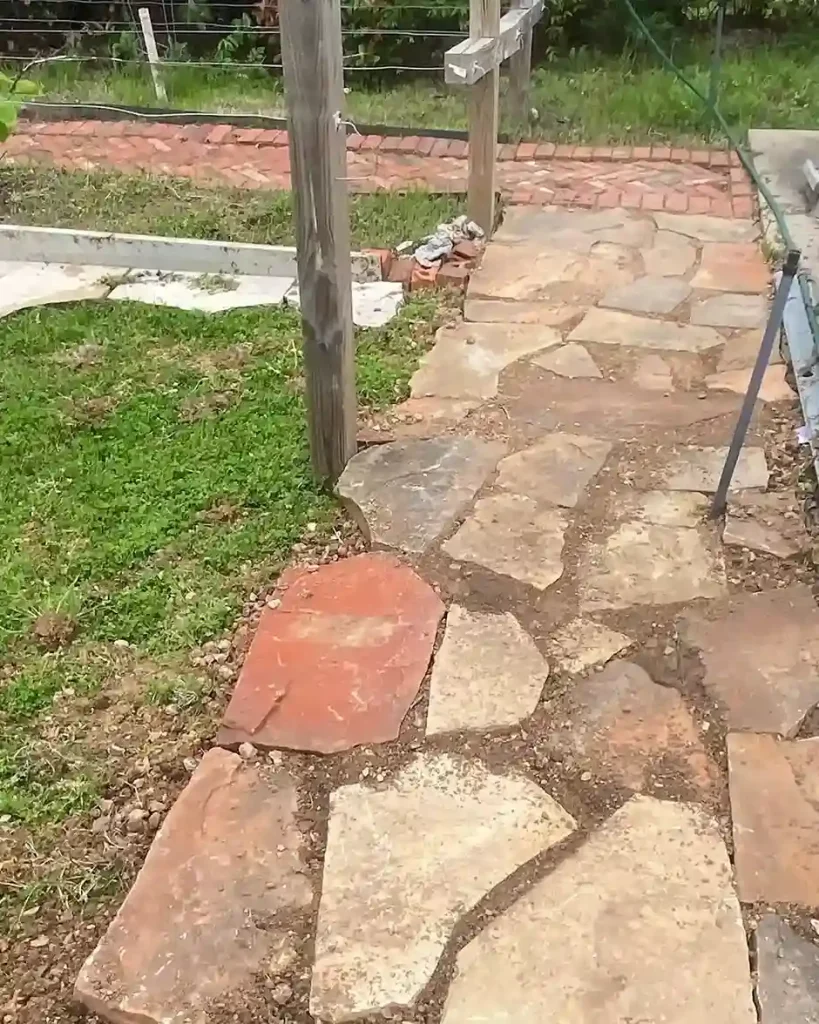
Stepping stones are one of the most affordable and popular walkway options. Individual stones are placed at natural stride intervals across the garden.
source: @jaycallawayart
You can buy basic concrete stepping stones for as little as $1 to $3 each. Space them 18 to 24 inches apart for a comfortable and natural walking pace.
| Feature | Details |
|---|---|
| Cost per stone | $1 – $5 for basic concrete |
| Tools needed | Spade, rubber mallet, level |
| Skill level | Beginner-friendly |
5. Gravel Garden Path
A gravel path is one of the cheapest walkways you can build. It drains beautifully, suppresses weeds, and suits almost every garden style imaginable.
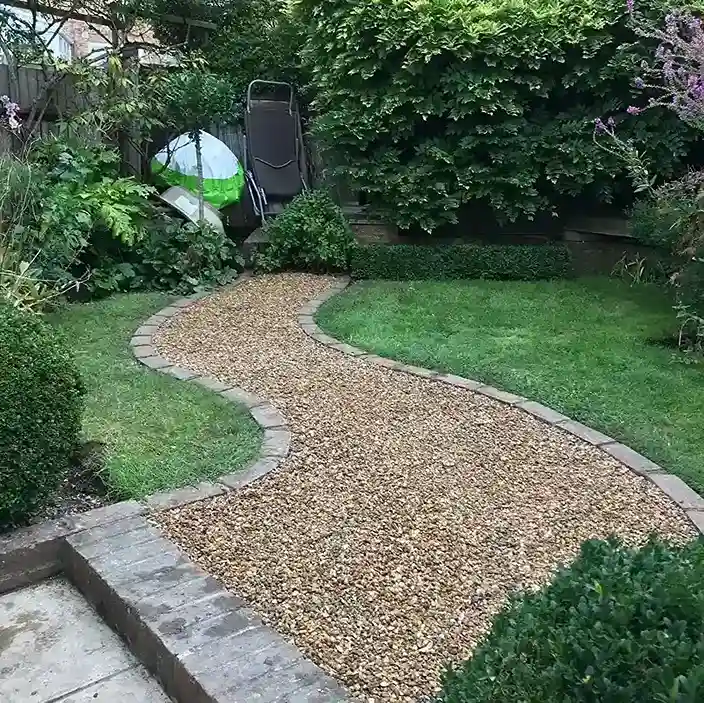
Use pea gravel, crushed stone, or decomposed granite for best results. Lay landscape fabric underneath to block weeds before adding 2 to 3 inches of gravel on top.
| Gravel Type | Cost per Bag | Best For |
|---|---|---|
| Pea gravel | $5 – $8 | Cottage and informal gardens |
| Crushed granite | $4 – $7 | Modern and formal gardens |
| River rock | $6 – $10 | Naturalistic and zen gardens |
6. Wood Slice Walkway
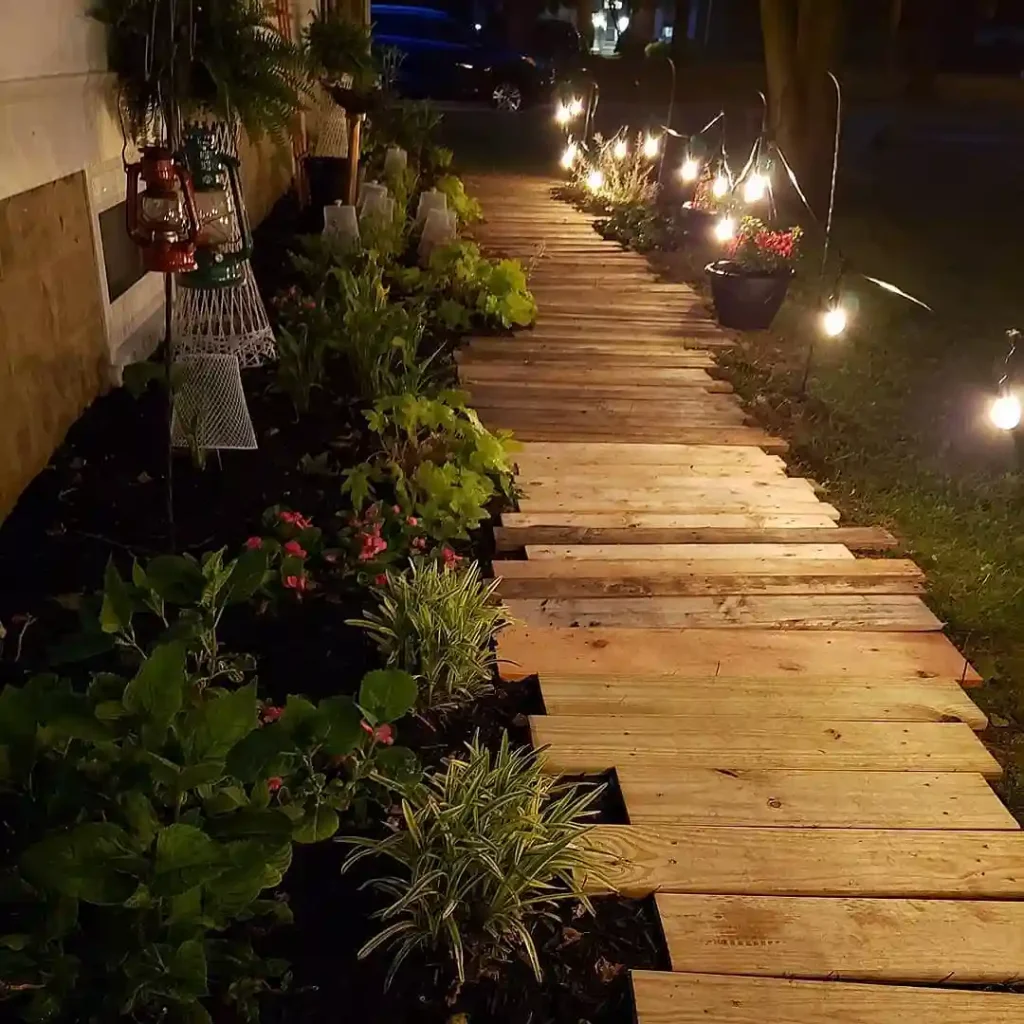
Wood slice walkways use cross-cut sections of tree logs as stepping pads. They have a rustic, natural charm that suits woodland and cottage gardens perfectly.
source: @steeltoesandhighheels
You can often get free wood slices from tree trimming companies or fallen trees. Seal each slice with exterior wood preservative to extend its lifespan significantly. Try to learn about a survival garden for planting vegetables.
| Feature | Details |
|---|---|
| Material cost | Free to very low |
| Lifespan | 3 – 7 years depending on wood type |
| Best garden style | Rustic, woodland, cottage |
7. Brick Walkway on a Budget
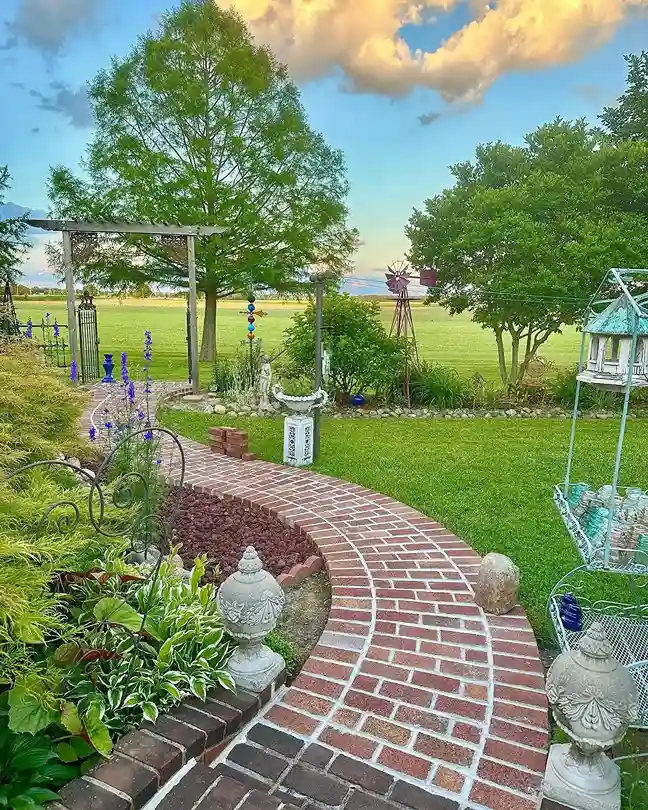
Reclaimed or salvaged bricks make a beautiful and affordable garden walkway. Check local salvage yards, Facebook Marketplace, or demolition sites for cheap bricks.
source: @constancesgardens
Lay bricks in a running bond, herringbone, or basket weave pattern for visual interest. Set them in a sand base for easy DIY installation without cement or special skills.
| Brick Pattern | Visual Effect |
|---|---|
| Running bond | Classic and clean |
| Herringbone | Elegant and traditional |
| Basket weave | Charming and cottage-style |
8. Mulch Garden Path
A mulch path is incredibly cheap, quick to install, and looks very natural. Wood chip or bark mulch creates a soft, cushioned surface that is gentle underfoot.
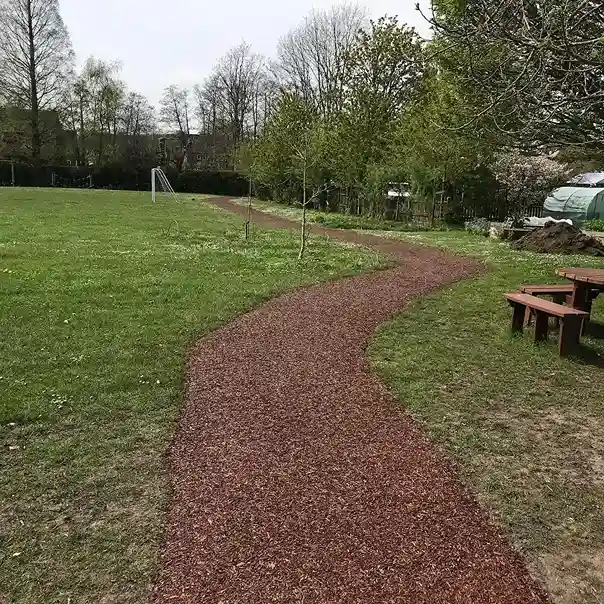
Lay 3 to 4 inches of mulch over landscape fabric for best weed suppression. Top up the mulch every year or two as it naturally breaks down into the soil.
| Mulch Type | Cost | Lifespan |
|---|---|---|
| Wood chips | Very low to free | 1 – 2 years |
| Bark mulch | Low ($3–$6 per bag) | 2 – 3 years |
| Shredded leaves | Free | 1 season |
9. Pallet Wood Walkway
Old wooden pallets can be repurposed into a charming garden walkway for almost no cost. Sand them smooth, treat with exterior wood stain, and lay them flat along the path.
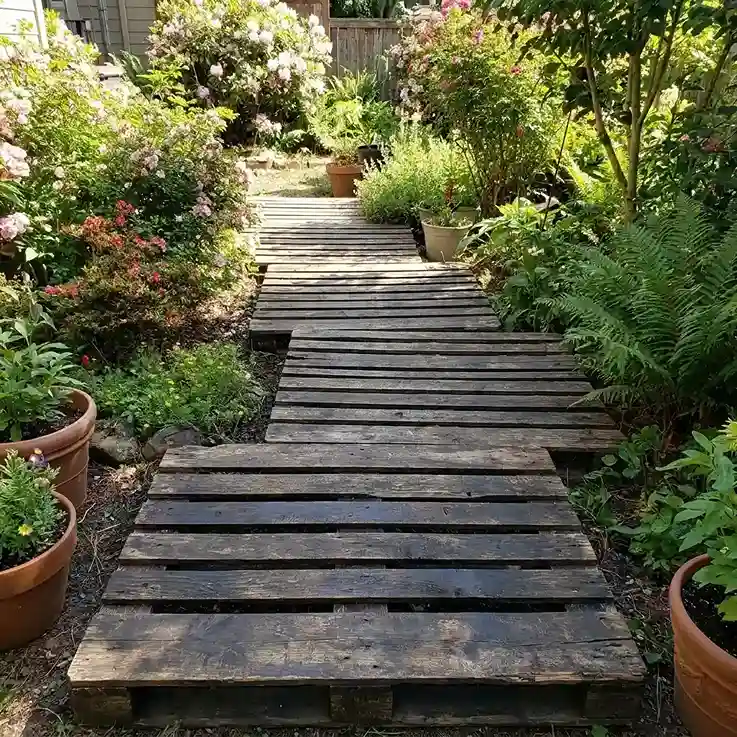
Pallets are often available for free from garden centers, hardware stores, and businesses. Always check that pallets are marked HT (heat treated) rather than MB (methyl bromide treated).
| Feature | Details |
|---|---|
| Material cost | Free or very low |
| Tools needed | Sander, saw, brush, exterior stain |
| Skill level | Beginner to intermediate |
10. Concrete Pavers Walkway
Concrete pavers are affordable, durable, and available in many shapes and colors. They create a clean, structured look that suits modern and traditional gardens alike.
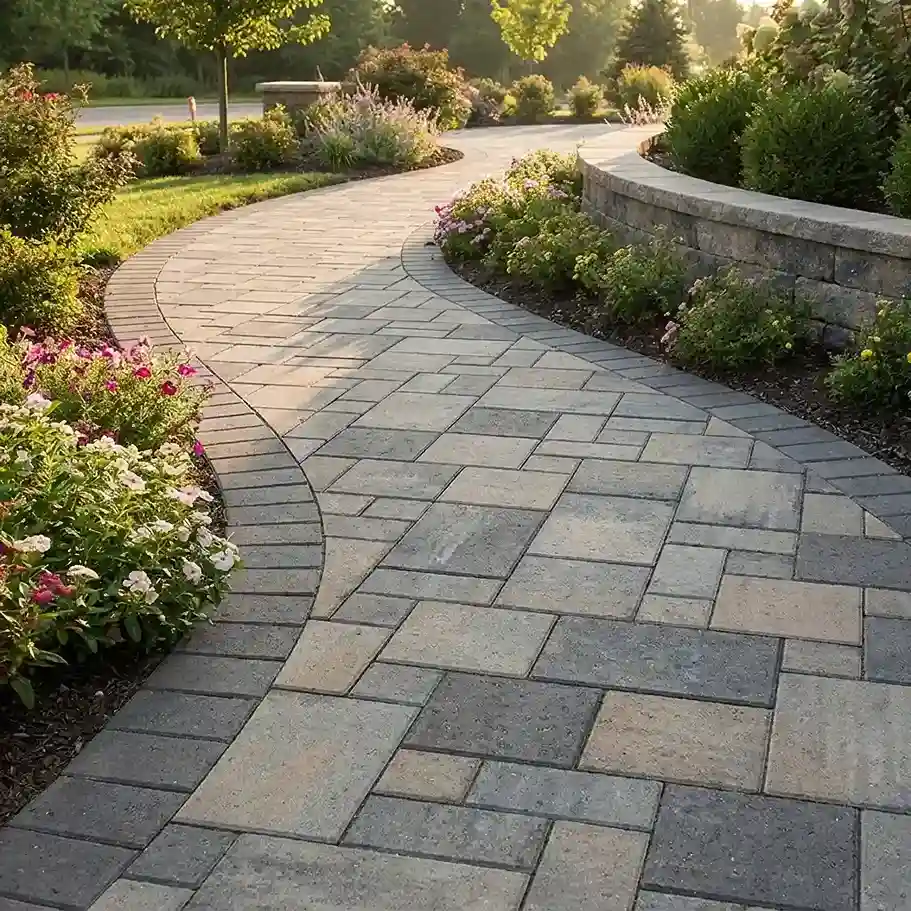
Standard 12×12 inch concrete pavers cost around $1 to $3 each at hardware stores. Lay them on a compacted sand base for a stable and level surface without concrete.
| Paver Size | Approx. Cost | Coverage |
|---|---|---|
| 12×12 inch | $1 – $3 each | Most walkways |
| 16×16 inch | $3 – $6 each | Wider, formal paths |
| Irregular flagstone | $2 – $5 each | Natural, rustic style |
11. Flagstone Walkway
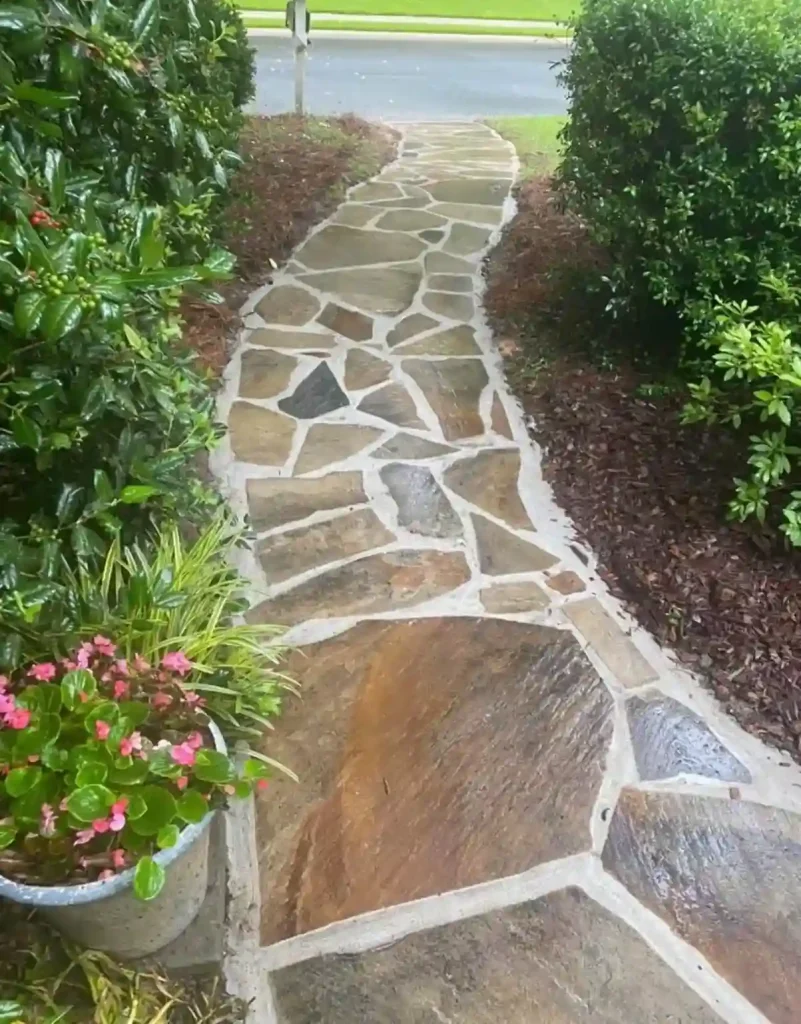
Flagstone creates a timeless, natural-looking garden path with beautiful irregular shapes. It suits cottage, Mediterranean, and rustic garden styles particularly well.
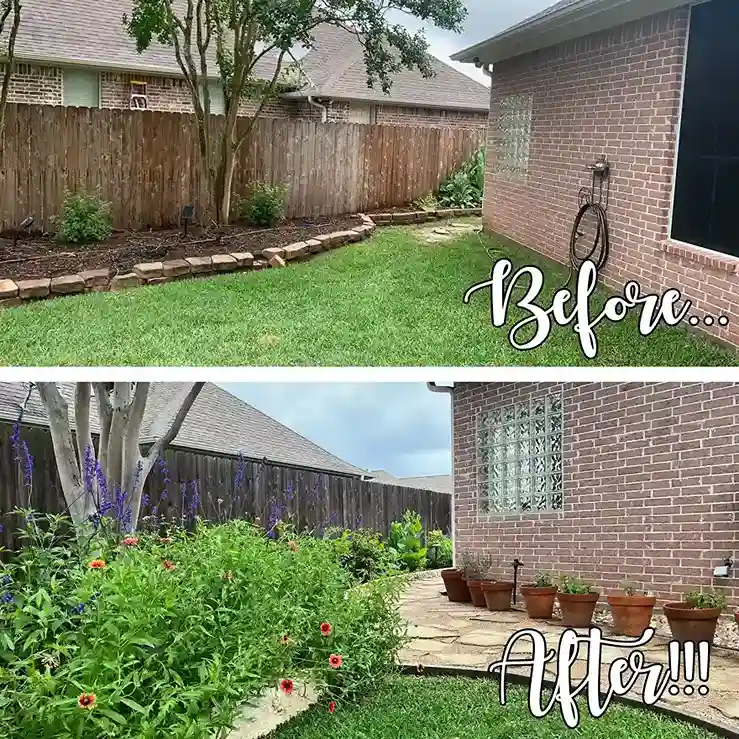
source: @kevins.landscapes
Source affordable flagstone from local quarries, stone yards, or landscape suppliers. Lay stones on a compacted gravel and sand base, filling gaps with ground cover plants or gravel.
| Gap Filler | Visual Effect |
|---|---|
| Creeping thyme | Fragrant, green, low-growing |
| Pea gravel | Clean, easy, low maintenance |
| Moss | Lush, shaded garden look |
12. Recycled Concrete Chunks Walkway
Broken concrete pieces — sometimes called urbanite — make a surprisingly attractive walkway. Many people give away broken concrete for free after driveway or patio demolition.
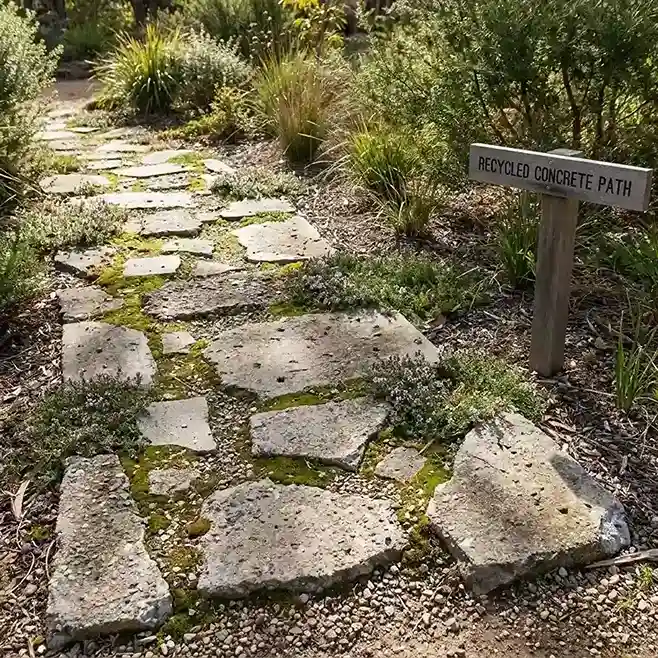
Search on Craigslist, Facebook Marketplace, or Freecycle for free concrete pieces near you. Arrange the chunks like irregular flagstones and fill gaps with gravel or creeping plants.
| Feature | Details |
|---|---|
| Material cost | Often completely free |
| Tools needed | Gloves, rubber mallet, level |
| Best style | Rustic, industrial, naturalistic |
13. Cinder Block Walkway
Cinder blocks are affordable, widely available, and surprisingly versatile in garden design. Laid flat, they create a strong and durable low-cost pathway through any garden space.
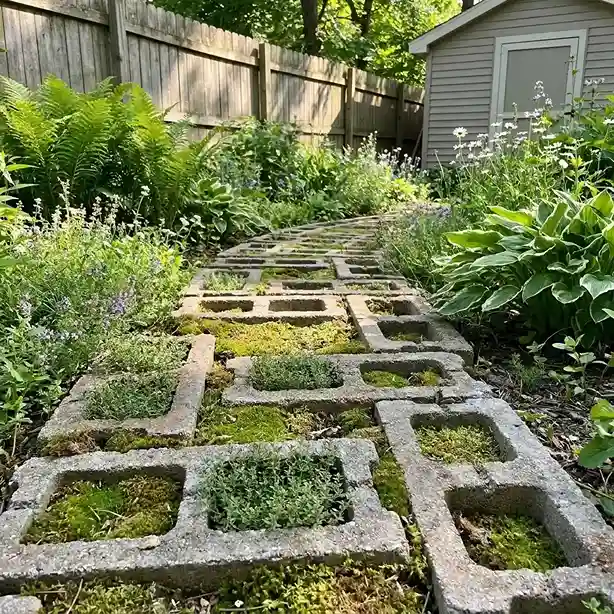
Fill the hollow cores with gravel, soil, or small plants for a creative touch. Cinder blocks suit modern, industrial, and edgy garden aesthetics particularly well.
| Feature | Details |
|---|---|
| Cost per block | $1 – $3 each |
| Durability | Very high — lasts decades |
| Best garden style | Modern, industrial, minimalist |
14. Pine Needle Garden Path
Pine needle paths are soft, fragrant, and completely free if you have pine trees nearby. They create a beautifully natural forest floor feeling along any garden walkway.
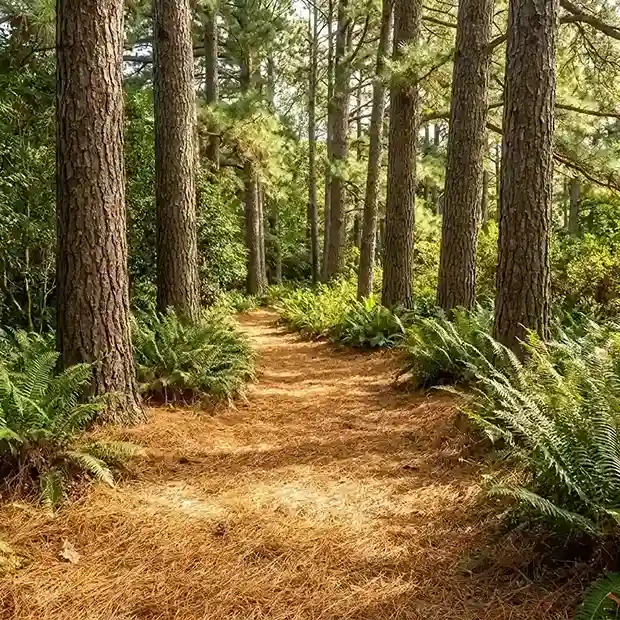
source: @bloomprogarden
Lay 3 to 4 inches deep and refresh each season as needles break down. Pine needles are slightly acidic, making them ideal near acid-loving plants like blueberries and azaleas.
| Feature | Details |
|---|---|
| Material cost | Free if pine trees are available |
| Lifespan | 1 season — refresh annually |
| Best for | Woodland, naturalistic gardens |
15. Grass Stepping Stone Walkway
A grass path between stepping stones creates a soft, lush garden look. This style suits formal and cottage gardens beautifully and costs very little to create.
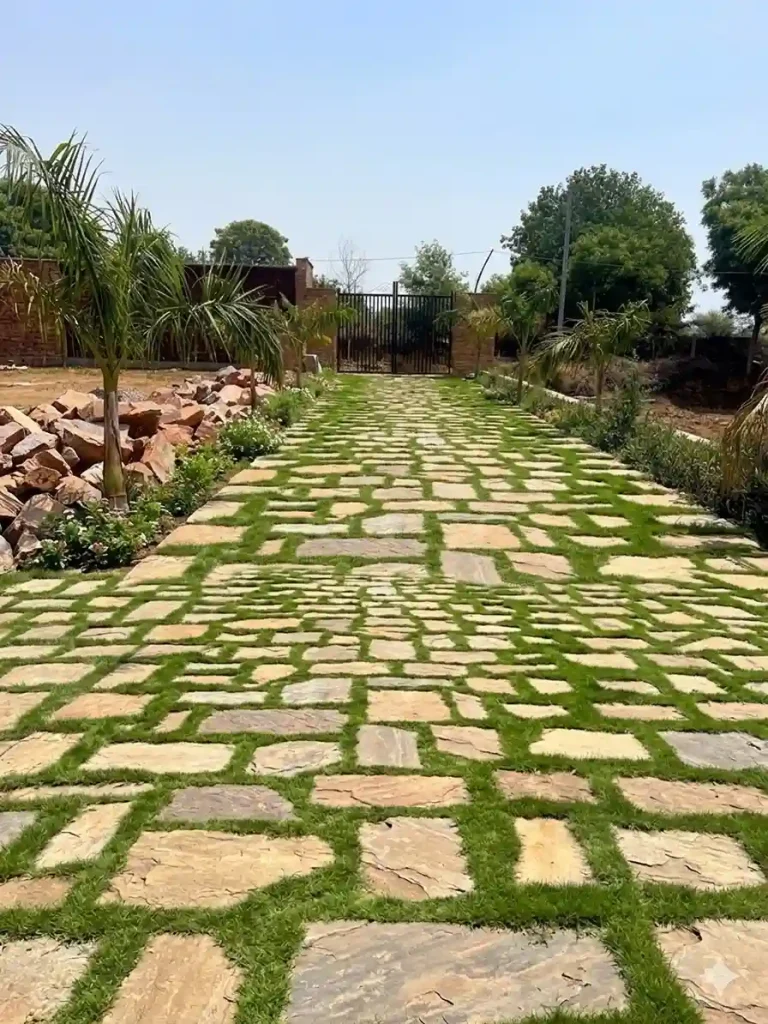
Set stones into the grass and allow turf to grow around and between them naturally. Mow carefully around stones to keep the path looking neat and intentional.
| Feature | Details |
|---|---|
| Material cost | Low — just stones needed |
| Maintenance | Mowing and trimming around stones |
| Best style | Formal, cottage, English garden |
16. Mosaic Stepping Stone Walkway
Make your own decorative stepping stones using broken tiles, glass, or pebbles. Mosaic stones are deeply personal, beautiful, and cost almost nothing to create at home.
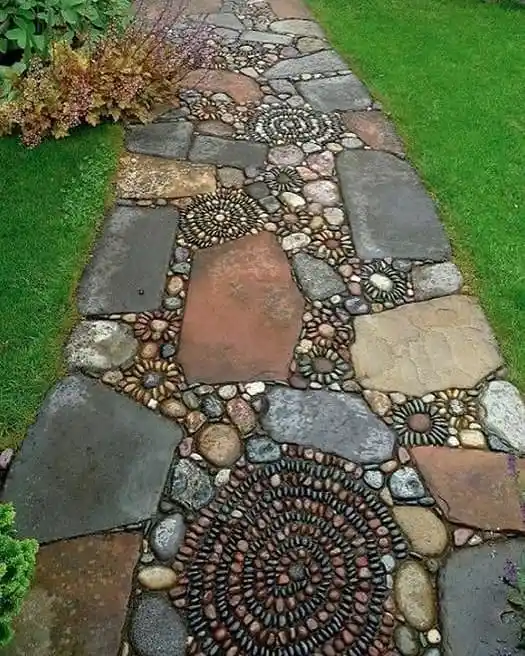
source: @bohogang
Pour concrete into a mold, then press your mosaic pieces into the surface before it sets. Seal with outdoor tile sealer once dry for a long-lasting, weatherproof finish.
| Supply | Cost |
|---|---|
| Concrete mix (per bag) | $5 – $8 |
| Mold (round or square) | Free — use a bucket lid or tray |
| Broken tiles or glass | Free — repurpose old tiles |
17. Gabion Stone Walkway Edging
Gabion wire baskets filled with stones make excellent walkway edging on a budget. They define the path clearly and add a modern, structured look to the garden.
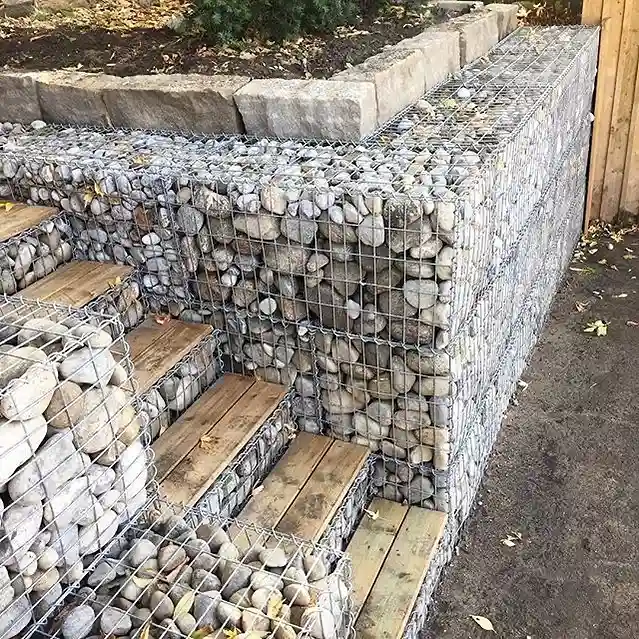
Fill wire cages with river rock, broken brick, or gravel for a rustic, textured border. Gabion edging is extremely durable and requires zero maintenance once installed.
| Feature | Details |
|---|---|
| Material cost | Low to medium |
| Durability | Extremely high |
| Best style | Modern, industrial, contemporary |
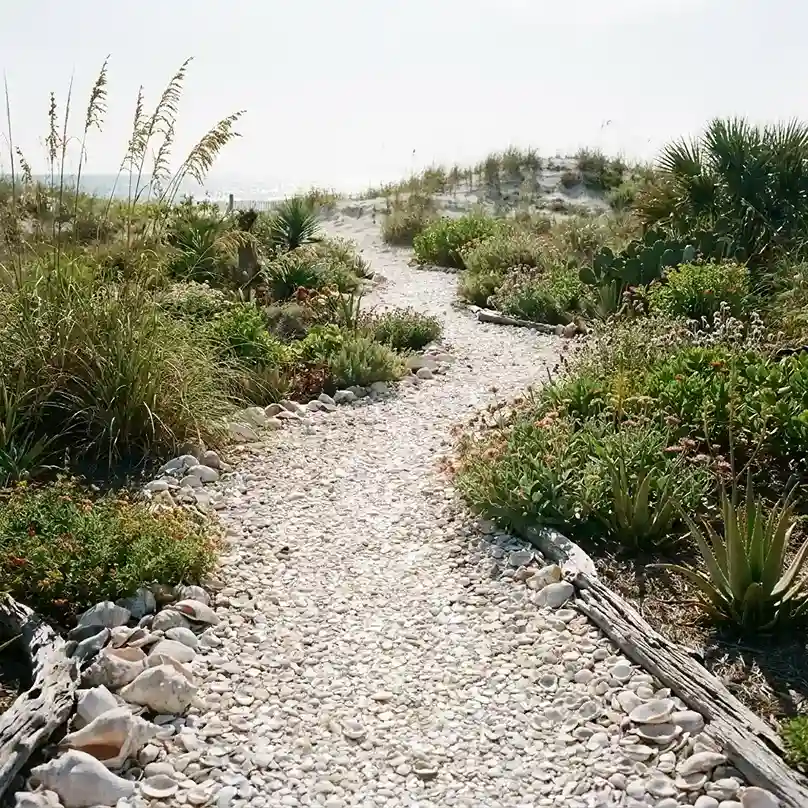
18. Seashell Garden Path
Crushed seashells make a beautiful, bright white walkway that reflects light beautifully. They are especially stunning in coastal or beach-themed garden designs.
source: @bloomprogarden
Seashell paths drain exceptionally well and naturally deter slugs and snails. They are affordable to buy in bulk from landscape suppliers or seafood wholesalers.
| Feature | Details |
|---|---|
| Cost per bag | $8 – $15 for crushed shells |
| Best climate | Coastal, warm, sunny gardens |
| Maintenance | Top up every 2 – 3 years |
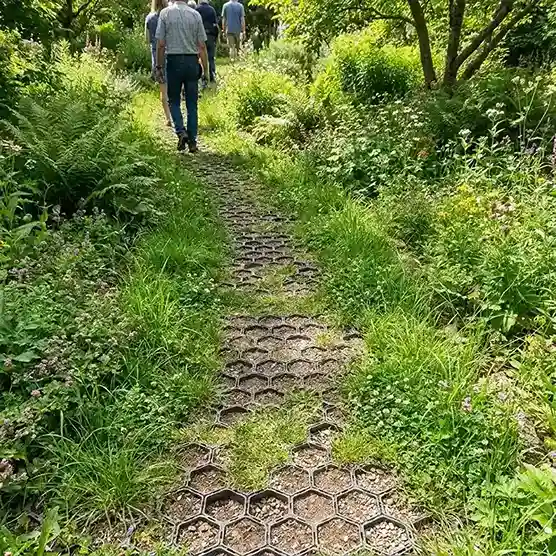
19. Permeable Grass Grid Walkway
Plastic grass grids are laid on the ground and filled with soil or gravel. Grass or ground cover grows through the grid, creating a green, eco-friendly walkway.
source: @bloomprogarden
This is ideal for areas with occasional vehicle access or heavy foot traffic. The grid structure prevents rutting and keeps the surface stable in all weather conditions.
| Feature | Details |
|---|---|
| Cost per panel | $5 – $15 each |
| Permeability | Excellent — allows rainwater drainage |
| Lifespan | 10 – 20 years |
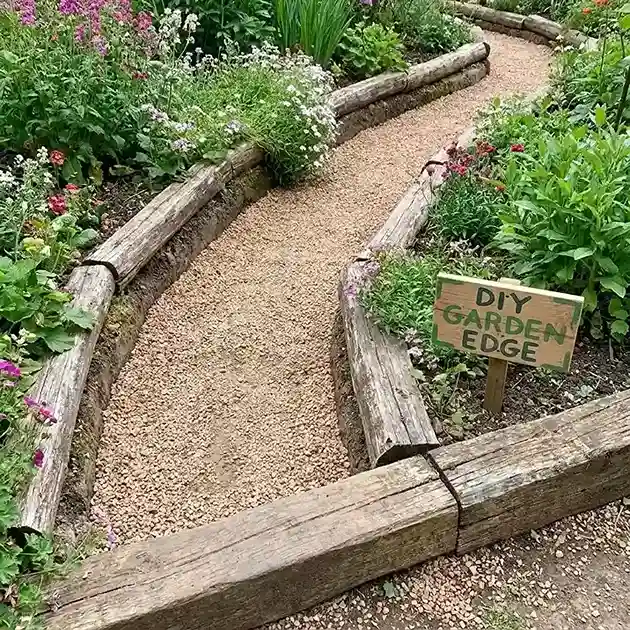
20. Edging Your Garden Walkway Cheaply
Good edging keeps gravel and mulch on the path and out of plant beds. It makes the walkway look neat, defined, and professionally finished at all times.
source: @bloomprogarden
Budget edging options include landscape timber, metal strips, bricks laid on edge, and bamboo canes. Even natural stone borders look beautiful and cost very little to install.
| Edging Material | Cost | Best For |
|---|---|---|
| Landscape timber | Low | Gravel and mulch paths |
| Metal strip edging | Medium | Clean, modern garden look |
| Brick on edge | Low — free if reclaimed | Traditional and cottage styles |
21. Lighting Your Garden Walkway on a Budget
Solar path lights are the most affordable way to illuminate a garden walkway. They require no wiring and charge automatically during daylight hours.
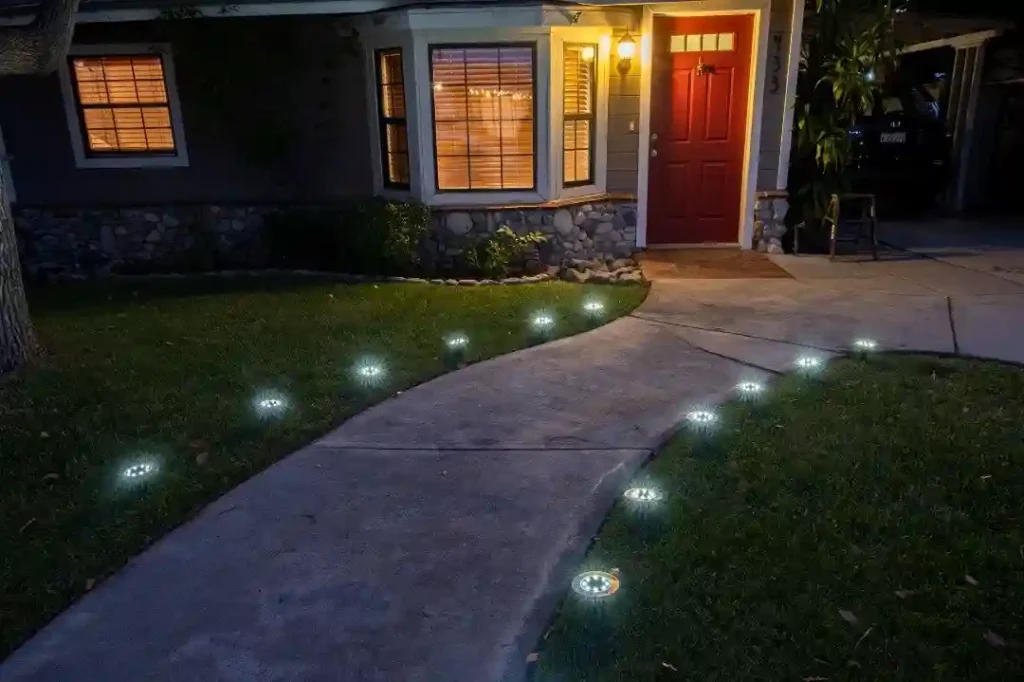
Place solar stakes every 4 to 6 feet along the walkway edges for consistent lighting. Budget solar lights cost as little as $1 to $5 each and are widely available online.
| Lighting Option | Cost | Installation |
|---|---|---|
| Solar stake lights | $1 – $5 each | Push into ground — no wiring |
| Solar lanterns | $5 – $20 each | Hang or place beside path |
| Battery LED lights | $3 – $10 each | Flexible, no sun required |
22. Common DIY Walkway Mistakes to Avoid
Many first-time walkway builders skip important preparation steps. These mistakes lead to uneven, weedy, or short-lived paths that cost more to fix than to prevent.
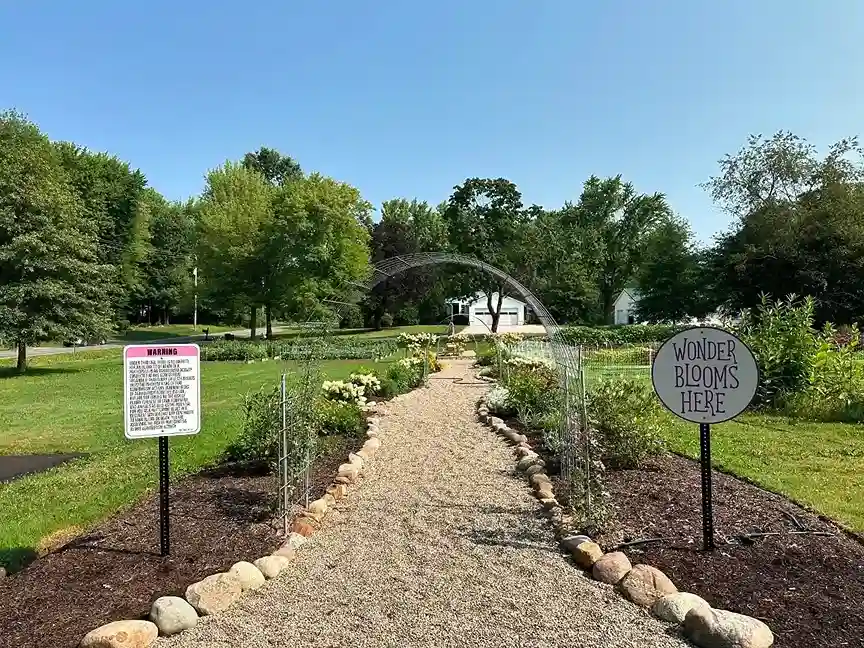
Always compact the base, use landscape fabric, and choose materials suited to your climate. Proper preparation takes a little extra time but makes the walkway last for many years.
| Common Mistake | How to Avoid It |
|---|---|
| No base preparation | Always compact soil and add a sand or gravel base |
| Skipping landscape fabric | Always lay fabric under loose materials |
| Path too narrow | Make it at least 18 – 24 inches wide minimum |
Frequently Asked Questions
Q: What is the cheapest material for a garden walkway?
Mulch, pine needles, and recycled concrete are the cheapest options available. Mulch can cost as little as $3 to $5 per bag, and pine needles are often completely free. These materials are beginner-friendly and quick to install in a single afternoon.
Q: How do I stop weeds growing through my garden path?
Always lay landscape fabric or cardboard underneath loose materials like gravel and mulch. This blocks weed growth from below while still allowing water to drain through naturally. Top up your mulch or gravel annually to maintain effective weed suppression.
Q: How wide should a garden walkway be?
A single-person path should be at least 18 to 24 inches wide for comfortable walking. For two people to walk side by side, make the path at least 36 inches wide. Primary entrance paths benefit from being 48 inches or wider for a grand, welcoming feel.
Q: Can I build a garden walkway without professional help?
Yes, absolutely. Most DIY walkway projects require only basic tools like a spade, level, rubber mallet, and wheelbarrow. Stepping stone, gravel, and mulch paths are especially beginner-friendly. With good planning and the right materials, you can complete a beautiful path in a single weekend.
Conclusion
A DIY garden walkway is one of the most rewarding and affordable improvements you can make to your yard. Even a simple gravel path or stepping stone trail transforms the look and function of your entire garden.
Choose materials that fit your budget, match your garden style, and suit your local climate conditions. Proper preparation of the base is the single most important step for a long-lasting, beautiful result.
Start with one small section and extend the path as your confidence and budget grow. Your garden deserves a beautiful path — and with these 22 ideas, you have everything you need to create one today.