A survival garden gives you the power to feed your family no matter what happens. It is more than a hobby — it is a life skill that builds real security and independence.
Growing your own food saves money, reduces grocery dependence, and connects you with nature. Even a small backyard or patio can produce a surprising amount of food each year.
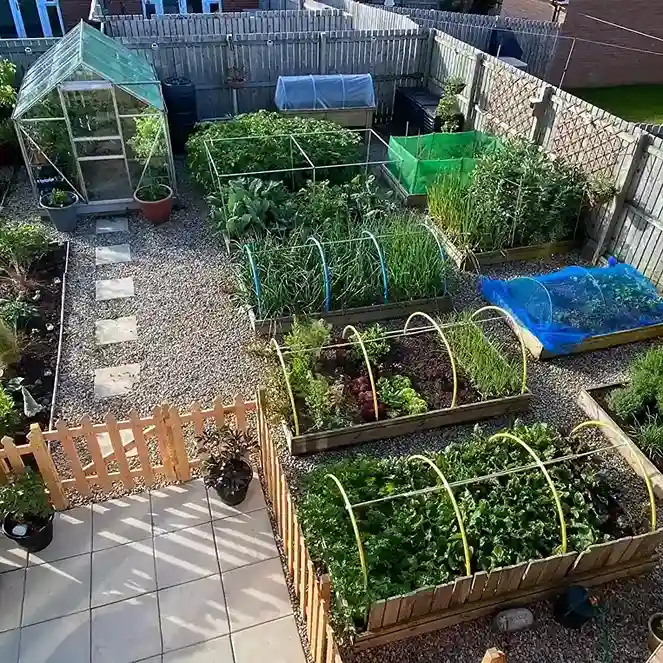
source: @grow.to.eat
This guide covers everything you need to know. From choosing the right plants to harvesting and storing, you will learn how to build a reliable, productive survival garden from scratch.
1. What Is a Survival Garden?
A survival garden is a food-producing garden designed to sustain a household during emergencies. It focuses on calorie-dense, nutritious, and easy-to-store crops.
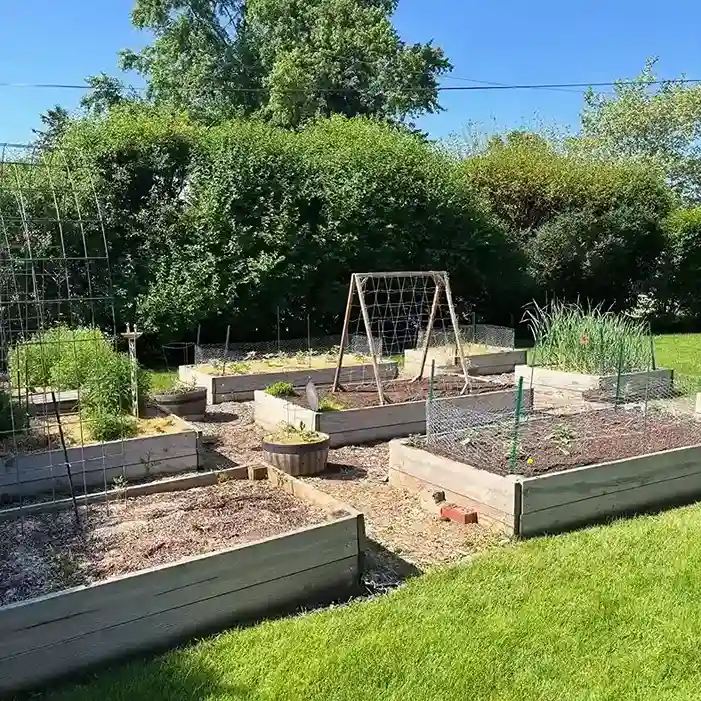
source: @jess_barneyyy
Unlike decorative gardens, every plant in a survival garden serves a purpose. The goal is maximum food yield with minimum resources and effort.
| Key Feature | Description |
|---|---|
| Primary Goal | Long-term food security |
| Focus Crops | Calorie-dense, nutritious plants |
| Garden Size | Scales to available space |
2. Why You Need a Survival Garden
Food prices are rising every year. Supply chains are unpredictable, and natural disasters can disrupt grocery access for days or weeks.
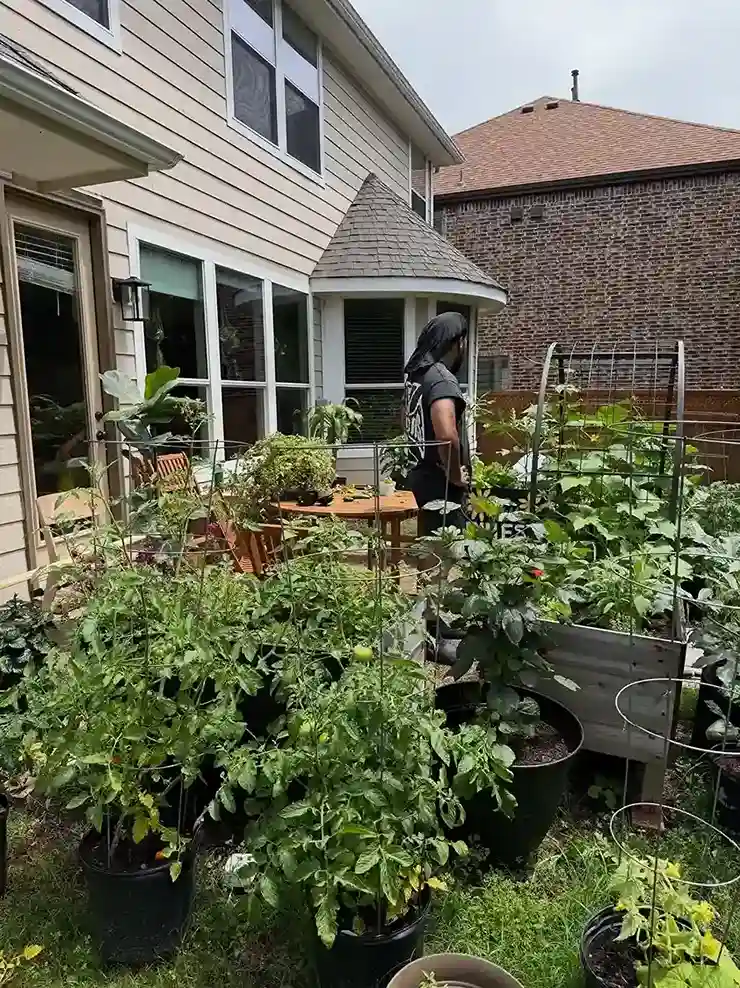
source: @vonniethevessel13
A survival garden puts control back in your hands. It ensures your family has access to fresh, clean food regardless of outside circumstances.
| Reason | Benefit |
|---|---|
| Rising food costs | Reduces grocery bills significantly |
| Supply chain disruptions | Independence from stores |
| Health benefits | Fresh, pesticide-free produce |
3. How to Plan Your Survival Garden
Start by assessing your available space, sunlight, and water sources. Sketch a simple layout showing where each crop will grow.
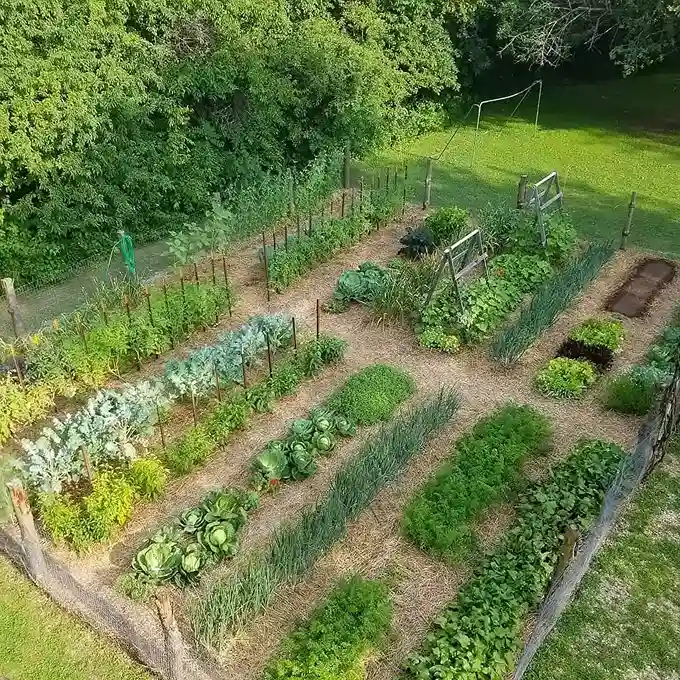
source: @thehappygardeninglife
Plan for crop rotation each season to maintain healthy soil. Group plants by their water and sunlight needs for easier management.
| Planning Step | Action |
|---|---|
| Measure your space | Determine square footage available |
| Map sunlight | Identify full sun vs. shade areas |
| Set priorities | Choose crops your family eats most |
4. How Much Space Do You Need?
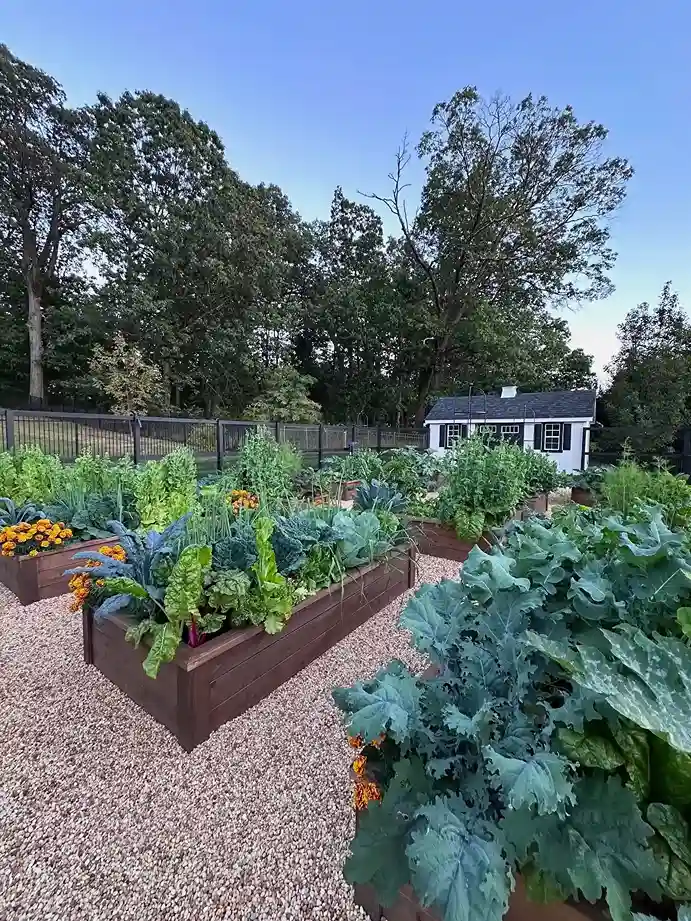
A family of four needs roughly 200 square feet of growing space per person for basic sustenance. That is 800 square feet total for a full food supply.
source: @reshgala
However, even a 100-square-foot garden adds meaningful food security. Start small, learn the basics, then expand as your confidence grows.
| Family Size | Minimum Space (sq ft) |
|---|---|
| 1 person | 200 |
| 2 people | 400 |
| 4 people | 800 |
5. Choosing the Right Location
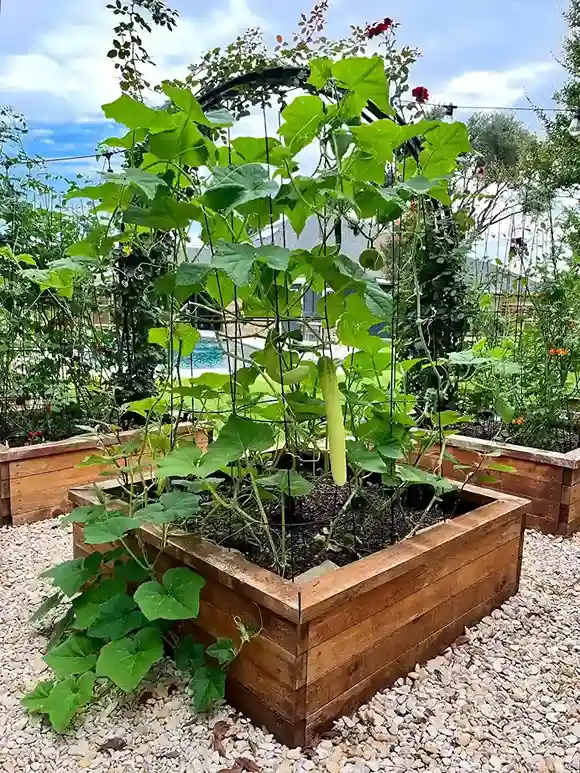
Pick the sunniest spot available in your yard. Most vegetables need at least 6 to 8 hours of direct sunlight daily.
source: @thekiwihome
Avoid low-lying areas where water collects after rain. Good drainage is essential to prevent root rot and fungal diseases in your garden.
| Location Factor | Ideal Condition |
|---|---|
| Sunlight | 6–8 hours of direct sun |
| Drainage | Well-drained, slightly raised soil |
| Water access | Near a hose or rainwater system |
6. Best Soil for a Survival Garden
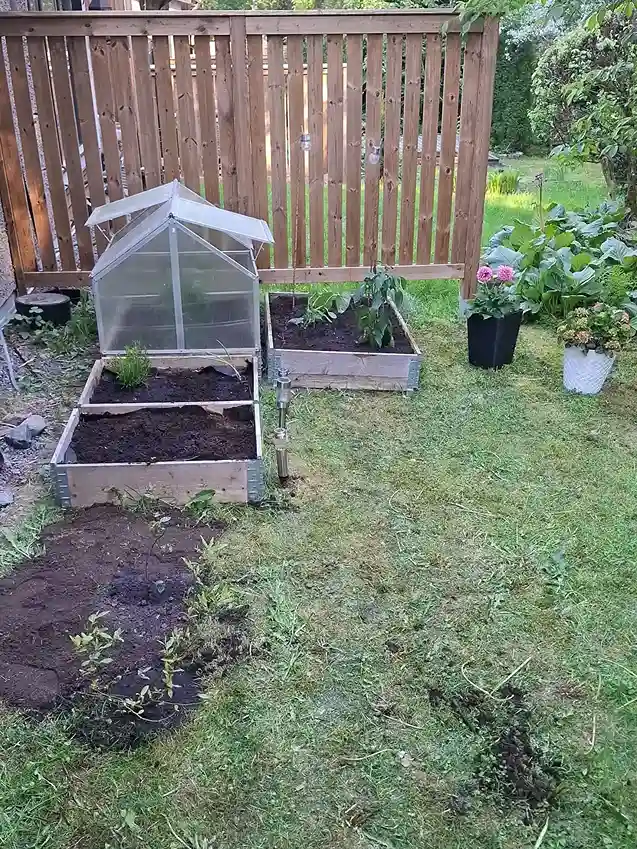
Healthy soil is the foundation of any productive garden. Aim for loose, dark, nutrient-rich soil that drains well but retains moisture.
source: @_jempula_
Amend your soil with compost before each growing season. Adding organic matter improves structure, drainage, and natural nutrient content consistently.
| Soil Type | Suitability |
|---|---|
| Sandy loam | Excellent — drains well, easy to work |
| Clay soil | Poor drainage — needs heavy amendment |
| Rich compost mix | Best overall for vegetables |
7. The Best Food Plants for a Survival Garden
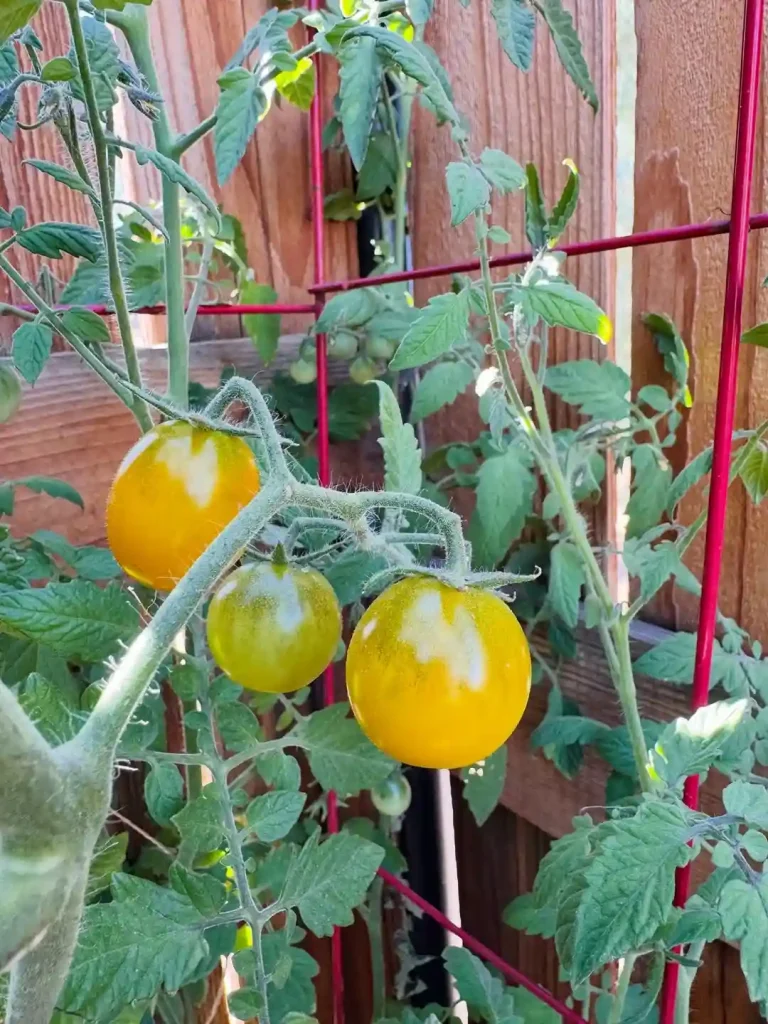
Focus on calorie-dense, easy-to-grow crops that store well. Potatoes, beans, corn, squash, and sweet potatoes are top survival staples.
source: @rlittlegarden
Leafy greens like kale, spinach, and chard provide vital nutrition. Include herbs like thyme and oregano for flavor and medicinal value.
| Crop | Why It’s Ideal |
|---|---|
| Potatoes | High calories, long shelf life |
| Dried beans | Protein-rich, stores for years |
| Kale | Nutritious, cold-hardy, fast-growing |
8. Calorie-Dense Crops to Prioritize
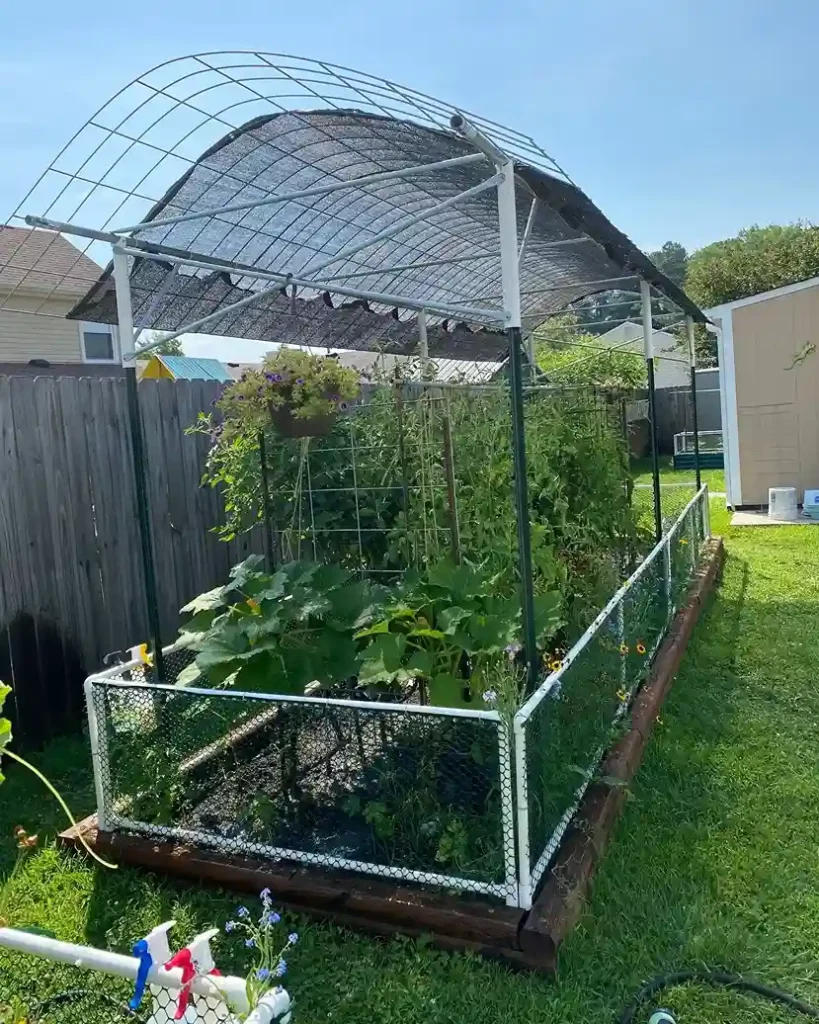
Calories matter most in a true survival situation. Focus on crops that produce the most energy per square foot of growing space.
source: @pawpawridge
Corn, potatoes, sweet potatoes, winter squash, and dried beans are calorie champions. These crops also store beautifully for months without refrigeration.
| Crop | Calories per 100g |
|---|---|
| Dried beans | ~340 calories |
| Sweet potatoes | ~86 calories |
| Winter squash | ~40–90 calories |
9. Fast-Growing Vegetables to Include
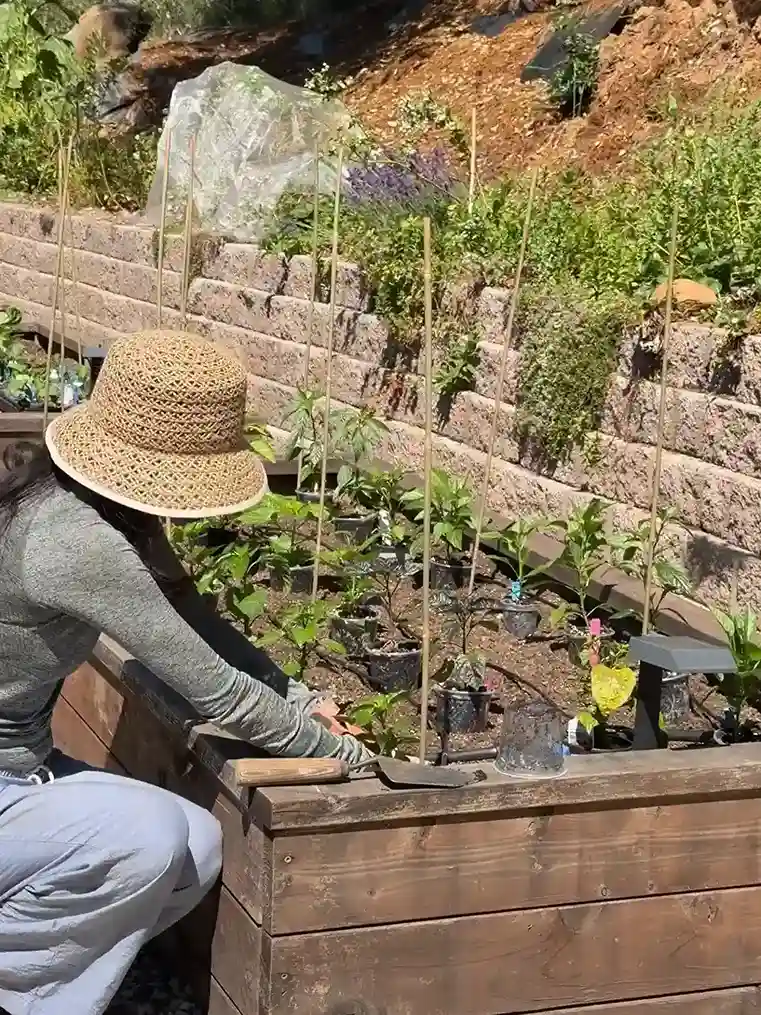
Some crops mature in as little as 30 days. These are essential during emergencies when you need food quickly.
source: @brennygardens
Radishes, lettuce, spinach, green onions, and arugula are the fastest producers. Plant them in gaps between slower crops to maximize your space.
| Vegetable | Days to Harvest |
|---|---|
| Radishes | 25–30 days |
| Lettuce | 30–45 days |
| Spinach | 40–50 days |
10. Perennial Plants for Long-Term Food Security
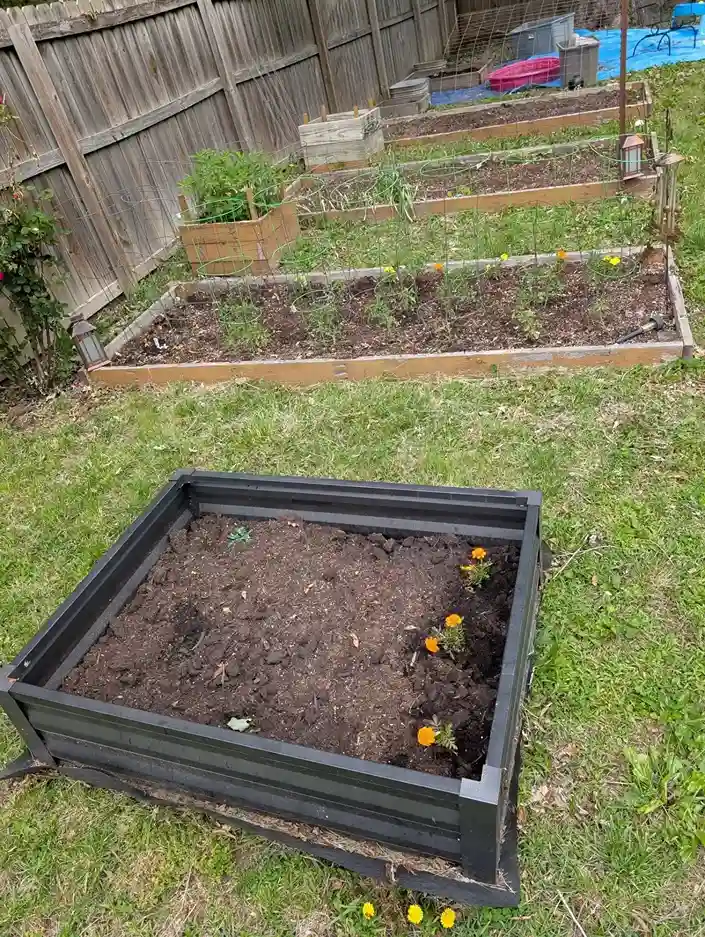
Perennials come back year after year without replanting. They are low-maintenance and highly productive over time.
source: @thehelenbrawley
Asparagus, rhubarb, artichokes, and fruit trees are excellent perennial choices. Once established, they produce food reliably for decades with minimal care.
| Perennial | Years to Produce |
|---|---|
| Asparagus | 2–3 years (then 20+ years) |
| Fruit trees | 3–5 years (then decades) |
| Rhubarb | 2 years to full production |
11. When to Plant Your Survival Garden
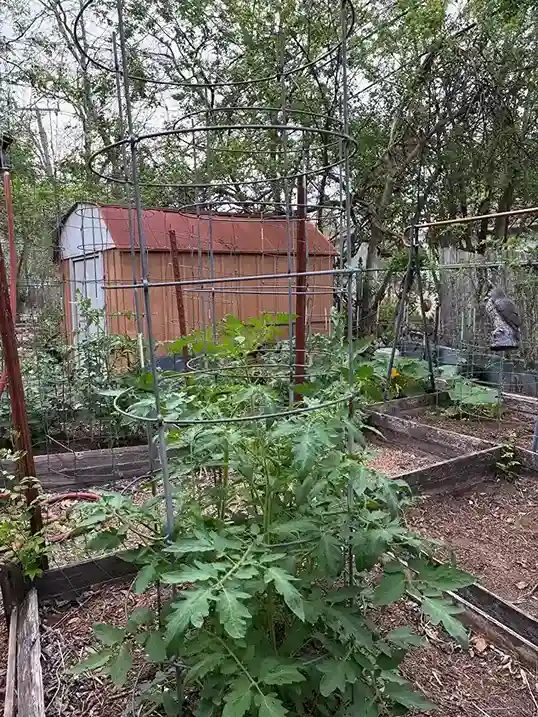
Timing depends on your local climate and the last frost date. Most vegetables are planted after the last spring frost in your area.
source: @kevins_backyard
Cool-season crops like lettuce and peas go in early spring. Warm-season crops like tomatoes and squash wait until soil warms above 60°F.
| Season | Crops to Plant |
|---|---|
| Early spring | Peas, lettuce, spinach, kale |
| Late spring | Tomatoes, beans, squash, corn |
| Late summer | Broccoli, cabbage, fall greens |
12. Growing a Year-Round Survival Garden
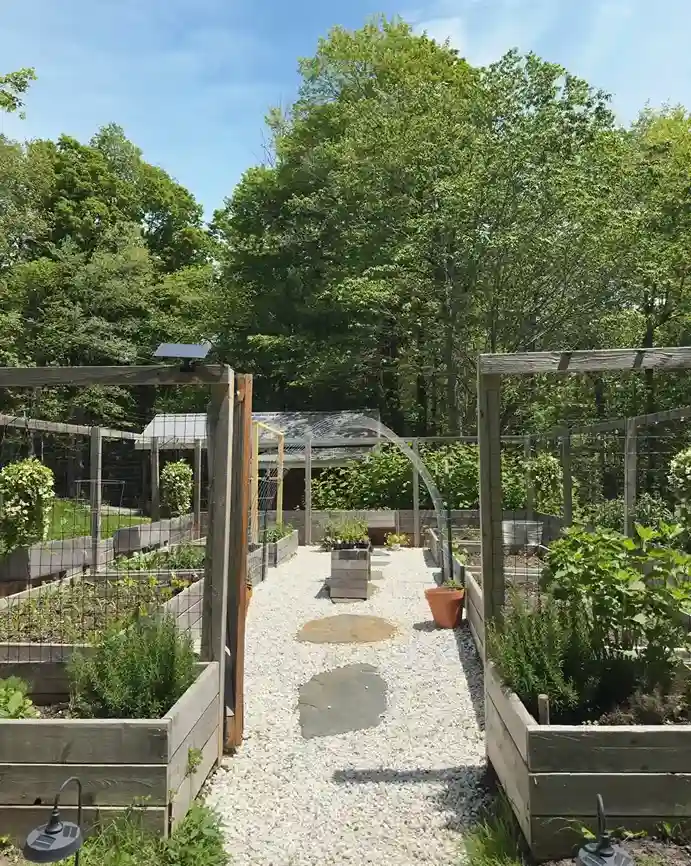
With smart planning, you can harvest food in every season. Use cold frames, row covers, and greenhouses to extend your growing season.
source: @allymariebrown
Cool-season crops grow through winter in mild climates. In colder zones, root cellars and preserved food bridge the gap between harvest seasons.
| Season | Strategy |
|---|---|
| Spring | Start seeds indoors 6–8 weeks early |
| Summer | Focus on calorie crops and storage |
| Winter | Use cold frames and stored produce |
13. How to Start Seeds for a Survival Garden
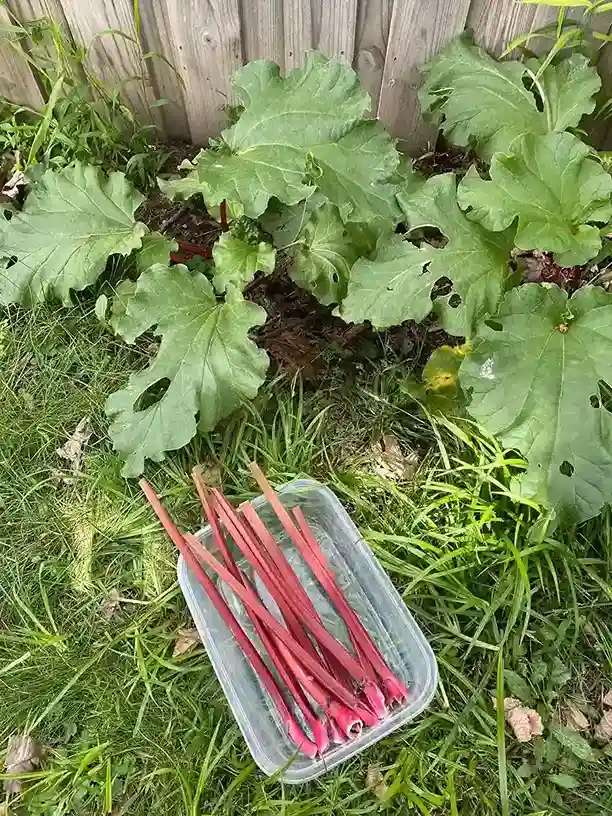
Starting from seed saves money and gives you more variety choices. Use seed trays, potting mix, and a warm, bright windowsill or grow light.
source: @stinacole
Plant seeds at the depth listed on the packet. Keep soil moist but not waterlogged until germination occurs within 7 to 14 days.
| Seed Starting Step | Details |
|---|---|
| Timing | 6–8 weeks before last frost |
| Medium | Seed-starting mix, not garden soil |
| Light | 14–16 hours daily under grow lights |
14. Companion Planting in a Survival Garden
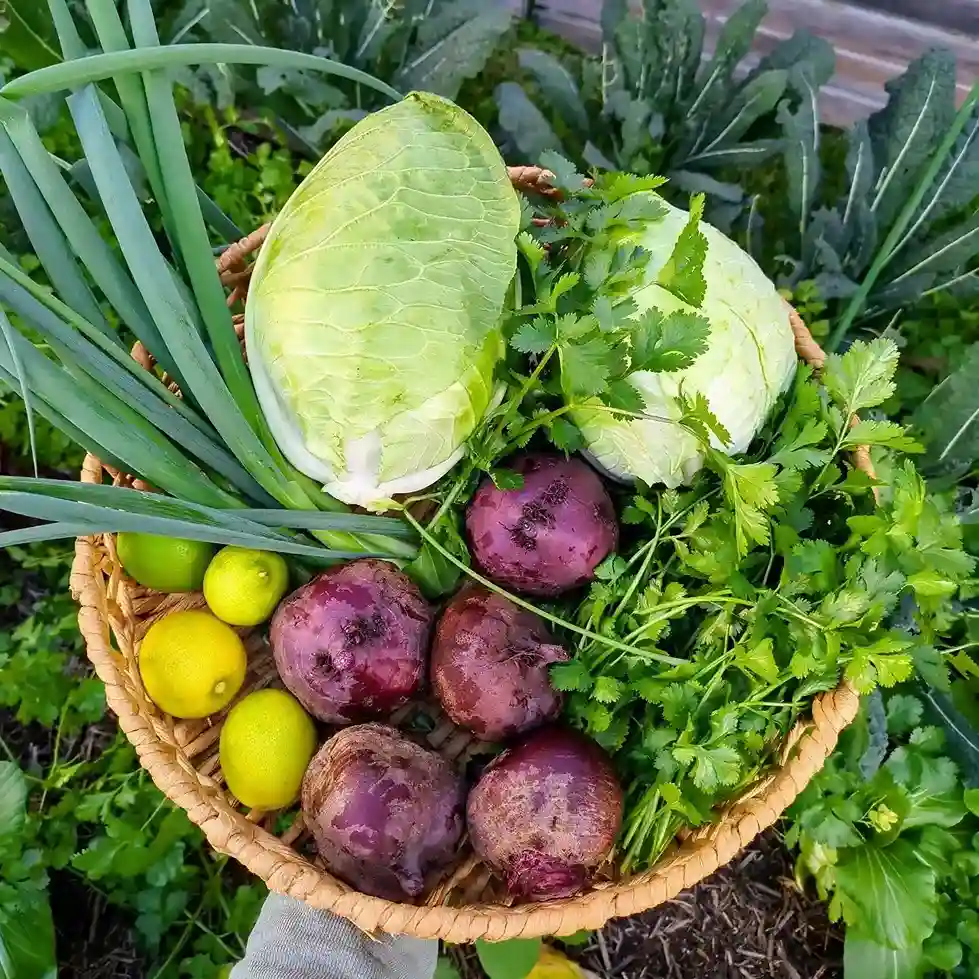
Companion planting improves yields and reduces pest problems naturally. Certain plants support each other when grown side by side.
source: @thehomegarden
The famous Three Sisters combination — corn, beans, and squash — is a classic survival planting method. It maximizes space and nutrients efficiently.
| Companion Pair | Benefit |
|---|---|
| Tomatoes + Basil | Repels pests, improves flavor |
| Corn + Beans + Squash | Maximizes space, nutrients, shade |
| Carrots + Onions | Deters carrot fly and onion fly |
15. Water Management for Survival Gardens
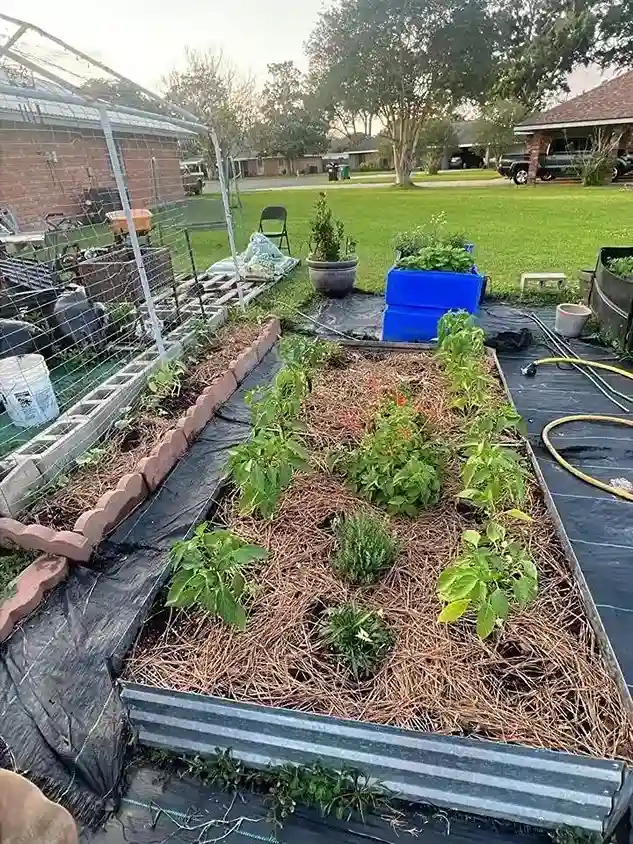
Consistent moisture is critical for good vegetable yields. Water deeply and infrequently to encourage deep root growth in plants.
source: @joelles_magicalherbs
Drip irrigation systems save water and reduce disease risk. Mulching around plants also retains soil moisture between watering sessions.
| Watering Method | Efficiency |
|---|---|
| Drip irrigation | Highest — delivers to root zone |
| Soaker hose | Good — slow, deep watering |
| Hand watering | Variable — depends on technique |
16. Building a Rainwater Harvesting System
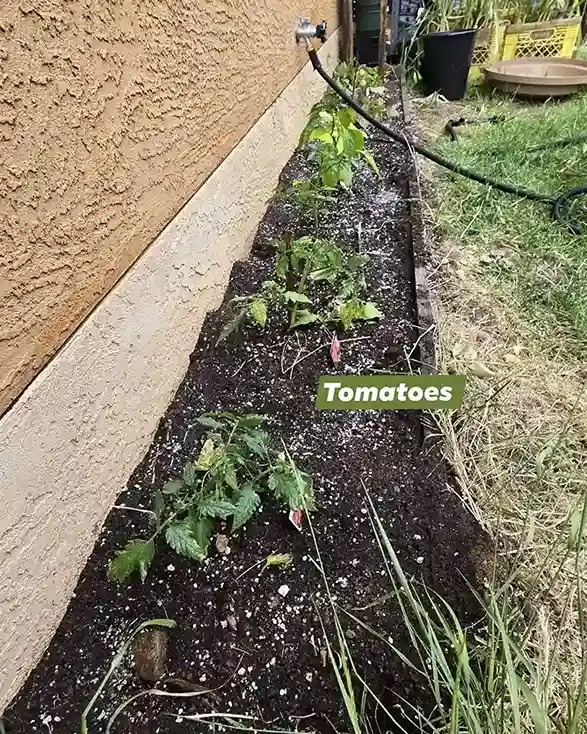
Rainwater is free and plants love it. A simple barrel connected to a downspout can collect hundreds of gallons per rainfall event.
source: @estherjcardwell
Position barrels at the lowest point of your roof runoff. Use a mesh screen on top to keep out debris and mosquitoes reliably.
| System Component | Purpose |
|---|---|
| Collection barrel | Stores rainwater from roof |
| Downspout diverter | Redirects water into barrel |
| Mesh cover | Keeps debris and insects out |
17. Natural Fertilizing Methods
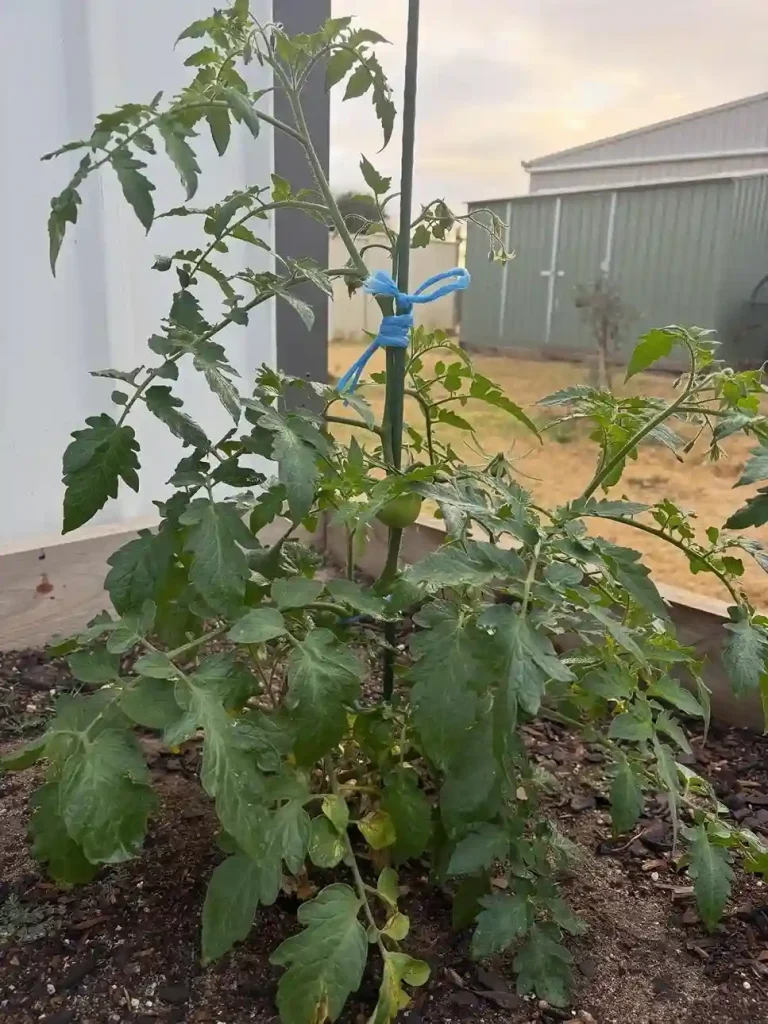
Chemical fertilizers are not always available during emergencies. Learn to feed your soil using natural, renewable resources instead.
source: @coolibah_ridge
Compost, worm castings, wood ash, and aged manure are excellent natural fertilizers. These build long-term soil health and never deplete the ecosystem.
| Natural Fertilizer | Best For |
|---|---|
| Compost | All vegetables, soil building |
| Wood ash | Brassicas, root crops (adds potassium) |
| Worm castings | Seedlings, container plants |
18. Pest and Disease Control Without Chemicals
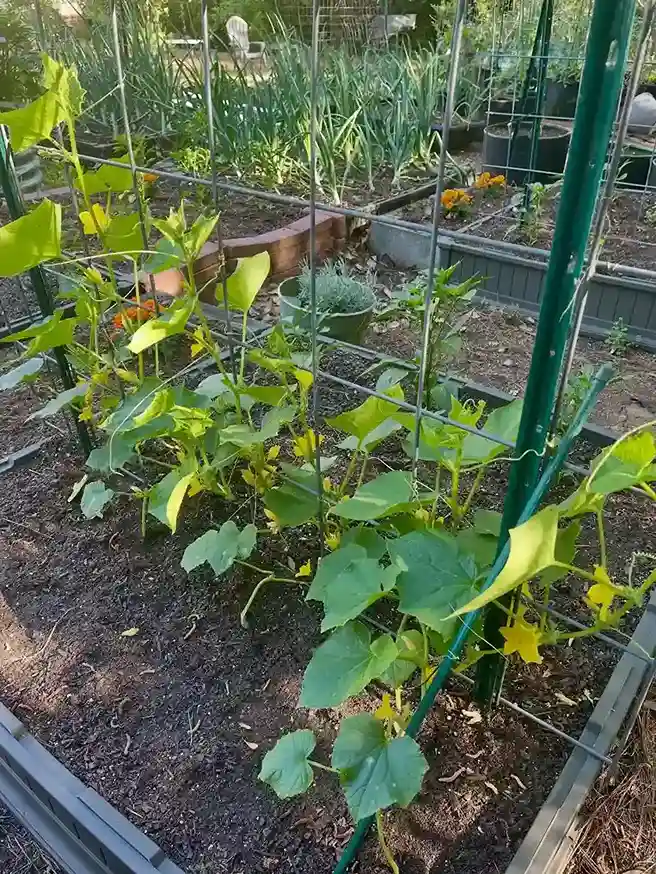
Healthy soil and diverse planting naturally reduce pest pressure. Avoid monocultures — growing one crop in large blocks attracts specific pests quickly.
source: @thegreencobb
Encourage beneficial insects like ladybugs and lacewings. Neem oil, garlic spray, and diatomaceous earth handle most common garden pests effectively.
| Organic Pest Control | Target Pest |
|---|---|
| Neem oil spray | Aphids, mites, whitefly |
| Diatomaceous earth | Slugs, beetles, crawling insects |
| Row covers | Cabbage worms, flea beetles |
19. Saving Seeds for Future Planting
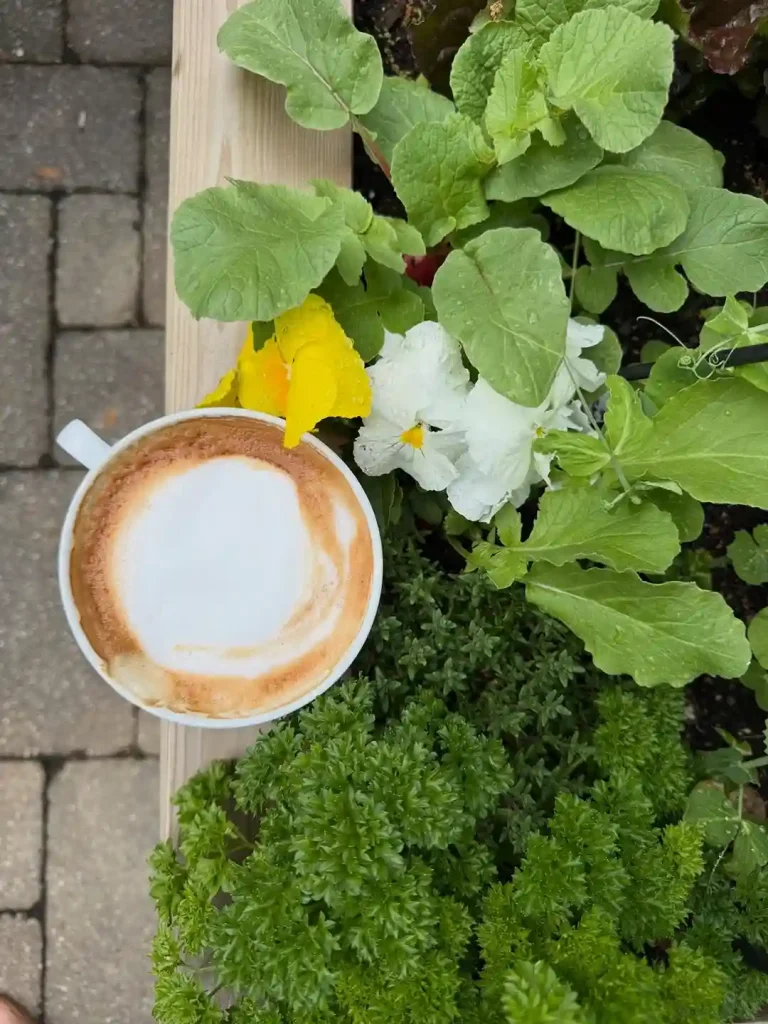
Seed saving is one of the most important survival garden skills. It makes your garden completely self-sustaining year after year.
source: @thebackyardgardenco
Always save seeds from open-pollinated or heirloom varieties. Hybrid seeds do not produce true-to-type plants in the following generation.
| Seed Type | Can You Save? |
|---|---|
| Heirloom/Open-pollinated | Yes — plants breed true |
| Hybrid (F1) | No — offspring are unpredictable |
| GMO | No — legally restricted |
20. How to Harvest and Store Your Crops
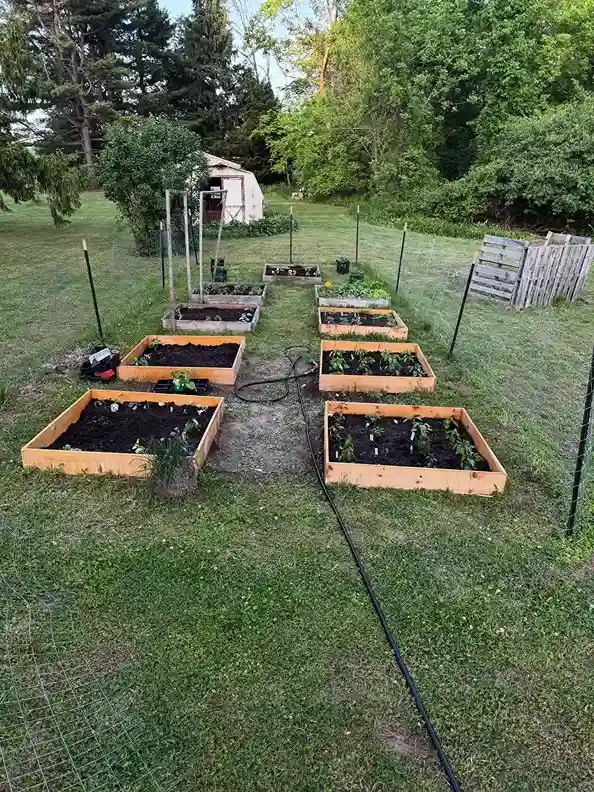
Proper harvesting at peak ripeness ensures the best nutrition and flavor. Learn the signs of maturity for each crop you grow.
source: @sunphlower7
Most root vegetables and winter squash store without refrigeration for months. Dry beans, grains, and seeds store for years in airtight containers.
| Storage Method | Crops | Shelf Life |
|---|---|---|
| Root cellar | Potatoes, carrots, beets | 4–8 months |
| Airtight container | Dried beans, seeds, grains | 1–5 years |
| Dehydrating | Tomatoes, herbs, peppers | 1–2 years |
21. Food Preservation Techniques for Survival
Growing food is only half the battle — preserving it extends your supply through lean months. Learn multiple preservation methods for maximum security.
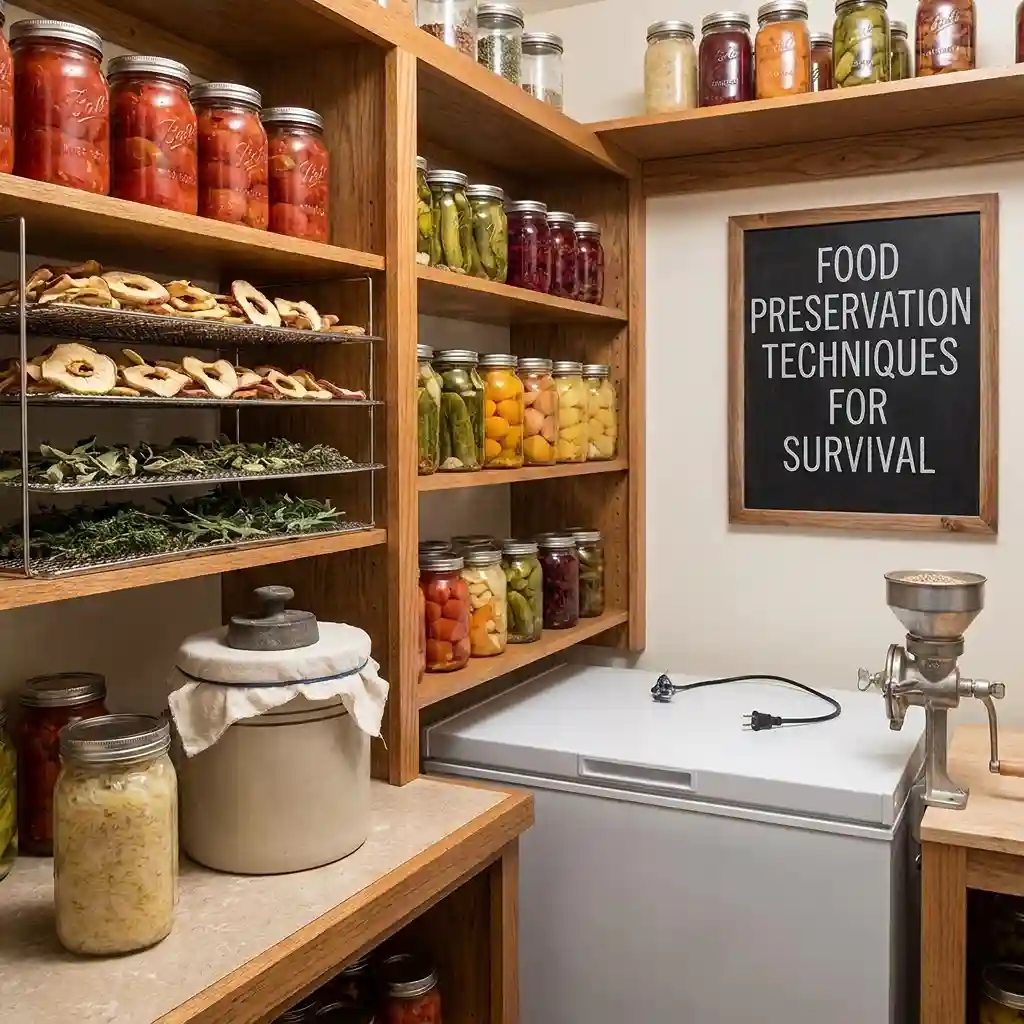
Canning, dehydrating, fermenting, and freezing are all useful skills. Fermentation requires no electricity, making it especially valuable during power outages.
| Preservation Method | Equipment Needed | Best For |
|---|---|---|
| Canning | Mason jars, canner pot | Tomatoes, beans, fruit |
| Dehydrating | Dehydrator or oven | Herbs, vegetables, fruit |
| Fermenting | Glass jars, salt | Cabbage, cucumbers, beets |
22. Small Space Survival Gardening
Limited space does not mean limited food. Container gardens, vertical planters, and raised beds multiply your growing area dramatically.
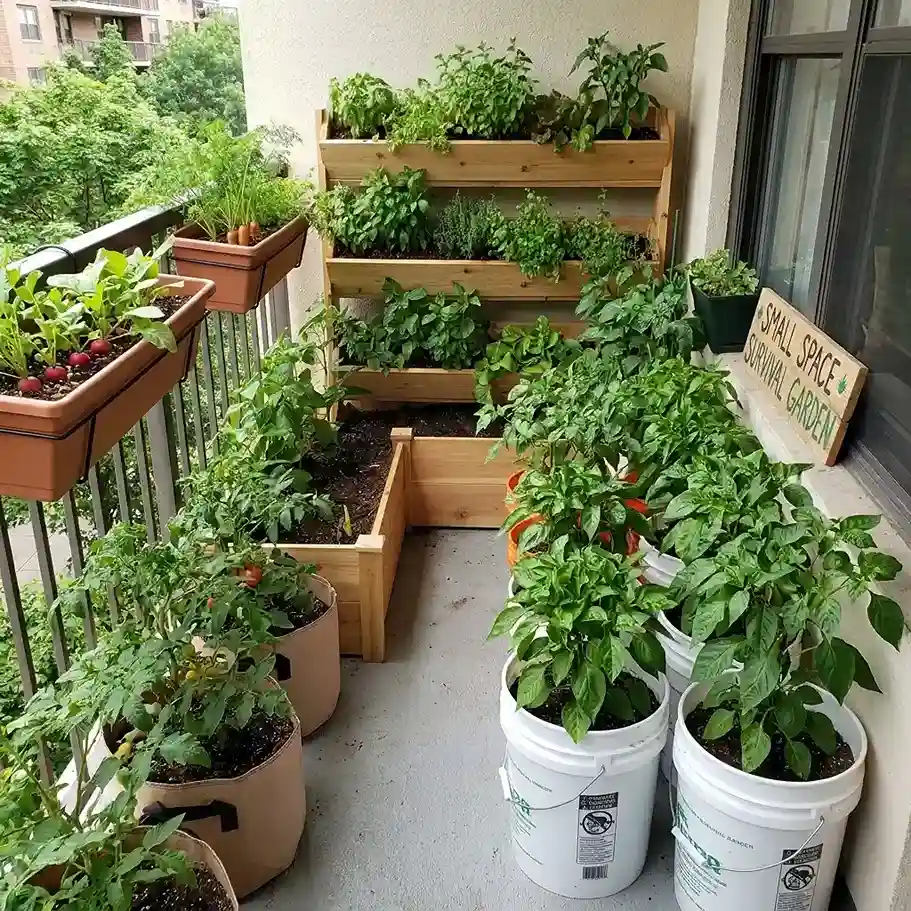
Grow bags, 5-gallon buckets, and window boxes all work for vegetables. Focus on high-yield, compact varieties bred for small-space growing.
| Small Space Method | Best Crops |
|---|---|
| Vertical trellis | Beans, cucumbers, tomatoes |
| 5-gallon buckets | Peppers, lettuce, herbs |
| Raised beds | Almost any vegetable |
23. Building a Survival Garden on a Budget
A survival garden does not require expensive equipment or supplies. Start with seeds, basic tools, compost, and whatever containers you have available.
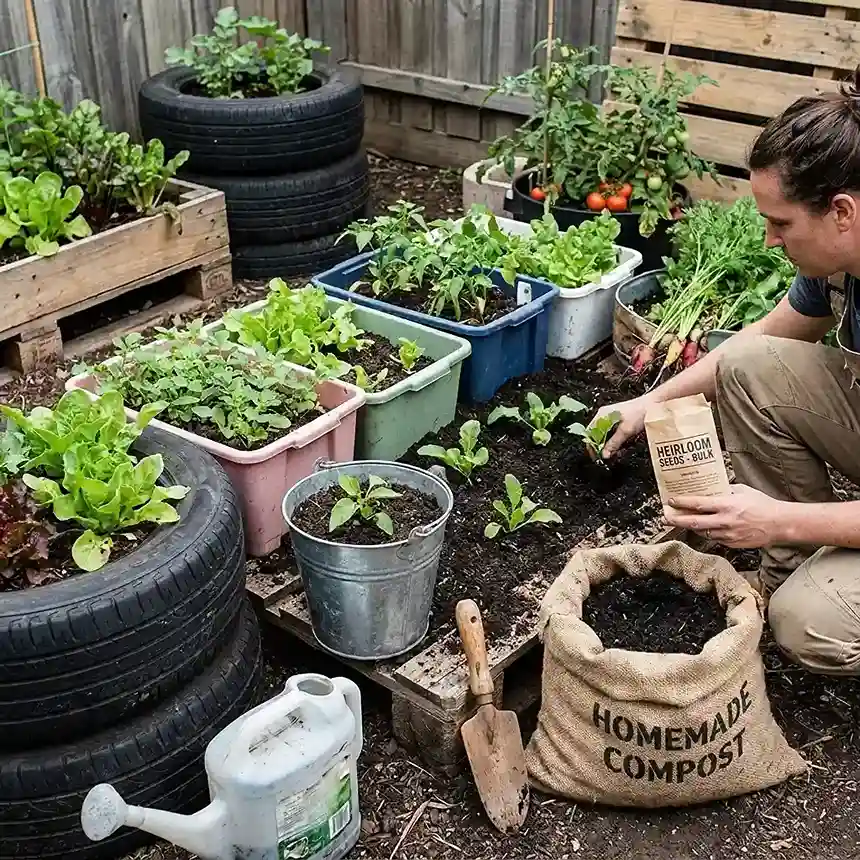
Buy heirloom seeds in bulk for long-term savings. Repurpose household items like old tubs, crates, or buckets as low-cost planters.
| Budget Strategy | Savings Tip |
|---|---|
| Grow from seed | 10x cheaper than buying transplants |
| Make your own compost | Eliminates fertilizer costs |
| Save seeds annually | Zero seed cost after first year |
24. Integrating Fruit Trees and Berries
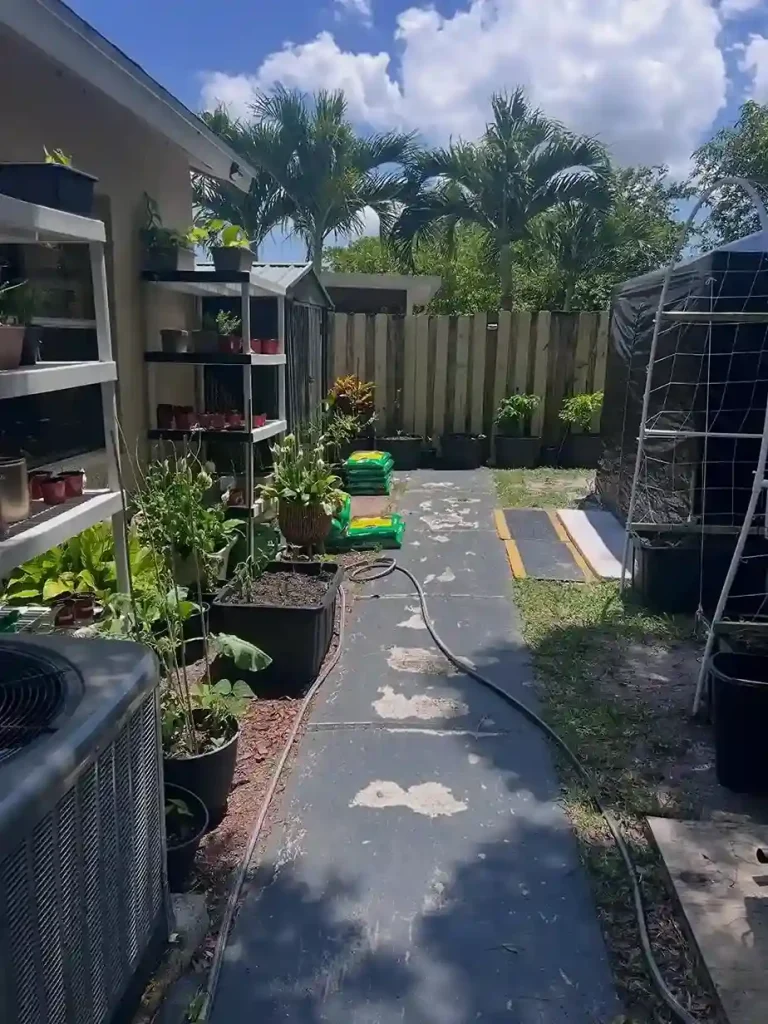
Fruit trees and berry bushes add calories, vitamins, and long-term food security. Once established, they require very little annual maintenance.
source: @theaxiomgardens
Apples, pears, plums, and blueberries are excellent survival additions. Even a single apple tree can produce hundreds of pounds of fruit annually.
| Fruit Plant | Annual Yield |
|---|---|
| Apple tree | 400–800 lbs per mature tree |
| Blueberry bush | 5–10 lbs per established bush |
| Strawberry patch | 1–2 lbs per plant per season |
25. Survival Garden Mistakes to Avoid
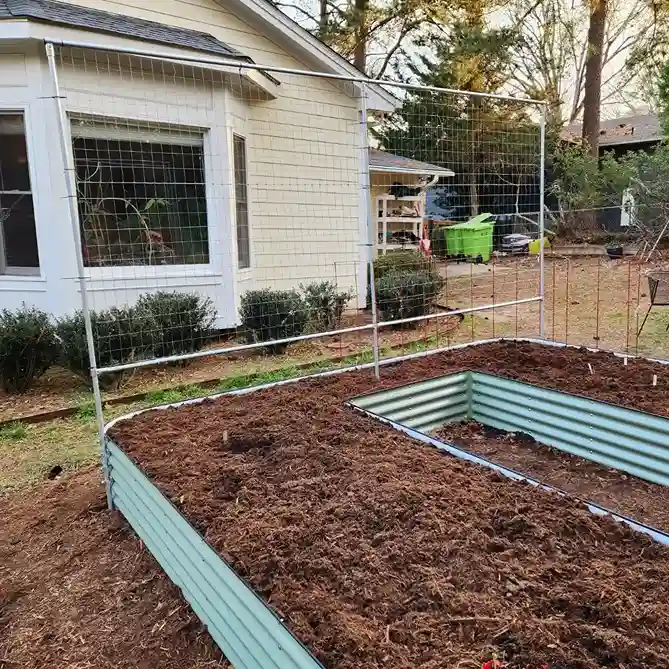
Many beginners make the same costly mistakes. Learning them early saves time, money, and your food supply.
source: @makerpipe
Do not plant only one type of crop — diversity protects against failure. Always test your soil before planting and improve it every single season.
| Common Mistake | How to Avoid It |
|---|---|
| Planting too much at once | Start small, expand gradually |
| Ignoring soil health | Test and amend soil annually |
| No backup water plan | Install a rainwater collection system |
Frequently Asked Questions
Q: How long does it take to set up a survival garden?
A basic survival garden can be started in a single weekend. Full productivity usually takes one to two full growing seasons. Start simple and improve each year as your skills develop.
Q: What is the most important crop for a survival garden?
Potatoes are often called the ultimate survival crop. They are calorie-dense, easy to grow, and store for months without any special equipment. Dried beans are a close second for their protein content.
Q: Can I grow a survival garden in containers?
Yes, absolutely. Tomatoes, beans, peppers, lettuce, and herbs all grow well in containers. Focus on 5-gallon or larger containers to give roots enough room to produce well.
Q: How many calories can a survival garden produce?
A well-managed 800-square-foot garden can produce 2,000 to 3,000 calories per day for one person. This requires strategic planting with calorie-dense crops like potatoes, corn, and dried beans.
Conclusion
A survival garden is one of the most empowering projects you can start. It builds real food independence and connects you to the rhythms of nature.
Begin with the basics — good soil, the right crops, and a reliable water source. Add skills like seed saving, composting, and food preservation as you grow more confident.
The effort you put into your survival garden today creates security for tomorrow. Even a small start is infinitely better than no start at all. Plant your first seeds this season and watch your resilience grow.