A wood and wire fence combines the warmth and natural character of timber with the open, airy practicality of wire to create one of the most versatile, beautiful, and enduringly popular fencing solutions available for any property.
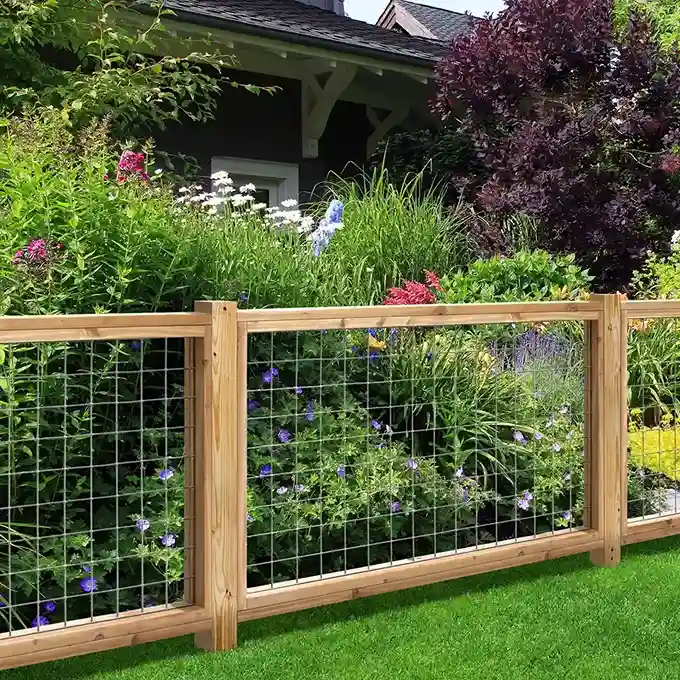
Source: @outdoor_essentials
Whether you need boundary definition, animal containment, garden privacy, or simply a beautiful structure to grow climbing plants against, these 26 wood and wire fence ideas will inspire you using tips from our front yard fence guide.
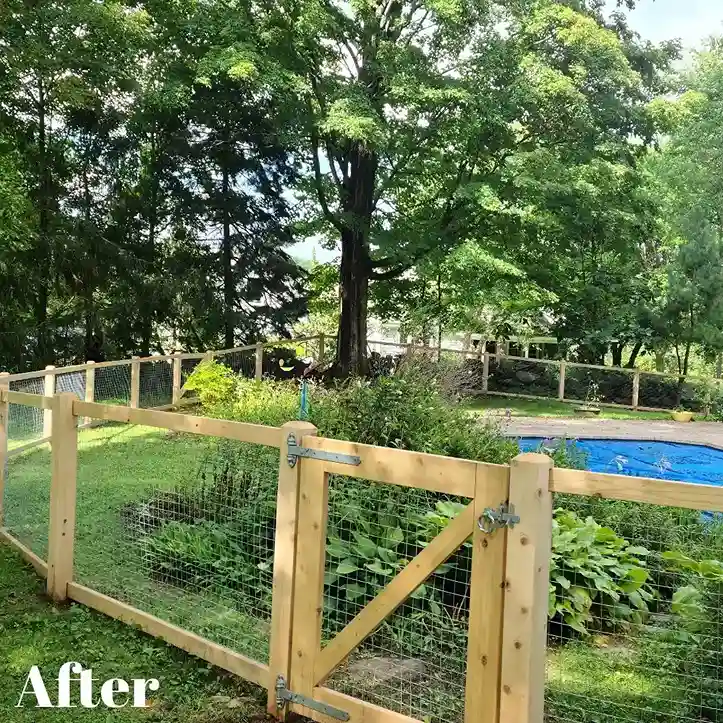
1. Classic Post and Rail Wire Fence
The classic post and rail wire fence is one of the most timeless and universally appealing fencing styles available, combining sturdy timber posts and horizontal rails with tensioned wire infill to create an open, elegant boundary that suits rural and suburban properties equally well.
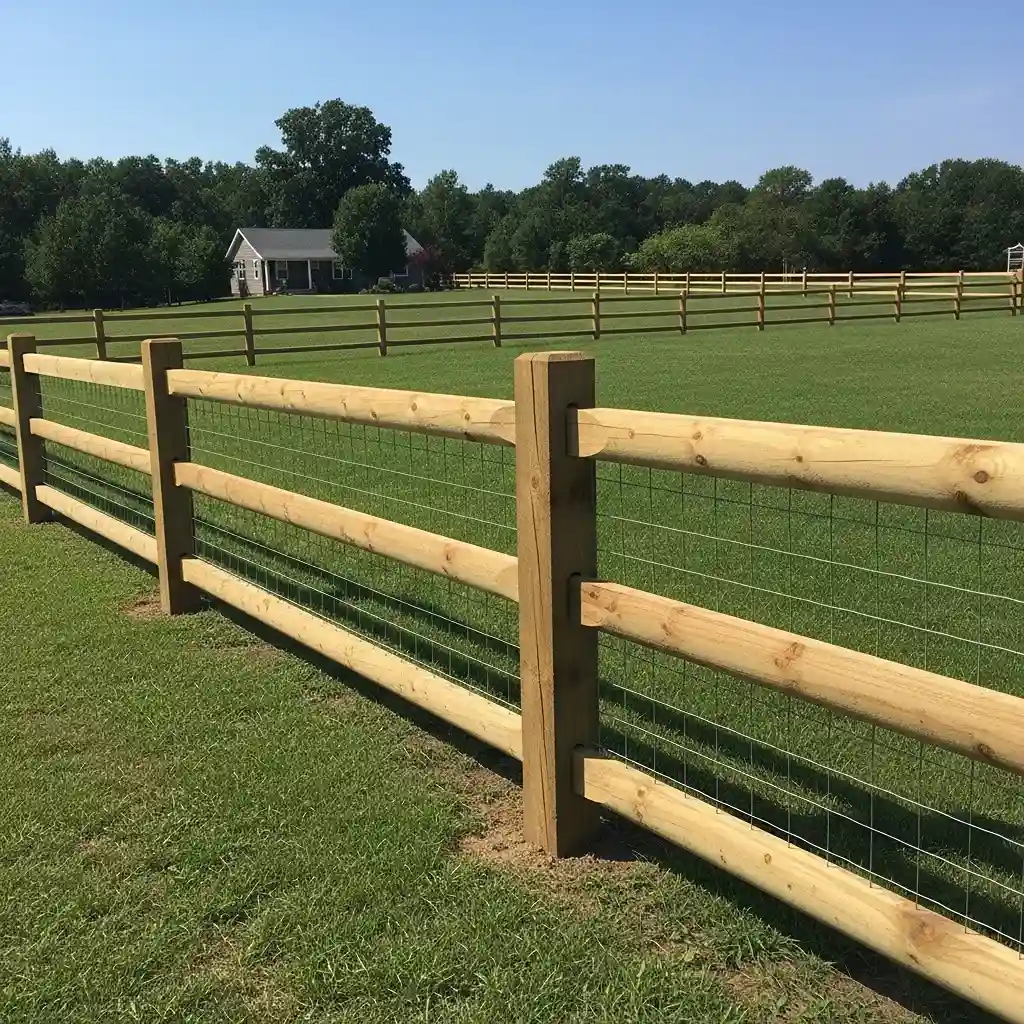
This style allows light and air to pass freely while clearly defining boundaries, making it perfect for front yards, paddocks, and garden perimeters where a solid fence would feel unnecessarily heavy and imposing. For more front yard fence inspiration and design guidance, our front yard fence guide covers every style and material combination in excellent detail.
| Feature | Details |
|---|---|
| Best Timber | Oak, treated pine, cedar, chestnut |
| Wire Type | Galvanised wire, stock fencing, wire mesh |
| Post Spacing | 8–10 feet apart |
| Difficulty Level | Intermediate |
| Maintenance Level | Low |
| Estimated Cost | $15–$40 per linear foot |
2. Horizontal Wood and Wire Fence
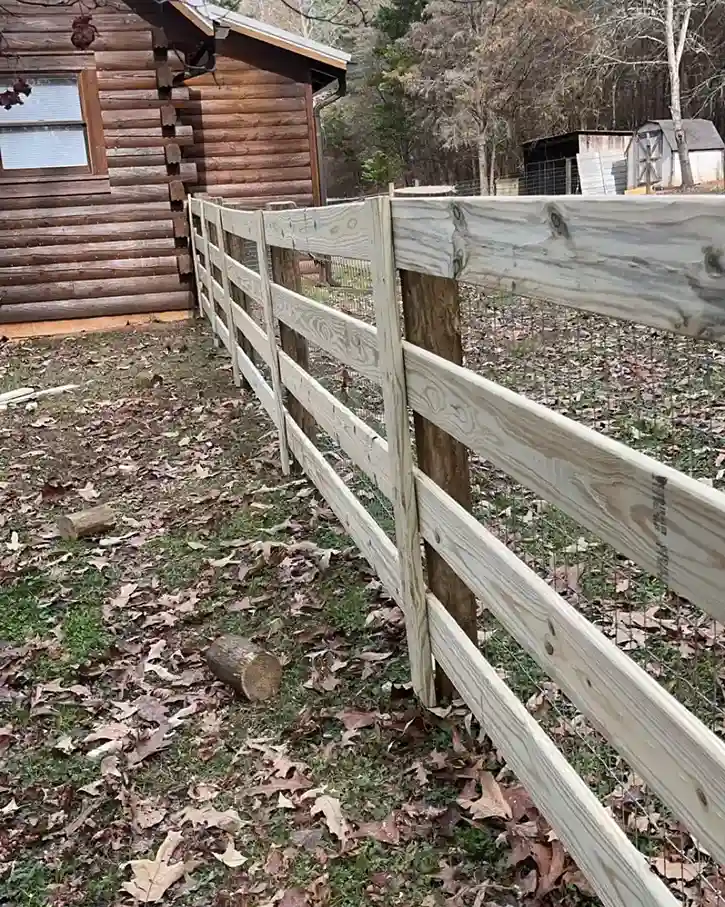
A horizontal wood and wire fence replaces traditional vertical boards with sleek horizontal timber rails interspersed with tensioned wire sections, creating a contemporary, architecturally refined boundary that looks strikingly modern and suits today’s design-conscious homeowners beautifully.
Source: @hunterwilson181
The horizontal orientation creates a strong sense of width and openness that makes gardens and front yards feel larger and more expansive than vertical fencing typically achieves. For full design inspiration and installation guidance for this popular style, our horizontal wood fence guide covers horizontal timber and wire combinations in comprehensive detail.
| Feature | Details |
|---|---|
| Best Timber | Cedar, hardwood, composite boards |
| Wire Type | Tensioned stainless steel wire, cable wire |
| Rail Spacing | 4–6 inches between horizontal rails |
| Difficulty Level | Intermediate |
| Maintenance Level | Low |
| Estimated Cost | $30–$70 per linear foot |
3. Rustic Split Rail and Wire Fence
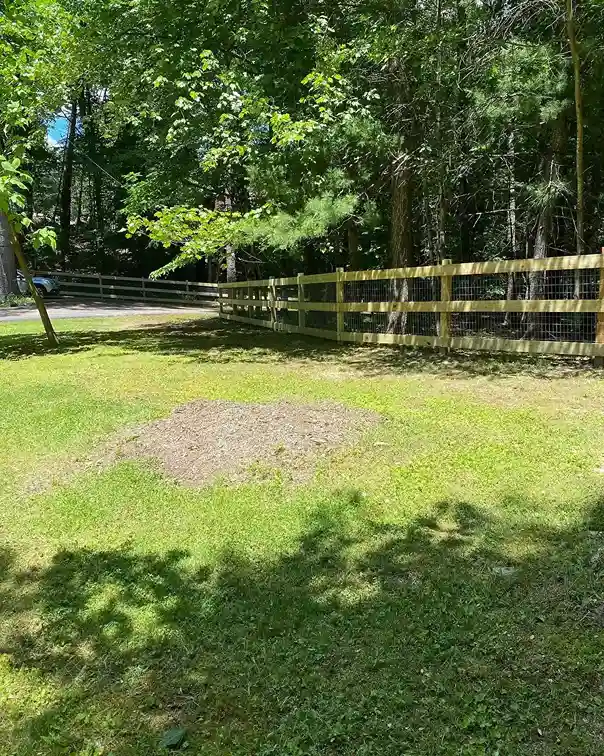
A rustic split rail fence with wire mesh infill creates an authentically rural, charming boundary that looks completely at home on country properties, farmhouses, and cottage gardens where natural, weathered materials add genuine character and warmth to the landscape.
Source: @sneiderandson
Split cedar and chestnut rails age beautifully to a soft silver-grey patina that enhances rather than diminishes their appeal over time, making this one of the most low-maintenance and characterful fencing styles available. For rustic garden boundary and planting ideas that complement this fence style, our cottage garden ideas guide is a wonderful and inspiring resource.
| Feature | Details |
|---|---|
| Best Timber | Split cedar, chestnut, locust, rustic oak |
| Wire Type | Wire mesh, chicken wire, welded wire |
| Post Spacing | 8–10 feet apart |
| Difficulty Level | Beginner |
| Maintenance Level | Very low |
| Estimated Cost | $10–$25 per linear foot |
4. Wood and Wire Privacy Fence
A wood and wire privacy fence combines solid timber panels or closely spaced boards with wire reinforcement to create a robust, secure, and visually attractive boundary that delivers genuine privacy without the oppressively solid appearance of a plain timber panel fence.
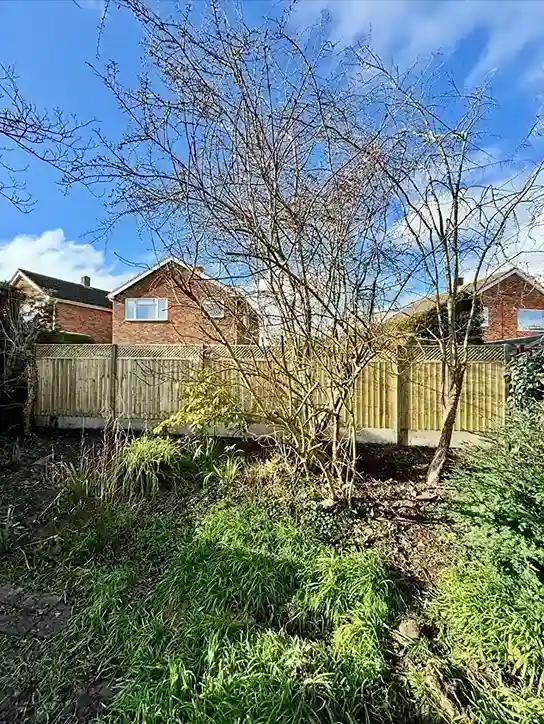
Adding climbing plants trained up and through the wire sections softens the structure beautifully and creates a living, green privacy screen that improves in beauty with every growing season. For comprehensive privacy fence design and climbing plant inspiration, our privacy fence ideas and DIY privacy fences guides cover every effective approach in detail.
| Feature | Details |
|---|---|
| Best Timber | Treated pine, cedar, hardwood boards |
| Wire Type | Welded wire mesh, hardware cloth |
| Height | 5–8 feet for effective privacy |
| Difficulty Level | Intermediate |
| Maintenance Level | Low |
| Estimated Cost | $25–$60 per linear foot |
5. Wood Post and Chicken Wire Garden Fence
A simple timber post and chicken wire garden fence is one of the most affordable, practical, and widely used fencing solutions for protecting vegetable gardens, flower beds, and ornamental borders from rabbits, deer, and other garden animals effectively.
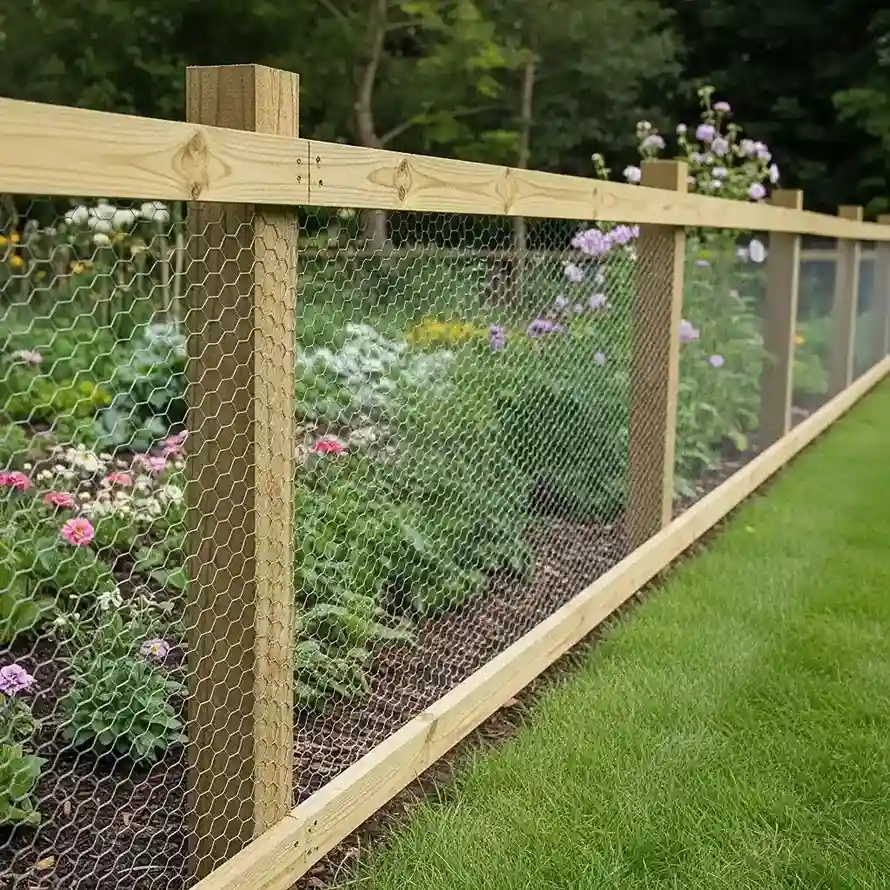
Despite its humble materials, a well-built chicken wire garden fence can look surprisingly attractive, especially when planted with climbing flowers or framed with low border plants that soften its appearance. For creative garden border planting ideas alongside fencing, our fence line landscaping guide is packed with practical and beautiful inspiration.
| Feature | Details |
|---|---|
| Best Timber | Treated pine stakes, bamboo, cedar posts |
| Wire Type | Galvanised chicken wire (1-inch hexagonal mesh) |
| Height | 2–4 feet depending on animal threat |
| Difficulty Level | Beginner |
| Maintenance Level | Low |
| Estimated Cost | $5–$15 per linear foot |
6. Decorative Wood Frame Wire Panel Fence
A decorative wood frame wire panel fence uses attractive timber frames filled with ornamental wire mesh, diamond-pattern wire, or decorative metal infill to create a beautiful, artistic garden boundary that is as visually impressive as it is practically functional.
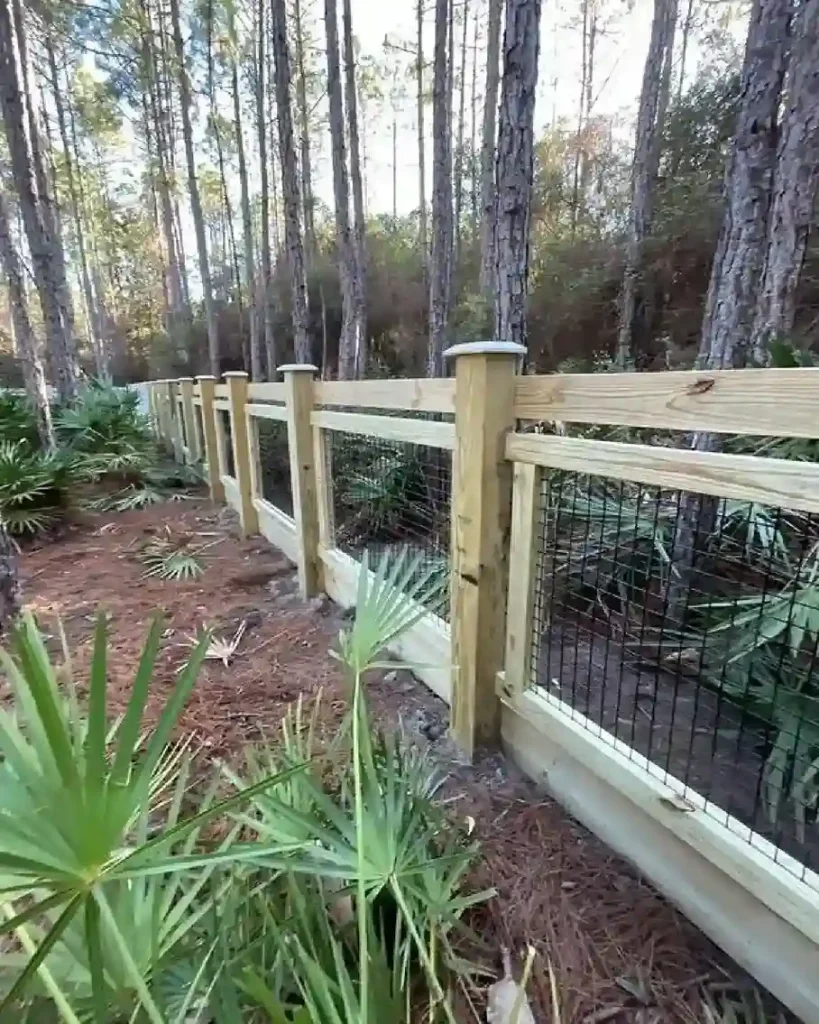
These fences work particularly well in contemporary and cottage garden settings where a boundary needs to look genuinely attractive rather than purely utilitarian. For more decorative fence styling and garden boundary ideas, our garden wall ideas guide covers decorative boundary features in wonderful, creative detail.
| Feature | Details |
|---|---|
| Best Timber | Oak, cedar, painted hardwood frames |
| Wire Type | Diamond mesh, ornamental wire, welded panel |
| Post Spacing | 6–8 feet apart |
| Difficulty Level | Intermediate |
| Maintenance Level | Low |
| Estimated Cost | $30–$80 per linear foot |
7. Wood and Wire Trellis Fence for Climbing Plants
A wood and wire trellis fence specifically designed to support climbing plants creates a beautiful, living boundary that combines the practical function of fencing with the spectacular seasonal beauty of roses, clematis, jasmine, and other vigorous climbers.
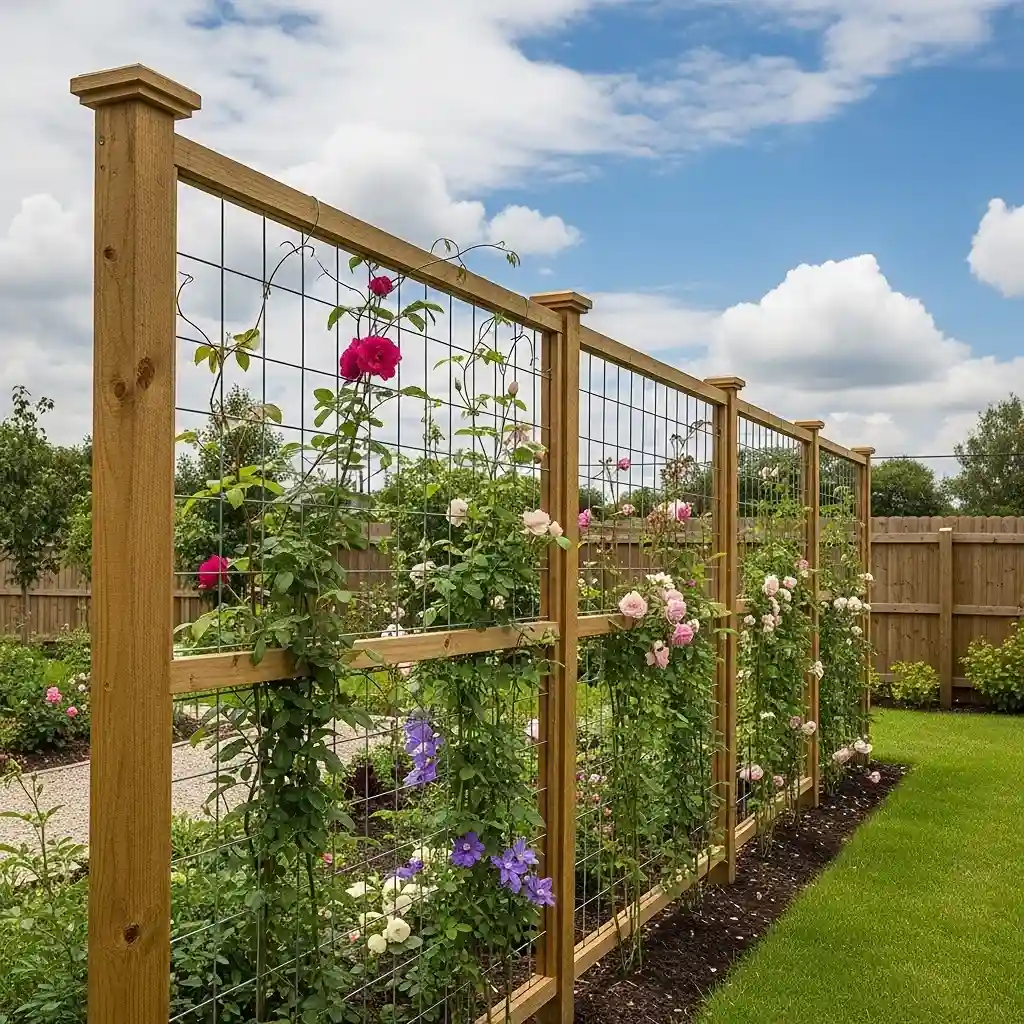
The wire framework provides exactly the kind of horizontal and vertical support that climbing plants need to establish quickly and cover the structure with a dense, flowering canopy. For the best climbing plant varieties and vertical growing advice, our vertical gardening guide covers climbing plant support systems in comprehensive, inspiring detail.
| Feature | Details |
|---|---|
| Best Timber | Cedar posts, treated pine rails |
| Wire Type | Horizontal galvanised wire, tensioned cables |
| Best Climbers | Roses, clematis, jasmine, honeysuckle, wisteria |
| Wire Spacing | 12 inches between horizontal wires |
| Difficulty Level | Intermediate |
| Maintenance Level | Low to moderate |
| Estimated Cost | $20–$50 per linear foot |
8. Painted Wood and Wire Fence
Painting a wood and wire fence transforms it from a purely functional boundary structure into a genuinely attractive design feature that complements your home’s exterior, enhances the garden aesthetic, and creates a strong visual statement from the street.
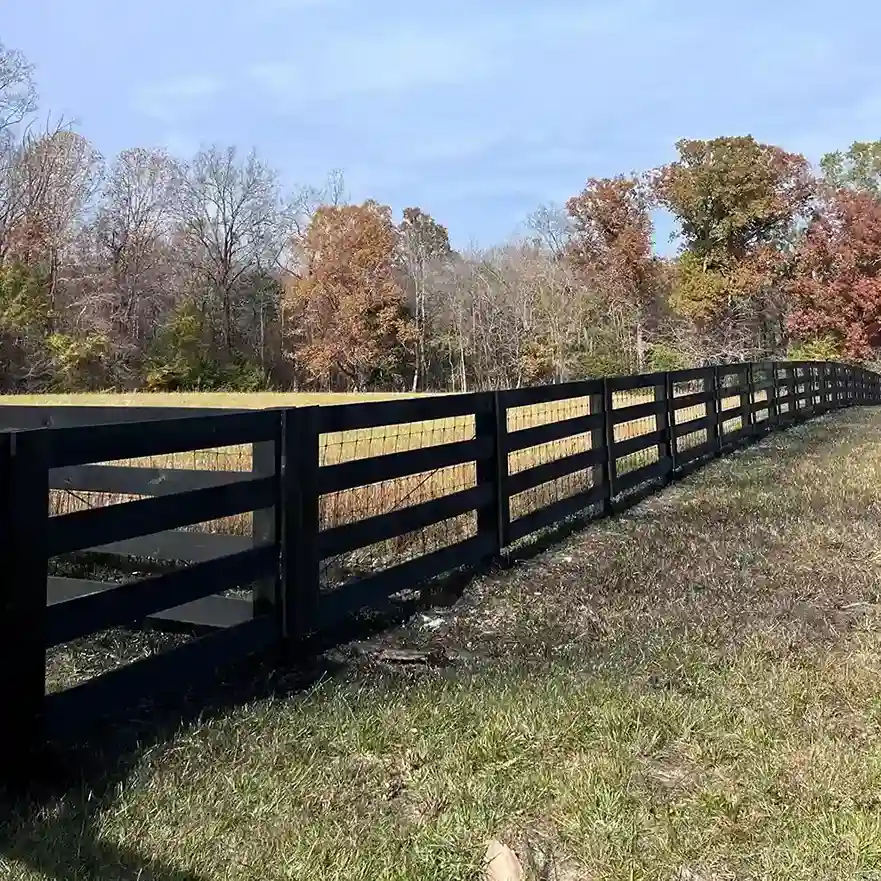
White, black, charcoal, and sage green are among the most popular and enduringly attractive colours for painted wood and wire fences, each creating a distinctly different aesthetic character. For colour pairing ideas and front yard design inspiration, our front yard landscaping guide covers painted fence styling and complementary planting beautifully.
| Feature | Details |
|---|---|
| Best Paint Colours | White, black, charcoal, sage green, navy blue |
| Best Paint Type | Exterior timber paint or stain |
| Preparation | Sand, prime, then apply two coats |
| Repainting Frequency | Every 3–5 years |
| Difficulty Level | Beginner |
| Estimated Cost | $3–$8 per linear foot for paint |
9. Front Yard Wood and Wire Picket Style Fence
A wood and wire fence designed in the spirit of a classic picket fence — with evenly spaced timber uprights and wire infill between posts — creates a charming, welcoming front yard boundary that feels friendly and open while still clearly defining your property line.
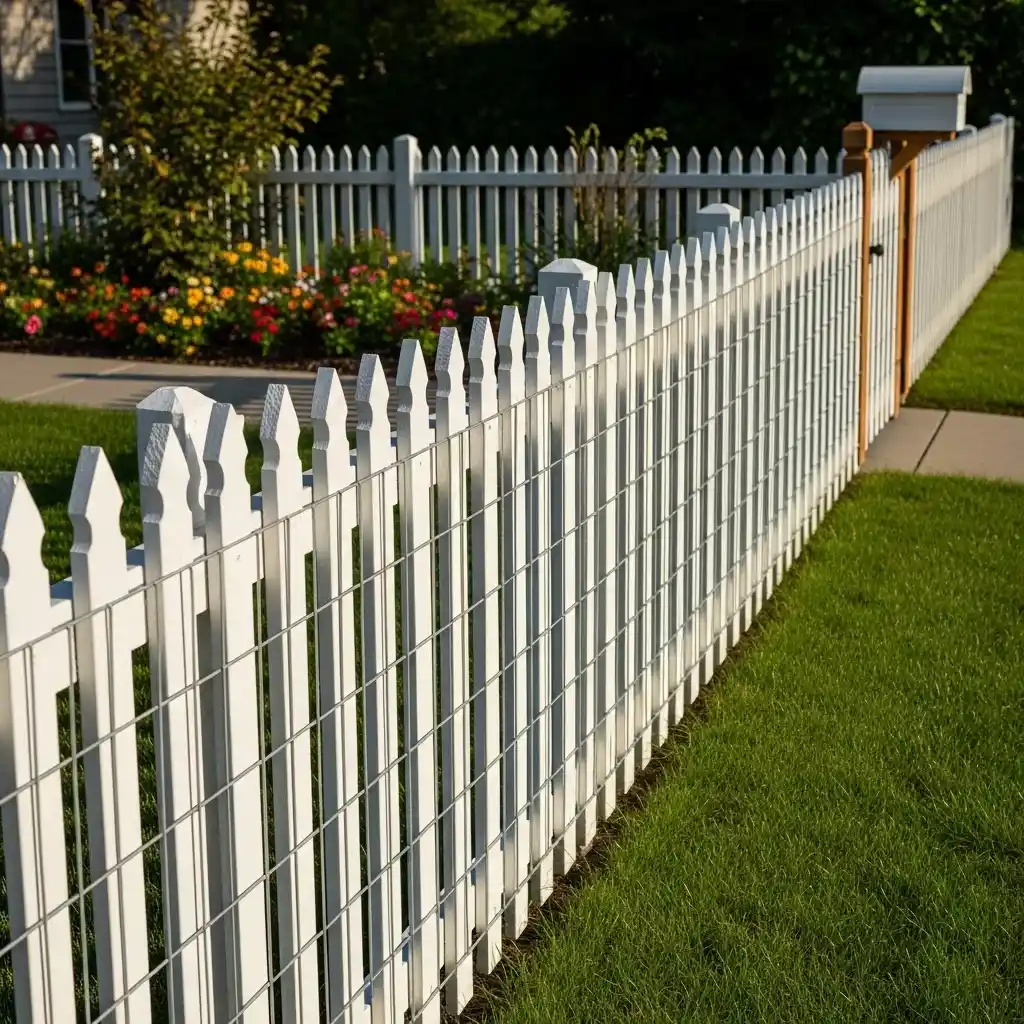
This style particularly suits cottage, farmhouse, and traditional home styles where the relaxed, informal character of a picket-inspired fence perfectly complements the architectural character of the house. Our picket fence guide covers picket and open-style fence designs with planting combinations in wonderful, practical detail.
| Feature | Details |
|---|---|
| Best Timber | Cedar, treated pine, painted hardwood |
| Wire Type | Galvanised wire or welded mesh infill |
| Post Spacing | 6–8 feet apart |
| Fence Height | 3–4 feet |
| Difficulty Level | Beginner to intermediate |
| Estimated Cost | $15–$40 per linear foot |
10. Wood and Wire Fence with Planting Border
Pairing a wood and wire fence with a lush planting border on one or both sides creates a beautifully integrated landscape feature where the fence and garden planting complement each other to produce a result far more attractive than either element could achieve independently.
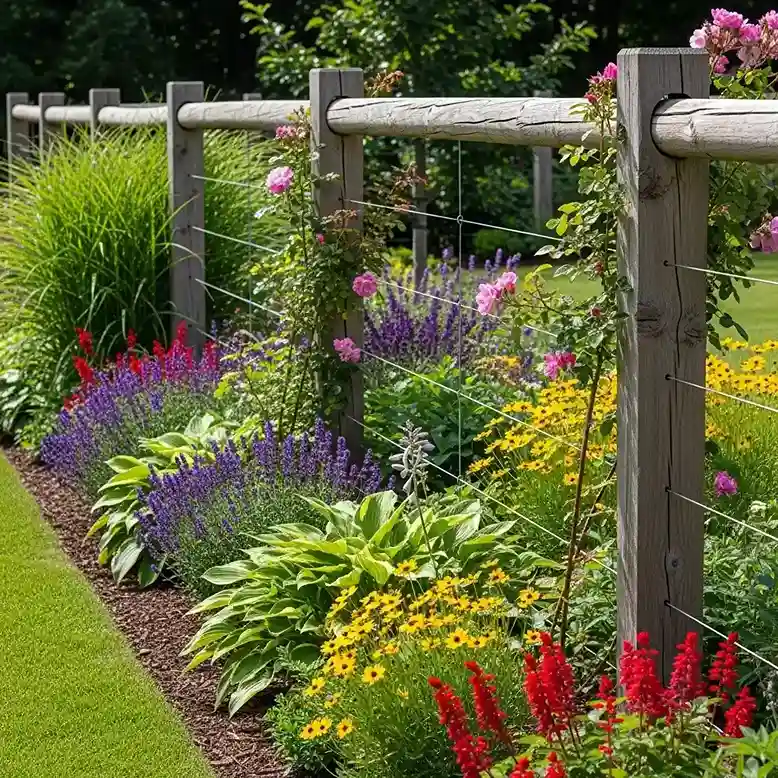
Low-growing perennials, ornamental grasses, and compact shrubs all work beautifully alongside wood and wire fences, softening the structure without obscuring it. For plant selection and border design advice, our fence line landscaping guide is a comprehensive and beautifully illustrated resource for fence border planting.
| Feature | Details |
|---|---|
| Best Border Plants | Lavender, salvia, ornamental grasses, echinacea |
| Border Width | 12–24 inches minimum |
| Sun Requirements | Full sun to part shade |
| Maintenance Level | Low |
| Best For | All wood and wire fence styles |
| Estimated Cost | $80–$300 for border planting |
11. Gabion and Timber Post Wire Fence Combination
Combining gabion stone-filled wire cages with timber posts and wire infill sections creates a boldly textural, modern-rustic fence design that blends the natural strength and character of stone with the warmth of timber in a genuinely striking and durable boundary structure.
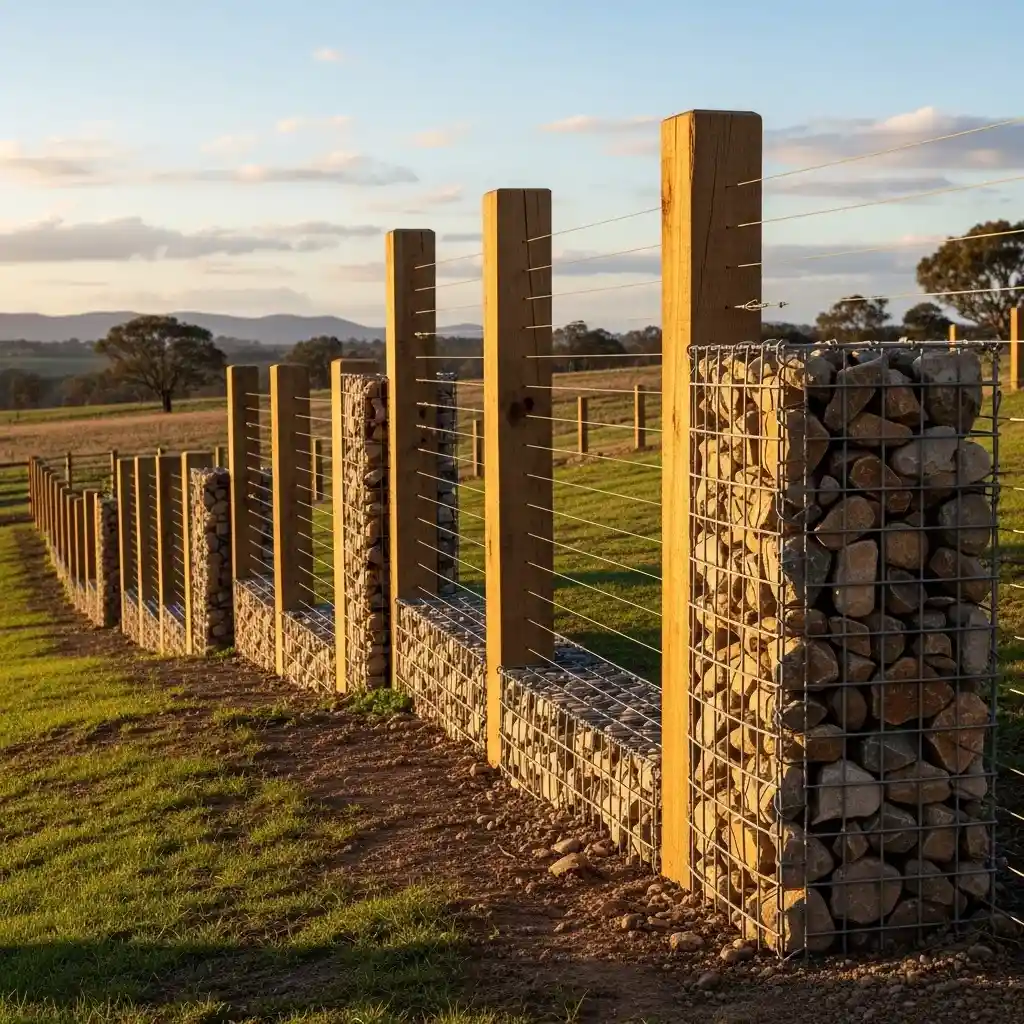
This combination is particularly effective at the entrance to properties or as a feature section within a longer boundary where a visual focal point is desired. For detailed gabion design and installation guidance, our gabion wall ideas guide covers gabion and timber combination features in excellent, creative detail.
| Feature | Details |
|---|---|
| Best Timber | Hardwood or steel posts |
| Gabion Fill | Limestone, granite, river rock |
| Wire Type | Galvanised welded wire between gabion sections |
| Difficulty Level | Intermediate to advanced |
| Maintenance Level | Very low |
| Estimated Cost | $50–$120 per linear foot |
12. Wood and Wire Fence for a Sloped Garden
Installing a wood and wire fence on a sloped garden site requires careful planning and execution to achieve a professional, attractive result. There are two main approaches — stepping the fence in level sections or raking the fence to follow the slope continuously.

Raked fencing following the slope’s contour creates a more natural, flowing appearance while stepped fencing creates a more structured, formal result. For more ideas on managing sloped garden boundaries effectively and beautifully, our sloped backyard ideas on a budget guide covers sloped fence installation in practical, helpful detail.
| Feature | Details |
|---|---|
| Installation Methods | Stepped (level sections) or raked (follows slope) |
| Best Timber | Treated hardwood, cedar, pressure-treated pine |
| Wire Type | Galvanised welded mesh, tensioned wire |
| Difficulty Level | Intermediate to advanced |
| Maintenance Level | Low |
| Estimated Cost | $20–$55 per linear foot |
13. DIY Wood and Wire Garden Fence
Building a wood and wire garden fence as a DIY project is one of the most satisfying and cost-effective home improvement projects available, requiring only basic tools, readily available materials, and a weekend of focused work to achieve a genuinely professional-looking result.
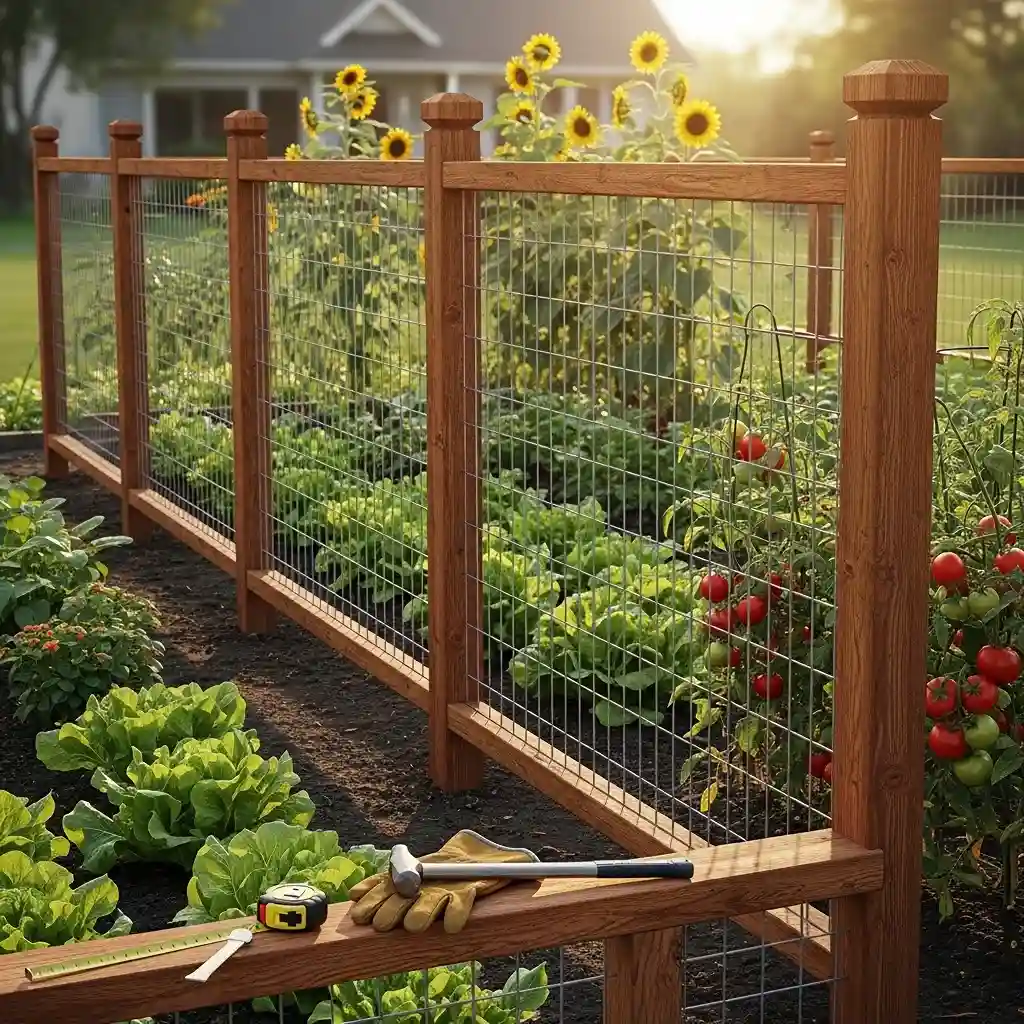
Careful planning, accurate post spacing, and thorough timber treatment before installation are the three most important factors in achieving a DIY wood and wire fence that looks great and lasts for many years. For comprehensive DIY fencing guidance, our DIY privacy fences guide covers DIY fence construction techniques and tips in excellent, step-by-step detail.
| Feature | Details |
|---|---|
| Essential Tools | Post hole digger, level, wire cutters, staple gun |
| Best Timber | Pre-treated posts and rails from the builders merchant |
| Wire Type | Pre-tensioned rolls of galvanised wire mesh |
| Skill Level Required | Beginner to intermediate DIY |
| Time Required | 1–2 days for a typical garden boundary |
| Estimated Material Cost | $8–$25 per linear foot |
14. Wood and Wire Fence for Animal Containment
A robust wood and wire fence designed specifically for animal containment requires heavier gauge wire, deeper post setting, and more frequent post spacing than a purely decorative fence to withstand the pressure, pushing, and leaning of livestock or large dogs over time.
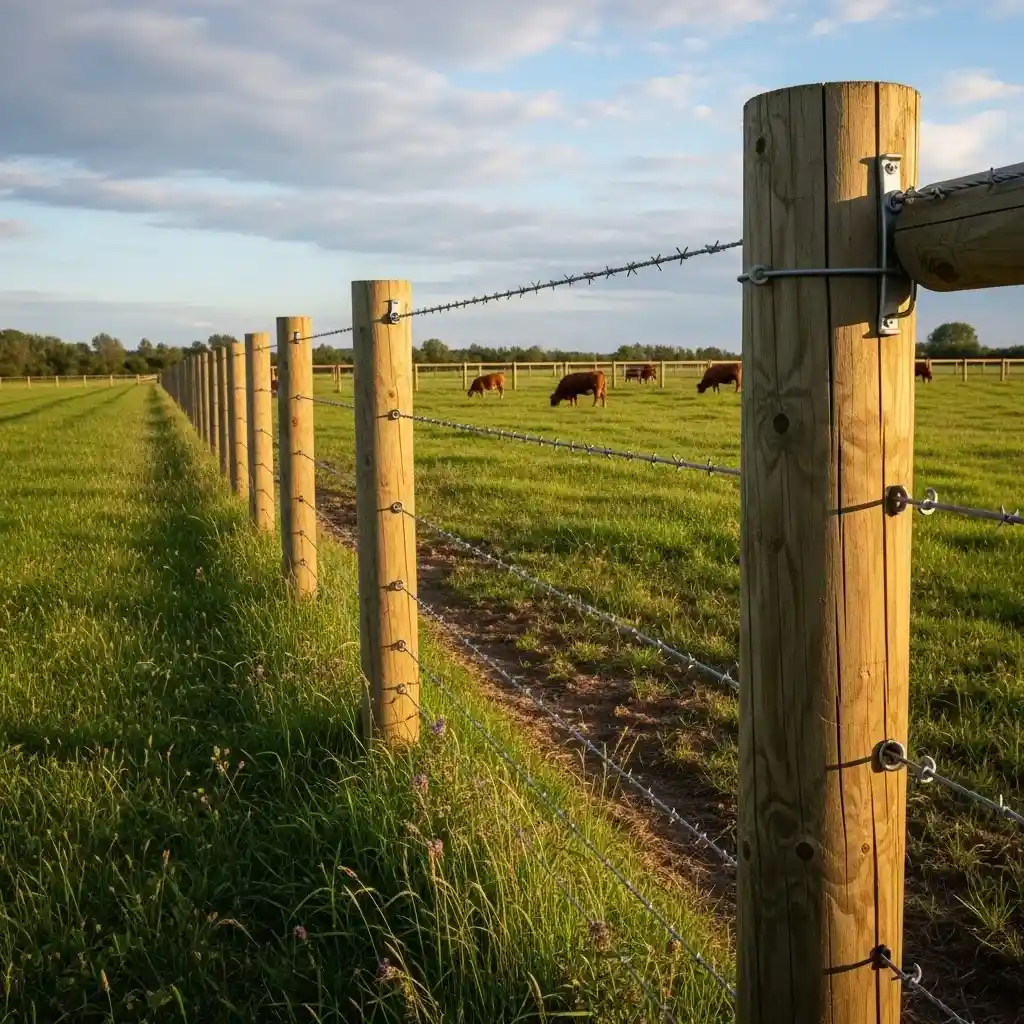
Welded wire mesh, stock fencing, and high-tensile wire are all suitable for animal containment applications when properly tensioned and secured to well-set timber posts. For pest and animal management tips relevant to garden fencing, our keep ground squirrels out and eliminate ground moles guides provide practical animal deterrence advice.
| Feature | Details |
|---|---|
| Best Wire Types | Welded mesh, stock fencing, high-tensile wire |
| Wire Gauge | 14–16 gauge minimum for animal containment |
| Post Depth | Minimum 2 feet in ground |
| Post Spacing | 6–8 feet for livestock, 8–10 feet for dogs |
| Difficulty Level | Intermediate |
| Estimated Cost | $20–$50 per linear foot |
15. Coastal Wood and Wire Fence
A wood and wire fence designed for coastal environments requires careful material selection to withstand salt spray, high winds, and the accelerated corrosion that marine environments inflict on untreated timber and standard galvanised wire over time.
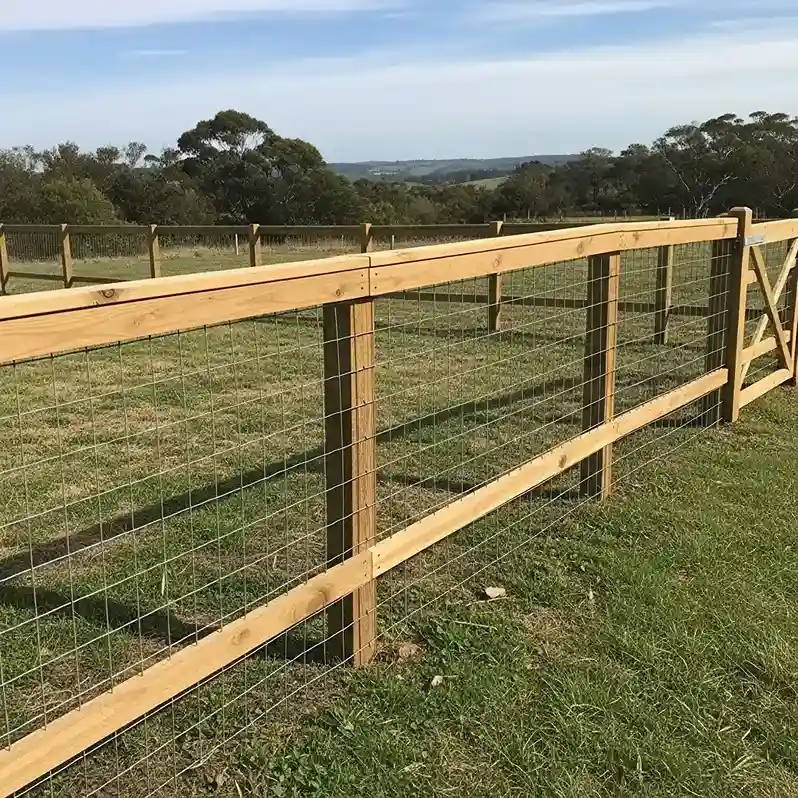
Naturally durable hardwoods like iroko, western red cedar, or pressure-treated pine combined with hot-dipped galvanised or stainless steel wire provide the best longevity in exposed coastal positions. For more coastal garden design and boundary ideas, our coastal backyard garden guide covers coastal fencing and planting choices in comprehensive, helpful detail.
| Feature | Details |
|---|---|
| Best Coastal Timber | Western red cedar, iroko, pressure-treated pine |
| Best Coastal Wire | Hot-dipped galvanised or stainless steel |
| Finish | Exterior oil or marine-grade timber treatment |
| Post Depth | Minimum 2 feet — deeper in exposed positions |
| Maintenance Level | Moderate (annual treatment recommended) |
| Estimated Cost | $25–$65 per linear foot |
16. Wood and Wire Fence with Gate Feature
A beautifully designed matching gate transforms a wood-and-wire fence from a simple boundary into a complete, cohesive entrance feature that creates a strong, welcoming first impression and adds genuine architectural character to the front of any property.
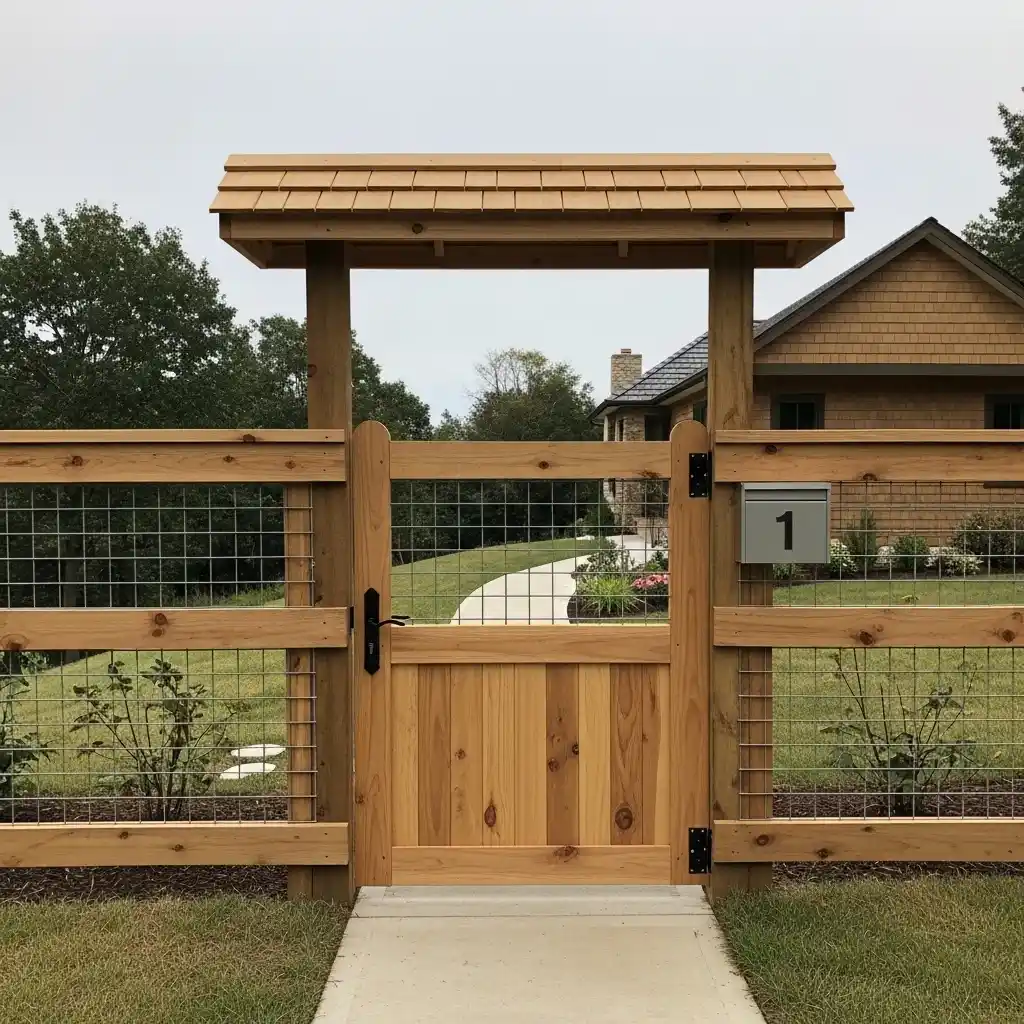
A well-proportioned gate in matching timber and wire creates a sense of arrival and welcome that a plain boundary without an entrance feature simply cannot achieve. For more front yard entrance design and landscaping inspiration, our front yard landscaping guide covers entrance feature design in beautiful, practical detail.
| Feature | Details |
|---|---|
| Best Gate Timber | Match fence timber for cohesive appearance |
| Gate Width | 36–48 inches for pedestrian, 10–12 feet for vehicles |
| Hardware | Stainless steel or galvanised hinges and latch |
| Gate Style | Match fence panel design and proportions |
| Difficulty Level | Intermediate |
| Estimated Cost | $200–$800 per gate including hardware |
17. Bohemian Wood and Wire Fence
A bohemian approach to wood and wire fencing embraces imperfection, natural materials, and creative embellishment to create a wonderfully characterful fence that tells a story and reflects a free-spirited, nature-loving personality through every weathered board and twisted wire.
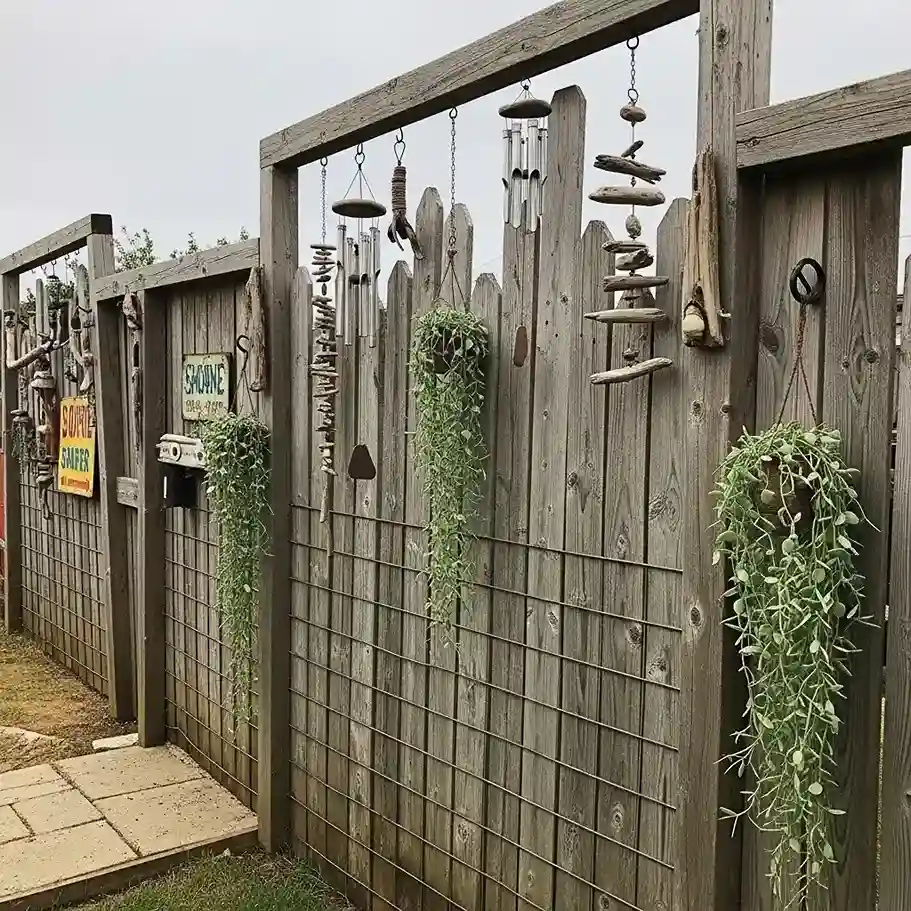
Hang driftwood ornaments, wind chimes, vintage signs, and trailing plants from the fence structure to create a deeply personal, eclectic boundary feature that is unlike anything a standard fencing contractor could ever produce. For more creative, free-spirited outdoor design inspiration, our hippie bohemian outdoor garden guide is wonderfully inventive and full of beautiful ideas.
| Feature | Details |
|---|---|
| Best Timber | Reclaimed, weathered, or characterful timber |
| Best Wire | Rustic wire mesh, chicken wire, twisted wire |
| Embellishments | Driftwood, wind chimes, vintage signs, plants |
| Difficulty Level | Beginner |
| Maintenance Level | Low |
| Estimated Cost | $5–$20 per linear foot using reclaimed materials |
18. Modern Black Wood and Wire Fence
A modern black-painted wood and wire fence with clean lines, evenly spaced horizontal rails, and tensioned black wire infill creates an exceptionally sophisticated, contemporary boundary feature that suits modern architecture beautifully and makes a strong, confident design statement.
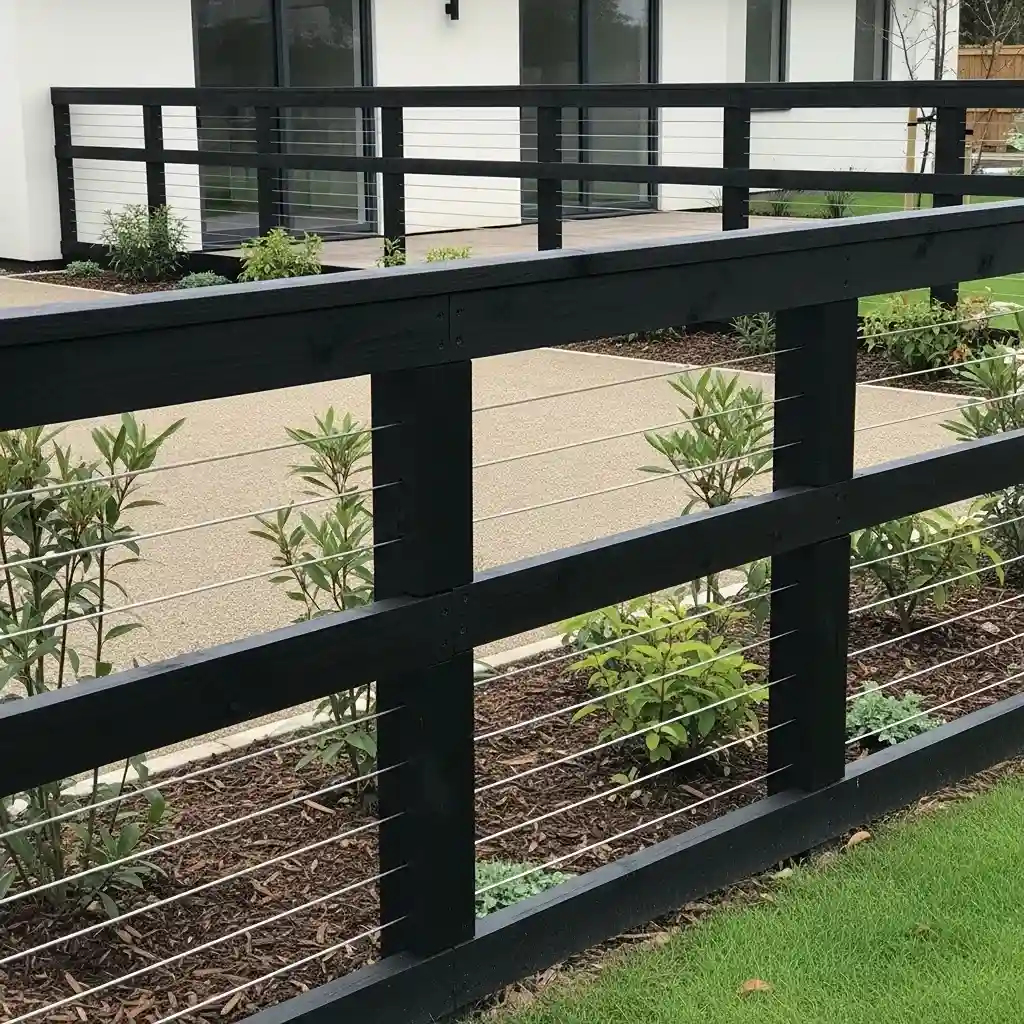
Black fencing creates a striking contrast against green plantings and light-coloured rendered walls, making it one of the most visually dramatic and design-forward fence colour choices available for contemporary properties. For more modern garden design and boundary inspiration, our trending landscaping ideas guide covers contemporary fence styling in beautiful, current detail.
| Feature | Details |
|---|---|
| Best Timber | Hardwood or cedar painted black |
| Best Wire | Black powder-coated welded mesh or cable wire |
| Paint Type | Exterior black timber paint or stain |
| Best Planting | White or green plants for maximum contrast |
| Difficulty Level | Intermediate |
| Estimated Cost | $35–$80 per linear foot |
19. Wood and Wire Fence for Small Gardens
A well-proportioned wood and wire fence in a small garden requires careful scaling to avoid overwhelming the space with a structure that is too heavy, tall, or visually dominant for the garden’s dimensions and character.
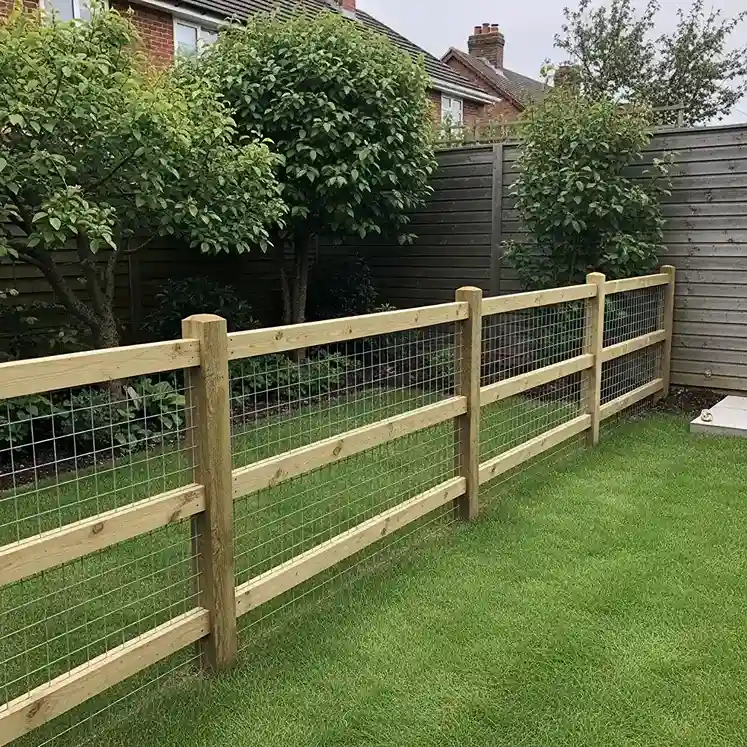
Lower fence heights, open wire infill that allows borrowed views, and painting in light or receding colours all help wood and wire fences sit comfortably in smaller garden settings. For more creative ideas on maximising small outdoor spaces, our small garden ideas and tiny backyard ideas guides are full of excellent, space-conscious inspiration.
| Feature | Details |
|---|---|
| Recommended Height | 3–4 feet maximum for small gardens |
| Best Wire Type | Open welded mesh or tensioned horizontal wire |
| Best Colours | White, light grey, sage green |
| Post Spacing | 6–8 feet apart |
| Difficulty Level | Beginner |
| Estimated Cost | $15–$40 per linear foot |
20. Fairy Garden Wood and Wire Fence Feature
A miniature wood and wire fence surrounding a fairy garden feature creates a perfectly scaled, enchanting boundary that defines the magical space and adds an extra layer of whimsical detail to this beloved garden feature style loved by children and adults alike.
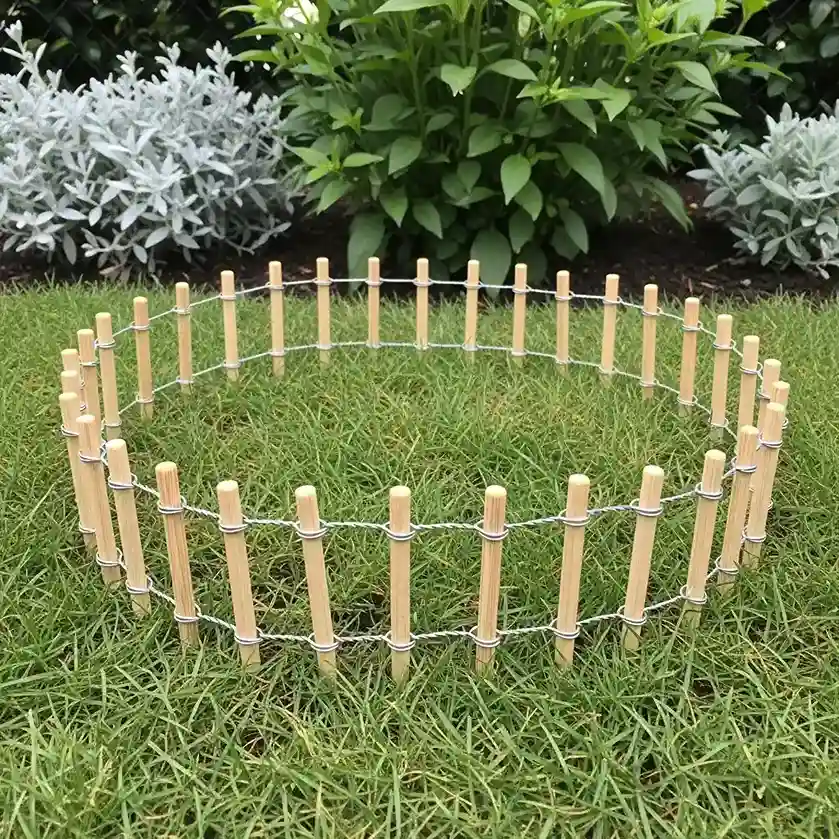
Small-scale bamboo stakes and fine galvanised wire create an authentically miniature fence that looks beautifully convincing at fairy garden scale. For more magical fairy garden planting and decorating ideas, our fairy garden ideas guide is endlessly creative and full of enchanting, achievable inspiration for gardens of every size.
| Feature | Details |
|---|---|
| Best Materials | Small bamboo stakes, fine galvanised wire |
| Scale | 4–8 inches tall |
| Best Wire Type | Fine mesh, thin twisted wire |
| Difficulty Level | Beginner |
| Best For | Fairy garden borders and miniature garden features |
| Estimated Cost | $5–$20 |
21. Wood and Wire Fence on a Budget
Building a beautiful wood and wire fence on a tight budget is very achievable with smart material selection, a DIY approach, and a willingness to source reclaimed or lower-grade timber that can be treated and painted to look excellent at a fraction of standard costs.
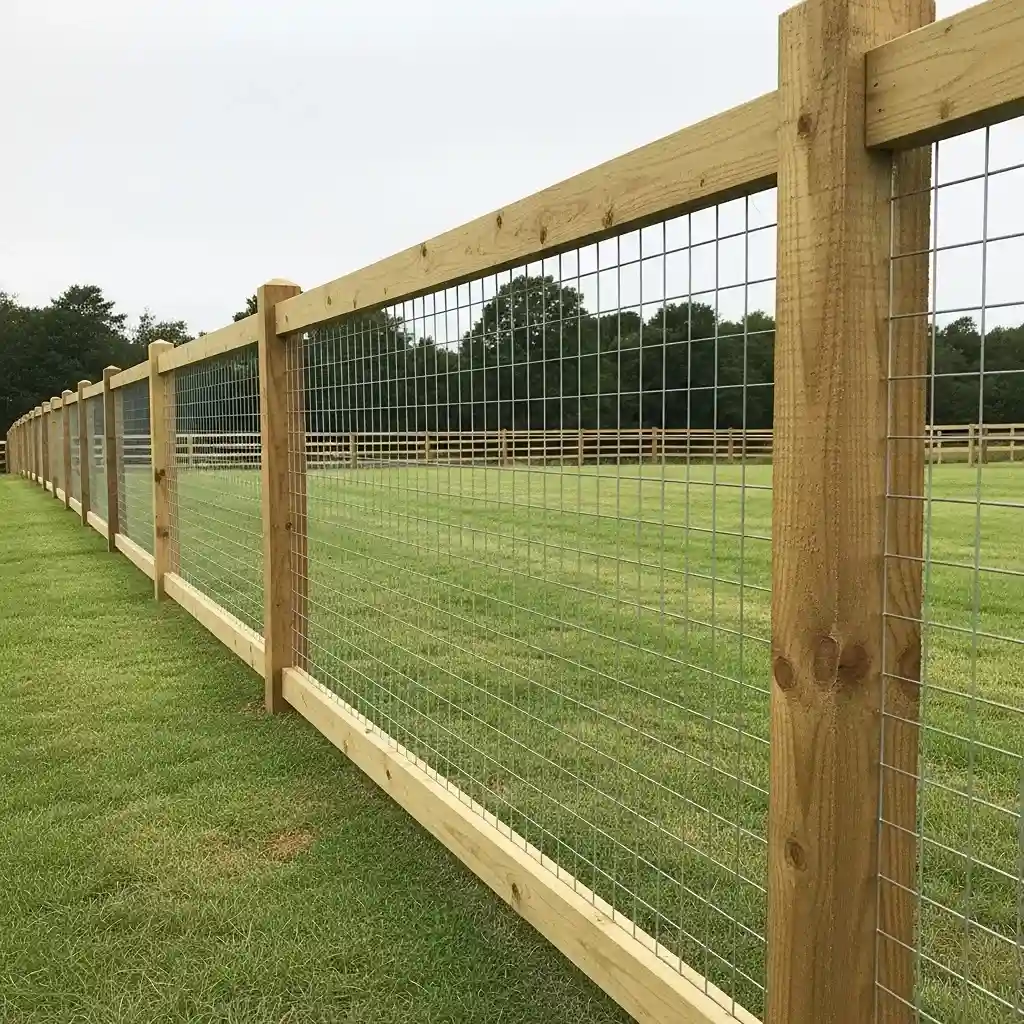
Using pressure-treated pine posts, basic galvanised wire mesh, and a good quality exterior paint or stain produces a durable, attractive fence at the lowest possible cost. For more budget garden improvement ideas and strategies, our cheap landscaping ideas guide covers cost-effective fencing and garden boundary ideas in practical, money-saving detail.
| Feature | Details |
|---|---|
| Best Budget Timber | Pressure-treated pine, reclaimed timber |
| Best Budget Wire | Basic galvanised chicken wire or stock mesh |
| Cost-Saving Tips | DIY installation, reclaimed materials, basic paint |
| Difficulty Level | Beginner |
| Maintenance Level | Low to moderate |
| Estimated Cost | $5–$15 per linear foot |
22. Wood and Wire Fence with Shrub Planting
Planting a row of flowering or evergreen shrubs directly in front of or behind a wood and wire fence creates a beautifully layered boundary that combines the structural clarity of the fence with the natural softness and seasonal colour of the shrub planting.
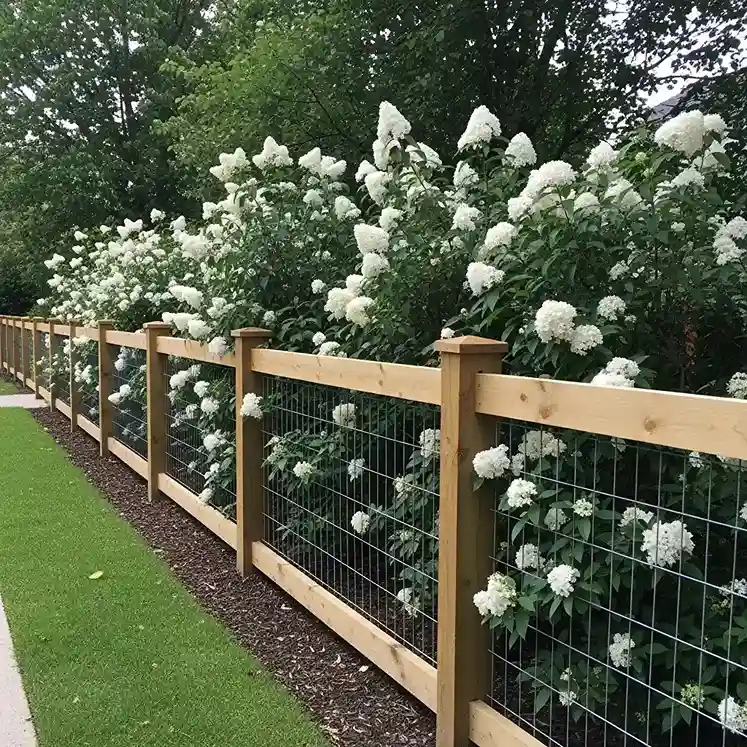
This combination is particularly effective along front boundaries where the fence provides immediate, year-round structure while the shrubs gradually fill in to create a rich, natural-looking planting that makes the fence almost disappear into the garden. Our best shrubs for front of house guide covers the best fence companion shrubs in excellent detail.
| Feature | Details |
|---|---|
| Best Shrubs | Lavender, spirea, potentilla, photinia, abelia |
| Planting Distance | 12–18 inches from fence line |
| Sun Requirements | Full sun to part shade |
| Maintenance Level | Low |
| Best For | All wood and wire fence styles and positions |
| Estimated Cost | $150–$500 for shrub planting |
23. Reclaimed Wood and Wire Fence
A fence built from reclaimed or salvaged timber combined with recycled wire mesh or repurposed wire materials creates a wonderfully characterful, eco-conscious boundary that celebrates the beauty of aged, imperfect materials in a way that no new timber fence ever could.
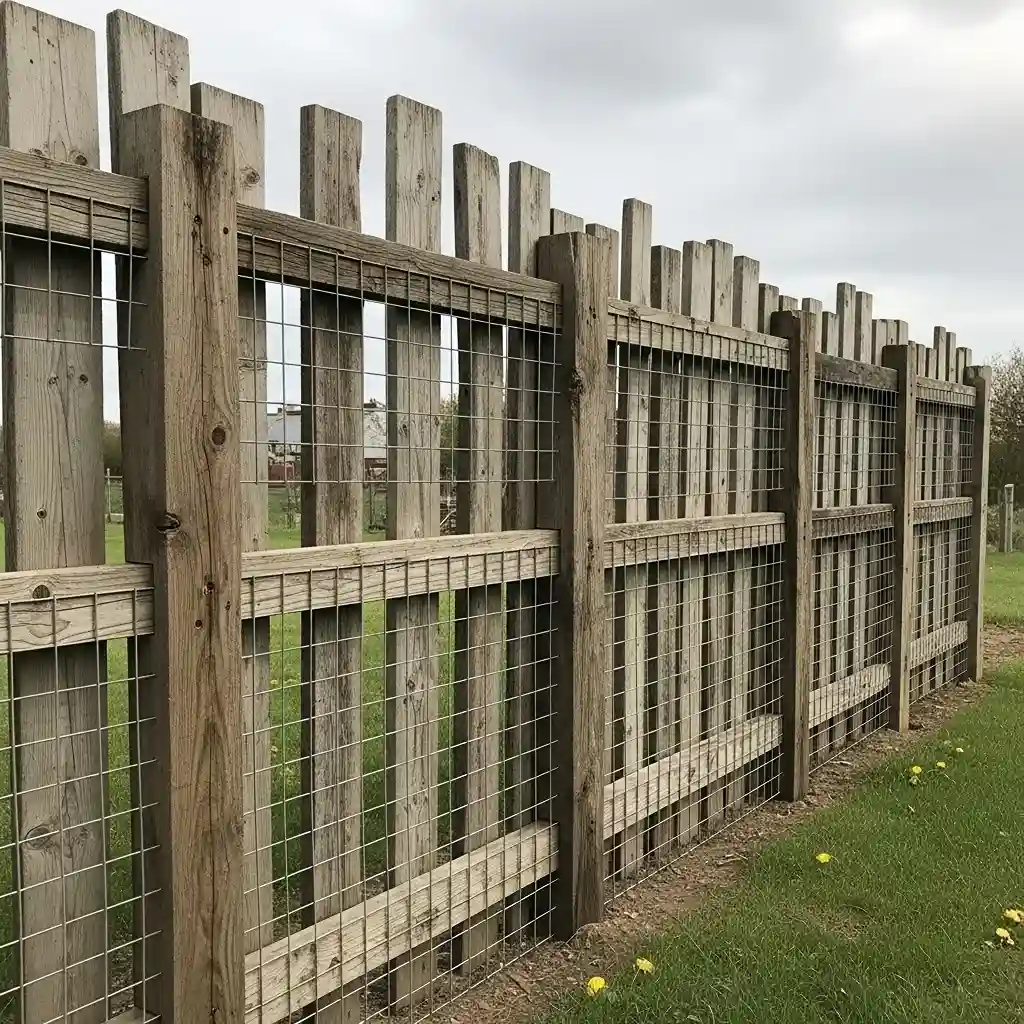
Reclaimed railway sleepers, old scaffold boards, salvaged telegraph poles, and vintage wire mesh all make outstanding materials for characterful, sustainable wood and wire fence projects. For more creative eco-friendly and reclaimed material garden ideas, our pallet garden ideas guide covers reclaimed material garden projects in inspiring, practical detail.
| Feature | Details |
|---|---|
| Best Reclaimed Timber | Railway sleepers, scaffold boards, telegraph poles |
| Best Recycled Wire | Salvaged wire mesh, old chicken wire, vintage mesh |
| Character Benefits | Unique patina, sustainability, zero waste |
| Difficulty Level | Intermediate |
| Maintenance Level | Low to moderate |
| Estimated Cost | $3–$15 per linear foot using reclaimed materials |
24. Wood and Wire Fence with Vertical Garden
Attaching a vertical garden planting system to the inner face of a wood and wire fence transforms an ordinary boundary into an extraordinary living wall that maximises planting space, adds incredible visual impact, and creates a beautiful green backdrop for the garden beyond.
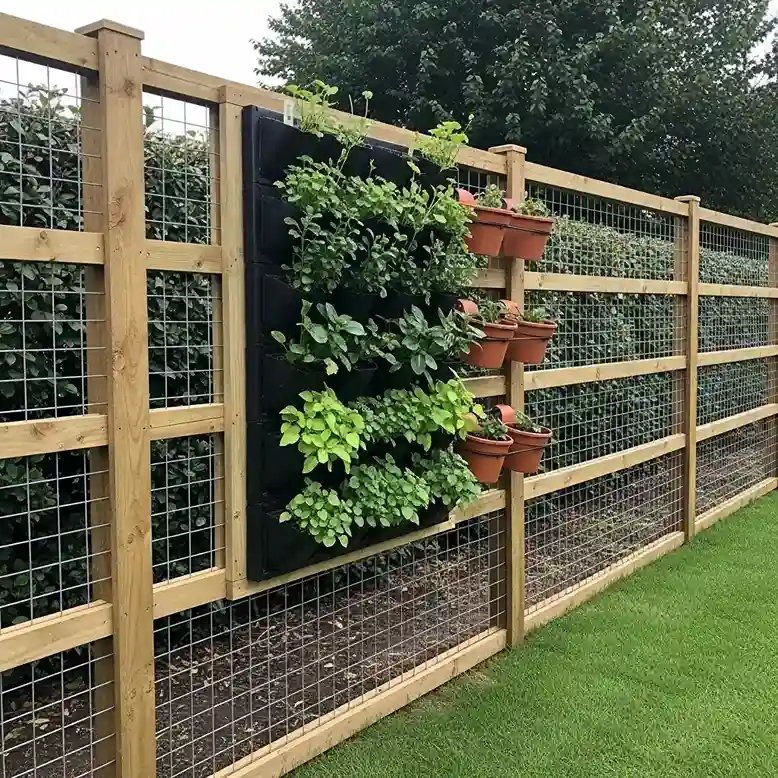
Wall-mounted planters, pocket growing systems, and mounted terracotta pots all work beautifully on the timber framework of a wood and wire fence. For the best vertical garden systems and plant selections, our vertical gardening guide covers fence-mounted vertical garden installations in comprehensive, inspiring detail.
| Feature | Details |
|---|---|
| Best Systems | Wall planters, pocket systems, mounted pots |
| Best Plants | Herbs, trailing flowers, succulents, ferns |
| Best Fence Types | Solid timber-framed wire panel fences |
| Difficulty Level | Beginner |
| Maintenance Level | Moderate |
| Estimated Cost | $100–$500 for vertical garden system |
25. Wood and Wire Fence Maintenance Guide
Regular maintenance is essential for keeping a wood and wire fence looking beautiful and performing well for the longest possible lifespan. A well-maintained wood and wire fence can last 20–30 years or more, while a neglected one may begin to deteriorate within just 5–7 years.
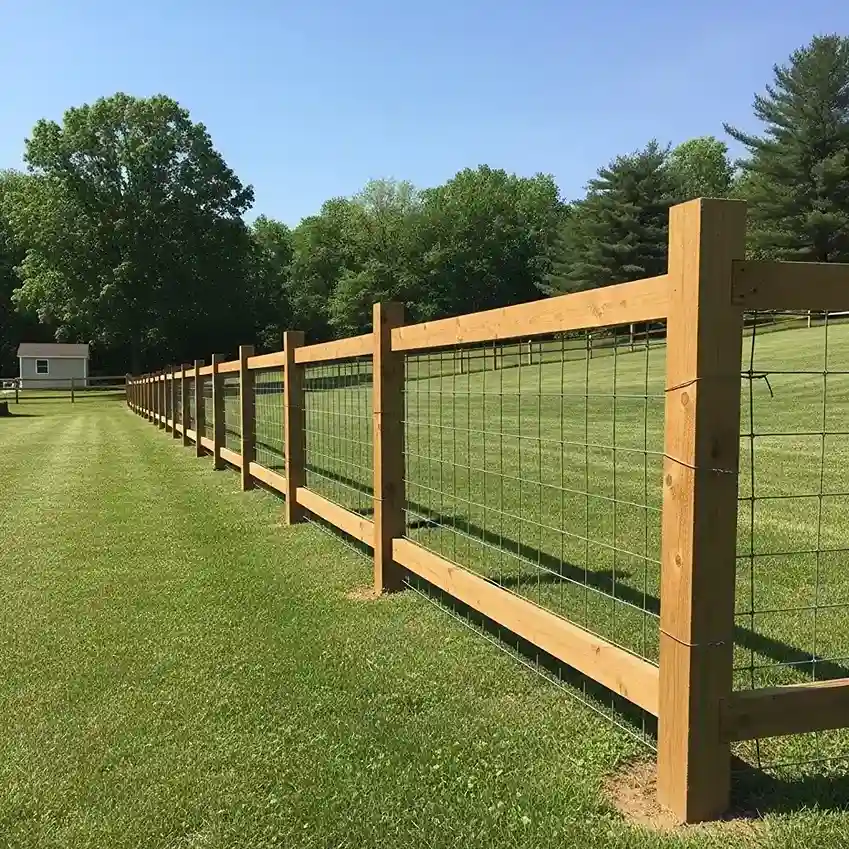
Inspect annually for loose wire, rotting timber, leaning posts, and failing fixings, addressing each issue promptly before it develops into a more serious and costly problem. For garden pest management that protects fencing from underground damage, our eliminate ground moles and keep ground squirrels out guides cover burrowing pest control effectively.
| Feature | Details |
|---|---|
| Annual Tasks | Inspect, re-tension wire, treat timber |
| Timber Treatment | Exterior stain or preservative every 2–3 years |
| Wire Maintenance | Re-tension loose sections, replace rusted wire |
| Post Checking | Check for rot at ground level annually |
| Expected Lifespan | 20–30 years with good maintenance |
| Estimated Annual Cost | $1–$3 per linear foot for maintenance |
26. Wood and Wire Fence for Coastal and Windy Sites
Wood and wire fences in exposed, windy, or coastal locations face significant additional stress from wind loading, salt spray, and accelerated UV degradation that requires specific design adaptations and material choices to ensure long-term performance and structural integrity.
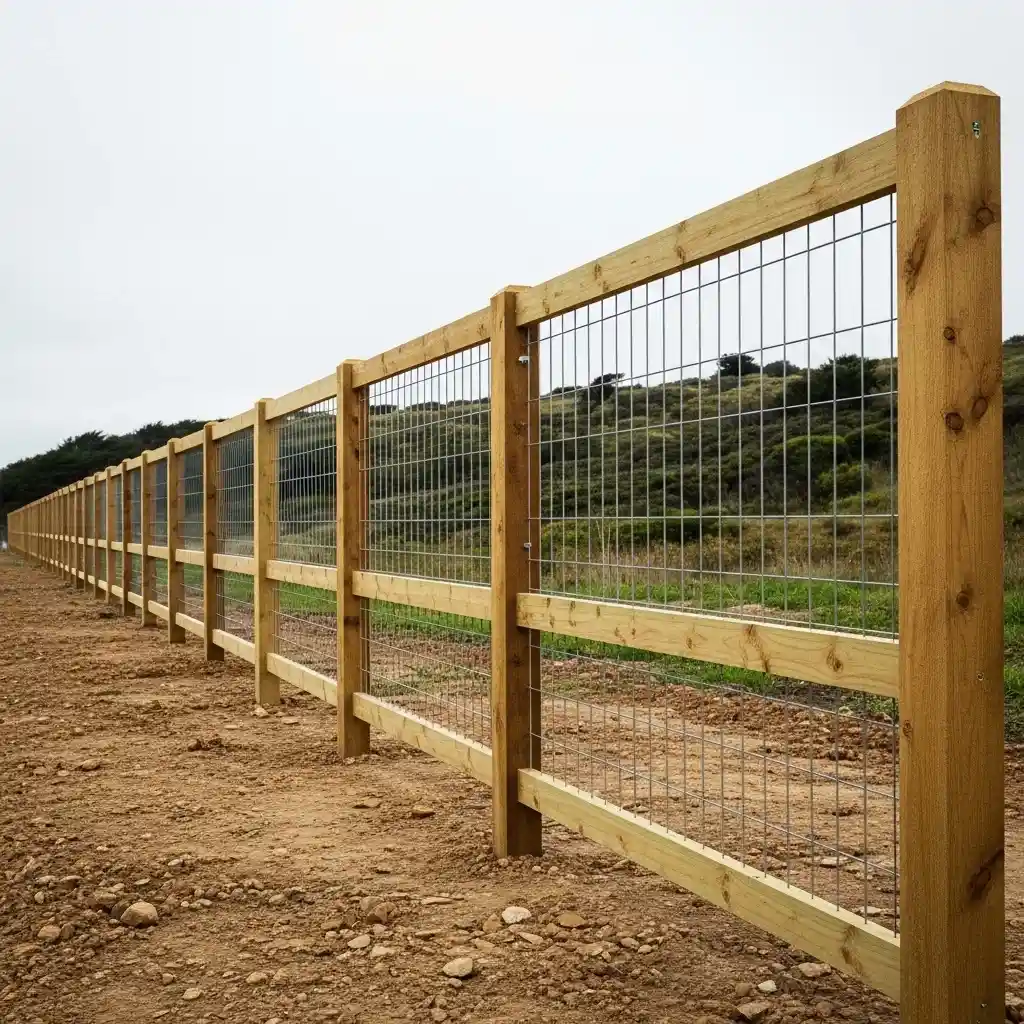
Reducing solid surface area by using open wire infill rather than solid boards dramatically reduces wind loading on posts and foundations, significantly extending the fence’s structural life in exposed positions. For more coastal garden design and boundary ideas suited to exposed conditions, our coastal backyard garden guide is a comprehensive and authoritative resource.
| Feature | Details |
|---|---|
| Best Design | Open wire infill to reduce wind resistance |
| Best Timber | Western red cedar, iroko, hardwood |
| Best Wire | Hot-dipped galvanised or marine-grade stainless steel |
| Post Foundation | Concrete footing minimum 2 feet deep |
| Maintenance Level | Moderate (annual treatment essential) |
| Estimated Cost | $30–$70 per linear foot |
Frequently Asked Questions (FAQs)
Q1: How long does a wood and wire fence typically last?
A well-built and regularly maintained wood and wire fence using pressure-treated timber and galvanised wire typically lasts 20–30 years. Untreated timber and basic wire will deteriorate significantly faster, often requiring replacement within 7–10 years without proper care.
Q2: What is the best wood for a wood and wire fence?
Western red cedar, oak, hardwood, and pressure-treated pine are the best timber choices for wood and wire fences. Cedar and hardwood offer natural durability without chemical treatment, while pressure-treated pine provides excellent longevity at a more affordable price point for most garden applications.
Q3: Can I install a wood and wire fence myself?
Yes — a basic wood and wire fence is one of the most achievable DIY fencing projects for homeowners with basic practical skills. Post setting, rail fixing, and wire tensioning all require basic tools and patience rather than specialist skills. Our DIY privacy fences guide covers DIY installation techniques in helpful, step-by-step detail.
Q4: How do I protect a wood and wire fence from pests and rot?
Apply a high-quality exterior timber preservative or stain annually, ensure all post bases are set in concrete with good drainage, and inspect regularly for signs of rot or pest damage. Our guides on get rid of ants in your yard and eliminate ground moles cover protecting fencing from pest damage effectively.
Conclusion
A wood and wire fence is one of the most versatile, beautiful, and practical boundary solutions available — perfectly combining the natural warmth of timber with the open, airy strength of wire for any garden style or property type.
Explore more inspiring garden boundary and landscaping ideas through our guides on yard ideas for outdoor spaces and trending landscaping ideas to create the perfect boundary for your outdoor space.