Permaculture garden design works with nature rather than against it, creating beautifully productive, self-sustaining outdoor spaces that generate food, support wildlife, and improve soil health with every passing season of careful, thoughtful cultivation.

Source: @milkwood
Whether you are starting from scratch or transforming an existing garden, these 23 inspiring permaculture garden design ideas will guide you toward a more abundant, resilient, and beautiful outdoor space using our backyard landscaping ideas guide.
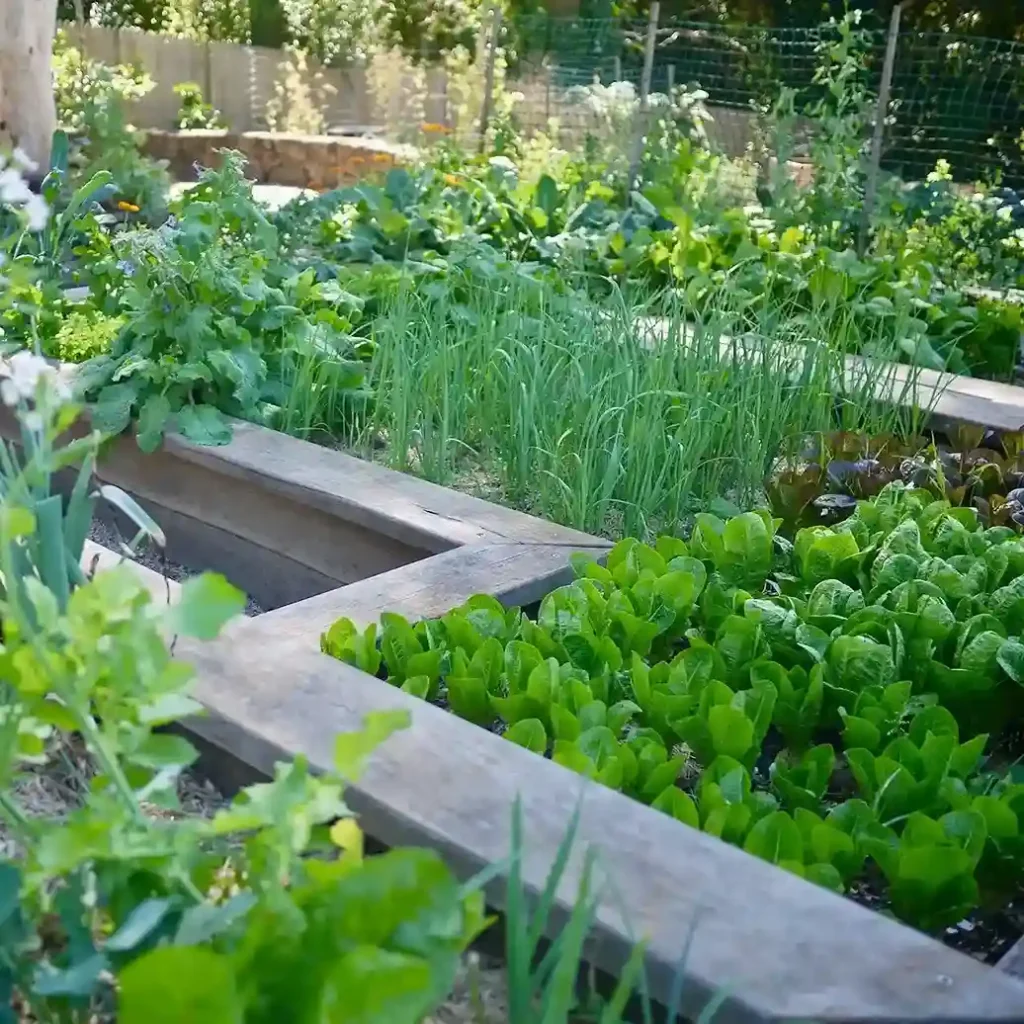
Source: @milkwood
1. Food Forest Garden
A food forest garden is the most ambitious and rewarding expression of permaculture design, layering canopy trees, understory fruit trees, shrubs, perennials, ground covers, and root crops into a dense, self-sustaining edible ecosystem that requires progressively less intervention as it matures.

Source: @derivedfromnaturenz
Each layer in a food forest fulfils multiple functions simultaneously — fruit trees provide canopy shade, fix carbon, and produce food while nitrogen-fixing shrubs beneath them enrich the soil naturally. For more food forest design and planting guidance, our food forest guide covers every layer of food forest construction in comprehensive, inspiring detail.
| Feature | Details |
|---|---|
| Canopy Layer | Apple, pear, walnut, sweet chestnut |
| Understory Layer | Hazel, elder, quince, plum |
| Shrub Layer | Currants, gooseberry, rosemary, comfrey |
| Ground Layer | Strawberries, herbs, clover, nasturtiums |
| Difficulty Level | Intermediate to advanced |
| Establishment Time | 3–7 years to full productivity |
2. Keyhole Garden Bed
A keyhole garden bed uses a circular raised bed design with a narrow access path cut inward from one edge like a keyhole shape, allowing the gardener to reach every part of the planting area from the single central standing position without compacting the growing soil at any point.

Source: @krabunda
This space-efficient permaculture bed design is particularly well suited to small gardens and urban permaculture plots where every square foot of growing space is genuinely precious. For more small-space productive garden design strategies, our small vegetable gardens guide covers keyhole beds and compact growing layouts in practical, accessible detail.
| Feature | Details |
|---|---|
| Optimal Diameter | 6–8 feet (reach centre from any edge) |
| Access Path Width | 18–24 inches |
| Best Fill | Layered compost, woodchip, soil, manure |
| Best Crops | Salads, herbs, root veg, flowers |
| Difficulty Level | Beginner |
| Estimated Cost | $30–$150 |
3. Hugelkultur Raised Bed
A hugelkultur raised bed is a permaculture technique of burying logs, branches, and woody material beneath a mound of soil and compost to create an extraordinarily fertile, self-watering raised growing bed that improves dramatically in productivity with every year of decomposition.

Source: @llc.thesoutherngreek
The buried wood acts as a slow-release sponge and nutrient bank, holding moisture during dry periods and releasing a continuous supply of nutrients as it breaks down over years and decades of biological activity. For more raised bed growing strategies, our small vegetable gardens guide covers hugelkultur and alternative raised bed systems in practical, productive detail.

| Feature | Details |
|---|---|
| Best Wood | Logs, branches, wood chips — untreated only |
| Mound Height | 2–5 feet (settles over time) |
| Moisture Retention | Excellent — self-watering after establishment |
| Best Crops | Squash, beans, tomatoes, perennial herbs |
| Difficulty Level | Beginner to intermediate |
| Establishment Time | Improves over 3–5 years |
4. Companion Planting System
A companion planting system is one of the most fundamental and effective permaculture design tools, strategically combining plants that benefit each other through nutrient sharing, pest deterrence, pollinator attraction, and physical support into a mutually beneficial growing community.

The classic Three Sisters combination of corn, beans, and squash grown together demonstrates companion planting perfectly — corn provides a climbing frame for beans, beans fix nitrogen for all three, and squash shades the soil to retain moisture. For the best herb companion planting strategies and combinations, our garden herb pairing guide covers companion planting in excellent, practical detail.
| Feature | Details |
|---|---|
| Classic Combinations | Three Sisters, tomato and basil, carrot and onion |
| Key Benefits | Pest deterrence, nitrogen fixation, pollinator support |
| Best Pest Deterrents | Marigolds, nasturtiums, garlic, chives |
| Best Nitrogen Fixers | Beans, peas, clover, lupin |
| Difficulty Level | Beginner |
| Productivity Gain | Up to 30% compared to monoculture growing |
5. Mandala Garden Design
A mandala garden design arranges circular or spiral planting beds in a beautiful geometric pattern inspired by sacred geometry, creating a visually stunning permaculture garden layout that maximises edge length between growing zones, improves biodiversity, and makes extraordinarily efficient use of available garden space.

Each segment of a mandala garden can be planted with a different crop guild or companion planting combination, creating a rich tapestry of plants that supports exceptional biodiversity throughout every growing season. For more creative garden layout and design inspiration, our cottage garden ideas guide covers circular and informal garden design beautifully.
| Feature | Details |
|---|---|
| Typical Layout | Circular beds radiating from central feature |
| Central Feature | Water feature, fruit tree, herb spiral |
| Best Plants | Mixed vegetables, herbs, flowers, companion plants |
| Key Benefit | Maximum edge effect and biodiversity |
| Difficulty Level | Intermediate |
| Estimated Cost | $100–$500 depending on size |
6. Herb Spiral
A herb spiral is one of the most practical, beautiful, and widely celebrated permaculture garden features, creating a vertical spiral of stone or brick that provides a remarkable variety of microclimates within a single compact structure, allowing sun-loving Mediterranean herbs and moisture-loving shade herbs to grow together successfully.

The south-facing upper section provides hot, dry conditions for thyme, rosemary, and oregano, while the cooler, shadier base suits mint, parsley, and chives perfectly. For the best herb pairing and growing combinations, our garden herb pairing guide covers herb spiral planting strategies in wonderful, practical detail.
| Feature | Details |
|---|---|
| Optimal Diameter | 5–6 feet at base |
| Height | 2–3 feet at peak |
| Best Building Materials | Natural stone, reclaimed brick, cinder blocks |
| Best Top Herbs | Thyme, rosemary, oregano, sage |
| Best Base Herbs | Mint, parsley, chives, coriander |
| Estimated Cost | $30–$100 |
7. Swales and Water Harvesting
Swales are shallow, level trenches dug along the contour of a slope to capture and slowly infiltrate rainwater into the soil rather than allowing it to run off, recharging groundwater, preventing erosion, and making moisture available to plants during dry periods.

Source: @greenthumbguru
The soil mounded on the downhill side of each swale creates an instant raised planting bed of excellent fertility, ideally suited to fruit trees, perennial vegetables, and nitrogen-fixing shrubs in a permaculture design. For more slope management and water-wise garden strategies, our sloped backyard ideas on a budget guide covers swale construction and water harvesting in practical, accessible detail.
| Feature | Details |
|---|---|
| Best For | Sloped garden sites receiving significant rainfall |
| Swale Depth | 12–24 inches |
| Berm Planting | Fruit trees, comfrey, nitrogen-fixing shrubs |
| Key Benefit | Passive water harvesting, zero ongoing cost |
| Difficulty Level | Intermediate |
| Estimated Cost | $0 (manual digging) to $500 (machine dug) |
8. Permaculture Composting System
A well-designed permaculture composting system transforms all garden and kitchen organic waste into the rich, fertile compost that feeds the entire garden, closing the nutrient cycle completely and eliminating the need for any imported fertilisers or soil conditioners whatsoever.

Source: @mamaneconome
A three-bay composting system — one bay filling, one actively composting, and one maturing — creates a continuous supply of finished compost at the scale that a productive permaculture garden requires throughout the growing season. For more productive garden soil improvement strategies, our food forest guide covers composting and soil building in comprehensive, expert detail.
| Feature | Details |
|---|---|
| Best System | Three-bay timber or pallet compost bays |
| Best Materials | Kitchen scraps, garden waste, cardboard, woodchip |
| Turning Frequency | Every 2–4 weeks for hot composting |
| Maturation Time | 3–6 months |
| Difficulty Level | Beginner |
| Estimated Cost | $0–$80 using reclaimed pallets |
9. Permaculture Wildlife Habitat Zone
Designating a specific zone of the garden as an unmanaged wildlife habitat — with a log pile, wildflower patch, native hedgerow, and pond — creates an essential ecological engine that supports the predator insects, birds, and beneficial organisms that manage pest populations naturally throughout the garden.

This deliberate area of productive untidiness delivers enormous ecological value and is one of the most important zones in any permaculture garden design. For more wildlife-friendly garden feature ideas, our yard ideas for outdoor spaces guide covers wildlife habitat zone design in caring, practical detail.
| Feature | Details |
|---|---|
| Key Features | Log pile, wildflower patch, pond, native hedgerow |
| Best Position | Quietest corner of the garden |
| Maintenance Level | None — leave completely undisturbed |
| Wildlife Value | Exceptional — supports entire garden ecosystem |
| Best Native Plants | Hawthorn, elder, nettles, wildflowers |
| Estimated Cost | $0–$100 |
10. Permaculture Chicken Integration
Integrating chickens into a permaculture garden design creates a powerful multi-functional system where chickens provide fresh eggs, natural pest control, soil cultivation through scratching, and a continuous supply of high-nitrogen manure that is the finest natural fertiliser available for productive garden beds.

Rotating a mobile chicken tractor across different garden areas systematically allows chickens to clear, fertilise, and cultivate each zone before crops are planted, dramatically reducing workload and eliminating the need for imported soil improvers. For more productive garden and food growing strategies, our food forest guide covers animal integration in permaculture systems in excellent, practical detail.
| Feature | Details |
|---|---|
| Best System | Mobile chicken tractor rotated between zones |
| Key Benefits | Eggs, pest control, fertiliser, soil cultivation |
| Minimum Space | 10 square feet per bird inside, more outside |
| Best Breeds | Orpington, Plymouth Rock, Rhode Island Red |
| Integration Strategy | Rotate through beds post-harvest |
| Estimated Cost | $200–$800 for housing and fencing |
11. Vertical Permaculture Growing
Vertical permaculture growing uses walls, fences, trellises, and climbing plant systems to dramatically increase the productive growing area available in a small garden, stacking plants in vertical layers that make use of the full height of the growing space from ground to overhead.
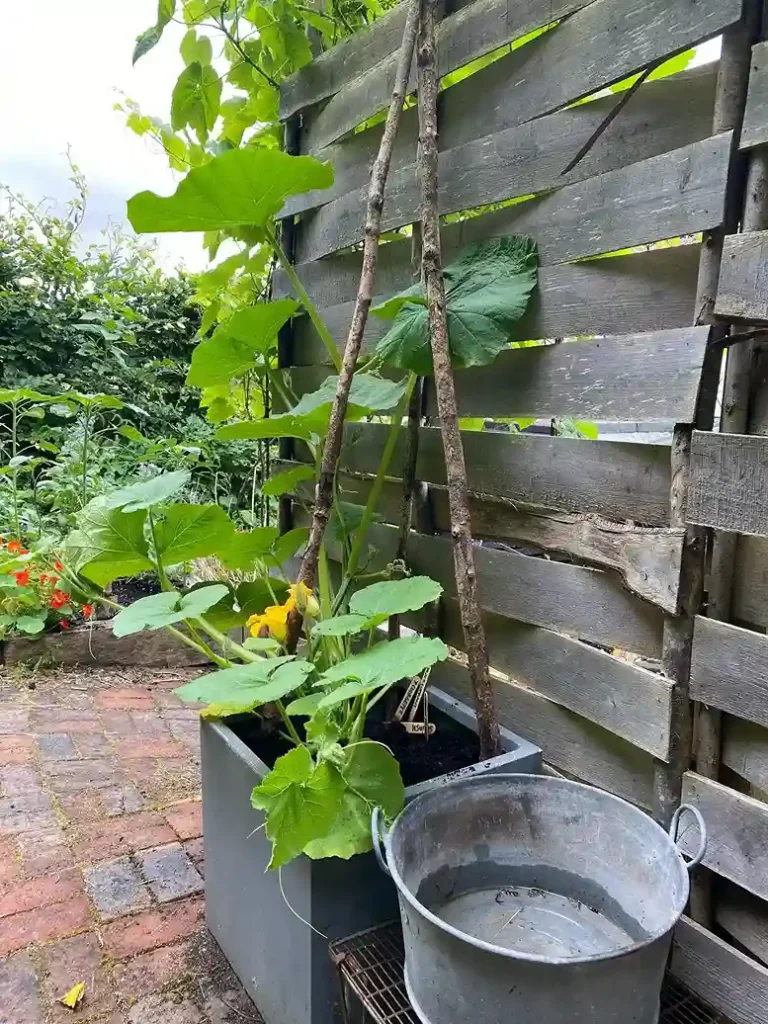
Source: @perma_flo
Climbing beans, cucumbers, squash, and perennial kiwi all grow vertically with great enthusiasm when given appropriate support, producing abundant harvests from a fraction of the ground space required by horizontal growing systems. For comprehensive vertical growing system design and the best climbing edible plants, our vertical gardening guide is an outstanding resource.
| Feature | Details |
|---|---|
| Best Climbing Edibles | Beans, cucumbers, squash, tomatoes, kiwi |
| Best Support Systems | Timber trellis, wire, bamboo, reclaimed frames |
| Space Efficiency | Up to 3x more produce per square foot |
| Best Position | South-facing wall or fence |
| Difficulty Level | Beginner |
| Estimated Cost | $20–$100 for supports |
12. Permaculture Orchard with Understory Planting
A permaculture orchard combines fruit and nut trees with a carefully designed understory of nitrogen-fixing plants, dynamic accumulators, pollinator-attracting flowers, and ground-covering edibles that collectively create a low-maintenance, self-fertilising fruit-producing system of remarkable abundance and ecological richness.

Planting comfrey, clover, and yarrow beneath fruit trees creates a living mulch system that fixes nitrogen, accumulates minerals, suppresses weeds, and attracts pollinators simultaneously at almost zero ongoing cost. For more tree selection and orchard planting guidance, our tree landscaping ideas guide covers permaculture orchard design in comprehensive, practical detail.
| Feature | Details |
|---|---|
| Best Canopy Trees | Apple, pear, plum, cherry, walnut |
| Best Nitrogen Fixers | Comfrey, clover, lupin, alder |
| Best Ground Covers | Strawberry, thyme, chamomile, clover |
| Maintenance Level | Very low once established |
| Best For | Medium to large garden spaces |
| Estimated Cost | $300–$1,500 |
13. Permaculture Pond and Water System
A permaculture pond creates a complete aquatic ecosystem that harvests rainwater, supports enormous biodiversity, provides habitat for pest-controlling amphibians and insects, and acts as a thermal regulator for the surrounding garden microclimate throughout the year.

Even a small pond of just a few square feet dramatically increases garden biodiversity and creates a self-sustaining water ecosystem that requires no pumps, chemicals, or ongoing maintenance once plants are established and ecological balance is achieved. For the best aquatic plants for a permaculture pond, our water plants guide covers pond planting in comprehensive, inspiring detail.
| Feature | Details |
|---|---|
| Minimum Size | 6 square feet for meaningful biodiversity |
| Best Pond Plants | Water lily, rushes, marsh marigold, water iris |
| Key Wildlife | Frogs, newts, dragonflies, water beetles |
| Maintenance Level | Very low once established |
| Best Position | Partial sun — 4–6 hours daily |
| Estimated Cost | $50–$500 depending on size |
14. Permaculture Native Hedgerow
A native hedgerow planted along the boundary of a permaculture garden provides a wildlife corridor, windbreak, privacy screen, food source, and habitat for the beneficial insects and birds that are essential to the functioning of the entire permaculture system.

Source: @oldpostofficefarm
A mixed native hedgerow of hawthorn, blackthorn, hazel, elder, and dog rose creates a genuinely extraordinary wildlife resource that simultaneously delivers sloe berries, elderflowers, hazelnuts, and rose hips as useful harvests. For the best fast-establishing hedgerow plants, our fast growing privacy shrubs guide covers native hedgerow species in excellent, practical detail.
| Feature | Details |
|---|---|
| Best Native Species | Hawthorn, blackthorn, hazel, elder, dog rose |
| Planting Spacing | 3 plants per metre for quick establishment |
| Establishment Method | Bare-root whips in winter for lowest cost |
| Maintenance Level | Low (coppice every 3–5 years) |
| Wildlife Value | Outstanding — supports 300+ species |
| Estimated Cost | $50–$200 using bare-root whips |
15. Sheet Mulching No-Dig Beds
Sheet mulching is a foundational permaculture technique that smothers existing grass and weeds by layering cardboard directly onto the ground surface and covering it with compost, woodchip, and organic matter to create an instantly plantable, fertility-building no-dig growing bed.

The cardboard kills weeds, feeds worms, and breaks down into soil organic matter within a single season, creating remarkably fertile growing conditions from previously unproductive ground without a single stroke of a spade. For more no-dig and low-labour growing strategies, our cheap landscaping ideas guide covers sheet mulching and budget soil-building techniques in excellent, practical detail.
| Feature | Details |
|---|---|
| Layer Order | Cardboard, compost, woodchip, planting compost |
| Cardboard Depth | Single layer, overlapping joins by 6 inches |
| Top Compost Depth | 4–6 inches for immediate planting |
| Weed Suppression | Excellent — 95%+ suppression in first season |
| Difficulty Level | Beginner |
| Estimated Cost | $20–$80 per 10 square metres |
16. Permaculture Greenhouse Integration
A permaculture greenhouse acts as the productive heart of the growing system, extending the season by months, providing warmth for propagating seedlings, housing tropical edibles, and creating a microclimate that generates gentle heat for adjacent growing areas during cold weather.

Integrating thermal mass — water barrels, stone walls, and brick paths — inside a permaculture greenhouse stores daytime solar heat and releases it overnight, dramatically reducing heating costs while extending the productive growing season. For creative greenhouse design and planting ideas, our greenhouse ideas guide covers permaculture greenhouse integration in comprehensive, inspiring detail.
| Feature | Details |
|---|---|
| Best Thermal Mass | Water barrels, brick paths, stone walls |
| Best Crops | Tomatoes, peppers, cucumbers, citrus, figs |
| Key Features | Rainwater harvesting, worm bin, seed propagation |
| Best Position | South-facing for maximum solar gain |
| Difficulty Level | Intermediate |
| Estimated Cost | $500–$5,000 |
17. Permaculture Cottage Garden Planting
A permaculture cottage garden blends the romantic abundance of traditional cottage garden planting with the ecological intelligence of permaculture design, creating a beautifully productive space where edible plants, medicinal herbs, pollinator flowers, and companion plantings weave together in gorgeous informal abundance.

Self-seeding edible annuals like nasturtiums, borage, and calendula are the perfect permaculture cottage garden plants, producing food, medicine, and beneficial insect habitat while spreading freely to fill gaps in the planting. For the best cottage garden plant combinations, our cottage garden ideas guide covers cottage planting with permaculture principles beautifully.
| Feature | Details |
|---|---|
| Best Self-Seeders | Nasturtium, borage, calendula, foxglove, poppy |
| Best Edible Flowers | Nasturtium, borage, calendula, viola, rose |
| Key Benefits | Pollinators, companion planting, beauty, food |
| Maintenance Level | Very low — self-managing through self-seeding |
| Best For | Any garden size and style |
| Estimated Cost | $30–$150 for initial seed and plant investment |
18. Permaculture Container Garden
A permaculture container garden brings the principles of closed-loop fertility, companion planting, and multiple yields to balconies, patios, and small urban spaces, creating a productive, self-sustaining growing system within a collection of thoughtfully planted and managed containers.

Using worm castings from a balcony worm bin to fertilise container plants, collecting rainwater for irrigation, and growing companion plant combinations in each container applies genuine permaculture thinking to the smallest growing spaces. For the best container planting combinations and care strategies, our container gardening guide covers permaculture container gardening in practical, inspiring detail.
| Feature | Details |
|---|---|
| Best Container Crops | Tomatoes, herbs, salads, beans, strawberries |
| Best Fertility Source | Worm castings, compost tea, liquid seaweed |
| Companion Combinations | Tomato and basil, beans and nasturtium |
| Water Source | Rainwater collected from roof or downpipe |
| Difficulty Level | Beginner |
| Estimated Cost | $50–$200 |
19. Permaculture Shade Garden
A permaculture shade garden makes productive, ecological use of the challenging low-light conditions beneath established trees and along north-facing boundaries, creating a forest-floor inspired planting of edible shade plants, medicinal herbs, and habitat species that thrive where most gardeners struggle.

Wild garlic, wood sorrel, sweet cicely, and ground elder are all outstanding edible permaculture plants for deep shade positions that most conventional gardening approaches simply write off as unproductive. For the best shade-tolerant productive plants, our shade perennials and shade plants guide are both invaluable resources for permaculture shade garden design.
| Feature | Details |
|---|---|
| Best Edible Shade Plants | Wild garlic, wood sorrel, sweet cicely, ramsons |
| Best Medicinal Shade Plants | Valerian, lungwort, wood betony |
| Best Habitat Plants | Ferns, foxgloves, native violets, primroses |
| Maintenance Level | Very low once established |
| Best For | North-facing positions, under established trees |
| Estimated Cost | $80–$300 |
20. Permaculture Coastal Garden
A permaculture coastal garden uses salt-tolerant native plants, windbreak hedgerows, water-harvesting earthworks, and drought-resistant growing techniques to create a productive, self-sustaining outdoor space in the challenging conditions of exposed coastal garden sites.

Building windbreak hedgerows from native coastal shrubs as the first permaculture investment creates the sheltered microclimate that makes everything else in a coastal permaculture garden possible. For more coastal garden design and plant selection strategies, our coastal backyard garden guide covers coastal permaculture design in authoritative, practical detail.
| Feature | Details |
|---|---|
| Best Windbreak Plants | Tamarisk, sea buckthorn, elder, hawthorn, escallonia |
| Best Coastal Edibles | Sea kale, marsh samphire, sea beet, sea purslane |
| Key Techniques | Windbreaks, earthworks, drought-tolerant species |
| Maintenance Level | Low once windbreaks established |
| Best For | Exposed coastal garden positions |
| Estimated Cost | $200–$800 |
21. Permaculture Front Yard Garden
A permaculture front yard garden replaces a conventional lawn with a productive, beautiful, and ecologically rich planting of edible shrubs, perennial vegetables, pollinator plants, and food-producing ground covers that generate harvests while creating an extraordinary neighbourhood showcase for sustainable gardening.

Replacing front lawn with a diverse food forest guild, edible hedgerow, or cottage-style permaculture border dramatically reduces water consumption, eliminates fertiliser and pesticide use, and creates far more habitat value than any mown grass surface. For front yard planting and design inspiration, our front yard landscaping guide covers front yard permaculture transformation in creative, practical detail.
| Feature | Details |
|---|---|
| Best Lawn Replacements | Food forest guild, edible ground cover, herb lawn |
| Best Front Yard Edibles | Blueberries, currants, alpine strawberries, herbs |
| Best Pollinator Plants | Lavender, echinacea, phacelia, borage, alliums |
| Water Saving | Up to 80% compared to lawn maintenance |
| Difficulty Level | Beginner to intermediate |
| Estimated Cost | $200–$800 |
22. Permaculture Bohemian Garden
A permaculture bohemian garden embraces joyful, creative, eclectic design alongside deep ecological intelligence — repurposed materials as raised beds, wildly abundant planting, driftwood sculptures, and a beautifully productive chaos that looks deliberately artistic while functioning as a perfectly efficient permaculture system.

The permaculture principle of valuing diversity and using reclaimed materials aligns perfectly with bohemian garden aesthetics, making these two design philosophies natural, harmonious, and mutually inspiring partners. For more wonderfully free-spirited outdoor design inspiration, our hippie bohemian outdoor garden guide is full of creative permaculture-friendly garden ideas.
| Feature | Details |
|---|---|
| Best Reclaimed Materials | Old bathtubs, pallet beds, salvaged containers |
| Best Plants | Wildflowers, self-seeding annuals, edible perennials |
| Key Features | Driftwood art, mosaic paths, eclectic structures |
| Difficulty Level | Beginner |
| Maintenance Level | Low |
| Estimated Cost | $50–$300 using reclaimed materials |
23. Budget Permaculture Garden
Creating a fully functional, genuinely productive permaculture garden on a very tight budget is not only possible but philosophically aligned with permaculture’s core principle of obtaining a yield from every resource — including the resource of financial constraint and creative problem-solving.

Starting with sheet mulching, free compost from kitchen waste, seed saving, plant swapping, and reclaimed materials creates a complete permaculture garden system for almost nothing while applying every core permaculture design principle effectively. For comprehensive budget garden transformation strategies, our cheap landscaping ideas guide covers affordable permaculture garden building in genuinely practical, money-saving detail.
| Feature | Details |
|---|---|
| Best Free Resources | Kitchen compost, collected rainwater, saved seed |
| Best Free Materials | Cardboard, fallen timber, reclaimed containers |
| Best Budget Starts | Sheet mulching, herb spiral, keyhole bed |
| Difficulty Level | Beginner |
| Maintenance Level | Low |
| Estimated Cost | $0–$100 for a complete small permaculture garden |
Frequently Asked Questions (FAQs)
Q1: What is permaculture garden design?
Permaculture garden design is a holistic approach to creating outdoor spaces that mimic natural ecosystems, producing food, supporting wildlife, and building soil fertility in a closed-loop system requiring minimal ongoing inputs. It combines ecological principles with practical design to create productive, beautiful, and genuinely self-sustaining gardens of every size.
Q2: How do I start a permaculture garden as a beginner?
Begin with a simple herb spiral, a sheet-mulched no-dig raised bed, or a keyhole garden bed — all three are beginner-friendly entry points into permaculture design that deliver immediate results. Our food forest guide covers permaculture principles and beginner starting strategies in comprehensive, encouraging detail for new permaculture gardeners.
Q3: Can permaculture garden design work in a small backyard?
Absolutely — permaculture principles scale beautifully to any garden size. Vertical growing, container permaculture, keyhole beds, herb spirals, and small food forest guilds all deliver outstanding results in compact urban gardens. Our small garden ideas and tiny backyard ideas guides cover small-space permaculture design in excellent practical detail.
Q4: How do I manage pests in a permaculture garden?
Permaculture manages pests through biodiversity — companion planting, beneficial insect habitat, and predator encouragement naturally balance pest populations without chemicals. Our guides on get rid of ants in your yard, eliminate ground moles, and keep ground squirrels out cover natural pest management strategies aligned with permaculture principles.
Conclusion
Permaculture garden design offers the most rewarding, ecologically intelligent, and ultimately productive approach to gardening available — creating outdoor spaces that give back more than they take and grow more beautiful, abundant, and self-sustaining with every passing season.
Explore more productive garden and outdoor design inspiration through our guides on yard ideas for outdoor spaces, feeding stations, and trending landscaping ideas to begin your own permaculture garden design journey today.