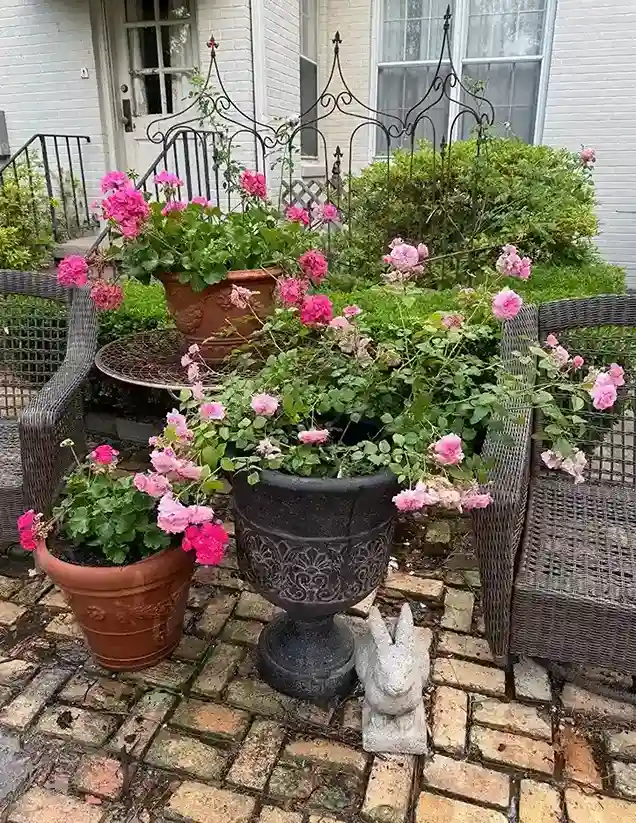
Container gardening revolutionizes traditional growing methods, enabling anyone to cultivate thriving gardens regardless of space limitations, soil quality, or physical abilities. This versatile approach transforms balconies, patios, rooftops, and small yards into productive green spaces growing vegetables, herbs, flowers, and ornamentals successfully.
Source: @antiqueroseemporium
Beyond accessibility, container gardening provides unmatched flexibility allowing instant garden rearrangements, seasonal rotations, and microclimate manipulation impossible with traditional in-ground beds. Whether growing fresh tomatoes on apartment balconies or designing elaborate mixed planters, containers accommodate every situation delivering impressive results.
1. Choosing the Right Containers
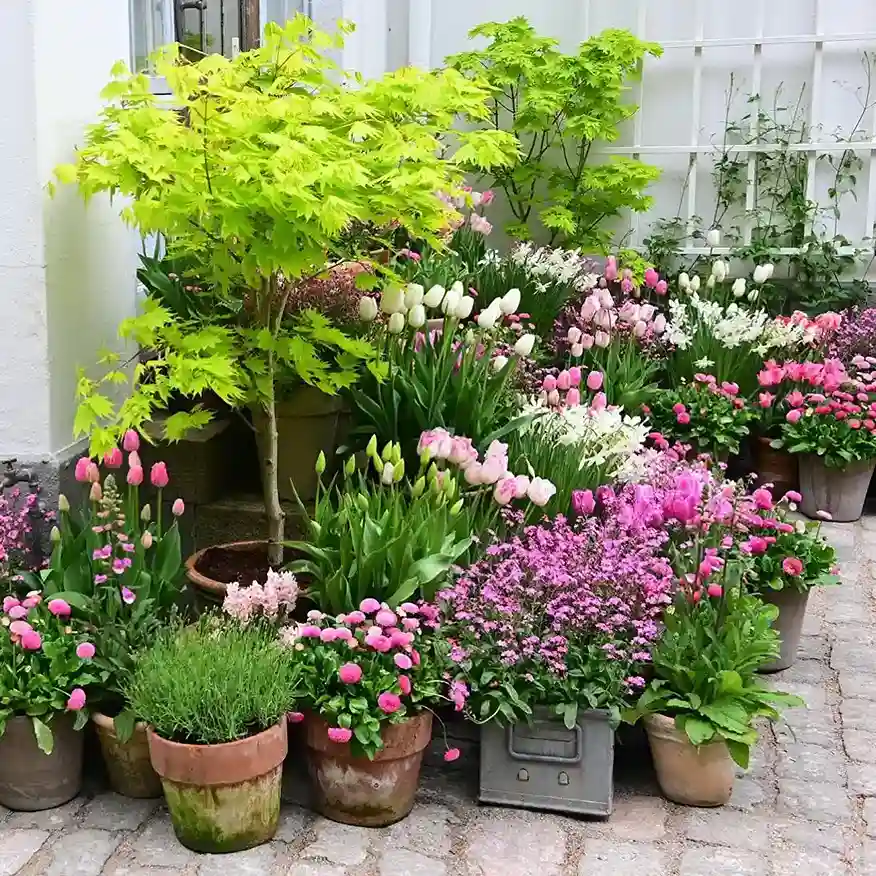
Container selection dramatically impacts plant health and garden success. Size, material, and drainage are critical considerations affecting long-term plant performance and maintenance requirements throughout growing seasons.
Larger containers hold more soil retaining moisture longer while providing adequate root space. Small pots dry quickly requiring multiple daily waterings becoming maintenance burdens during hot weather.
Source: @clausdalby
Materials range from classic terracotta offering breathability to lightweight plastic retaining moisture well. Glazed ceramic provides beauty at premium prices while resin offers durability at moderate costs.
Drainage holes remain non-negotiable—containers without drainage cause waterlogged soil killing plants through root rot. Consider weight when selecting materials—large filled containers become immobile requiring permanent placement decisions.
| Container Material | Pros | Cons | Best Uses |
|---|---|---|---|
| Terracotta | Porous, classic look, affordable | Heavy, breaks easily, dries quickly | Mediterranean plants, herbs |
| Plastic | Lightweight, retains moisture, durable | Less attractive, degrades in sun | Annuals, vegetables |
| Glazed Ceramic | Beautiful, retains moisture | Heavy, expensive, may crack | Feature containers |
| Wood | Natural look, insulates roots | Rots over time, heavy | Large specimens |
| Metal | Durable, modern aesthetic | Conducts heat, may rust | Contemporary designs |
| Fabric Bags | Excellent drainage, air prunes roots | Not attractive, shorter life | Vegetables, temporary use |
2. Understanding Potting Mix Essentials
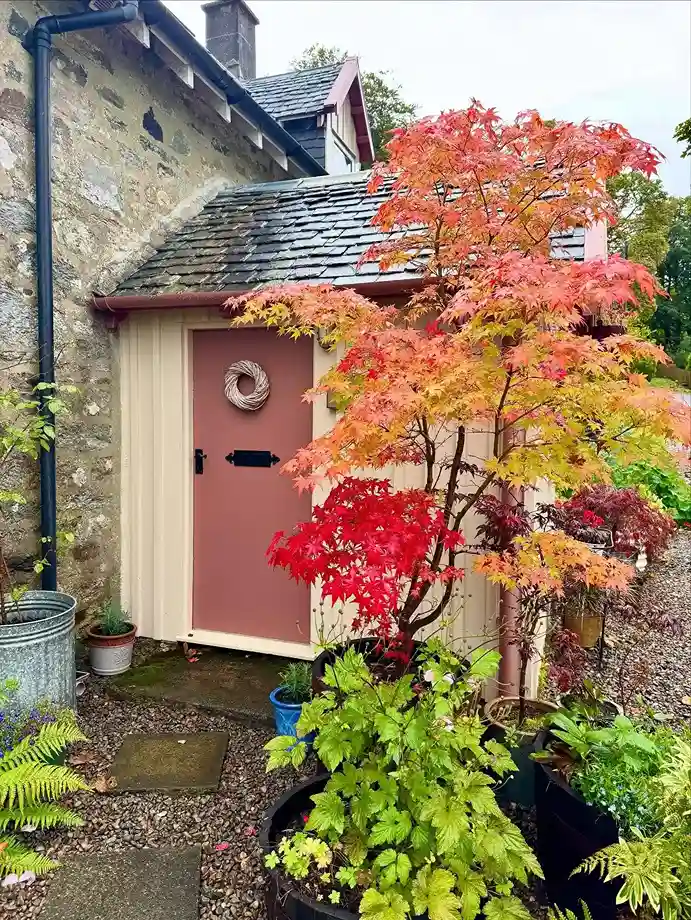
Quality potting mix proves crucial for container gardening success—never use garden soil which compacts destroying aeration. Potting mixes blend peat moss, perlite, and compost creating lightweight, well-draining media retaining adequate moisture.
Commercial potting mixes come pre-blended eliminating guesswork though premium brands cost more than basic formulations. Look for mixes containing slow-release fertilizers providing initial nutrition or plan regular fertilizing.
Source: @paul_at_keeperscottage
Create custom blends mixing equal parts peat moss, perlite, and compost adjusting ratios for specific plant needs. Add moisture-retaining crystals in dry climates reducing watering frequency significantly.
Avoid mixes containing garden soil or topsoil which compact over time. This foundation element determines plant success more than any other factor making quality mix essential.
| Mix Component | Purpose | Percentage |
|---|---|---|
| Peat Moss/Coir | Moisture retention | 40-50% |
| Perlite/Vermiculite | Drainage and aeration | 30-40% |
| Compost | Nutrients and microbes | 20-30% |
| Optional Additives | Various benefits | 5-10% |
3. Mastering Watering Techniques
Container watering requires different approaches than in-ground gardening since potted plants dry faster with limited soil volumes. Check moisture by inserting fingers into soil rather than relying on visual inspection alone.
Water thoroughly until drainage flows freely from bottom holes ensuring complete soil saturation. Multiple light waterings create dry pockets leaving roots stressed while surface appears adequately moist.
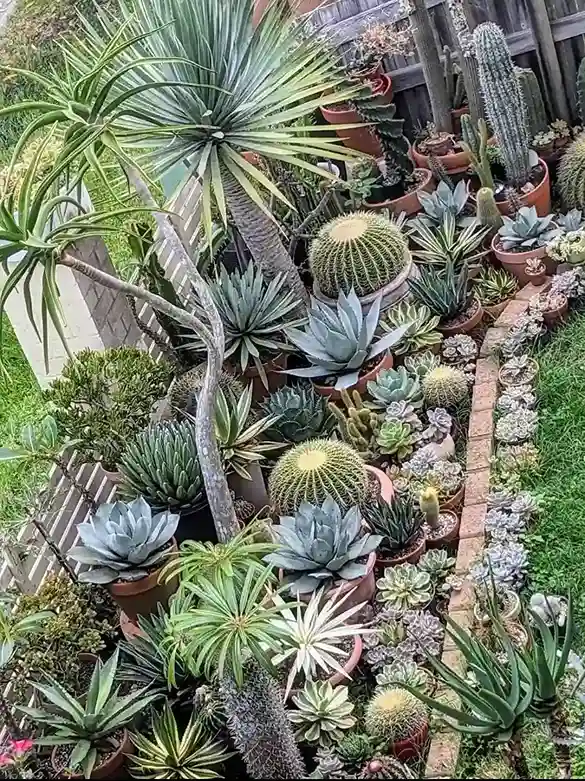
Morning watering allows foliage drying before nightfall reducing disease pressure from prolonged leaf wetness. Hot weather may require twice-daily watering for small containers or hanging baskets exposed to sun and wind.
Self-watering containers reduce maintenance by storing water in reservoirs slowly releasing moisture upward through wicking. These work beautifully for tiny backyard ideas where frequent watering proves challenging during busy schedules.
4. Fertilizing Container Plants
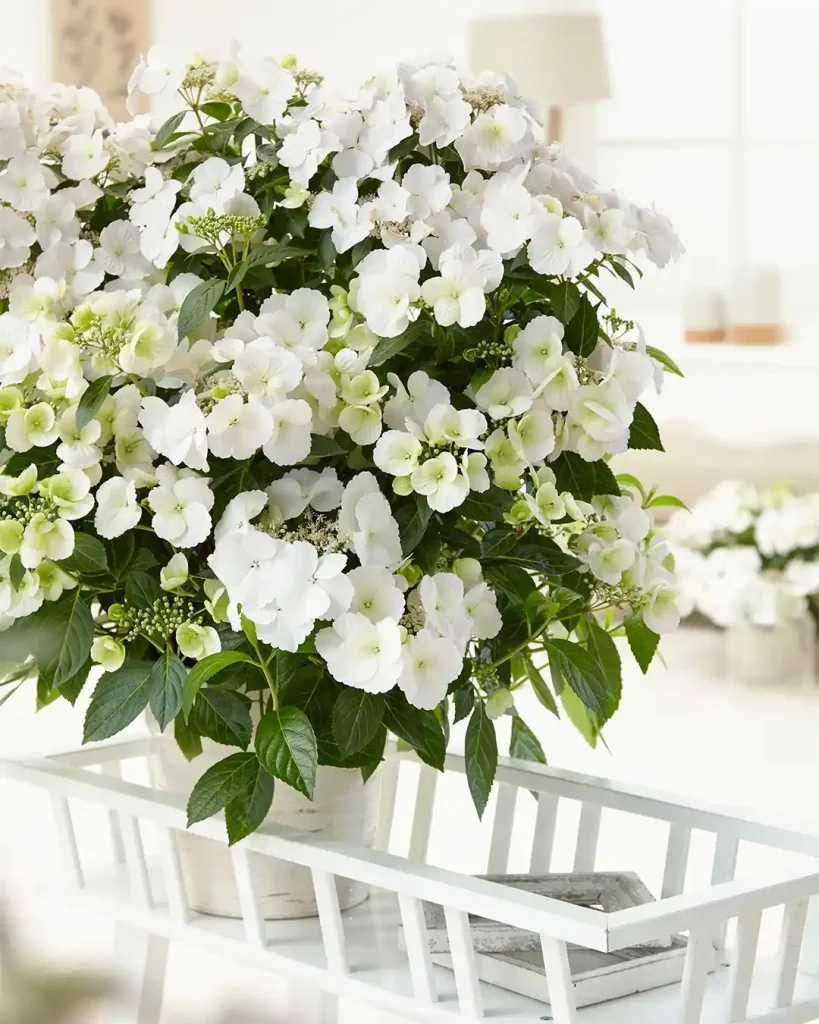
Container plants require more frequent feeding than in-ground specimens since nutrients leach through drainage with each watering. Use balanced liquid fertilizer diluted to half-strength applied weekly or incorporate slow-release granules lasting 3-4 months.
Water-soluble fertilizers provide immediate nutrition absorbed quickly through roots and foliage. Controlled-release products offer convenience though cost more initially providing sustained feeding with fewer applications required.
Source: @provenwinners
Avoid over-fertilizing which burns roots and creates excessive foliage at flowering or fruiting expense. Follow package directions carefully adjusting for plant size and vigor observed.
Organic options including compost tea and fish emulsion provide gentle nutrition supporting healthy growth. Container vegetables and flowering plants benefit from higher phosphorus formulations promoting blooms and fruit production.
5. Sunlight Requirements Planning
Understanding sunlight needs proves essential for matching plants to container locations ensuring optimal growth. Full sun means 6+ hours direct sunlight while partial shade receives 3-6 hours or dappled light throughout days.
Most vegetables and flowering annuals require full sun producing abundant harvests and blooms. Shade-tolerant plants including impatiens, begonias, and ferns thrive in partial to full shade conditions.
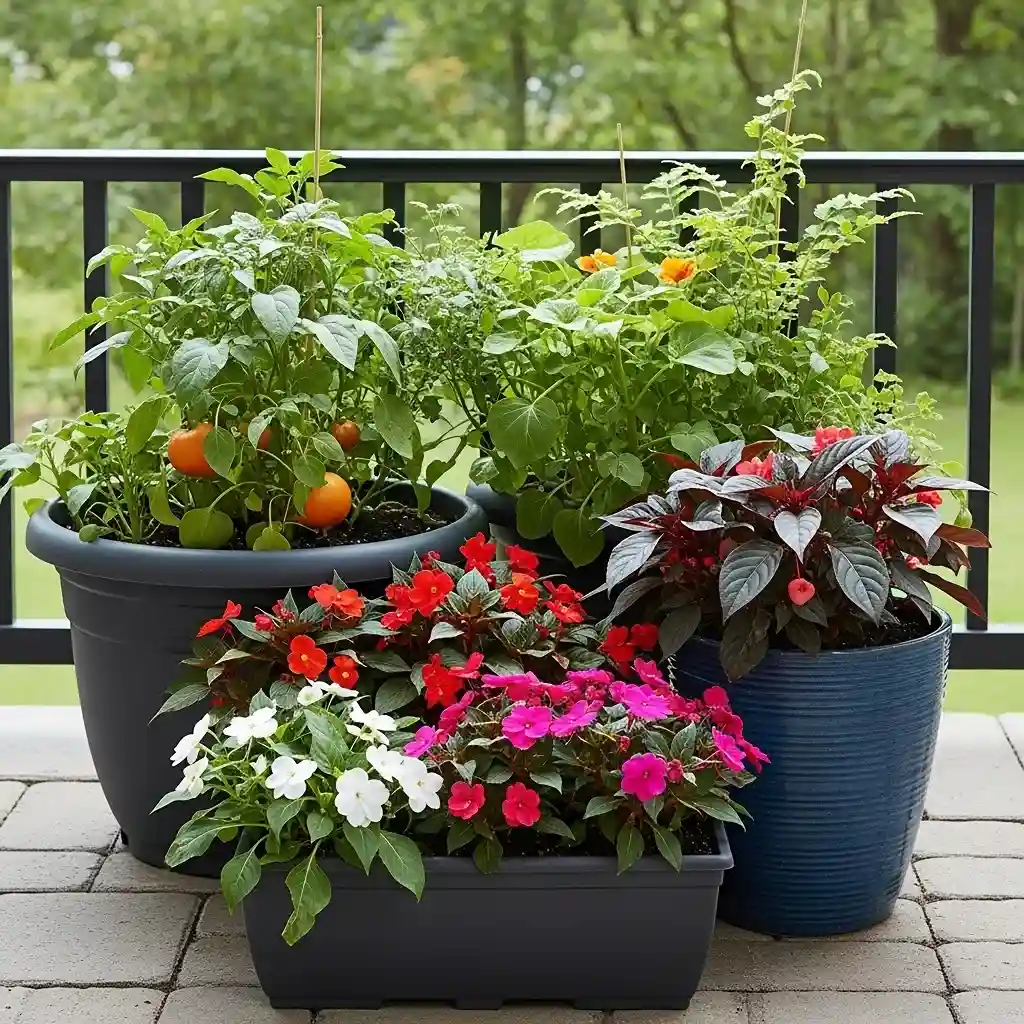
Observe potential container locations throughout days noting sun exposure changes as seasons progress. South and west exposures receive maximum sun while north locations remain shadiest throughout growing seasons.
Container mobility allows moving plants following sun patterns or providing afternoon shade in hot climates. This flexibility distinguishes container gardening from permanent in-ground plantings where relocating proves impossible once established.
6. Vegetable Container Gardening
Growing vegetables in containers provides fresh produce even without traditional garden spaces. Tomatoes, peppers, lettuce, and herbs thrive in containers with proper care and adequate sunlight throughout growing seasons.
Choose compact varieties bred specifically for container culture or dwarf cultivars requiring less space. Bush tomatoes perform better than indeterminate vines while miniature peppers suit pots better than standard varieties.
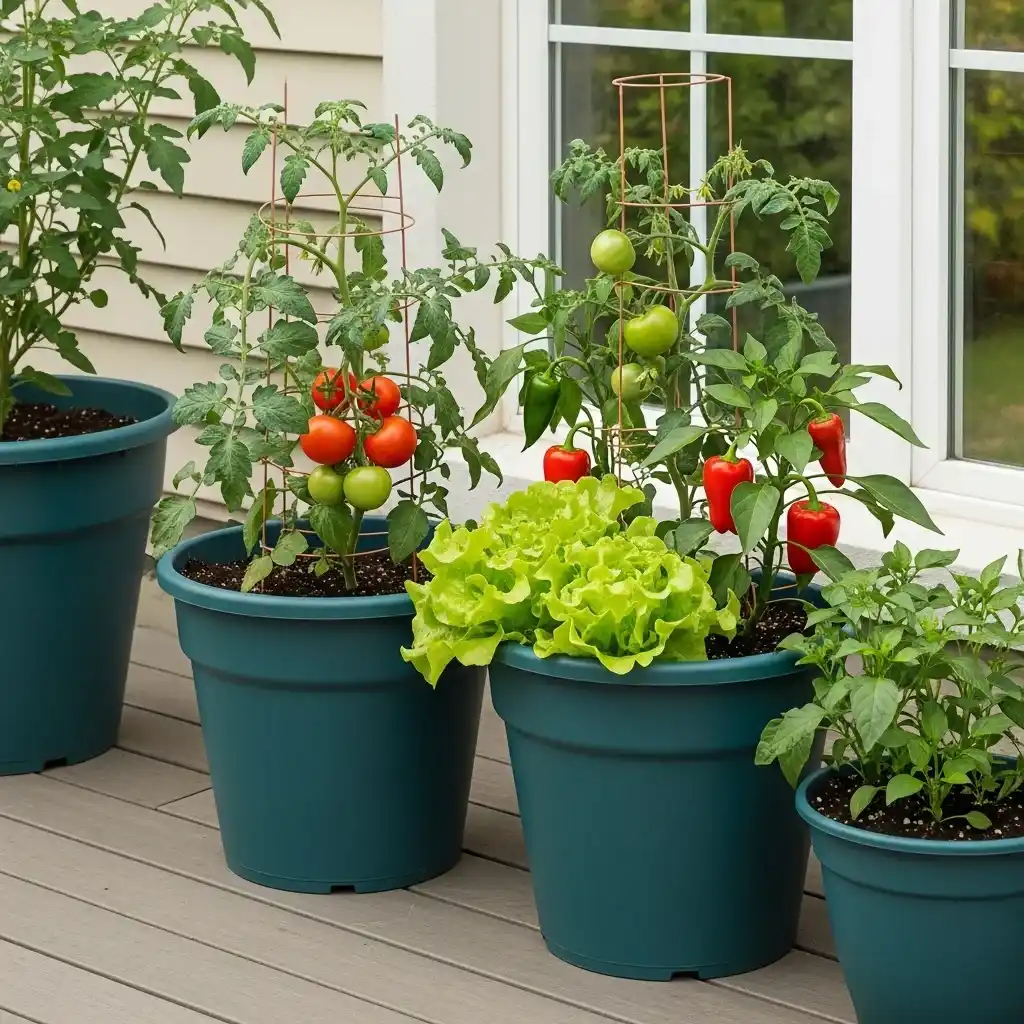
Provide large containers—minimum 5 gallons for tomatoes and 3 gallons for peppers. Consistent moisture proves critical for vegetables preventing blossom end rot in tomatoes and bitter lettuce.
Vegetable containers work beautifully integrating with garden herb pairing guide principles combining complementary plants creating productive beautiful displays. Fertilize regularly supporting heavy feeding requirements of fruiting crops throughout seasons.
7. Herb Container Gardens
Herbs thrive in containers providing fresh culinary ingredients just steps from kitchens. Basil, parsley, cilantro, thyme, and rosemary adapt beautifully to pot culture requiring minimal space while delivering maximum flavor and utility.
Plant herbs in containers 8-12 inches wide with excellent drainage. Most herbs prefer full sun though parsley and cilantro tolerate partial shade preventing bolting in hot weather.
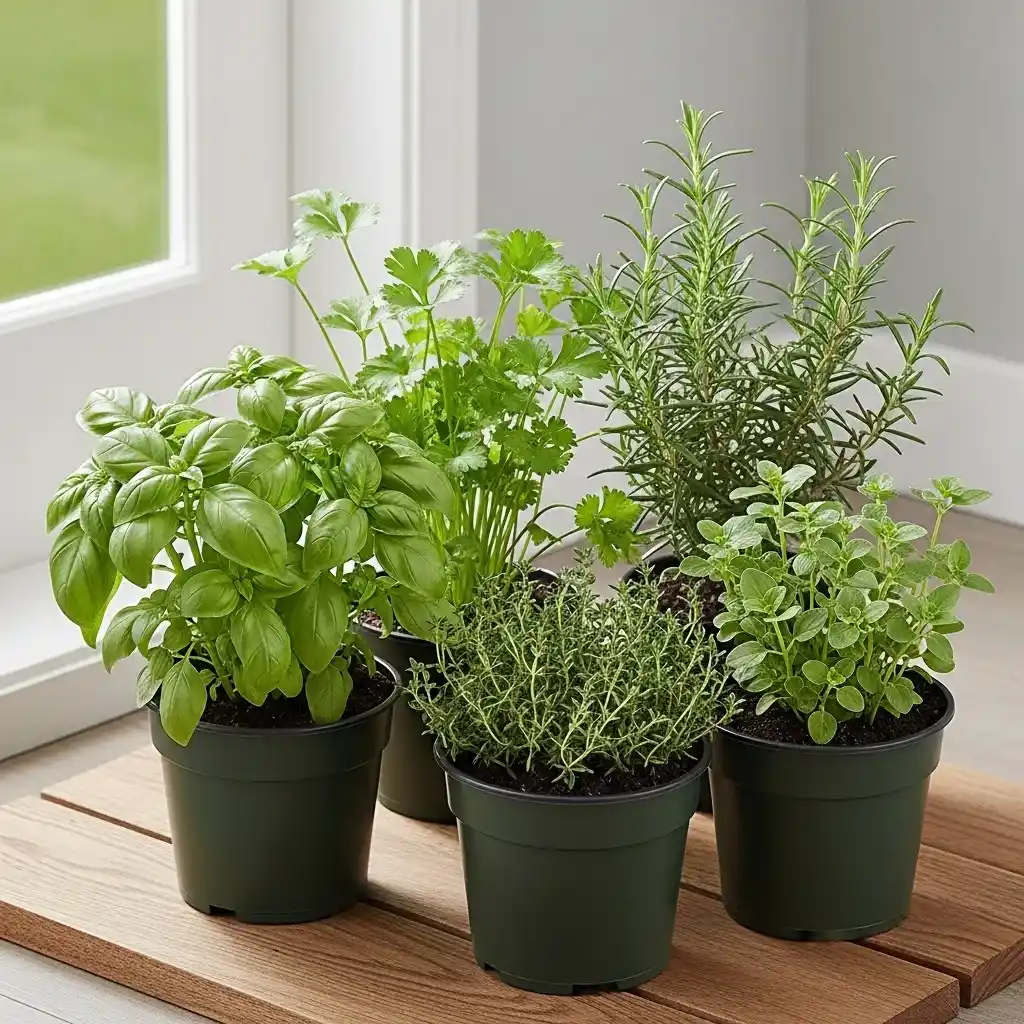
Mediterranean herbs including rosemary, thyme, and oregano prefer drier conditions between waterings. Basil and cilantro require consistent moisture avoiding stress that triggers premature flowering and flavor decline.
Position herb containers near kitchen doors or windows for convenient harvesting during meal preparation. Harvest regularly encouraging bushier growth and preventing flowering that reduces foliage production significantly throughout growing seasons.
8. Perennial Container Selections
Growing perennials in containers provides multi-season displays returning year after year with proper care. Hostas, daylilies, ornamental grasses, and coral bells adapt well to container culture offering reliable beauty throughout growing seasons.
Choose cold-hardy containers withstanding freeze-thaw cycles without cracking. Fiber composite, resin, or thick-walled plastic work better than terracotta or thin ceramic which crack during freezing temperatures.
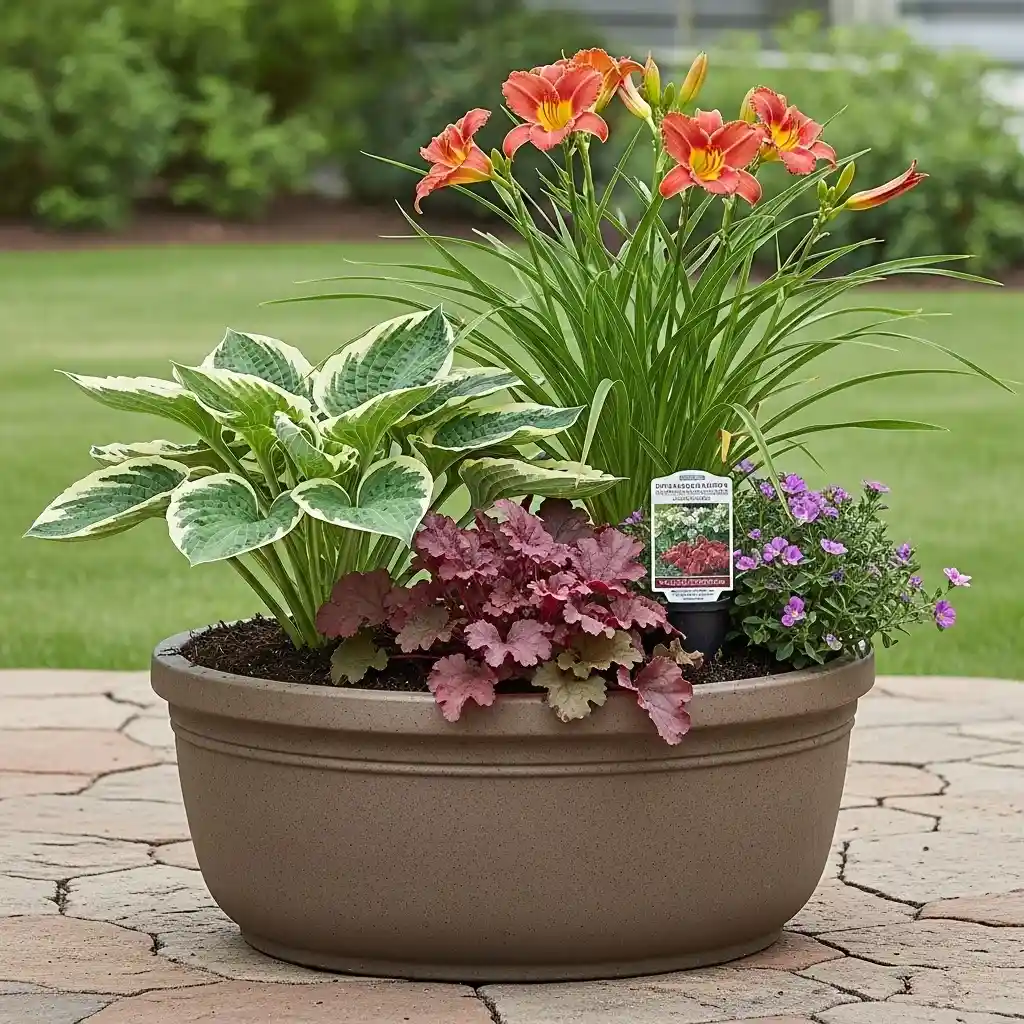
Use quality potting mix with excellent drainage preventing root rot. Fertilize in spring as growth begins using slow-release granular products providing sustained nutrition throughout growing seasons.
Mulch containers heavily in fall protecting roots through winter. Perennial containers work beautifully alongside flowering shrubs creating permanent landscape features combining potted and in-ground plantings throughout properties successfully.
9. Creating Mixed Container Plantings
Designing mixed containers combines multiple plants creating stunning displays with varied heights, textures, and colors. Follow the thriller-filler-spiller formula using upright plants providing height, mounding plants filling middles, and trailing plants softening edges.
Choose plants with similar light and water requirements ensuring all thrive together. Combining sun-lovers with shade plants creates stressed specimens performing poorly despite best care efforts throughout seasons.
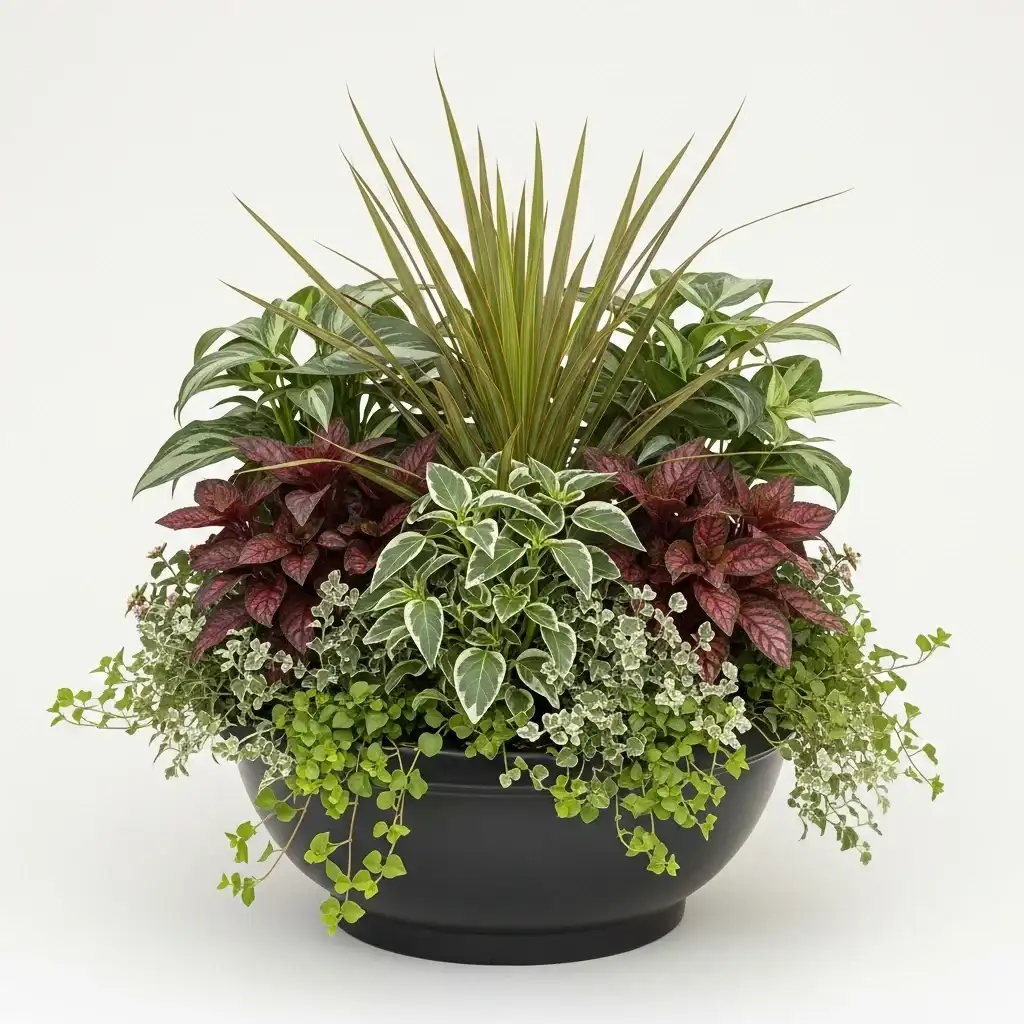
Use odd numbers of plants creating natural arrangements—five plants work well in 14-16 inch containers. Consider color schemes including monochromatic, analogous, or complementary combinations creating intentional cohesive compositions.
Space plants closer than in-ground recommendations creating immediate fullness. Container plantings emphasize visual impact over individual plant development priorities differing significantly from traditional landscape spacing guidelines for permanent installations.
10. Container Drainage Solutions
Proper drainage prevents root rot—the leading cause of container plant death. All containers require drainage holes allowing excess water escaping freely preventing waterlogged soil suffocating roots and encouraging disease development.
Drill holes in containers lacking drainage using appropriate bits for materials. Minimum three 1/2-inch holes work for most containers though larger pots benefit from additional drainage openings spaced evenly across bottoms.
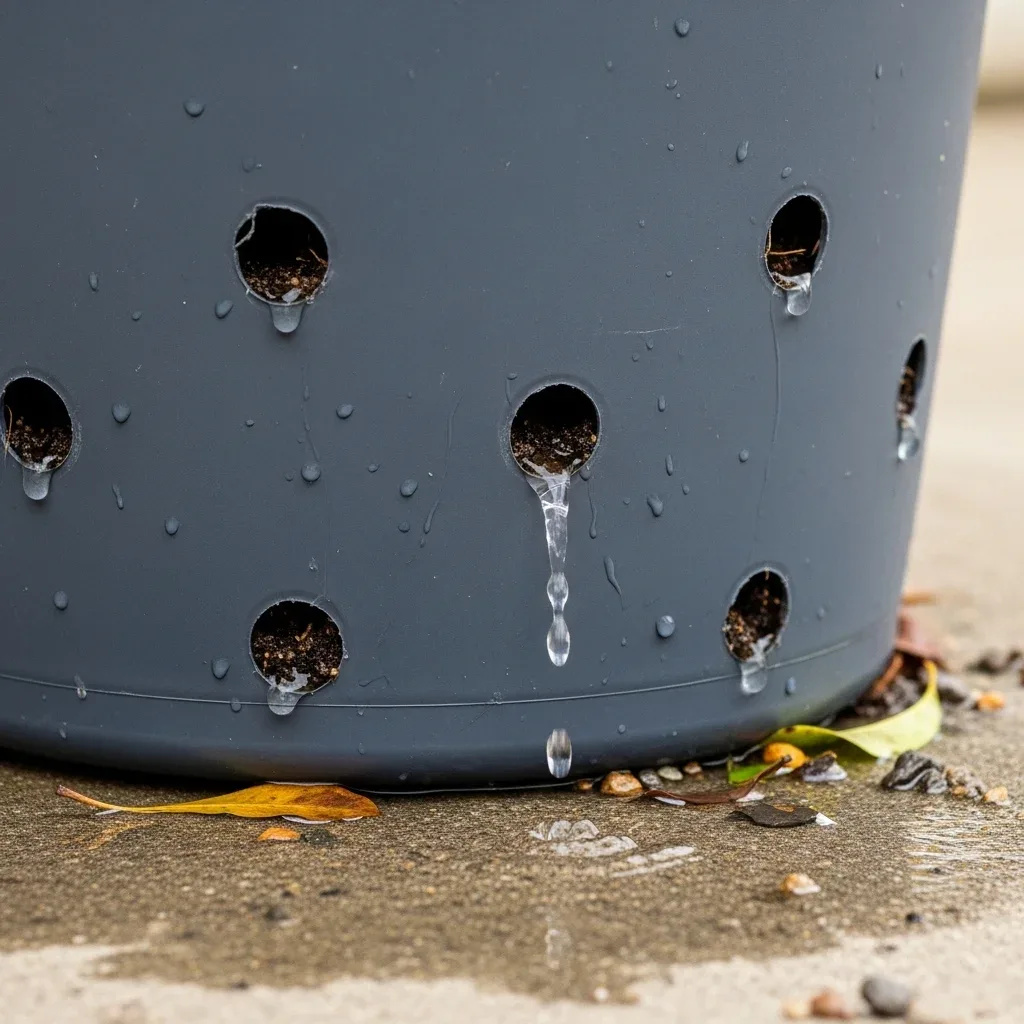
Avoid placing gravel or pot shards in container bottoms—this outdated practice creates perched water tables actually worsening drainage. Fill containers completely with quality potting mix providing uniform moisture distribution throughout root zones.
Elevate containers on pot feet or bricks allowing air circulation beneath preventing water pooling and encouraging faster drainage. This practice works beautifully with horizontal wood fence plantings preventing moisture damage to wooden fence bases from container drainage.
11. Seasonal Container Rotations
Rotating container plantings seasonally provides year-round interest using different plants suited to changing temperatures. Cool-season pansies, violas, and ornamental kale bloom during fall, winter, and spring in mild climates.
Replace cool-season plants with heat-loving annuals as temperatures rise in late spring. Petunias, geraniums, and zinnias thrive during hot summer months providing continuous color until frost arrives.
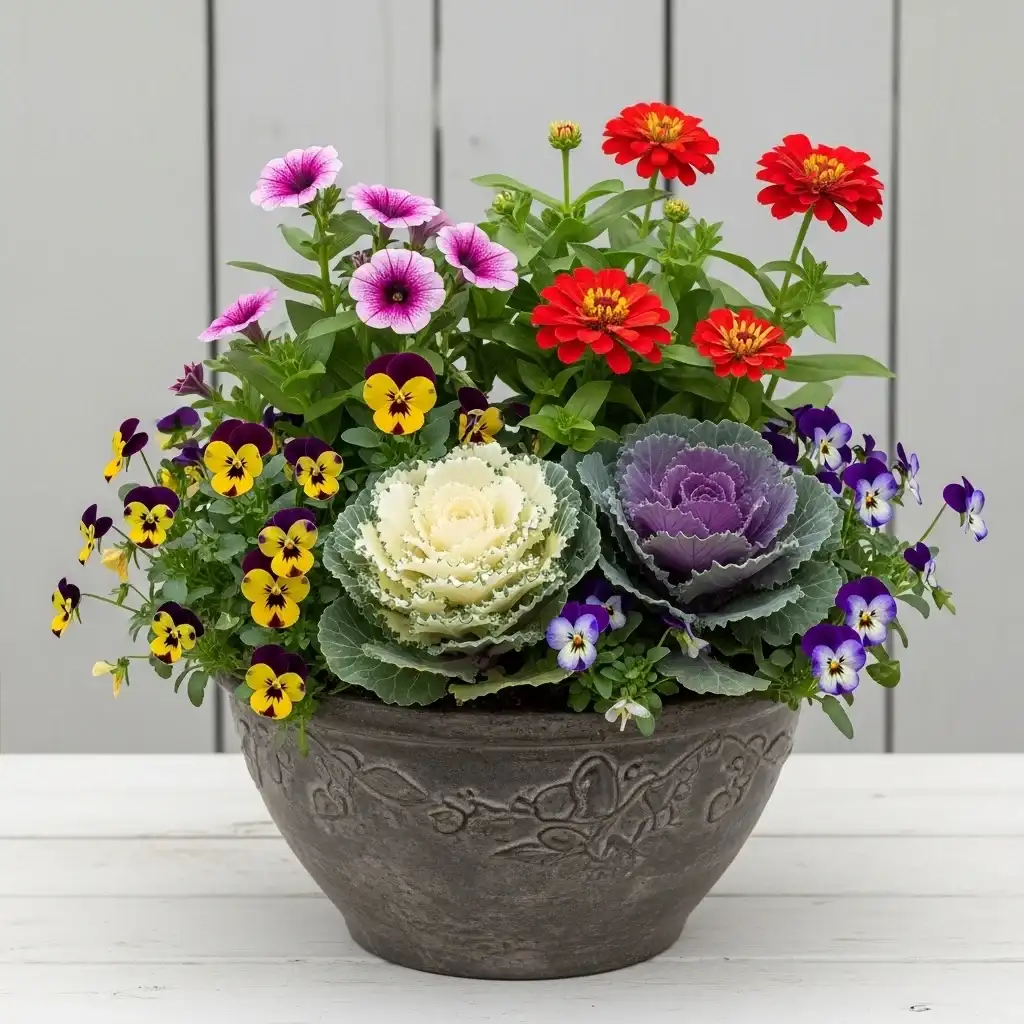
Store empty containers cleaned and dried preventing disease carryover between plantings. Refresh potting mix annually or minimally remove top several inches replacing with fresh mix replenishing depleted nutrients.
Seasonal rotations keep container gardens looking fresh and relevant throughout entire years. This approach suits front yard landscaping where curb appeal matters year-round requiring seasonal interest maintaining attractive presentations continuously.
12. Dealing with Container Pests
Container plants face fewer pest problems than in-ground gardens though aphids, spider mites, and whiteflies still attack. Inspect plants regularly catching infestations early when control proves easier and more effective.
Spray strong water jets dislodging pests from foliage. Insecticidal soaps control soft-bodied insects safely without harming beneficial insects when applied correctly following product directions precisely.
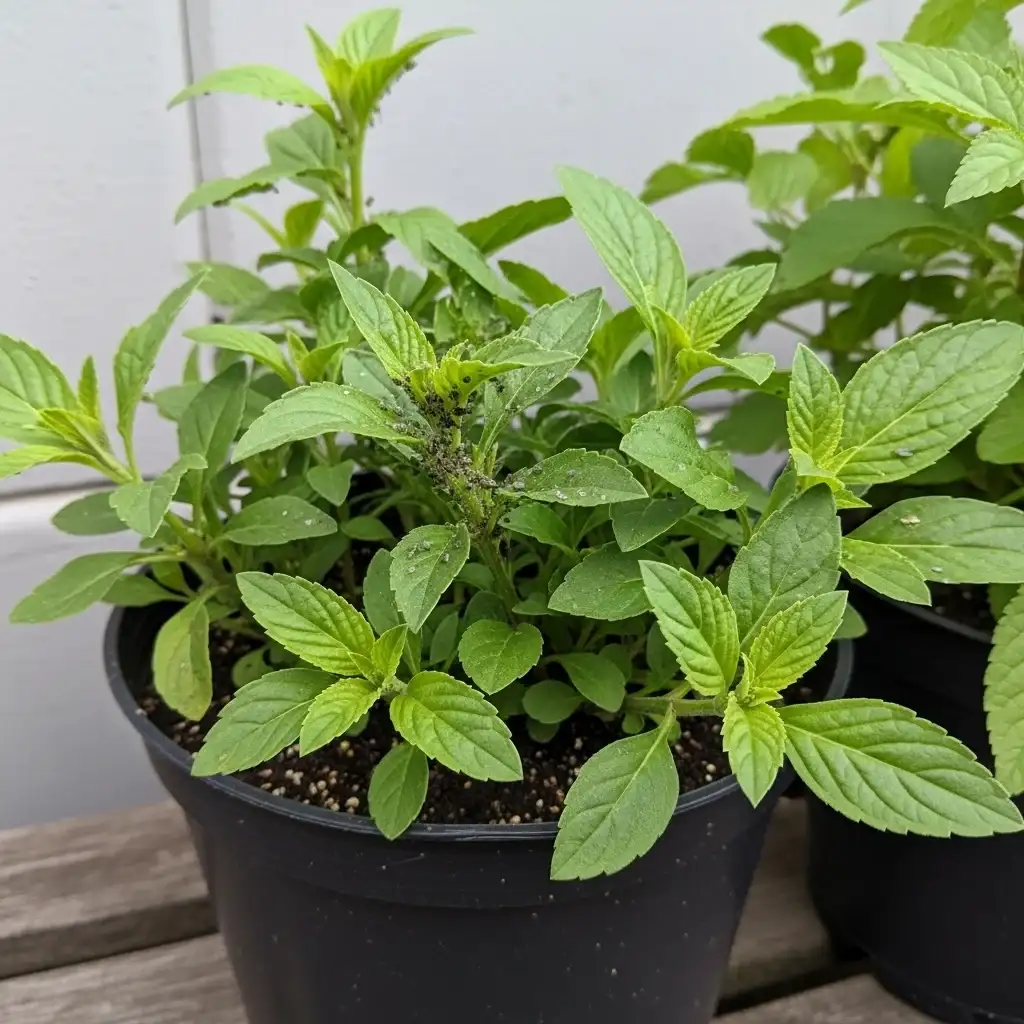
Encourage beneficial insects by planting flowers attracting ladybugs and lacewings providing natural pest control. Avoid broad-spectrum pesticides killing both pests and beneficial insects disrupting natural balance.
Isolate new plants for two weeks before adding to existing container groupings preventing pest introduction. This quarantine practice protects established plants from imported problems requiring treatments afterward. Consider get rid of ants in your yard solutions if ant problems develop.
13. Winter Container Care
Protecting containers through winter prevents damage and extends pot lifespans significantly. Empty terracotta and ceramic containers storing upside down preventing water accumulation causing freeze-thaw cracking during cold weather.
Cold-hardy plants in frost-proof containers can remain outdoors with proper protection. Mulch heavily over soil surfaces insulating roots from temperature extremes. Group containers together creating microclimates providing mutual protection.
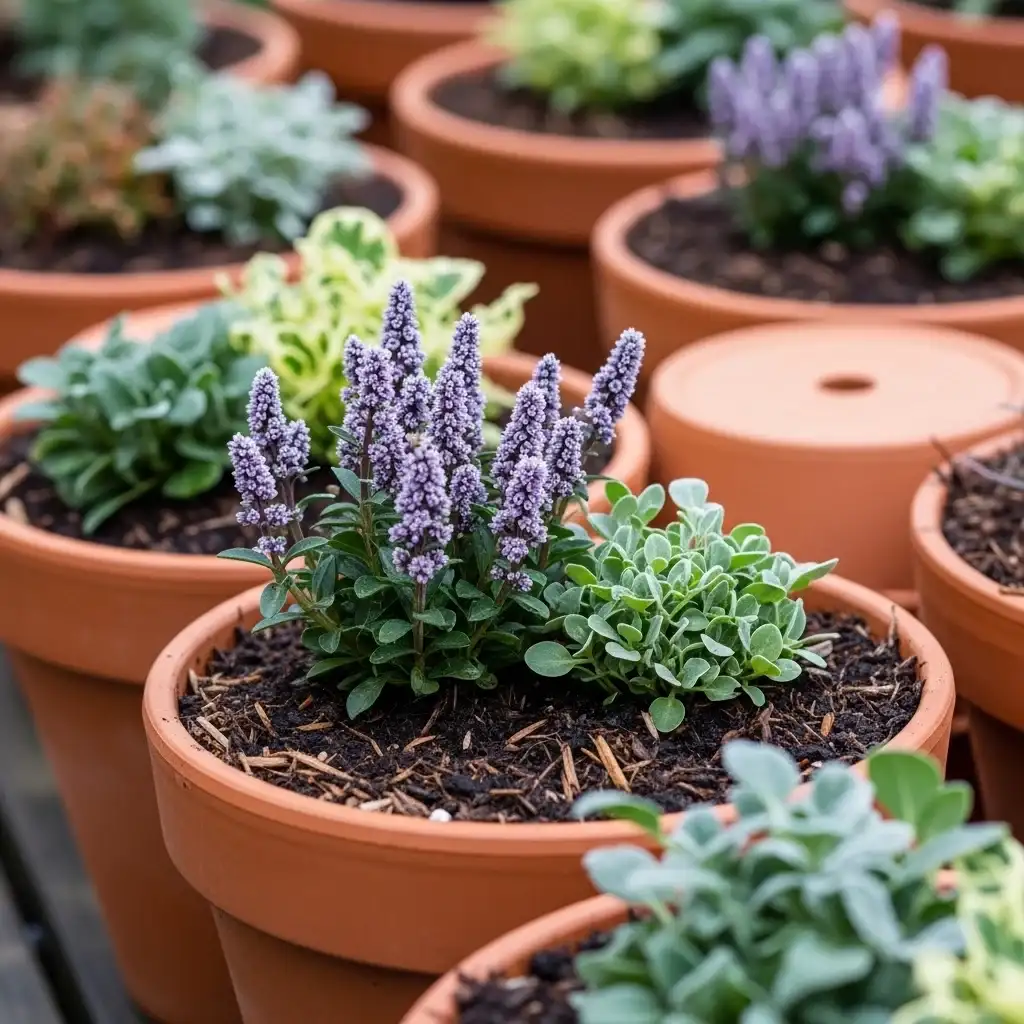
Move tender perennials indoors before frost placing in bright cool locations. Reduce watering and stop fertilizing allowing plants entering dormancy naturally until spring growth resumes with warming temperatures.
Protect outdoor containers wrapping with bubble wrap or burlap insulating against temperature fluctuations. Elevate on pot feet preventing ground contact where coldest temperatures concentrate during winter months.
14. Lightweight Potting Mix Alternatives
Creating lightweight potting mixes reduces container weight making them easier to move while maintaining excellent growing conditions. Substitute perlite, vermiculite, or pine bark for heavier components creating mixes weighing significantly less.
Coir (coconut fiber) weighs less than peat moss while providing similar moisture retention. Rice hulls and perlite add volume without weight creating airy mixes draining well preventing compaction over time.
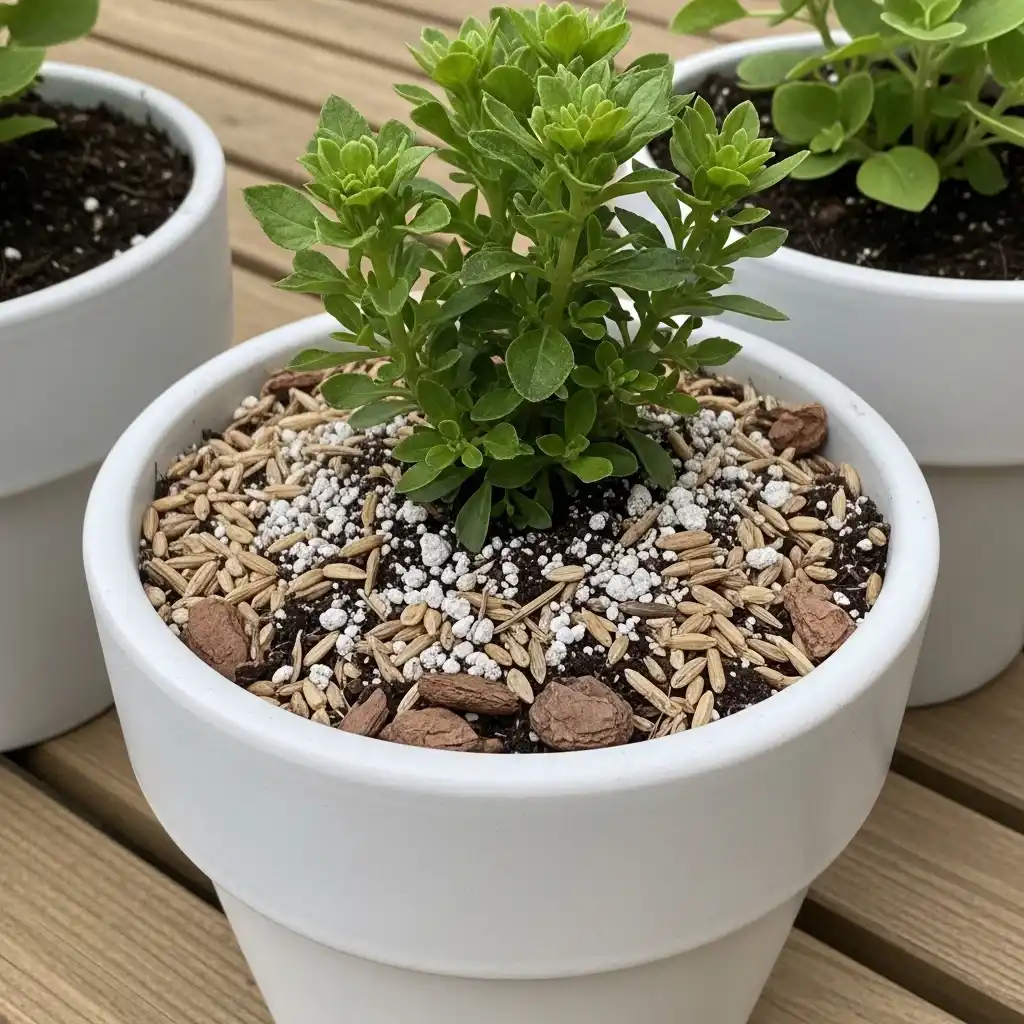
Avoid sand or heavy soil amendments increasing weight substantially. These lightweight alternatives work beautifully for rooftop gardens and balcony plantings where weight restrictions limit traditional container options.
Lightweight mixes dry faster requiring more frequent watering though the mobility trade-off often justifies slightly increased maintenance. This approach suits sloped backyard ideas on a budget where moving containers proves necessary periodically.
15. Self-Watering Container Systems
Self-watering containers feature built-in water reservoirs reducing watering frequency dramatically. These systems store water in bottom chambers slowly releasing moisture upward through wicking maintaining consistent soil moisture without daily attention.
Fill reservoirs through tubes extending above soil surfaces. Water level indicators show when refilling becomes necessary—typically weekly rather than daily even during hot weather depending on plant size and weather conditions.
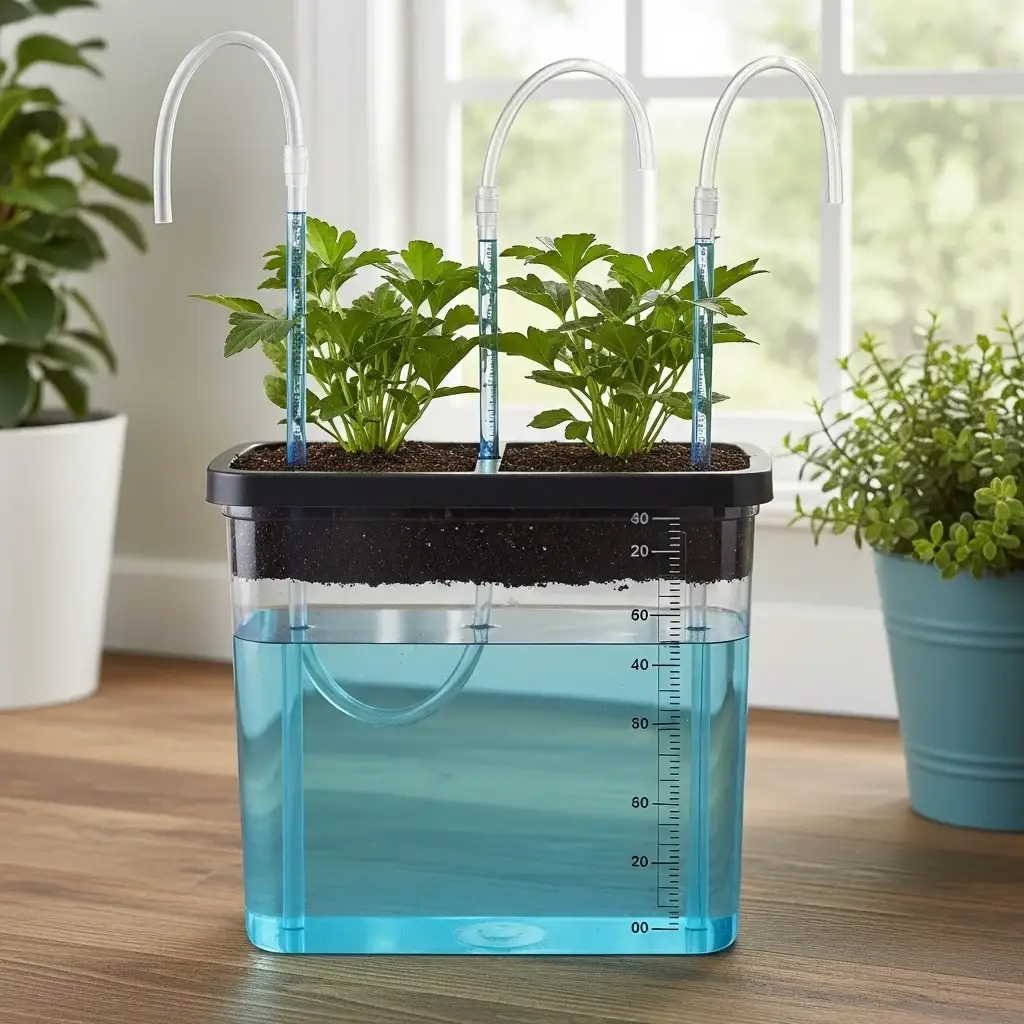
Self-watering systems work excellently for vegetables and flowering plants requiring consistent moisture. They prevent both overwatering and underwatering common problems in traditional container gardening throughout variable weather conditions.
These innovative containers suit busy gardeners and those traveling frequently. Initial costs exceed traditional pots though reduced maintenance and improved plant performance justify investments over time saving water and effort significantly.
16. Vertical Container Gardening
Vertical gardening maximizes limited space growing plants upward rather than outward. Wall-mounted containers, stacked pots, and tiered planters create multi-level displays providing substantial growing space within small footprints perfectly.
Secure wall-mounted containers properly supporting filled weights. Use appropriate hardware rated for outdoor use preventing accidents from inadequately supported planters falling causing damage and potential injuries.
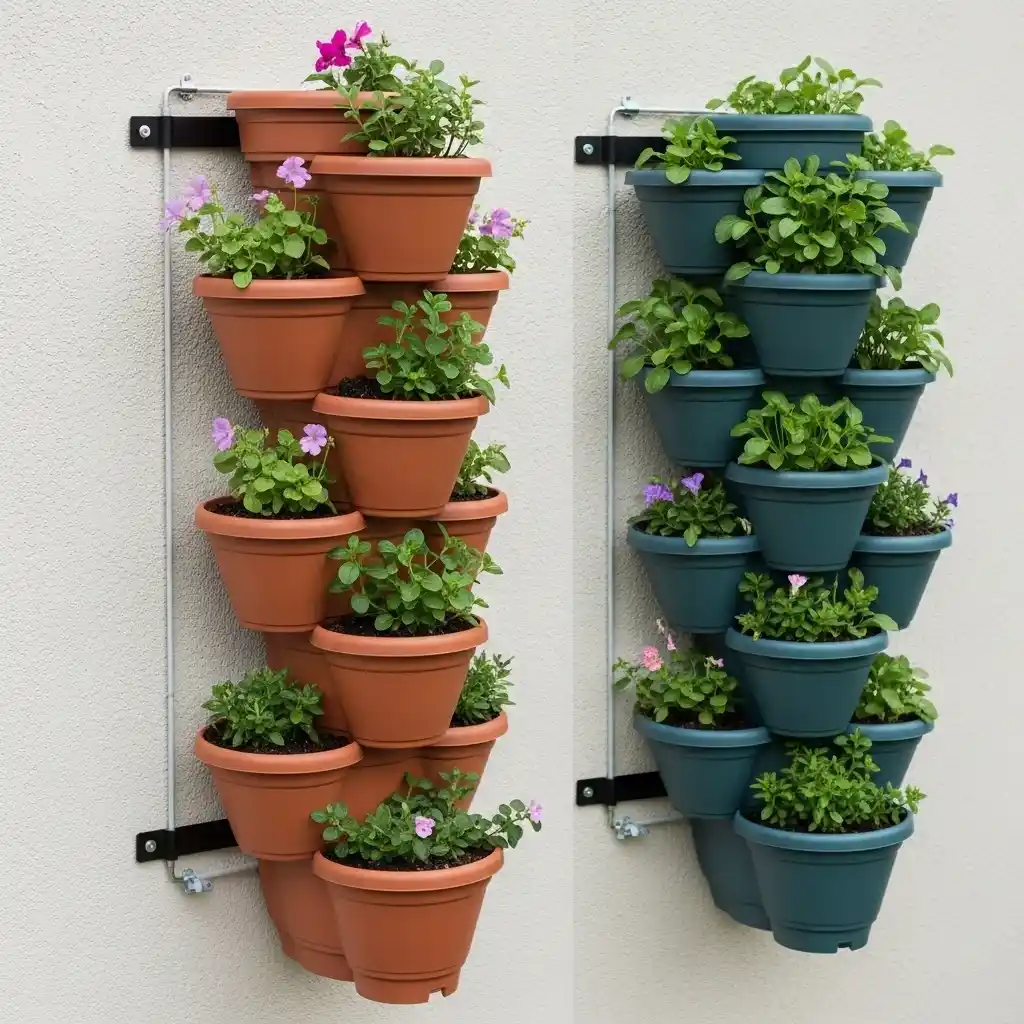
Ensure adequate drainage preventing water damage to walls and structures below. Angle planters slightly allowing drainage flowing away from buildings protecting surfaces from constant moisture exposure causing deterioration over time.
Vertical systems work beautifully for herbs, strawberries, and trailing flowers creating living walls with edible and ornamental benefits. This approach connects to vertical gardening guide principles maximizing production within minimal horizontal spaces.
17. Container Garden Placement Strategies
Strategic container placement maximizes visual impact while meeting plant cultural requirements. Group containers in odd numbers creating pleasing compositions with varied heights providing dimensional interest throughout displays.
Position sun-loving plants in south and west exposures receiving maximum sunlight. Place shade-tolerant specimens on north sides or beneath overhangs receiving limited direct sun throughout days.
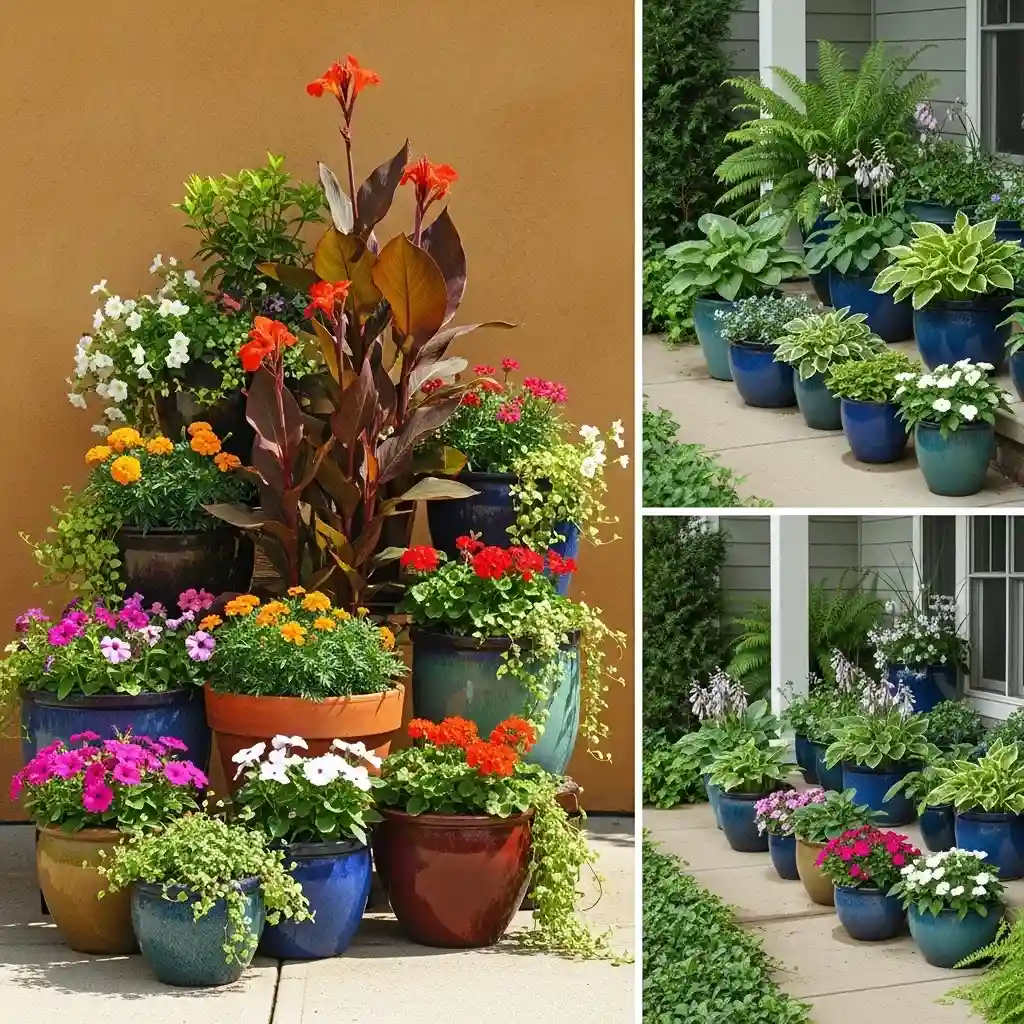
Create focal points using large statement containers anchoring smaller pots around them. Vary container sizes, heights, and colors creating dynamic arrangements rather than uniform rows appearing static and uninteresting.
Consider viewing angles placing containers where they’re seen most frequently. Entries benefit from symmetrical plantings while informal groupings suit cottage garden ideas celebrating relaxed abundant displays throughout properties.
18. Succession Planting Containers
Succession planting extends harvest periods planting new crops as previous ones finish. Sow lettuce, radishes, and herbs every two weeks ensuring continuous fresh harvests rather than single large harvests all maturing simultaneously.
Remove spent plants immediately replacing with new seedlings keeping containers productive throughout entire seasons. This intensive approach maximizes limited container space producing surprising yields from small areas.
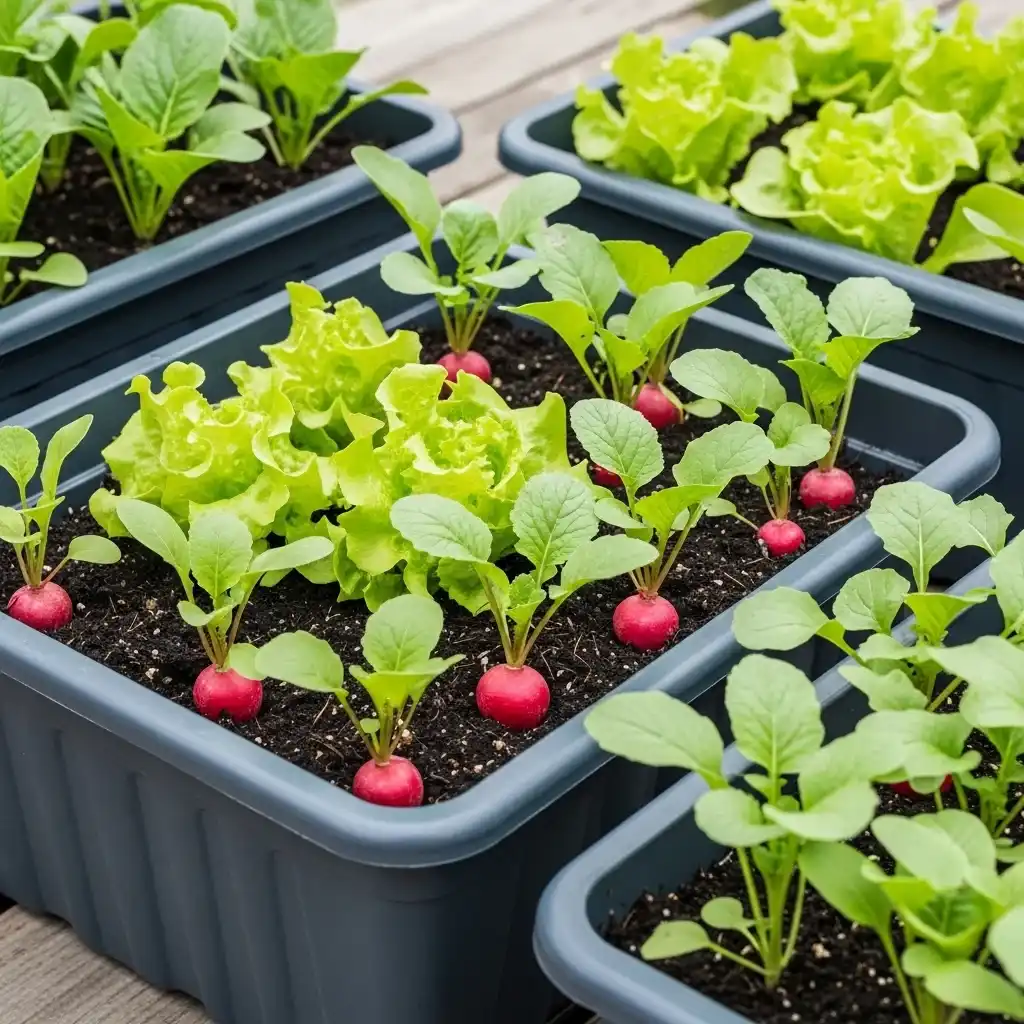
Cool-season crops like lettuce and spinach grow during spring and fall. Plant heat-loving tomatoes, peppers, and basil during summer months matching crops to seasonal temperature patterns for best results.
Keep succession planting supplies ready including seedlings, fresh potting mix, and fertilizer. This organized approach ensures smooth transitions between plantings maintaining continuous productivity and visual interest throughout growing seasons.
19. Troubleshooting Common Container Problems
Yellowing leaves indicate nutrient deficiency or overwatering. Check soil moisture and adjust watering frequency. Apply balanced fertilizer if soil drains well but leaves continue yellowing indicating nutrient depletion.
Wilting despite moist soil suggests root rot from poor drainage or overwatering. Allow soil drying somewhat between waterings and ensure adequate drainage holes exist. Consider repotting into fresh mix if rot developed extensively.
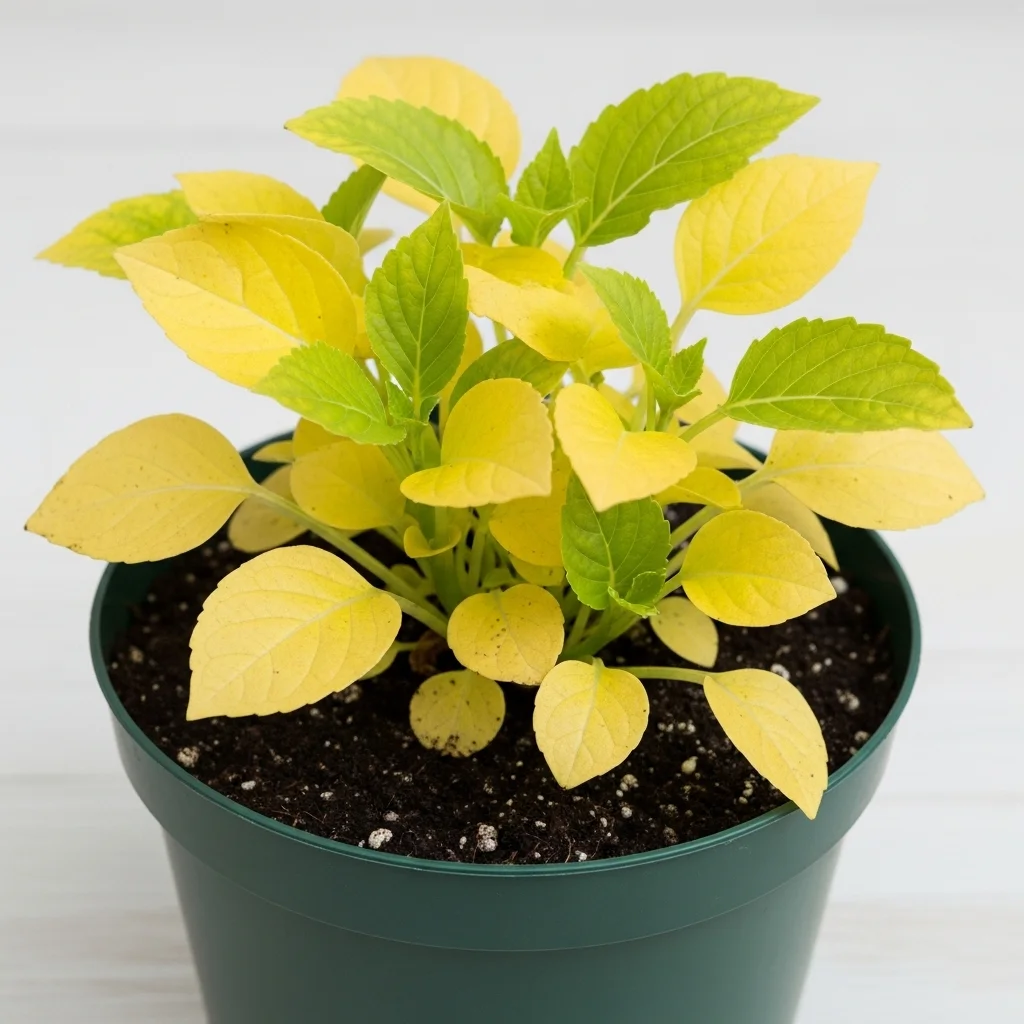
Leggy stretched growth indicates insufficient light. Move containers to brighter locations or accept that some plants won’t perform optimally in available light conditions requiring shade-tolerant species instead.
Salt buildup appears as white crusty deposits on soil surfaces or container rims. Flush containers periodically with plain water leaching accumulated salts. Use rainwater or distilled water if tap water contains high mineral content.
20. Propagating Plants from Containers
Propagating new plants from existing containers provides free plants while maintaining favorite varieties. Take cuttings from geraniums, coleus, and herbs rooting easily in water or moist potting mix creating new specimens.
Divide perennials every few years creating multiple plants from single specimens. Remove plants from containers, separate into sections with roots attached, and repot into fresh mix providing renewed vigor.
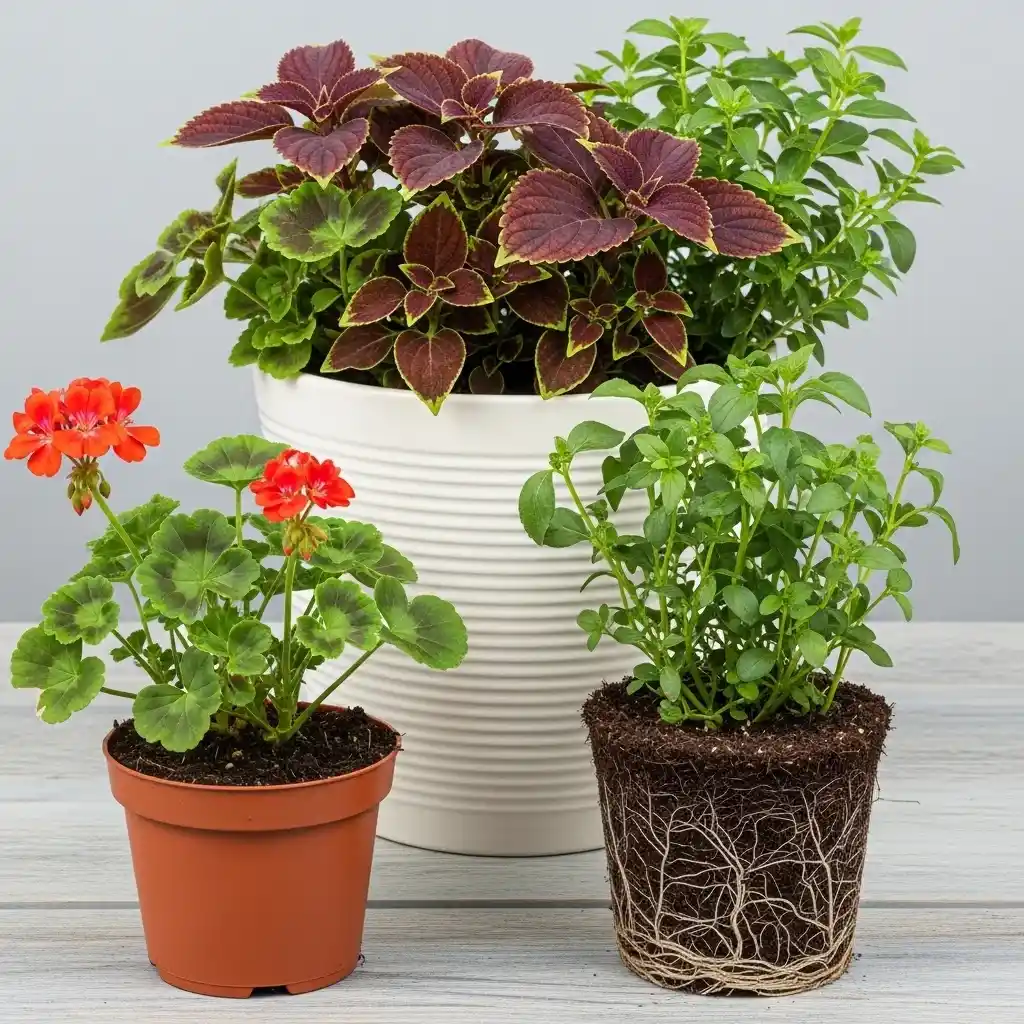
Save seeds from open-pollinated vegetables and flowers growing your own plants next season. Allow flowers maturing fully before collecting seeds drying thoroughly before storage in cool dark locations.
This economical approach reduces plant expenses while maintaining varietal consistency. Share divisions and cuttings with fellow gardeners building community connections through plant exchanges. Consider pallet garden ideas using propagated plants.
21. Container Gardening for Small Spaces
Small spaces including balconies, patios, and windowsills accommodate surprising plant varieties through creative container arrangements. Hanging baskets, rail planters, and tiered stands maximize vertical space where horizontal area remains limited.
Window boxes attach to railings or mount below windows creating gardens without consuming floor space. Choose compact plant varieties bred specifically for small containers performing well in restricted root zones.
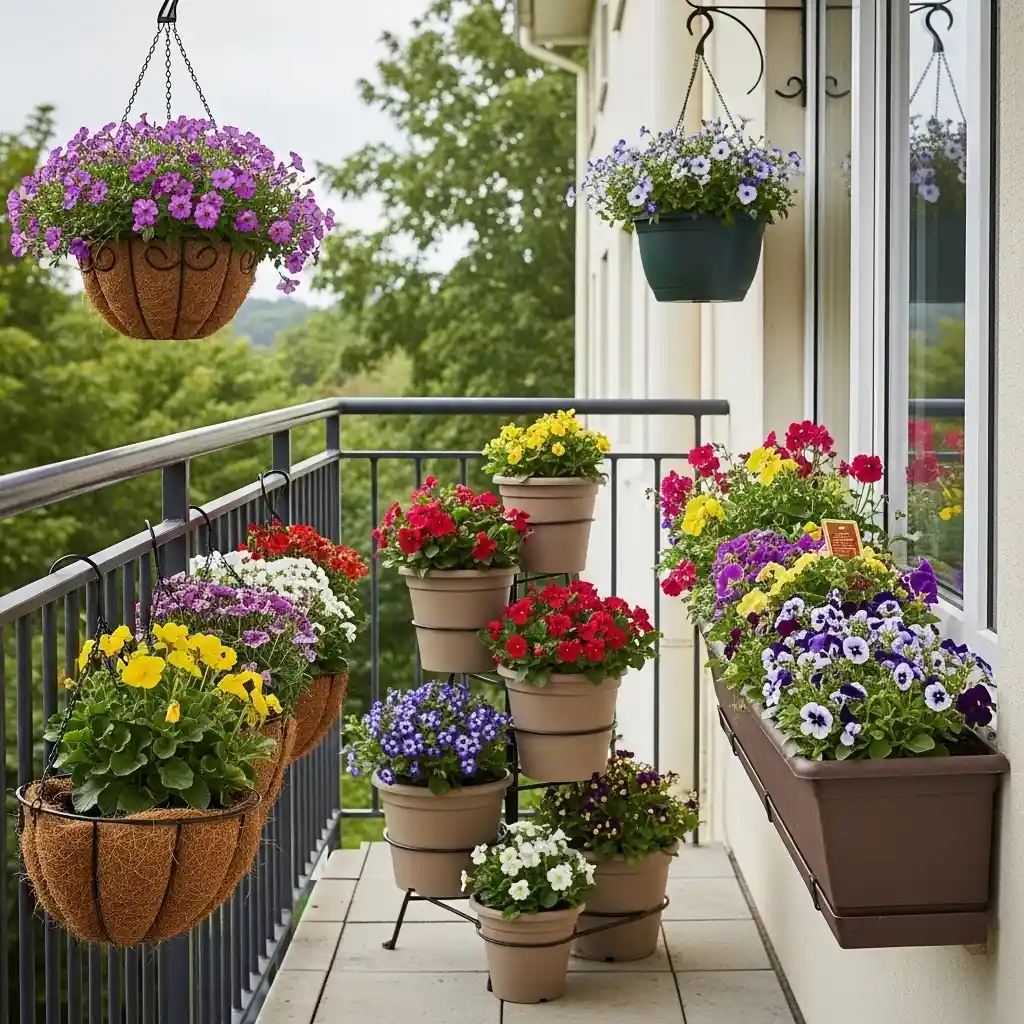
Utilize corners and edges where containers won’t obstruct traffic flow or interfere with furniture placement. Every square foot matters in small spaces requiring strategic planning maximizing productivity and beauty simultaneously.
This approach connects perfectly with small garden ideas demonstrating how limited space doesn’t limit gardening possibilities. Compact varieties and creative placement overcome spatial constraints successfully creating impressive displays.
22. Sustainable Container Gardening Practices
Sustainable container gardening reduces environmental impact through conscious choices. Use recycled containers including repurposed buckets, crates, and barrels rather than purchasing new plastic pots contributing to waste.
Choose peat-free potting mixes using coir or composted materials. Peat harvesting damages sensitive bog ecosystems while renewable alternatives provide similar benefits without environmental costs.
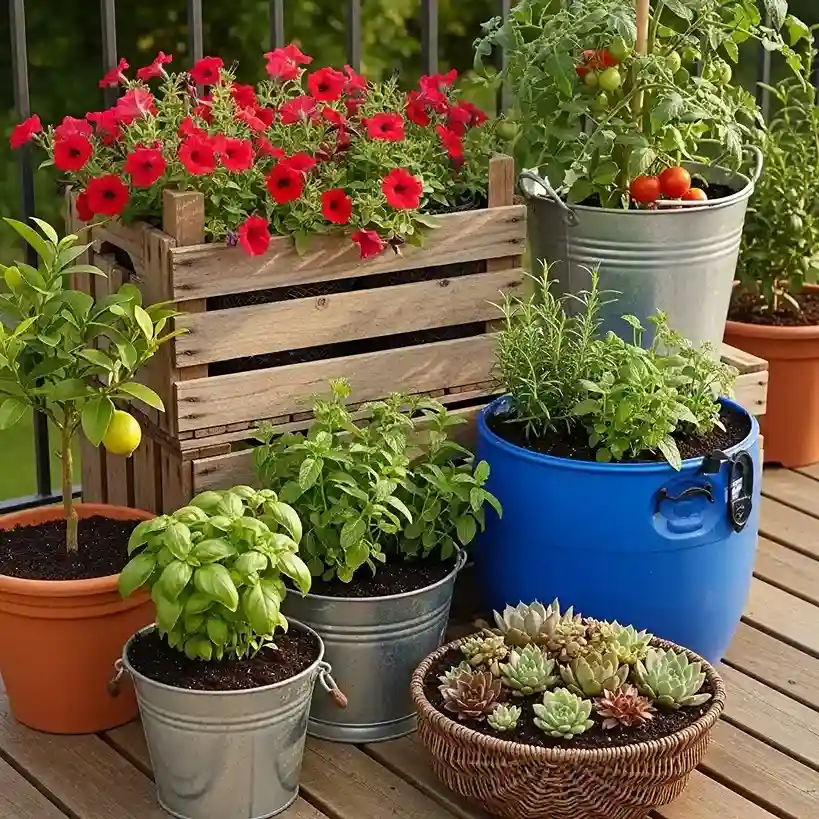
Collect rainwater in barrels irrigating containers with harvested water rather than treated municipal supplies. This conserves water while avoiding chlorine and fluoride potentially affecting sensitive plants.
Compost spent potting mix and plant debris rather than discarding as waste. These practices align with best outdoor plants selections emphasizing native and adapted species requiring minimal inputs while supporting local ecosystems through thoughtful gardening.
Frequently Asked Questions
What vegetables grow best in containers?
Tomatoes, peppers, lettuce, radishes, herbs, and bush beans thrive in containers with proper care. Choose compact or dwarf varieties bred for container culture providing better performance in restricted spaces than standard cultivars requiring extensive root systems and vertical supports.
How often should I water container plants?
Water when the top inch of soil feels dry—typically daily during hot weather for most containers. Hanging baskets dry fastest requiring twice-daily watering in extreme heat. Larger containers retain moisture longer needing less frequent watering than small pots exposed significantly.
Can I reuse potting mix next season?
Refresh potting mix removing top several inches replacing with fresh mix or completely replace annually. Old mix loses structure and nutrients over time. Sterilize reused mix if disease occurred preventing pathogen carryover to new plantings the following growing season.
What’s the best fertilizer for containers?
Use balanced liquid fertilizer (10-10-10 or 20-20-10) diluted to half-strength weekly, or slow-release granules lasting 3-4 months. Water-soluble products provide immediate nutrition while controlled-release formulas offer convenience though cost more initially for sustained feeding benefits.
Conclusion
Container gardening democratizes plant cultivation making it accessible regardless of space, soil, or physical limitations anyone might face. This versatile approach delivers impressive results through proper techniques understanding container selection, soil requirements, watering practices, and plant care essentials.
Success comes from matching plants to container conditions, providing adequate nutrition and water, and maintaining plants throughout growing seasons. Whether growing fresh vegetables, colorful flowers, or productive herbs, containers transform any space into thriving gardens bringing nature’s beauty wherever people live and work.