
Your yard represents untapped potential waiting to become an extension of your living space, a sanctuary for relaxation, or a vibrant garden showcase. Whether you’re working with a sprawling suburban lawn or a modest urban plot, thoughtful yard design creates outdoor environments that enhance property value .
The right combination of plants, features, and functional areas transforms ordinary yards into extraordinary landscapes.
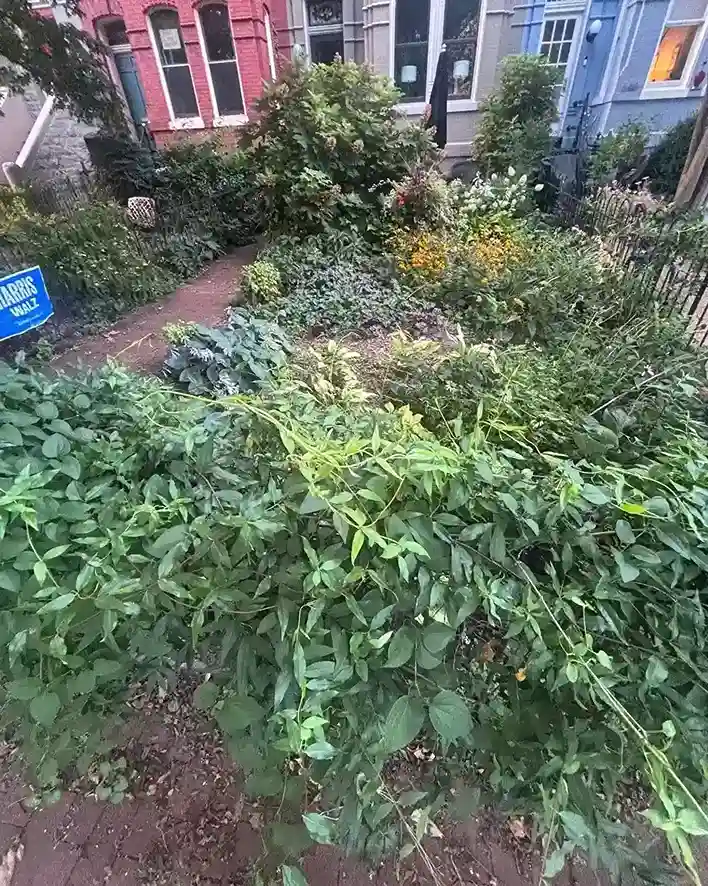
Spurce: @bridgetdittrich
Creating an impressive yard doesn’t require landscape architecture degrees or unlimited budgets—it simply needs vision, planning, and smart plant selections that thrive in your specific conditions. From shade gardens under mature trees to sunny pollinator meadows, yard ideas offers unique opportunities for creative expression through plants and design.
Just as trending landscaping ideas showcase current outdoor design concepts, these twenty-five yard ideas provide actionable inspiration for transforming your space into a beautiful, functional landscape you’ll enjoy year-round.
1. Native Wildflower Meadow for Easy Care
Native wildflower meadows replace high-maintenance lawns with self-sustaining ecosystems featuring regional wildflowers and grasses. Species like purple coneflower, black-eyed Susan, and native grasses create colorful displays from spring through fall while supporting pollinators. These meadows require minimal mowing, no fertilizing, and little watering once established.

Prepare areas by removing existing turf and weeds before broadcasting native seed mixes suited to your region. Meadows need initial weed control during establishment but become virtually maintenance-free afterward. They provide four-season interest with blooming flowers, swaying grasses, seed heads attracting birds, and attractive winter structure requiring just annual spring mowing.
2. Shade Garden Under Mature Trees
Transform challenging areas under mature trees into lush shade gardens featuring hostas, ferns, astilbes, and native woodland plants. These shade-loving perennials thrive where grass struggles, creating verdant carpets beneath tree canopies. Shade gardens solve common lawn problems while adding texture, color, and seasonal interest to otherwise bare ground.

Choose plants naturally adapted to forest floor conditions in your region, avoiding excessive root disturbance during planting. Native shade plants like wild ginger, Solomon’s seal, and bleeding heart require minimal care once established. Mulch with shredded leaves or bark to retain moisture, suppress weeds, and mimic natural woodland conditions that support plant health.
3. Ornamental Grass Border for Movement
Ornamental grasses like maiden grass, fountain grass, and switchgrass create flowing borders that add movement and texture throughout seasons. Their feathery plumes sway gracefully in breezes while providing vertical interest from summer through winter. Grasses offer low-maintenance alternatives to traditional perennial borders, tolerating drought and poor soil.
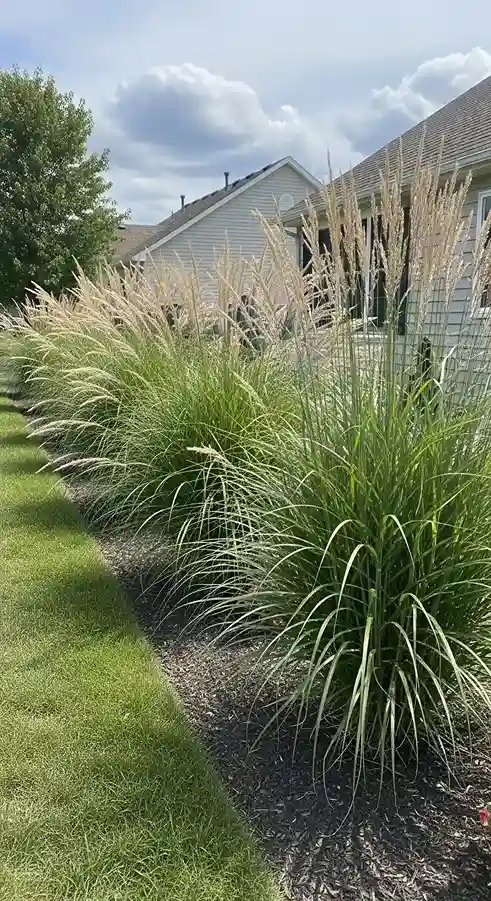
Plant grasses in full sun with well-drained soil, spacing according to mature size for each variety. They require minimal care beyond annual spring cutback to remove previous year’s growth. Ornamental grasses provide winter interest with dried seed heads and golden foliage, leaving them standing until early spring benefits overwintering beneficial insects.
4. Edible Landscape with Fruit Trees
Integrate fruit trees like apple, pear, cherry, or peach as ornamental specimens providing spring blossoms, summer fruit, and fall color. Dwarf varieties suit smaller yards while offering full-sized fruit on compact trees. Edible landscaping combines beauty with productivity, proving food production and aesthetic appeal coexist beautifully.
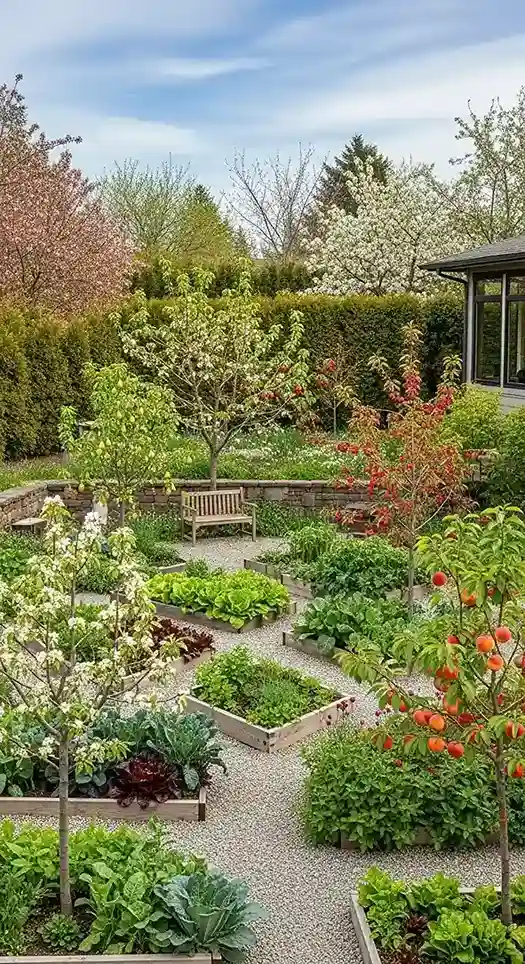
Plant fruit trees in full sun with well-drained soil, spacing according to mature size and rootstock type. Most require cross-pollination from compatible varieties, so plant at least two or choose self-fertile cultivars. Fruit trees need regular pruning, pest management, and adequate watering during fruit development for optimal harvests and tree health.
5. Pollinator Garden with Successive Blooms
Create pollinator havens featuring native nectar plants like bee balm, coneflowers, Joe Pye weed, and goldenrod that bloom successively spring through fall. These gardens support declining bee, butterfly, and hummingbird populations while providing continuous color. Layered plantings ensure food sources throughout growing seasons, attracting beneficial insects that improve garden health.
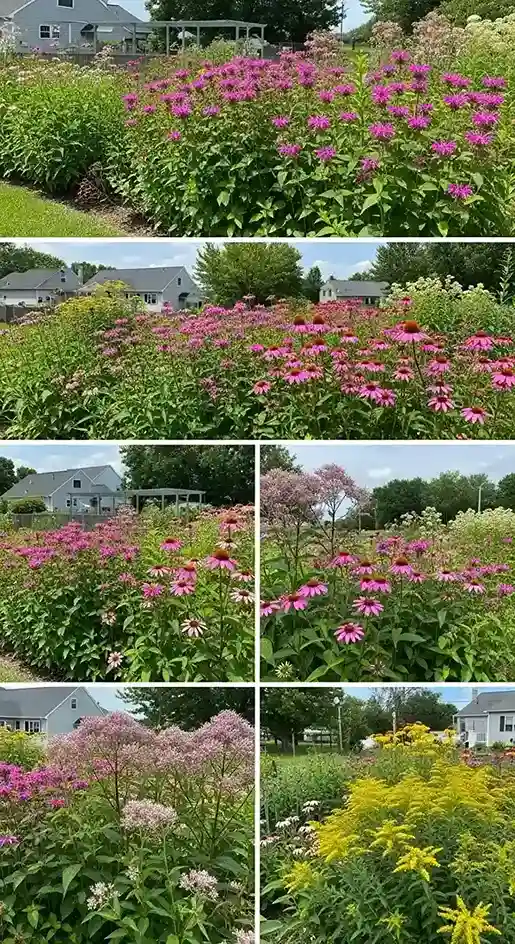
Plant in sunny locations with well-drained soil, grouping same species in masses for easier pollinator navigation. Include host plants for butterfly caterpillars alongside nectar sources for adults. Avoid all pesticides in pollinator gardens and leave seed heads standing through winter for bird food and beneficial insect overwintering habitat.
6. Japanese Maple Focal Point Display
Japanese maples create stunning focal points with delicate foliage in red, purple, or green that transitions through brilliant fall colors. These ornamental trees grow 10-25 feet depending on variety, offering elegant branching structure and year-round visual interest. Their compact size suits small yards while providing maximum ornamental impact per square foot.
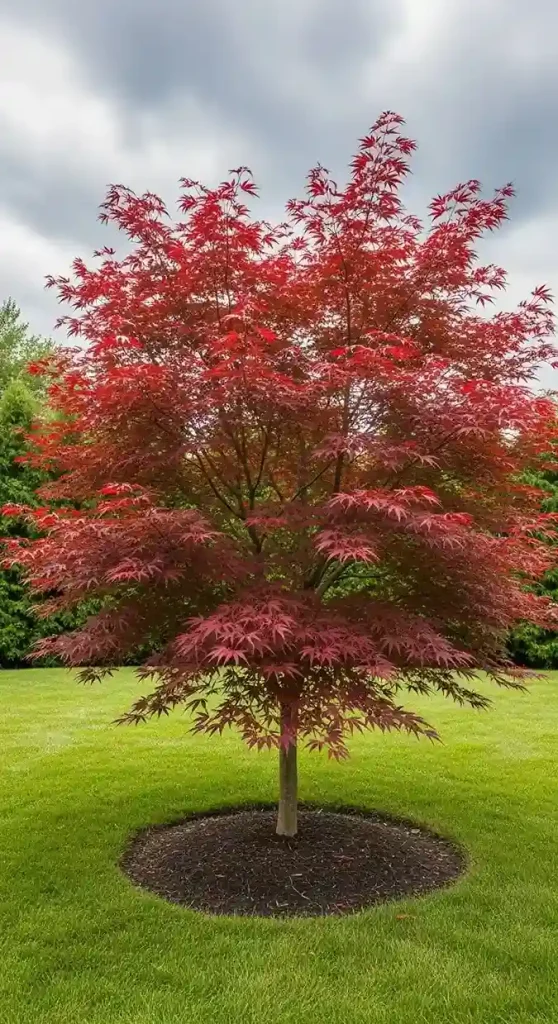
Plant in partial shade with well-drained, slightly acidic soil amended with organic matter for best growth. Japanese maples prefer consistent moisture and protection from harsh afternoon sun and drying winds. They require minimal pruning beyond removing dead or crossing branches, maintaining natural, graceful forms that define sophisticated landscapes.
7. Perennial Cutting Garden for Bouquets
Dedicate yard areas to cutting gardens featuring zinnias, dahlias, sunflowers, cosmos, and other flowers specifically for indoor arrangements. These productive gardens provide continuous blooms for fresh bouquets throughout growing seasons. Organized in rows for easy access, cutting gardens combine beauty with practicality, rewarding regular harvesting with increased production.

Plant cutting gardens in full sun with rich, well-amended soil supporting vigorous flower production. Succession plant annuals every few weeks for continuous blooms extending harvest seasons. Harvest flowers in early morning when stems contain maximum moisture, immediately placing in water. Regular cutting encourages more blooms, creating productive cycles benefiting both gardens and homes.
8. Evergreen Privacy Screen with Arborvitae
Arborvitae provides dense, year-round screening blocking unsightly views and creating secluded outdoor spaces. These narrow, columnar evergreens grow 10-40 feet tall depending on variety, making them ideal for property lines and backyard borders. Planted closely, they form solid green walls requiring minimal maintenance while providing consistent privacy.

Plant arborvitae 3-4 feet apart in full sun to partial shade with well-drained soil. They tolerate various soil conditions and require minimal pruning to maintain natural columnar forms. Water regularly during establishment and apply mulch around root zones to retain moisture. Arborvitae creates effective privacy faster than most alternatives while remaining affordable and reliable. It’s also a good option for privacy fencing.
9. Rain Garden for Drainage Solutions
Rain gardens positioned in low-lying areas capture runoff from roofs, driveways, and lawns while filtering pollutants and reducing erosion. Native moisture-loving plants like cardinal flower, iris, swamp milkweed, and sedges thrive in periodically wet conditions. These functional landscapes solve drainage problems naturally while creating attractive, wildlife-supporting garden features.

Design rain gardens 4-8 inches deep with amended soil improving infiltration and drainage rates. Plant in concentric zones based on moisture tolerance, placing wetland plants in centers and drier-adapted species on edges. Rain gardens recharge groundwater, reduce stormwater system burden, and create valuable habitat in suburban yards while solving common water management problems.
10. Flowering Shrub Border for Seasons
Create borders featuring flowering shrubs like lilac, hydrangea, viburnum, and butterfly bush providing blooms across multiple seasons. These woody perennials offer structure, screening, and seasonal flowers without annual replanting. Mixed shrub borders provide changing displays from spring through fall while requiring less maintenance than herbaceous perennial beds.

Select shrubs with staggered bloom times ensuring continuous color from early spring through late summer. Plant in full sun to partial shade depending on species requirements, spacing according to mature sizes. Shrubs need minimal care beyond occasional pruning, mulching, and watering during establishment, making them excellent low-maintenance yard investments providing years of beauty.
11. Vegetable Garden with Raised Beds
Install raised bed vegetable gardens using cedar or composite materials creating productive growing spaces with improved drainage and soil quality. Raised beds warm earlier in spring, extending growing seasons while reducing bending and making gardening more accessible. They concentrate efforts in manageable spaces, maximizing yields per square foot through intensive planting methods.

Fill beds with quality soil mixes combining compost, peat moss, and topsoil for optimal vegetable growth. Position in full sun receiving 6-8 hours daily for most vegetables. Succession plant quick-maturing crops every few weeks and practice crop rotation annually. Raised beds suit yards of any size, from expansive properties to compact urban lots.
12. Cottage Garden with Mixed Plantings
Cottage gardens feature informal mixtures of perennials, annuals, herbs, and self-seeding flowers creating romantic, abundantly planted spaces. Traditional plants like roses, delphiniums, foxgloves, and hollyhocks blend with modern selections in colorful, layered displays. This relaxed style emphasizes abundance over formality, creating charming, ever-changing garden scenes.

Plant densely in rich, well-amended soil supporting vigorous growth and continuous blooms throughout seasons. Allow self-seeding of favorites like forget-me-nots and larkspur that naturalize over time. Cottage gardens require regular deadheading, occasional dividing, and seasonal cleanups but reward effort with overflowing color and old-fashioned charm that feels timeless and welcoming.
13. Ornamental Grass Lawn Alternative
Replace traditional turf grass with low-growing native grasses like buffalo grass or blue grama creating lawn-like carpets requiring minimal mowing. These native alternatives tolerate drought, need no fertilizing, and support beneficial insects while maintaining green, usable surfaces. They reduce maintenance time, eliminate chemical inputs, and create more sustainable yard ecosystems.

Prepare areas thoroughly by removing existing turf and weeds before planting native grass seed or plugs. These grasses establish slowly but create permanent, self-sustaining lawns once mature. They require occasional mowing—just a few times annually—versus weekly cutting for traditional lawns. Native grass lawns thrive without irrigation in appropriate regions, dramatically reducing water consumption.
14. Layered Foundation Planting with Evergreens
Design foundation plantings using layered evergreen and deciduous shrubs creating year-round interest around home perimeters. Dwarf conifers, boxwood, and ornamental grasses provide structure while flowering shrubs add seasonal color. Proper layering with varied heights and textures creates sophisticated, professionally designed appearances framing homes beautifully.
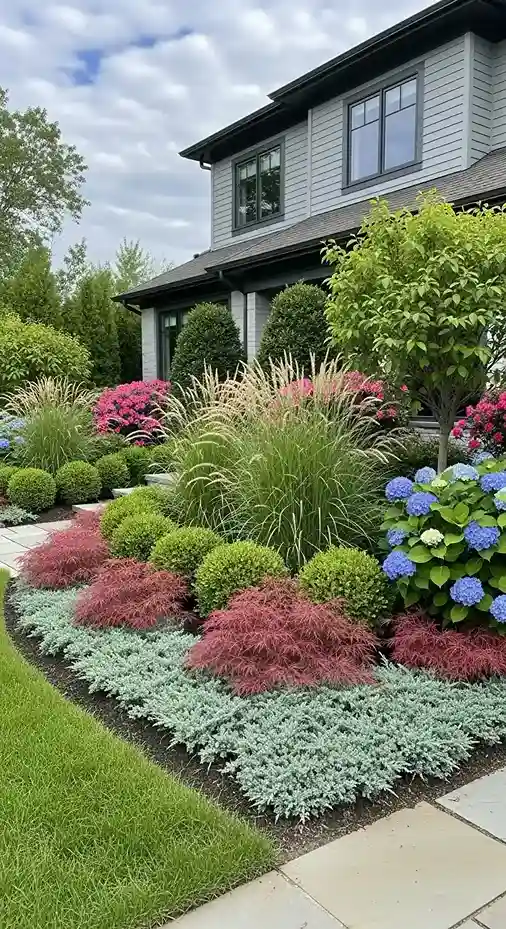
Plant tallest specimens toward building foundations, graduating to shorter plants toward lawn edges for proper scale and visibility. Choose varieties with mature sizes appropriate for spaces, avoiding plants that will eventually obstruct windows or require constant pruning. Foundation plantings benefit from initial soil amendment, proper spacing, and mulching that retains moisture while suppressing weeds.
15. Butterfly Garden with Host Plants
Create specialized butterfly gardens including host plants for caterpillars like milkweed for monarchs alongside nectar sources for adults. Species like butterfly weed, purple coneflower, and zinnias attract butterflies while supporting complete lifecycles. These gardens combine ecological benefits with beautiful, constantly active spaces as butterflies visit flowers throughout warm months.

Plant in full sun with well-drained soil, grouping same species together for easier butterfly location. Include both native and cultivated varieties providing diverse nectar sources and bloom times. Avoid all pesticides that harm butterflies and caterpillars. Provide shallow water sources and sunny, sheltered areas where butterflies bask and rest between feeding sessions.
16. Gravel Garden with Drought-Tolerant Plants
Gravel gardens featuring Mediterranean plants like lavender, Russian sage, salvia, and ornamental grasses set in decorative stone create low-water landscapes. This water-wise approach conserves resources while providing year-round texture and interest through foliage and minimal flowering. Gravel serves as attractive, permanent mulch requiring no replacement while reflecting heat and suppressing weeds.
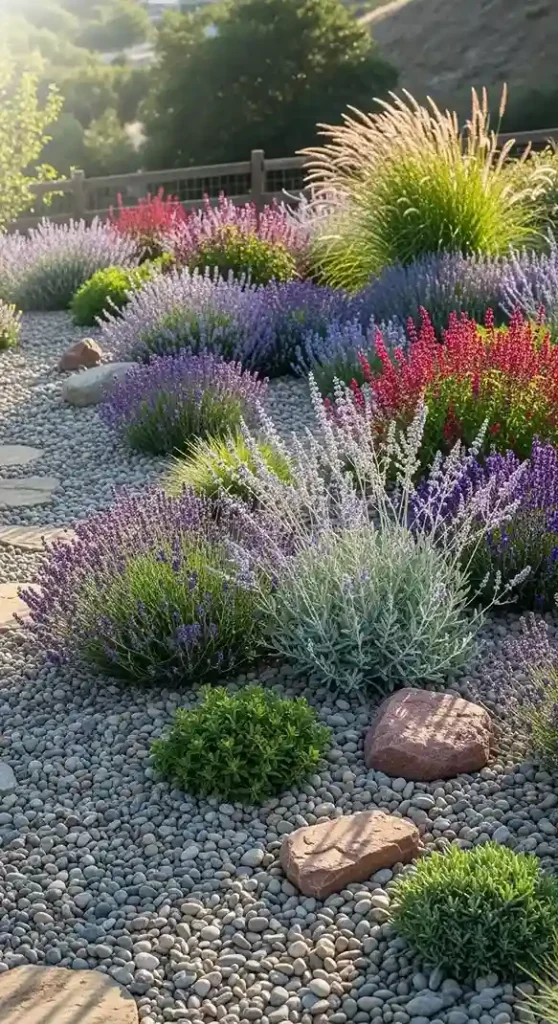
Prepare beds with excellent drainage and minimal organic matter mimicking dry, rocky habitats these plants prefer. Use decorative gravel in natural tones as mulch layer over landscape fabric or bare soil. These gardens suit sunny, well-drained locations and thrive with minimal supplemental irrigation once established, making them ideal for water-conscious yards.
17. Weeping Willow by Water Feature
Plant weeping willows near ponds, streams, or water features creating romantic, cascading canopies with gracefully pendulous branches. These fast-growing trees reach 30-50 feet tall and wide, establishing quickly to provide shade and dramatic focal points. Their distinctive form and movement in breezes create peaceful, contemplative garden areas near water.

Willows need consistently moist soil and full sun, thriving in locations too wet for most trees. Plant only where extensive root systems won’t interfere with structures, utilities, or drain fields. They drop leaves and small branches regularly requiring ongoing cleanup but offer unmatched aesthetic appeal near water features where few trees match their dramatic presence.
18. Herb Spiral for Kitchen Gardening
Construct herb spirals—raised, spiral-shaped beds creating varied microclimates for diverse herbs in compact footprints. Mediterranean herbs preferring dry conditions occupy sunny tops while moisture-loving herbs thrive in shadier, wetter bases. This space-efficient design grows numerous herbs in just a few square feet, perfect for small yards or near kitchen doors.

Build spirals from stone, brick, or wood approximately 3-4 feet in diameter and 2-3 feet tall at centers. Fill with well-draining soil and plant herbs according to moisture and sun needs at appropriate levels. Herb spirals provide easy access, excellent drainage, and attractive vertical elements combining functionality with ornamental appeal in productive yard designs.
19. Flowering Vine on Arbor Structure
Train flowering vines like clematis, climbing roses, or wisteria over arbors creating living ceilings covered in blooms. These vertical elements add height, define spaces, and provide partial shade beneath while showcasing spectacular flowers. Arbors support vines structurally while serving as garden focal points and transitions between different yard areas.

Choose vines based on sun exposure, hardiness, and desired bloom time, providing sturdy arbor structures supporting mature plant weight. Most flowering vines need full sun and regular pruning to control growth and maintain flowering. Train young vines onto structures and secure as needed until self-attaching or twining habits develop for independent climbing.
20. Boxwood Hedge for Formal Definition
Boxwood creates classic, manicured hedges defining garden spaces with timeless elegance and evergreen structure. These versatile shrubs respond beautifully to pruning and shaping, forming geometric patterns, low borders, or tall privacy screens. Their dense, fine-textured foliage provides year-round interest while framing flower beds, pathways, or entire garden rooms.

Plant boxwood in full sun to partial shade with well-drained soil, spacing according to desired hedge density. They grow slowly, requiring trimming just 2-3 times annually to maintain shapes and sizes. Boxwood tolerates various soil types and adapts to different climates, making them reliable choices for formal gardens, traditional landscapes, or contemporary designs requiring structural elements.
21. Serviceberry Tree for Multi-Season Interest
Serviceberries offer white spring flowers, edible purple berries in summer, brilliant fall foliage, and attractive exfoliating bark creating four-season interest. These native trees grow 15-25 feet tall, providing food for wildlife while serving as beautiful ornamental specimens. Their manageable size suits residential yards perfectly, offering substantial impact without overwhelming limited spaces.
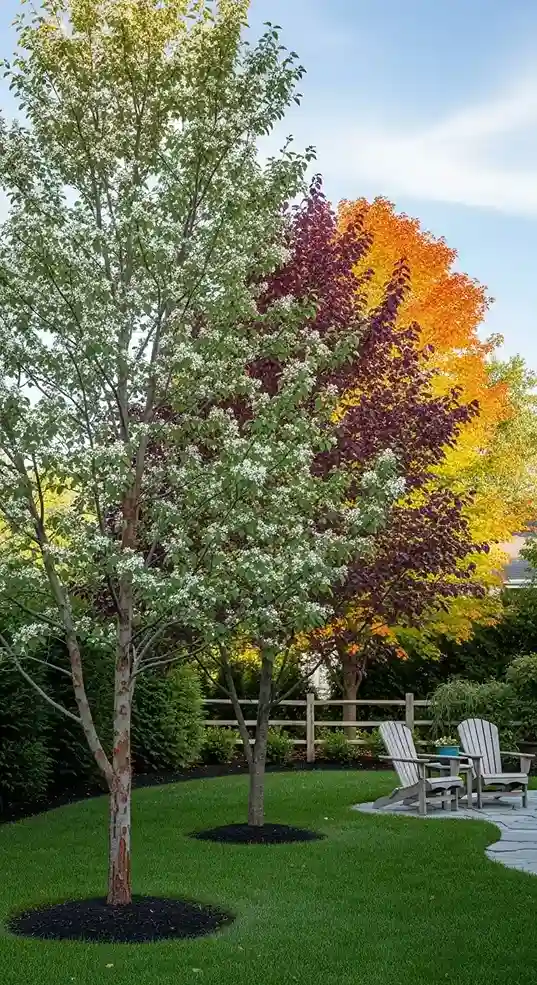
Plant in full sun to partial shade with well-drained soil, watering regularly during establishment. Serviceberries adapt to various soil types and tolerate urban conditions well. They require minimal pruning beyond removing dead or crossing branches. Sweet berries attract birds but can be harvested for jams, pies, or fresh eating before wildlife consumes them.
22. Succulent Rock Garden Display
Create rock gardens combining stones of various sizes with drought-tolerant succulents like sedums, sempervivums, and hardy ice plants. These low-maintenance displays thrive in challenging areas with poor soil or difficult drainage. Rock gardens provide year-round texture and interest through diverse succulent colors, forms, and occasional flowers requiring virtually no care once established.

Arrange rocks naturally with planted pockets between, filling with fast-draining soil suitable for succulents and alpines. Position in full sun for best growth and vibrant colors. Rock gardens suit slopes, raised beds, or flat areas needing visual interest without extensive maintenance. They conserve water while creating attractive, modern landscape features.
23. Daylily Border for Foolproof Color
Daylilies provide vibrant blooms in nearly every color except blue with individual flowers lasting single days but plants producing numerous buds. These tough perennials thrive in diverse conditions from full sun to partial shade, multiplying readily and creating impressive displays. They tolerate drought, poor soil, and neglect while blooming prolifically throughout summer.

Plant daylilies 18-24 inches apart in well-drained soil, dividing overcrowded clumps every 3-4 years to maintain vigor. They require minimal care beyond occasional watering during extreme drought. Daylilies suit borders, mass plantings, or slope stabilization, offering reliable color with practically no maintenance requirements making them perfect for busy homeowners wanting beautiful yards.
24. Crepe Myrtle for Summer Blooms
Crepe myrtles deliver spectacular summer flower clusters in pink, red, white, or purple lasting months with attractive exfoliating bark and brilliant fall foliage. These deciduous trees range from dwarf shrubs to 30-foot specimens, offering options for various yard sizes and design needs. They thrive in hot climates, tolerating heat, drought, and humidity once established.

Plant in full sun with well-drained soil, selecting varieties hardy in your zone. Crepe myrtles benefit from proper pruning in late winter, removing crossing branches and maintaining natural forms without excessive topping. They provide multi-season interest through flowers, bark, and fall color, making them excellent ornamental trees for southern and transitional climate yards.
25. Native Ground Cover Instead of Mulch
Replace traditional wood mulch with native ground covers like wild strawberry, creeping phlox, or ajuga creating living carpets beneath trees and shrubs. These low-growing plants suppress weeds, retain moisture, and prevent erosion while adding texture, color, and seasonal interest. They spread gradually, creating permanent, self-sustaining ground layers requiring less maintenance than mulch replacement.
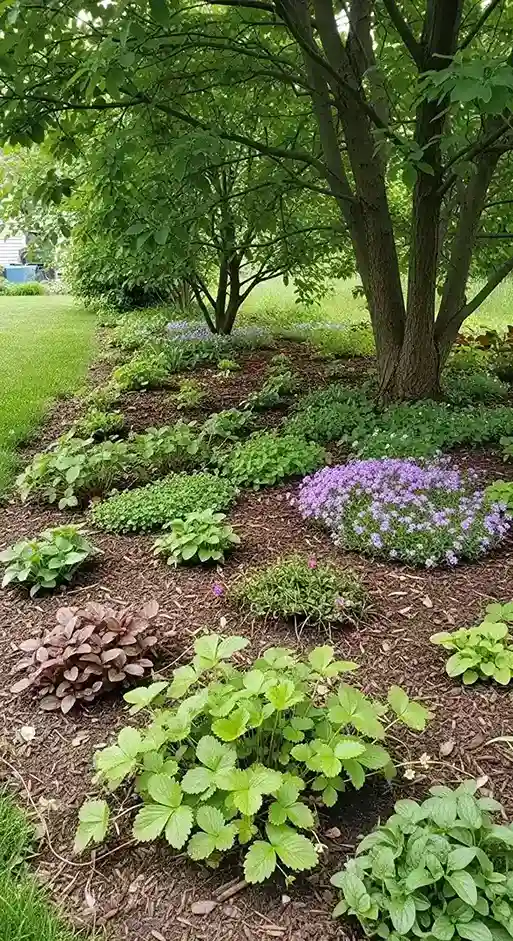
Prepare areas by removing weeds and existing mulch before planting ground covers in enriched soil. Water regularly during establishment until plants fill in and spread naturally. Native ground covers support beneficial insects, provide nectar sources, and create more biodiverse, ecologically valuable yards than inert mulch while solving same functional needs beautifully.
Frequently Asked Questions
What are the easiest yard improvements for beginners?
Adding native perennials like coneflowers, black-eyed Susans, and daylilies provides instant color with minimal maintenance requirements. Mulching beds with organic materials suppresses weeds and improves soil while giving polished appearances. Replacing small lawn areas with ground covers or ornamental grasses reduces mowing while adding visual interest and biodiversity.
How do I create privacy without building fences?
Plant evergreen hedges using arborvitae, holly, or Leyland cypress spaced 3-4 feet apart forming solid green screens within few years. Deciduous shrubs like lilac or forsythia provide seasonal screening with added flowering benefits. Layer plantings with varied heights creates natural-looking privacy barriers more attractive than fences while supporting wildlife.
What plants provide year-round interest in yards?
Evergreens like boxwood, arborvitae, and dwarf conifers maintain structure and color through all seasons while requiring minimal maintenance. Ornamental grasses provide movement in summer, seed heads in fall, and attractive dried foliage through winter. Trees with exfoliating bark like crepe myrtle, birch, or serviceberry offer visual interest even when dormant.
Conclusion
Transforming yards into beautiful, functional landscapes requires vision, selecting the right plants, and understanding your specific growing conditions and maintenance capabilities. The twenty-five ideas presented here showcase diverse approaches from native meadows and pollinator gardens to formal hedges and edible landscapes, demonstrating that stunning yards accommodate every style preference, space constraint, and skill level. Whether you implement dramatic changes, such as replacing lawns with wildflower meadows, or make subtle improvements through the addition of specimen trees, each enhancement moves your yard closer to becoming the outdoor sanctuary you envision.
Successful yard transformations happen gradually rather than overnight, allowing you to learn, adjust, and expand projects as time and budgets permit. Start with ideas matching your climate, available sunlight, and realistic maintenance commitments before progressing to more ambitious endeavors. Remember that yards evolve continuously—plants mature, tastes change, and new opportunities arise with each season. By selecting quality plants suited to your conditions and designing with both immediate impact and long-term development in mind, you create outdoor spaces that provide beauty, functionality, and enjoyment for years while increasing property value and environmental stewardship.