
The weeping willow tree is one of the most romantically beautiful, instantly recognisable, and dramatically atmospheric trees in the entire plant kingdom, its long, flowing curtains of pendulous branches creating an unmistakably graceful silhouette beside water and across open landscapes worldwide.

Source: @theplantguy
Whether you are considering planting a weeping willow for the first time or want to better understand and care for an existing tree, this comprehensive guide to weeping willow types, growing requirements, and care tips will give you everything you need using our tree landscaping ideas guide.
1. What Is a Weeping Willow Tree?
The weeping willow (Salix babylonica and its hybrids) is a large, fast-growing deciduous tree native to northern China and widely naturalised across Europe, North America, and Asia, distinguished by its extraordinarily long, pendulous branches that arch gracefully downward from a broad, domed crown to create its iconic weeping silhouette.
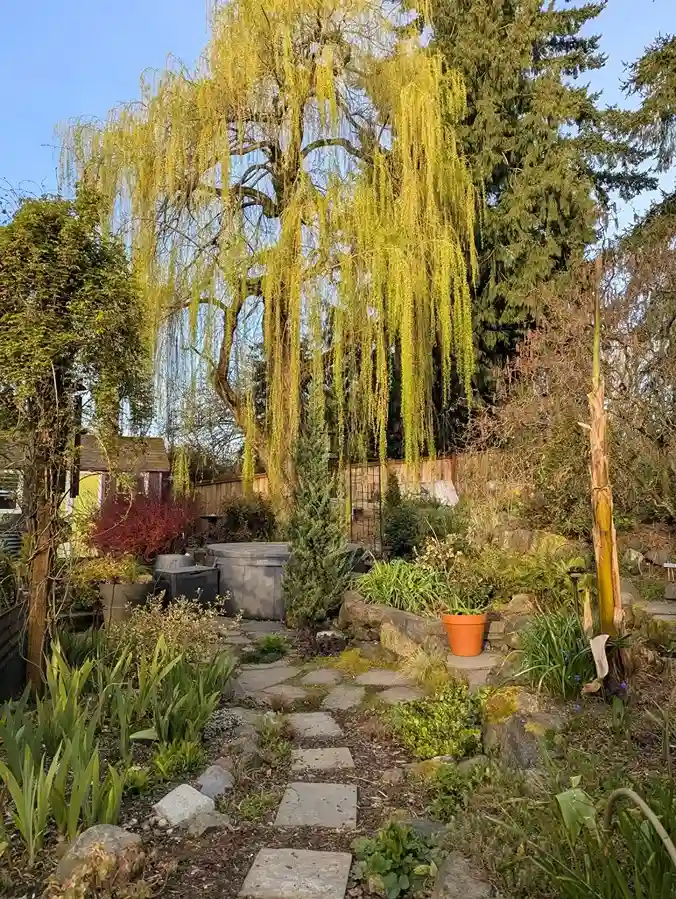
Source: @seattlegardener
Its common name refers to the appearance of its drooping branches resembling tears falling from the canopy, while its botanical name Salix babylonica references the biblical willows of Babylon — though the original Babylonian tree was likely a different species entirely. For more specimen tree and garden design ideas, our tree landscaping ideas guide covers weeping willow and other large specimen trees in comprehensive, practical detail.
| Feature | Details |
|---|---|
| Botanical Name | Salix babylonica and hybrids |
| Origin | Northern China |
| Type | Deciduous large specimen tree |
| Mature Height | 30–50 feet |
| Mature Spread | 30–40 feet |
| Hardiness Zone | Zones 4–9 depending on variety |
2. Types of Weeping Willow Trees
There are several outstanding weeping willow species and hybrid varieties available to gardeners, each offering slightly different characteristics of size, cold hardiness, disease resistance, and ornamental quality that make them suitable for different garden situations and climate zones.
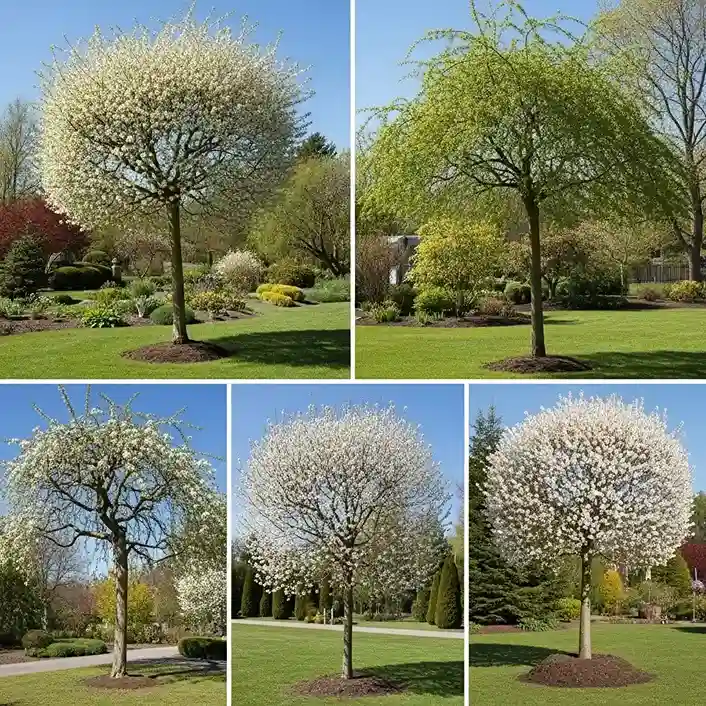
Understanding the differences between the main weeping willow types is essential for choosing the best variety for your specific garden, climate, and growing conditions before making the long-term commitment that planting any large specimen tree requires.
| Variety | Details |
|---|---|
| Salix babylonica | Classic weeping willow — zones 6–8, least hardy |
| Salix x sepulcralis Chrysocoma | Golden weeping willow — most widely grown hybrid |
| Salix alba Tristis | White willow hybrid — zones 2–8, most cold-hardy |
| Salix x pendulina | Wisconsin weeping willow — zones 4–8 |
| Salix caprea Kilmarnock | Dwarf weeping willow — zones 4–8, compact |
| Salix integra Hakuro-nishiki | Flamingo willow — ornamental foliage, zones 5–7 |
3. Golden Weeping Willow (Salix x sepulcralis Chrysocoma)
The golden weeping willow is the most widely planted and universally admired weeping willow variety in temperate gardens, its brilliant golden-yellow young stems creating a spectacular winter and early spring colour display before the long, yellow-green weeping branches leaf out in spring with their characteristic cascading beauty.

Source: @tree_russ
Its combination of outstanding cold hardiness, rapid growth rate, and the extraordinary warm golden colour of its bare winter stems makes it significantly more ornamentally valuable throughout the year than the standard green-stemmed Salix babylonica. For more ornamental stem colour tree selections and winter garden ideas, our trending landscaping ideas guide covers golden-stemmed and winter interest trees in current, beautifully detailed context.
| Feature | Details |
|---|---|
| Stem Colour | Brilliant golden-yellow — outstanding in winter |
| Growth Rate | 6–8 feet per year when young |
| Mature Height | 40–50 feet |
| Hardiness Zone | Zones 4–8 |
| Best For | Waterside planting, specimen tree |
| Autumn Interest | Clear golden-yellow leaf colour before leaf fall |
4. Dwarf Weeping Willow (Salix caprea ‘Kilmarnock’)
Salix caprea Kilmarnock is the finest and most garden-friendly of all dwarf weeping willows, its compact, umbrella-shaped weeping head of silvery pussy willow catkins in late winter and early spring followed by pendulous green leafy branches creating a beautifully proportioned small garden specimen of real ornamental distinction.
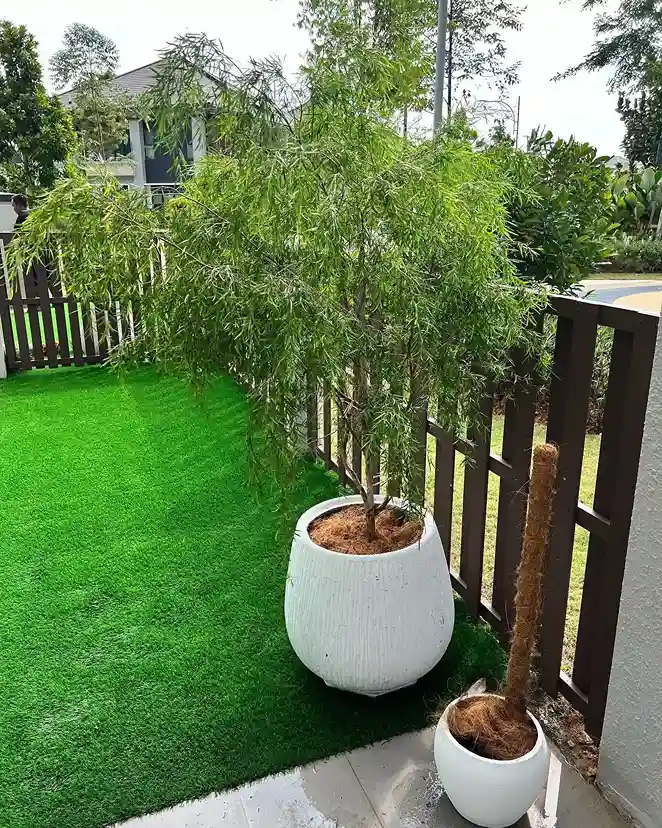
Source: @athari.my
Unlike the large weeping willow species, Kilmarnock willow grows to just 5–8 feet in height, making it suitable for even the smallest garden, patio container, or front garden where the dramatic weeping effect of a full-sized willow is simply not possible. For more compact and small garden specimen tree ideas, our small garden ideas guide covers Kilmarnock willow and other dwarf weeping trees in excellent, practical detail.
| Feature | Details |
|---|---|
| Mature Height | 5–8 feet — compact and garden-friendly |
| Mature Spread | 4–5 feet |
| Hardiness Zone | Zones 4–8 |
| Winter Feature | Silver pussy willow catkins — late winter |
| Best For | Small gardens, containers, front gardens |
| Maintenance Level | Low |
5. Wisconsin Weeping Willow (Salix x pendulina)
The Wisconsin weeping willow is one of the most cold-hardy and adaptable of all weeping willow varieties, its improved disease resistance, greater cold tolerance, and more compact mature size making it an outstanding alternative to the classic Salix babylonica for gardens in colder climate zones.
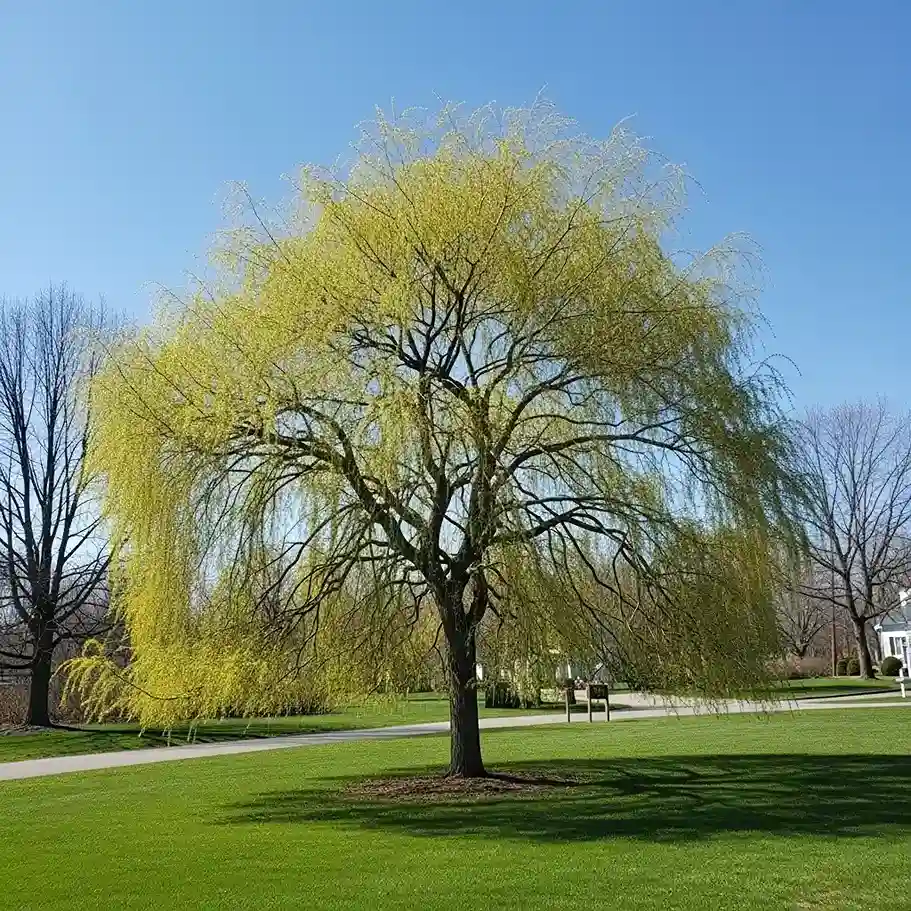
Source: @athari.my
Its narrower, more upright weeping habit compared to Salix babylonica gives the Wisconsin weeping willow a slightly different, more elegant silhouette that suits formal garden settings particularly well while retaining the classic cascading branch characteristic of all weeping willow varieties.
| Feature | Details |
|---|---|
| Growth Rate | 4–8 feet per year when young |
| Mature Height | 30–40 feet |
| Hardiness Zone | Zones 4–8 |
| Disease Resistance | Better than Salix babylonica |
| Best For | Colder climate zones, formal gardens |
| Maintenance Level | Low |
6. Where to Plant a Weeping Willow Tree
Choosing the right planting position for a weeping willow is one of the most critical decisions in the entire growing process, as the tree’s aggressive, wide-spreading root system and eventual large size create potential problems for foundations, drains, and underground services if positioned incorrectly near structures.
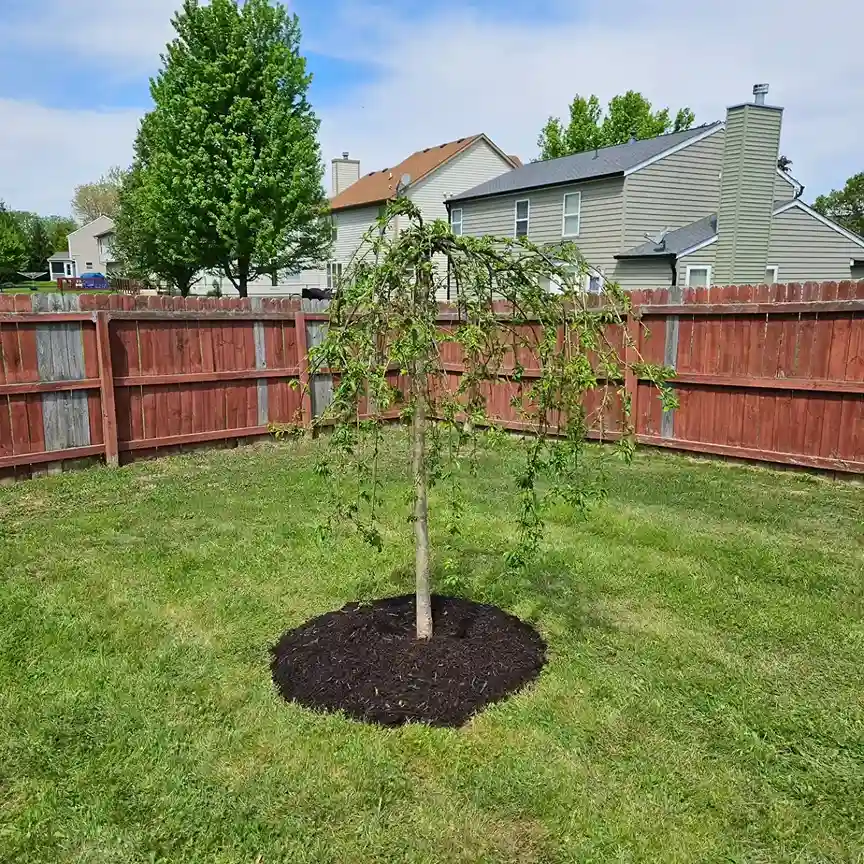
Source: @brittzedaker
Plant weeping willows a minimum of 50 feet from any building foundations, underground drains, septic systems, and water pipes to prevent root intrusion that can cause significant and costly structural damage over the decades of the tree’s long growing life. For more large tree positioning and garden planning advice, our backyard orchard ideas guide covers large specimen tree siting and garden design around mature trees in practical, helpful detail.
| Feature | Details |
|---|---|
| Minimum Distance from Buildings | 50 feet |
| Minimum Distance from Drains | 50 feet |
| Minimum Distance from Fences | 20 feet |
| Ideal Position | Open lawn, waterside, large garden focal point |
| Sun Requirements | Full sun — minimum 6 hours daily |
| Soil Preference | Moist, deep, slightly acidic to neutral |
7. Weeping Willow Beside Water
The weeping willow is most perfectly and most classically at home when planted beside water — a river, lake, pond, or stream — where its trailing branches can reach down to touch the water surface and its magnificent reflection doubles the visual impact of the already extraordinary weeping silhouette.

Source: @jennyoat
The willow’s naturally high water requirements are effortlessly met by waterside planting, eliminating the regular irrigation that the same tree would require in a drier inland garden position while creating one of the most iconic and photographed garden landscape compositions in the world. For more waterside planting and garden pond feature ideas, our water plants guide covers waterside tree planting and aquatic companion planting in comprehensive, beautiful detail.
| Feature | Details |
|---|---|
| Best Water Features | River bank, lake edge, large pond, stream |
| Minimum Pond Size | Large — small ponds overwhelmed by roots |
| Planting Distance | As close as 3–5 feet from water’s edge |
| Root Benefit | Natural bank stabilisation — prevents erosion |
| Visual Effect | Magnificent reflection doubles visual impact |
| Companion Plants | Water iris, rushes, marsh marigold |
8. How to Plant a Weeping Willow Tree
Planting a weeping willow correctly gives the tree the best possible start and significantly reduces the establishment time before the iconic weeping form begins to develop fully, making careful preparation of the planting hole and soil conditions one of the most valuable investments of time in the entire growing process.
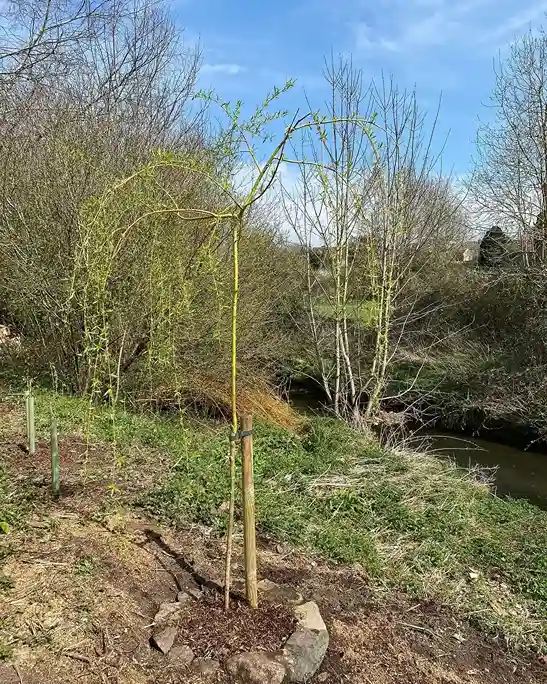
Source: @renaturereconnect
Dig a planting hole twice the width and the same depth as the root ball, incorporate some well-rotted compost into the backfill, water deeply after planting, and stake firmly for the first two to three years until the root system establishes securely in its permanent garden position. For more tree-planting guidance and establishment tips, our tree-landscaping ideas guide covers large-tree planting techniques and aftercare in comprehensive, practical detail.
| Feature | Details |
|---|---|
| Best Planting Time | Autumn or early spring |
| Planting Hole | 2x width and same depth as root ball |
| Soil Amendment | Add well-rotted compost to backfill |
| Staking | Stake firmly for first 2–3 years |
| Watering After Planting | Deep water immediately and weekly thereafter |
| Mulching | 3–4 inch bark mulch around base — avoid stem contact |
9. Weeping Willow Growth Rate
The weeping willow is one of the fastest growing of all large deciduous trees, capable of gaining an extraordinary 6–10 feet of new growth per year when young and well-watered, making it one of the quickest ways to establish a large, dramatic, landscape-defining specimen tree in any garden.
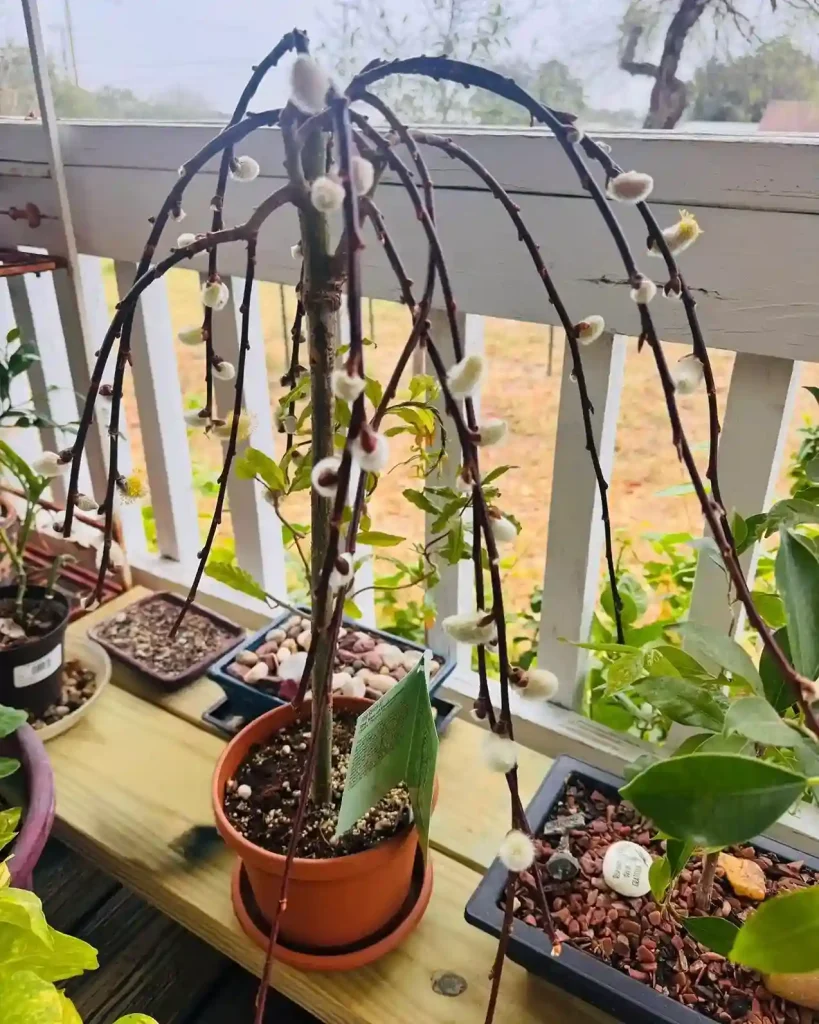
Source: @martaelsagarza
This exceptional growth rate means a young weeping willow sapling can develop into a fully formed, impressively weeping specimen tree of genuine visual impact within just five to seven years of planting in ideal conditions.
| Feature | Details |
|---|---|
| Annual Growth Rate | 6–10 feet per year when young |
| Time to Weeping Form | 3–5 years from young sapling |
| Time to Mature Size | 15–20 years |
| Factors Affecting Growth | Water availability, soil depth, sun exposure |
| Peak Growth Period | First 10–15 years of establishment |
| Mature Height | 30–50 feet depending on variety |
10. Weeping Willow Soil Requirements
Weeping willows are remarkably adaptable trees that tolerate a wider range of soil conditions than most large deciduous trees, performing well in everything from heavy clay to sandy loam as long as consistent moisture is available either through natural rainfall, a nearby water source, or supplementary irrigation throughout the growing season.
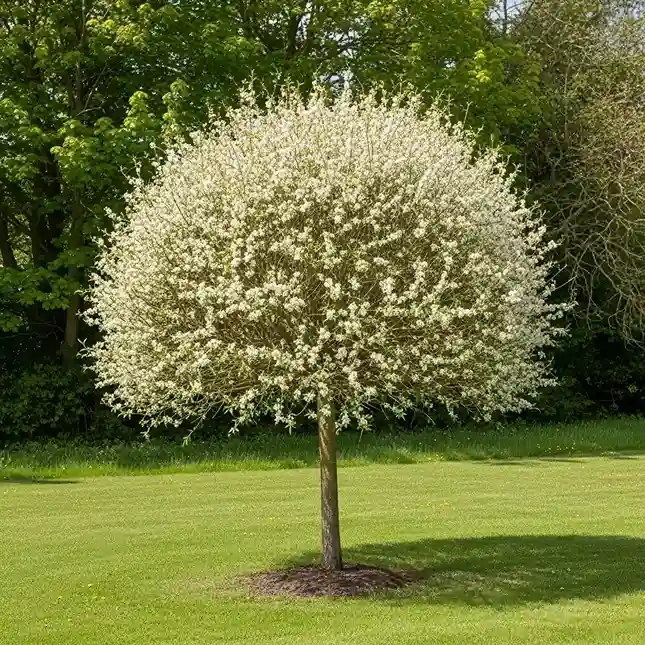
While they prefer deep, moist, slightly acidic to neutral soils, weeping willows establish successfully in most garden soils that do not become completely waterlogged in winter or bone-dry for extended periods in summer.
| Feature | Details |
|---|---|
| Preferred Soil | Deep, moist, slightly acidic to neutral |
| Clay Tolerance | Good — tolerates heavy clay soils |
| Sandy Soil | Acceptable with consistent supplementary watering |
| Chalk Tolerance | Poor — avoid alkaline chalk soils |
| Waterlogging | Tolerates periodic waterlogging |
| pH Range | 5.5–7.0 |
11. Watering a Weeping Willow Tree
Weeping willows have among the highest water requirements of any commonly planted garden tree, their large canopy, rapid growth rate, and natural affinity with waterside habitats creating a consistent need for significant soil moisture throughout the entire growing season from spring bud break to autumn leaf fall.
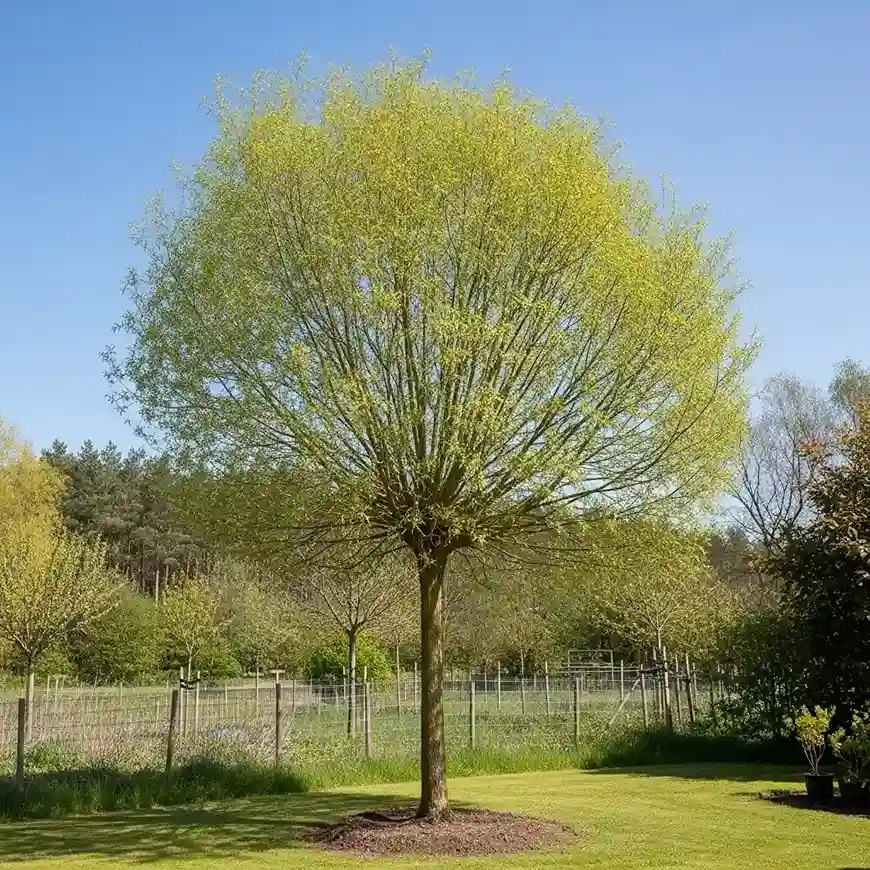
Young weeping willows require deep watering two to three times per week throughout their first growing season, reducing to weekly deep watering in their second year and thereafter relying on natural rainfall supplemented during extended dry spells. For more garden watering and moisture management strategies, our cheap landscaping ideas guide covers garden water management and irrigation planning in practical, helpful detail.
| Feature | Details |
|---|---|
| First Year Watering | 2–3 times per week — deep watering |
| Second Year Watering | Weekly — deep watering |
| Established Tree | Natural rainfall plus drought period supplements |
| Best Watering Method | Deep, slow watering at base — avoid leaf wetting |
| Mulching Benefit | 3–4 inch mulch retains significant soil moisture |
| Water Stress Signs | Wilting, yellowing leaves, premature leaf drop |
12. Weeping Willow Light Requirements
Weeping willows are full-sun trees that require a minimum of six hours of direct sunlight daily to grow vigorously, develop their characteristic weeping form fully, and maintain the dense, healthy canopy that makes the tree so visually spectacular throughout the growing season from spring to autumn.
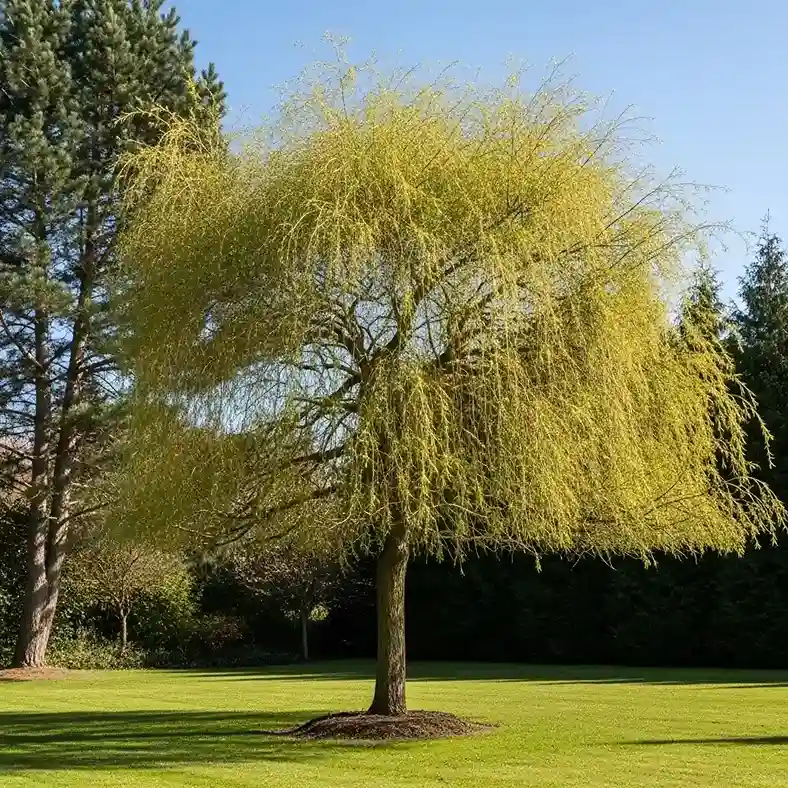
While young weeping willows can tolerate partial shade, trees grown in less than six hours of direct sunlight develop a significantly thinner, less pendulous canopy with reduced vigour and an ungainly, asymmetrical weeping form that fails to achieve the magnificent silhouette of a sun-grown specimen. For more guidance on positioning large specimen trees for maximum visual impact, our yard ideas for outdoor spaces guide covers garden focal point placement and specimen tree siting beautifully.
| Feature | Details |
|---|---|
| Minimum Sunlight | 6 hours direct sunlight daily |
| Ideal Sunlight | Full sun all day — south or west-facing position |
| Shade Tolerance | Poor — avoid north-facing or heavily shaded positions |
| Effect of Shade | Thin canopy, poor weeping form, reduced vigour |
| Best Orientation | Open position with no overhead obstruction |
| Seasonal Variation | Full sun critical during spring and summer growth |
13. Weeping Willow Pruning and Maintenance
Weeping willows require minimal routine pruning compared to many other large ornamental trees, their naturally self-shaping weeping habit developing without significant intervention as long as any dead, damaged, or crossing branches are removed promptly and the lower canopy is raised occasionally to maintain clear access beneath the tree.
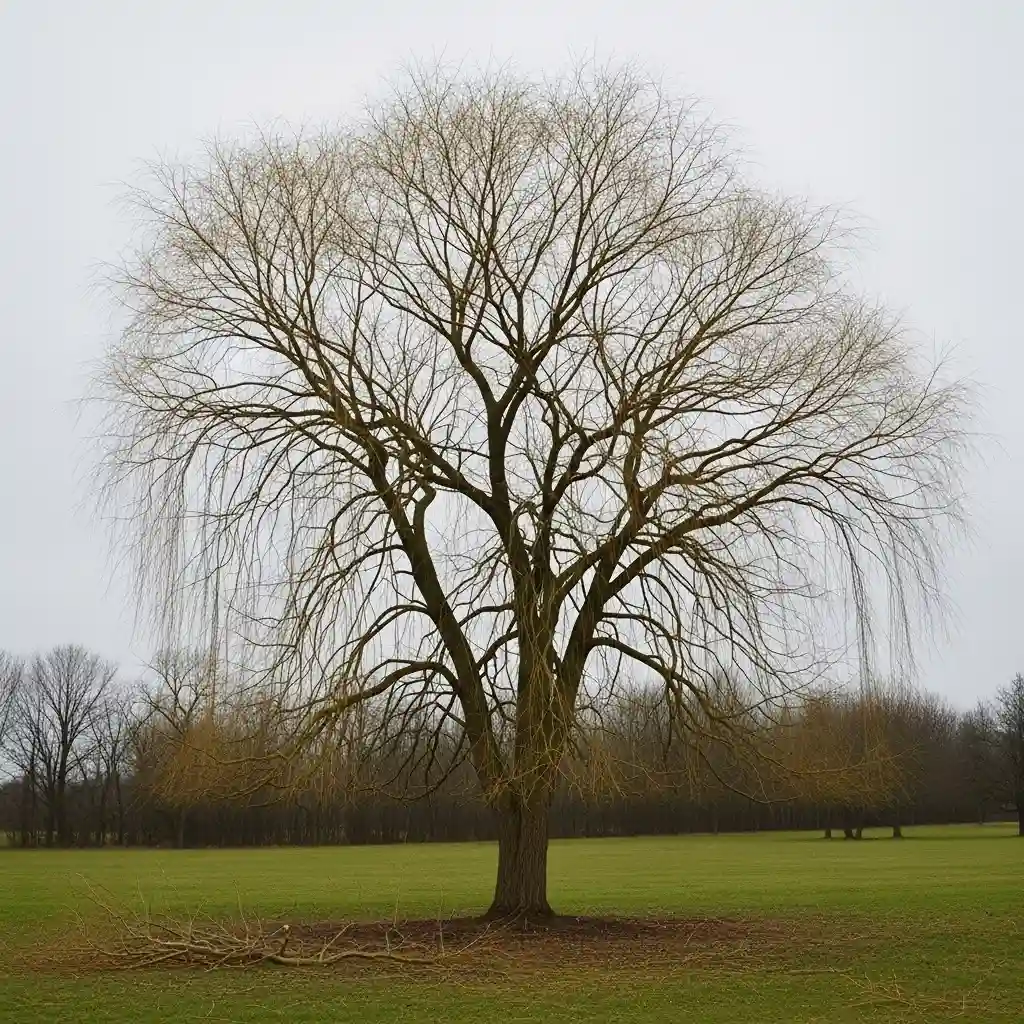
Prune weeping willows in late winter or very early spring before bud break, avoiding pruning in late summer or autumn when fresh cuts are susceptible to fungal infection in the moist, cooling conditions of the approaching autumn season.
| Feature | Details |
|---|---|
| Best Pruning Time | Late winter to early spring — before bud break |
| Routine Pruning | Remove dead, damaged, and crossing branches |
| Canopy Lifting | Raise lower branches for clearance as needed |
| Avoid Pruning | Late summer and autumn — infection risk |
| Tools Required | Sharp loppers, pruning saw, safety equipment |
| Maintenance Level | Low — minimal routine intervention required |
14. Weeping Willow Root System
The weeping willow root system is one of the most extensive, aggressive, and water-seeking of any commonly planted garden tree, spreading to two to three times the canopy diameter in search of moisture and creating significant potential for damage to underground drains, pipes, building foundations, and hardstanding surfaces within a wide radius of the tree.
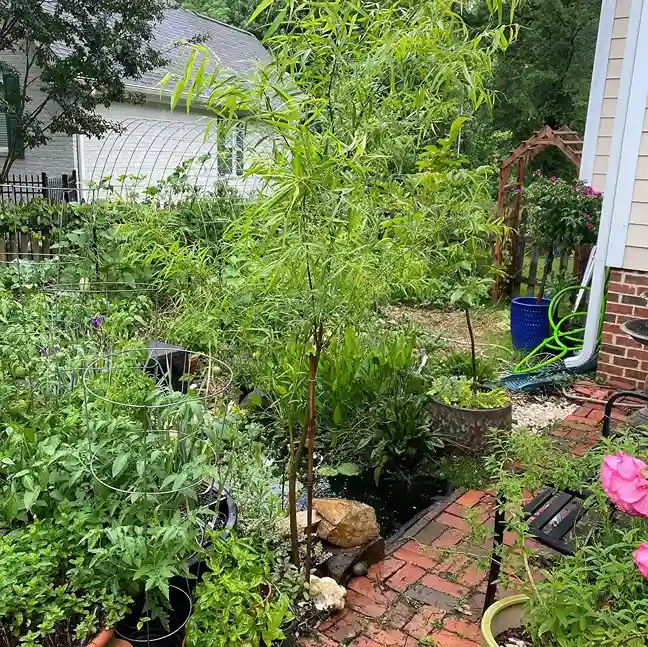
Source: @lovesowngarden
Understanding the extent and behaviour of the weeping willow root system before planting is absolutely essential, as root-related damage to drains and structures is one of the most frequently cited problems associated with incorrectly positioned weeping willow trees in domestic gardens worldwide.
| Feature | Details |
|---|---|
| Root Spread | 2–3x the canopy diameter |
| Root Behaviour | Aggressive water-seeking — follows drains |
| Safe Distance from Drains | Minimum 50 feet |
| Safe Distance from Foundations | Minimum 50 feet |
| Root Depth | Shallow to medium — primarily surface spreading |
| Root Barrier | Available but not always effective for large trees |
15. Weeping Willow in a Small Garden
Planting a full-sized weeping willow in a small garden is genuinely inadvisable due to the tree’s eventual large size and aggressive root system, but several excellent compact and dwarf weeping willow alternatives offer the same romantic weeping aesthetic at a scale that is perfectly appropriate for smaller outdoor spaces.
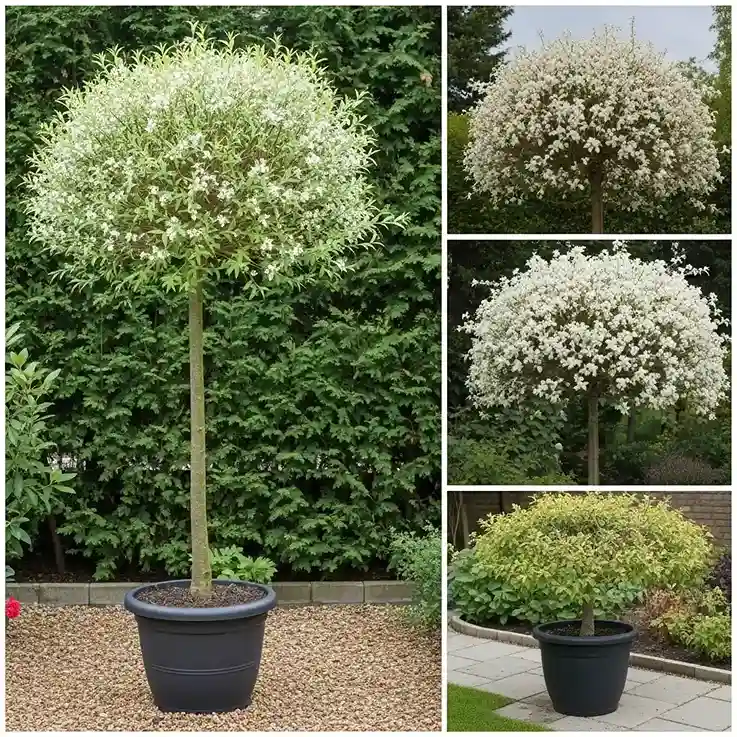
Salix caprea Kilmarnock, the dwarf Hakuro-nishiki flamingo willow, and the compact Salix integra all create beautiful, manageable weeping willow effects in smaller gardens and even large containers on patios and terraces. For more suitable weeping tree alternatives for small spaces, our small garden ideas and tiny backyard ideas guides cover compact weeping tree selections in excellent, practical detail.
| Feature | Details |
|---|---|
| Best Small Garden Alternative | Salix caprea Kilmarnock — 5–8 feet |
| Best Container Alternative | Salix integra Hakuro-nishiki — containers |
| Avoid in Small Gardens | Salix babylonica and Chrysocoma hybrids |
| Container Growing | 15–20 gallon minimum container |
| Annual Pruning | Essential to maintain compact size |
| Best For | Patios, courtyards, front gardens |
16. Weeping Willow Pests and Diseases
Weeping willows are susceptible to a number of pests and diseases throughout their growing life, with willow scab, willow blight, aphid infestations, willow beetles, and canker being among the most frequently encountered problems that can affect the health, vigour, and ornamental quality of the tree if not identified and addressed promptly.
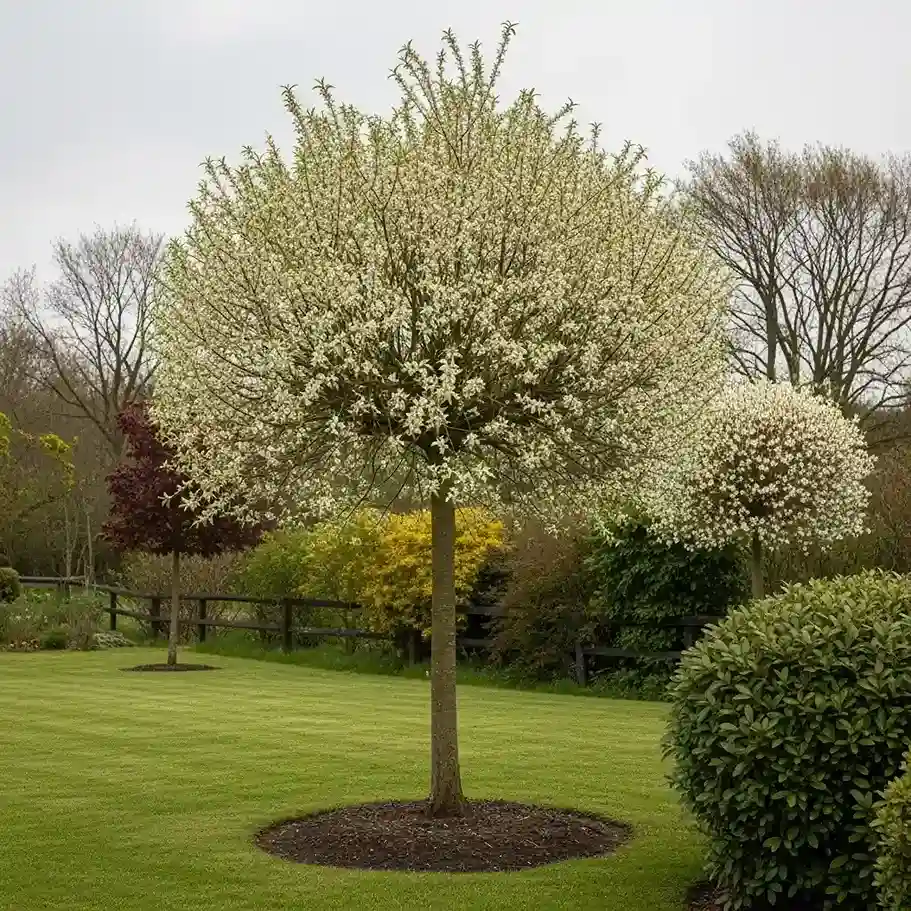
Salix babylonica is the most disease-susceptible of the common weeping willow varieties, while the Wisconsin weeping willow and Salix alba hybrids offer significantly improved resistance to the fungal diseases that most commonly affect the species in wet, humid climates. For pest management strategies, our guides on get rid of ants in your yard and eliminate ground moles cover broader garden pest control that protects weeping willow root zones effectively.
| Problem | Details |
|---|---|
| Willow Scab | Fungal — brown leaf spots, defoliation |
| Willow Blight | Fungal — shoot dieback and canker |
| Aphids | Sap-sucking — honeydew, sooty mould |
| Willow Beetle | Leaf-mining — skeletonised leaves |
| Canker | Bacterial — sunken, discoloured bark patches |
| Prevention | Good air circulation, resistant varieties, prompt removal of affected material |
17. Weeping Willow in Winter
Weeping willows are fully deciduous trees that lose their leaves completely each autumn, transforming from their lush, curtain-like summer appearance into a strikingly different winter silhouette of elegant, drooping bare stems that create a beautifully sculptural, melancholy winter garden feature of considerable artistic quality.

The golden and yellow-stemmed varieties — particularly Salix x sepulcralis Chrysocoma — are most spectacular in winter when their bare golden stems glow warmly in low winter sunlight, creating an outstanding seasonal colour feature that rivals any other winter garden tree available.
| Feature | Details |
|---|---|
| Leaf Drop | October to November — fully deciduous |
| Winter Form | Elegant drooping bare stems — sculptural silhouette |
| Best Winter Variety | Chrysocoma — brilliant golden stems |
| Winter Wildlife | Bare stems provide bird roosting habitat |
| Cold Hardiness | Zones 4–9 depending on variety |
| Spring Emergence | March to April — among earlier leafing trees |
18. Weeping Willow Autumn Colour
While not among the most spectacular of autumn-colouring trees, weeping willows produce an attractive clear golden-yellow autumn leaf display before their leaves fall, providing a brief but beautiful seasonal colour change that adds a warm, luminous quality to the tree’s silhouette in the weeks before leaf drop.
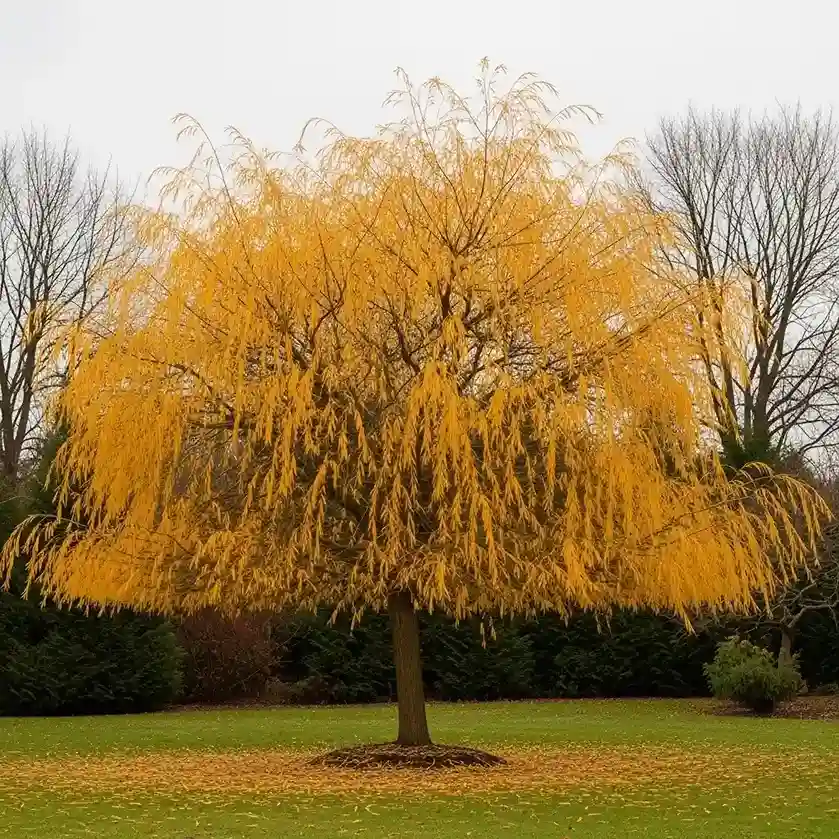
The combination of golden autumn leaves and the tree’s graceful weeping form creates a particularly poignant and beautiful seasonal moment that many gardeners find deeply moving as it signals the approaching end of the growing season and the return of the tree’s elegant winter skeleton. For more autumn colour tree and garden design ideas, our cottage garden ideas guide covers autumn colour planting combinations that complement weeping willow displays in beautiful seasonal detail.
| Feature | Details |
|---|---|
| Autumn Colour | Clear golden-yellow |
| Peak Colour Period | October to November |
| Colour Duration | 2–4 weeks before leaf drop |
| Best Companion Plants | Late-flowering perennials, autumn grasses |
| After Leaf Drop | Elegant bare weeping stem silhouette |
| Winter Compensation | Golden stems of Chrysocoma variety outstanding |
19. Propagating Weeping Willow Trees
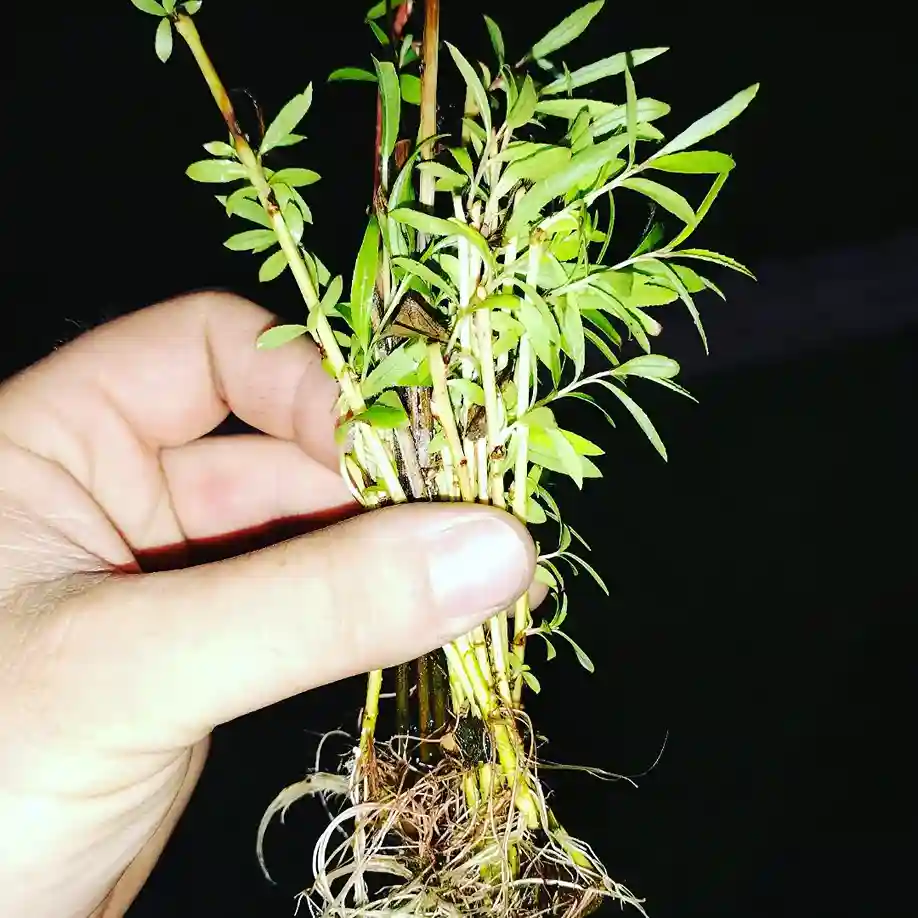
Weeping willows are among the easiest of all large trees to propagate from cuttings, their extraordinary rooting ability allowing even large sections of stem to establish readily in moist soil or water with almost no specialist knowledge, equipment, or experience required whatsoever.
Source: @buntonbonsai
Push a 12–18 inch cutting of young willow stem directly into moist soil or stand it in a jar of water on a windowsill and it will produce vigorous roots within two to four weeks, making weeping willow one of the most rewarding propagation subjects available for any gardener. For more tree propagation and garden plant multiplication ideas, our cheap landscaping ideas guide covers free plant propagation strategies for trees and shrubs in practical, inspiring detail.
| Feature | Details |
|---|---|
| Best Cutting Length | 12–18 inches |
| Best Cutting Time | Late winter to early spring |
| Rooting Method | Direct soil insertion or water rooting |
| Rooting Time | 2–4 weeks |
| Success Rate | Very high — among easiest trees to propagate |
| Difficulty Level | Beginner |
20. Weeping Willow as a Garden Focal Point
A single weeping willow planted as a garden focal point on an open lawn or beside a garden pond creates one of the most dramatically powerful and visually defining landscape statements achievable in any garden, its iconic silhouette visible from the house throughout the year and becoming more magnificent with every growing season.

Position the weeping willow where it can be viewed from the house’s main windows and from the principal garden seating area so that its changing seasonal beauty — from spring leaf emergence through summer lushness to winter skeleton — can be fully appreciated and enjoyed throughout the entire year. For more garden focal point and ideas see our guide on backyard hedges.
| Feature | Details |
|---|---|
| Best Lawn Position | Centre or three-quarter point — not at boundary |
| Viewing Distance | Most impressive from 30–60 feet away |
| Best Companion Planting | Keep ground beneath clear — allow full silhouette |
| Pond Position | Plant at water’s edge for reflection effect |
| Underplanting | Minimal — allow weeping branches to sweep ground |
| Seasonal Viewing | Outstanding from all seasons and all angles |
21. Weeping Willow and Wildlife
Weeping willows are ecologically valuable trees that support a significant range of wildlife through their year-round provision of catkin pollen and nectar in spring, insect habitat in bark and stems throughout summer, shelter for nesting birds within the canopy, and roosting habitat in the bare stem structure throughout winter.
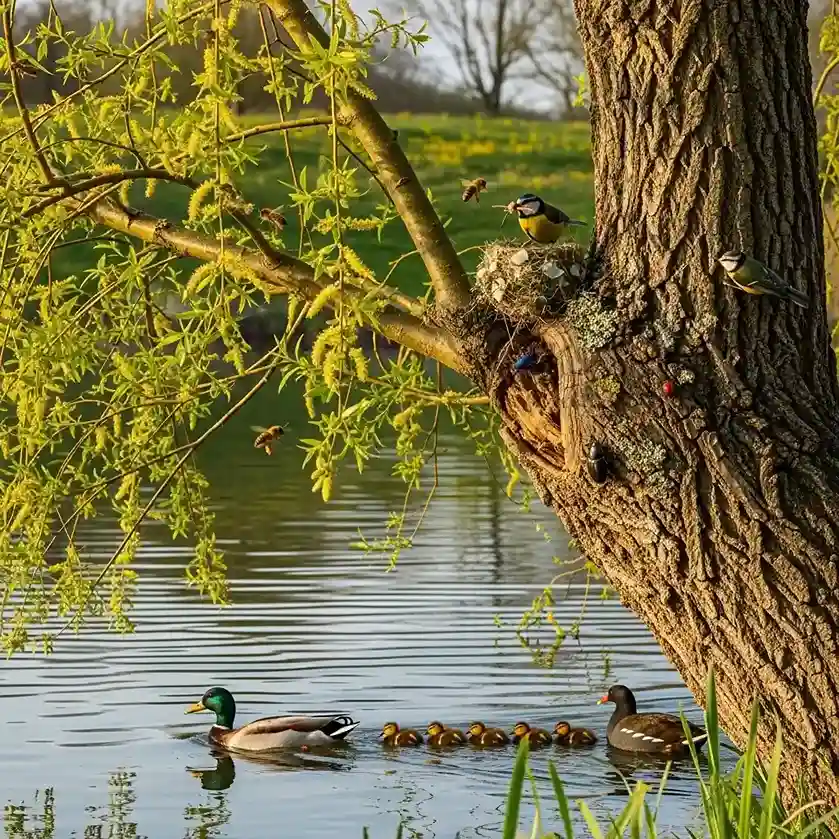
The aphid colonies that frequently colonise willow shoots in spring and summer attract a cascade of insect-eating birds — blue tits, warblers, and treecreepers among them — making the weeping willow an important wildlife tree despite not producing the berries that other garden trees rely on for wildlife value. For more wildlife-friendly tree and garden habitat ideas, our yard ideas for outdoor spaces guide covers wildlife tree planting and garden habitat design in caring, practical detail.
| Feature | Details |
|---|---|
| Spring Wildlife Value | Catkin pollen and nectar for early bees |
| Summer Wildlife Value | Insect habitat, bird nesting cover |
| Autumn Wildlife Value | Seed fluff for bird nesting material |
| Winter Wildlife Value | Roosting habitat in bare stem structure |
| Key Wildlife Species | Blue tits, warblers, treecreepers, aphid predators |
| Ecological Rating | Good — valuable multi-season wildlife tree |
22. Weeping Willow in Cottage and Informal Gardens
A weeping willow planted at the edge of a cottage or informal garden creates a beautifully romantic, larger-than-life backdrop of flowing green curtains that completes and frames the looser, more exuberant planting style of cottage garden design with a tree of genuinely theatrical natural beauty and presence.

Allow the weeping branches to sweep low to the ground and surround the base of the tree with a simple planting of wildflowers, primroses, and ferns for the most convincingly natural and romantically atmospheric cottage garden weeping willow feature. For more cottage garden planting and informal garden design ideas, our cottage garden ideas guide covers large specimen tree integration in cottage garden design in beautiful, practical detail.
| Feature | Details |
|---|---|
| Best Garden Styles | Cottage, informal, romantic, naturalistic |
| Best Companion Plants | Wildflowers, primroses, ferns, naturalistic grasses |
| Best Position | Garden edge, beside water feature, boundary tree |
| Maintenance Approach | Allow natural sweeping habit — minimal intervention |
| Atmosphere Created | Romantic, theatrical, deeply peaceful |
| Best Viewing Season | Late spring and summer — lush curtain effect |
23. Common Problems with Weeping Willow Trees
The most frequently encountered problems with weeping willow trees include root damage to drains and foundations when incorrectly positioned, canker and fungal disease in wet climates, windthrow in exposed positions, excessive leaf litter in autumn, and the gradual decline in structural integrity of older specimens that have not been adequately managed in their earlier growing years.
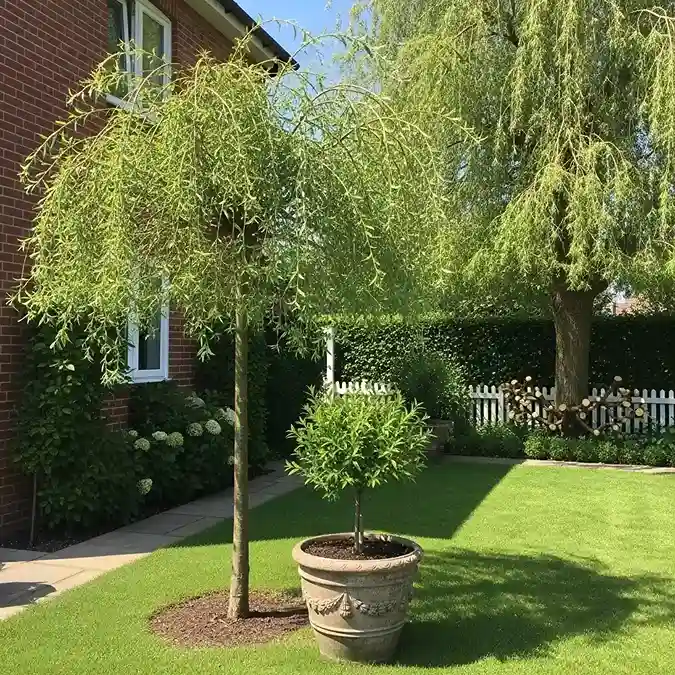
Addressing all potential problems at the planning stage — choosing an appropriate variety, selecting the right position, and committing to appropriate ongoing maintenance — prevents the vast majority of weeping willow problems from ever arising in a well-managed garden context.
| Problem | Details |
|---|---|
| Root Drain Damage | Keep minimum 50 feet from any underground services |
| Windthrow | Stake young trees — avoid very exposed positions |
| Canker and Fungal Disease | Choose resistant varieties — ensure good drainage |
| Excessive Leaf Litter | Rake promptly — compost as valuable leaf mould |
| Structural Decline | Crown thin every 5 years — remove dead wood |
| Overplanting | Never plant in small gardens — choose dwarf alternatives |
24. Weeping Willows FAQs
Weeping willows are among the most frequently asked-about garden trees, with questions ranging from how quickly they grow and how close to a house they can safely be planted, to whether they can grow in containers and what to do when they become too large for their garden position.
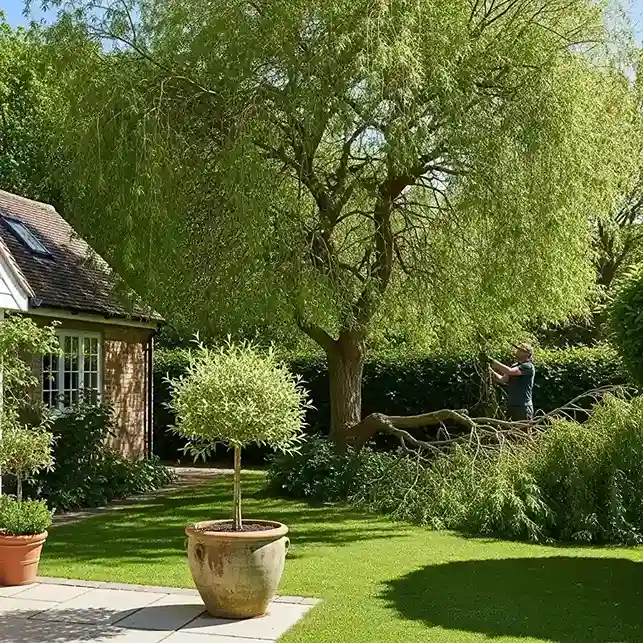
Understanding the answers to the most common weeping willow questions before planting saves enormous time, money, and frustration in the long term and ensures that this extraordinarily beautiful tree is planted and managed in a way that allows it to thrive without causing problems for neighbouring structures or underground services.
| Question | Answer |
|---|---|
| How fast does a weeping willow grow? | 6–10 feet per year when young and well-watered |
| How close to a house can it be planted? | Minimum 50 feet from any building or drain |
| Can it grow in a container? | Only dwarf varieties — Kilmarnock or Hakuro-nishiki |
| How long does a weeping willow live? | 30–50 years in most garden settings |
| Does it need to be near water? | No, but requires high moisture — best beside water |
| Can I reduce the size of a weeping willow? | Yes — pollard every 3–5 years to control size |
Frequently Asked Questions (FAQs)
Q1: How far should a weeping willow be planted from a house?
Plant weeping willows a minimum of 50 feet from any building foundation, underground drain, or water pipe to prevent root intrusion damage. The aggressive, water-seeking root system of weeping willows is one of the most frequently cited causes of drain blockage and foundation damage in domestic gardens when trees are incorrectly positioned close to structures.
Q2: How quickly does a weeping willow tree grow?
Weeping willows are among the fastest growing of all large garden trees, capable of gaining 6–10 feet of new growth per year when young and well-watered, developing a fully formed weeping silhouette within just five years of planting.
Q3: Can weeping willows grow in small gardens?
Full-sized weeping willows are not suitable for small gardens due to their large mature size and aggressive root system. Salix caprea Kilmarnock and Salix integra Hakuro-nishiki are the best compact alternatives for small spaces, both growing to just 5–8 feet while delivering the characteristic weeping form. Our small garden ideas guide covers compact weeping willow alternatives beautifully.
Q4: How do I care for a weeping willow tree?
Water deeply and frequently throughout the first two growing seasons, mulch generously around the base, prune in late winter to remove dead and damaged wood, and position away from drains and structures to prevent root problems. For garden pest protection around newly planted weeping willows, our guides on eliminate ground moles and keep ground squirrels out cover root zone pest management effectively.
Conclusion
The weeping willow is one of gardening’s most magnificently beautiful, romantically atmospheric, and instantly recognisable trees — a living curtain of flowing branches that transforms any landscape it inhabits into something genuinely extraordinary, poetic, and deeply memorable throughout every season of its long and graceful life.