
Adding a water feature to your garden—whether it’s a sprawling pond, a babbling brook, or a simple container water garden—opens up a completely new world of botanical possibilities. Water plants, or “hydrophytes,” are specifically adapted to grow in waterlogged soil or completely submerged in freshwater.
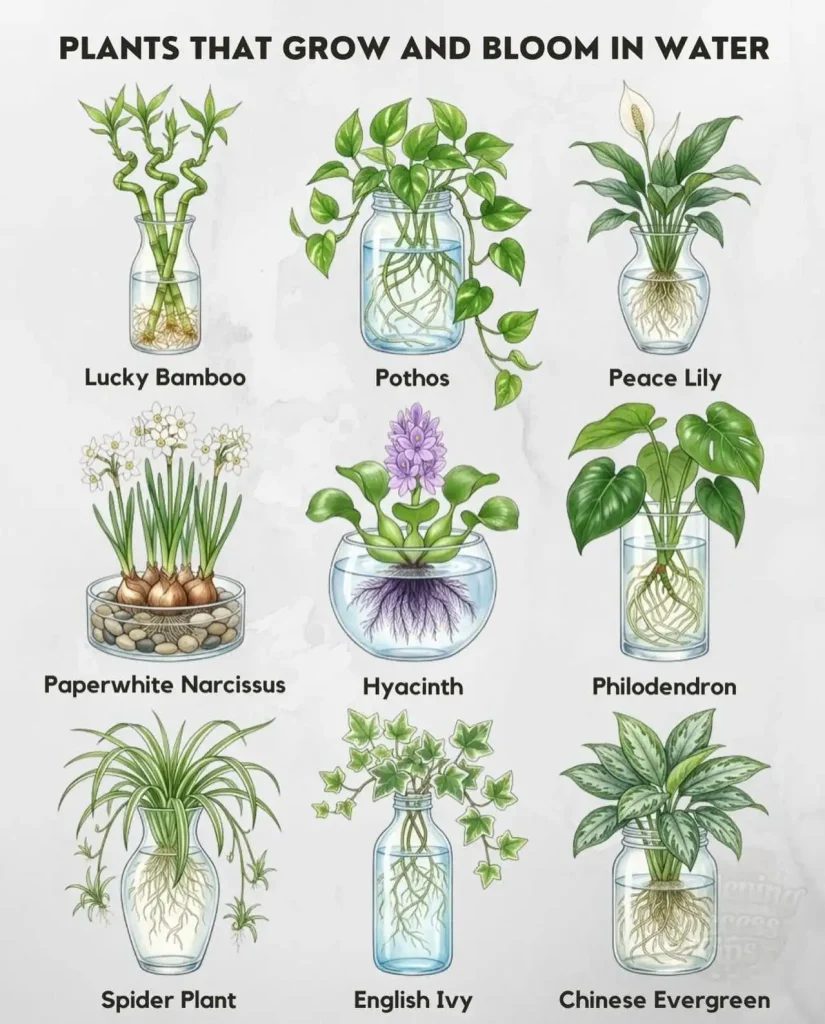
Source: @gardening6886
In 2026, the trend has moved toward low-maintenance aquatic ecosystems that naturally filter water, reducing the need for expensive chemical pumps. If you are also interested in land-based greenery, our house plants guide provides a great foundation for general plant care.
1. Understanding the Four Aquatic Zones
To build a successful water garden, you must place plants in the correct “zone” based on their water depth requirements.
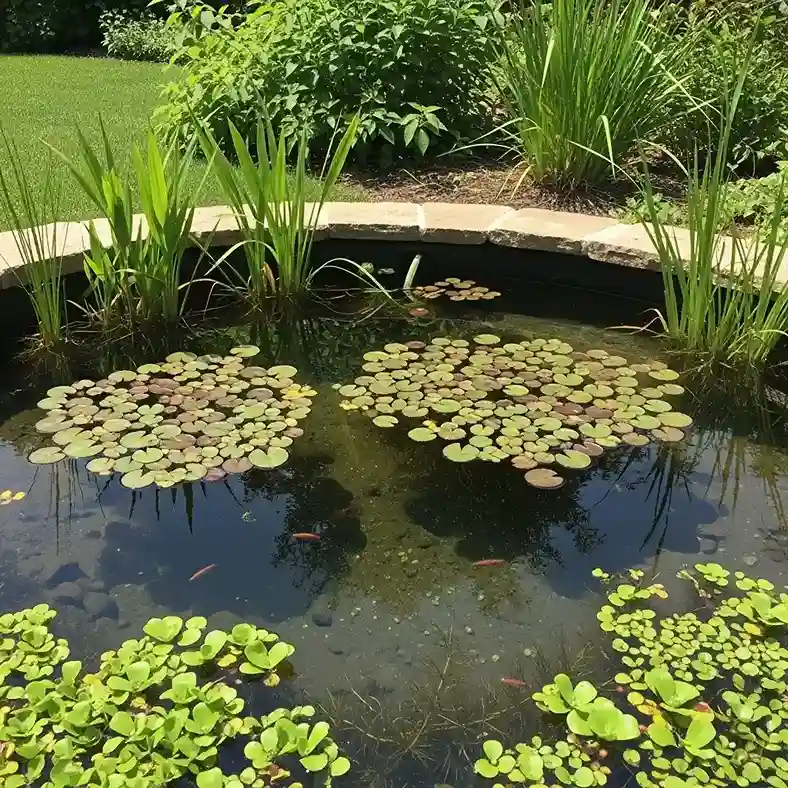
- Marginal Plants: These sit at the shallow edges (0–6 inches deep) with their roots in the water and foliage above.
- Deep-Water Plants: These are rooted at the bottom (1–3 feet deep) but have leaves that float on the surface.
- Submerged (Oxygenators): These stay entirely underwater and are the “lungs” of your pond.
- Floating Plants: These simply drift on the surface with no roots in the soil.
2. The Beauty of Water Lilies (Nymphaea)
Water lilies are the undisputed stars of the deep-water zone. They provide essential shade to the pond surface, which keeps the water cool and prevents excessive algae growth.
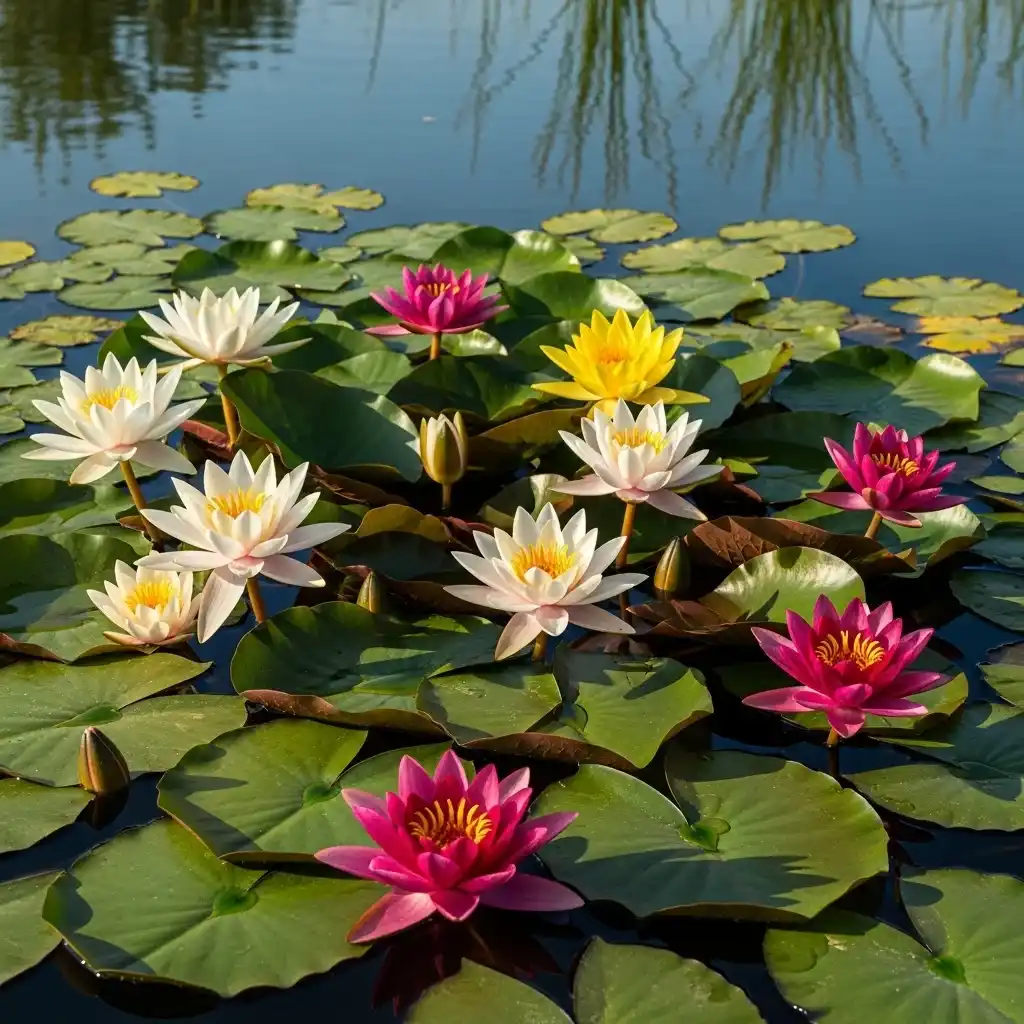
- Varieties: Choose between “Hardy” lilies (which survive winter) and “Tropical” lilies (known for neon colors and night blooms).
- Cost: Expect to pay $25 to $50 for a high-quality started lily tuber.
3. Lotus: The Architectural Masterpiece
Unlike lilies, Lotus leaves and flowers rise several feet above the water surface. They are high-impact plants that work perfectly as a focal point in backyard landscaping ideas.
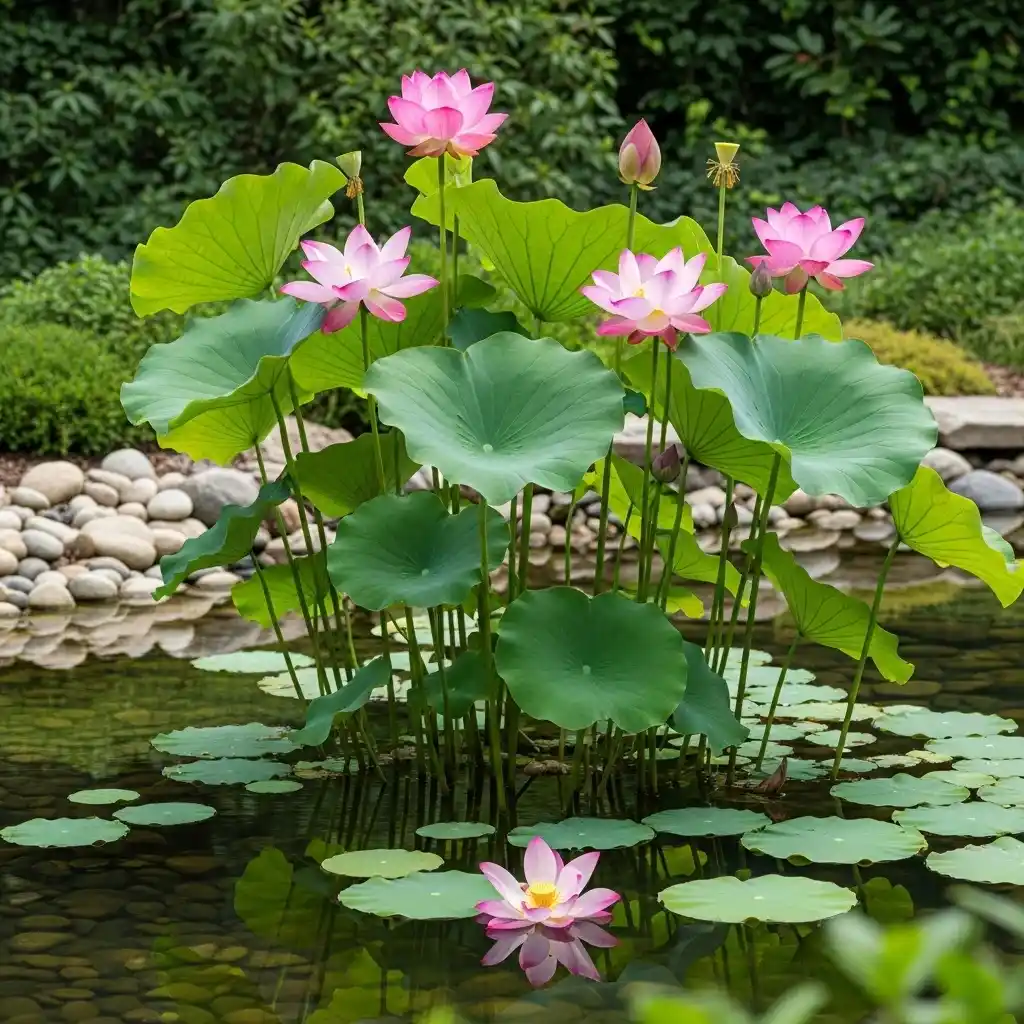
- Size: Some varieties can reach 5 feet in height.
- Symbolism: Often associated with purity and resilience, they add a Zen-like feel to the garden.
4. Marginal Iris for Vertical Color
Blue Flag Iris or Yellow Iris are perfect for the “shelf” of your pond. Their sword-like leaves add height and contrast to the flat leaves of floating plants.
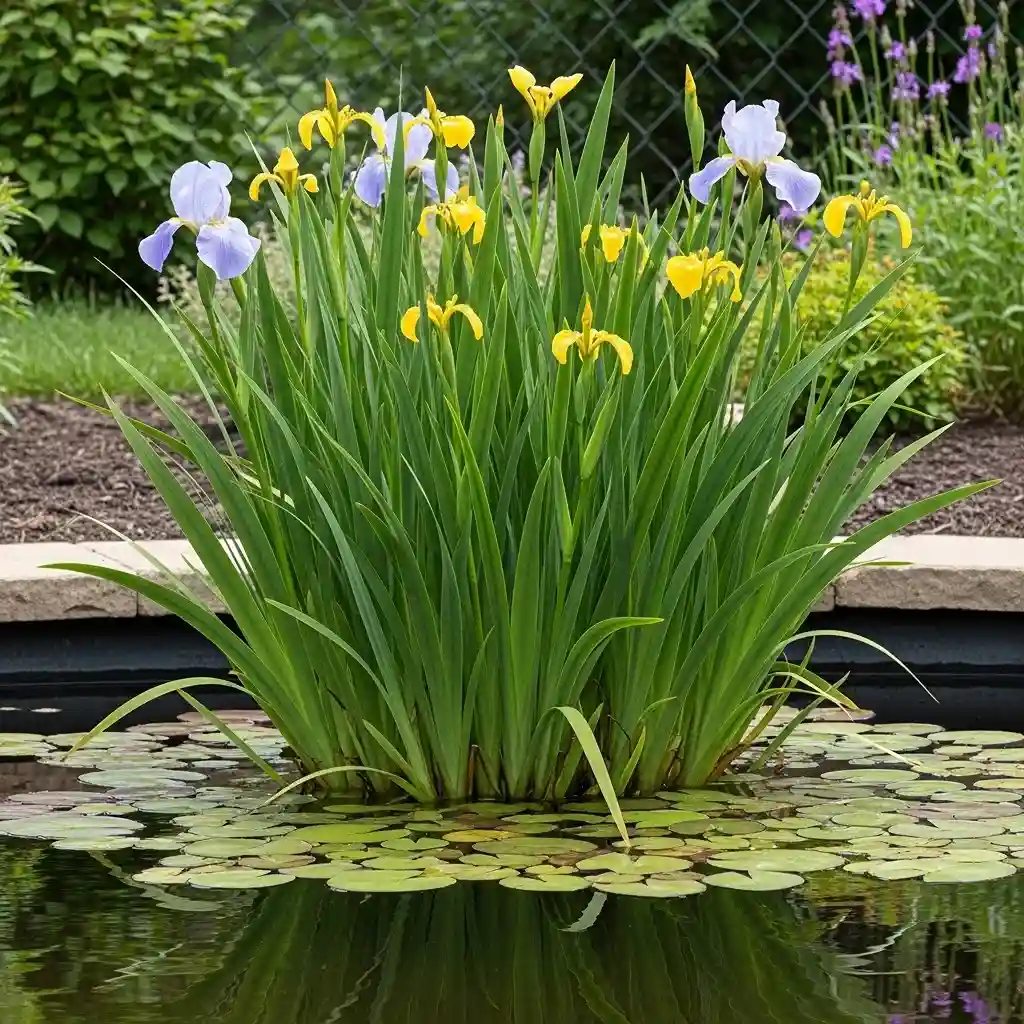
- Benefit: Their roots are aggressive filters, sucking up excess nitrates from the water.
- Pairing: They look beautiful when planted along fence line landscaping near a water feature.
5. Oxygenators: The Invisible Heroes
Submerged plants like Anacharis or Hornwort may not be the prettiest, but they are essential for a healthy pond. They compete with algae for nutrients and produce oxygen for fish.
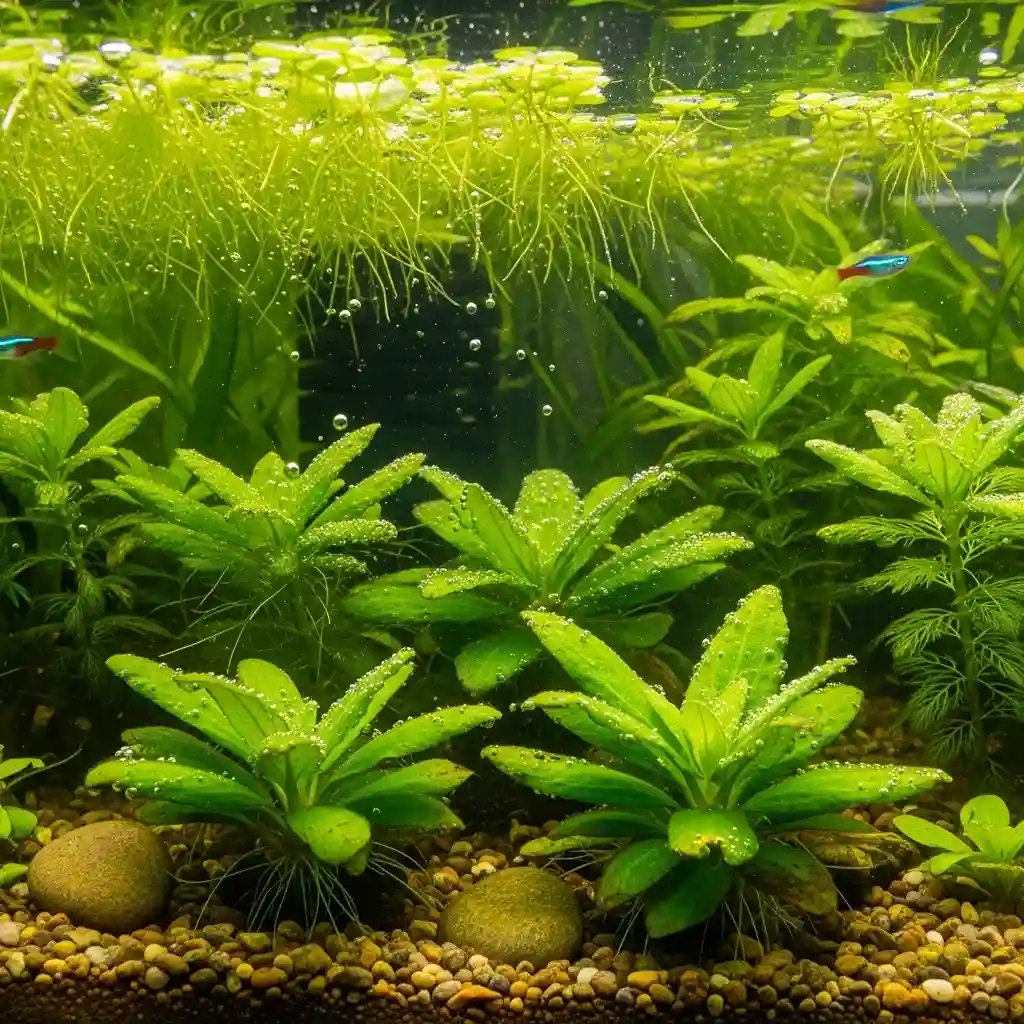
- Maintenance: They are virtually “set it and forget it” plants.
- Efficiency: A $10 bundle of Anacharis can filter dozens of gallons of water.
6. Floating Plants for Instant Coverage
Water Lettuce and Water Hyacinth are the easiest water plants for beginners. You simply drop them on the surface, and they begin growing immediately.
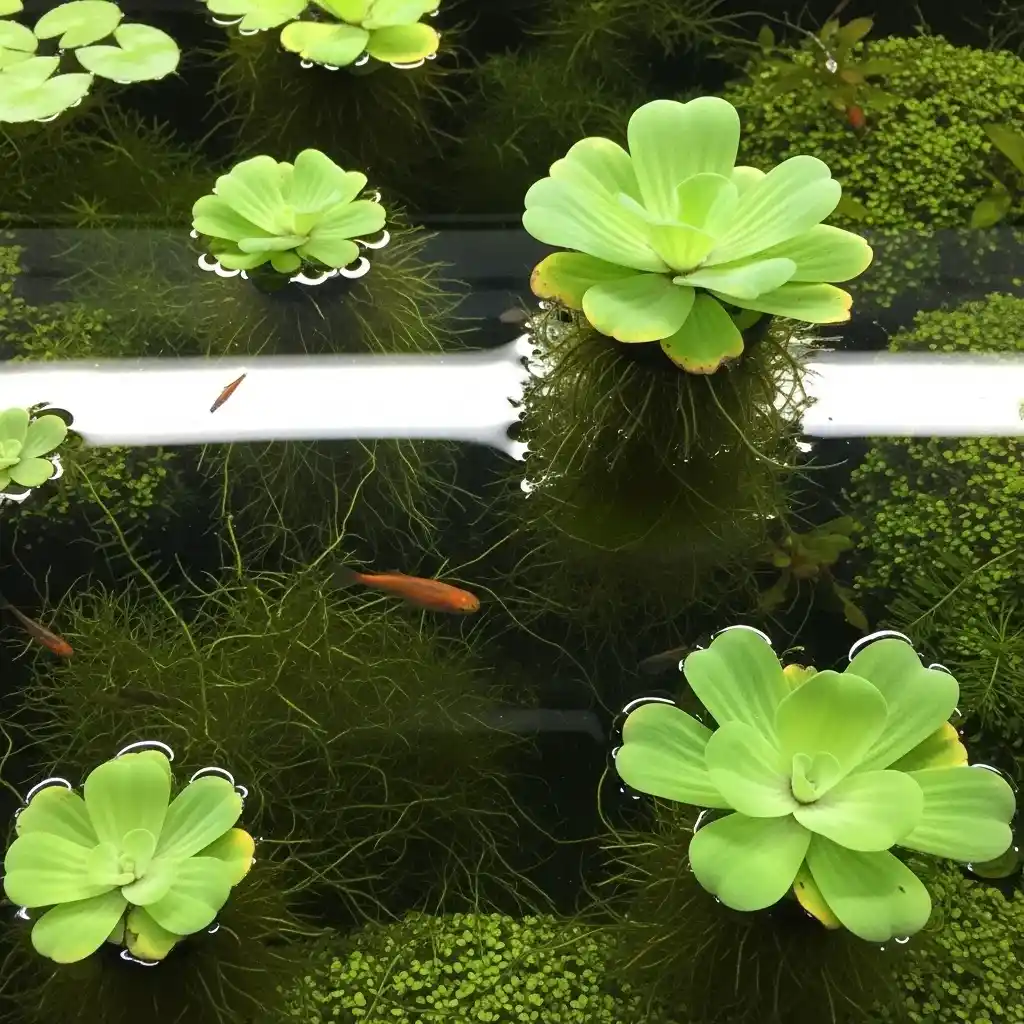
- Privacy: Their thick roots provide a hiding place for fish from predators like herons.
- Control: Be careful in warm climates, as these can spread rapidly; you may need to “harvest” and compost some weekly.
7. Cattails for a Natural Look
Cattails (Typha) provide a rugged, wild aesthetic. They are excellent for larger ponds where you want to create a natural-looking boundary.
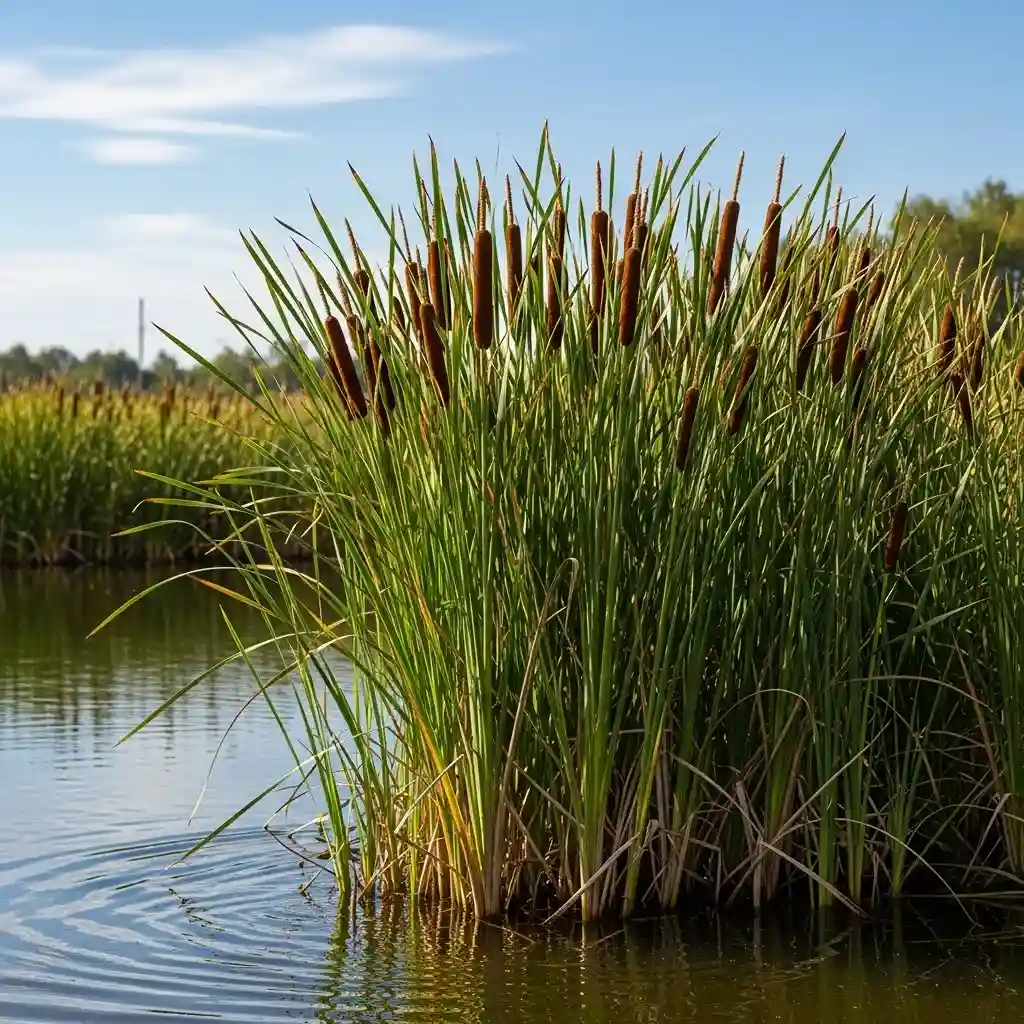
- Wildlife: Provide nesting material and shelter for many birds and frogs.
- Note: Only plant these in large areas, as they can quickly take over small garden ideas.
8. Creeping Jenny for Soft Edges
While often used on land, Creeping Jenny thrives in wet margins. Its bright “chartreuse” foliage spills over the rocks at the pond’s edge, hiding the black liner.
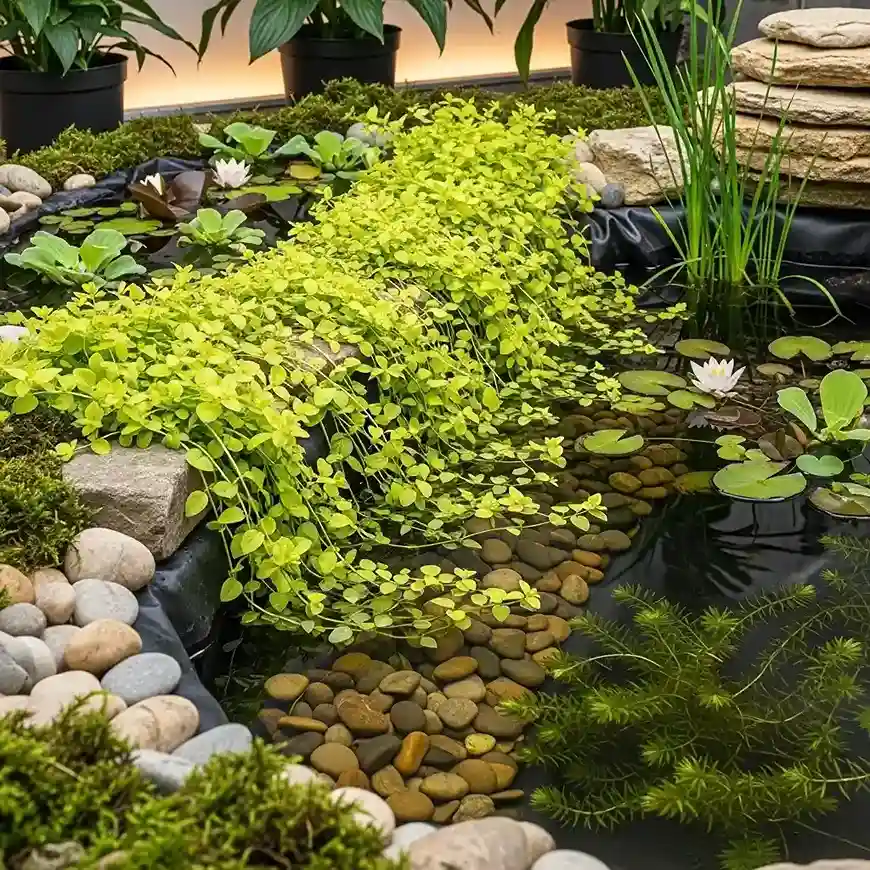
- Visual: Bright yellow-green leaves pop against dark pond water.
- Adaptability: One of the best outdoor plants for bridging the gap between land and water.
9. Sweet Flag (Acorus) for Fragrance
This marginal plant looks like a grass but has a sweet, citrus-like scent when the leaves are crushed. It’s a great choice for paths near the water’s edge.
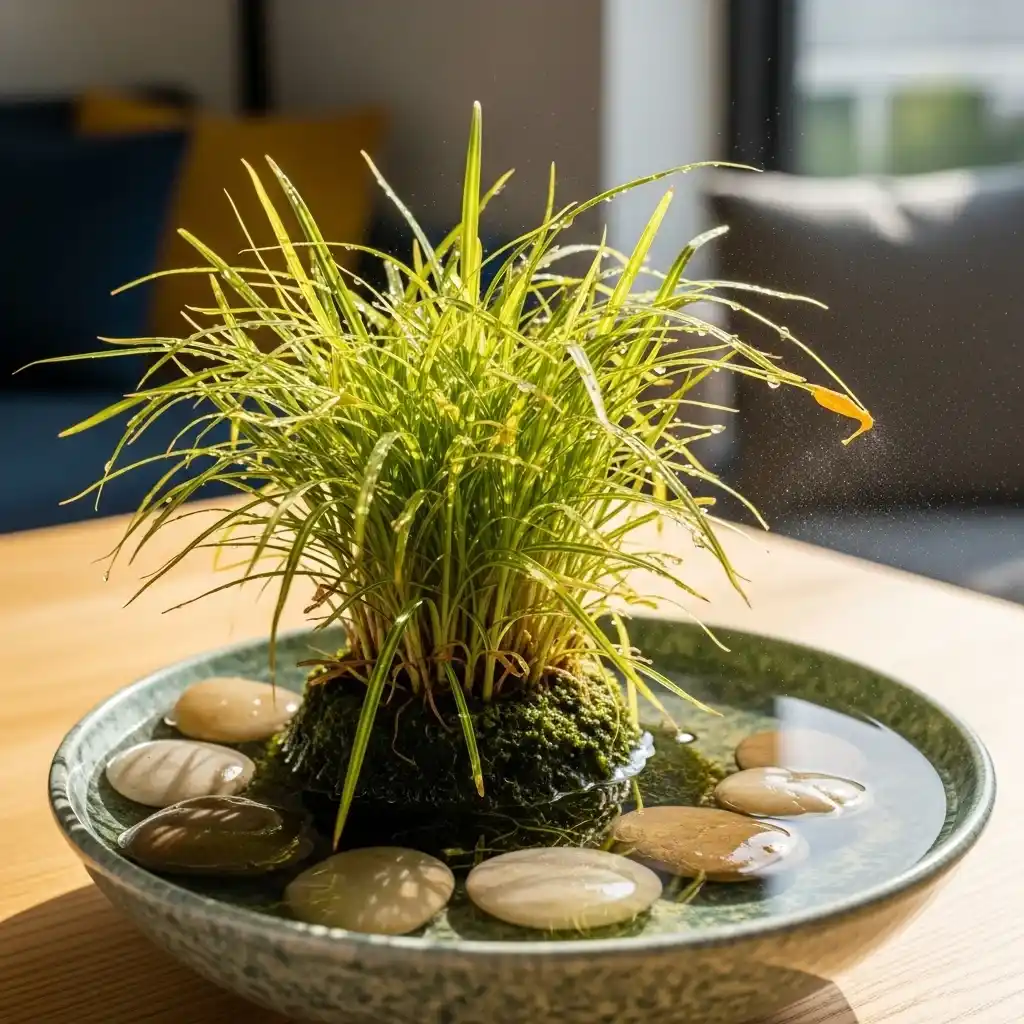
- Texture: Provides a fine, needle-like texture.
- Variety: ‘Ogon’ features striking gold-and-green variegated leaves.
10. Pickerel Weed for Pollinators
Pickerel Weed produces spikes of blue flowers that are a magnet for bees and butterflies. It is one of the hardiest marginal plants you can own.
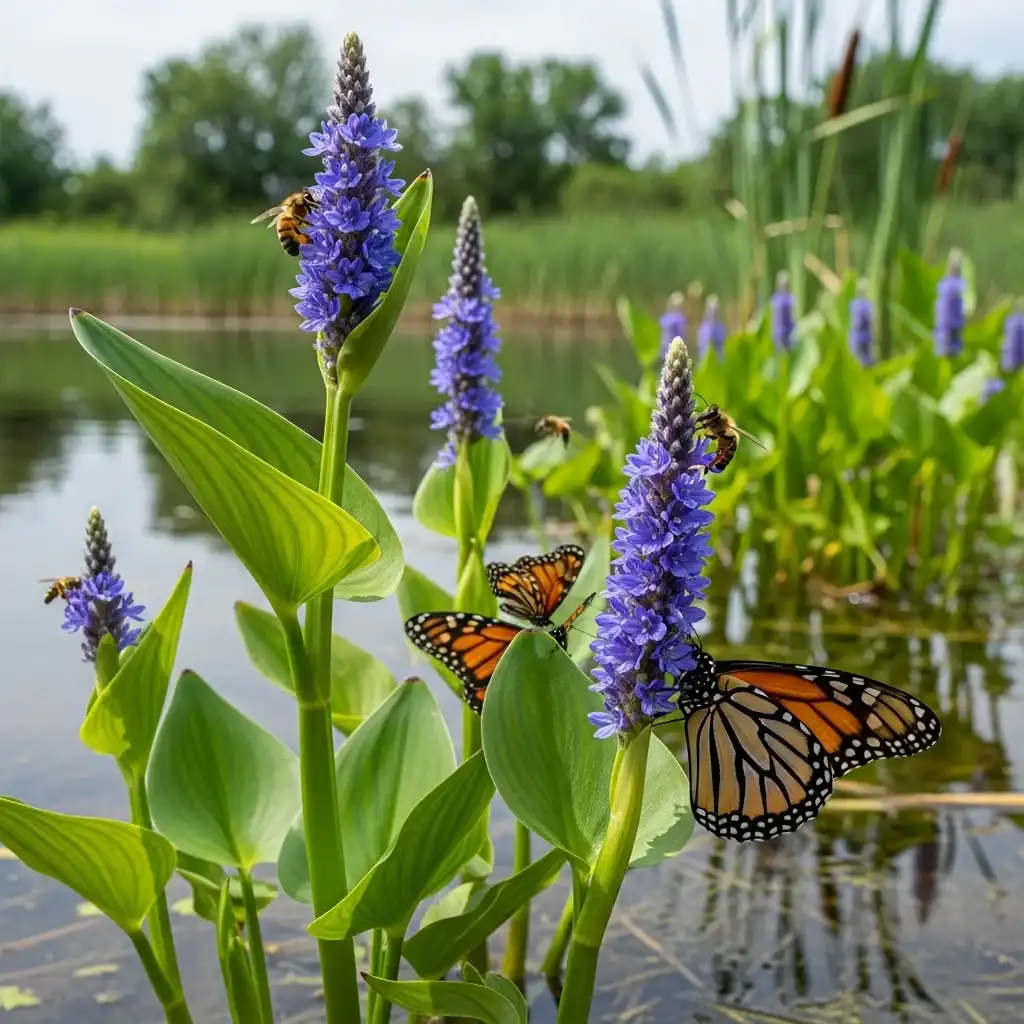
- Height: Typically grows 2–3 feet tall.
- Hardiness: Very cold-tolerant and reliable year after year.
11. Water Canna for Tropical Flair
If you love the look of Canna Lilies, you’ll be happy to know there are “Longwood” varieties specifically bred to grow in water.
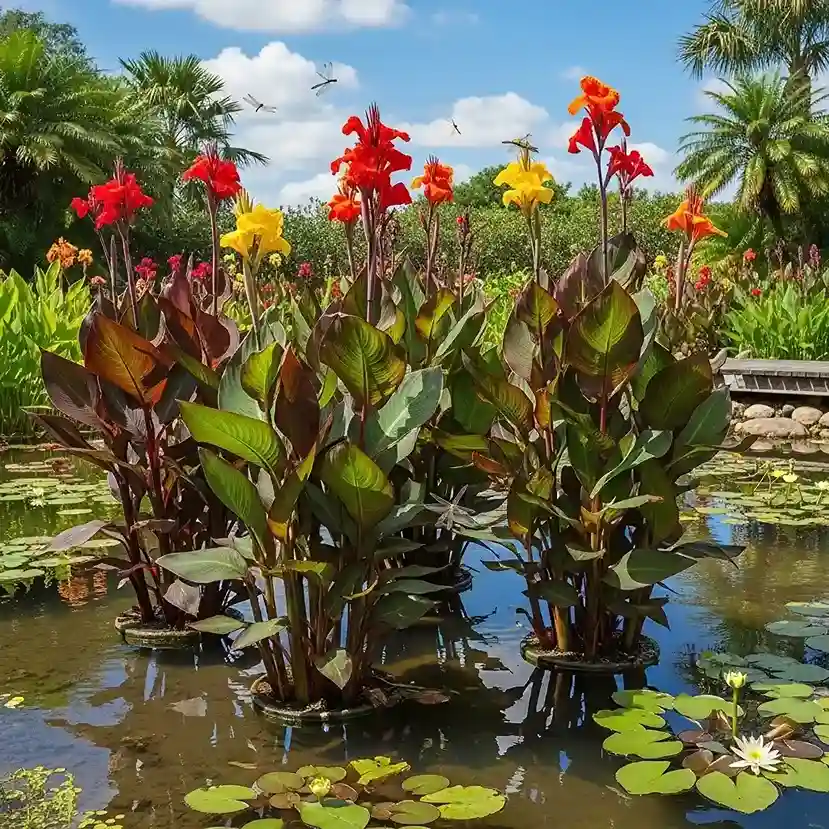
- Vibe: Adds a bold, tropical “resort” feel to the yard.
- Color: Features stunning foliage and bright red or orange flowers.
12. Papyrus for an Ancient Feel
King Tut Papyrus is a fast-growing sedge that adds dramatic vertical interest. It was used by ancient Egyptians to make paper and looks stunning in modern ponds.
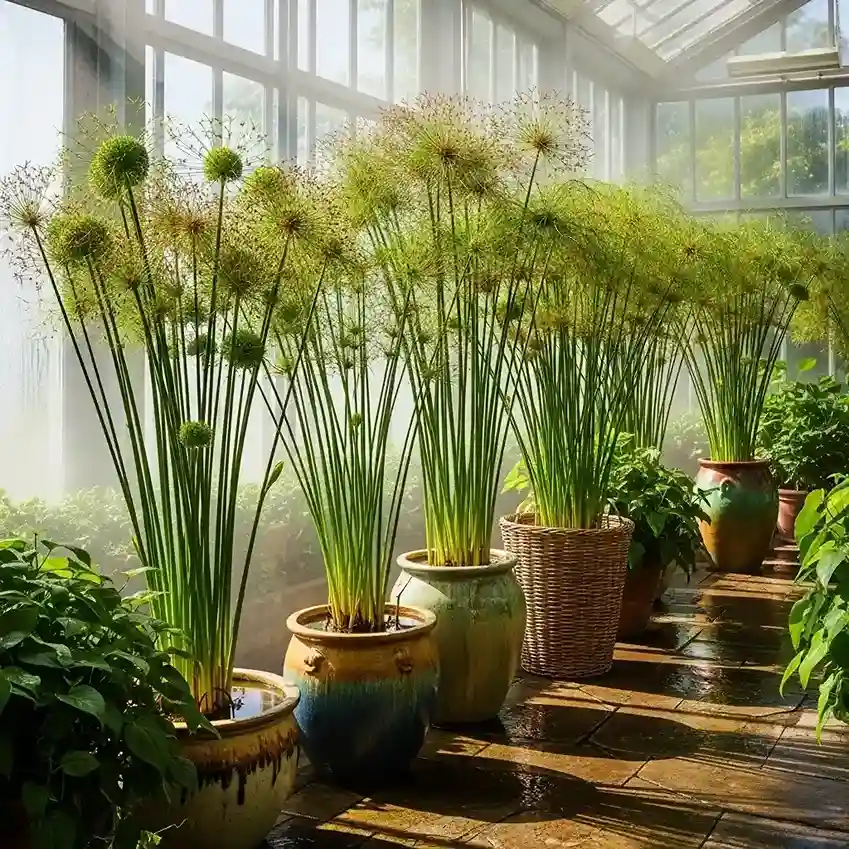
- Style: Features “pom-pom” style flower heads on tall stalks.
- Containers: Excellent for indoor plants enthusiasts who have a very sunny “wet” conservatory.
13. Duckweed: The Smallest Giant
Duckweed consists of tiny green ovals that can cover a pond surface like a carpet. While it can be a nuisance, it is an incredible food source for ducks and turtles.
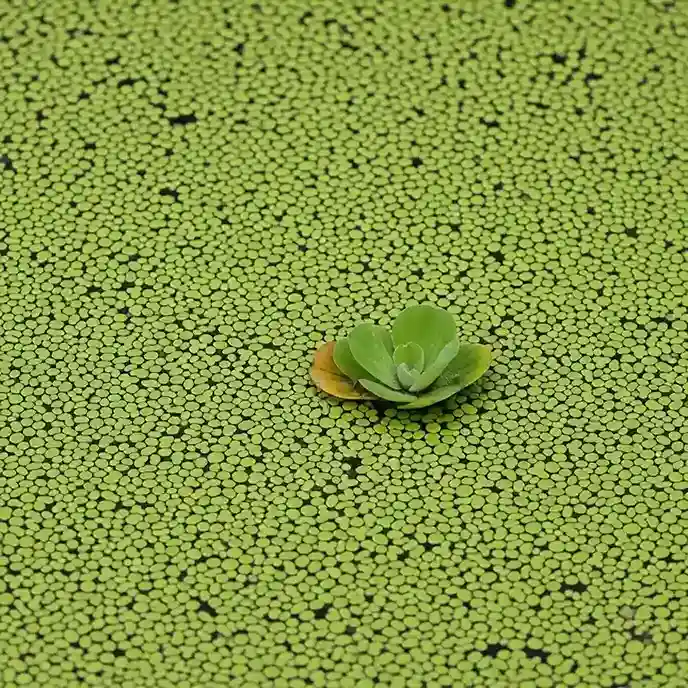
- Cleaning: Known to remove heavy metals and toxins from the water.
- Growth: Can double its population in just a few days in high-sun areas.
14. Horsetail (Equisetum) for Modern Lines
Horsetail is a “living fossil” that grows in stiff, bamboo-like stalks. It is perfect for modern, minimalist trending landscaping ideas.
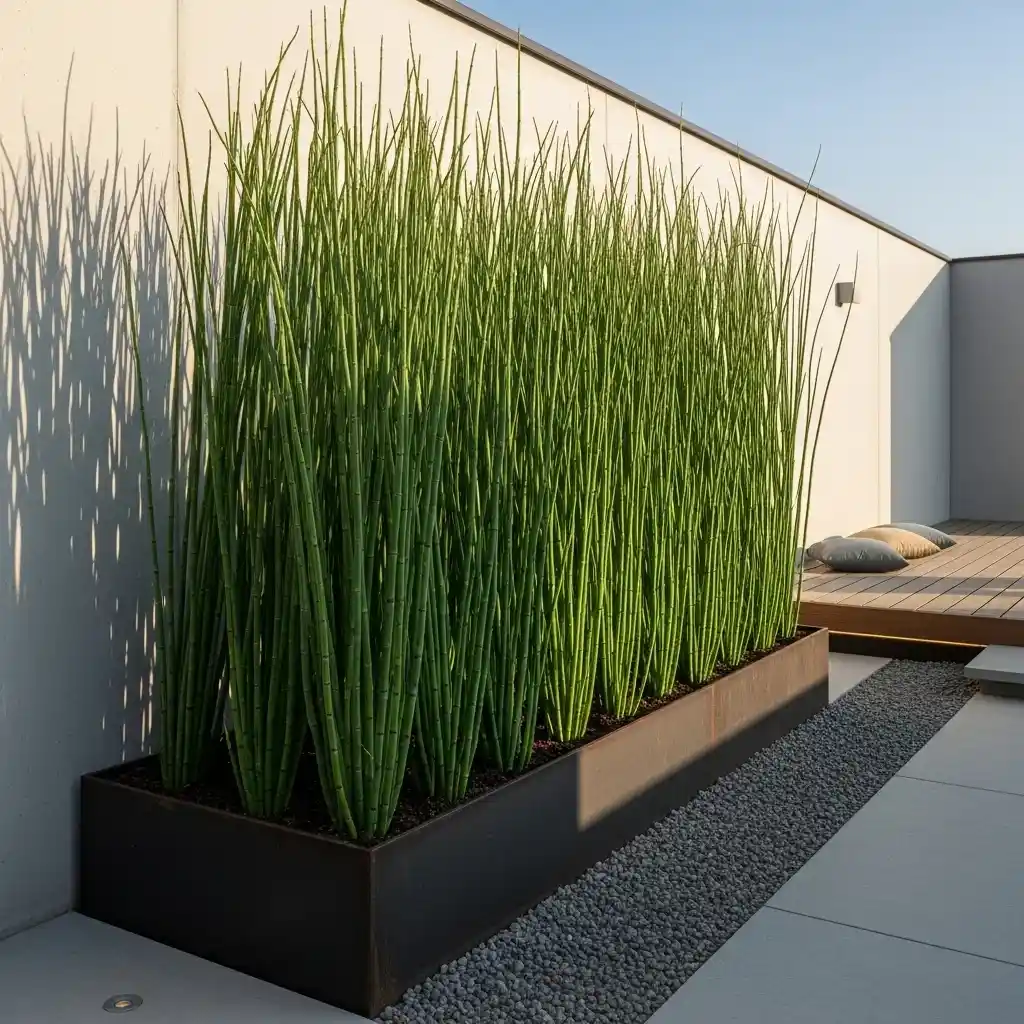
- Warning: It is highly invasive; always plant it in a pot or a lined basin to prevent it from escaping into the lawn.
- Visual: Adds a stark, architectural silhouette.
15. The Bog Bean (Menyanthes)
This unique plant grows in very shallow water and produces fringed, white, star-shaped flowers. It’s a rare gem that adds a “collector’s” touch to your pond.
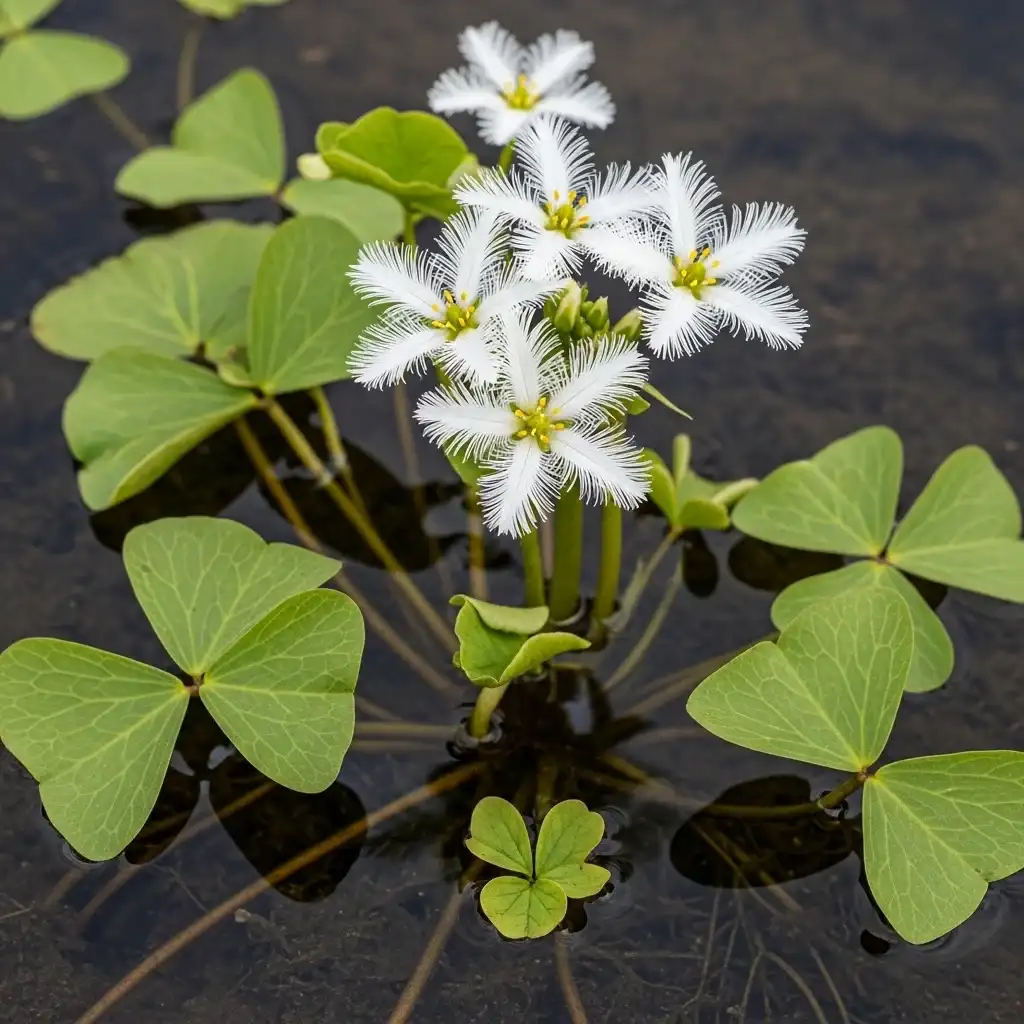
- Bloom: Flowers emerge in late spring.
- Foliage: The leaves look like oversized clover, providing a unique texture.
Water Plant FAQs
Do I need a pump if I have enough plants?
Yes, you can achieve a “natural” or “Stillwater” pond without a pump, but you need to follow the 60/40 rule: at least 60% of the pond surface should be covered by plants to prevent algae.
How do I plant things in a pond?
Most water plants are placed in plastic mesh “lily pots” filled with heavy clay-based soil (not standard potting mix) and topped with pea gravel to keep the soil from floating away.
Can I keep water plants indoors?
Absolutely! A “bowl garden” with a small floating plant like Water Lettuce and a miniature Iris can thrive near a sunny window.
Conclusion
Water plants add a dimension of sound, movement, and life that land-based plants simply cannot match. By choosing a mix of deep-water lilies, marginal irises, and submerged oxygenators, you create a self-sustaining ecosystem that stays clear and beautiful.
Whether you are enhancing your backyard landscaping ideas or starting a small container project, the key is balancing the “zones” of your water feature.