Trees represent the single most impactful element in landscape design, providing structure, shade, privacy, and beauty that increases property value by up to 20 percent. These living giants create the framework upon which all other landscape elements build, establishing vertical dimension and architectural interest that makes outdoor spaces feel complete and professionally designed.
Whether you’re working with acres of land or a modest suburban lot, strategic tree placement fundamentally transforms how you experience and utilize your property.

Source: @prestigiousgardens
Beyond aesthetics, trees deliver measurable environmental and economic benefits that justify their prominence in thoughtful landscape planning. They reduce energy costs by shading homes, improve air quality, manage stormwater runoff, provide wildlife habitat, and create comfortable microclimates for outdoor living.
The key to successful tree landscaping lies in selecting the right species for your climate, positioning them strategically for maximum benefit, and understanding their long-term growth patterns to avoid future conflicts with structures and utilities.

Source: @andreascharfflandscape
Shade Tree Canopy Planning
Large deciduous shade trees strategically positioned on your property’s south and west sides reduce summer cooling costs by 25-50 percent while allowing winter sunlight penetration. Oaks, maples, sycamores, and elms provide expansive canopies that create comfortable outdoor living spaces beneath their protective branches throughout hot summer months.

Source: @tony_kirkham_trees
Consider mature height and spread when positioning shade trees—typically 30-50 feet from structures to prevent foundation damage and allow proper growth. Plant specimen shade trees where their canopies will cover patios, play areas, and parking spaces, creating functional outdoor rooms that extend your living area naturally and beautifully.
Flowering Ornamental Tree Displays
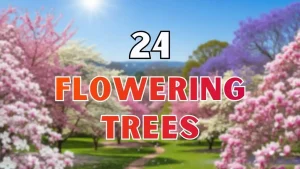
Ornamental flowering trees deliver spectacular seasonal shows that transform landscapes with color, fragrance, and delicate beauty. Dogwoods, redbuds, crabapples, cherry blossoms, and magnolias provide stunning spring displays that announce the changing seasons with breathtaking floral abundance that captivates attention and lifts spirits.

Position flowering trees where blooms are visible from indoor living spaces and primary walkway ideas outdoor space pathways. Layer with spring bulbs and shade-tolerant perennials beneath their canopies to extend seasonal interest beyond brief bloom periods, creating multi-dimensional displays that evolve throughout the year.
Evergreen Privacy Screen Solutions
Columnar evergreens create year-round privacy screens that block unsightly views, buffer noise, and establish property boundaries more beautifully than traditional fencing. Arborvitae, Leyland cypress, Italian cypress, and Thuja varieties grow quickly into dense living walls that provide permanent screening while supporting local wildlife populations.

Source: @plantingtree
Space evergreens according to mature width—typically 5-10 feet apart—for continuous screening within 3-5 years. This natural approach complements diy privacy fences while offering superior aesthetic value and environmental benefits that manufactured materials cannot match, including oxygen production and carbon sequestration.
Specimen Tree Focal Points
Distinctive specimen trees with unique characteristics deserve prominent placement as standalone focal points that command attention throughout all seasons. Japanese maples, river birch, weeping varieties, and trees with colorful exfoliating bark become living sculptures that anchor landscape designs with artistic presence and architectural interest.

Create uncluttered settings using minimal understory plantings or simple mulch beds that emphasize specimens’ natural beauty and form. Position these showpiece trees at property corners, terminating sight lines, or centering island beds where their distinctive qualities receive proper appreciation from multiple viewing angles.
Productive Fruit Tree Orchards
Fruit trees combine beauty with functionality, providing spring blossoms, summer shade, autumn color, and delicious harvests that justify their landscape presence. Apple, pear, peach, plum, cherry, and citrus varieties transform yards into productive homesteads while maintaining ornamental appeal throughout growing seasons.

Choose disease-resistant cultivars suited to your climate’s chill hours and heat zones for reliable production. This edible landscaping approach aligns with comprehensive backyard landscaping ideas that maximize property value while reducing grocery expenses through homegrown organic produce.
Native Tree Ecosystem Gardens
Native trees require minimal maintenance while supporting local wildlife, providing authentic regional character, and thriving without extensive irrigation or fertilization. These adapted species establish quickly, resist local pests naturally, and create ecosystems that benefit pollinators, birds, and beneficial insects critical to environmental health.

Research native trees specific to your region—serviceberry, redbud, oak species, pine varieties—that evolved alongside local fauna. Native plantings represent current trending landscaping ideas that prioritize sustainability and ecological responsibility while reducing long-term maintenance requirements and chemical inputs.
Deciduous Tree Seasonal Interest
Deciduous trees provide dynamic seasonal transformations that keep landscapes visually interesting throughout the year with spring flowers, summer shade, autumn color, and winter architectural structure. Sugar maples, sweet gums, tulip poplars, and hickories offer spectacular fall displays that rival any ornamental planting scheme.

Select trees with multi-season appeal rather than single-feature specimens for maximum landscape value year-round. Consider bark texture, branching patterns, and winter silhouettes alongside foliage and flowers when choosing deciduous varieties that deliver continuous visual engagement across all seasons.
Dwarf Tree Compact Options
Dwarf and semi-dwarf tree varieties deliver full-sized beauty in compact forms perfect for small yards, courtyards, and urban gardens. Genetic dwarfs and grafted specimens provide flowering, fruiting, and ornamental qualities without overwhelming limited spaces or requiring decades to reach attractive proportions.

Source: @gogreennurseries
These space-efficient options integrate beautifully with small garden ideas that maximize impact in confined areas. Dwarf conifers, compact Japanese maples, and patio fruit trees offer sophisticated solutions for properties where standard-sized trees would dominate and overwhelm available square footage.
Windbreak Tree Arrangements
Strategic windbreak plantings reduce wind speeds by up to 50 percent, protecting homes, gardens, and outdoor living areas from damaging gusts while reducing heating costs. Multiple rows of mixed evergreen and deciduous trees create effective barriers that filter rather than block wind, preventing turbulent downdrafts.

Position windbreaks perpendicular to prevailing winds at distances equal to 2-5 times the mature tree height from protected areas. This functional planting approach supports yard ideas outdoor space development by creating comfortable microclimates that expand usable outdoor areas throughout challenging weather conditions.
Multi-Trunk Birch Groupings
Clump birch plantings create dramatic focal points with striking white bark and graceful branching patterns that provide year-round visual interest. River birch, paper birch, and Himalayan birch varieties work particularly well in triple-trunk configurations that mimic natural forest groupings beautifully.

Plant birch groups where their distinctive bark will be backlit during sunrise or sunset for maximum dramatic effect. These sculptural arrangements pair wonderfully with white stone landscaping ideas that echo their pale bark tones while creating cohesive color palettes throughout garden designs.
Street Tree Curb Appeal
Street trees dramatically improve curb appeal and property values while creating pleasant neighborhoods that encourage walking and community connection. Uniform species selections along streetscapes create cohesive visual corridors, while varied plantings offer ecological diversity and reduce disease vulnerability across entire neighborhoods.

Check local regulations regarding approved street tree species and planting distances from utilities, sidewalks, and roadways before installation. Coordinate with best shrubs for front of house selections to create layered foundation plantings that frame homes beautifully from street perspectives.
Flowering Cherry Canopy Gardens
Ornamental cherry trees create breathtaking spring canopies that transform properties into pink and white wonderlands during peak bloom. Japanese flowering cherries, Yoshino cherries, and weeping varieties provide romantic garden atmospheres reminiscent of famous international cherry blossom festivals and celebrations.

Underplant cherry trees with shade-tolerant spring bulbs like daffodils and grape hyacinths that bloom simultaneously for layered color displays. Position where falling petals won’t create maintenance issues on hardscapes or water features, allowing natural petal carpets to decompose beneath trees naturally.
Conifer Garden Structure Trees
Conifers provide permanent evergreen structure that anchors winter landscapes when deciduous trees stand bare and dormant. Spruce, fir, pine, and cedar varieties offer diverse forms—pyramidal, columnar, spreading—that create architectural backbones for four-season garden interest and reliable year-round presence.

Mix conifer textures and colors—blue spruce, golden cypress, dark green firs—to create depth and prevent monotonous green masses. These reliable performers work beautifully with best outdoor plants to establish permanent frameworks that support seasonal color rotations.
Weeping Tree Dramatic Accents
Weeping trees add graceful, fountain-like forms that create dramatic focal points unlike any other landscape element. Weeping willows, weeping cherries, weeping redbuds, and pendulous conifers introduce movement and emotional appeal through their cascading branches that sway gently with breezes.

Position weeping specimens where their distinctive forms won’t be obscured by surrounding plantings or structures at maturity. These statement trees work particularly well near water features or reflecting pools where their flowing silhouettes double beautifully in still water surfaces.
Coastal Wind-Resistant Trees
Coastal properties require salt-tolerant, wind-resistant tree species that withstand harsh maritime conditions while providing landscape structure and beauty. Live oaks, coastal pines, palms, and salt-tolerant evergreens establish successfully in challenging seaside environments that defeat more delicate specimens.

Research species proven in your coastal zone before investing in tree plantings that may struggle with salt spray and sandy soils. This specialized selection process aligns with coastal backyard garden guide principles that emphasize climate-appropriate plantings for long-term success.
Fall Color Showcase Trees
Trees selected specifically for autumn color create spectacular seasonal displays that transform properties into vibrant tapestries of red, orange, yellow, and purple. Sugar maples, red maples, sweet gums, tupelos, and certain oak varieties provide reliable fall performances in appropriate climate zones.

Plant fall color trees where they’ll be backlit by afternoon sun to intensify color saturation and create glowing effects. Group varieties with complementary autumn hues for coordinated displays, or scatter throughout properties for distributed color interest that develops as seasons change.
Fence Line Tree Borders
Trees planted along property boundaries create natural fence lines that provide privacy, define ownership, and soften harsh fence materials with organic beauty. This layered approach combines the immediate screening of fence line landscaping with long-term tree benefits.

Choose columnar or upright varieties that won’t overhang neighbors’ properties at maturity, maintaining good relationships while establishing boundaries. Mix evergreen and deciduous species for year-round interest while supporting diverse wildlife populations that utilize different tree types seasonally.
Understory Tree Layering
Understory trees fill the middle layer between ground covers and canopy trees, creating forest-like depth in landscapes. Dogwoods, redbuds, serviceberries, and Japanese maples thrive in partial shade beneath larger trees while providing flowers, fruits, and seasonal color.

This layered approach mimics natural forest ecosystems while maximizing vertical growing space efficiently. Understory plantings create habitat diversity that supports various wildlife species while preventing the barren, park-like appearance of landscapes with only canopy trees.
Budget-Friendly Tree Establishment
Starting with smaller bareroot or container trees significantly reduces initial costs while allowing more specimens across properties for comprehensive coverage. Young trees establish faster with less transplant shock than large specimens, often surpassing bigger trees’ growth within several years of planting.

Purchase during dormant seasons when nurseries offer discounts on overstock inventory and bare-root options become available. This economical approach aligns with cheap landscaping ideas that prioritize patience and planning over instant gratification at premium prices.
Evergreen Foundation Anchors
Small to medium evergreens anchor foundation plantings with year-round structure that frames homes beautifully. Boxwoods, hollies, yews, and compact conifers provide permanent green backdrops for seasonal color rotations while defining architectural lines and softening building corners effectively.

Space foundation evergreens according to mature width to prevent overcrowding and excessive pruning needs long-term. These reliable performers establish cohesive designs that maintain property presentation through all seasons without gaps or dormant periods.
Pollinator-Supporting Flowering Trees
Flowering trees provide critical nectar and pollen sources for bees, butterflies, and beneficial insects throughout spring when food sources remain scarce. Crabapples, serviceberries, black locusts, and lindens support pollinator populations while beautifying landscapes with abundant blooms and sweet fragrances.

Choose varieties with single flowers rather than showy doubles that often lack accessible pollen and nectar for foraging insects. This ecological approach reflects growing environmental awareness in contemporary landscape design that balances beauty with habitat creation.
Rapid-Growth Screening Trees
Fast-growing species like hybrid poplars, willows, and certain pines provide quick screening for new construction or recently cleared properties. These vigorous growers establish privacy within 3-5 years, offering interim solutions while slower, more permanent specimens mature gradually.

Understand that rapid growth often correlates with shorter lifespans and weaker wood prone to storm damage over time. Plan eventual replacement with long-lived species, using fast-growers as temporary placeholders that serve immediate needs while permanent landscapes develop.
Container Tree Patio Gardens
Dwarf trees grown in large containers bring tree benefits to patios, balconies, and areas with poor soil or limited planting space. Japanese maples, citrus, dwarf conifers, and compact flowering varieties thrive in appropriately sized containers with proper drainage and regular care.

Use frost-resistant containers in cold climates and ensure adequate root insulation during winter months for perennial success. This flexible approach extends tree enjoyment to urban gardens and small spaces where in-ground planting proves impossible or impractical.
Frequently Asked Questions
How close can I plant trees to my house?
Plant trees at distances equal to their mature height to prevent foundation damage and allow proper canopy development. Small trees need 10-15 feet minimum, while large shade trees require 30-50 feet from structures for safe, healthy growth without conflicts.
What are the fastest-growing shade trees?
Hybrid poplars, silver maples, river birches, and tulip poplars grow 3-5 feet annually, providing shade relatively quickly. However, slower-growing oaks, maples, and other hardwoods offer superior longevity, stronger wood, and better long-term landscape value despite extended establishment periods.
When is the best time to plant trees?
Fall planting allows root establishment before winter dormancy, giving trees head starts for spring growth. Spring planting works well in cold climates with severe winters. Avoid summer planting when heat stress challenges establishment, though container trees tolerate year-round installation with proper care.
How do I choose the right tree for my yard?
Consider mature size, growth rate, maintenance needs, seasonal interest, and site conditions including sun exposure, soil type, and drainage. Match tree characteristics to your specific location requirements while ensuring adequate space for mature dimensions without future conflicts or regrets.
Conclusion
Trees represent the most significant long-term investment in landscape design, providing decades of beauty, function, and environmental benefits when properly selected and positioned. Whether you prioritize shade, privacy, seasonal color, or wildlife habitat, strategic tree placement transforms ordinary properties into extraordinary outdoor environments.
Consider your property’s unique conditions, your aesthetic preferences, and long-term maintenance capabilities when developing tree landscaping plans. Start with one or two well-chosen specimens positioned for maximum impact, then expand your tree canopy as budget and time allow. Your patience will be rewarded with maturing landscapes that increase in beauty and value with each passing year.