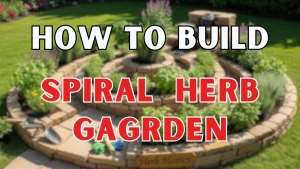
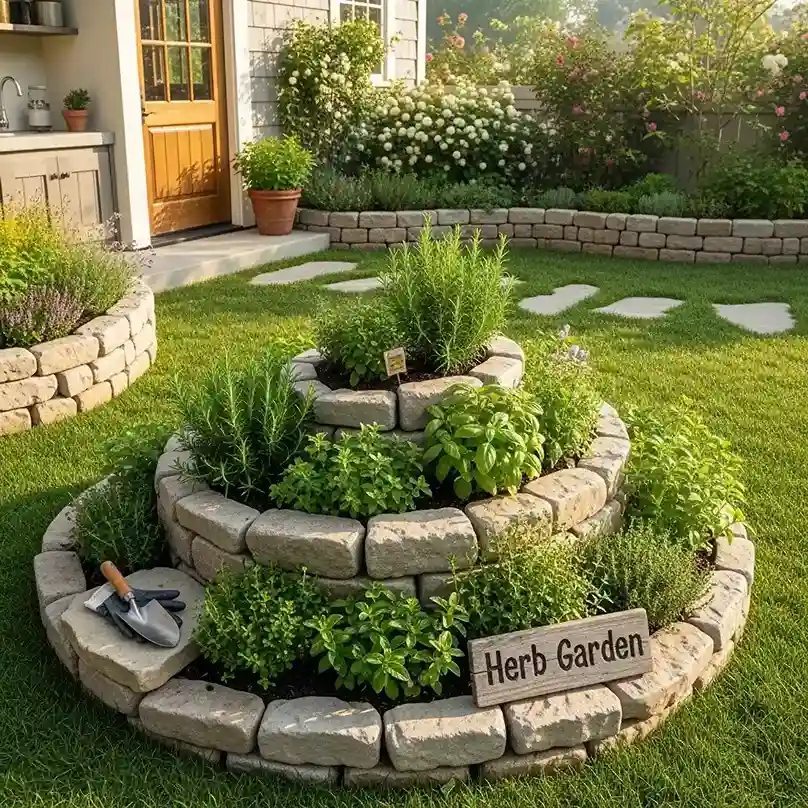
A spiral herb garden stands as a masterpiece of functional design. It uses vertical space to create multiple micro-climates in a small footprint.
In 2026, this structure remains a core feature of permaculture garden design. You move away from flat, boring rows. You embrace a three-dimensional approach that saves water and labor. This project transforms your backyard into a productive and beautiful sanctuary.
| Feature | Benefit |
| Vertical Rise | Increases planting surface area |
| Drainage Gradient | Suit diverse plant needs |
| Thermal Mass | Retains heat for sensitive herbs |
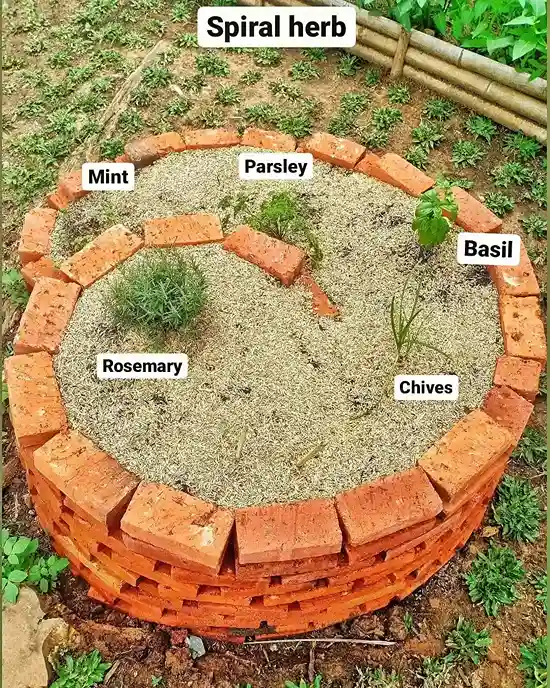
Source: @britaniasari
Understand the Spiral Herb Garden Concept
The spiral design mimics natural patterns to maximize efficiency. You build a stone or brick ramp that winds upward to a central peak. This creates different zones of sun, shade, moisture, and drainage. It serves as a perfect companion for a vintage garden aesthetic. You create a focal point that looks like art but works like a machine.
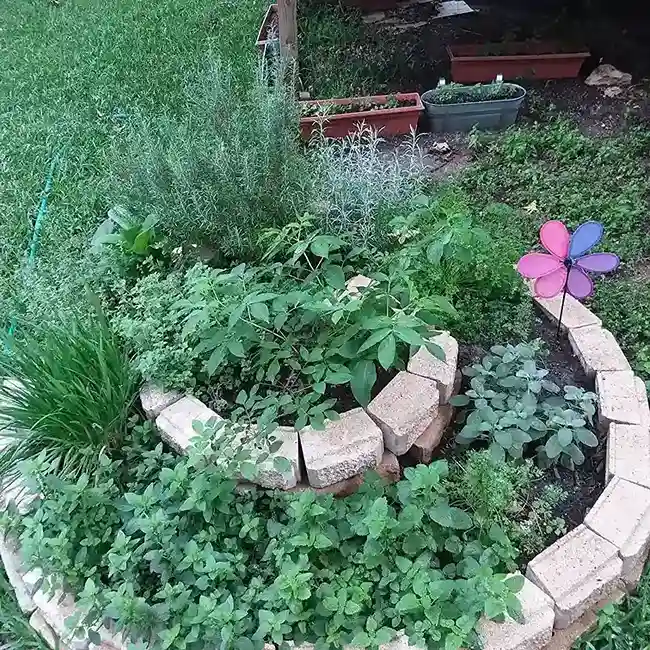
Source: @wizardsknow
| Zone | Condition | Ideal Herbs |
| Top | Dry / Sunny | Rosemary, Sage |
| Middle | Moderate | Thyme, Oregano |
| Bottom | Damp / Shady | Mint, Parsley |
Select the Perfect Sunny Location
Most herbs require at least six hours of sunlight to produce potent oils. You choose a flat spot close to your kitchen door for easy access. This placement follows the same logic as side-of-house landscaping. You ensure the spiral sits in a high-visibility area where you can appreciate its beauty daily.
| Aspect | Requirement |
| Sunlight | Full sun (6+ hours) |
| Access | Within 20 feet of the kitchen |
| Water | Near a hose or rain barrel |
Gather Your Building Materials
You choose materials that provide thermal mass to regulate soil temperature. Natural fieldstones work perfectly for rustic garden ideas. Bricks or pavers offer a more formal look. You avoid treated lumber that might leach chemicals into your edible crops. These stones hold the sun’s heat and release it slowly at night.

Source: @flippinauntpookie
| Material | Look | Durability |
| Fieldstone | Natural | Permanent |
| Bricks | Classic | High |
| Cinder Blocks | Modern | Very High |
Mark the Footprint of Your Spiral
You use a stake and string to draw a circle on the ground. A diameter of five to six feet allows you to reach the center without stepping on the soil. This boundary serves as a yard divider ideas element. You ensure the entrance of the spiral faces north (in the northern hemisphere) to create a damp, cool spot at the bottom.

| Size | Reach | Space Needed |
| 5 Feet | 2.5 feet | Small yards |
| 6 Feet | 3 feet | Standard yards |
| Over 6 Feet | Difficult | Large yards only |
Prepare the Ground Surface
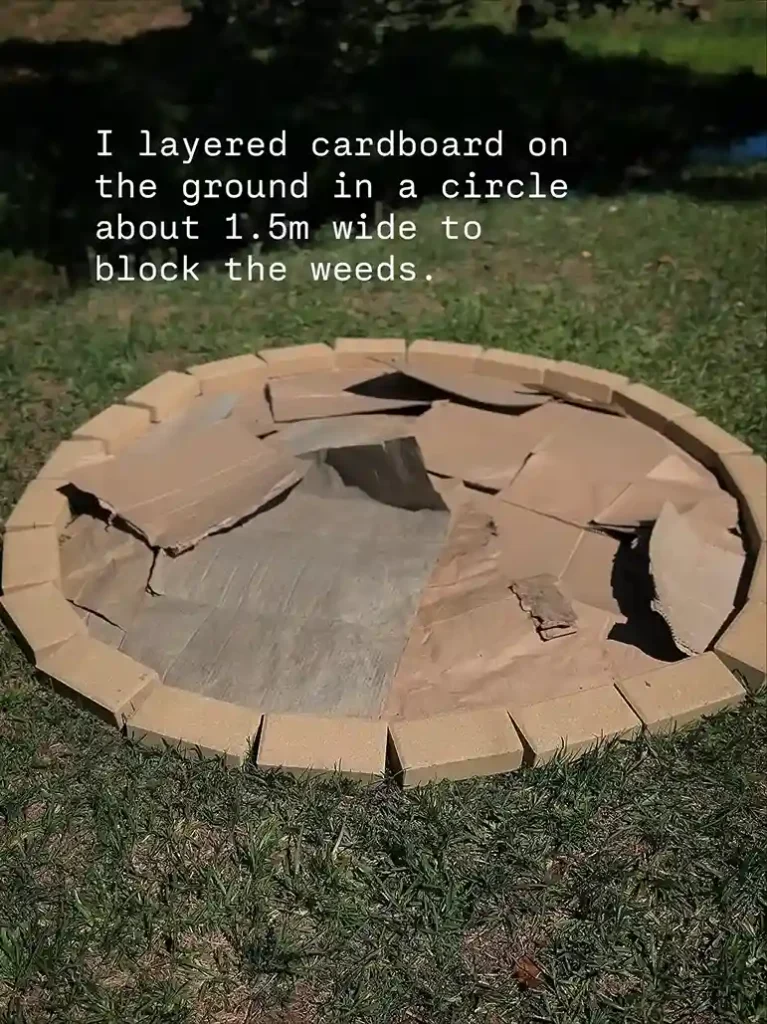
You remove existing grass or weeds within your circle. You place a layer of cardboard or several layers of newspaper over the bare soil. This smothers future weeds without the use of toxic sprays. This eco-friendly step aligns with the goals of a wildlife feeding station ideas project. You create a clean slate for your rich garden soil.
Source: @ayana_ryan_
| Layer | Material | Function |
| Bottom | Cardboard | Weed barrier |
| Middle | Coarse Sand | Leveling |
| Top | Stones | Structural wall |
Build the Foundation Wall
You place your largest, heaviest stones along the outer circle first. You leave a gap at the north-facing side for the lowest point of the spiral. This foundation supports the weight of the soil and the upper tiers. It provides a sturdy border similar to the base of a chain-link fence. You ensure the first layer sits level and secure.
| Action | Priority | Result |
| Sort Stones | Size/Weight | Stability |
| Dig Trench | 2 inches deep | Prevents shifting |
| Fill Gaps | Small pebbles | Interlocking strength |
Create the Upward Spiral Shape
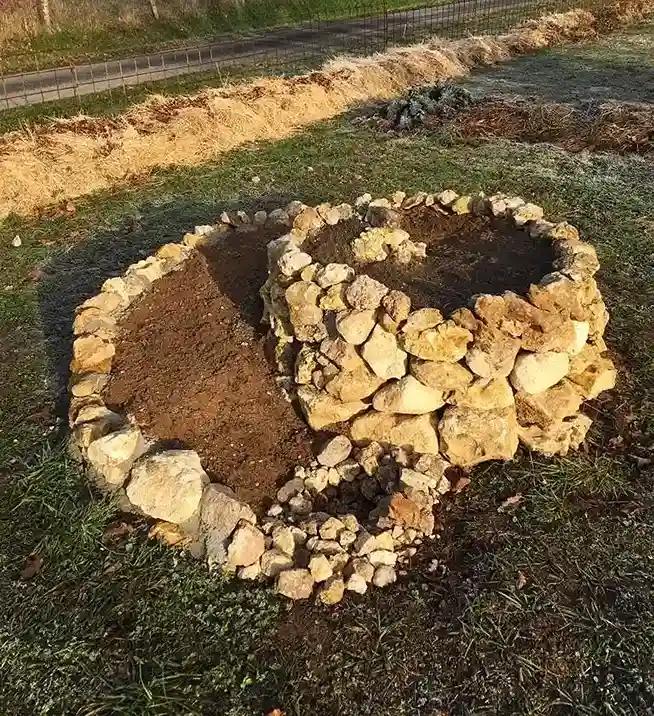
You start the second layer of stones and gradually move inward and upward. You build a ramp that makes approximately two full turns before it reaches the center. This creates the verticality needed for steep hill landscaping effects on a small scale. You maintain a gentle slope to prevent the soil from washing away during rain.
| Tier | Height | Goal |
| Outer | 6–8 inches | Damp zone |
| Middle | 12–18 inches | Transition zone |
| Center | 24–36 inches | Dry peak |
Fill the Spiral with Quality Soil
You use a blend of compost, topsoil, and a little sand. You fill the center and highest points with more sand to improve drainage for Mediterranean herbs. The lower sections receive more organic matter to hold moisture. This layered soil approach supports a mediterranean garden vibe at the top. You avoid compacting the soil as you fill.
Source: @permagricole
| Zone | Soil Mix | Texture |
| Peak | 50% Sand / 50% Soil | Gritty |
| Slopes | 100% Topsoil | Loamy |
| Base | 50% Compost / 50% Soil | Rich/Heavy |
Use Cinder Blocks for a Modern Look
For a quick and industrial aesthetic, you explore cinder block garden ideas. You stack the blocks in a spiral pattern and fill the holes with soil. This provides extra planting pockets for small succulents or strawberries. The gray blocks contrast beautifully with the bright green of fresh herbs.
| Material | Build Time | Cost |
| Cinder Block | 2 Hours | Low |
| Natural Stone | 6 Hours | Variable |
| Paving Stones | 4 Hours | Moderate |
Plant Sun-Loving Herbs at the Peak
Rosemary, Lavender, and Sage thrive in the hot, dry conditions at the top of the spiral. The height ensures they never sit in wet soil. These aromatic plants serve as great diy yard decor elements. They release their fragrance every time you walk by the structure. You give these plants plenty of room to spread.
| Herb | Benefit | Care |
| Rosemary | Perennial | High sun |
| Lavender | Fragrance | Gritty soil |
| Sage | Culinary | Dry roots |
Place Versatile Herbs in the Middle Zone
Thyme, Oregano, and Tarragon prefer the moderate drainage of the middle tiers. They receive full sun but benefit from the moisture that trickles down from the top. This area provides the bulk of your culinary harvest. It mimics the density of a green house interior and exterior ideas setup. You harvest these regularly to encourage bushy growth.
| Herb | Habit | Use |
| Thyme | Creeping | Groundcover |
| Oregano | Spreading | Pizza/Pasta |
| Chives | Clumping | Garnish |
Reserve the Bottom for Moisture Lovers
Parsley, Cilantro, and Mint belong at the base where water collects. Mint spreads aggressively, so you might plant it in a buried pot to contain the roots. This damp area stays cool and protected. It works like a miniature version of side yard landscaping ideas. You enjoy fresh greens even during the peak of summer.
| Herb | Moisture Need | Harvest Tip |
| Parsley | High | Cut outer leaves |
| Cilantro | High | Harvest before bolting |
| Mint | Very High | Frequent trimming |
Incorporate Native Plants for Pollinators
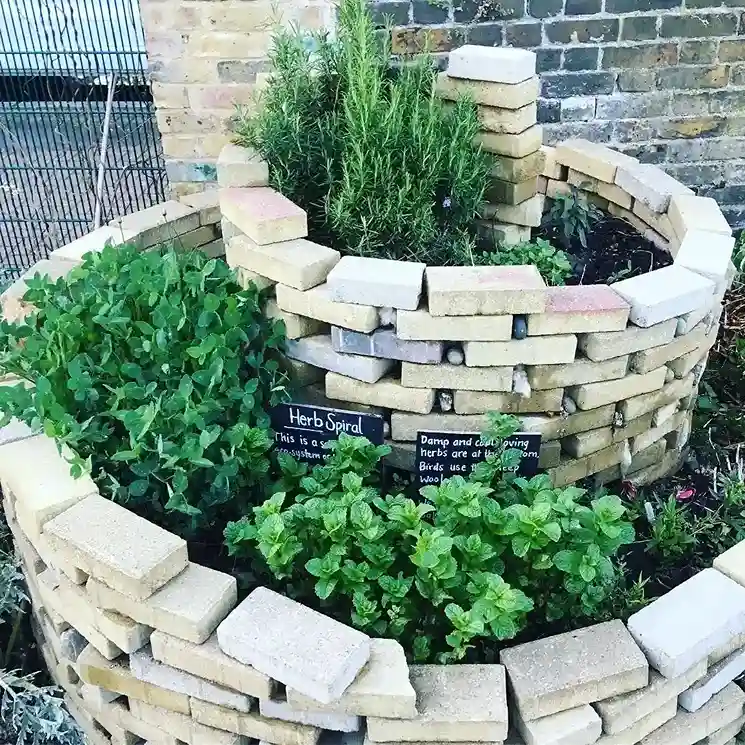
You mix in a few flowering natives like Echinacea or Borage. This invites bees and butterflies to your spiral. Pollinators improve the health of your entire yard, including your how to create mini food forest project. These flowers add pops of color to the green herbs. They turn your herb spiral into a biodiversity hotspot.
Source: @surreydocksfarm
| Flower | Pollinator | Benefit |
| Borage | Bees | Edible flowers |
| Marigold | Beneficial Insects | Pest deterrent |
| Calendula | Butterflies | Medicinal uses |
Install a Drip Irrigation System
A spiral can dry out quickly due to its vertical nature. You run a flexible soaker hose or drip line along the path of the spiral. This delivers water directly to the roots without wasting a drop. This efficiency matches the standards of a gravel driveway guide for water management. You set a timer to water in the early morning.
| System | Efficiency | Cost |
| Drip Line | 90% | Moderate |
| Soaker Hose | 70% | Low |
| Hand Watering | 50% | Free |
Add a Shade Sail for Sensitive Herbs
In extremely hot climates, some herbs may wilt in the afternoon sun. You install a decorative post and use shade sail ideas to protect the spiral. This prevents the soil from baking and keeps the delicate leaves of cilantro from burning. You choose a color that complements your home’s exterior.
| Shade Type | Coverage | Installation |
| Triangle Sail | Partial | Easy |
| Square Sail | Full | Moderate |
| Umbrella | Targeted | Very Easy |
Surround the Base with a Gravel Path
You place a circle of gravel around the outside of your herb spiral. This provides a mud-free place to stand while you harvest. It connects the garden to other elements like your driveway ideas. This border prevents grass from creeping into your herb beds. It also defines the garden as a separate, clean zone.
| Material | Look | Benefit |
| Pea Gravel | Soft | Comfortable to walk on |
| Crushed Stone | Rugged | Stays in place |
| Wood Chips | Organic | Softens soil |
Protect Your Harvest with a Fence
If rabbits or deer live in your area, you must secure your herbs. You build a low wood and wire fence around the garden area. This provides protection without blocking the sun or your view. For a more permanent look, you match it to your backyard fence. This ensures your hard work doesn’t become a midnight snack for wildlife.
| Fence Type | Height | Wildlife Target |
| Wire Mesh | 2 feet | Rabbits |
| Privacy Slat | 6 feet | Visual block |
| Picket | 3 feet | Small dogs/Aesthetic |
Integrate the Spiral Near a Chicken Coop
If you raise poultry, you place the spiral near the chicken coop plans guide area. You feed extra herbs like oregano to your chickens to boost their immune systems. The chickens provide manure that you compost and use to feed the spiral. This creates a closed-loop system that benefits both the plants and the animals.
| Herb for Hens | Benefit | Method |
| Oregano | Antibiotic | Fresh/Dried |
| Lavender | Calming | In nesting boxes |
| Mint | Insect Repellent | Scattered in coop |
Extend the Season with Indoor Starts
You don’t have to wait for spring to enjoy fresh flavors. You learn how to grow bell pepper indoor and apply those skills to your herbs. You start seeds under lights and transplant them to the spiral once the weather warms. You also keep air-purifying house plants inside to maintain air quality during the winter.
| Indoor Herb | Difficulty | Light Need |
| Basil | Easy | High |
| Parsley | Moderate | Moderate |
| Thyme | Easy | High |
Maintain and Revive Your Spiral Garden
Over time, some herbs may become woody or die back. You use the same care steps found in how to revive an orchid to prune and nourish your plants. You add a fresh layer of compost every spring. You replace stones that shift over the winter to keep the structure safe and beautiful.
| Task | Timing | Goal |
| Pruning | Monthly | Bushier growth |
| Mulching | Yearly | Moisture retention |
| Stone Check | Bi-annually | Structural safety |
Use the Spiral for Backyard Privacy
A tall herb spiral can act as a natural screen. You place it strategically to block the view of a neighbor’s window. This adds a layer to your backyard privacy ideas. By planting tall herbs like dill or fennel, you create a soft, green wall that provides both food and seclusion.
| Plant | Height | Privacy Level |
| Dill | 3–4 feet | Airy/Filtered |
| Fennel | 4–5 feet | Moderate |
| Lovage | 5–6 feet | High |
Herb Spiral FAQs
How many plants can I fit in a 6-foot spiral?
Typically, you can fit 15 to 25 different plants depending on their mature size. You avoid overcrowding to ensure good airflow.
Can I build a spiral on a budget?
Yes, you use reclaimed bricks or scavenged fieldstones. This counts as a great way to save money while creating a unique feature.
What if I have heavy clay soil?
The spiral design actually helps with clay because the mound creates drainage. You mix in organic matter and sand to the upper layers to lighten the texture.
How do I stop mint from taking over?
You plant mint in its own separate container or bury it in a pot within the spiral base. This keeps the runners from invading the other herbs’ space.
Conclusion
Building a spiral herb garden transforms your landscape into a high-yield oasis. You move past traditional gardening and use three-dimensional space to your advantage. By carefully selecting materials and placing herbs in their ideal micro-climates, you ensure a bountiful harvest. This structure provides beauty, food, and ecological benefits for years to come. Embrace the spiral, and watch your garden thrive.