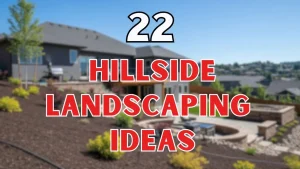
Hillside landscaping transforms sloped terrain into stunning, functional outdoor spaces. Whether your yard has gentle grades or dramatic drops, proper planning ensures beauty, stability, and environmental sustainability for years to come.
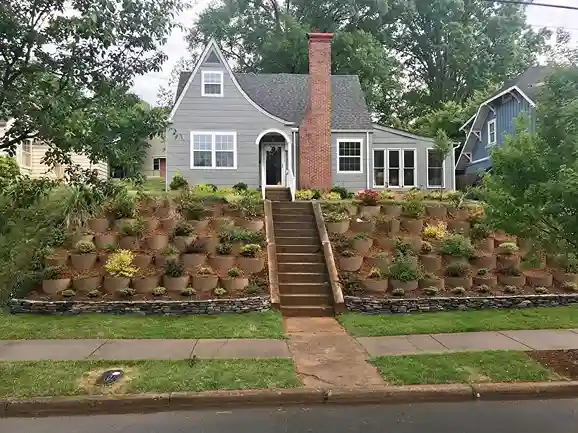
From erosion control to terraced gardens, hillside landscaping demands thoughtful design. Understanding slope dynamics, soil behavior, and plant selection empowers homeowners to create landscapes that are both visually breathtaking and structurally sound.

Source: @dirtlocker_official
1. Understanding Slope and Grade
Slope gradient determines how water flows, how stable the soil is, and which plants thrive. Measuring grade as a percentage helps you plan terracing, drainage, and planting zones accurately before breaking ground.

Accurate slope calculations guide decisions on erosion-control strategies and retaining-wall placement, which are essential components of any successful hillside-landscaping project.
| Grade (%) | Classification | Landscaping Challenge | Recommended Approach |
| 0–5% | Gentle slope | Minimal drainage issues | Standard planting |
| 5–15% | Moderate slope | Some erosion risk | Ground cover + swales |
| 15–30% | Steep slope | High erosion potential | Terracing required |
| 30%+ | Very steep | Severe instability | Retaining walls + engineering |
2. Soil Assessment and Testing
Before landscaping a hillside, test your soil for pH, nutrient levels, and composition. Sandy soils drain quickly but erode easily, while clay soils hold moisture but are prone to sliding when saturated.

A thorough soil assessment informs your plant selection and determines whether soil amendments are needed to support healthy root development and long-term slope stability on your hillside. You can try along with your privacy fence for beautiful landscaping.
| Soil Type | Drainage | Erosion Risk | Best Amendment |
| Sandy loam | Excellent | Moderate | Organic compost |
| Clay | Poor | High (when wet) | Gypsum + compost |
| Silt | Moderate | Very high | Mulch + cover crops |
| Rocky | Very good | Low | Topsoil addition |
3. Erosion Control Methods
Erosion is the top threat on hillside landscapes. Rain and wind constantly move loose soil downslope, stripping nutrients and destabilizing foundations. Implementing erosion controls immediately after grading is critical to preserving your investment.

Effective erosion control often combines ground cover planting with physical barriers like silt fences and erosion blankets, creating a layered defense that protects slopes during the critical plant establishment period. Try various techniques for better growth of plants, like Epsom salt, if the plants require it.
| Method | Best For | Cost Range | Effectiveness |
| Erosion blankets | Seeded slopes | $0.20–$0.80/sq ft | High short-term |
| Silt fences | Construction sites | $1–$3/linear ft | Moderate |
| Riprap | Steep drainage channels | $25–$75/ton | High long-term |
| Hydroseeding | Large bare slopes | $0.08–$0.20/sq ft | High long-term |
4. Retaining Walls for Hillside Stability
Retaining walls are structural solutions that hold back soil on steep slopes, creating level terraces for planting or outdoor living. Materials range from natural stone and timber to concrete blocks and gabion baskets.

When building retaining walls, incorporate drainage pipes to prevent hydrostatic pressure buildup. Proper drainage ties directly into your overall hillside drainage planning and prevents costly wall failures after heavy rainfall.
| Wall Material | Height Limit | Lifespan | Cost per Linear Ft |
| Natural stone | 3–4 ft (DIY) | 50–100 years | $25–$75 |
| Timber/railroad ties | 3–4 ft | 15–25 years | $10–$20 |
| Concrete block | 4–6 ft | 50+ years | $20–$45 |
| Gabion baskets | 6+ ft (engineered) | 40–60 years | $30–$60 |
5. Terracing Sloped Gardens
Terracing converts a steep unusable slope into a series of level planting beds connected by steps or paths. This ancient technique creates growing space, slows water runoff, and adds dramatic visual interest to the landscape.

Source: @gardendesignmag
Terraced gardens pair beautifully with water-wise irrigation systems, as each level can be watered independently, reducing waste and ensuring every planting bed receives the right amount of moisture regardless of elevation.
| Terrace Width | Slope Gradient | Material Needed | Plants Suitable |
| 2–4 ft | 15–20% | Low retaining edges | Herbs, flowers |
| 4–8 ft | 20–30% | Medium retaining walls | Shrubs, vegetables |
| 8–12 ft | 30–40% | Engineered walls | Trees, large shrubs |
| 12 ft+ | Any steep | Full structural walls | Any specimen plants |
6. Ground Cover Plants for Slopes
Ground covers are low-growing plants that spread quickly across slopes, binding soil with dense root systems. Creeping juniper, vinca, ivy, and creeping phlox are popular choices for slopes of varying steepness and sun exposure.
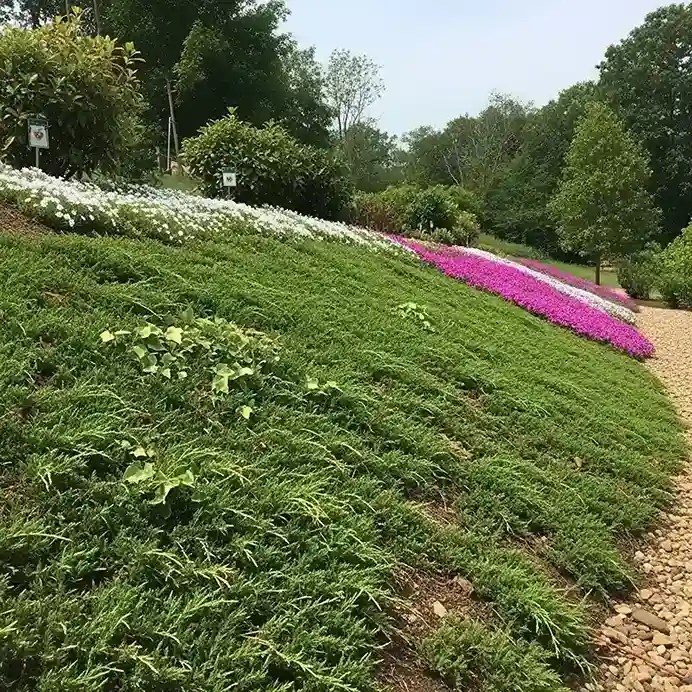
Selecting the right ground cover depends on your soil assessment results and sun exposure. Deep-rooted varieties provide superior erosion control, while flowering ground covers add seasonal color and attract beneficial pollinators to your hillside garden.
| Plant | Sun Needs | Spread Rate | Erosion Control |
| Creeping juniper | Full sun | Fast | Excellent |
| Vinca minor | Part shade | Moderate | Very good |
| Crown vetch | Full sun | Very fast | Excellent |
| Creeping phlox | Full sun | Moderate | Good |
7. Native Plants for Hillside Landscaping
Native plants are perfectly adapted to local soils and climate, requiring less water, fertilizer, and maintenance than exotic species. On hillsides, native grasses and shrubs establish deep roots that anchor soil and support local wildlife habitat.

Combining native plants with water-efficient irrigation creates a sustainable hillside landscape that thrives with minimal inputs. Native plant communities also support biodiversity and help restore ecological balance in urban and suburban environments.
| Native Plant | Region | Height | Benefit |
| Little bluestem | Midwest/East | 2–4 ft | Deep roots, fall color |
| Ceanothus | West Coast | 3–12 ft | Nitrogen fixing |
| Switchgrass | Nationwide | 3–6 ft | Wildlife habitat |
| Wild bergamot | East/Midwest | 2–4 ft | Pollinator magnet |
8. Hillside Irrigation and Watering Systems
Gravity causes water to run downhill quickly on slopes, making irrigation inefficient. Drip irrigation systems deliver water slowly at the root zone, preventing runoff and ensuring deep soil penetration that encourages strong root development.

Efficient irrigation on slopes integrates well with terraced planting design, where each level can have dedicated drip lines. Smart controllers with rain sensors prevent overwatering, a major cause of slope instability and costly erosion damage.
| System Type | Water Efficiency | Installation Cost | Best Slope Grade |
| Drip irrigation | 90–95% | $0.50–$1.50/sq ft | All slopes |
| Soaker hoses | 80–90% | $0.10–$0.30/sq ft | Gentle–moderate |
| Sprinklers | 50–70% | $0.20–$0.50/sq ft | Gentle only |
| Buried emitters | 95%+ | $1.00–$2.50/sq ft | Steep slopes |
9. Hillside Drainage Solutions
Poor drainage causes waterlogged soil, slope failure, and foundation damage. French drains, swales, and catch basins redirect excess water safely away from your home and garden, protecting both the landscape and the structure.

Drainage systems work hand-in-hand with retaining wall construction to prevent hydrostatic pressure. Installing perforated pipe behind walls and directing water to daylight outlets ensures your entire hillside landscaping system performs reliably during heavy storms.
| Drainage Solution | Best Application | Approximate Cost | Maintenance |
| French drain | Wet areas, wall drainage | $10–$25/linear ft | Low |
| Swale/berm | Surface sheet flow | $5–$15/linear ft | Minimal |
| Catch basin | Low points, driveways | $200–$500 each | Annual cleaning |
| Dry creek bed | Natural aesthetic | $15–$30/linear ft | Low |
10. Pathways and Steps on Slopes
Well-designed steps and pathways make hillside gardens accessible and safe. Materials like natural stone, decomposed granite, concrete pavers, and timber provide traction while complementing the aesthetic of the surrounding landscape design.

Source: @b.i.landscapingandconstruction
Pathways that wind through terraced planting areas create a journey through your hillside garden. Gentle curves slow descent, reduce erosion on the path edge, and add a naturalistic feel that straight utilitarian stairways rarely achieve on residential slopes.
| Material | Traction | Cost per Step | Maintenance Level |
| Natural flagstone | Excellent | $50–$150 | Low |
| Concrete pavers | Very good | $30–$80 | Very low |
| Timber/sleepers | Good | $20–$50 | Moderate (rot) |
| Decomposed granite | Good (dry) | $5–$15/sq ft | Moderate |
11. Mulching on Hillsides
Mulch reduces erosion, conserves soil moisture, and suppresses weeds on slopes. However, standard shredded mulch slides easily. Chunky wood chips, shredded bark, or erosion-control mulch netting is essential on slopes over 15%.

Applying mulch in conjunction with ground cover planting creates a double layer of protection. As plants establish and spread, mulch keeps soil moist and cool at the roots, accelerating growth and reducing the time before full vegetative coverage is achieved.
| Mulch Type | Slope Suitability | Depth | Replacement Frequency |
| Chunky bark chips | High | 3–4 inches | Every 2–3 years |
| Shredded hardwood | Moderate | 2–3 inches | Annually |
| Straw/erosion blanket | Very high (seeding) | 1–2 inches | Biodegrades 6–12 months |
| Pine needles | High | 3–4 inches | Every 2 years |
12. Fire-Resistant Hillside Landscaping
Homeowners in fire-prone regions must select fire-resistant plants and design defensible space zones. Succulents, low-water natives, and well-spaced plantings slow fire spread, giving emergency responders critical time to protect structures.

Fire-resistant landscaping complements native plant selection since many drought-adapted natives also have lower flammability. Creating horizontal and vertical separation between plants, known as fuel breaks, dramatically reduces wildfire risk on vulnerable hillside properties.
| Zone | Distance from House | Strategy | Plant Examples |
| Zone 0 (ember) | 0–5 ft | Non-combustible only | Gravel, succulents |
| Zone 1 | 5–30 ft | Irrigated, low fuels | Ice plant, agave |
| Zone 2 | 30–100 ft | Reduced fuels, spacing | Manzanita, native grass |
| Zone 3 | 100–200 ft | Thinned native vegetation | Widely spaced natives |
13. Rock Gardens on Slopes
Rock gardens capitalize on existing rocky terrain or introduce boulders to create naturalistic, low-maintenance landscapes. Strategically placed rocks slow runoff, provide microclimates for alpine plants, and add permanent structural interest to hillside designs.

Rock gardens work beautifully alongside drought-tolerant native plants that naturally thrive in rocky, well-drained soils. The combination creates a xeriscape-style hillside that needs minimal irrigation, weeding, and fertilizing once fully established after the first growing season.
| Rock Type | Aesthetic | Weight (per cubic ft) | Best Plant Pairings |
| Fieldstone | Naturalistic | 100–120 lbs | Sedum, creeping thyme |
| Limestone | Formal/classic | 150–165 lbs | Alpines, ferns |
| Granite boulders | Bold, modern | 165–180 lbs | Ornamental grasses |
| Sandstone slabs | Warm, textured | 130–145 lbs | Succulents, natives |
14. Ornamental Grasses for Hillsides
Ornamental grasses are among the best plants for hillside stabilization. Their fibrous root systems penetrate deep into unstable soils while their arching foliage and seed plumes provide year-round visual interest with virtually no maintenance required.

Ornamental grasses pair exceptionally well with boulder and rock garden features, creating a naturalistic contrast of soft, flowing texture against hard stone surfaces. This combination is a hallmark of contemporary hillside landscape design across diverse regional climates.
| Grass Variety | Height | Sun Exposure | Erosion Control |
| Karl Foerster | 4–5 ft | Full sun | Very good |
| Blue oat grass | 2–3 ft | Full sun | Good |
| Muhly grass | 3–4 ft | Full sun | Good |
| Japanese forest grass | 1–2 ft | Part shade | Moderate |
15. Trees and Shrubs for Slope Stabilization
Deep-rooted trees and shrubs are the most powerful long-term solution for slope stabilization. Species like willow, alder, dogwood, and viburnum send roots several feet into the soil, binding it against erosion and landslide risk.

Selecting appropriate woody plants requires reviewing your soil test results and climate data. Properly positioned trees also provide shade that reduces soil temperature, slows moisture evaporation, and creates ideal growing conditions for companion understory plants below them.
| Plant | Type | Root Depth | Slope Stabilization |
| Red osier dogwood | Shrub | 3–5 ft | Excellent |
| Pussy willow | Large shrub/tree | 4–8 ft | Excellent |
| Nannyberry viburnum | Shrub | 3–5 ft | Very good |
| Eastern redbud | Small tree | 6–10 ft | Good |
16. Lighting Design for Hillside Landscapes
Strategic lighting transforms hillside landscapes after dark, highlighting architectural walls, cascading planting beds, and dramatic specimen plants. Low-voltage LED path lights, uplights, and spotlights create safety and ambiance simultaneously.
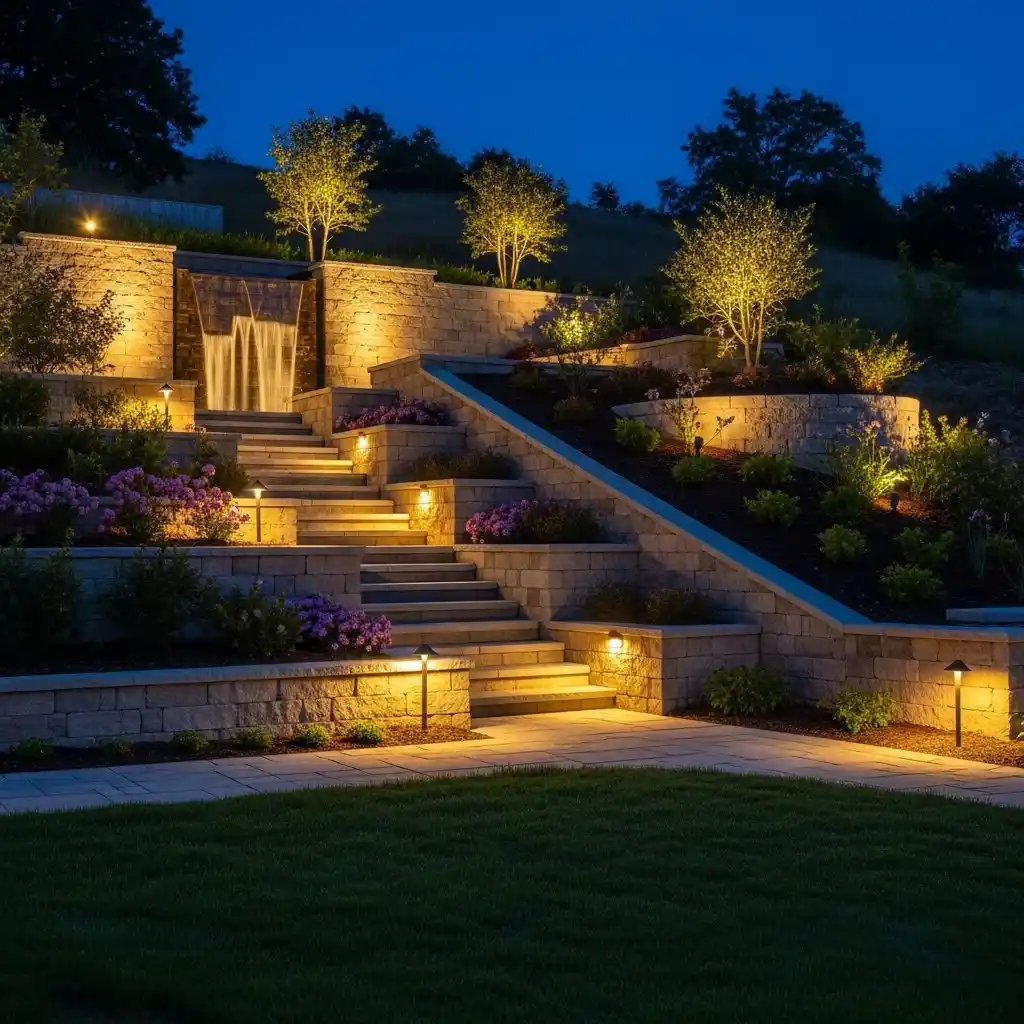
Effective lighting design integrates with your pathway and steps layout to ensure safe navigation of slope changes at night. Solar-powered options reduce installation costs and are particularly practical for remote areas of a hillside where running electrical conduit is difficult or expensive.
| Light Type | Best Use | Power Source | Approximate Cost |
| Path lights | Steps, walkways | Low-voltage/solar | $15–$60 each |
| Uplights | Trees, walls | Low-voltage | $20–$80 each |
| Spotlights | Specimen plants | Low-voltage | $25–$100 each |
| String lights | Social areas | 120V or solar | $20–$150/strand |
17. Rainwater Harvesting on Hillsides
Hillside properties generate significant runoff that can be captured and reused. Rain barrels, cisterns, and swale-and-berm systems intercept stormwater, reducing erosion while providing free water for gardens during dry seasons.

Rainwater harvesting systems complement your hillside drainage design by capturing what would otherwise become runoff. Stored water can supply drip irrigation systems during dry periods, significantly reducing municipal water consumption and your overall landscape maintenance costs throughout summer.
| System | Capacity | Installation Cost | Water Saving Potential |
| Rain barrel (single) | 50–100 gal | $50–$200 | Low |
| Linked barrels | 200–500 gal | $150–$400 | Moderate |
| Cistern (underground) | 500–5,000 gal | $1,000–$5,000 | High |
| Swale network | Site-dependent | $500–$3,000 | Very high |
18. Sustainable and Eco-Friendly Hillside Practices
Sustainable hillside landscaping minimizes chemical inputs, conserves water, and protects natural ecosystems. Composting, organic mulching, integrated pest management, and native planting work together to reduce the environmental footprint of your landscape.

Sustainability practices align perfectly with rainwater harvesting and native plant communities, creating a system where each element supports the others. Healthy, chemical-free soil supports beneficial organisms that naturally suppress pests and improve plant resilience on challenging slopes.
| Practice | Environmental Benefit | Cost Impact | Effort Level |
| Composting | Soil health improvement | Low cost | Moderate |
| No chemical herbicides | Protects watershed | Cost-neutral | Moderate |
| Rainwater harvesting | Reduces runoff | Upfront cost | Low ongoing |
| Native planting | Biodiversity support | Long-term savings | Low once established |
19. Seasonal Maintenance of Hillside Landscapes
Hillside landscapes require year-round attention. Spring calls for mulch refresh and planting; summer demands irrigation monitoring; fall requires leaf clearing and slope inspection; winter is the time to check drainage systems and retaining wall integrity.

Regular seasonal maintenance extends the life of your retaining walls and drainage systems significantly. Early identification of erosion channels, wall bulging, or drainage blockages prevents minor issues from becoming expensive structural failures that require complete slope regrading and reconstruction.
| Season | Key Task | Priority | Time Required |
| Spring | Mulch refresh, erosion repair | High | 4–8 hours |
| Summer | Irrigation check, weed control | High | 2–4 hours/month |
| Fall | Leaf removal, plant division | Moderate | 4–6 hours |
| Winter | Drainage inspection, wall check | High | 2–3 hours |
20. Budgeting for Hillside Landscaping Projects
Hillside landscaping typically costs more than flat-ground projects due to specialized labor, structural components, and engineering requirements. Understanding cost drivers helps homeowners prioritize investments and phase projects strategically over multiple seasons.

Phasing your project allows budget-conscious homeowners to begin with critical erosion-control measures and add aesthetic elements such as rock gardens and ornamental plantings in later seasons. This approach protects your slope while spreading costs across multiple budget cycles without compromising structural integrity.
| Project Component | Average Cost Range | DIY Potential | Priority |
| Erosion control | $500–$3,000 | High | Immediate |
| Retaining walls | $2,000–$15,000+ | Low–moderate | Essential |
| Irrigation system | $1,500–$5,000 | Moderate | High |
| Planting/ground cover | $500–$5,000 | High | Phase 2 |
21. DIY vs. Professional Hillside Landscaping
Some hillside tasks are excellent DIY projects: mulching, planting, and small rock gardens. However, retaining walls over four feet, engineered drainage systems, and slopes near foundations require licensed contractors and structural engineering expertise.

Knowing when to hire professionals for retaining wall construction and complex drainage work can save thousands in future repairs. Improperly built walls and drainage systems often fail within five years, causing far more damage than the initial professional installation would have cost.
| Task | DIY Feasibility | Professional Recommended | Risk if DIY |
| Ground cover planting | Excellent | No | Very low |
| Mulching and edging | Excellent | No | Very low |
| Retaining walls (4 ft+) | Not recommended | Yes | High—wall failure |
| Engineered drainage | Not recommended | Yes | High—flooding, erosion |
22. Hillside Landscaping Design Inspiration
Great hillside landscapes balance form and function. Inspiration comes from Mediterranean terraced vineyards, Japanese strolling gardens, English cottage gardens on slopes, and modern minimalist designs featuring ornamental grasses and sculptural boulders.

Drawing inspiration from diverse traditions helps you blend terraced garden design with native planting schemes and rock garden aesthetics uniquely suited to your region. The most memorable hillside landscapes feel natural and inevitable, as if the design emerged organically from the land itself.
| Design Style | Key Elements | Maintenance Level | Best Climate |
| Mediterranean terraced | Stone walls, olives, herbs | Low | Hot, dry summers |
| Japanese hillside garden | Moss, boulders, raked gravel | High | Humid, temperate |
| English cottage slope | Mixed perennials, roses | High | Cool, moist |
| Modern xeriscape | Grasses, succulents, boulders | Very low | Arid/semi-arid |
Frequently Asked Questions
Q1: What is the best plant for stabilizing a steep hillside?
Deep-rooted ground covers like crown vetch and creeping juniper are excellent for steep slopes. Native shrubs and ornamental grasses also provide superior stabilization while requiring minimal maintenance once fully established.
Q2: How do I stop my hillside from eroding after heavy rain?
Install erosion blankets immediately on bare slopes, plant fast-establishing ground covers, and add swales to redirect water. Mulching and proper drainage systems dramatically reduce erosion damage following heavy seasonal rainfall events.
Q3: Do I need a permit to build a retaining wall on my property?
Most municipalities require permits for retaining walls exceeding three to four feet in height. Always check local building codes before beginning construction, as structural walls near property lines may require engineering approval and inspection.
Q4: How much does hillside landscaping typically cost?
Costs vary widely from a few hundred dollars for DIY ground cover planting to over $50,000 for engineered retaining walls and full drainage systems. Phasing projects over time helps manage expenses while maintaining slope stability throughout the process.
Conclusion
Hillside landscaping rewards patience and planning. By combining erosion control methods with thoughtful plant selection and structural solutions like terracing, homeowners can transform challenging slopes into stunning, stable, and sustainable outdoor retreats.
From retaining wall design to seasonal maintenance routines, every decision shapes the long-term health of your hillside. Start with the fundamentals, invest in quality materials, and your slope will reward you with beauty for decades ahead.