Growing herbs together isn’t just about saving space—it’s about creating thriving plant communities where companions support each other’s growth, flavor, and pest resistance naturally.

Source: @thefrugalgirls
Understanding herb compatibility transforms your garden from a random collection of plants into a strategic ecosystem where each herb contributes to its neighbors’ success and overall garden health.
Why Does Herb Pairing Matter for Your Garden?
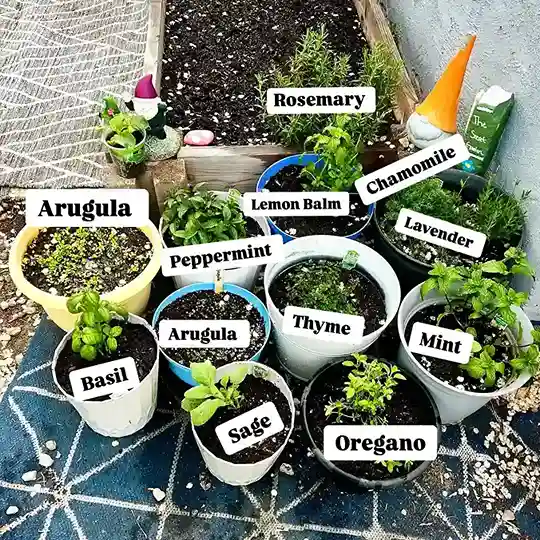
Companion planting maximizes limited garden space while improving soil health, deterring pests naturally, and enhancing growth rates through beneficial plant relationships that have been proven over centuries of cultivation.
Source: @theeastergardener
Strategic garden herb pairing combinations create microclimates, share nutrients efficiently, and provide natural pest control, reducing your need for chemical interventions while increasing harvest yields and plant vitality throughout the season.
Complete Herb Companion Planting Reference Table
| Herb | Best Companions | Benefits | Avoid Planting With | Growing Conditions |
|---|---|---|---|---|
| Basil | Tomatoes, peppers, oregano | Repels aphids, improves flavor | Rue, sage | Full sun, moist soil |
| Parsley | Tomatoes, asparagus, roses | Attracts beneficial insects | Mint, alliums | Part shade tolerant, moist soil |
| Rosemary | Sage, thyme, beans | Deters cabbage moths, carrot flies | Basil, mint | Full sun, dry soil |
| Thyme | Oregano, rosemary, cabbage | Repels cabbage worms, whiteflies | – | Full sun, well-drained soil |
| Oregano | Basil, peppers, tomatoes | Provides ground cover, repels pests | – | Full sun, dry soil |
| Cilantro | Dill, anise, spinach | Attracts beneficial wasps | Fennel | Cool weather, part shade okay |
| Dill | Cilantro, lettuce, onions | Attracts pollinators, ladybugs | Carrots, tomatoes | Full sun, moderate water |
| Mint | Cabbage, tomatoes (contained) | Repels aphids, cabbage moths | Parsley, chamomile | Part shade, moist soil |
| Lemon Balm | Most herbs (contained) | Attracts pollinators | Plant separately, invasive | Part shade, moist soil |
| Sage | Rosemary, carrots, cabbage | Deters carrot flies, cabbage moths | Cucumbers, onions | Full sun, dry soil |
| Chives | Roses, carrots, tomatoes | Prevents black spot, repels aphids | Beans, peas | Full sun, moderate water |
| Chamomile | Cabbage, onions, cucumber | Improves plant health, attracts beneficials | Mint | Full sun, well-drained soil |
| Lavender | Roses, fruit trees, echinacea | Repels moths, attracts pollinators | – | Full sun, dry soil |
| Fennel | Plant alone | Attracts beneficial insects | Everything – allelopathic | Full sun, well-drained soil |
| Tarragon | Eggplant, most vegetables | Enhances growth, deters pests | – | Full sun, well-drained soil |
| Marjoram | Beans, eggplant, squash | Enhances growth and flavor | – | Full sun, moderate water |
| Borage | Strawberries, tomatoes, squash | Improves flavor, deters worms | – | Full sun, moderate water |
| Nasturtium | Radishes, cucumbers, tomatoes | Trap crop for aphids | – | Full sun, poor soil okay |
| Bay Laurel | Rosemary, thyme, oregano | Compatible Mediterranean herbs | – | Full sun, well-drained soil |
| Catnip | Squash, cucumbers, eggplant | Repels squash bugs, beetles | – | Full sun, dry soil |
| Lemongrass | Citronella, most herbs | Repels mosquitoes | – | Full sun, moist soil |
| Garlic | Lettuce, roses, tomatoes | Repels aphids, fungal diseases | Beans, peas | Full sun, moderate water |
| Hyssop | Grapes, cabbage, brassicas | Increases yield, attracts pollinators | Radishes | Full sun, well-drained soil |
| Coriander | Spinach, lettuce, potatoes | Attracts beneficial insects | Fennel | Cool weather, part shade okay |
| Winter Savory | Beans, onions, brassicas | Improves growth and flavor | – | Full sun, well-drained soil |
| Stevia | Most container herbs | No competition, compact growth | – | Full sun, moist well-drained |
| Vietnamese Coriander | Watercress, mint, water-loving herbs | Thrives in moisture | Mediterranean herbs | Part shade, constantly moist |
Basil and Tomatoes: The Perfect Partnership
Basil planted near tomatoes improves flavor, repels aphids and hornworms, and thrives in similar warm, sunny conditions with consistent moisture, making this combination ideal for summer gardens.

Source: @rootedbyjackie
This classic pairing works because both plants enjoy full sun, regular watering, and rich soil. Basil’s strong scent confuses pests seeking tomatoes while its flowering attracts beneficial pollinators abundantly.
Parsley and Rosemary: Contrasting Needs That Work
Despite different water requirements, parsley and rosemary coexist successfully when planted strategically. Rosemary’s deep roots access lower moisture while shallow-rooted parsley captures surface water without competing directly.

Position rosemary on higher, drier ground with parsley slightly downslope where moisture naturally accumulates. This arrangement respects each herb’s preferences while maximizing vertical and horizontal garden space efficiently.
Thyme and Oregano: Mediterranean Companions
Both herbs originate from Mediterranean regions, thriving in lean, well-draining soil with full sun exposure and minimal water, making them natural companions for low-maintenance herb gardens everywhere.

These drought-tolerant perennials spread beautifully together, creating living mulch that suppresses weeds, retains soil moisture, and provides abundant harvests throughout the growing season with virtually no maintenance required.
Cilantro and Dill: Cool-Season Friends
Cilantro and dill both prefer cooler temperatures, bolt in heat, and attract beneficial insects like ladybugs and parasitic wasps that control aphids, making them valuable companion plants together.

Plant these annuals in early spring or fall when temperatures remain moderate. Their delicate foliage and similar growth habits create attractive displays while their flowers support essential pollinator populations continuously.
Mint and Lemon Balm: Vigorous Growers Need Boundaries
Both herbs spread aggressively through underground runners, so plant them together in containers or confined garden areas where their invasive tendencies won’t overwhelm more delicate neighboring plants unnecessarily.

Despite their aggressive nature, these vigorous growers make excellent companions when properly contained, sharing similar moisture needs and shade tolerance while providing abundant harvests for teas and culinary uses.
Sage and Carrots: Unexpected Beneficial Pair
Sage repels carrot flies effectively while carrots’ feathery foliage doesn’t compete with sage’s broad leaves for sunlight, creating a mutually beneficial relationship that improves both plants’ health significantly.

This pairing demonstrates how vegetables and herbs complement each other beautifully. Sage’s strong aroma masks carrots’ scent from pests while carrots’ light foliage allows adequate sun penetration throughout.
Chives and Roses: Beauty Meets Function
Chives planted around roses deter aphids and black spot disease while adding edible purple blooms that attract pollinators, combining ornamental beauty with practical pest management solutions naturally and effectively.
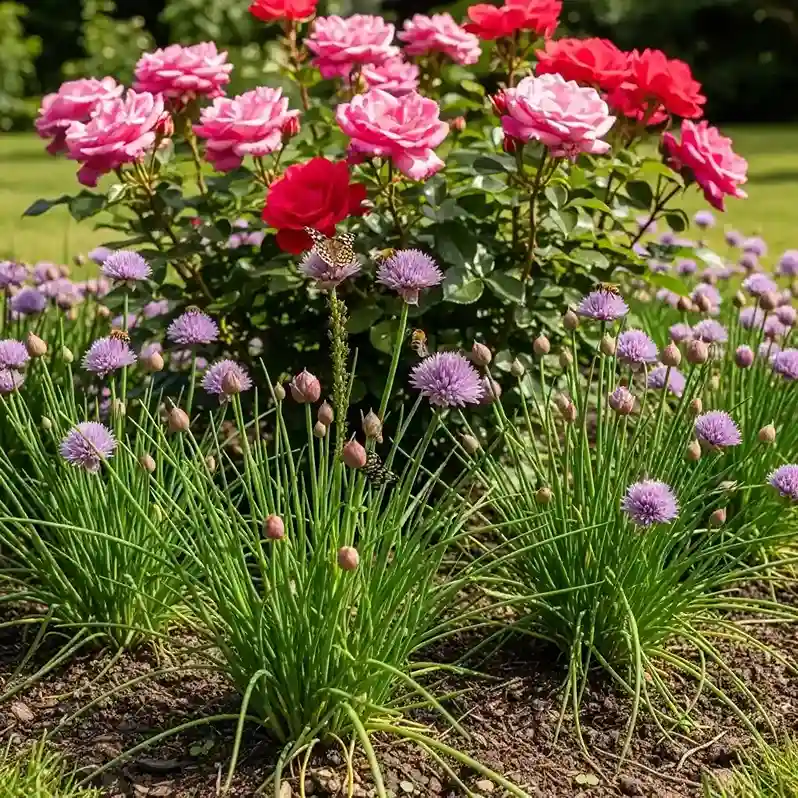
The allium family member’s sulfur compounds repel common rose pests while improving soil health through their dense root systems. This pairing creates stunning garden borders with multiple benefits simultaneously.
Chamomile and Cabbage Family: The Healing Companion
Chamomile improves flavor and growth of brassicas like cabbage, broccoli, and kale while attracting hoverflies whose larvae consume aphids, providing natural pest control throughout your vegetable garden constantly.

Known as the “plant physician,” chamomile releases compounds that strengthen neighboring plants’ immune systems. Its daisy-like flowers add beauty while supporting beneficial insect populations that protect vulnerable crops effectively.
Lavender and Echinacea: Pollinator Paradise
Both plants thrive in similar well-draining, sunny conditions while attracting butterflies, bees, and other essential pollinators, creating a stunning, fragrant garden display that supports local ecosystem health remarkably.

This pairing combines medicinal herbs with exceptional ornamental value and works beautifully alongside best outdoor plants in landscape designs. Their complementary bloom times ensure continuous flowering throughout summer months.
Fennel: The Herb That Grows Alone
Fennel inhibits growth of most neighboring plants through allelopathic compounds, so plant it separately from other herbs and vegetables to prevent stunted growth and reduced yields in companions unfortunately.
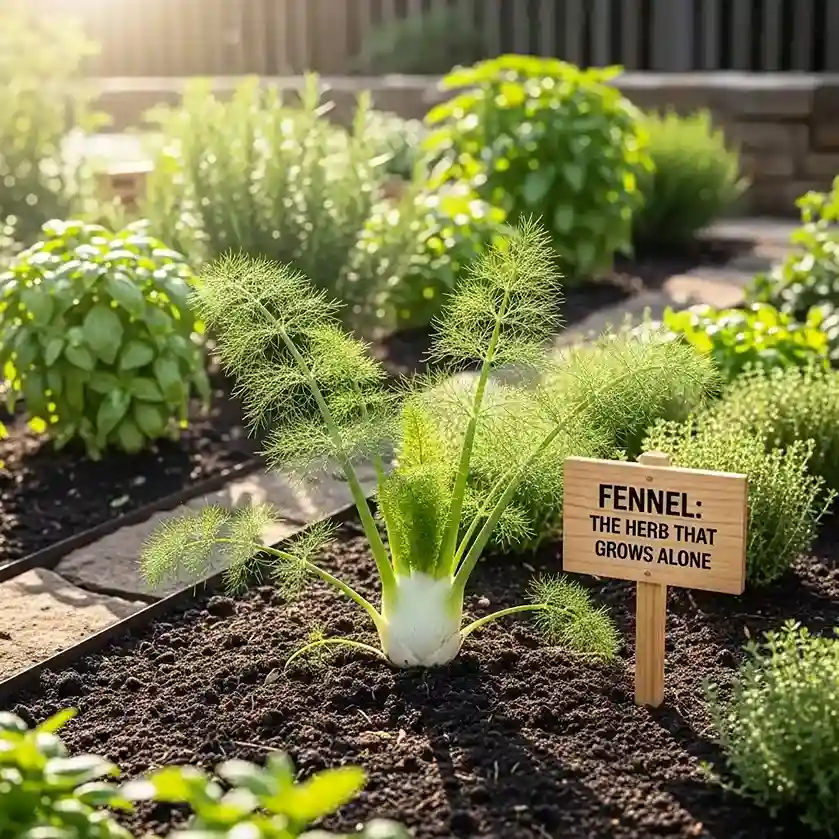
Despite being a poor companion, fennel attracts beneficial insects like ladybugs and parasitic wasps to your garden. Plant it in isolated areas where its pest-fighting benefits work without harming nearby plants.
Tarragon and Eggplant: Unexpected Growth Boosters
French tarragon enhances eggplant growth and flavor while deterring spider mites and aphids with its aromatic oils, creating a productive partnership that improves harvests from both plants significantly and naturally.

Both plants appreciate warm soil, full sun, and moderate watering schedules, making their cultural requirements compatible. Tarragon’s fine texture contrasts beautifully with eggplant’s bold foliage and purple fruits visually.
Marjoram and Beans: Nitrogen-Fixing Friends
Marjoram grows well with beans because legumes fix atmospheric nitrogen, enriching soil for marjoram’s benefit while marjoram’s aromatic compounds repel bean beetles and other common legume pests effectively naturally.

This mutually beneficial relationship demonstrates companion planting principles perfectly. Beans improve soil fertility while marjoram provides pest protection, creating a sustainable growing system that reduces fertilizer and pesticide needs significantly.
Borage and Strawberries: Flavor Enhancement Team
Borage improves strawberry flavor, attracts pollinators with star-shaped blue flowers, and deters strawberry worms, making it an invaluable companion plant for productive, healthy strawberry beds throughout the season.

This annual herb’s deep taproot mines nutrients from lower soil layers, making them available to shallow-rooted strawberries. Borage’s flowers are also edible, adding cucumber-like flavor to salads beautifully.
Nasturtium and Radishes: Pest Trap Companions
Nasturtiums act as trap crops, attracting aphids away from radishes and other vegetables while their peppery leaves and flowers provide edible additions to salads and garnishes throughout the season.

Both plants grow quickly, mature rapidly, and thrive in similar conditions with full sun and moderate water. Nasturtium’s bright blooms add stunning color while protecting radishes from pest damage effectively.
Bay Laurel and Mediterranean Herbs: Container Garden Success
Bay trees companion well with rosemary, thyme, and oregano in large containers, sharing similar soil drainage needs and moderate water requirements while creating attractive, productive container arrangements beautifully.

These slow-growing perennials establish long-term container gardens that provide fresh herbs year-round in mild climates. Their complementary growth habits work well in small garden ideas for maximizing limited spaces.
Catnip and Squash: Pest Deterrent Powerhouse
Catnip repels squash bugs, cucumber beetles, and aphids effectively while attracting beneficial predatory insects, making it an excellent border plant around squash, pumpkins, melons, and cucumbers throughout summer.

While cats may be attracted initially, they typically lose interest after crushing leaves once. Position catnip strategically around squash family crops for maximum pest protection without sacrificing garden accessibility.
Lemongrass and Citronella: Mosquito-Repelling Duo
Both herbs contain natural mosquito-repelling compounds, creating outdoor living areas that discourage biting insects naturally while adding architectural interest with their tall, graceful foliage and tropical appearance throughout seasons.

These tender perennials thrive in large containers or warm-climate gardens, preferring rich, moist soil and full sun exposure. Plant them near walkway ideas outdoor space to enhance comfort naturally.
Garlic and Lettuce: Underground and Above Partners
Garlic’s sulfur compounds deter aphids and slugs from lettuce while growing below ground, not competing for light with lettuce’s surface leaves, creating an efficient use of vertical growing space.
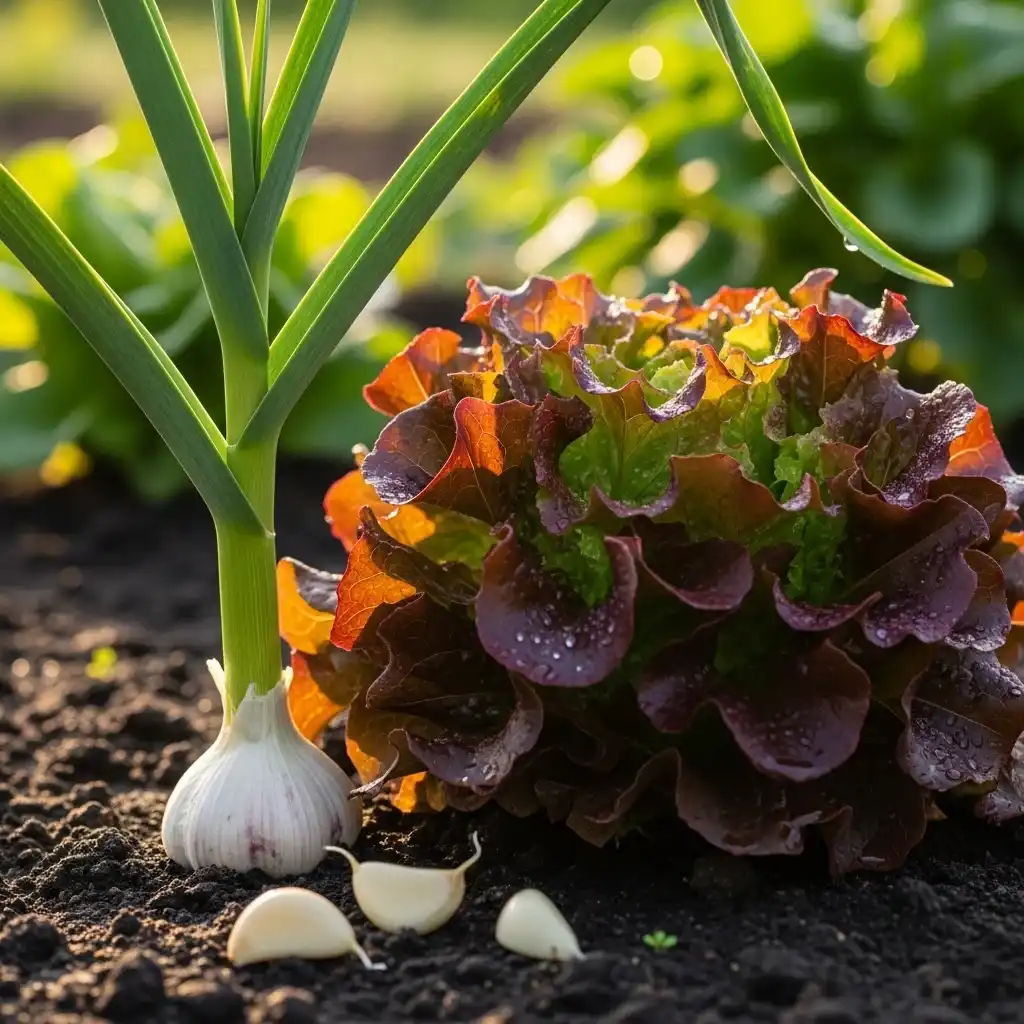
This combination allows succession planting—lettuce matures quickly while garlic develops slowly underground. Harvest lettuce before garlic needs maximum space, then interplant with another quick-growing crop between garlic bulbs.
Stevia and Container Gardens: Sweet Space-Saving Solution
Stevia grows well with most herbs in containers, requiring similar well-draining soil and moderate moisture while providing natural sweetener from its leaves without competing aggressively for nutrients or space.

This tender perennial thrives in pots alongside basil, mint, or lemon verbena, creating edible container gardens that offer diverse flavors. Consider incorporating stevia into your backyard landscaping ideas for functional beauty.
Vietnamese Coriander and Water-Loving Herbs
This peppery herb thrives in consistently moist soil, making it compatible with watercress, mint, and other moisture-loving plants in bog gardens or poorly-draining areas where most herbs fail.

Unlike regular cilantro, Vietnamese coriander tolerates heat without bolting and grows as a perennial in warm climates. Its spreading habit creates living mulch while providing spicy, cilantro-like flavor continuously.
Herb Borders for Decorative Landscape Design
Herb borders along fence line landscaping create functional, beautiful boundaries that serve multiple purposes—providing fresh culinary ingredients while deterring pests and attracting pollinators to your entire property naturally.

Combine upright herbs like rosemary with spreading varieties like thyme to create textured, multi-layered borders. These living edges complement yard ideas outdoor space while reducing lawn maintenance areas effectively.
Coastal Herb Gardening Considerations
Herbs for coastal backyard garden guide areas need salt tolerance and wind resistance. Rosemary, lavender, and sage thrive in maritime conditions, making them ideal companions for seaside properties naturally.

These Mediterranean natives handle sandy soil, salt spray, and intense sun exposure beautifully. Pair them with native grasses and succulents for low-maintenance coastal herb gardens with exceptional resilience.
Budget-Friendly Herb Companion Planting
Starting herb gardens doesn’t require expensive investments. Many cheap landscaping ideas incorporate herbs propagated from cuttings, seeds, or divisions, creating productive gardens affordably while maximizing companion planting benefits naturally.
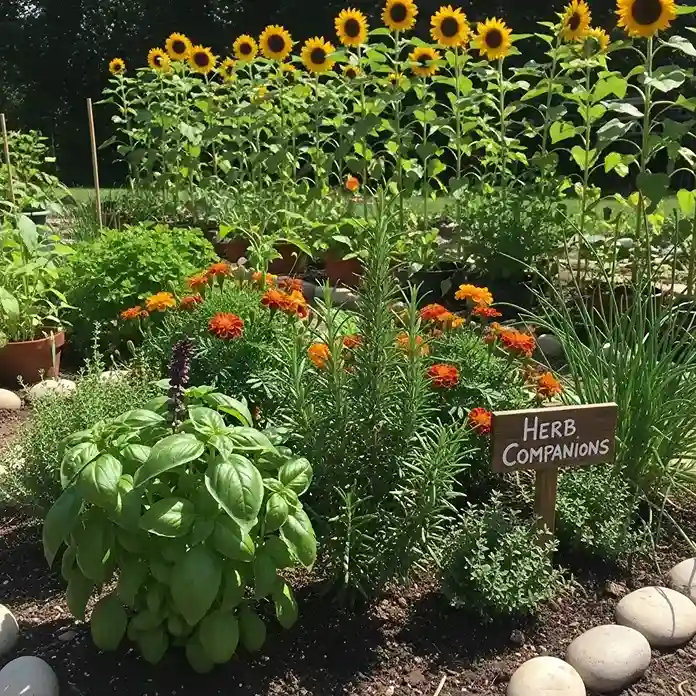
Share herb divisions with neighbors, start from seed packets, or propagate mint and basil from grocery store purchases. These cost-effective strategies build abundant herb gardens quickly.
Integrating Herbs with Ornamental Shrubs
Herbs planted among best shrubs for front of house create layered landscapes with practical benefits. Low-growing thyme and oregano carpet areas beneath taller shrubs, suppressing weeds while providing fragrant harvests.

This integration transforms traditional foundation plantings into productive landscapes. Herbs soften hardscape edges while shrubs provide structure, creating dynamic, multi-functional outdoor spaces that require minimal maintenance throughout seasons.
Frequently Asked Questions About Herb Pairing
Can I grow all herbs together in one garden bed?
Not all herbs make good companions; some have conflicting water, soil, and light needs. Group herbs with similar requirements together—Mediterranean herbs separately from moisture-loving varieties for optimal growth and health.
What herbs should never be planted together?
Fennel should grow alone as it inhibits most plants. Mint and invasive herbs need containment away from delicate species. Dill can stunt carrot growth despite being good companions otherwise for pest control.
How close should companion herbs be planted?
Space herbs according to their mature size, typically 12-18 inches apart for most varieties. Companion benefits occur when plants are close enough to share beneficial effects but not competing for resources or light.
Do herbs really improve vegetable flavor when planted nearby?
Scientific evidence remains limited, but centuries of gardening experience suggest certain combinations like basil-tomato do enhance flavor. Benefits may come from improved plant health rather than direct flavor transfer through roots.
Can I use herbs in privacy screening designs?
Tall herbs like lemongrass, rosemary, and bay laurel work well in diy privacy fences designs as living screens. They provide privacy, fragrance, and culinary value while creating beautiful natural boundaries effectively.
How do trending designs incorporate herb gardens?
Modern trending landscaping ideas emphasize edible landscapes where herbs integrate seamlessly with ornamental plants. This approach creates beautiful, productive spaces that reflect contemporary sustainable gardening values naturally.
Conclusion
Successful herb pairing creates productive, beautiful gardens that work smarter, not harder. By understanding which herbs complement each other, you’ll design resilient plant communities requiring less intervention while producing abundant harvests.
Whether you’re working with expansive garden beds or compact container spaces, strategic companion planting transforms your herb garden into a thriving ecosystem.
Start experimenting with these proven combinations, observe your plants’ responses, and adjust accordingly—your garden will reward your thoughtful planning with healthier plants and more flavorful harvests throughout every season.