Flowering shrubs form the backbone of stunning landscapes, providing seasonal color, structural framework, and multi-dimensional beauty. These woody plants offer more permanence than annuals and perennials while requiring less maintenance.
From spring’s first forsythia blooms to fall’s late-season rose of Sharon flowers, strategic shrub selections ensure continuous color throughout entire growing seasons.
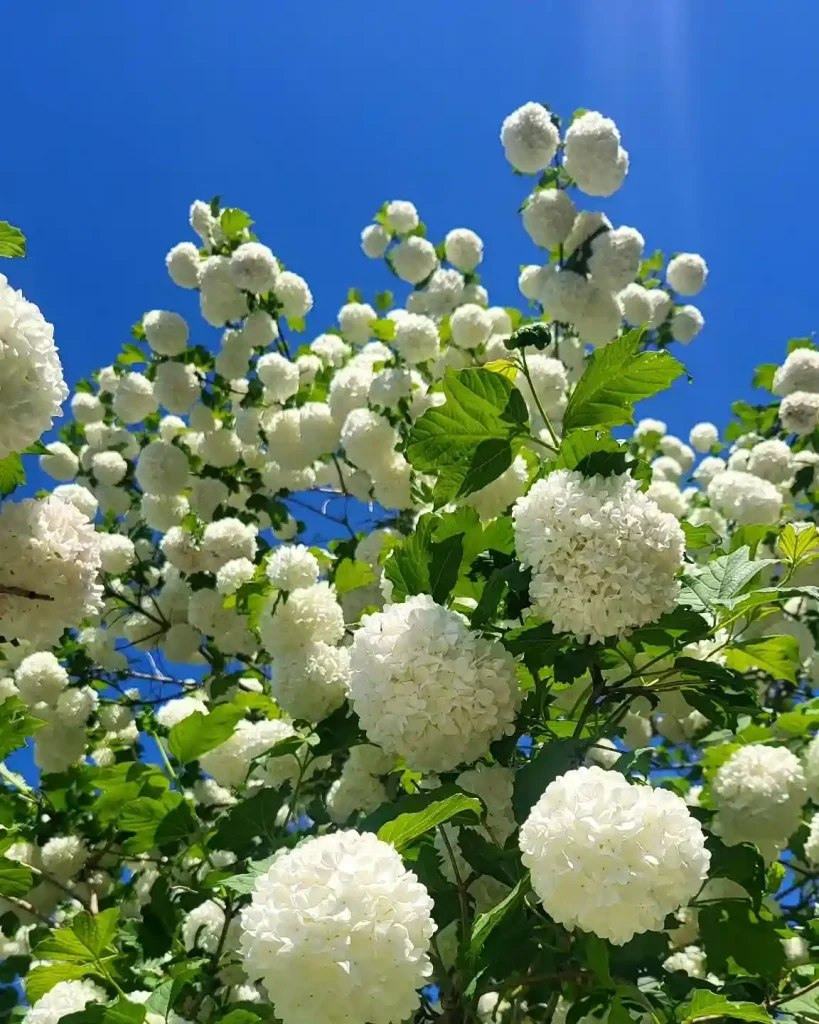
source: @hamptoncourtpalacegardener
Proper placement, soil preparation, and maintenance practices maximize flowering performance while minimizing ongoing care requirements. Most flowering shrubs prefer full sun producing abundant blooms, though some tolerate partial shade with reduced flowering. Well-drained soil, appropriate fertilization, and timely pruning encourage vigorous growth and prolific blooming.
These valuable plants work beautifully in backyard landscaping ideas creating colorful focal points, informal hedges, mixed borders, and specimen plantings throughout properties requiring diverse plant selections.

source: @provenwinners
1. Azalea Spring Spectacular
Azaleas deliver unmatched spring flower displays in pink, red, white, purple, coral, and bi-colors creating stunning focal points when blooming profusely. These acid-loving shrubs prefer partial shade and well-drained soil making them perfect understory plants beneath trees or along north-facing walls. Deciduous varieties provide fall color while evergreen types maintain year-round foliage structure.

Plant azaleas in groups for maximum impact creating dramatic color masses rather than scattered individual specimens. These classic shrubs work beautifully in best shrubs for front of house foundation plantings creating memorable seasonal displays. Hundreds of varieties offer different bloom times, colors, and sizes suiting various landscape needs from compact border plants to substantial screening specimens.
When to Fertilize: Apply acid-loving plant fertilizer in spring after flowering and again in early fall. Avoid fertilizing after mid-summer preventing tender growth vulnerable to winter damage.
When to Prune: Prune immediately after flowering (May-June) before next year’s buds form. Remove dead wood anytime. Avoid fall or spring pruning which eliminates flower buds.
| Feature | Details |
|---|---|
| Bloom Time | Spring (April-May) |
| Colors | Pink, Red, White, Purple, Coral |
| Height | 3-8 feet (variety dependent) |
| Sun Requirements | Partial Shade |
| Hardiness Zones | 5-9 |
2. Rhododendron Bold Blooms
Rhododendrons produce large showy flower clusters in pink, purple, red, white, and yellow dominating spring landscapes with bold presence. These broadleaf evergreens maintain attractive glossy foliage year-round while substantial size creates permanent structural elements. Hundreds of varieties range from compact 3-foot plants to tree-sized 15-foot specimens offering options for various landscape applications.

Choose varieties suited to your climate zone as hardiness varies significantly among cultivars. Rhododendrons require acidic soil and consistent moisture thriving in woodland gardens and shaded borders. The impressive blooms and evergreen nature justify prominent placement where year-round beauty receives proper appreciation throughout all seasons.
When to Fertilize: Feed in spring after flowering with acid-loving fertilizer and again in early fall. Use slow-release formulations providing nutrients gradually throughout growing seasons.
When to Prune: Deadhead spent blooms immediately after flowering. Prune for shape in late spring after flowering. Remove dead wood anytime maintaining plant health and appearances.
| Feature | Details |
|---|---|
| Bloom Time | Spring (May-June) |
| Colors | Pink, Purple, Red, White, Yellow |
| Height | 4-15 feet (variety dependent) |
| Sun Requirements | Partial Shade |
| Hardiness Zones | 4-9 |
3. Butterfly Bush Summer Magnet
Butterfly bushes produce fragrant flower spikes in purple, pink, white, blue, and bi-colors attracting butterflies and hummingbirds throughout summer months. These fast-growing deciduous shrubs bloom prolifically on new wood rewarding deadheading with continuous flowering extending from June through frost. Modern compact varieties suit smaller gardens while traditional types create substantial screening plants.

The arching branches covered in colorful panicles create cottage garden charm while supporting pollinator populations. This low-maintenance choice thrives in best outdoor plants selections emphasizing wildlife value. Non-invasive cultivars address concerns about older types spreading aggressively in some regions through prolific seeding.
When to Fertilize: Apply balanced fertilizer in spring as growth begins and again in mid-summer supporting continuous blooming. Avoid high nitrogen formulations reducing flowering.
When to Prune: Cut back heavily in late winter or early spring (February-March) to 12-18 inches. Deadhead spent blooms throughout season encouraging reblooming and preventing seeding.
| Feature | Details |
|---|---|
| Bloom Time | Summer-Fall (June-October) |
| Colors | Purple, Pink, White, Blue, Bi-color |
| Height | 4-10 feet (variety dependent) |
| Sun Requirements | Full Sun |
| Hardiness Zones | 5-9 |
4. Rose of Sharon
Rose of Sharon blooms prolifically from mid-summer through fall when few other shrubs flower providing pink, purple, white, red, or bi-colored blooms. These upright deciduous shrubs create excellent hedges or specimen plants tolerating urban conditions, heat, and humidity. The hibiscus-like flowers attract butterflies and hummingbirds while requiring minimal care.

Newer varieties offer improved sterility preventing excessive self-seeding that made older types weedy. This reliable bloomer extends color through late season filling gaps when spring bloomers finish. The substantial size and upright habit work beautifully in privacy fence ideas creating living screens supplementing manufactured fencing.
When to Fertilize: Feed in spring with balanced fertilizer and again in mid-summer. Avoid over-fertilizing which creates excessive vegetative growth at flowering expense.
When to Prune: Prune in late winter or early spring before growth begins since it blooms on new wood. Shape as desired or leave unpruned for natural form.
| Feature | Details |
|---|---|
| Bloom Time | Summer-Fall (July-October) |
| Colors | Pink, Purple, White, Red, Bi-color |
| Height | 8-12 feet |
| Sun Requirements | Full Sun |
| Hardiness Zones | 5-9 |
5. Forsythia Golden Herald
Forsythia announces spring with brilliant yellow flowers covering bare branches before leaves emerge creating golden fountains. These vigorous deciduous shrubs grow quickly providing informal hedges or specimen plantings. The arching stems root easily from cuttings allowing free propagation expanding plantings throughout properties economically.

Prune immediately after flowering to maintain shape and encourage next year’s bloom production on new growth. This reliable bloomer suits cheap landscaping ideas through easy propagation and minimal maintenance requirements. The dramatic early bloom creates unforgettable spring displays announcing winter’s end emphatically.
When to Fertilize: Apply balanced fertilizer in spring after flowering. Avoid fall fertilization which encourages tender growth vulnerable to winter damage.
When to Prune: Prune immediately after flowering (April-May) removing oldest canes to ground level. Avoid pruning in fall or winter which removes flower buds.
| Feature | Details |
|---|---|
| Bloom Time | Early Spring (March-April) |
| Colors | Bright Yellow |
| Height | 8-10 feet |
| Sun Requirements | Full Sun to Part Shade |
| Hardiness Zones | 5-8 |
6. Spiraea Delicate Clusters
Spiraea produces delicate flower clusters in pink, white, and red throughout spring or summer depending on variety. These compact deciduous shrubs offer varied forms from mounding to upright with some cultivars providing colorful spring foliage in gold, orange, or burgundy. Bridal wreath spiraea blooms white in spring while summer-blooming types offer pink or red flowers.

Low-growing varieties work perfectly as groundcovers or edging plants requiring minimal pruning maintaining compact shapes. This versatile genus adapts to various conditions while requiring minimal care once established. The reliable flowering and easy maintenance make spiraea valuable for foundation plantings and mixed borders throughout properties.
When to Fertilize: Feed in spring with balanced fertilizer. Avoid excessive fertilization causing weak growth and reduced flowering throughout growing seasons.
When to Prune: Spring bloomers prune after flowering. Summer bloomers prune in late winter or early spring before growth begins. Remove oldest canes encouraging vigorous new growth.
| Feature | Details |
|---|---|
| Bloom Time | Spring or Summer (variety dependent) |
| Colors | Pink, White, Red |
| Height | 2-8 feet (variety dependent) |
| Sun Requirements | Full Sun |
| Hardiness Zones | 3-9 |
7. Weigela Tubular Flowers
Weigela produces tubular flowers in pink, red, white, and burgundy along arching branches creating spectacular late spring displays. Modern varieties offer colorful foliage in purple, chartreuse, or variegated patterns providing extended interest. This old-fashioned favorite attracts hummingbirds while requiring minimal care thriving in various soil conditions.
Prune after flowering to maintain shape and encourage vigorous new growth. Weigela works beautifully in mixed borders and foundation plantings providing reliable color. The arching habit and abundant blooms create romantic displays suitable for cottage garden ideas celebrating informal abundant plantings.
When to Fertilize: Apply balanced fertilizer in early spring and again after flowering. Avoid late-season fertilization preventing tender growth vulnerable to winter damage.
When to Prune: Prune after flowering (June-July) removing spent blooms and shaping as desired. Remove oldest canes to ground level every few years rejuvenating plants.
| Feature | Details |
|---|---|
| Bloom Time | Late Spring (May-June) |
| Colors | Pink, Red, White, Burgundy |
| Height | 3-10 feet (variety dependent) |
| Sun Requirements | Full Sun to Part Shade |
| Hardiness Zones | 4-8 |
8. Lilac Fragrant Blooms
Lilacs produce intensely fragrant flower clusters in purple, pink, white, and magenta signaling spring’s arrival with beloved nostalgic scent. These deciduous shrubs require winter chill performing best in northern climates. Common lilacs grow large requiring space while compact varieties suit smaller properties without sacrificing characteristic fragrance.

Prune immediately after flowering removing spent blooms and oldest canes encouraging vigorous growth. The brief but glorious flowering period and intoxicating fragrance justify prominent placement near patios and entries. These heirloom shrubs become family treasures passed through generations for sentimental value.
When to Fertilize: Feed in spring with balanced fertilizer and again in fall. Avoid excessive nitrogen which reduces flowering favoring foliage growth instead.
When to Prune: Prune immediately after flowering (June) removing spent blooms and shaping. Remove suckers and oldest canes to ground level maintaining vigor and manageable sizes.
| Feature | Details |
|---|---|
| Bloom Time | Spring (May) |
| Colors | Purple, Pink, White, Magenta |
| Height | 8-15 feet (compact varieties 4-6 feet) |
| Sun Requirements | Full Sun |
| Hardiness Zones | 3-7 |
9. Mock Orange Citrus Scent
Mock orange produces fragrant white flowers resembling orange blossoms in late spring creating delightfully scented garden areas. These old-fashioned deciduous shrubs grow vigorously providing informal hedges or specimen plantings. The powerful citrus fragrance perfumes entire gardens during peak bloom attracting pollinators and delighting visitors.
The arching branches covered in white blooms create romantic displays suitable for cottage and informal gardens. Prune after flowering to maintain shape and encourage next season’s blooms. Mock orange tolerates various conditions thriving with minimal care once established in appropriate locations.
When to Fertilize: Apply balanced fertilizer in early spring and again after flowering supporting vigorous growth and abundant blooming the following season.
When to Prune: Prune after flowering (June-July) removing spent blooms and oldest canes to ground level. Thin crowded growth improving air circulation and light penetration.
| Feature | Details |
|---|---|
| Bloom Time | Late Spring (May-June) |
| Colors | White |
| Height | 8-12 feet |
| Sun Requirements | Full Sun to Part Shade |
| Hardiness Zones | 4-8 |
10. Camellia Winter Blooms
Camellias produce elegant rose-like flowers in pink, red, white, and bi-colors blooming fall through spring when few others flower. These broadleaf evergreens prefer acidic soil and partial shade thriving in southern gardens and mild climates. Japanese and sasanqua varieties offer different bloom times and flower forms suiting various landscape needs.

The glossy evergreen foliage provides year-round structure while formal flowers suit elegant landscapes. Camellias work beautifully in coastal backyard garden guide plantings tolerating maritime conditions. The winter blooming provides precious color during bleak months when most gardens remain dormant.
When to Fertilize: Feed in spring after flowering and again in mid-summer with acid-loving fertilizer. Avoid fall fertilization preventing tender growth vulnerable to cold damage.
When to Prune: Prune after flowering removing spent blooms and shaping as needed. Remove dead wood anytime. Camellias tolerate hard pruning if rejuvenation becomes necessary.
| Feature | Details |
|---|---|
| Bloom Time | Fall-Spring (October-April, variety dependent) |
| Colors | Pink, Red, White, Bi-color |
| Height | 6-12 feet |
| Sun Requirements | Partial Shade |
| Hardiness Zones | 7-10 |
11. Potentilla Continuous Blooms
Potentilla produces small rose-like flowers in yellow, white, pink, orange, or red blooming continuously from late spring through fall. These compact deciduous shrubs tolerate poor soils, drought, and cold thriving in challenging conditions. The fine-textured foliage and tidy mounding habit suit foundation plantings and border fronts.

Potentilla requires minimal pruning maintaining compact shapes naturally while blooming prolifically on new wood. This tough performer works beautifully in yard ideas outdoor space requiring low-maintenance reliable color. The extended bloom period ensures continuous interest throughout entire growing seasons without demanding constant deadheading.
When to Fertilize: Apply balanced fertilizer lightly in spring. Avoid over-fertilizing which reduces flowering and creates weak growth requiring excessive pruning.
When to Prune: Prune in late winter or early spring before growth begins cutting back by one-third. Deadhead periodically during season maintaining appearances though not essential.
| Feature | Details |
|---|---|
| Bloom Time | Late Spring-Fall (May-October) |
| Colors | Yellow, White, Pink, Orange, Red |
| Height | 2-4 feet |
| Sun Requirements | Full Sun |
| Hardiness Zones | 2-7 |
12. Deutzia Starry Flowers
Deutzia produces masses of small star-shaped flowers in white or pink covering arching branches in late spring. These graceful deciduous shrubs create fountain-like forms providing spectacular seasonal displays. The low-maintenance nature and reliable flowering make deutzia valuable for mixed borders and informal plantings.

Prune after flowering removing oldest canes encouraging vigorous new growth producing next season’s blooms. Deutzia tolerates various conditions while requiring minimal care once established. The delicate flowers and arching habit suit cottage gardens providing romantic seasonal beauty.
When to Fertilize: Feed in early spring with balanced fertilizer and again after flowering supporting healthy growth and next season’s bloom development.
When to Prune: Prune after flowering (June) removing spent blooms and oldest canes to ground level. Thin crowded growth maintaining open airy structure.
| Feature | Details |
|---|---|
| Bloom Time | Late Spring (May-June) |
| Colors | White, Pink |
| Height | 3-6 feet |
| Sun Requirements | Full Sun to Part Shade |
| Hardiness Zones | 5-8 |
13. Viburnum Seasonal Interest
Viburnums provide multi-season interest with spring flowers, summer foliage, fall color, and winter berries. Species vary widely offering evergreen or deciduous options with flowers ranging from white to pink. ‘Dawn’ viburnum blooms fragrant pink in late winter while ‘Blue Muffin’ produces striking blue berries.

Most viburnums require cross-pollination for berry production so plant multiple specimens for best fruiting. The genus includes compact to large varieties suiting various landscape needs. These versatile shrubs work beautifully in tree landscaping ideas creating understory plantings beneath larger specimens.
When to Fertilize: Apply balanced fertilizer in early spring before flowering. Supplement with compost or organic matter improving soil structure supporting healthy growth.
When to Prune: Prune after flowering for spring bloomers or in late winter for fall-fruiting types. Remove dead wood and suckers maintaining desired shapes.
| Feature | Details |
|---|---|
| Bloom Time | Spring (variety dependent) |
| Colors | White, Pink (flowers), Red/Blue/Black (berries) |
| Height | 4-15 feet (variety dependent) |
| Sun Requirements | Full Sun to Part Shade |
| Hardiness Zones | 2-9 |
14. Flowering Quince
Flowering quince produces brilliant red, pink, orange, or white flowers on bare branches in early spring before leaves emerge. These thorny deciduous shrubs create impenetrable hedges while providing spectacular early color. Fragrant yellow fruits ripen in fall making excellent preserves extending usefulness beyond ornamental value.

The low-growing spreading habit suits borders and informal hedges while thorniness provides security. Flowering quince tolerates various soils and urban conditions thriving with minimal care. The early blooms herald spring while edible fruits add functional benefits.
When to Fertilize: Feed in spring after flowering with balanced fertilizer. Avoid excessive fertilization which creates leggy growth reducing flowering and fruit production.
When to Prune: Prune after flowering (April-May) removing oldest canes and shaping as desired. Thin interior growth improving air circulation and light penetration.
| Feature | Details |
|---|---|
| Bloom Time | Early Spring (March-April) |
| Colors | Red, Pink, Orange, White |
| Height | 3-6 feet |
| Sun Requirements | Full Sun |
| Hardiness Zones | 5-9 |
15. Abelia Glossy Blooms
Glossy abelia produces small tubular white or pink flowers from summer through fall attracting hummingbirds and butterflies. The semi-evergreen foliage turns bronze-purple in fall and winter providing multi-season color. The arching habit and fine texture create graceful informal hedges and foundation plantings.

Modern variegated varieties offer colorful foliage throughout growing seasons while maintaining flowering. Abelia tolerates heat, humidity, and drought once established. The long bloom period and low maintenance make it valuable for extended seasonal color.
When to Fertilize: Apply balanced fertilizer in spring as growth begins and again in mid-summer supporting continuous flowering throughout extended bloom periods.
When to Prune: Prune in late winter or early spring before flowering since it blooms on new wood. Remove winter-damaged stems and shape as desired.
| Feature | Details |
|---|---|
| Bloom Time | Summer-Fall (June-October) |
| Colors | White, Pink |
| Height | 3-6 feet |
| Sun Requirements | Full Sun to Part Shade |
| Hardiness Zones | 6-9 |
16. Kerria Golden Blooms
Kerria produces bright golden-yellow flowers in spring along arching green stems providing vibrant color. The double-flowered forms create pom-pom blooms while single types offer simple five-petaled flowers. Green stems provide winter interest after leaves drop maintaining presence.

This shade-tolerant deciduous shrub spreads slowly through suckers forming colonies. Kerria thrives in partial shade where yellows brighten dim areas. The low-maintenance nature and reliable flowering suit woodland gardens and shaded borders.
When to Fertilize: Feed in early spring with balanced fertilizer. Avoid excessive fertilization which creates leggy growth reducing flowering and creating maintenance issues.
When to Prune: Prune after flowering (May-June) removing spent blooms and oldest canes to ground level. Thin suckers controlling spread and maintaining desired sizes.
| Feature | Details |
|---|---|
| Bloom Time | Spring (April-May) |
| Colors | Golden Yellow |
| Height | 3-6 feet |
| Sun Requirements | Part Shade to Shade |
| Hardiness Zones | 4-9 |
17. Beautyberry Purple Berries
Beautyberry produces stunning purple or white berries clustered along stems in fall creating unique ornamental displays. The small pink summer flowers attract pollinators while glossy berries persist into winter. This native shrub offers exceptional fall interest supporting local wildlife.
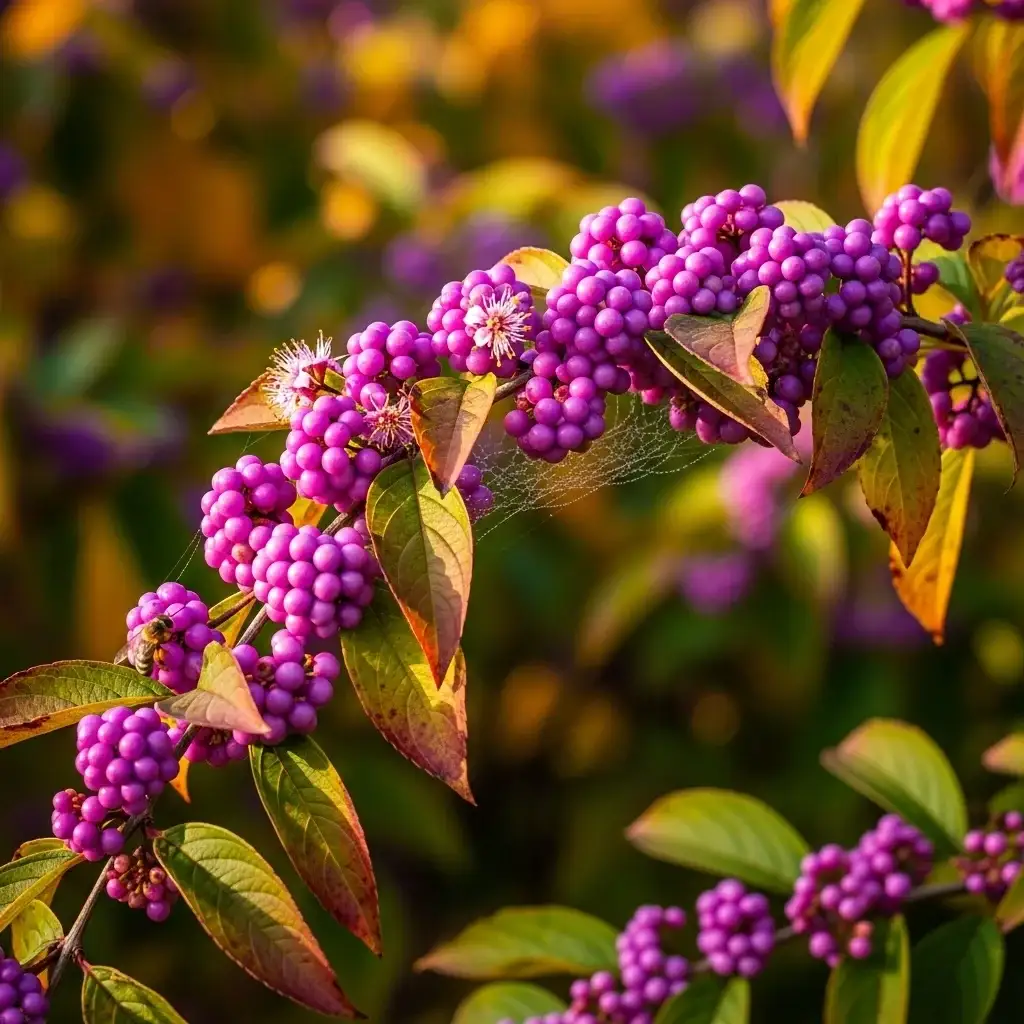
The arching stems laden with iridescent purple berries create eye-catching specimens. American beautyberry tolerates shade and various soil conditions thriving with minimal care. The distinctive berries work beautifully as cutting material for fall arrangements.
When to Fertilize: Apply balanced fertilizer in spring as growth begins. Avoid excessive fertilization which creates vegetative growth at berry production expense.
When to Prune: Cut back hard in late winter to 6-12 inches since it blooms and fruits on new wood. This rejuvenation promotes vigorous growth and berry production.
| Feature | Details |
|---|---|
| Bloom Time | Summer (flowers), Fall (berries) |
| Colors | Pink (flowers), Purple/White (berries) |
| Height | 4-6 feet |
| Sun Requirements | Full Sun to Part Shade |
| Hardiness Zones | 6-10 |
18. Caryopteris Blue Mist
Caryopteris produces clusters of blue or purple flowers in late summer creating rare blue color when most bloomers fade. This compact deciduous shrub attracts bees and butterflies while aromatic foliage releases fragrance. The mounding habit suits border fronts and foundation plantings.

Caryopteris blooms on new wood benefiting from spring pruning encouraging vigorous growth and abundant flowering. The drought tolerance suits xeriscapes and low-water gardens. The late-season blue flowers fill gaps providing extended color.
When to Fertilize: Feed lightly in spring with balanced fertilizer. Avoid excessive fertilization causing weak growth unable to support flower production properly.
When to Prune: Prune heavily in early spring before growth begins cutting to 6-12 inches. This promotes bushy growth and maximum flowering throughout season.
| Feature | Details |
|---|---|
| Bloom Time | Late Summer-Fall (August-October) |
| Colors | Blue, Purple |
| Height | 2-3 feet |
| Sun Requirements | Full Sun |
| Hardiness Zones | 5-9 |
19. Fothergilla Bottlebrush Blooms
Fothergilla produces fragrant white bottlebrush flowers in spring before leaves emerge. The blue-green summer foliage transforms into spectacular fall color in yellow, orange, and red. This native deciduous shrub requires acidic soil thriving in woodland settings.

The compact growth and multi-season interest make fothergilla valuable for small gardens. Dwarf varieties suit tight spaces while larger types create specimens. The combination of spring flowers and outstanding fall color provides dual seasonal peaks.
When to Fertilize: Apply acid-loving fertilizer in spring after flowering. Avoid late-season fertilization preventing tender growth vulnerable to winter damage.
When to Prune: Requires minimal pruning beyond removing dead wood. Prune lightly after flowering if shaping becomes necessary maintaining natural form.
| Feature | Details |
|---|---|
| Bloom Time | Spring (April-May) |
| Colors | White (flowers), Yellow/Orange/Red (fall) |
| Height | 3-6 feet (dwarf 2-3 feet) |
| Sun Requirements | Full Sun to Part Shade |
| Hardiness Zones | 5-8 |
20. Summersweet White Spikes
Summersweet produces fragrant white or pink flower spikes in mid to late summer attracting bees and butterflies. This native deciduous shrub tolerates wet soils and shade. Golden fall foliage provides additional seasonal interest beyond summer flowering.

The adaptable nature suits rain gardens and woodland edges. Summersweet spreads slowly through suckers forming colonies. The sweet fragrance and wildlife value make it essential native selections.
When to Fertilize: Feed lightly in spring with balanced fertilizer. Avoid excessive fertilization creating weak growth and reducing flowering throughout growing seasons.
When to Prune: Prune in late winter or early spring before flowering since it blooms on new wood. Remove oldest canes to ground level rejuvenating plants.
| Feature | Details |
|---|---|
| Bloom Time | Mid-Late Summer (July-August) |
| Colors | White, Pink |
| Height | 3-6 feet |
| Sun Requirements | Part Shade to Shade |
| Hardiness Zones | 4-9 |
21. Witch Hazel Winter Color
Witch hazel produces fragrant ribbon-like yellow, orange, or red flowers in late winter or fall when no other shrubs bloom. The unique spidery flowers tolerate freezing temperatures. Golden fall foliage adds seasonal interest before or after flowering.

Native and Asian varieties offer different bloom times. These adaptable shrubs tolerate various soils and partial shade. The unusual flowers and winter interest make witch hazel essential four-season specimens.
When to Fertilize: Apply balanced fertilizer in fall after flowering or in spring for winter bloomers. Avoid excessive fertilization reducing flowering.
When to Prune: Requires minimal pruning beyond removing dead wood and suckers. Prune lightly after flowering if shaping becomes necessary preserving natural forms.
| Feature | Details |
|---|---|
| Bloom Time | Late Winter or Fall (variety dependent) |
| Colors | Yellow, Orange, Red |
| Height | 10-15 feet |
| Sun Requirements | Full Sun to Part Shade |
| Hardiness Zones | 3-9 |
22. Daphne Fragrant Jewel
Daphne produces intensely fragrant pink or white flowers in late winter or spring. These compact evergreen or deciduous shrubs require well-drained soil. The challenging nature makes successful daphnes gardening achievements.

Position daphnes near entries where fragrance appreciation maximizes enjoyment. The plants resent root disturbance once established. Despite finicky reputations, the intoxicating scent justifies efforts.
When to Fertilize: Feed lightly in spring after flowering with balanced fertilizer. Avoid over-fertilizing which damages sensitive roots and reduces flowering.
When to Prune: Requires minimal pruning beyond removing spent flowers and dead wood. Avoid heavy pruning which stresses plants potentially causing decline or death.
| Feature | Details |
|---|---|
| Bloom Time | Late Winter-Spring (February-May) |
| Colors | Pink, White |
| Height | 2-4 feet |
| Sun Requirements | Part Shade |
| Hardiness Zones | 4-9 |
23. Smokebush Purple Drama
Smokebush produces billowing purple or pink flower plumes resembling smoke clouds. Purple-leaved varieties provide season-long foliage color. The large rounded form creates substantial specimens.
Prune annually for larger leaves or allow natural development. The distinctive appearance creates architectural interest. Drought tolerance suits xeriscapes once established.

When to Fertilize: Apply balanced fertilizer in spring. Avoid excessive fertilization creating weak growth and reducing distinctive flower plumes throughout seasons.
When to Prune: Prune in late winter cutting back severely for shrub form or selectively for tree structure. Smokebush blooms on new wood tolerating hard pruning.
| Feature | Details |
|---|---|
| Bloom Time | Summer (June-August) |
| Colors | Purple, Pink |
| Height | 10-15 feet |
| Sun Requirements | Full Sun |
| Hardiness Zones | 4-8 |
24. Oregon Grape Holly
Oregon grape holly produces yellow flower clusters in early spring followed by blue-purple berries. This broadleaf evergreen native provides year-round structure. The low-growing spreading habit creates excellent groundcover.
The edible berries attract birds while providing ingredients. Shade tolerance makes Oregon grape valuable for difficult sites. The evergreen foliage works in small garden ideas maximizing year-round appeal.

When to Fertilize: Feed lightly in spring with acid-loving fertilizer. Avoid excessive fertilization creating weak growth vulnerable to winter damage.
When to Prune: Prune after flowering removing oldest stems to ground level. Thin interior growth improving air circulation maintaining compact healthy growth.
| Feature | Details |
|---|---|
| Bloom Time | Early Spring (March-May) |
| Colors | Yellow (flowers), Blue-Purple (berries) |
| Height | 3-6 feet |
| Sun Requirements | Part Shade to Shade |
| Hardiness Zones | 5-9 |
25. Red Twig Dogwood
Red twig dogwood provides brilliant red or yellow stems creating dramatic winter interest. White flowers bloom in spring followed by white berries. Fall foliage turns burgundy creating multi-season interest.

This native shrub thrives in moist soils tolerating wet conditions. Prune older stems annually encouraging bright new growth. The vivid winter stems create focal points in snow-covered landscapes.
When to Fertilize: Apply balanced fertilizer in spring as growth begins. Avoid excessive fertilization reducing stem color intensity throughout winter months.
When to Prune: Prune oldest stems to ground level in late winter promoting vigorous colorful new growth. Stems younger than 2-3 years display best winter color.
| Feature | Details |
|---|---|
| Bloom Time | Spring (flowers), Year-round (stems) |
| Colors | White (flowers), Red/Yellow (stems) |
| Height | 6-9 feet |
| Sun Requirements | Full Sun to Part Shade |
| Hardiness Zones | 2-7 |
26. Japanese Spirea Summer Blooms
Japanese spirea produces flat-topped pink or white flower clusters in summer creating long-lasting displays. Compact varieties offer colorful spring foliage in gold or burgundy. The mounding habit suits foundation plantings and borders.

This low-maintenance shrub blooms on new wood tolerating spring pruning. The fine texture and tidy growth require minimal shaping. The reliable flowering and easy care make it valuable.
When to Fertilize: Feed in spring with balanced fertilizer. Avoid excessive nitrogen reducing flowering favoring foliage growth instead throughout growing seasons.
When to Prune: Prune in late winter or early spring before growth begins. Remove oldest canes and shape as desired maintaining compact sizes.
| Feature | Details |
|---|---|
| Bloom Time | Summer (June-August) |
| Colors | Pink, White |
| Height | 2-4 feet |
| Sun Requirements | Full Sun |
| Hardiness Zones | 3-9 |
27. Mountain Laurel Native Beauty
Mountain laurel produces clusters of pink, white, or bi-colored flowers in late spring creating spectacular displays. This broadleaf evergreen native provides year-round structure. The glossy foliage and unique flowers make it prized.

Mountain laurel requires acidic soil and partial shade thriving in woodland settings. The slow growth and long lifespan create permanent landscape features. Native status supports local ecosystems.
When to Fertilize: Apply acid-loving fertilizer in spring after flowering. Avoid fall fertilization preventing tender growth vulnerable to winter damage.
When to Prune: Deadhead spent blooms after flowering. Prune lightly for shaping. Remove dead wood anytime maintaining plant health and attractive appearances.
| Feature | Details |
|---|---|
| Bloom Time | Late Spring (May-June) |
| Colors | Pink, White, Bi-color |
| Height | 5-15 feet |
| Sun Requirements | Partial Shade |
| Hardiness Zones | 4-9 |
28. Ninebark Colorful Bark
Ninebark offers burgundy, gold, or green foliage with peeling bark. White or pink flower clusters bloom in late spring. This native thrives in various conditions.

Cultivars like ‘Diablo’ provide deep purple foliage. The adaptable nature tolerates wet or dry soils. Prune selectively showcasing exfoliating bark.
When to Fertilize: Feed lightly in spring with balanced fertilizer. Avoid excessive fertilization creating weak growth and reducing foliage color intensity.
When to Prune: Prune in late winter or early spring removing oldest canes. Selective pruning showcases attractive peeling bark throughout all seasons.
| Feature | Details |
|---|---|
| Bloom Time | Late Spring (May-June) |
| Colors | White/Pink (flowers), Burgundy/Gold (foliage) |
| Height | 5-10 feet |
| Sun Requirements | Full Sun to Part Shade |
| Hardiness Zones | 2-7 |
29. Pieris Japanese Andromeda
Pieris produces drooping clusters of white or pink bell-shaped flowers in early spring alongside colorful new growth. This broadleaf evergreen prefers acidic soil providing year-round structure.

The glossy evergreen leaves and compact growth suit foundation plantings. Pieris requires minimal pruning. Early flowers provide nectar when few sources exist.
When to Fertilize: Apply acid-loving fertilizer in spring after flowering. Avoid excessive fertilization damaging sensitive roots and reducing flowering significantly.
When to Prune: Remove spent flower clusters after blooming. Prune lightly for shaping. Avoid heavy pruning which stresses plants reducing vigor.
| Feature | Details |
|---|---|
| Bloom Time | Early Spring (March-April) |
| Colors | White, Pink |
| Height | 4-6 feet |
| Sun Requirements | Partial Shade |
| Hardiness Zones | 5-8 |
30. Oakleaf Hydrangea Native
Oakleaf hydrangea produces large white panicles aging to pink. Oak-shaped leaves provide exceptional fall color. Exfoliating bark adds winter interest.

This native blooms on old wood requiring careful pruning. The multi-season appeal works in backyard landscaping ideas providing year-round interest.
When to Fertilize: Feed in spring with balanced fertilizer. Avoid late-season fertilization encouraging tender growth vulnerable to winter damage.
When to Prune: Prune immediately after flowering removing spent blooms. Avoid spring pruning eliminating flower buds formed previous season.
| Feature | Details |
|---|---|
| Bloom Time | Summer (June-July) |
| Colors | White aging to pink |
| Height | 6-8 feet |
| Sun Requirements | Part Shade |
| Hardiness Zones | 5-9 |
Frequently Asked Questions
What are the longest blooming flowering shrubs?
Butterfly bush, rose of Sharon, potentilla, and abelia bloom continuously from summer through fall providing months of color. Reblooming azaleas and modern hydrangeas offer extended seasons through multiple flush blooms.
When should I plant flowering shrubs?
Plant in early spring or fall when temperatures remain moderate allowing root establishment before extreme heat or cold. Container-grown shrubs tolerate planting throughout growing season with adequate watering.
Do flowering shrubs need deadheading?
Deadheading improves appearances and may encourage reblooming in some varieties though it’s not essential for plant health. Remove spent blooms from lilacs and rhododendrons preventing seed formation directing energy toward growth.
How do I encourage more flowers on shrubs?
Ensure adequate sunlight—most flowering shrubs need 6+ hours. Fertilize appropriately avoiding excessive nitrogen reducing blooming. Prune at correct times preserving flower buds while removing old unproductive wood regularly.
Conclusion
Flowering shrubs provide essential structure, seasonal color, and reliable beauty transforming landscapes through strategic plant selections and proper placement. Understanding bloom times, pruning requirements, and cultural needs ensures successful cultivation maximizing flowering performance while minimizing ongoing maintenance demands. These permanent woody plants deliver decades of dependable displays justifying initial investments through years of enjoyment.
Creating successful flowering shrub gardens involves combining varieties with staggered bloom times ensuring continuous color from early spring through late fall. Mix evergreen and deciduous types providing year-round structure while seasonal bloomers rotate through displays. Consider mature sizes, growth rates, and maintenance requirements matching plants to available space and care capabilities.
Whether you’re establishing new landscapes or renovating existing plantings, flowering shrubs form foundations supporting overall garden designs through structural presence and seasonal interest. Invest time researching varieties suited to your specific climate zone and growing conditions, then enjoy decades of reliable beauty from these versatile plants enhancing properties throughout all seasons.