
Have you ever dreamed of creating a magical miniature world where tiny fairies might dwell, but worried about the cost of store-bought fairy garden accessories and decorations?
The enchanting hobby of fairy gardening doesn’t require expensive specialty items or professional landscaping skills—it thrives on creativity, imagination, and resourcefulness.

Source: @firsttrueleaves
With clever DIY approaches and strategic thrifting, you can craft whimsical miniature landscapes that spark joy and wonder while staying well within budget constraints that make this delightful pastime accessible to everyone.
Budget fairy gardening celebrates the art of seeing potential in everyday objects and natural materials that cost little or nothing. Broken pottery becomes charming cottages, pebbles transform into pathways, and twigs fashion into rustic furniture with just a touch of creativity and hot glue. This affordable approach to miniature gardening encourages outdoor exploration, repurposing household items, and discovering that the most magical elements often come from nature itself rather than retail shelves stocked with mass-produced accessories at premium prices.

Source: @fairyhouseladies
Natural Materials Foraged Free
Nature provides abundant free materials perfect for fairy gardens—pinecones, acorns, pebbles, twigs, bark, moss, and seed pods become building blocks for enchanting scenes. Collect interesting items during walks, transforming ordinary outdoor excursions into treasure hunts that cost nothing while connecting you deeply with natural surroundings and seasonal changes.

Pinecones become miniature trees when inverted, acorn caps form tiny bowls or bird baths, and flat stones create perfect pathways or patios. Moss harvested sustainably from your property adds lush groundcover requiring no planting. This foraged approach aligns beautifully with cheap landscaping ideas that prioritize creativity and resourcefulness over expensive purchased materials.
Broken Pot Fairy Houses
Cracked or broken terracotta pots transform into charming fairy cottages rather than heading to trash bins wastefully. The curved pot shards create natural-looking cave dwellings or rustic houses when positioned against soil banks, with the drainage hole becoming a doorway into magical realms beyond human sight.

Arrange pot pieces to create multi-level structures with stairs fashioned from small stones. Add moss roofs, twig door frames, and pebble pathways leading to entrances. This creative reuse demonstrates how damaged items gain new purpose, turning gardening mishaps into whimsical centerpieces that cost absolutely nothing beyond original pot investments.
Dollar Store Finds Transformed
Dollar stores offer surprising fairy garden treasures hiding among miniature decorations, cake toppers, aquarium accessories, and toy sections waiting for creative repurposing. Small plastic animals, tiny baskets, miniature tools, and decorative pebbles cost mere dollars while providing essential fairy garden elements at fraction of specialty store prices.

Paint inexpensive plastic items to look more realistic or weathered using acrylic craft paints. Aquarium plants work perfectly as miniature trees and bushes. Birthday candles become fence posts when trimmed short. Shopping at dollar stores with fairy garden vision reveals endless affordable possibilities that transform into magical components with minimal investment and maximum imagination.
Polymer Clay DIY Accessories
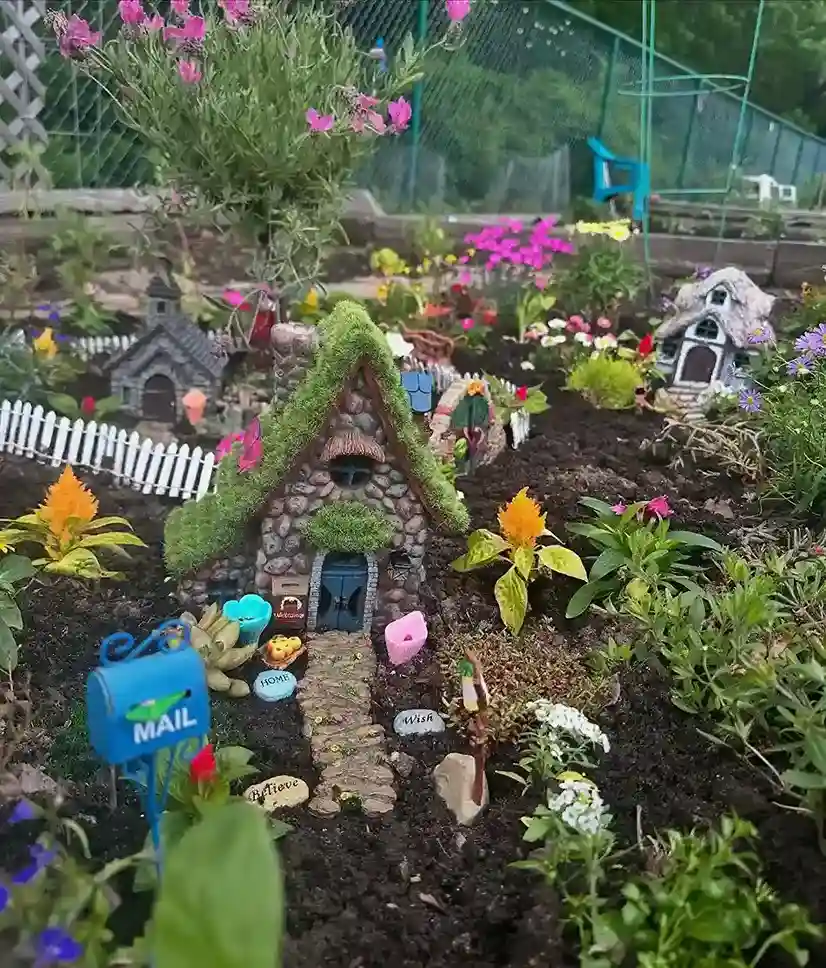
Oven-bake polymer clay allows crafting custom fairy garden accessories for just a few dollars per package. Create tiny furniture, food items, garden tools, stepping stones, or even miniature fairy figures that perfectly match your vision rather than settling for whatever retail options exist commercially.
Source: @greatestjoy
Roll, shape, and bake clay following package directions, then paint with acrylics for detailed finishes. A single clay package creates dozens of tiny accessories costing pennies each when broken down per item. This hands-on approach adds personal touches impossible to achieve with mass-produced accessories while developing artistic skills in an enjoyable way.
Thrift Store Treasure Hunting
Thrift stores contain hidden fairy garden goldmines—miniature dollhouse furniture, small decorative items, broken jewelry for embellishments, and tiny containers that work perfectly in miniature landscapes. Regular thrifting expeditions uncover unique vintage pieces adding character impossible to replicate with new purchases from chain stores.

Source: @keramik_meets_edelstahl
Look beyond obvious miniatures to items with repurposing potential. Small metal strainers become hanging planters, bottle caps transform into bird baths, and costume jewelry pieces create garden ornaments. Thrifting makes fairy gardening affordable while adding treasure-hunt excitement to supply gathering, often yielding one-of-a-kind pieces for under a dollar.
Succulent Plant Selections
Succulents provide perfect fairy garden plants costing just a few dollars per plant while requiring minimal water and maintenance. Their compact sizes, varied textures, and drought tolerance make them ideal for miniature landscapes, especially in containers with limited soil depth where other plants might struggle to thrive properly.

Propagate succulents from leaves or cuttings to multiply your collection free once initial plants establish. Their slow growth maintains scale beautifully without overwhelming tiny accessories. This practical plant choice connects to house plants guide principles while keeping fairy gardens affordable and maintenance-friendly for busy schedules.
Painted Rock Garden Features
Smooth river rocks painted to resemble mushrooms, ladybugs, houses, or stepping stones add whimsical color and personality for just the cost of acrylic paints. Collect rocks free from natural areas or purchase bags of decorative stones inexpensively from garden centers during sales for year-round craft projects.

Seal painted rocks with clear outdoor varnish to weatherproof artwork. This simple craft engages children in fairy garden creation while developing artistic skills. Painted rock features personalize gardens uniquely, ensuring no two fairy landscapes look identical even when using similar basic layouts and structural components.
Twig and Branch Furniture
Small branches and twigs collected free create rustic fairy furniture including benches, tables, chairs, ladders, and arbors using just hot glue or small wire for assembly. The natural wood adds authentic woodland charm while costing absolutely nothing beyond minimal adhesive expenses and collecting time.

Cut twigs to uniform lengths for table legs or chair backs using pruning shears. Lash pieces together with thin wire or natural jute twine for additional rustic appeal. This DIY approach produces unlimited custom furniture pieces sized perfectly for your specific fairy garden scale and design aesthetic preferences.
Recycled Container Gardens
Old teacups, chipped bowls, broken wheelbarrows, unused drawer organizers, or leaking watering cans become charming fairy garden containers when repurposed creatively. These found vessels add character while eliminating needs for purchasing specialty planters designed specifically for miniature gardening at inflated prices compared to recycled alternatives.

Drill drainage holes in non-porous containers to prevent waterlogging. The imperfect, weathered appearance of recycled containers adds authentic vintage charm that new pots lack. This sustainable approach aligns with small garden ideas that maximize limited resources while reducing waste through creative reuse of household castoffs.
Shell and Beach Glass
Beach combing provides free decorative elements including shells, driftwood, sea glass, and interesting stones perfect for coastal-themed fairy gardens. These naturally weathered materials add organic beauty while commemorating beach vacations through collected treasures transformed into permanent miniature landscape features remembering special times.

Shells become miniature bird baths, planters, or decorative accents throughout gardens. Sea glass pieces create colorful pathways or pond borders. This coastal approach works beautifully with coastal backyard garden guide themes, bringing beach ambiance to inland properties through carefully curated found materials.
Moss Garden Carpets
Moss collected sustainably from your property or purchased affordably as dried sheets creates lush green carpets perfect for fairy lawns and groundcover. The velvety texture adds softness while requiring no planting—simply press into damp soil where it gradually establishes naturally over time with minimal encouragement.

Keep moss moist initially to encourage establishment, then maintain with occasional misting. Moss thrives in shade where grass struggles, making it perfect for fairy gardens positioned under trees or on north-facing patios. The instant greenery eliminates waiting for grass seed germination while providing authentic woodland aesthetics naturally.
Popsicle Stick Structures
Craft sticks and popsicle sticks cost just a few dollars for hundreds of pieces, creating unlimited building possibilities for fences, bridges, benches, signs, and even tiny houses. The uniform size simplifies construction while natural wood color fits fairy garden aesthetics without additional finishing required for basic projects.

Cut, glue, and assemble sticks into miniature structures limited only by imagination. Stain or paint for varied finishes. A single package provides materials for numerous projects over multiple garden seasons. This accessible craft material works perfectly for child-friendly fairy garden building projects that develop spatial reasoning skills.
Wire and Bead Accents
Craft wire and beads from existing jewelry or inexpensive multi-packs create delicate garden accessories including dragonflies, butterflies, flowers, and decorative spirals. Wire’s malleability allows shaping into countless forms while beads add colorful embellishments transforming simple wire into jewel-like garden ornaments sparkling in sunlight.

Twist wire around pencils to create springs and spirals, or bend into insect wings and flower petals. Thread beads onto wire before shaping. These delicate handmade accessories add magical sparkle while costing mere pennies per piece when materials are purchased in bulk or harvested from broken jewelry.
Miniature Pathway Materials
Aquarium gravel, crushed shells, small pebbles, or even birdseed create miniature pathways for pennies compared to specialty fairy garden pebbles sold at premium prices. These tiny materials define walkways and create texture variations while remaining appropriately scaled for miniature landscapes where regular gravel appears too large.

Create pathway borders using small twigs or thin wire to contain loose materials. Different colored gravels define separate garden areas or create patterns. This simple material choice dramatically impacts overall garden appearance while maintaining budget-friendly accessibility that doesn’t compromise visual appeal or authentic miniature scale.
Fabric Scrap Accessories
Fabric remnants transform into miniature cushions, curtains, awnings, or bunting flags adding soft textures and colors to fairy gardens. Small scraps left from sewing projects cost nothing while providing materials for numerous tiny fabric accessories that personalize gardens with homemade charm impossible to purchase commercially.

Use hot glue or fabric glue for no-sew options if sewing skills are limited. Fray edges intentionally for shabby-chic aesthetics. Weatherproof outdoor fabric accessories with clear sealant spray. These textile elements add cozy, lived-in qualities suggesting fairies truly inhabit these carefully crafted miniature worlds.
Bottle Cap Repurposing
Metal bottle caps become miniature planters, bird baths, stepping stones, or decorative signs when painted and repurposed creatively. The shallow depth suits succulent cuttings perfectly while raised edges contain soil or water naturally. Caps cost nothing when saved from regular beverage consumption throughout the year.

Paint cap interiors or exteriors for varied looks. Add magnets to backs for vertical garden displays. Flatten caps slightly for stepping stones or leave rounded for dimensional planters. This zero-cost material demonstrates how everyday trash transforms into treasured fairy garden components through imaginative repurposing.
Seed Pod Garden Elements
Pine cone scales, sweet gum balls, milkweed pods, and other seed pods create interesting fairy garden elements when collected free from nature. These natural textures add authentic woodland character while providing readymade components requiring no crafting beyond simple positioning within landscape designs.
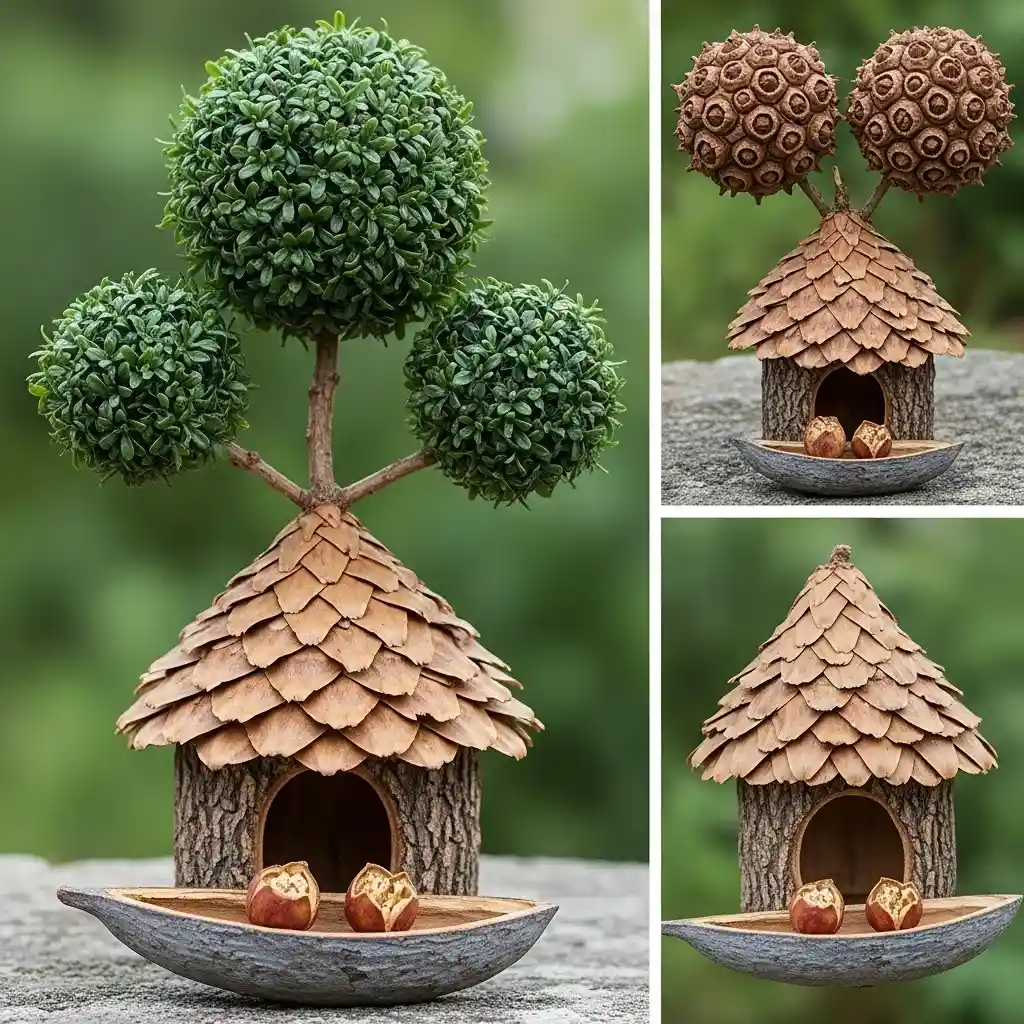
Sweet gum balls become miniature topiary trees when mounted on twigs. Pine cone petals create roof shingles or flower petals. Milkweed pods halved lengthwise form tiny boats or planters. Nature provides endless creative possibilities requiring only observation and imagination to recognize potential in overlooked natural materials.
Cork Stopper Accessories
Wine corks cut and carved create stools, planters, stepping stones, or even tiny houses for fairy gardens. The lightweight, weather-resistant material carves easily with craft knives while the natural texture fits rustic garden aesthetics perfectly. Corks cost nothing when saved from wine bottles consumed normally.

Slice corks horizontally for stepping stones or vertically for stools and planters. Carve doors and windows into whole corks for tiny dwellings. Stack and glue multiple slices to create varied heights. This readily available material offers surprising versatility for budget-conscious fairy garden enthusiasts.
Repurposed Jewelry Components
Broken necklaces, single earrings, and outdated jewelry pieces provide sparkling embellishments for fairy gardens including wind chimes, garden stakes, treasure piles, and decorative accents. Thrift stores sell costume jewelry for pennies, while damaged pieces from your own collection cost nothing to repurpose into miniature garden bling.

Hang crystal beads from wire for fairy lights effect. Use chain as fencing or climbing vines. Position rhinestones as stepping stones or magical crystals. These glittering elements add fantasy sparkle suggesting fairy presence while utilizing materials otherwise destined for landfills or forgotten in jewelry boxes.
Natural Fiber Cordage
Jute twine, natural raffia, or hemp cord creates miniature rope bridges, swings, plant ties, and decorative elements for just a few dollars per spool. The natural tan colors complement organic garden materials while providing functional and decorative possibilities that synthetic materials cannot replicate authentically in woodland-themed miniature settings.

Braid multiple strands for thicker ropes or leave single-ply for delicate accents. Fray ends intentionally for weathered appearances. Natural fibers decompose eventually but last multiple seasons before requiring replacement, making them economical long-term despite their organic nature and eventual biodegradation.
Plant Propagation Expansion
Propagating new plants from cuttings or divisions multiplies your fairy garden plant collection free once initial specimens establish successfully. Many suitable fairy garden plants including succulents, sedums, and creeping ground covers root easily from cuttings placed in soil, eliminating ongoing plant purchase expenses indefinitely.

Start cuttings in small containers until roots establish, then transplant into fairy gardens. Share propagated plants with fellow enthusiasts, trading varieties to diversify collections without spending money. This sustainable approach connects to garden herb pairing guide principles of strategic plant selection and multiplication.
DIY Fairy Figurines
Sculpt fairy figures from air-dry clay, polymer clay, or even clothespin dolls dressed in fabric scraps rather than purchasing expensive manufactured fairy figurines. Handmade fairies add personal character while allowing complete customization of size, coloring, and styling to match your specific garden theme perfectly.

Paint wooden clothespins to create simple fairy bodies, adding fabric wings and yarn hair. Clay allows detailed sculpting for those with artistic inclinations. These homemade inhabitants make fairy gardens truly unique while developing artistic skills through enjoyable crafting that doubles as garden creation.
Seasonal Natural Decorations
Change fairy garden decorations seasonally using free natural materials—autumn leaves, pine boughs, acorns, seed heads, berries, and flowers. This rotating approach keeps gardens fresh and interesting while costing nothing beyond collection time. Seasonal updates celebrate nature’s cycles while demonstrating how fairy gardens evolve throughout the year naturally.

Create miniature pumpkins from painted acorns for fall, pine cone Christmas trees for winter, flower garlands for spring, and shell accents for summer. These seasonal touches require minimal storage space since materials compost between uses, and new ones collect free each season during nature walks.
Community Sharing and Swaps
Join fairy garden communities online or locally to trade accessories, share plant divisions, and exchange crafting ideas that reduce individual expenses dramatically. Community members often have duplicate items they’ll share freely, while craft swaps allow trying new accessories without purchasing, fostering creativity through collaborative sharing economies.

Organize fairy garden swap meets where enthusiasts trade accessories and plants. Share bulk material purchases to reduce per-person costs. This collaborative approach builds community while making the hobby more affordable and socially engaging than solitary creation, adding friendship benefits to already enjoyable miniature gardening pursuits.
Frequently Asked Questions
What plants work best for budget fairy gardens?
Succulents, sedums, moss, and miniature herbs like thyme offer affordable, low-maintenance options. Propagate from cuttings to expand collections free. Avoid specialty miniature plants commanding premium prices when common varieties work equally well at regular garden center costs.
Where can I find cheap fairy garden containers?
Thrift stores, yard sales, dollar stores, and your own cabinets provide inexpensive or free container options. Anything holding soil with drainage works—broken pottery, old dishes, unused planters, even metal tins painted to prevent rust over time.
How do I make fairy furniture without spending money?
Collect twigs, small branches, popsicle sticks, corks, and small stones to construct furniture using hot glue. Nature provides unlimited free building materials requiring only creativity and basic adhesive to transform into miniature furnishings.
Can I create fairy gardens entirely from found materials?
Absolutely! Foraged natural materials, repurposed household items, and propagated plants allow creating complete fairy gardens without purchasing anything specifically for the project. Creativity and resourcefulness matter more than money when crafting miniature magical worlds successfully.
Creating enchanting fairy gardens on a budget proves not only possible but often more rewarding than purchasing expensive pre-made accessories that lack personal meaning and creative investment. The resourcefulness required for budget fairy gardening develops problem-solving skills while encouraging outdoor exploration, artistic expression, and mindful repurposing of materials otherwise discarded wastefully. Learn more with our guide on garden walls and ideas.
Whether you’re crafting solo or involving children in this magical hobby, budget-friendly approaches make fairy gardening accessible to everyone regardless of financial circumstances. Start collecting natural materials, survey your home for repurposing possibilities, and let imagination guide your creation of miniature worlds where fairies might truly want to dwell among carefully crafted details reflecting your unique vision and creativity.