Colorful shrubs provide the backbone of vibrant landscapes, delivering year-round interest through stunning foliage, brilliant flowers, and dramatic seasonal transformations that evolve throughout growing cycles.
These woody plants offer more permanence than annuals while requiring less maintenance than perennials, creating structural frameworks that anchor garden designs with reliable beauty. From spring blossoms to autumn foliage, the right shrub selections ensure your landscape maintains visual appeal across all seasons.

Strategic shrub placement transforms ordinary properties into extraordinary showcases celebrating nature’s color palette through thoughtful plant selections matching regional climates and design aesthetics.
Whether you’re seeking vibrant flower displays, colorful foliage accents, or berries attracting wildlife, diverse shrub options accommodate every preference and growing condition.

These versatile plants work beautifully in foundation plantings, mixed borders, specimen displays, and mass plantings creating cohesive landscape presentations
1. Azalea Spring Brilliance
Azaleas deliver spectacular spring flower displays in pink, red, white, purple, and coral creating stunning focal points when blooming profusely. These acid-loving shrubs prefer partial shade and well-drained soil, making them perfect understory plants beneath trees or along north-facing walls throughout temperate regions.

Deciduous and evergreen varieties offer different characteristics—deciduous types provide fall color while evergreens maintain year-round structure. Plant azaleas in groups for maximum impact, pairing with spring bulbs and shade perennials. This classic choice works beautifully within best shrubs for front of house foundation plantings.
| Feature | Details |
|---|---|
| Colors | Pink, Red, White, Purple, Coral |
| Bloom Time | Spring (April-May) |
| Height | 3-8 feet |
| Sun Requirements | Partial Shade |
| Hardiness Zones | 5-9 |
| Special Notes | Requires acidic soil, attracts pollinators |
2. Rhododendron Bold Blooms
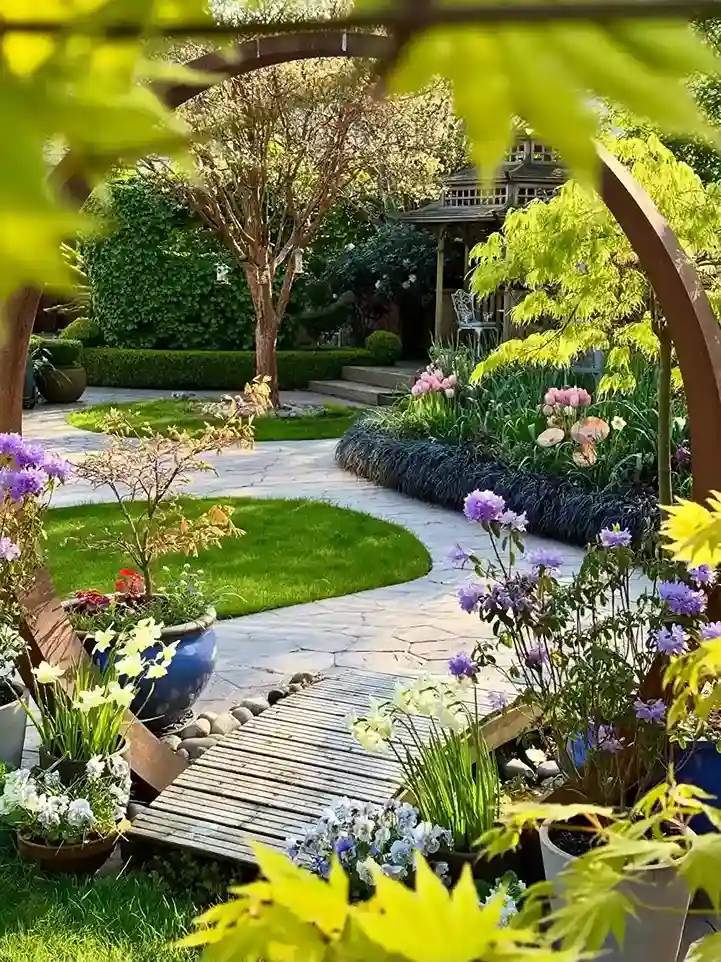
Rhododendrons produce large showy flower clusters in pink, purple, red, white, and yellow dominating spring landscapes with bold dramatic presence. These broadleaf evergreens maintain attractive glossy foliage year-round while their substantial size creates permanent structural elements anchoring landscape designs effectively.
Source: @pauline330
Choose varieties suited to your climate zone as hardiness varies significantly among cultivars bred for different regional conditions. Rhododendrons require acidic soil and consistent moisture thriving in woodland gardens and shaded borders where their impressive blooms receive proper appreciation throughout seasons.
| Feature | Details |
|---|---|
| Colors | Pink, Purple, Red, White, Yellow |
| Bloom Time | Spring (May-June) |
| Height | 4-10 feet |
| Sun Requirements | Partial Shade |
| Hardiness Zones | 5-8 |
| Special Notes | Evergreen foliage, needs acidic soil |
3. Butterfly Bush Pollinator Haven
Butterfly bushes produce fragrant flower spikes in purple, pink, white, and bi-colors attracting butterflies and hummingbirds throughout summer months. These fast-growing deciduous shrubs bloom prolifically on new wood, rewarding deadheading with continuous flowering extending from June through frost in favorable conditions.

Modern compact varieties suit smaller gardens while traditional types create substantial screening plants reaching 8-10 feet tall quickly. The arching branches covered in colorful panicles create cottage garden charm while supporting pollinator populations through abundant nectar-rich blooms beloved by beneficial insects.
| Feature | Details |
|---|---|
| Colors | Purple, Pink, White, Blue, Bi-color |
| Bloom Time | Summer-Fall (June-October) |
| Height | 5-10 feet |
| Sun Requirements | Full Sun |
| Hardiness Zones | 5-9 |
| Special Notes | Attracts butterflies, drought-tolerant once established |
4. Hydrangea Versatile Beauty
Hydrangeas offer unmatched versatility with bigleaf, panicle, smooth, and oakleaf varieties providing different bloom types and seasonal interests. Colors range from blue and pink to white and lime green with some types changing hues throughout seasons based on pH.

Bigleaf hydrangeas produce mophead or lacecap flowers while panicle types offer cone-shaped blooms turning pink as they age. Oakleaf varieties provide stunning fall foliage alongside white summer flowers. This diverse genus works beautifully in cottage garden ideas creating romantic informal plantings.
| Feature | Details |
|---|---|
| Colors | Blue, Pink, White, Purple, Lime Green |
| Bloom Time | Summer (June-September) |
| Height | 3-12 feet (variety dependent) |
| Sun Requirements | Part Sun to Part Shade |
| Hardiness Zones | 3-9 (variety dependent) |
| Special Notes | Color changes with soil pH, dried flowers |
5. Forsythia Golden Herald
Forsythia announces spring with brilliant yellow flowers covering bare branches before leaves emerge, creating golden fountains signaling winter’s end. These vigorous deciduous shrubs grow quickly providing informal hedges or specimen plantings requiring minimal care once established in appropriate locations.

Prune forsythia immediately after flowering to maintain shape and encourage next year’s bloom production on new growth. The arching stems root easily from cuttings allowing free propagation expanding plantings throughout properties. This reliable bloomer suits cheap landscaping ideas through easy propagation and minimal maintenance.
| Feature | Details |
|---|---|
| Colors | Bright Yellow |
| Bloom Time | Early Spring (March-April) |
| Height | 8-10 feet |
| Sun Requirements | Full Sun to Part Shade |
| Hardiness Zones | 5-8 |
| Special Notes | First spring bloomer, easy to propagate |
6. Spiraea Delicate Clusters
Spiraea produces delicate flower clusters in pink, white, and red throughout spring or summer depending on variety selected. These compact deciduous shrubs offer varied forms from mounding to upright with some cultivars providing colorful spring foliage in gold, orange, or burgundy.

Bridal wreath spiraea blooms white in spring along cascading branches while summer-blooming types offer pink or red flowers. Low-growing varieties work perfectly as groundcovers or edging plants requiring minimal pruning maintaining compact shapes naturally throughout growing seasons.
| Feature | Details |
|---|---|
| Colors | Pink, White, Red |
| Bloom Time | Spring or Summer (variety dependent) |
| Height | 2-8 feet |
| Sun Requirements | Full Sun |
| Hardiness Zones | 3-9 |
| Special Notes | Some varieties have colorful foliage, low maintenance |
7. Weigela Tubular Flowers
Weigela produces tubular flowers in pink, red, white, and burgundy along arching branches creating spectacular late spring displays. Modern varieties offer colorful foliage in purple, chartreuse, or variegated patterns providing extended interest beyond brief flowering periods throughout seasons.

This old-fashioned favorite attracts hummingbirds while requiring minimal care thriving in various soil conditions. Prune after flowering to maintain shape and encourage vigorous new growth. Weigela works beautifully in mixed borders and foundation plantings providing reliable color and easy-care beauty.
| Feature | Details |
|---|---|
| Colors | Pink, Red, White, Burgundy |
| Bloom Time | Late Spring (May-June) |
| Height | 6-10 feet |
| Sun Requirements | Full Sun to Part Shade |
| Hardiness Zones | 4-8 |
| Special Notes | Attracts hummingbirds, colorful foliage varieties available |
8. Rose of Sharon
Rose of Sharon blooms prolifically from mid-summer through fall when few other shrubs flower, providing pink, purple, white, red, or bi-colored blooms. These upright deciduous shrubs create excellent hedges or specimen plants tolerating urban conditions, heat, and humidity where other flowering shrubs struggle.

The hibiscus-like flowers attract butterflies and hummingbirds while requiring minimal care once established in full sun locations. Newer varieties offer improved sterility preventing excessive self-seeding that made older types weedy in some regions. This reliable bloomer extends color through late season.
| Feature | Details |
|---|---|
| Colors | Pink, Purple, White, Red, Bi-color |
| Bloom Time | Summer-Fall (July-October) |
| Height | 8-12 feet |
| Sun Requirements | Full Sun |
| Hardiness Zones | 5-9 |
| Special Notes | Late-season blooms, drought-tolerant, attracts pollinators |
9. Burning Bush Fall Fire
Burning bush provides spectacular autumn foliage in brilliant red creating fiery focal points throughout fall landscapes when most plants fade. The compact rounded form works well in foundation plantings and borders while green summer foliage provides neutral backdrop for flowering perennials.

This adaptable shrub tolerates various soil conditions and urban environments thriving with minimal care. Some regions classify burning bush as invasive due to prolific seeding, so check local regulations and consider sterile cultivars. The fall display justifies space in front yard landscaping schemes emphasizing seasonal drama.
| Feature | Details |
|---|---|
| Colors | Bright Red (fall foliage) |
| Color Time | Autumn (September-October) |
| Height | 10-15 feet (compact varieties 4-6 feet) |
| Sun Requirements | Full Sun to Part Shade |
| Hardiness Zones | 3-8 |
| Special Notes | Check invasive status locally, stunning fall color |
10. Barberry Colorful Foliage
Barberry offers year-round foliage interest in purple, red, gold, or variegated patterns with thorny stems providing security barriers. These compact shrubs produce small yellow flowers in spring followed by red berries attracting birds while the dense growth creates impenetrable hedges.

Purple-leaved varieties like ‘Crimson Pygmy’ maintain color throughout seasons while gold types brighten shaded areas. The low-maintenance nature and drought tolerance make barberry ideal for difficult locations. Some species spread aggressively, so select non-invasive cultivars respecting regional environmental concerns.
| Feature | Details |
|---|---|
| Colors | Purple, Red, Gold, Green (foliage) |
| Color Time | Year-round foliage |
| Height | 3-6 feet |
| Sun Requirements | Full Sun to Part Shade |
| Hardiness Zones | 4-8 |
| Special Notes | Thorny, some varieties invasive, drought-tolerant |
11. Smokebush Purple Drama
Smokebush produces billowing purple or pink flower plumes resembling smoke clouds creating unique summer focal points. Purple-leaved varieties like ‘Royal Purple’ provide season-long foliage color while green types offer chartreuse spring growth. The large rounded form creates substantial specimens.

Prune smokebush annually for larger leaves and more compact growth or allow natural development into small trees. The distinctive appearance works beautifully in tree landscaping ideas creating architectural interest through unique form and coloring. Drought tolerance suits xeriscapes and low-water gardens once established.
| Feature | Details |
|---|---|
| Colors | Purple, Pink (flowers and foliage) |
| Bloom Time | Summer (June-August) |
| Height | 10-15 feet |
| Sun Requirements | Full Sun |
| Hardiness Zones | 4-8 |
| Special Notes | Unique smoke-like flowers, colorful foliage, drought-tolerant |
12. Ninebark Colorful Bark
Ninebark offers burgundy, gold, or green foliage with peeling bark providing winter interest after leaves drop. White or pink flower clusters bloom in late spring followed by attractive seed heads persisting into winter. This North American native thrives in various conditions.

Cultivars like ‘Diablo’ provide deep purple foliage while ‘Dart’s Gold’ offers chartreuse leaves creating bright accents. The adaptable nature tolerates wet or dry soils making ninebark versatile for challenging sites. Prune selectively to showcase exfoliating bark adding multi-season interest beyond foliage.
| Feature | Details |
|---|---|
| Colors | Burgundy, Gold, Green (foliage), White/Pink (flowers) |
| Bloom Time | Late Spring (May-June) |
| Height | 5-10 feet |
| Sun Requirements | Full Sun to Part Shade |
| Hardiness Zones | 2-7 |
| Special Notes | Native, exfoliating bark, very adaptable |
13. Viburnum Seasonal Interest
Viburnums provide multi-season interest with spring flowers, summer foliage, fall color, and winter berries attracting birds. Species vary widely offering evergreen or deciduous options with flowers ranging from white to pink in flat or snowball clusters creating diverse choices.

‘Dawn’ viburnum blooms fragrant pink in late winter while ‘Blue Muffin’ produces striking blue berries. The genus includes compact to large varieties suiting various landscape needs. Most viburnums require cross-pollination for berry production, so plant multiple specimens for best fruiting displays.
| Feature | Details |
|---|---|
| Colors | White, Pink (flowers), Red/Blue/Black (berries) |
| Bloom Time | Spring (variety dependent) |
| Height | 4-15 feet (variety dependent) |
| Sun Requirements | Full Sun to Part Shade |
| Hardiness Zones | 2-9 (variety dependent) |
| Special Notes | Fragrant flowers, attracts birds, multi-season interest |
14. Camellia Winter Blooms
Camellias produce elegant rose-like flowers in pink, red, white, and bi-colors blooming fall through spring when few others flower. These broadleaf evergreens prefer acidic soil and partial shade thriving in southern gardens and mild climates providing year-round glossy foliage and spectacular blooms.

Japanese and sasanqua varieties offer different bloom times—sasanquans flower earlier with smaller blooms while Japanese types produce larger flowers later. The formal flowers suit elegant landscapes while evergreen foliage provides permanent structure. Camellias work beautifully in coastal backyard garden guide plantings tolerating maritime conditions.
| Feature | Details |
|---|---|
| Colors | Pink, Red, White, Bi-color |
| Bloom Time | Fall-Spring (October-April, variety dependent) |
| Height | 6-12 feet |
| Sun Requirements | Partial Shade |
| Hardiness Zones | 7-10 |
| Special Notes | Evergreen, acidic soil required, elegant flowers |
15. Lilac Fragrant Blooms
Lilacs produce intensely fragrant flower clusters in purple, pink, white, and magenta signaling spring’s arrival with beloved nostalgic scent. These deciduous shrubs require winter chill performing best in northern climates while becoming family heirlooms passed through generations for their sentimental value.

Common lilacs grow large requiring space while compact varieties suit smaller properties. Prune immediately after flowering removing spent blooms and oldest canes encouraging vigorous growth. The brief but glorious flowering period and intoxicating fragrance justify prominent placement near patios and entries.
| Feature | Details |
|---|---|
| Colors | Purple, Pink, White, Magenta |
| Bloom Time | Spring (May) |
| Height | 8-15 feet (compact varieties 4-6 feet) |
| Sun Requirements | Full Sun |
| Hardiness Zones | 3-7 |
| Special Notes | Intensely fragrant, requires winter chill, heirloom varieties |
16. Mock Orange Citrus Scent
Mock orange produces fragrant white flowers resembling orange blossoms in late spring creating delightfully scented garden areas. These old-fashioned deciduous shrubs grow vigorously providing informal hedges or specimen plantings while their powerful fragrance perfumes entire gardens during peak bloom.

The arching branches covered in white blooms create romantic displays while the citrus scent attracts pollinators. Prune after flowering to maintain shape and encourage next season’s blooms. Mock orange suits cottage gardens and informal plantings where nostalgic fragrance enhances outdoor living experiences.
| Feature | Details |
|---|---|
| Colors | White |
| Bloom Time | Late Spring (May-June) |
| Height | 8-12 feet |
| Sun Requirements | Full Sun to Part Shade |
| Hardiness Zones | 4-8 |
| Special Notes | Intensely fragrant, easy care, vigorous growth |
17. Potentilla Continuous Blooms
Potentilla produces small rose-like flowers in yellow, white, pink, orange, or red blooming continuously from late spring through fall. These compact deciduous shrubs tolerate poor soils, drought, and cold thriving in challenging conditions where fussier shrubs fail providing reliable long-season color.

The fine-textured foliage and tidy mounding habit suit foundation plantings and border fronts. Potentilla requires minimal pruning maintaining compact shapes naturally while blooming prolifically on new wood. This tough performer works beautifully in yard ideas outdoor space requiring low-maintenance reliable color.
| Feature | Details |
|---|---|
| Colors | Yellow, White, Pink, Orange, Red |
| Bloom Time | Late Spring-Fall (May-October) |
| Height | 2-4 feet |
| Sun Requirements | Full Sun |
| Hardiness Zones | 2-7 |
| Special Notes | Long bloom period, very hardy, drought-tolerant |
18. Beautyberry Purple Berries
Beautyberry produces stunning purple or white berries clustered along stems in fall creating unique ornamental displays. The small pink summer flowers attract pollinators while the glossy berries persist into winter providing food for birds. This native shrub offers exceptional fall interest.

The arching stems laden with iridescent purple berries create eye-catching specimens in mixed borders and woodland gardens. American beautyberry tolerates shade and various soil conditions thriving with minimal care. The distinctive berries work beautifully as cutting material for fall arrangements bringing indoor color.
| Feature | Details |
|---|---|
| Colors | Purple, White (berries), Pink (flowers) |
| Color Time | Fall-Winter (September-December) |
| Height | 4-6 feet |
| Sun Requirements | Full Sun to Part Shade |
| Hardiness Zones | 6-10 |
| Special Notes | Native, unique berry display, attracts birds |
19. Deutzia Starry Flowers
Deutzia produces masses of small star-shaped flowers in white or pink covering arching branches in late spring. These graceful deciduous shrubs create fountain-like forms covered in blooms providing spectacular seasonal displays. The low-maintenance nature and reliable flowering make deutzia valuable.

Prune after flowering removing oldest canes encouraging vigorous new growth producing next season’s blooms. Deutzia tolerates various conditions while requiring minimal care once established. The delicate flowers and arching habit suit cottage gardens and informal plantings providing romantic seasonal beauty.
| Feature | Details |
|---|---|
| Colors | White, Pink |
| Bloom Time | Late Spring (May-June) |
| Height | 3-6 feet |
| Sun Requirements | Full Sun to Part Shade |
| Hardiness Zones | 5-8 |
| Special Notes | Arching habit, profuse blooms, low maintenance |
20. Red Twig Dogwood
Red twig dogwood provides brilliant red or yellow stems creating dramatic winter interest when deciduous leaves drop revealing colorful bark. The white flowers bloom in spring followed by white berries attracting birds while fall foliage turns burgundy creating multi-season interest.

This native shrub thrives in moist soils tolerating wet conditions where other shrubs struggle. Prune older stems to ground level annually encouraging bright new growth with best color. The vivid winter stems create focal points in snow-covered landscapes providing essential color during dormant months.
| Feature | Details |
|---|---|
| Colors | Red, Yellow (stems), White (flowers/berries) |
| Color Time | Year-round, especially winter |
| Height | 6-9 feet |
| Sun Requirements | Full Sun to Part Shade |
| Hardiness Zones | 2-7 |
| Special Notes | Native, tolerates wet soil, winter interest |
21. Pieris Japanese Andromeda
Pieris produces drooping clusters of white or pink bell-shaped flowers in early spring alongside colorful new growth in red, pink, or bronze. This broadleaf evergreen prefers acidic soil and partial shade providing year-round structure and multi-season color through flowers and foliage.

The glossy evergreen leaves and compact growth suit foundation plantings and woodland gardens. Pieris requires minimal pruning maintaining attractive shapes naturally. The early flowers provide nectar when few sources exist while colorful new growth creates spring focal points beyond brief flowering periods.
| Feature | Details |
|---|---|
| Colors | White, Pink (flowers), Red/Pink/Bronze (new growth) |
| Bloom Time | Early Spring (March-April) |
| Height | 4-6 feet |
| Sun Requirements | Partial Shade |
| Hardiness Zones | 5-8 |
| Special Notes | Evergreen, acidic soil required, colorful new growth |
22. Flowering Quince
Flowering quince produces brilliant red, pink, orange, or white flowers on bare branches in early spring before leaves emerge. These thorny deciduous shrubs create impenetrable hedges while providing spectacular early color. Fragrant yellow fruits ripen in fall making excellent preserves and jellies.

The low-growing spreading habit suits borders and informal hedges while thorniness provides security. Flowering quince tolerates various soils and urban conditions thriving with minimal care. The early blooms herald spring while the edible fruits add functional benefits beyond ornamental value.
| Feature | Details |
|---|---|
| Colors | Red, Pink, Orange, White |
| Bloom Time | Early Spring (March-April) |
| Height | 3-6 feet |
| Sun Requirements | Full Sun |
| Hardiness Zones | 5-9 |
| Special Notes | Thorny, edible fruit, very early blooms |
23. Spicebush Golden Fall
Spicebush provides bright yellow fall foliage and aromatic leaves when crushed releasing spicy fragrance. This native deciduous shrub tolerates shade and wet soils thriving in woodland gardens and rain gardens. Small yellow flowers bloom before leaves emerge followed by red berries.

Female plants produce berries attracting birds while providing host plants for spicebush swallowtail butterflies. The adaptable nature suits challenging sites with poor drainage. Spicebush works beautifully in naturalistic plantings celebrating native flora and supporting local wildlife through ecological landscape choices.
| Feature | Details |
|---|---|
| Colors | Yellow (fall foliage, flowers), Red (berries) |
| Bloom/Color Time | Spring flowers, Fall foliage |
| Height | 6-12 feet |
| Sun Requirements | Part Shade to Shade |
| Hardiness Zones | 4-9 |
| Special Notes | Native, aromatic, butterfly host plant |
24. Daphne Fragrant Jewel
Daphne produces intensely fragrant pink or white flowers in late winter or spring creating powerfully scented garden areas. These compact evergreen or deciduous shrubs require well-drained soil and careful siting but reward with unmatched fragrance. The challenging nature makes successful daphnes gardening achievements.

Position daphnes near entries and patios where fragrance appreciation maximizes enjoyment. The plants resent root disturbance once established, so choose planting locations carefully. Despite finicky reputations, the intoxicating scent justifies efforts making daphnes prized possessions among knowledgeable gardeners seeking exceptional fragrance.
| Feature | Details |
|---|---|
| Colors | Pink, White |
| Bloom Time | Late Winter-Spring (February-May, variety dependent) |
| Height | 2-4 feet |
| Sun Requirements | Part Shade |
| Hardiness Zones | 4-9 (variety dependent) |
| Special Notes | Intensely fragrant, requires excellent drainage, can be finicky |
25. Caryopteris Blue Mist
Caryopteris produces clusters of blue or purple flowers in late summer creating rare blue color when most bloomers fade. This compact deciduous shrub attracts bees and butterflies while aromatic foliage releases fragrance when brushed. The mounding habit suits border fronts and foundation plantings perfectly.

Caryopteris blooms on new wood benefiting from spring pruning to ground level encouraging vigorous growth and abundant flowering. The drought tolerance suits xeriscapes and low-water gardens. The late-season blue flowers fill gaps when early bloomers finish providing extended color through fall.
| Feature | Details |
|---|---|
| Colors | Blue, Purple |
| Bloom Time | Late Summer-Fall (August-October) |
| Height | 2-3 feet |
| Sun Requirements | Full Sun |
| Hardiness Zones | 5-9 |
| Special Notes | Attracts pollinators, aromatic, drought-tolerant, late blooms |
26. Summersweet White Spikes
Summersweet produces fragrant white or pink flower spikes in mid to late summer when few shrubs bloom attracting bees and butterflies. This native deciduous shrub tolerates wet soils and shade thriving in challenging conditions. Golden fall foliage provides additional seasonal interest beyond summer flowering.

The adaptable nature suits rain gardens and woodland edges where moisture and shade prevail. Summersweet spreads slowly through suckers forming colonies over time. The sweet fragrance and wildlife value make it essential for best outdoor plants supporting pollinators through native selections.
| Feature | Details |
|---|---|
| Colors | White, Pink |
| Bloom Time | Mid-Late Summer (July-August) |
| Height | 3-6 feet |
| Sun Requirements | Part Shade to Shade |
| Hardiness Zones | 4-9 |
| Special Notes | Native, fragrant, tolerates wet soil, attracts pollinators |
27. Oregon Grape Holly
Oregon grape holly produces yellow flower clusters in early spring followed by blue-purple berries resembling grapes. This broadleaf evergreen native provides year-round structure with holly-like leaves turning bronze-purple in winter. The low-growing spreading habit creates excellent groundcover beneath trees.

The edible berries attract birds while providing ingredients for preserves and wine. Shade tolerance makes Oregon grape valuable for difficult sites under trees. The evergreen foliage and multi-season interest work beautifully in small garden ideas maximizing year-round appeal.
| Feature | Details |
|---|---|
| Colors | Yellow (flowers), Blue-Purple (berries) |
| Bloom Time | Early Spring (March-May) |
| Height | 3-6 feet |
| Sun Requirements | Part Shade to Shade |
| Hardiness Zones | 5-9 |
| Special Notes | Native, evergreen, edible berries, shade-tolerant |
28. Glossy Abelia Pink
Glossy abelia produces small tubular white or pink flowers from summer through fall attracting hummingbirds and butterflies continuously. The semi-evergreen foliage turns bronze-purple in fall and winter providing multi-season color. The arching habit and fine texture create graceful informal hedges.

Modern variegated varieties offer colorful foliage throughout growing seasons while maintaining flowering. Abelia tolerates heat, humidity, and drought once established thriving in southern gardens. The long bloom period and low maintenance make it valuable for extended seasonal color.
| Feature | Details |
|---|---|
| Colors | White, Pink (flowers), Bronze-Purple (fall foliage) |
| Bloom Time | Summer-Fall (June-October) |
| Height | 3-6 feet |
| Sun Requirements | Full Sun to Part Shade |
| Hardiness Zones | 6-9 |
| Special Notes | Long bloom period, attracts hummingbirds, semi-evergreen |
29. Witch Hazel Winter Color
Witch hazel produces fragrant ribbon-like yellow, orange, or red flowers in late winter or fall when no other shrubs bloom. The unique spidery flowers tolerate freezing temperatures providing precious color during bleak months. Golden fall foliage adds seasonal interest before or after flowering depending.

Native and Asian varieties offer different bloom times—native species flower in fall while Asian types bloom late winter. The adaptable shrubs tolerate various soils and partial shade thriving with minimal care. The unusual flowers and winter interest make witch hazel essential four-season specimens.
| Feature | Details |
|---|---|
| Colors | Yellow, Orange, Red |
| Bloom Time | Late Winter or Fall (variety dependent) |
| Height | 10-15 feet |
| Sun Requirements | Full Sun to Part Shade |
| Hardiness Zones | 3-9 (variety dependent) |
| Special Notes | Fragrant, winter blooms, golden fall color |
30. Kerria Golden Blooms
Kerria produces bright golden-yellow flowers in spring along arching green stems providing vibrant color. The double-flowered forms create pom-pom blooms while single types offer simple five-petaled flowers. Green stems provide winter interest after leaves drop maintaining presence during dormant months.

This shade-tolerant deciduous shrub spreads slowly through suckers forming colonies over time. Kerria thrives in partial shade where yellows brighten dim areas. The low-maintenance nature and reliable flowering suit woodland gardens and shaded borders requiring minimal intervention once established successfully.
| Feature | Details |
|---|---|
| Colors | Golden Yellow |
| Bloom Time | Spring (April-May) |
| Height | 3-6 feet |
| Sun Requirements | Part Shade to Shade |
| Hardiness Zones | 4-9 |
| Special Notes | Shade-tolerant, green winter stems, spreads slowly |
31. Fothergilla Bottlebrush Blooms
Fothergilla produces fragrant white bottlebrush flowers in spring before leaves emerge creating unusual displays. The blue-green summer foliage transforms into spectacular fall color in yellow, orange, and red rivaling maples. This native deciduous shrub requires acidic soil thriving in woodland settings.

The compact growth and multi-season interest make fothergilla valuable for small gardens and foundation plantings. Dwarf varieties suit tight spaces while larger types create specimens. The combination of spring flowers and outstanding fall color provides dual seasonal peaks justifying prominent placement.
| Feature | Details |
|---|---|
| Colors | White (flowers), Yellow/Orange/Red (fall foliage) |
| Bloom Time | Spring (April-May) |
| Height | 3-6 feet (dwarf varieties 2-3 feet) |
| Sun Requirements | Full Sun to Part Shade |
| Hardiness Zones | 5-8 |
| Special Notes | Native, fragrant, spectacular fall color, acidic soil |
32. Oakleaf Hydrangea
Oakleaf hydrangea produces large white flower panicles in summer aging to pink then tan persisting into winter. The oak-shaped leaves provide exceptional fall color in burgundy, orange, and purple while exfoliating cinnamon bark adds winter interest. This native shrub offers four-season beauty.

The substantial size creates dramatic specimens or informal hedges while shade tolerance suits woodland gardens. Oakleaf hydrangea prefers consistent moisture and acidic to neutral soil. The multi-season appeal works beautifully in backyard landscaping ideas providing year-round interest through flowers, foliage, and bark.
| Feature | Details |
|---|---|
| Colors | White aging to Pink (flowers), Burgundy/Orange/Purple (fall) |
| Bloom Time | Summer (June-July) |
| Height | 6-8 feet |
| Sun Requirements | Part Shade |
| Hardiness Zones | 5-9 |
| Special Notes | Native, exfoliating bark, exceptional fall color |
Frequently Asked Questions
What are the best low-maintenance colorful shrubs?
Spiraea, potentilla, weigela, and butterfly bush require minimal care while providing abundant color throughout seasons. These reliable performers tolerate various conditions thriving with occasional pruning and basic watering during establishment. Their adaptability suits busy homeowners seeking beautiful landscapes without demanding maintenance schedules.
How do I choose shrubs for year-round color?
Select combinations providing sequential interest—spring bloomers like azaleas and forsythia, summer flowers including hydrangeas and roses of Sharon, fall foliage from burning bush and fothergilla, plus winter stems from red twig dogwood. Layering seasonal peaks ensures continuous color throughout entire years.
Can colorful shrubs grow in shade?
Many shrubs tolerate or prefer shade including azaleas, rhododendrons, oakleaf hydrangea, kerria, and Oregon grape holly. These shade performers provide flowers, foliage color, or berries brightening dim areas where sun-loving plants struggle. Proper shade plant selection transforms challenging locations into colorful garden spaces.
How far apart should I plant colorful shrubs?
Space shrubs according to mature widths allowing proper air circulation and growth room. Generally, position shrubs two-thirds their mature width apart—a 6-foot wide shrub needs 4 feet spacing. Closer spacing creates faster screening but requires more frequent pruning maintaining desired sizes and preventing overcrowding.
Conclusion
Colorful shrubs transform landscapes from ordinary to extraordinary through strategic selections providing year-round interest and reliable beauty. These versatile woody plants anchor garden designs while requiring less maintenance than perennials or annuals, making them essential components of sustainable attractive landscapes. From spring azaleas to winter witch hazel, the diverse options accommodate every climate zone and design preference.
Successful shrub selection requires understanding mature sizes, cultural requirements, and seasonal interest patterns ensuring plants thrive while delivering anticipated aesthetic results. Combining early, mid, and late-season bloomers with foliage specimens and winter interest plants creates dynamic landscapes maintaining appeal throughout entire years. This layered approach maximizes color while minimizing maintenance through thoughtful planning and appropriate plant placement.
Whether you’re renovating existing landscapes or starting fresh plantings, incorporating colorful shrubs provides structural frameworks supporting overall designs while delivering consistent beauty across seasons. Invest time researching varieties suited to your specific growing conditions, then enjoy decades of reliable color from these permanent landscape features requiring minimal intervention once properly established in appropriate locations.