Creating a stunning outdoor sanctuary doesn’t have to drain your savings. With a bit of creativity and strategic planning, you can transform a drab yard into a professional-looking landscape for a fraction of the cost of a contractor. Many of the most impactful changes involve simple materials like mulch, gravel, and young plants that grow in value over time.

Source: @fiddlersgreenca
Whether you are working with a sprawling lawn or narrow walkways, these ideas focus on “high-impact, low-cost” solutions. Before we dive into the outdoors, if you are looking to refresh your interior first, check out our house plants guide for budget-friendly greenery tips.
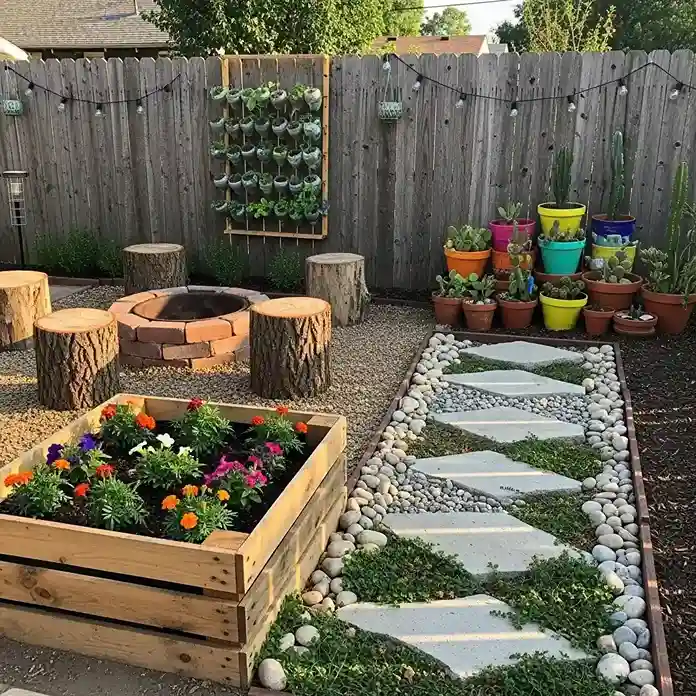
1. Use Mulch for Instant Polish
Mulch is the “secret sauce” of cheap landscaping. For about $3 to $5 per bag, you can cover bare soil, suppress weeds, and give your garden beds a clean, uniform look. It instantly makes disparate plants look like a curated collection.
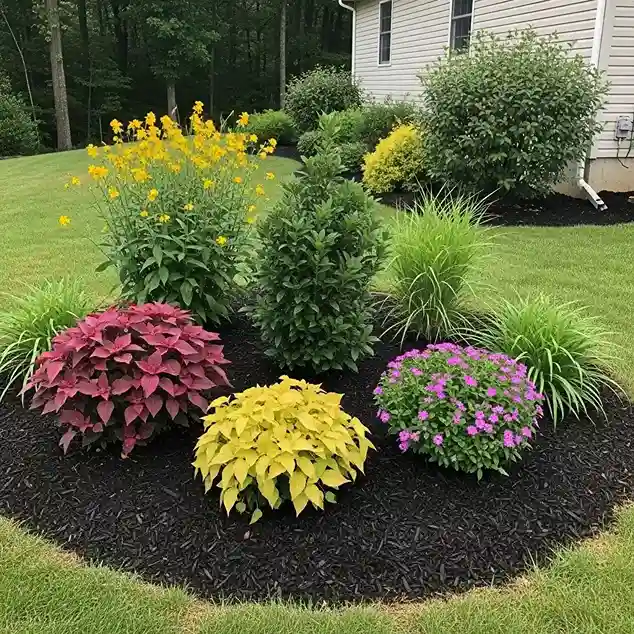
Beyond aesthetics, mulch retains moisture, which saves you money on your water bill. If you buy in bulk by the cubic yard, you can often get it for even less—around $30 to $40 per yard—making it one of the most cost-effective ways to fill large spaces.
2. Create White Stone Paths
Using crushed stone is significantly cheaper than laying down concrete or professional pavers. You can purchase bags of white marble chips for roughly $6 to $10 each to create high-contrast, elegant walkways that pop against green grass.

For more inspiration on using this specific material, explore our white stone landscaping ideas. These stones reflect light, brightening up shaded areas of your yard for a very low investment.
3. Plant Perennials for Yearly Returns
Annuals die every year, but perennials like Daylilies and Hostas come back stronger each season. You can find high-quality perennial starters at local nurseries for $10 to $15 per pot, which eventually grow large enough to be split into two or three separate plants.
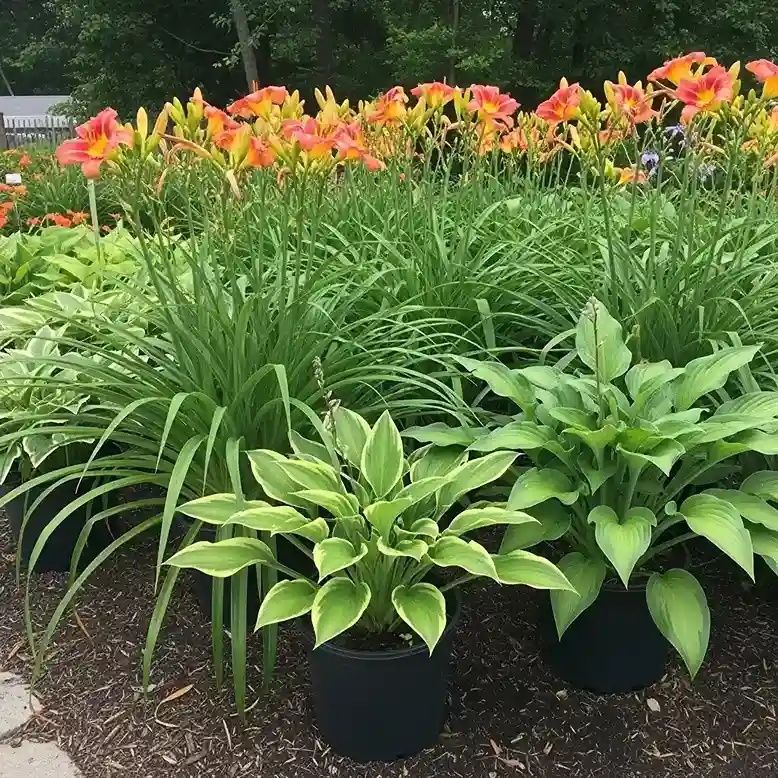
Investing in these “long-term” plants is the core of smart backyard landscaping ideas. Over three years, a single $12 investment can turn into a whole garden bed of lush foliage.
4. Build a DIY Fire Pit
A cozy fire pit is a major selling point for any home, and you can build one for under $60. By using basic concrete retaining wall blocks from a hardware store (usually $2 to $3 per block), you can create a safe, stylish circular pit in a single afternoon.

This simple addition completely changes how you use your yard ideas for your outdoor space. It creates a focal point for entertaining without the thousand-dollar price tag of a custom masonry build.
5. Define Edges with Plastic or Brick
Nothing says “amateur” like grass bleeding into your flower beds. Simple plastic edging costs about $15 to $20 for a 20-foot roll, providing a crisp line that keeps your yard looking professionally maintained.
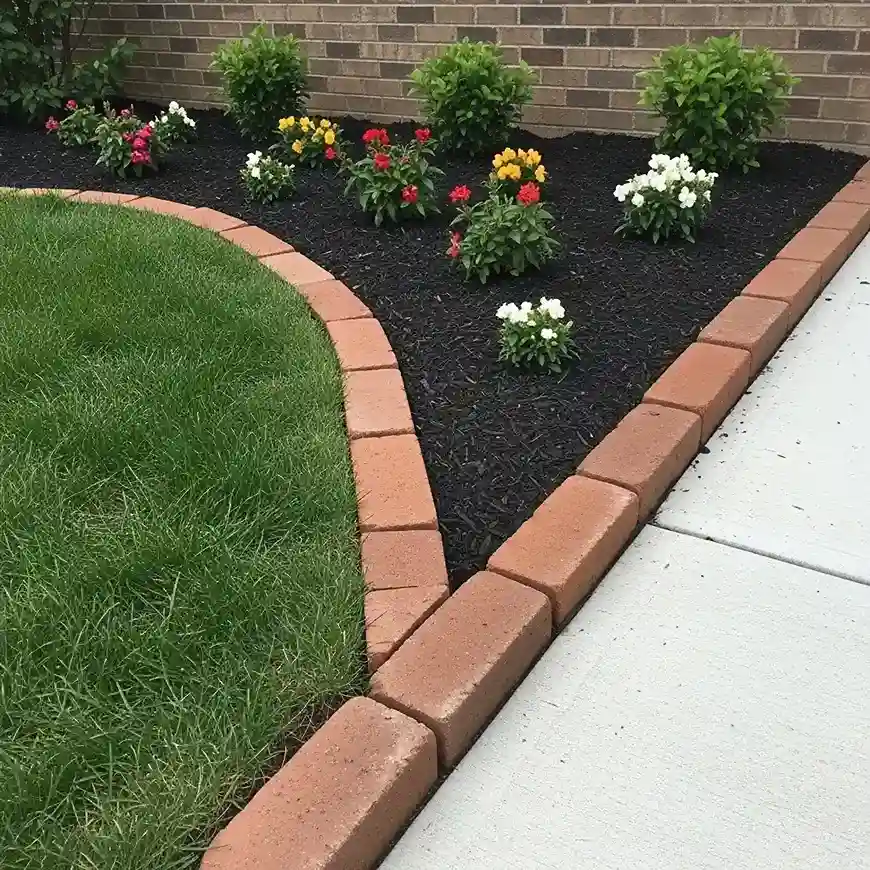
If you prefer a more natural look, use “found” bricks or stones. Often, you can find people giving away old bricks on community marketplaces for free or for as little as $0.25 per brick, perfect for adding a rustic touch to your small garden ideas.
6. Refresh Your Fence Line
Landscaping right against your boundary is a great way to hide an old fence. You can plant climbing vines or tall grasses for about $20 per plant, which will eventually cover the wood and create a “living wall.”
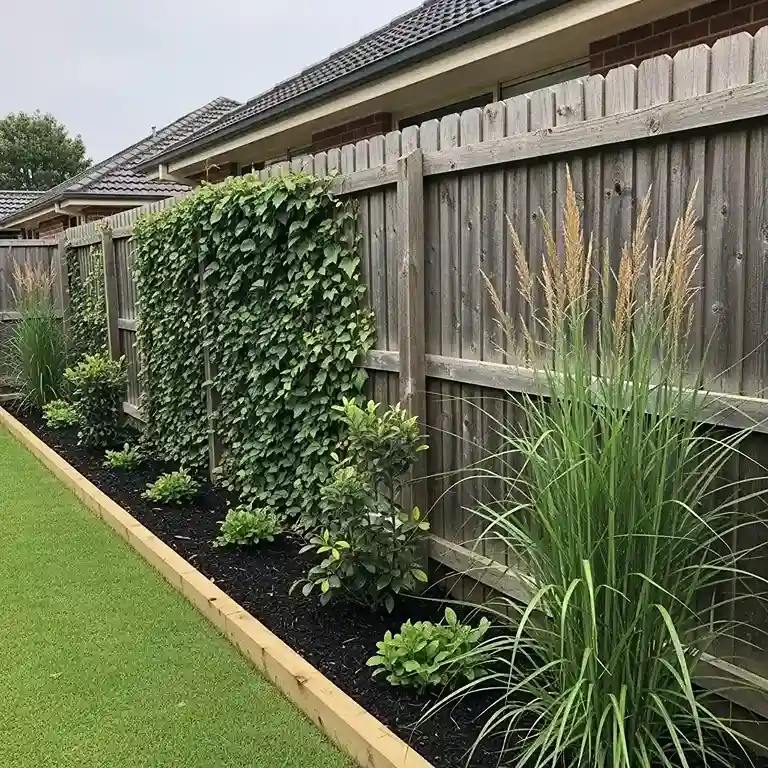
For a deeper dive into this strategy, check out our guide on fence line landscaping. It’s a great way to add privacy and depth to a narrow yard on a shoe-string budget.
7. Grow Your Own Living Fence
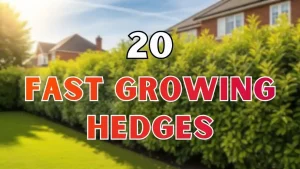
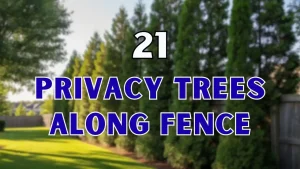
Instead of buying expensive wood panels, consider diy privacy fences made of shrubs. Young Arborvitae trees can often be found for $25 to $40 each at big-box stores during spring sales.
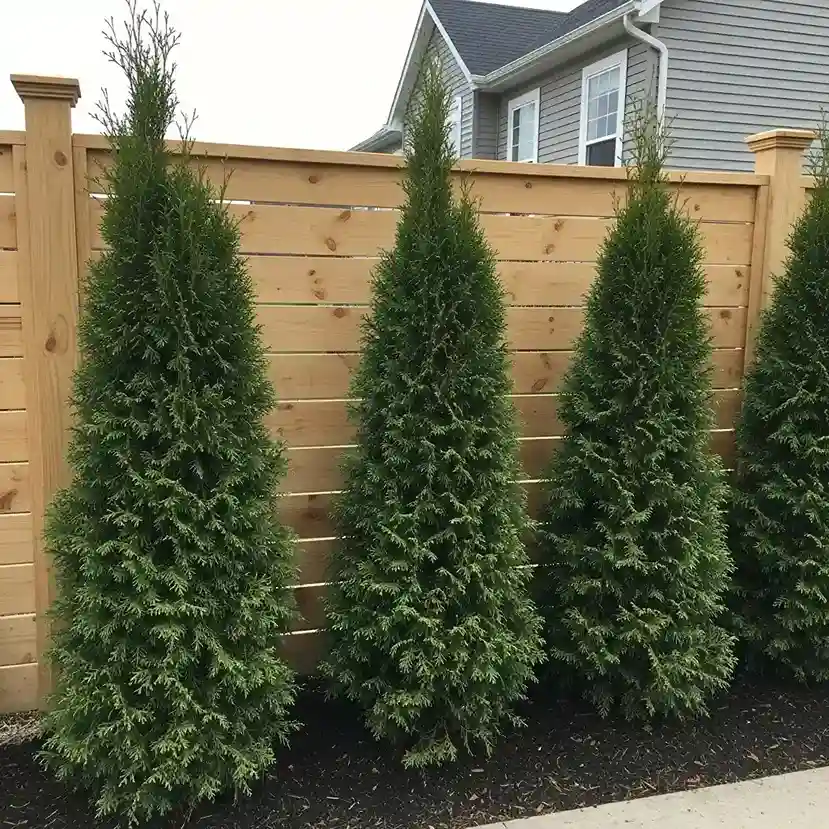
While they take a few years to reach full height, they provide a permanent, evergreen solution that a wooden fence can’t match. They also act as a sound barrier, blocking out street noise for free.
8. Use Native Plants
Native plants are the kings of cheap gardening because they require less fertilizer, less water, and almost no pesticides. You can often find native wildflower seeds for $5 to $10 per packet, which can cover hundreds of square feet.

By choosing plants that naturally thrive in your soil, you avoid the cost of soil amendments and replacements. These are often the best outdoor plants for beginners who want a beautiful yard without constant maintenance costs.
9. Upcycle Old Furniture
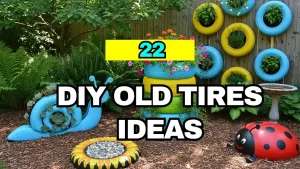
Don’t throw away that old wooden ladder or cracked metal wheelbarrow. With a $7 can of spray paint, you can turn junk into a “shabby chic” planter that adds character to your patio.

Upcycling is one of the most popular trending landscaping ideas because it costs almost nothing. It adds a personal, artistic touch that you simply can’t buy at a high-end garden center.
10. Install Solar Lighting
Professional hardwired lighting can cost thousands, but a pack of 8-12 solar path lights costs just $30 to $50. They require zero electrical work and can be pushed into the ground in minutes.

Lighting makes your garden usable at night and highlights your best shrubs for front of house. It provides a high-end “glow” that makes even a simple yard look like a luxury estate after dark.
11. Add a Tree for Value
Planting a young sapling costs between $20 and $50. While it starts small, a well-placed tree can eventually provide shade that reduces cooling costs and increases property value by thousands.

Trees provide the necessary height that flat yards often lack. Choose a fast-growing variety like a River Birch or Red Maple to see a significant impact within just a few years.
12. Use Groundcover Instead of Grass
In shady or sloped areas where grass struggles, buy flats of groundcover like Pachysandra or Vinca for about $30 per flat. These spread quickly, eliminating the need for mowing and expensive lawn fertilizers.
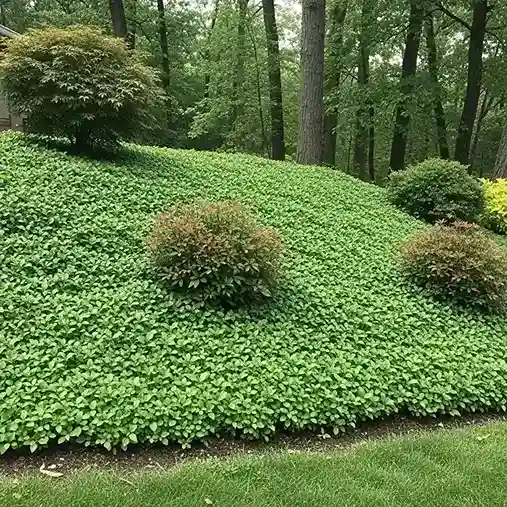
Groundcovers are perfect for creating a lush, forest-like feel. They act as a living mulch, keeping the soil cool and moist for a very low upfront cost.
13. Create a Gravel Patio
Instead of a concrete slab, excavate a small area and fill it with pea gravel ($4 to $6 per bag). Surround it with a simple border to create a Parisian-style bistro area.
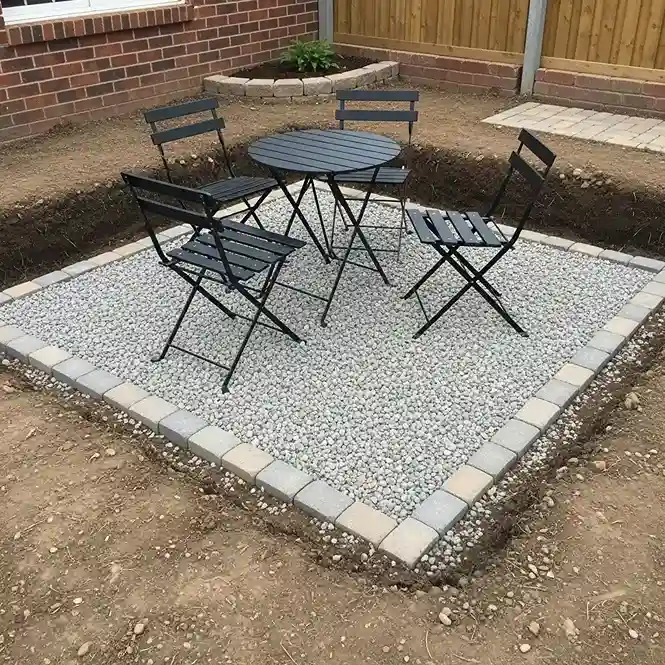
This is a weekend project that requires no specialized tools. Gravel patios drain naturally, avoiding the drainage issues that often come with DIY concrete work.
14. Divide Existing Plants
If you have overgrown perennials, dig them up and split the root ball for $0. This is the most underrated way to double your garden size without spending a single penny.
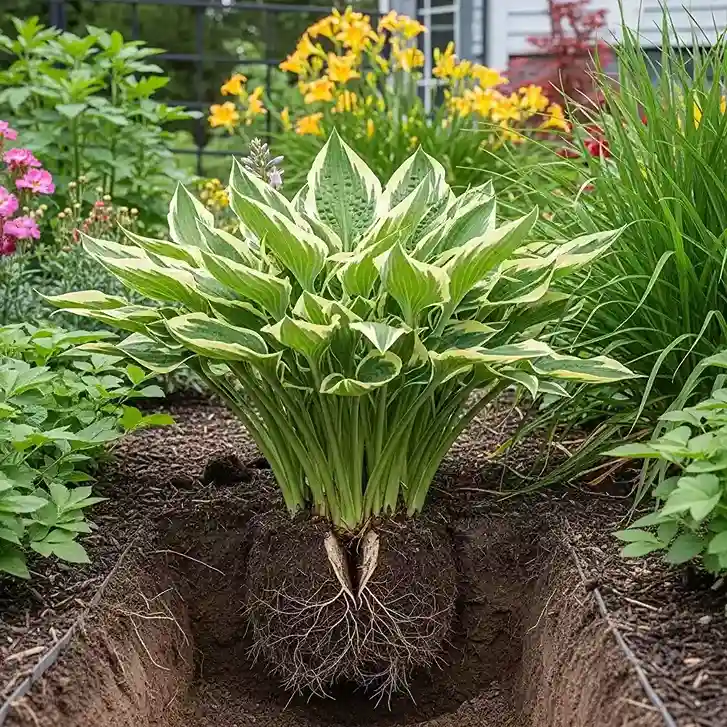
Hostas, Daylilies, and Ornamental Grasses are the best candidates for division. This keeps the plants healthy and prevents them from becoming overcrowded and unsightly.
15. Buy Plants at End-of-Season Sales
Visit nurseries in late summer or early fall when plants are marked down by 50% to 75%. A “Charlie Brown” tree that looks sad in August will flourish in your yard come spring.

This is the best time to find indoor plants that can be moved outside for summer or hardy shrubs that just need a little water and a good home.
16. Use Reclaimed Wood for Beds
Build raised garden beds using reclaimed pallet wood or old scrap lumber. You can often find pallets for free at local businesses; just ensure they are heat-treated (marked HT) for safety.

Raised beds create a structured, professional look in a backyard. They allow you to control the soil quality perfectly, which is ideal for growing vegetables or delicate flowers.
17. Seed Your Own Lawn
Instead of buying sod at $1 per square foot, buy a high-quality grass seed mix for $0.02 per square foot. With consistent watering, you can have a full lawn in 4 to 6 weeks.

Seeding allows you to choose a specific grass blend that matches your yard’s sunlight levels. It is the single most effective way to save money on a large-scale landscape project.
18. Build a Dry Creek Bed
Use a mix of river rocks and stones ($20 to $100 total) to create a dry creek bed that handles drainage issues. It looks like a natural landscape feature even when it isn’t raining.
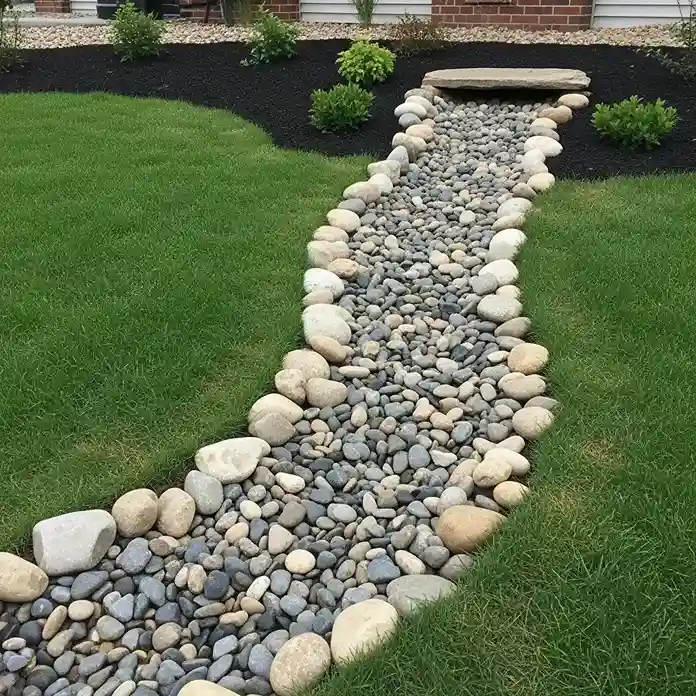
This adds a beautiful, rugged texture to your yard. It’s an excellent way to break up a large expanse of grass without the maintenance of a garden bed.
19. Install Window Boxes
Window boxes cost about $15 to $25 and add instant charm to your home’s exterior. They bring the garden up to eye level and boost curb appeal significantly.
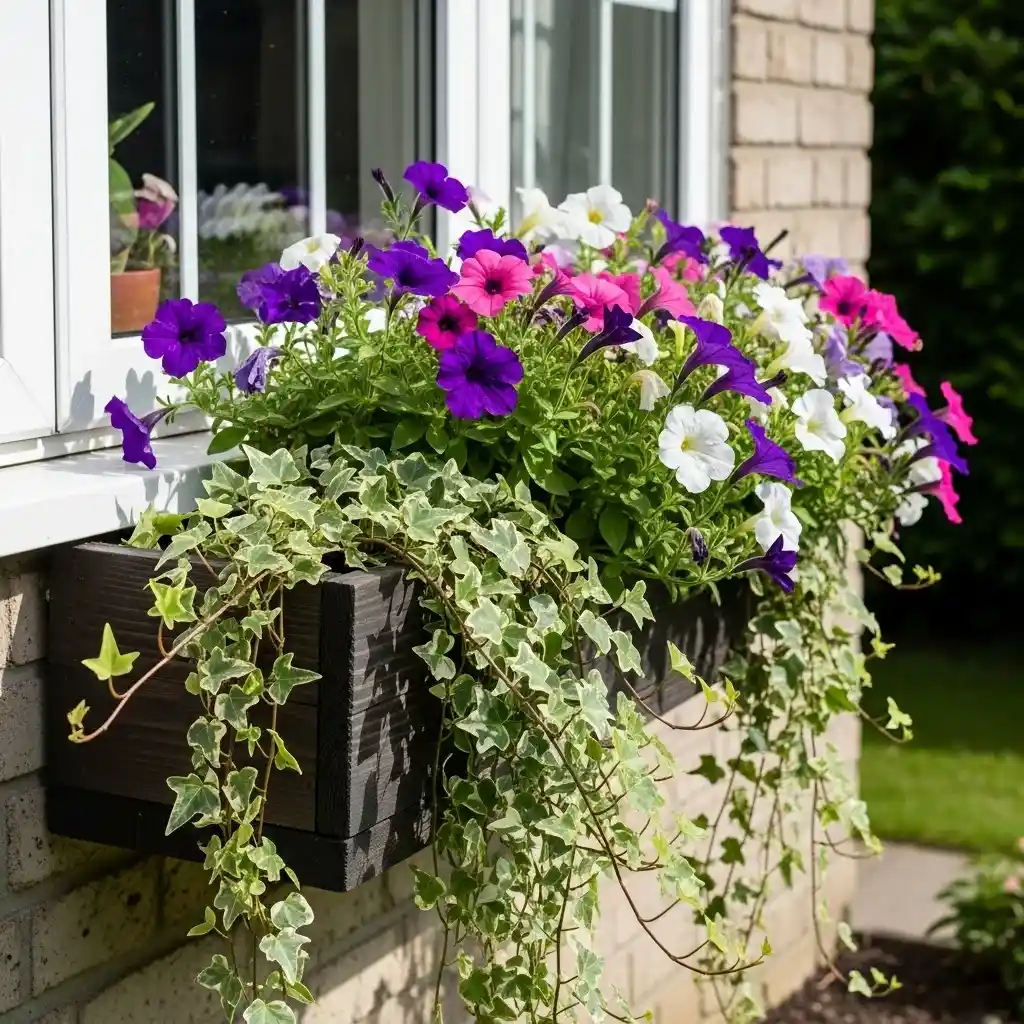
Fill them with trailing vines and bright petunias for a high-impact color splash. This is a great solution for homes with very small front yards.
20. Make Your Own Stepping Stones
Buy a single bag of Quikrete for $5 and use an old plastic container as a mold to make custom stepping stones. You can even embed colorful pebbles or glass for a mosaic look.
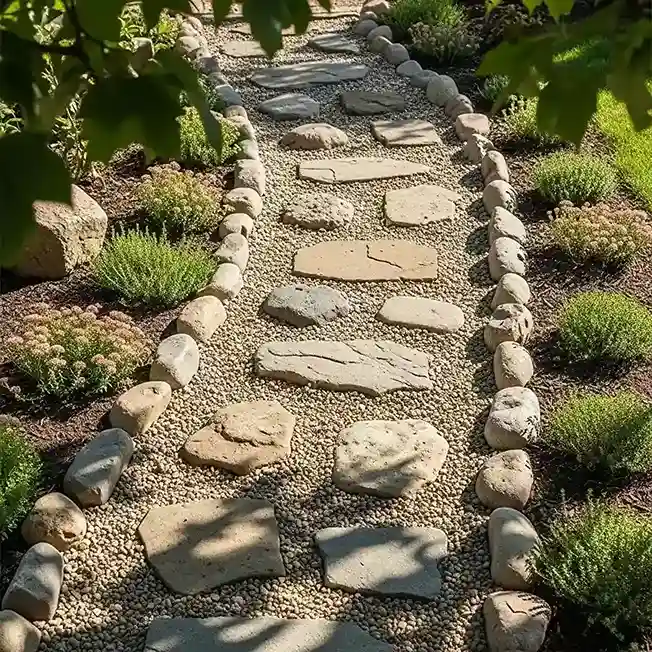
This is a fun family project that results in a functional garden path. Handmade stones add a personal touch that store-bought versions lack.
21. Paint Your Front Door
A $25 quart of paint can completely change the look of your home. A bold red, deep blue, or classic black door makes the surrounding plants look more vibrant and expensive.

This is the fastest way to refresh your home’s facade. A freshly painted door serves as the perfect backdrop for your front-of-house landscaping.
22. Use Large Rocks as Focal Points
Large boulders are often free if you are willing to move them. Check local construction sites or classifieds. A single well-placed rock adds “weight” and permanence to a garden bed.
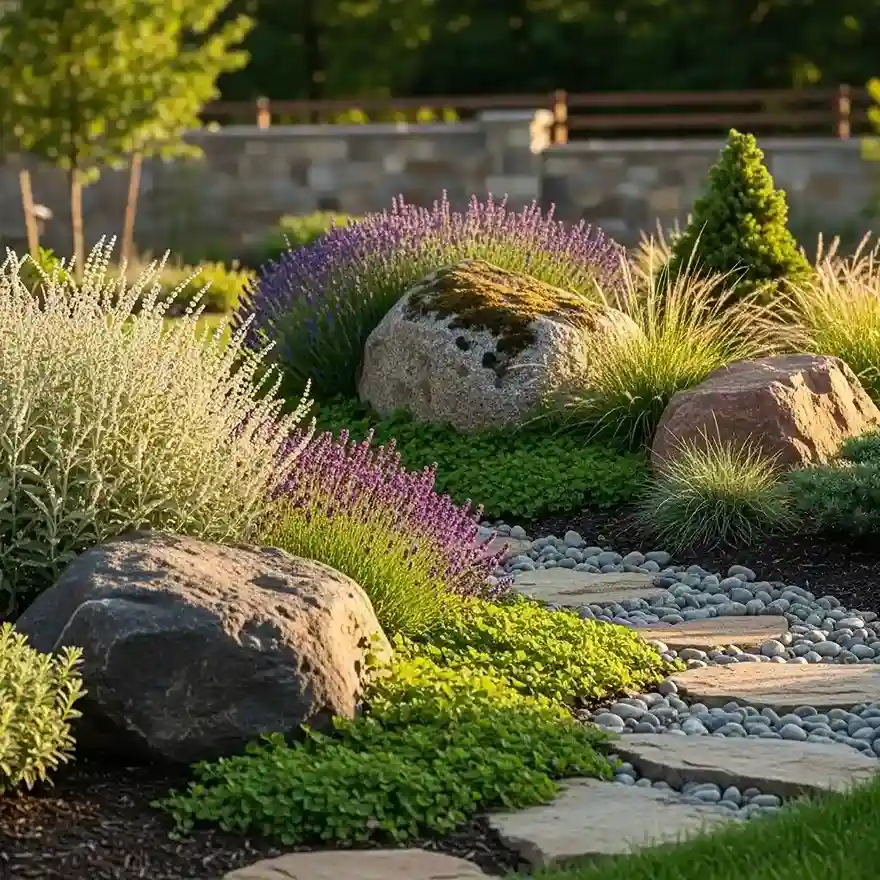
Rocks require zero water or maintenance. They provide a beautiful contrast to the soft textures of flowers and shrubs.
23. Create a Rain Garden
Direct your downspouts into a shallow depression filled with moisture-loving plants. You can build this for the cost of a few plants ($30 to $50), and it prevents water from pooling in your yard.

Rain gardens are eco-friendly and functional. They filter runoff and provide a unique habitat for local wildlife and beneficial insects.
24. Lattice for Height
A simple wood lattice panel costs about $20. Lean it against a fence or wall and plant a fast-growing vine like Clematis to create a vertical garden.

Vertical gardening is essential for small garden ideas. It draws the eye upward, making a small patio feel much more expansive and private.
25. DIY Birdbath
Stack two large terracotta pots and a saucer ($15 total) to create a tiered birdbath. It adds a peaceful water element to your garden without the cost of a fountain.
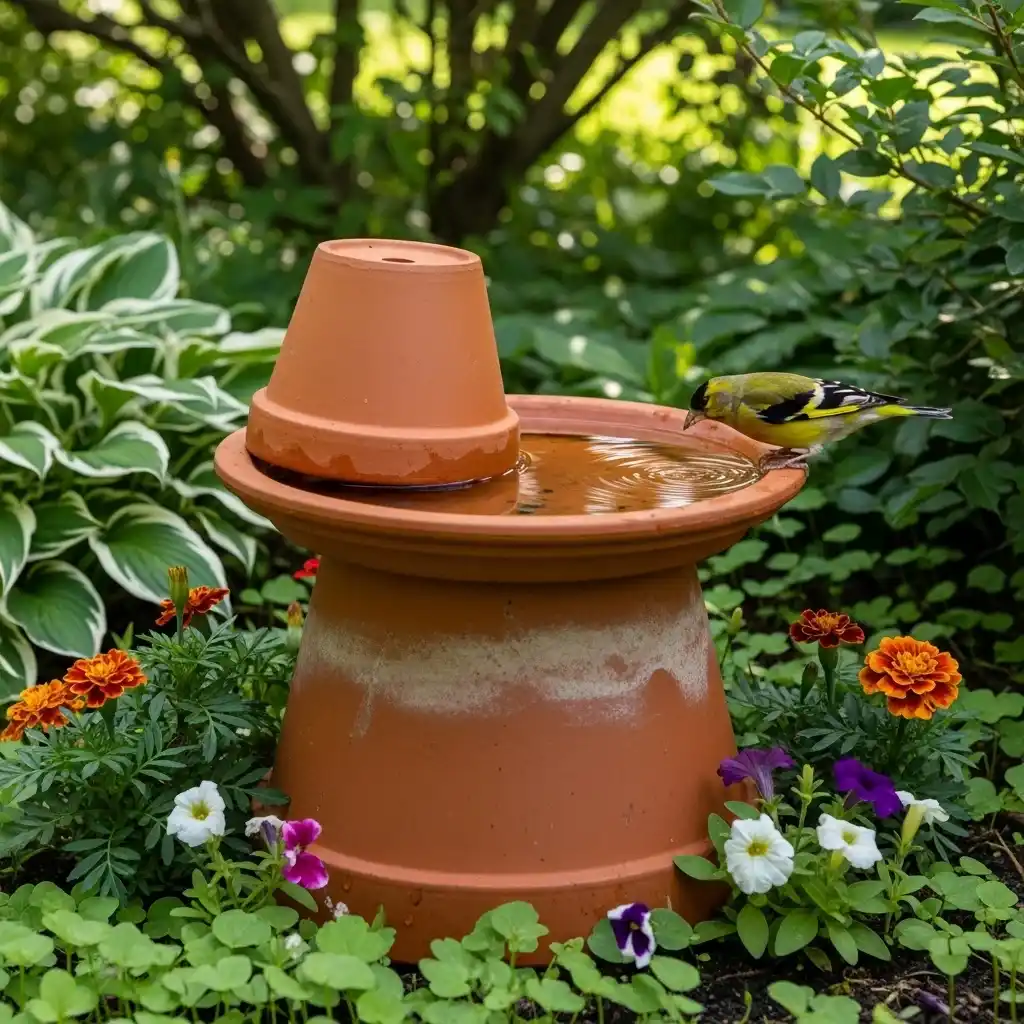
Attracting birds to your yard provides natural pest control. It’s a simple way to add life and sound to your outdoor sanctuary.
26. Refresh Outdoor Furniture with Pillows
Instead of buying a new patio set, buy a few outdoor pillows for $10 each. New colors can make an old set feel modern and inviting.

Comfortable seating ensures you actually spend time enjoying your landscaping. Small decorative touches make your outdoor space feel like a true extension of your home.
27. Prune Overgrown Shrubs
A pair of pruning shears costs $15, but the results are worth hundreds. Thinning out old, leggy shrubs allows light to reach the center, encouraging healthy new growth.

Proper pruning can save a “dying” plant that you would otherwise have to pay to replace. It keeps your landscape looking intentional and well-kept.
28. Use Potted Plants for Versatility
Buy inexpensive plastic pots and paint them to look like ceramic or stone. Large pots (about $10 to $15) can be moved around to fill “holes” in your garden as different plants go out of bloom.
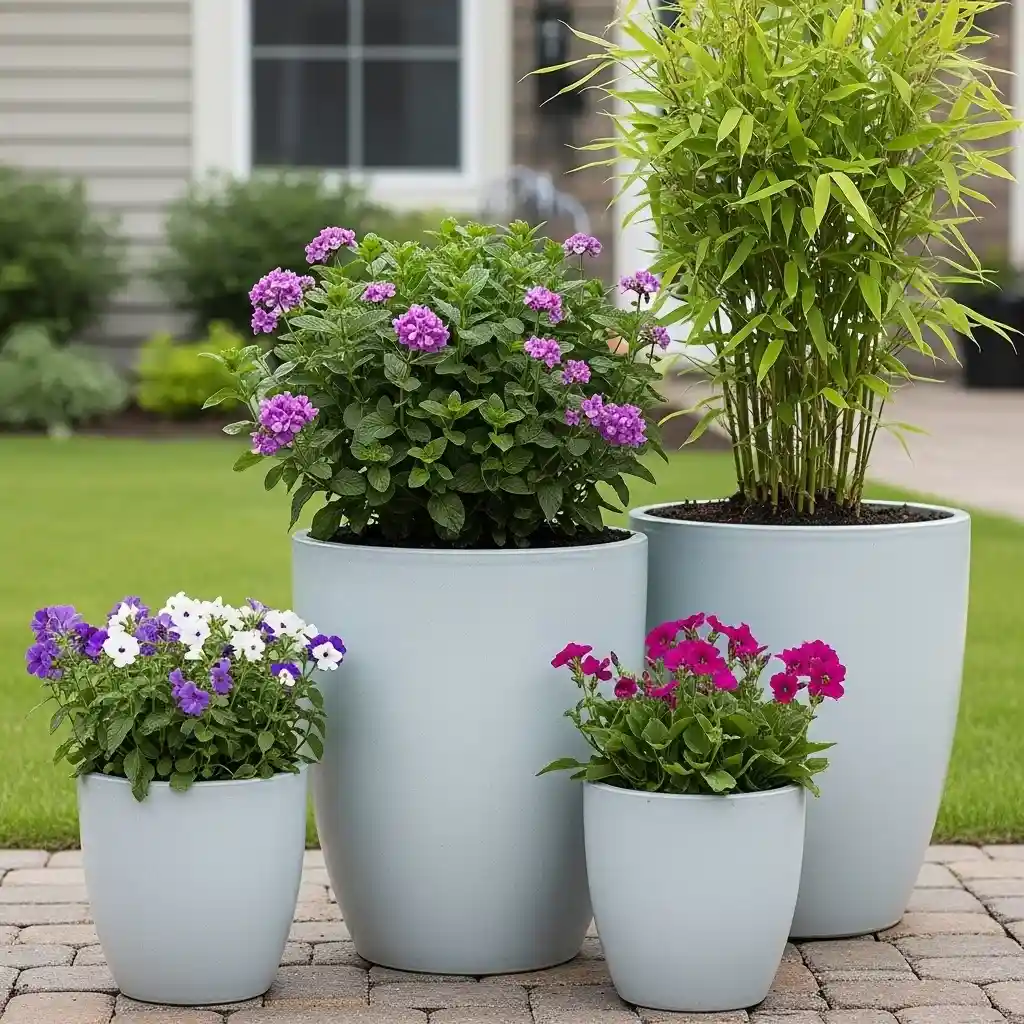
This allows you to change your landscape layout whenever you want. Pots are also a great way to control invasive plants like Mint or Bamboo.
29. Start a Compost Pile
Build a simple compost bin for $0 using old pallets or a plastic trash can. You’ll save $5 to $10 per bag by making your own nutrient-rich soil at home.
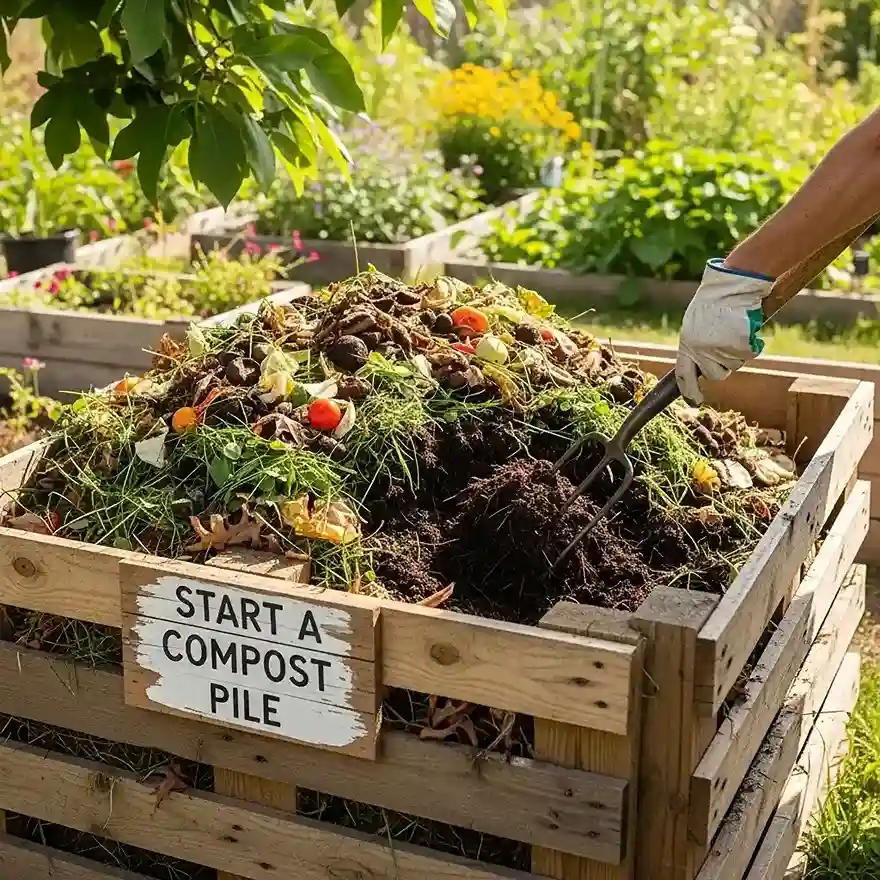
Composting reduces your household waste while providing the best possible food for your plants. It’s the ultimate “circular” gardening hack.
30. Use Pine Needles as Mulch
If you have pine trees nearby, their needles (pine straw) are a free, high-quality mulch. They stay in place on slopes better than wood chips and add a beautiful rustic look.

Pine straw acidifies the soil slightly, which is perfect for blueberries, azaleas, and rhododendrons. It’s a lightweight, easy-to-spread alternative to heavy bags of store-bought mulch.
FAQs: Cheap Landscaping
How can I make my yard look expensive for $100?
Focus on two things: clean edges and mulch. Spend $30 on high-quality mulch, $20 on a manual edger, and the remaining $50 on two or three “statement” plants for the front of your house. This creates an immediate “manicured” look that suggests a professional touch.
What is the best way to save money on plants?
Propagate and divide. Many of the most popular indoor plants and outdoor perennials can be grown from a single leaf or root cutting. This allows you to fill large areas of your yard for the cost of a single parent plant.
Are DIY projects really cheaper than hiring pros?
Yes, because labor is typically 60-70% of a professional landscaping quote. By doing the work yourself—like building a fire pit or a stone path—you can use the money you saved to buy higher-quality materials that will last longer.
Conclusion
A beautiful yard is a reflection of patience and creativity rather than a massive bank account. By utilizing budget-friendly materials like white stone, dividing your perennials, and focusing on high-impact areas like the fence line, you can create a luxurious landscape on a modest budget.
Remember that the best gardens are built over time. Start with one or two of these 30 ideas this weekend, and within a few seasons, you’ll have the best-looking yard on the block!