Front yard bushes form the foundation of attractive landscaping, framing homes while providing structure, seasonal interest, and increased property values through strategic plantings. These versatile shrubs soften harsh architectural lines, create privacy screens, and deliver colorful displays throughout growing seasons transforming ordinary properties into neighborhood showcases.
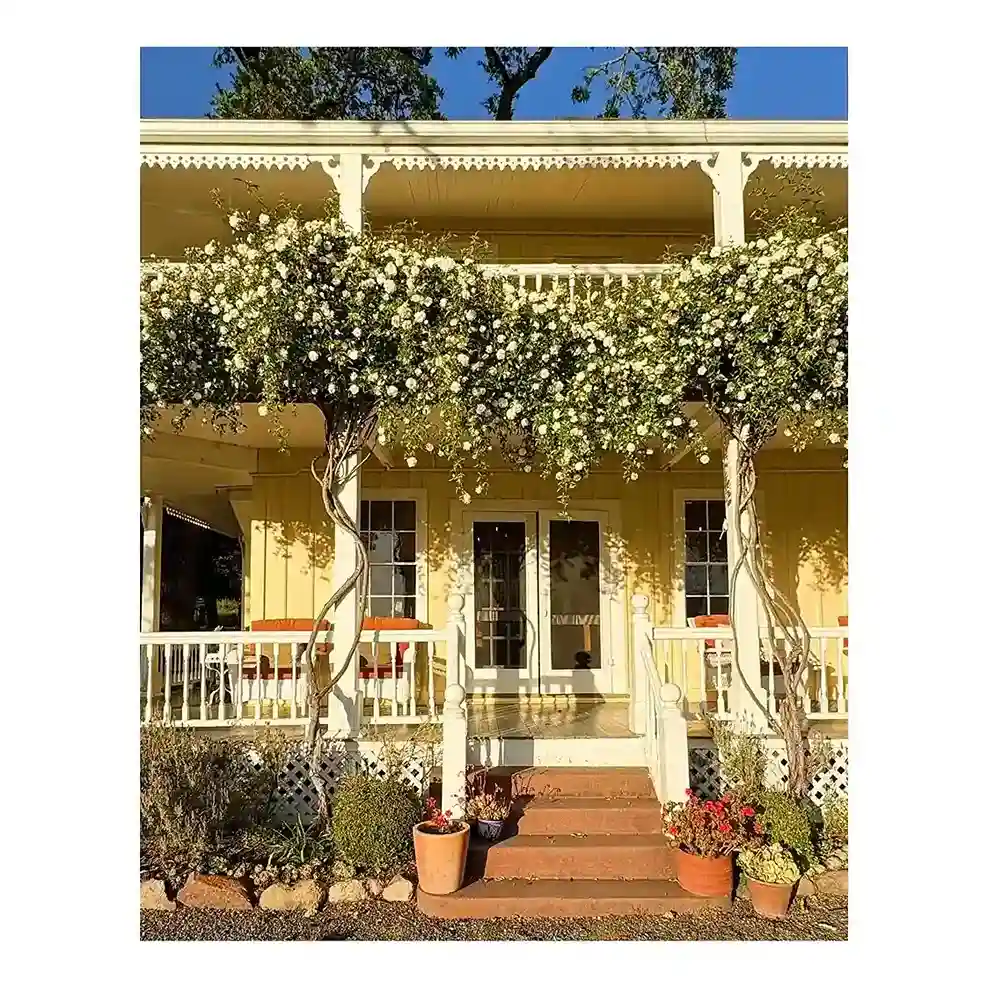
Source: @beltaneranch
Selecting the right bushes requires understanding mature sizes, sunlight requirements, maintenance needs, and seasonal characteristics ensuring long-term satisfaction and thriving plants.
From classic boxwoods to flowering azaleas, countless options accommodate every style preference, climate zone, and maintenance capability creating beautiful functional landscapes that enhance homes dramatically.
1. Boxwood Classic Elegance
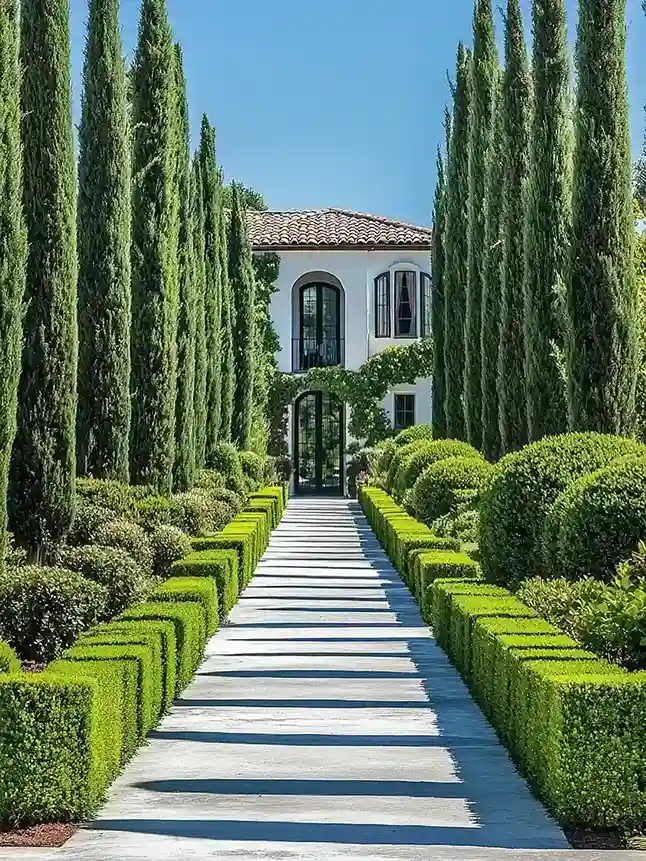
Boxwood provides timeless evergreen structure creating formal hedges and foundation plantings framing homes beautifully year-round. These versatile shrubs tolerate shearing maintaining precise shapes or grow naturally forming rounded mounds with dense glossy foliage providing permanent structure throughout all seasons and weather conditions.
| Feature | Details |
|---|---|
| Height | 2-8 feet (variety dependent) |
| Sun Requirements | Full Sun to Part Shade |
| Hardiness Zones | 5-9 |
| Growth Rate | Slow to Moderate |
| Maintenance | Moderate—shearing optional, pest monitoring |
| Best Uses | Formal hedges, foundation plantings, containers |
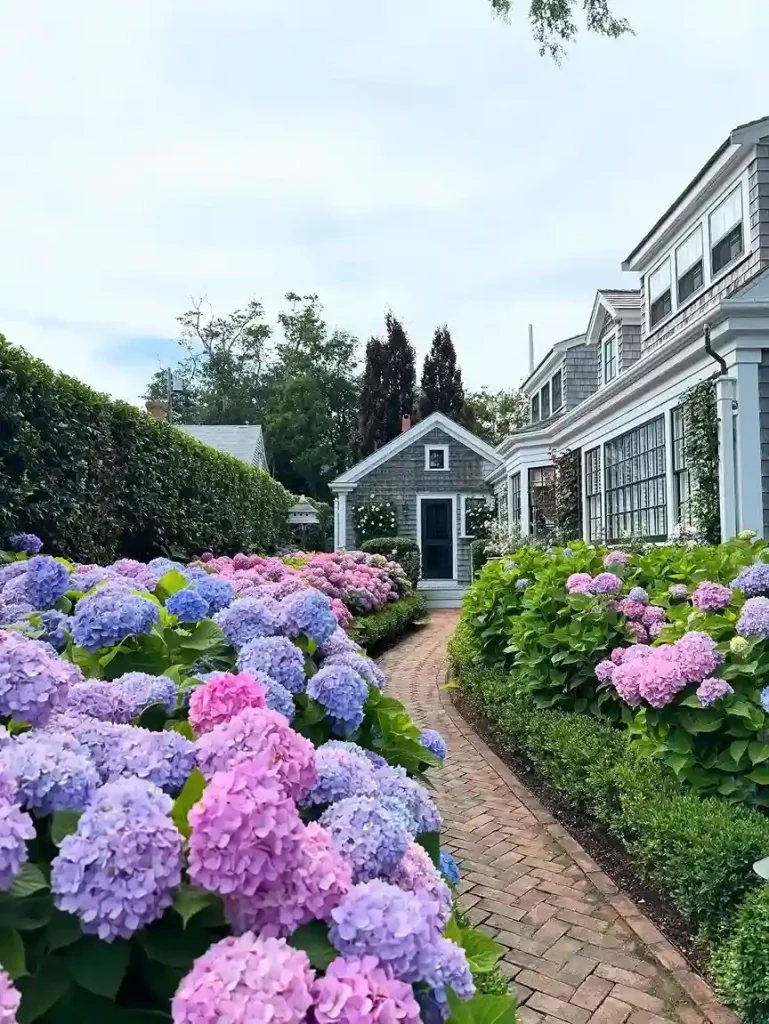
2. Hydrangea Spectacular Blooms
Hydrangeas produce massive flower clusters in blue, pink, white, or purple creating stunning summer displays in front yard landscaping schemes. These deciduous shrubs offer various types including bigleaf, panicle, and oakleaf varieties providing different bloom forms and seasonal interest throughout growing seasons and into winter months.
Source: @k.catherine03
| Feature | Details |
|---|---|
| Height | 3-12 feet (variety dependent) |
| Sun Requirements | Part Sun to Part Shade |
| Hardiness Zones | 3-9 (variety dependent) |
| Growth Rate | Moderate to Fast |
| Maintenance | Moderate—pruning timing critical, regular watering |
| Best Uses | Foundation plantings, specimens, mixed borders |
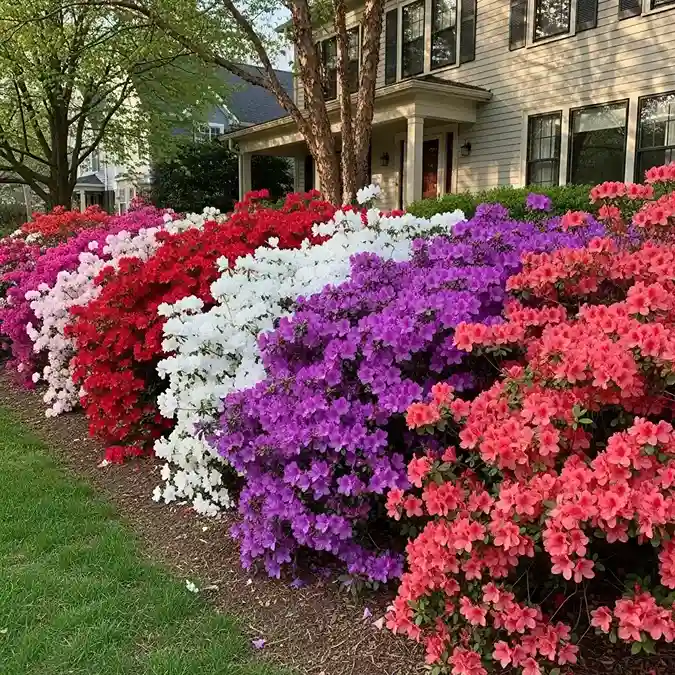
3. Azalea Spring Color
Azaleas deliver spectacular spring flower displays in pink, red, white, purple, and coral creating memorable seasonal focal points. These acid-loving shrubs prefer partial shade and well-drained soil making them perfect understory plants thriving beneath trees or along north-facing walls where morning sun penetrates gently.
| Feature | Details |
|---|---|
| Height | 3-8 feet |
| Sun Requirements | Partial Shade |
| Hardiness Zones | 5-9 |
| Growth Rate | Slow to Moderate |
| Maintenance | Moderate—acidic soil required, deadheading optional |
| Best Uses | Foundation plantings, shade shrubs combinations, woodland gardens |
4. Spirea Continuous Interest
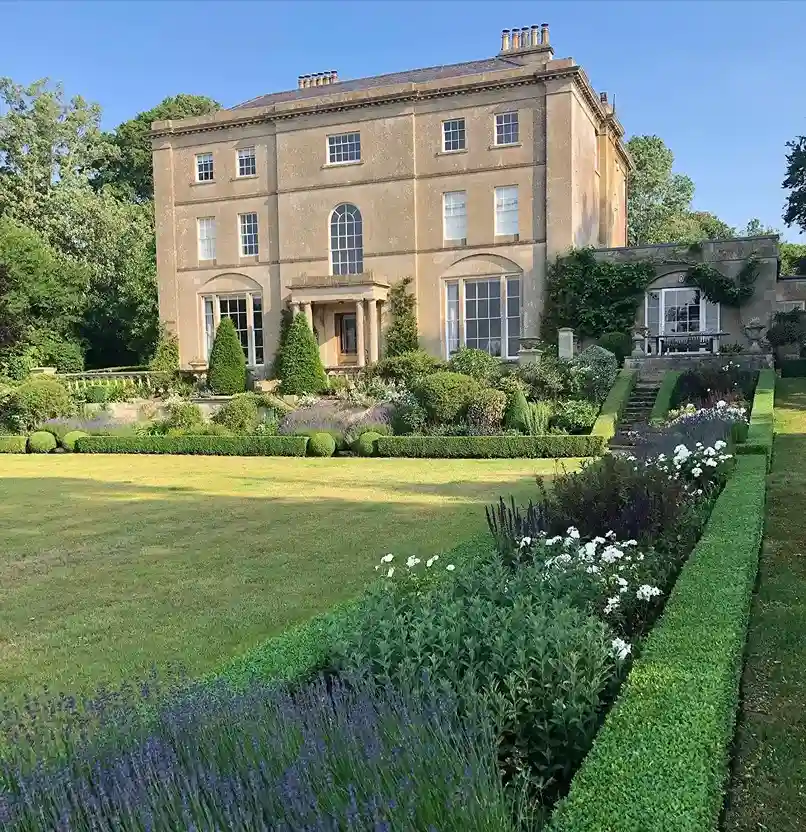
Spirea produces delicate flower clusters in pink, white, or red throughout spring or summer depending on variety selected. These compact deciduous shrubs offer varied forms from mounding to upright with some cultivars providing colorful spring foliage in gold, orange, or burgundy adding multi-season interest.
| Feature | Details |
|---|---|
| Height | 2-8 feet (variety dependent) |
| Sun Requirements | Full Sun |
| Hardiness Zones | 3-9 |
| Growth Rate | Fast |
| Maintenance | Low—minimal pruning, drought tolerant once established |
| Best Uses | Foundation plantings, low hedges, mass plantings |
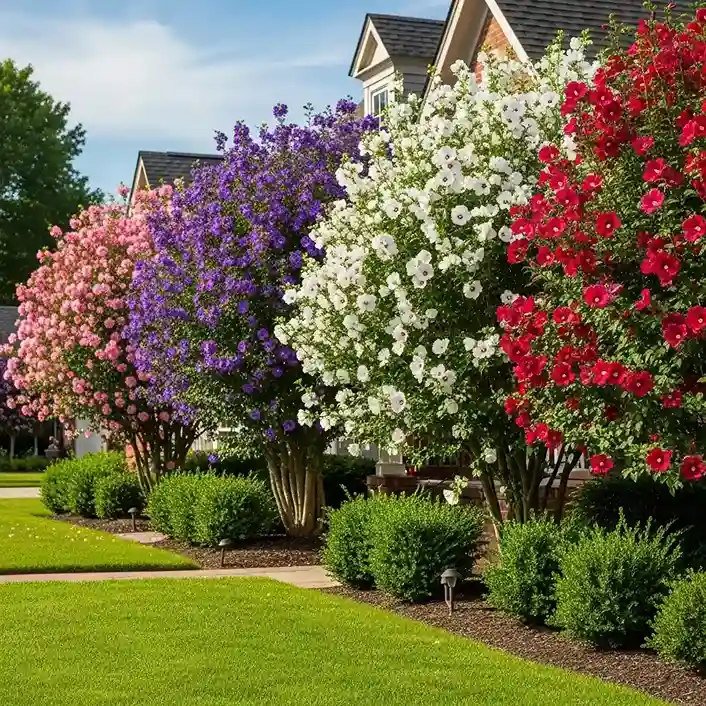
5. Rose of Sharon
Rose of Sharon blooms prolifically from mid-summer through fall when few other shrubs flower providing pink, purple, white, or red blooms. These upright deciduous shrubs create excellent informal hedges or specimen plants tolerating urban conditions, heat, and humidity where other flowering shrubs struggle significantly.
| Feature | Details |
|---|---|
| Height | 8-12 feet |
| Sun Requirements | Full Sun |
| Hardiness Zones | 5-9 |
| Growth Rate | Moderate to Fast |
| Maintenance | Low—prune in spring, newer varieties less weedy |
| Best Uses | Privacy screens, specimens, informal hedges |
6. Burning Bush Fall Fire
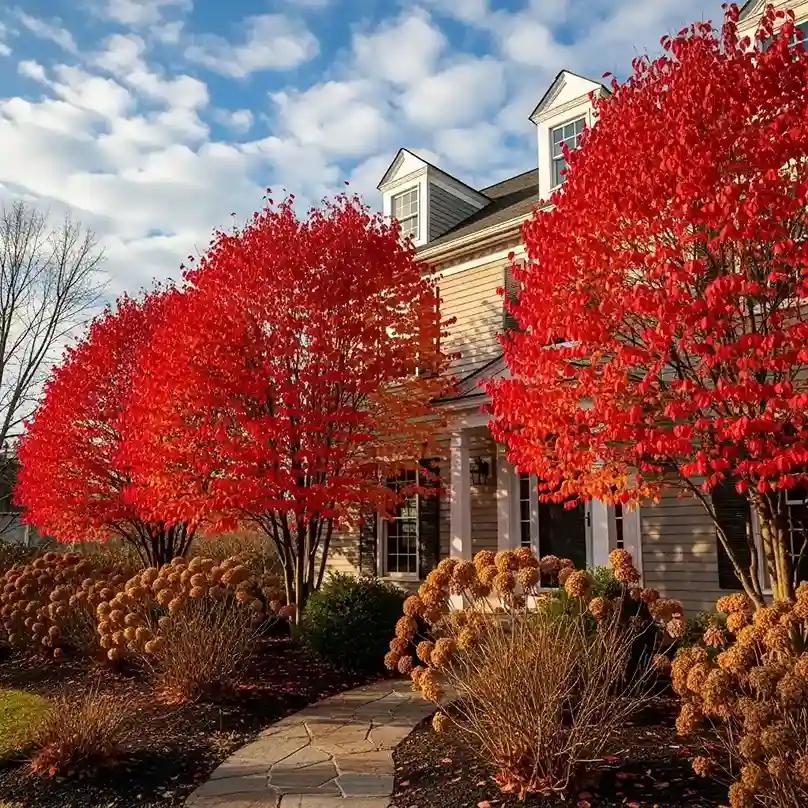
Burning bush provides spectacular autumn foliage in brilliant red creating fiery focal points throughout fall landscapes when most plants fade into dormancy. The compact rounded form works well in foundation plantings and borders while green summer foliage provides neutral backdrop for flowering perennials throughout growing seasons.
| Feature | Details |
|---|---|
| Height | 10-15 feet (compact varieties 4-6 feet) |
| Sun Requirements | Full Sun to Part Shade |
| Hardiness Zones | 3-8 |
| Growth Rate | Moderate |
| Maintenance | Low—check invasive status locally, minimal pruning |
| Best Uses | Specimens, fall color, foundation plantings |
7. Rhododendron Bold Blooms
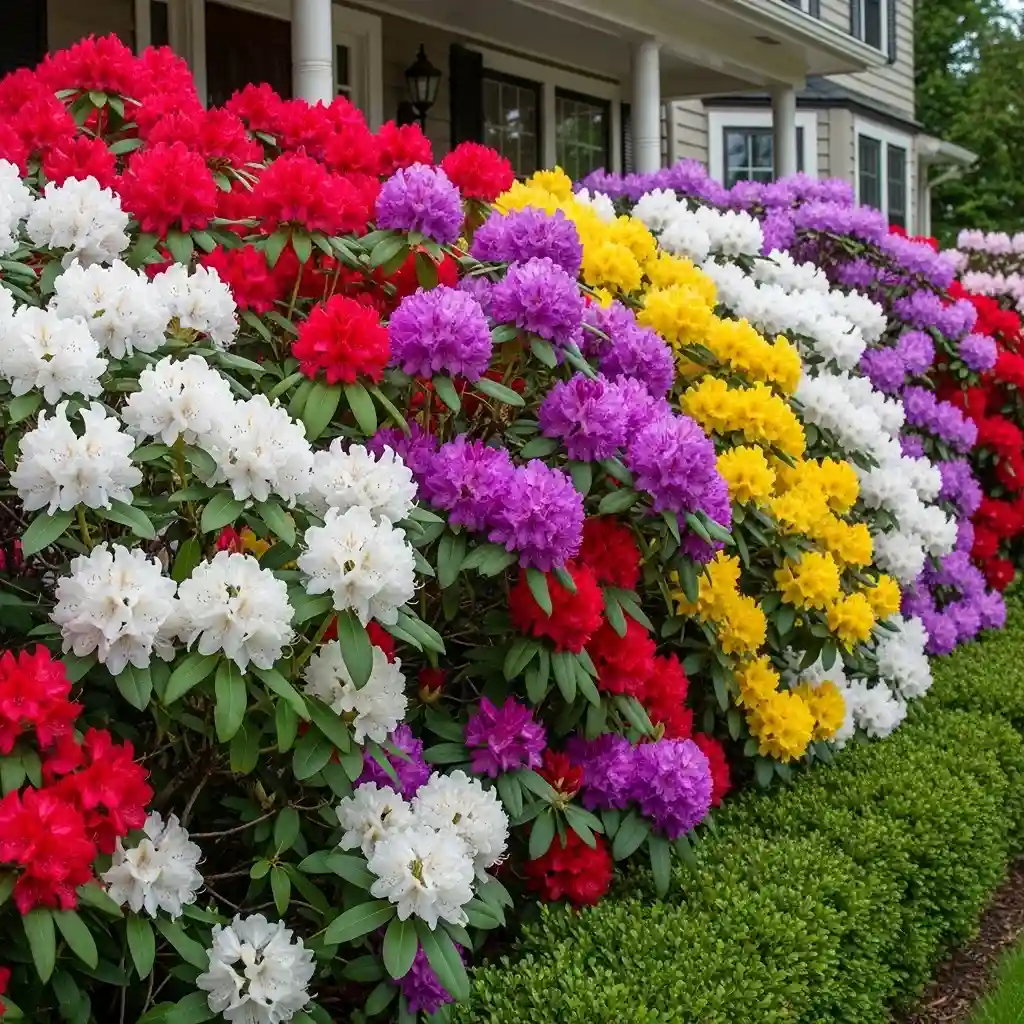
Rhododendrons produce large showy flower clusters in pink, purple, red, white, and yellow dominating spring landscapes with bold dramatic presence. These broadleaf evergreens maintain attractive glossy foliage year-round while substantial size creates permanent structural elements anchoring landscape designs effectively throughout all seasons.
| Feature | Details |
|---|---|
| Height | 4-10 feet (variety dependent) |
| Sun Requirements | Partial Shade |
| Hardiness Zones | 5-8 |
| Growth Rate | Slow to Moderate |
| Maintenance | Moderate—acidic soil required, deadheading recommended |
| Best Uses | Foundation plantings, shade plants combinations, specimens |
8. Forsythia Golden Spring
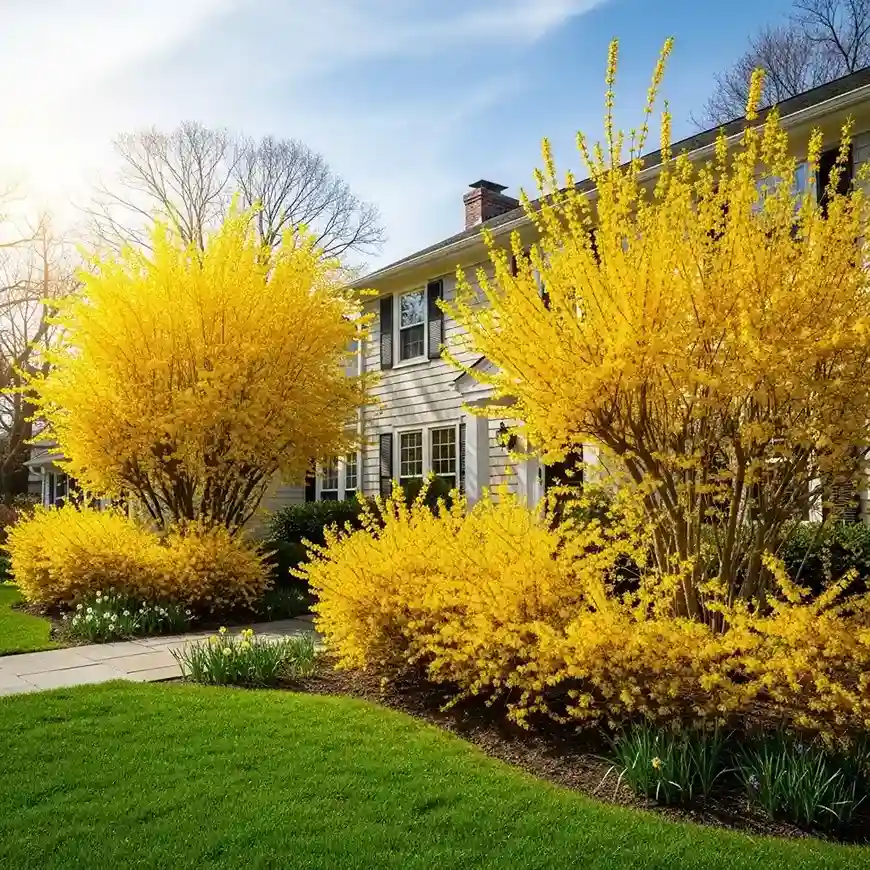
Forsythia announces spring with brilliant yellow flowers covering bare branches before leaves emerge creating golden fountains signaling winter’s end. These vigorous deciduous shrubs grow quickly providing informal hedges or specimen plantings requiring minimal care once established in appropriate sunny locations throughout properties.
| Feature | Details |
|---|---|
| Height | 8-10 feet |
| Sun Requirements | Full Sun to Part Shade |
| Hardiness Zones | 5-8 |
| Growth Rate | Fast |
| Maintenance | Low—prune after flowering, easy propagation |
| Best Uses | Informal hedges, specimens, mass plantings |
9. Weigela Tubular Flowers
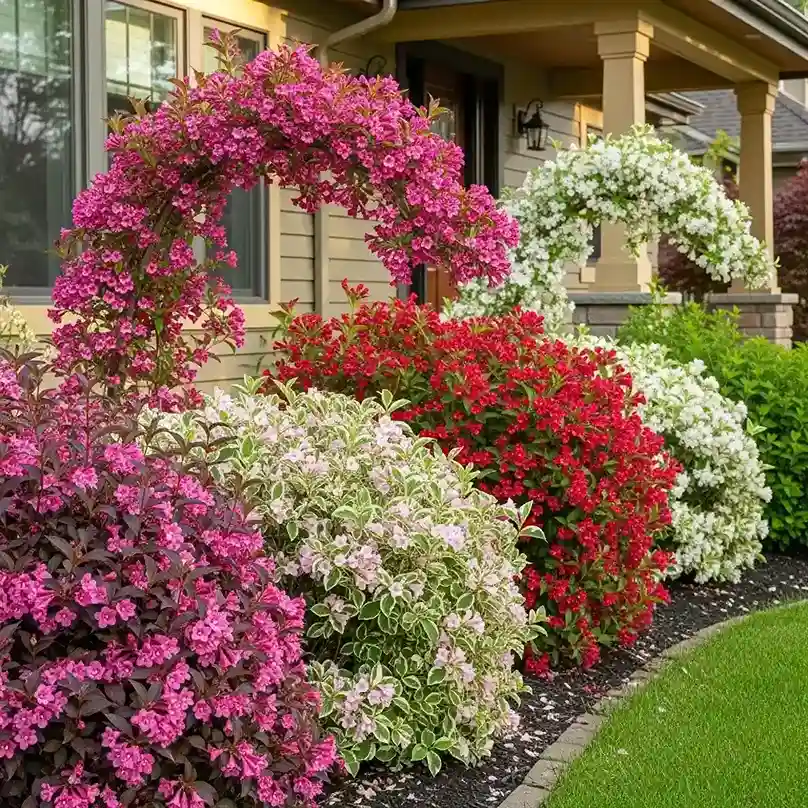
Weigela produces tubular flowers in pink, red, white, and burgundy along arching branches creating spectacular late spring displays complementing other seasonal bloomers. Modern varieties offer colorful foliage in purple, chartreuse, or variegated patterns providing extended interest beyond brief flowering periods throughout entire growing seasons.
| Feature | Details |
|---|---|
| Height | 3-10 feet (variety dependent) |
| Sun Requirements | Full Sun to Part Shade |
| Hardiness Zones | 4-8 |
| Growth Rate | Moderate to Fast |
| Maintenance | Low—prune after flowering, attracts hummingbirds |
| Best Uses | Mixed borders, foundation plantings, cottage garden ideas |
10. Barberry Colorful Foliage
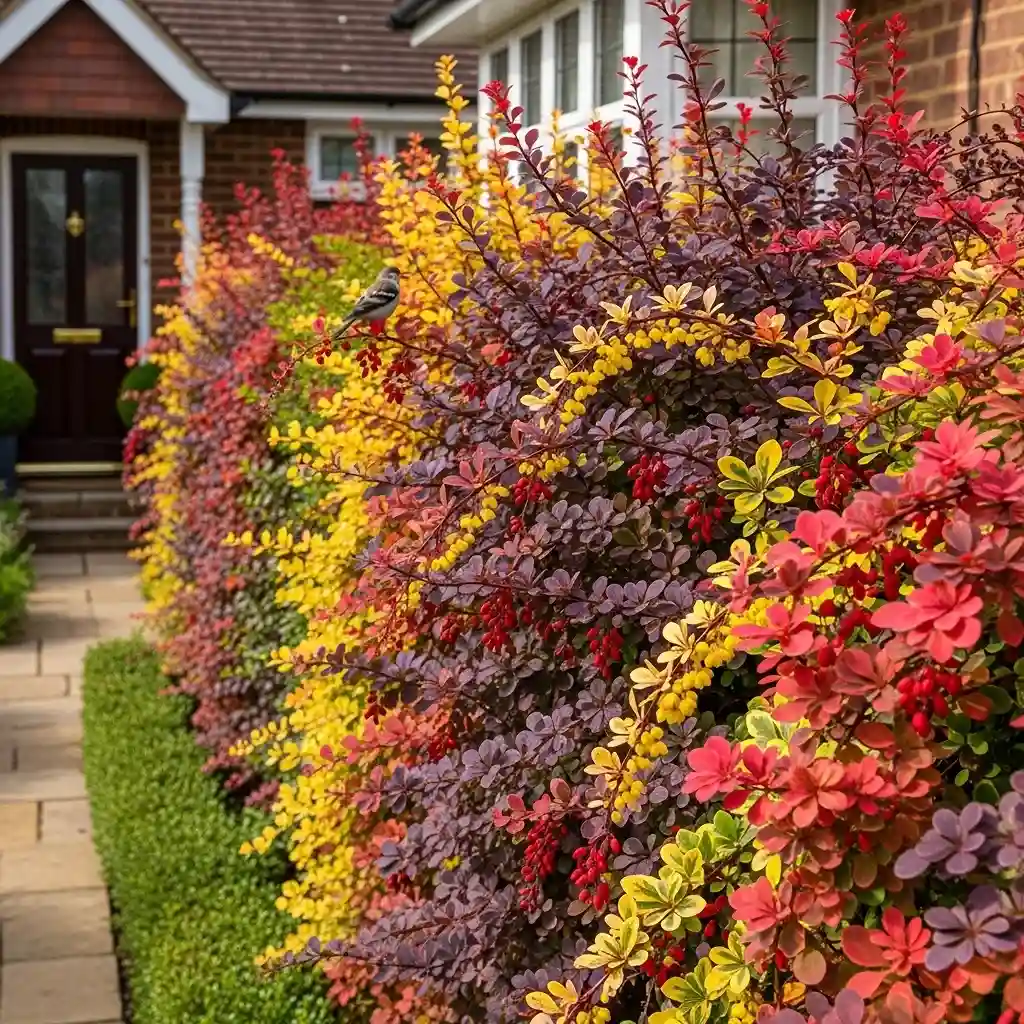
Barberry offers year-round foliage interest in purple, red, gold, or variegated patterns with thorny stems providing security barriers deterring intruders naturally. These compact shrubs produce small yellow flowers in spring followed by red berries attracting birds while dense growth creates impenetrable hedges providing both beauty and function.
| Feature | Details |
|---|---|
| Height | 3-6 feet |
| Sun Requirements | Full Sun to Part Shade |
| Hardiness Zones | 4-8 |
| Growth Rate | Moderate |
| Maintenance | Low—some varieties invasive, drought tolerant |
| Best Uses | Colorful shrubs displays, security barriers, foundation plantings |
11. Viburnum Seasonal Interest
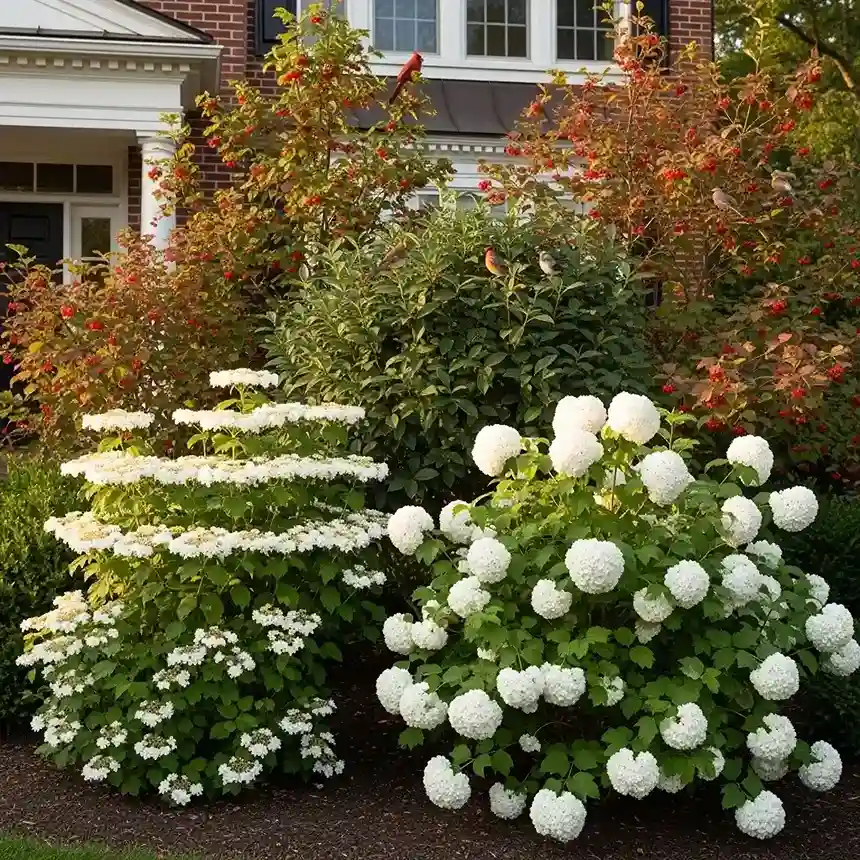
Viburnums provide multi-season interest with spring flowers, summer foliage, fall color, and winter berries attracting birds throughout cold months. Species vary widely offering evergreen or deciduous options with flowers ranging from white to pink in flat or snowball clusters creating diverse choices.
| Feature | Details |
|---|---|
| Height | 4-15 feet (variety dependent) |
| Sun Requirements | Full Sun to Part Shade |
| Hardiness Zones | 2-9 (variety dependent) |
| Growth Rate | Moderate |
| Maintenance | Low—fragrant flowers, requires cross-pollination for berries |
| Best Uses | Screens, specimens, wildlife gardens |
12. Ninebark Exfoliating Bark
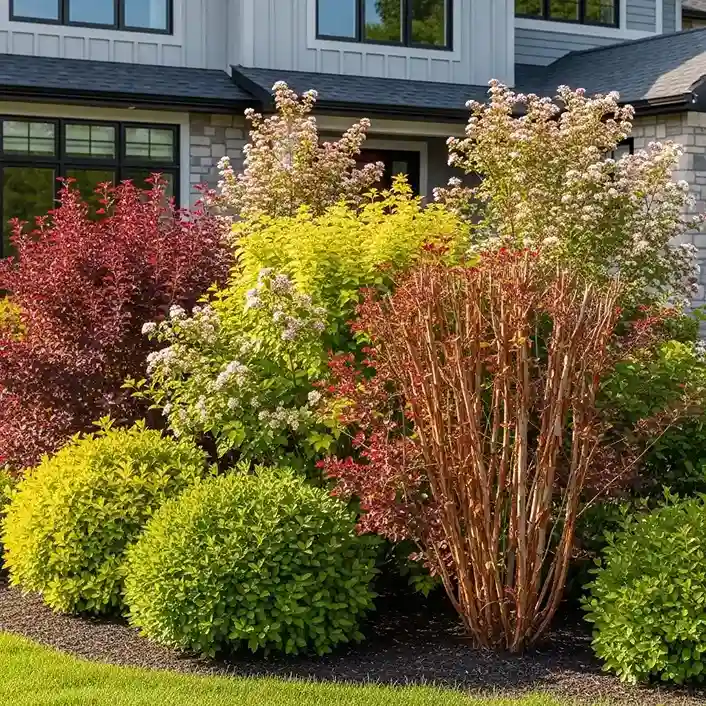
Ninebark offers burgundy, gold, or green foliage with peeling bark providing winter interest after leaves drop creating multi-season appeal. White or pink flower clusters bloom in late spring followed by attractive seed heads persisting into winter while this North American native thrives in various challenging conditions.
| Feature | Details |
|---|---|
| Height | 5-10 feet |
| Sun Requirements | Full Sun to Part Shade |
| Hardiness Zones | 2-7 |
| Growth Rate | Fast |
| Maintenance | Low—very adaptable, native plant benefits |
| Best Uses | Screens, specimens, naturalistic plantings |
13. Juniper Evergreen Structure
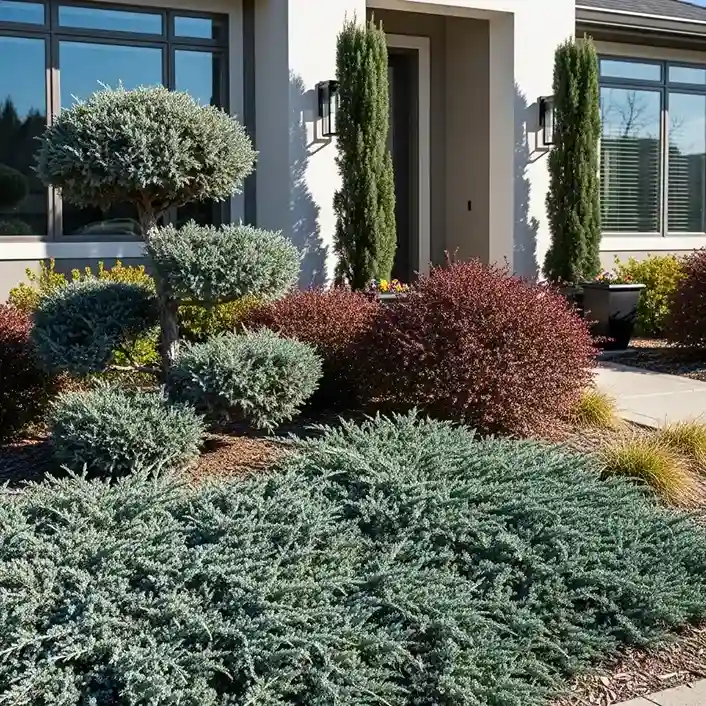
Junipers provide year-round evergreen structure in varied forms from low groundcovers to upright columns offering versatile landscape solutions. These drought-tolerant conifers thrive in full sun with excellent drainage requiring minimal maintenance once established making them ideal for low-water landscapes and challenging sites.
| Feature | Details |
|---|---|
| Height | 1-20 feet (variety dependent) |
| Sun Requirements | Full Sun |
| Hardiness Zones | 3-9 (variety dependent) |
| Growth Rate | Slow to Moderate |
| Maintenance | Very low—drought tolerant, deer resistant |
| Best Uses | Foundation plantings, specimens, groundcovers |
14. Holly Evergreen Berries
Hollies provide glossy evergreen foliage and bright red berries creating classic holiday aesthetics while offering year-round structure and wildlife benefits. These versatile shrubs range from compact dwarf varieties to substantial screening plants requiring male and female specimens for berry production providing food for birds.
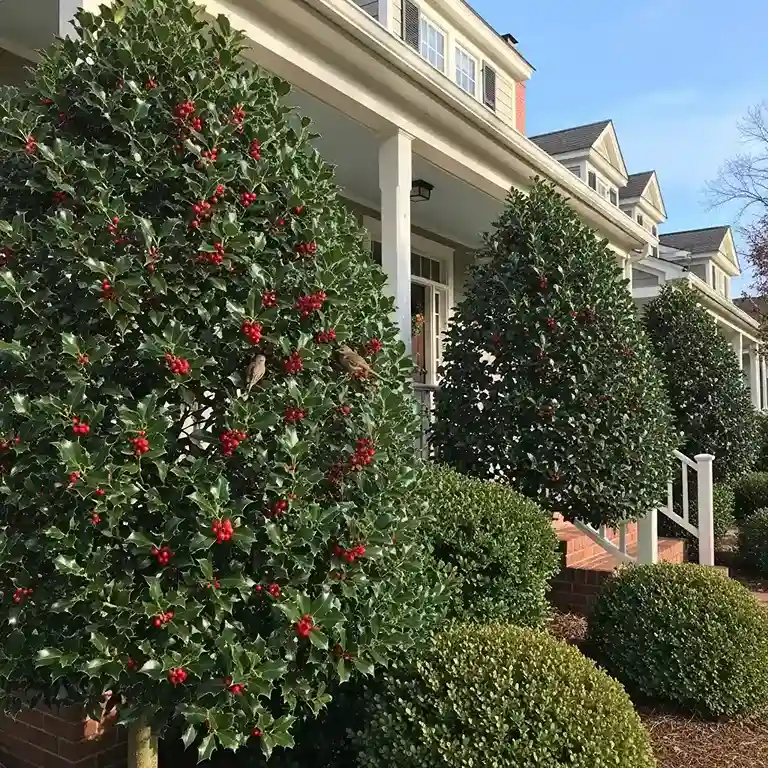
| Feature | Details |
|---|---|
| Height | 3-15 feet (variety dependent) |
| Sun Requirements | Full Sun to Part Shade |
| Hardiness Zones | 5-9 (variety dependent) |
| Growth Rate | Slow to Moderate |
| Maintenance | Low—requires male pollinator for berries, evergreen |
| Best Uses | Foundation plantings, screens, formal hedges |
15. Yew Classic Foundation
Yews provide dark green evergreen foliage tolerating heavy shearing maintaining precise shapes in formal landscapes or growing naturally forming elegant specimens. These shade-tolerant conifers thrive in conditions where many evergreens struggle making them valuable for north-facing foundations and shaded locations requiring year-round structure.
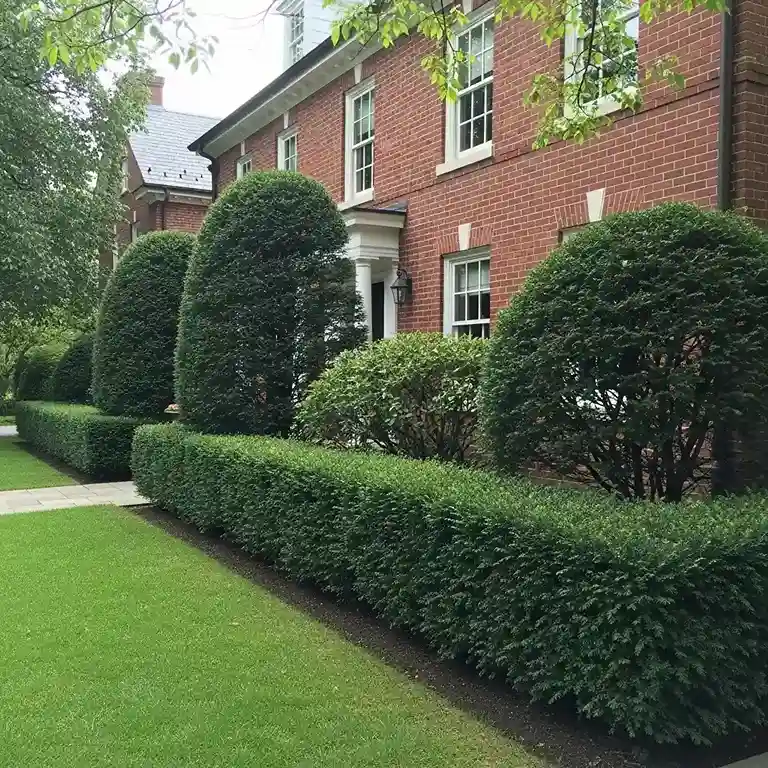
| Feature | Details |
|---|---|
| Height | 3-20 feet (variety dependent) |
| Sun Requirements | Part Shade to Shade |
| Hardiness Zones | 4-7 |
| Growth Rate | Slow |
| Maintenance | Moderate—toxic to pets, tolerates shade well |
| Best Uses | Foundation plantings, formal hedges, topiary |
16. Camellia Winter Blooms
Camellias produce elegant rose-like flowers in pink, red, white, and bi-colors blooming fall through spring when few others flower. These broadleaf evergreens prefer acidic soil and partial shade thriving in southern gardens and mild climates providing year-round glossy foliage and spectacular blooms creating elegant sophisticated landscapes.
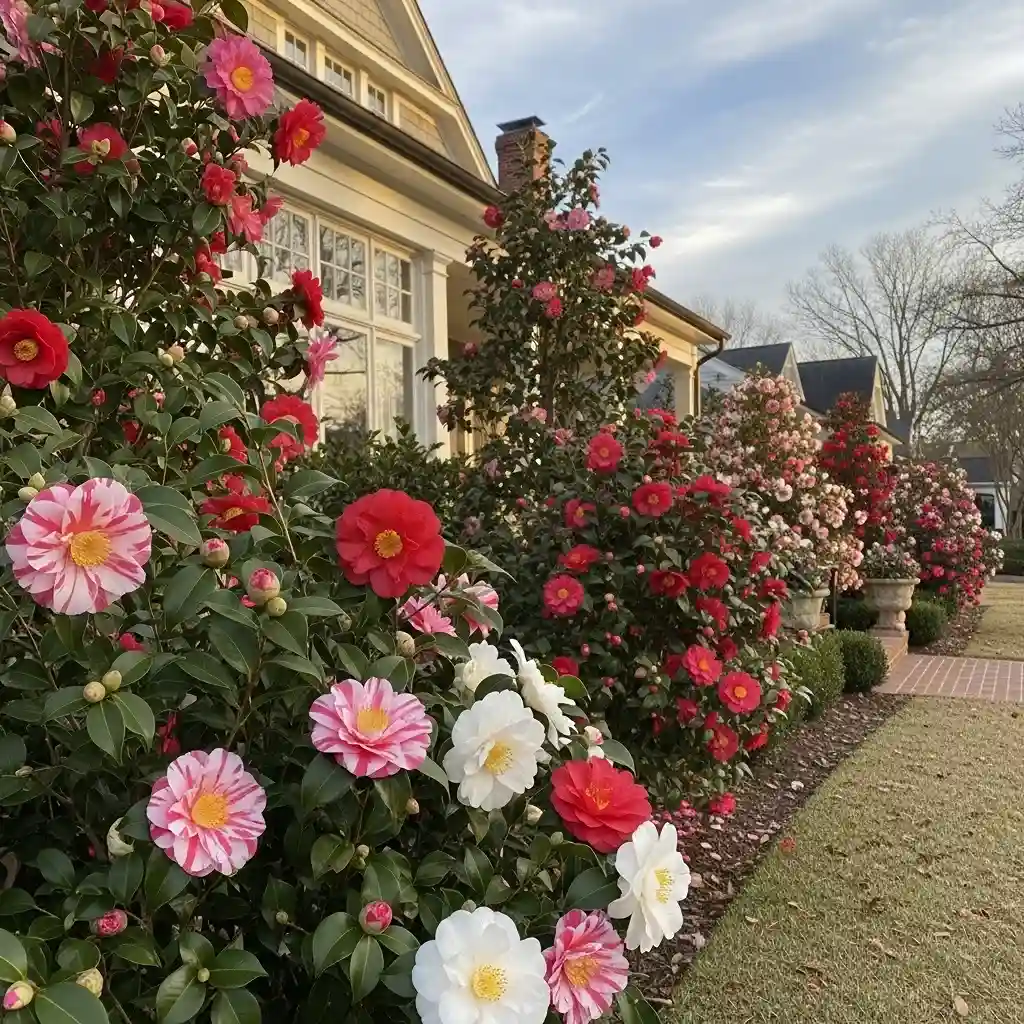
| Feature | Details |
|---|---|
| Height | 6-12 feet |
| Sun Requirements | Partial Shade |
| Hardiness Zones | 7-10 |
| Growth Rate | Slow to Moderate |
| Maintenance | Moderate—acidic soil required, elegant flowers |
| Best Uses | Foundation plantings, specimens, coastal backyard garden guide |
17. Abelia Glossy Blooms
Glossy abelia produces small tubular white or pink flowers from summer through fall attracting hummingbirds and butterflies throughout warm months. The semi-evergreen foliage turns bronze-purple in fall and winter providing multi-season color while arching habit and fine texture create graceful informal hedges.
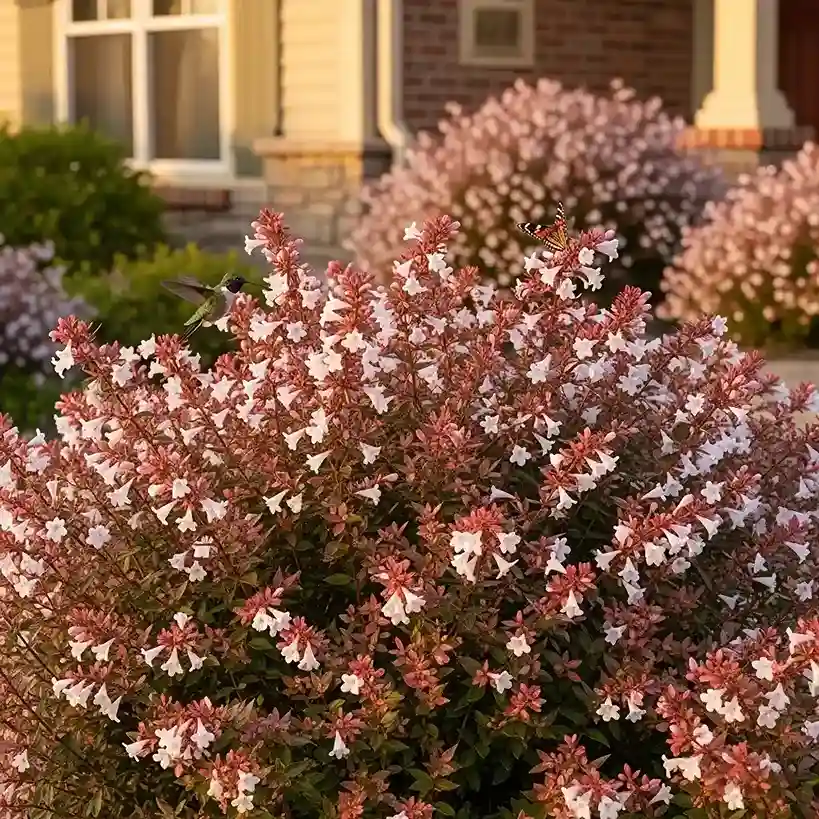
| Feature | Details |
|---|---|
| Height | 3-6 feet |
| Sun Requirements | Full Sun to Part Shade |
| Hardiness Zones | 6-9 |
| Growth Rate | Moderate |
| Maintenance | Low—long bloom period, heat tolerant |
| Best Uses | Foundation plantings, informal hedges, mixed borders |
18. Potentilla Continuous Blooms
Potentilla produces small rose-like flowers in yellow, white, pink, orange, or red blooming continuously from late spring through fall providing extended color. These compact deciduous shrubs tolerate poor soils, drought, and cold thriving in challenging conditions where fussier shrubs fail providing reliable long-season displays.
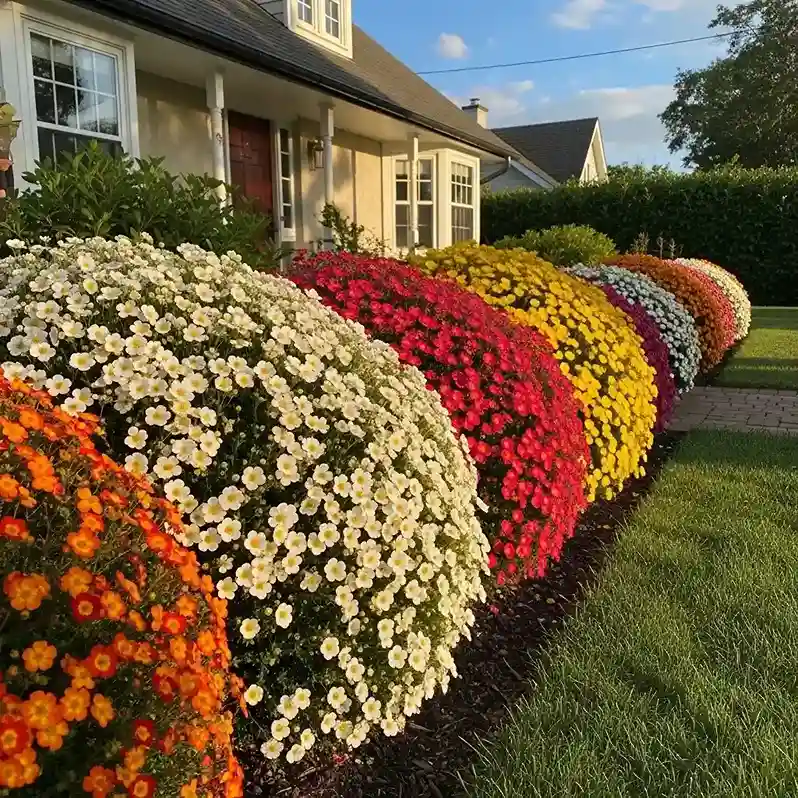
| Feature | Details |
|---|---|
| Height | 2-4 feet |
| Sun Requirements | Full Sun |
| Hardiness Zones | 2-7 |
| Growth Rate | Moderate |
| Maintenance | Very low—extremely hardy, long blooming |
| Best Uses | Foundation plantings, low hedges, small garden ideas |
19. Deutzia Starry Flowers
Deutzia produces masses of small star-shaped flowers in white or pink covering arching branches in late spring creating spectacular seasonal displays. These graceful deciduous shrubs create fountain-like forms providing romantic displays while low-maintenance nature and reliable flowering make them valuable for mixed borders.
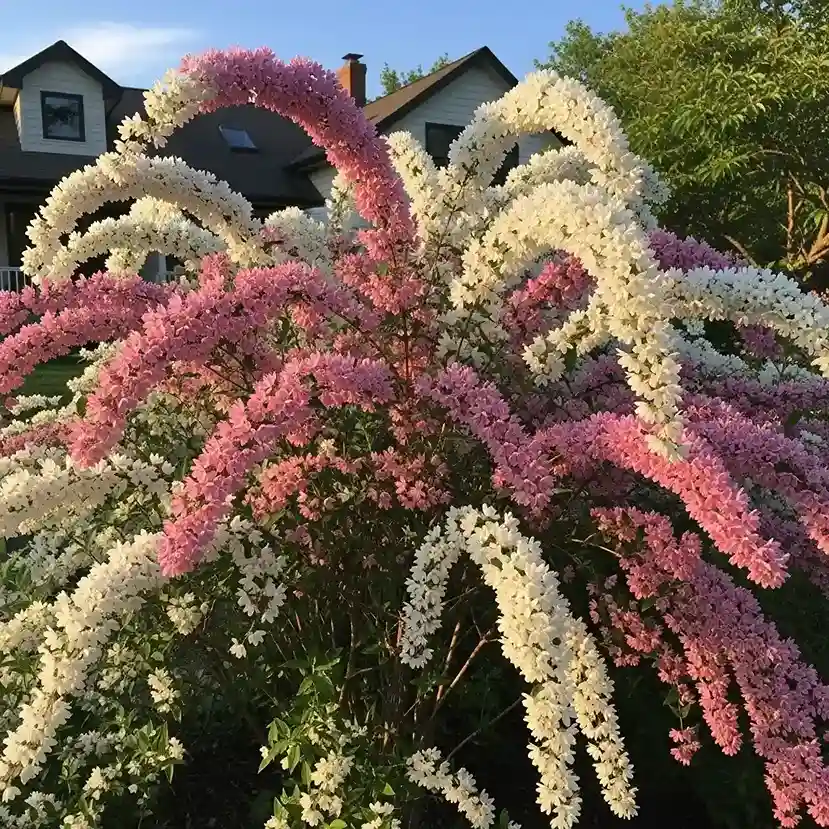
| Feature | Details |
|---|---|
| Height | 3-6 feet |
| Sun Requirements | Full Sun to Part Shade |
| Hardiness Zones | 5-8 |
| Growth Rate | Fast |
| Maintenance | Low—prune after flowering, graceful habit |
| Best Uses | Mixed borders, specimens, informal hedges |
20. Smokebush Purple Drama
Smokebush produces billowing purple or pink flower plumes resembling smoke clouds creating unique summer focal points unlike any other landscape plant. Purple-leaved varieties like ‘Royal Purple’ provide season-long foliage color while green types offer chartreuse spring growth creating substantial specimens or small trees.
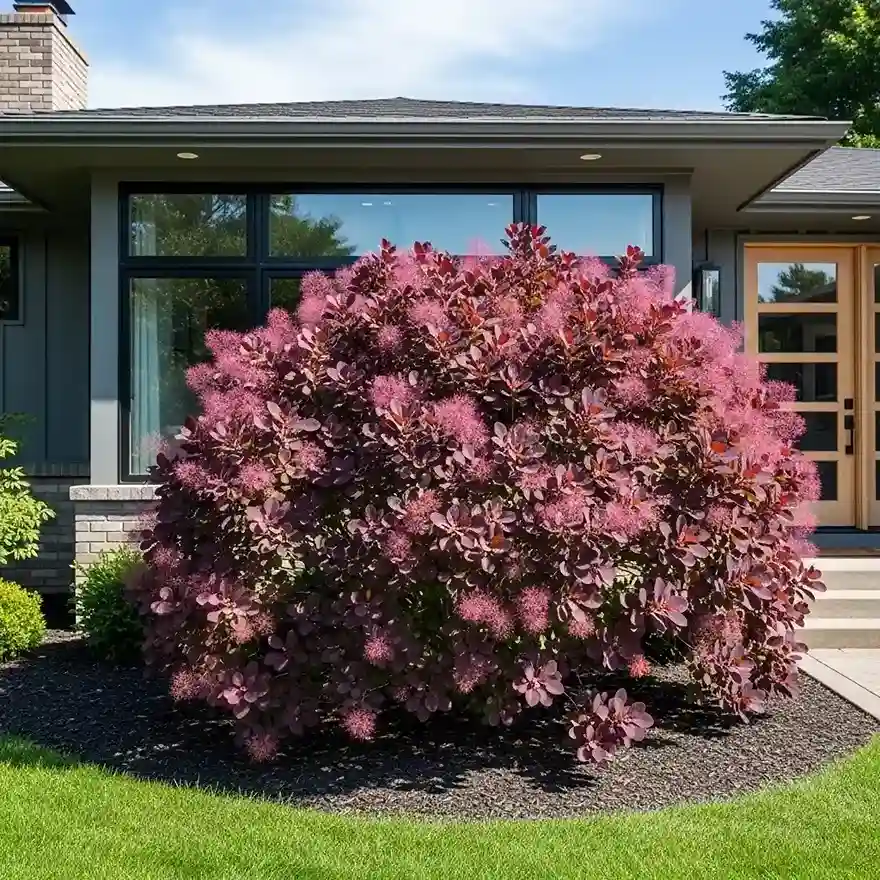
| Feature | Details |
|---|---|
| Height | 10-15 feet |
| Sun Requirements | Full Sun |
| Hardiness Zones | 4-8 |
| Growth Rate | Moderate to Fast |
| Maintenance | Low—unique appearance, drought tolerant |
| Best Uses | Specimens, tree landscaping ideas, focal points |
21. Lilac Fragrant Blooms
Lilacs produce intensely fragrant flower clusters in purple, pink, white, and magenta signaling spring’s arrival with beloved nostalgic scent appreciated for generations. These deciduous shrubs require winter chill performing best in northern climates while common lilacs grow large requiring space though compact varieties suit smaller properties perfectly.
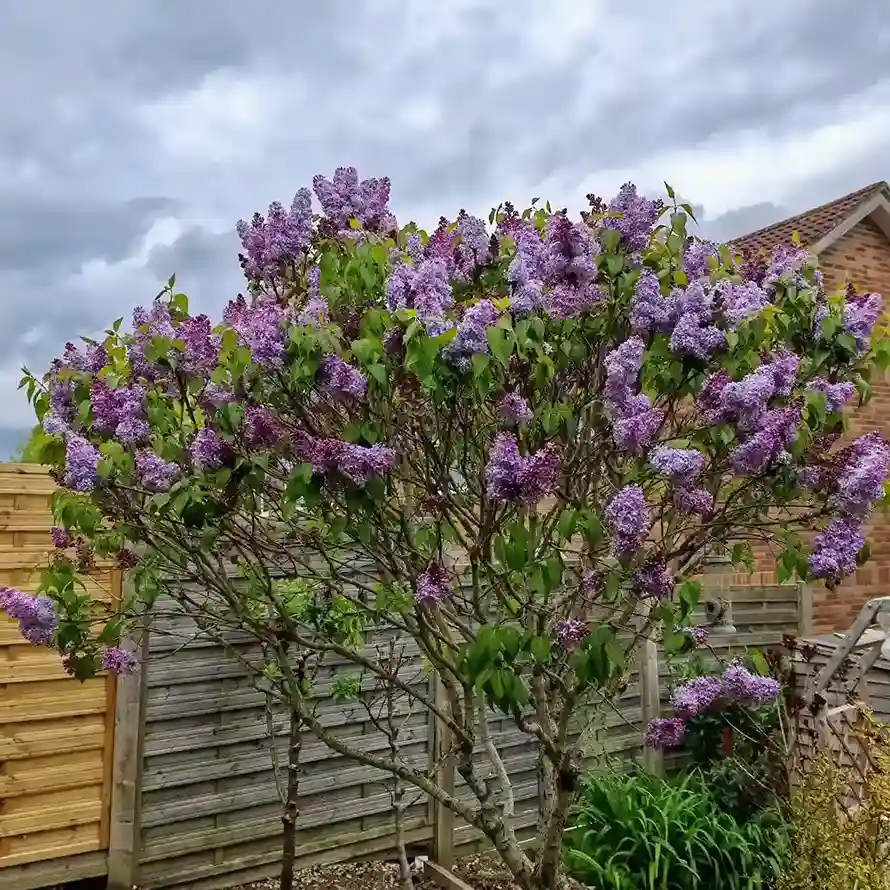
Source: @heatherscraftingshop
| Feature | Details |
|---|---|
| Height | 8-15 feet (compact varieties 4-6 feet) |
| Sun Requirements | Full Sun |
| Hardiness Zones | 3-7 |
| Growth Rate | Moderate |
| Maintenance | Moderate—prune after flowering, needs cold winter |
| Best Uses | Specimens, screens, fragrant gardens |
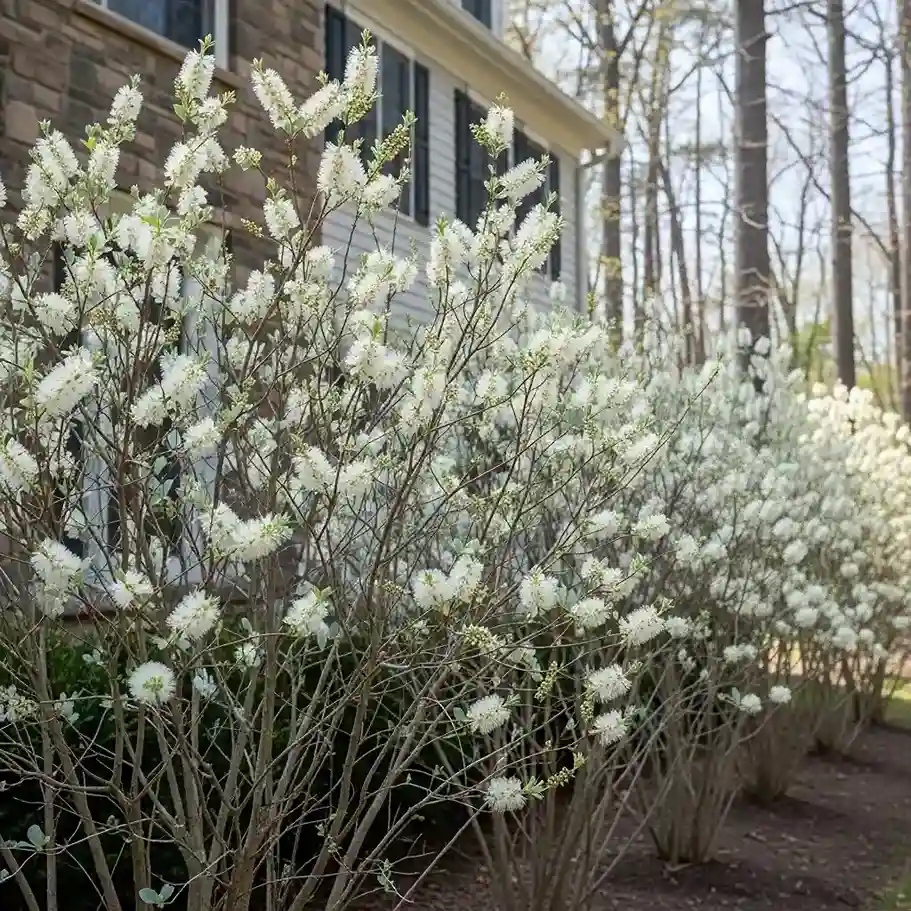
22. Fothergilla Bottlebrush Blooms
Fothergilla produces fragrant white bottlebrush flowers in spring before leaves emerge followed by blue-green summer foliage transforming into spectacular fall color. This native deciduous shrub requires acidic soil thriving in woodland settings while compact growth and multi-season interest make it valuable for foundation plantings.
| Feature | Details |
|---|---|
| Height | 3-6 feet (dwarf varieties 2-3 feet) |
| Sun Requirements | Full Sun to Part Shade |
| Hardiness Zones | 5-8 |
| Growth Rate | Slow |
| Maintenance | Low—native plant, spectacular fall color |
| Best Uses | Foundation plantings, specimens, best shrubs for front of house |
Frequently Asked Questions
How far apart should I plant foundation shrubs?
Space shrubs according to their mature widths allowing proper air circulation and growth room preventing overcrowding. Generally, position shrubs two-thirds their mature width apart—a 6-foot wide shrub needs 4 feet spacing. Closer spacing creates faster screening but requires more frequent pruning maintaining desired sizes.
What are the best low-maintenance shrubs for front yards?
Boxwood, spirea, potentilla, and barberry require minimal care once established thriving with basic watering and occasional pruning. These adaptable shrubs tolerate various conditions while maintaining attractive appearances throughout seasons. Native species often prove easiest requiring less intervention supporting local ecosystems naturally through appropriate plant selections.
How do I choose shrubs for my home’s architectural style?
Match shrub formality to architecture—formal plants like boxwood suit traditional homes while loose informal shrubs complement cottages and craftsman styles. Consider scale using larger shrubs for substantial homes and compact varieties for smaller houses. Repeat plants throughout foundation creating cohesive unified presentations that enhance architectural features.
When is the best time to plant foundation shrubs?
Fall planting allows root establishment before winter dormancy giving shrubs head starts for spring growth in most climates. Spring planting works well in cold climates with severe winters where fall-planted specimens might suffer. Avoid summer planting when heat stress challenges establishment though container specimens tolerate year-round installation with proper care and attention.
Do I need to replace foundation shrubs eventually?
Most foundation shrubs last decades with proper care though some require replacement after 15-20 years as they outgrow spaces or decline. Regular pruning extends lifespans maintaining appropriate sizes and vigor. Consider eventual replacement needs when selecting fast-growing species versus slower-growing long-lived varieties that mature gradually providing extended service lives.
Conclusion
Foundation shrubs transform houses into homes creating welcoming curb appeal while providing structure, seasonal interest, and increased property values through strategic thoughtful plantings. Whether prioritizing evergreen year-round structure, spectacular flowering displays, or dramatic fall color, countless shrub options accommodate every preference, climate, and maintenance capability successfully.
Successful foundation plantings combine proper plant selection matching site conditions with appropriate spacing, adequate maintenance, and patience allowing shrubs reaching mature sizes gradually. These permanent landscape investments deliver decades of beauty enhancing properties while requiring relatively modest care compared to annual bedding schemes requiring constant replanting and maintenance throughout growing seasons.